
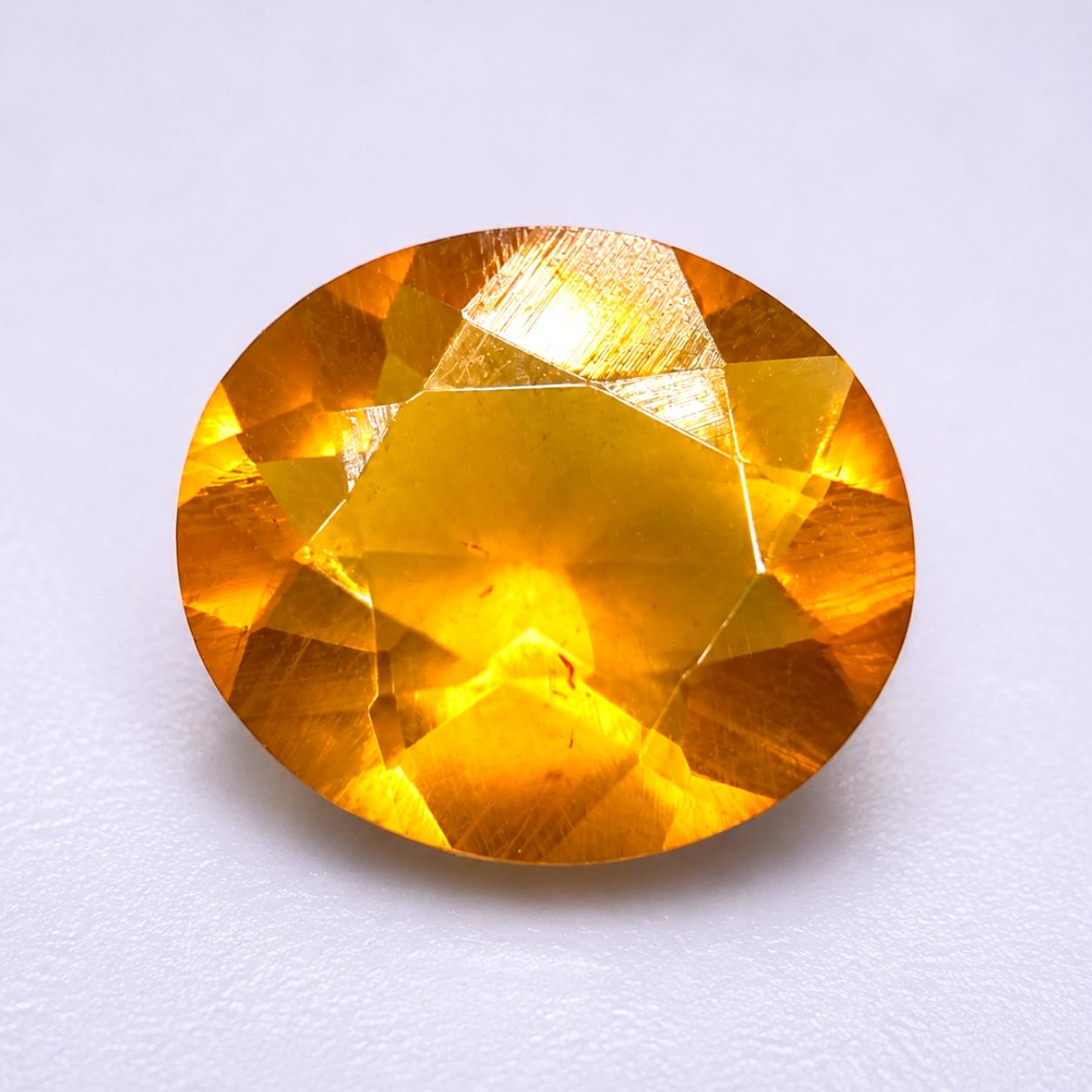
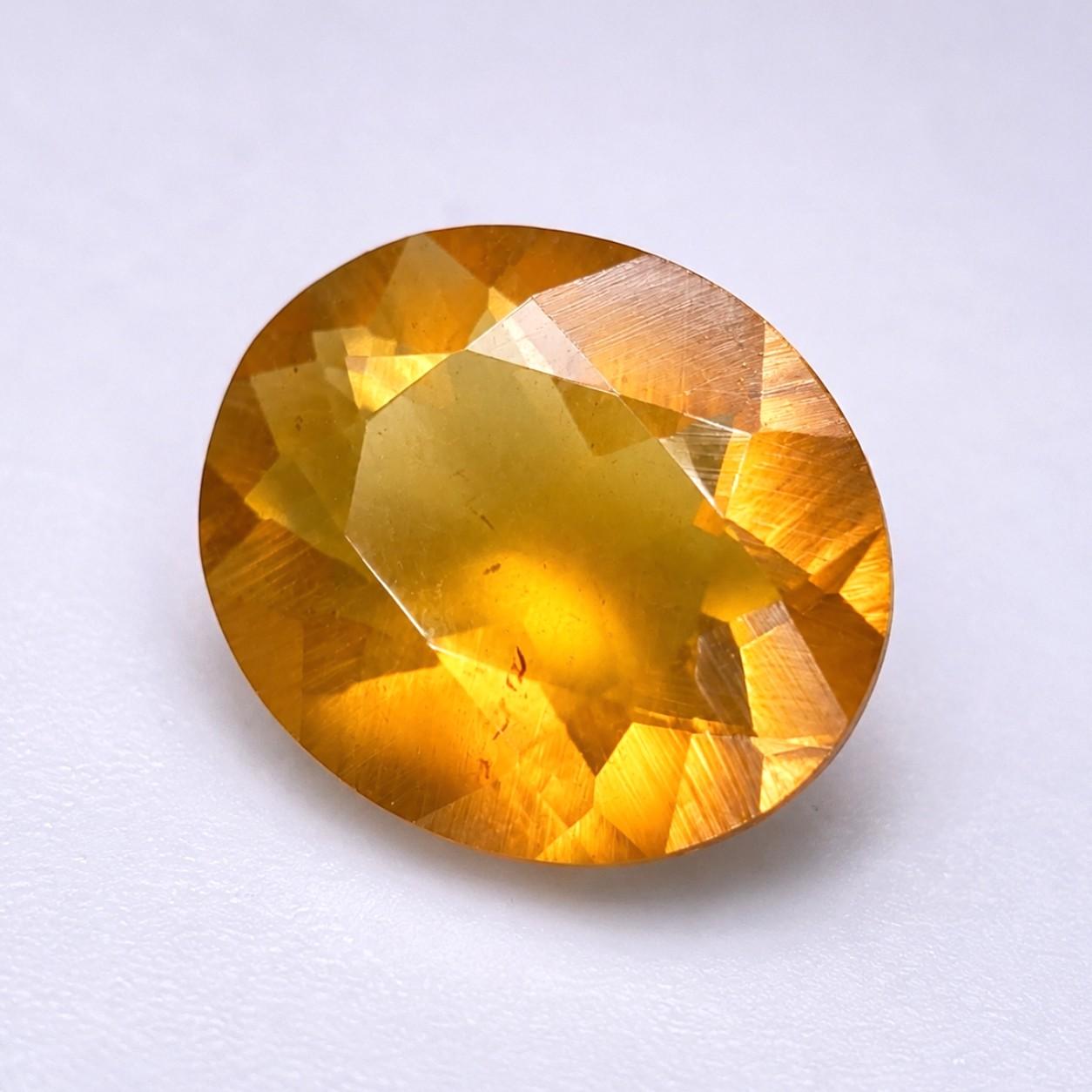
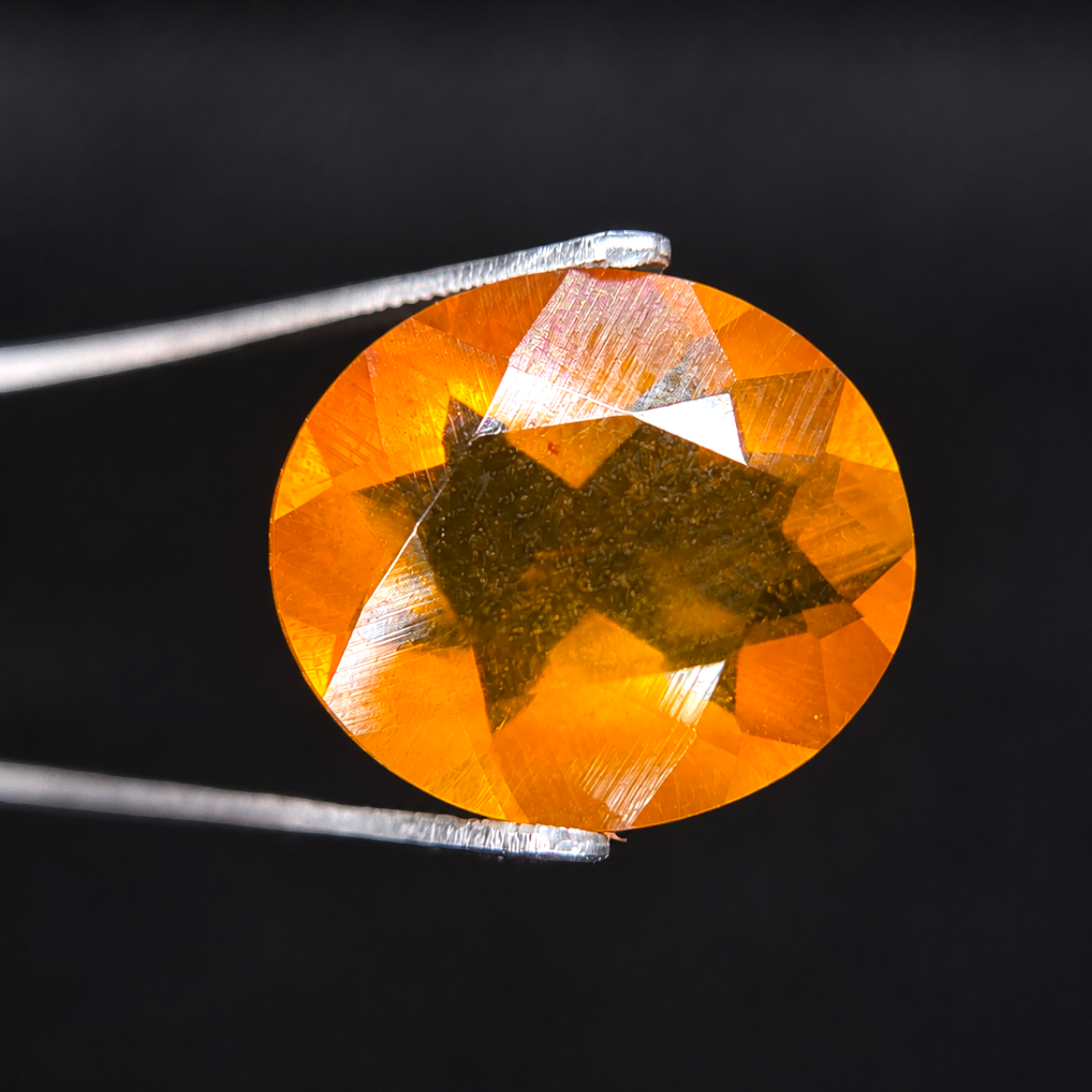
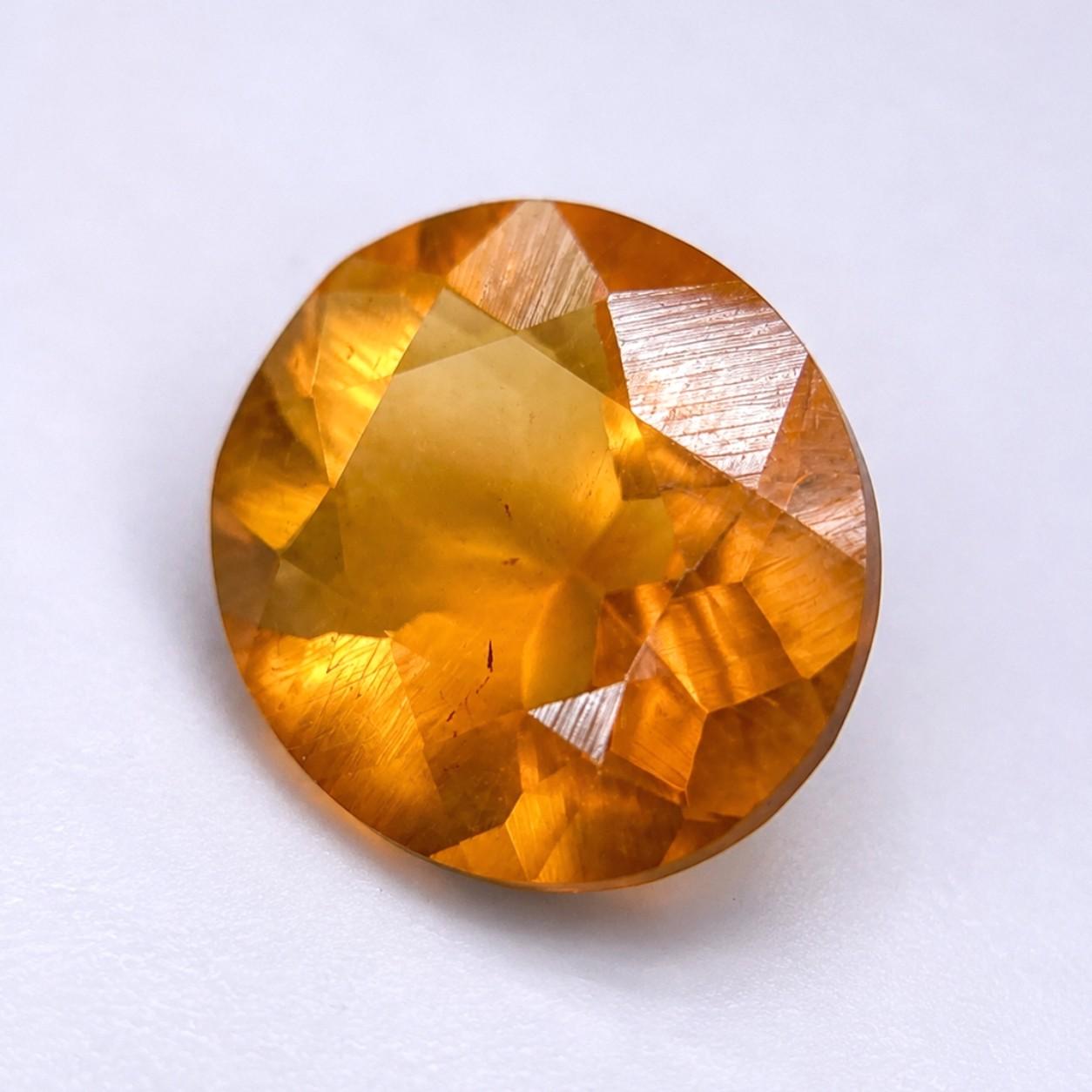
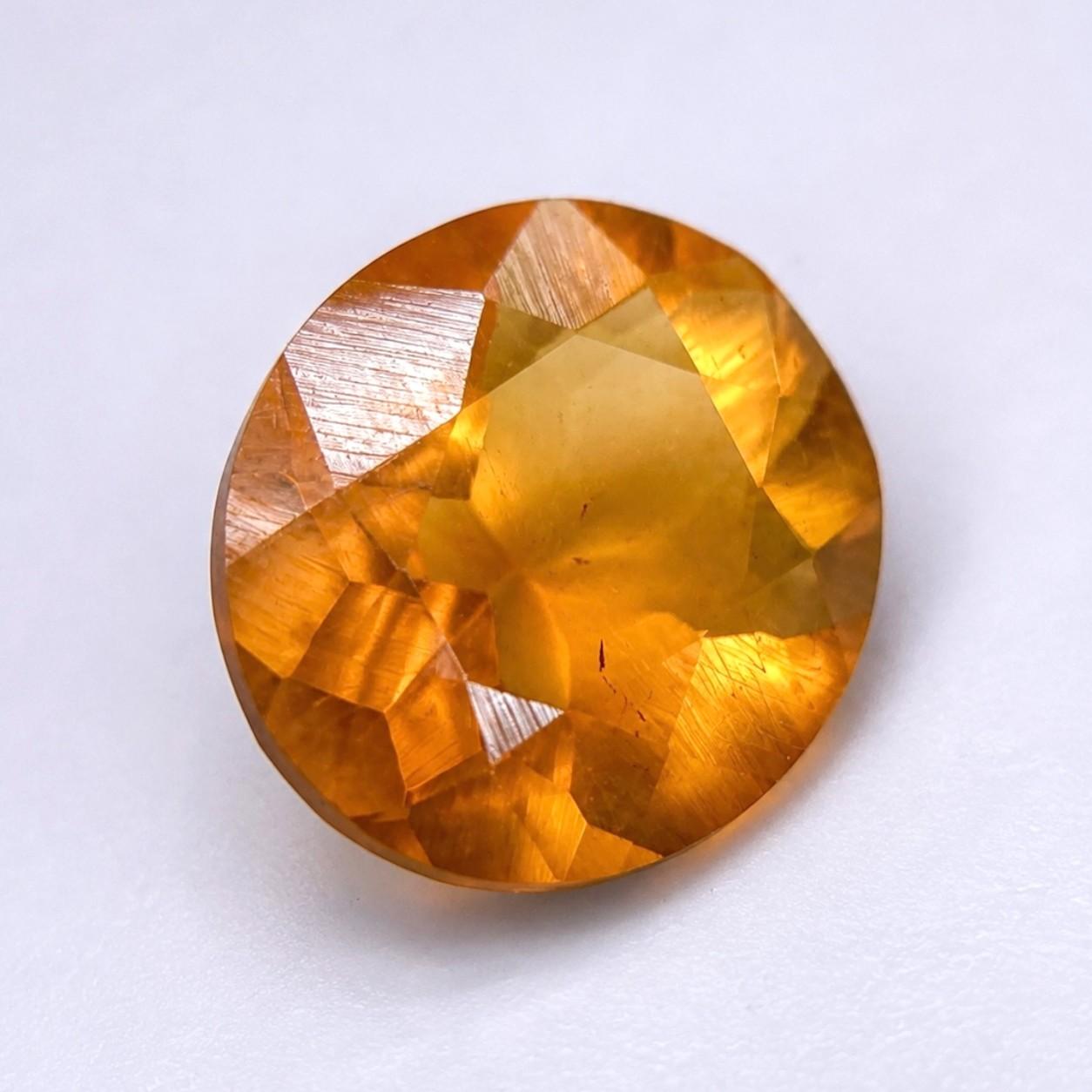
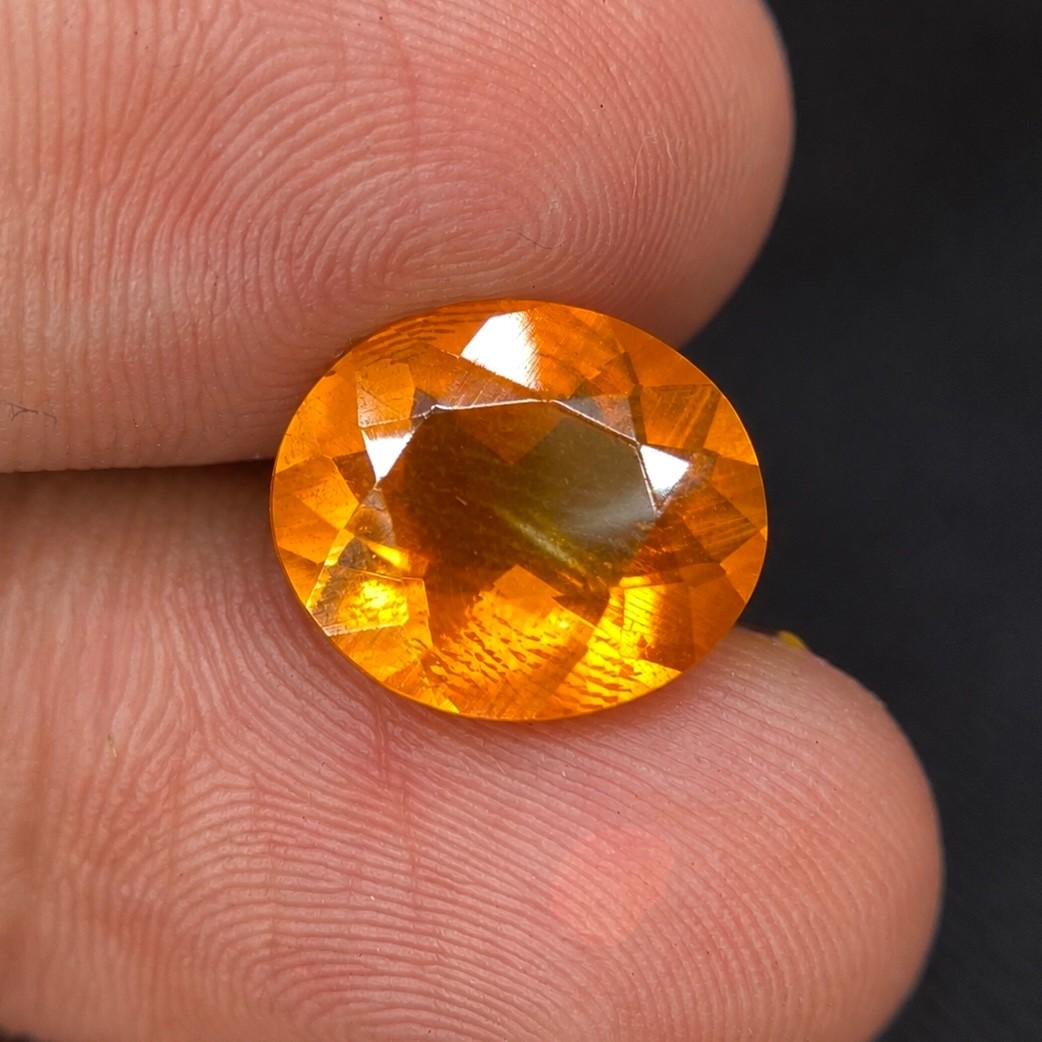
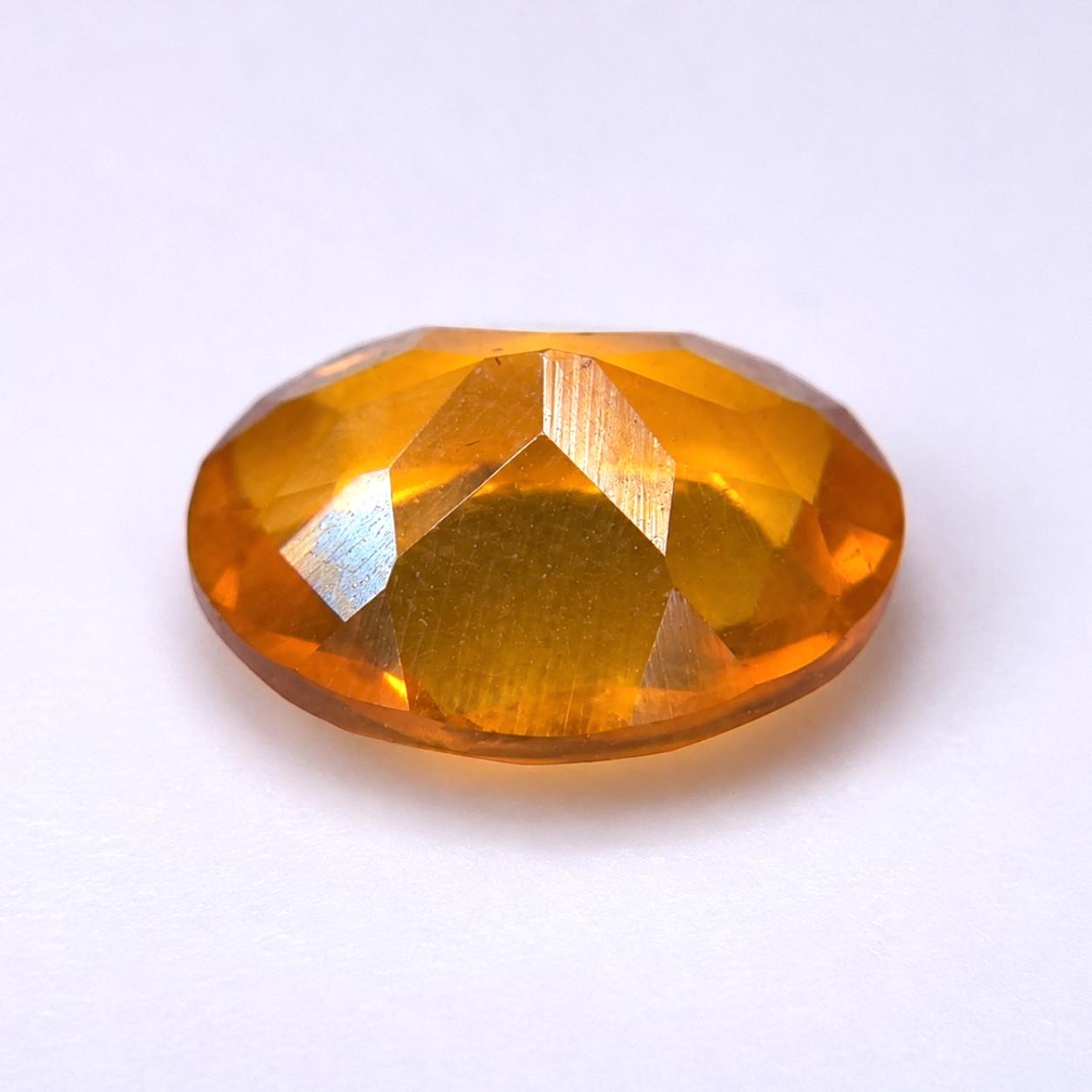
1.87 ct BURMITE – MYANMAR
EXPERT VERIFIED
- Expert Verified Gemstone
- Fast Handling & Shipping
- Secure Vault Packaging
$ 345
Offer amount Feild


Smart Collector Choice


Pay with Crypto & Get 10% Automatic Discount

Availability: 1 in stock


- Freakingcats Gemstone Database
Burmite (Burma)
Burmite from the ancient, deep-seated sedimentary basins of northern Myanmar represents the supreme, prehistoric apex of the fossilized resin world. A highly hardened, Cretaceous-era fossil resin, it is a material I have always respected for its “deep-cherry-cognac” to “honey-gold-neon” internal glow and its status as a masterpiece of “amorphous” organic structural preservation. For the specialist, a top-tier Burmite is a matchless prize of deep-time biological entrapment; it offers a brilliant resinous to vitreous luster and a highly resonant, ancient presence that makes it a true “high-vibration” asset for the systematic vault. As an artist, I find the profound, liquid warmth of its deep reddish-orange tones and the breathtaking, microscopically sharp suspension of Cretaceous life forms inside its translucent depths to be one of nature’s most sophisticated and time-defying palettes.
The Heritage & Discovery
Historical Significance
Burmite is a vital material for understanding the complex paleoecology, evolutionary pathways, and resin-producing flora of the mid-Cretaceous period. Historically, it holds a venerable place in Asian gemological lore, traded along the ancient Southwest Silk Road to China for centuries before it was formally documented by Western mineralogists in the late 19th century. In the world of fine collectibles, it is celebrated for its exceptional age—dating back approximately 99 million years—making it far older than classic Baltic amber. It serves as a reminder that the natural exudates of ancient, primordial conifers can survive tectonic shifts and chemical maturation to emerge as extraordinary, hyper-saturated structural vaults of prehistoric life.
Discovery
While known to local miners and regional dynasties for generations, systematic documentation of the extensive deposits completely redefined the paleontological and mineralogical study of amber in the early 21st century. Scientifically, Burmite is an extraordinarily hard fossil resin, characterized by high concentrations of succinic acid and a dense polymerization resulting from millions of years of subterranean heat and pressure. Its discovery in remote valleys provided scientists with spectacular, three-dimensional preservation of ancient feathers, primitive insects, and rare botanical fragments. My own respect for this material grew from observing its unique optical depth; specifically, the way it exhibits a strong, oily petrol-green to bluish reaction under ultraviolet light, or shifts into a rich, blood-red body color when backlighted, is a visual impact that is unmistakable to the trained eye.
Important Mines
The undisputed historical capital for this material remains the Hukawng Valley in the Myitkyina District of Kachin State, northern Myanmar (Burma), famed for its deep, hand-dug shafts piercing Cretaceous clay and sandstone sequences. Globally, while younger ambers emerge from the Baltic region and the Dominican Republic, the ancient deposits of the Noije Bum hills stand entirely alone in terms of age, structural toughness, and evolutionary diversity. For the vault, I prioritize specimens that exhibit high optical transparency, rich uniform color zoning, and well-positioned, macroscopically visible fossil inclusions, as they represent a highly active, pristine masterpiece of organic geology.
Mineralogical Profile
Description
Burmite is an amorphous organic substance formed through the fossilization of plant resins, mostly attributed to extinct trees of the Araucariaceae or Cupressaceae families. It sits at an unusually robust 2.5 to 3 on the Mohs scale, making it significantly harder and less brittle than most other global amber varieties, allowing it to accept an incredibly sharp, mirror-like archival polish. It is characterized by its bright resinous luster and an unmistakable, “cherry-red, orange-brown, to rich golden-yellow” color palette.
One of its most identifying traits is its lack of cleavage, breaking with a clean conchoidal fracture that highlights its uniform, glassy structure. It possesses a moderate refractive index running from approximately 1.54 to 1.56, contributing to its internal warmth and light-gathering capability, and an exceptionally light specific gravity ranging between 1.05 and 1.10, allowing it to float easily in saturated saltwater solutions. Because it forms in marine-influenced sedimentary sequences, it is commonly found in close association with lignite, pyrite, and fine siltstone matrices. When I select a piece for the collection, I look for crisp, clear specimens that feature pristine internal preservation or dramatic, swirling flow structures, as these highlight the sophisticated, multi-million-year chemistry of the material’s ancient, resinous birth.
Chemical Formula
As a highly complex, polymerized fossil resin composed of various organic hydrocarbons, it does not possess a rigid mineral formula, but its architectural framework is dominated by complex organic macromolecules:
C10H16O


