
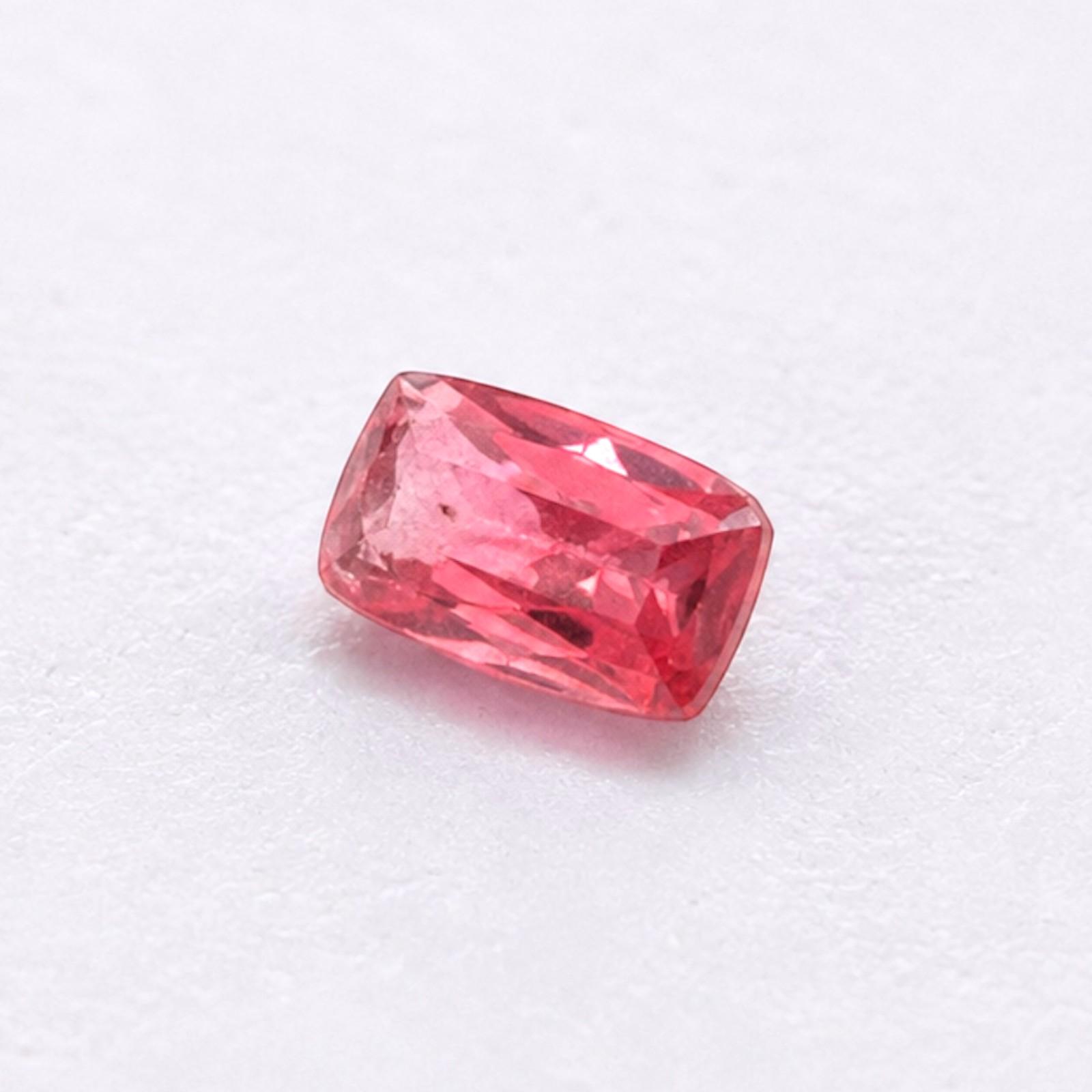
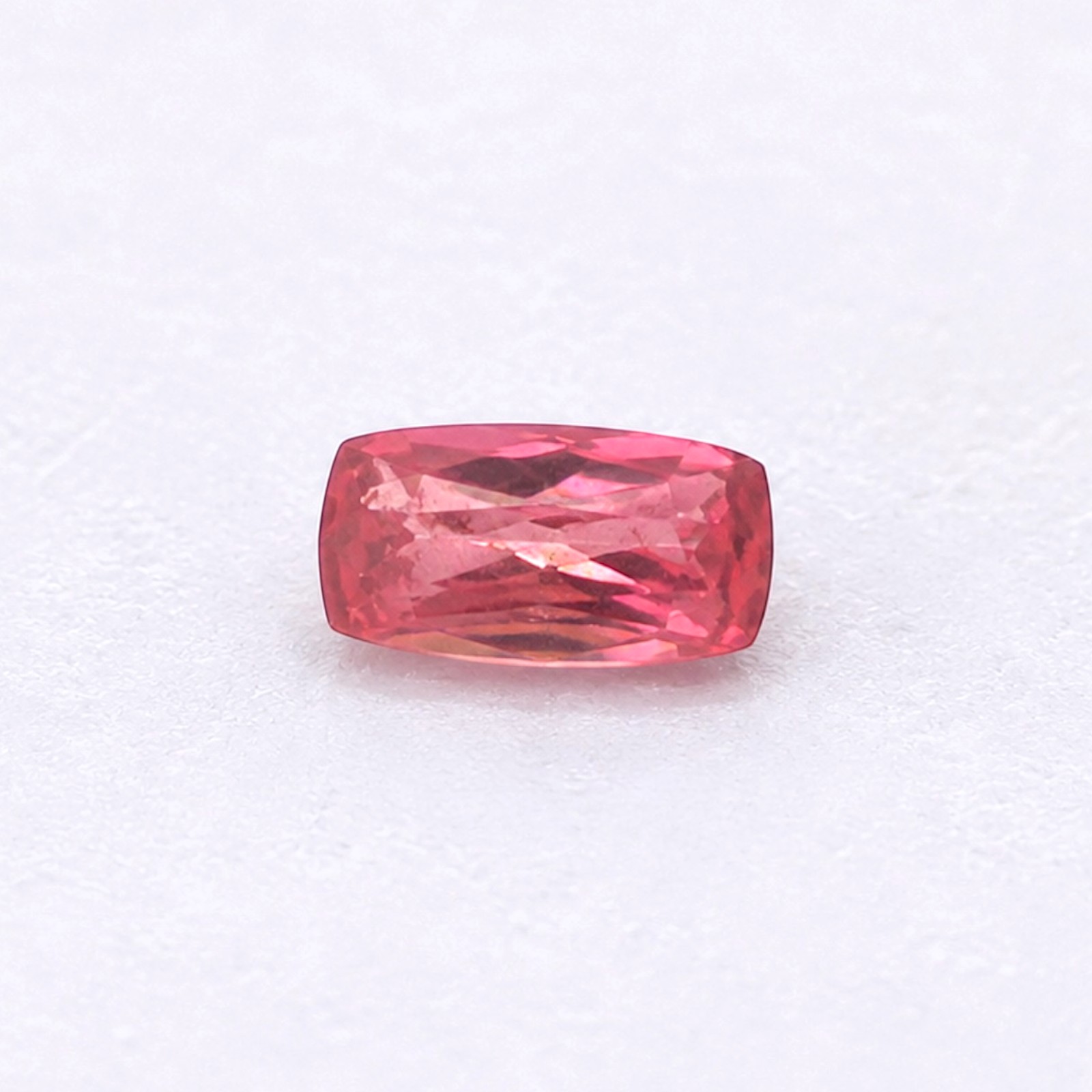
0.26 ct RHODONITE – AUSTRALIA
EXPERT VERIFIED
- Expert Verified Gemstone
- Fast Handling & Shipping
- Secure Vault Packaging
$ 90
Offer amount Feild


Smart Collector Choice


Pay with Crypto & Get 10% Automatic Discount

Availability: 1 in stock
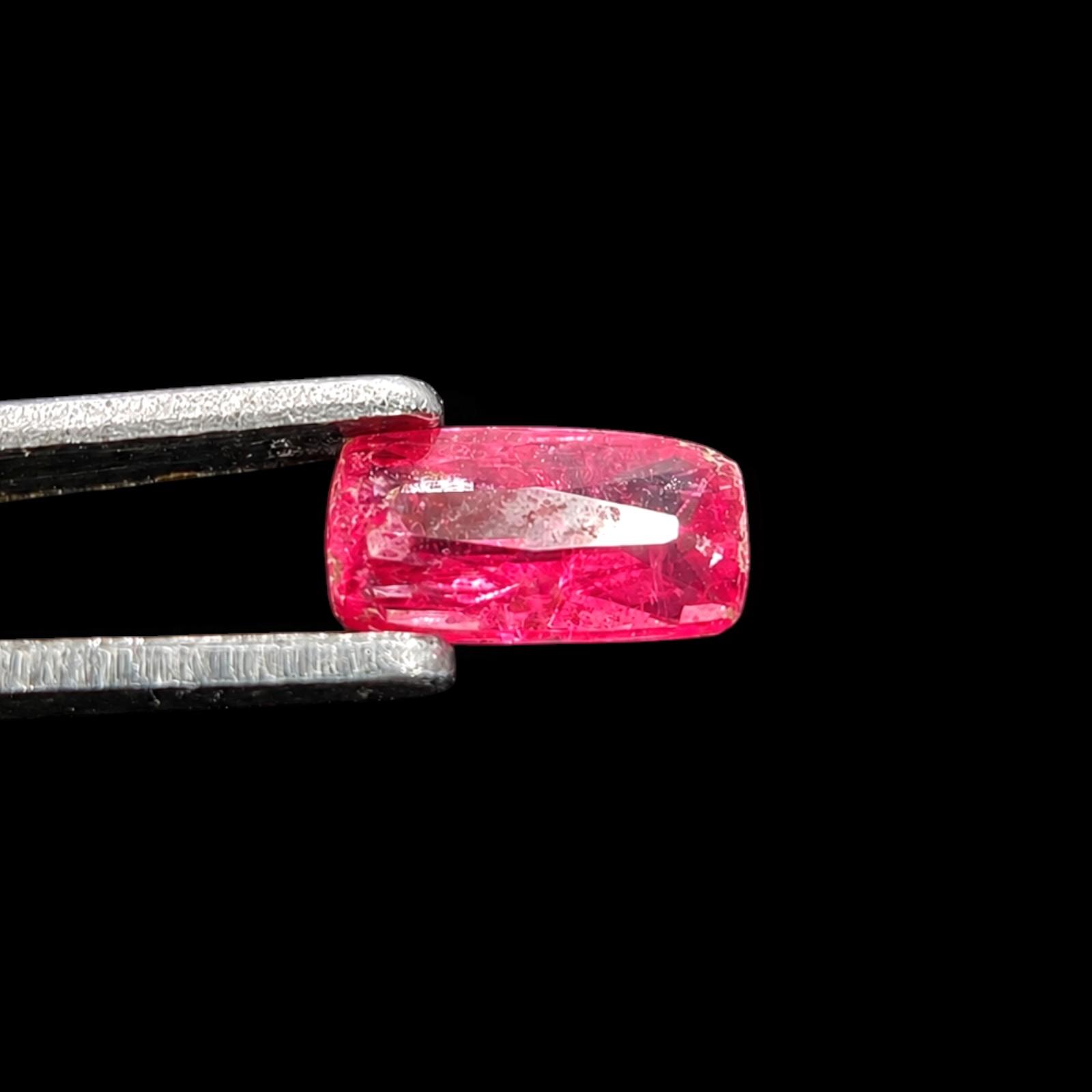
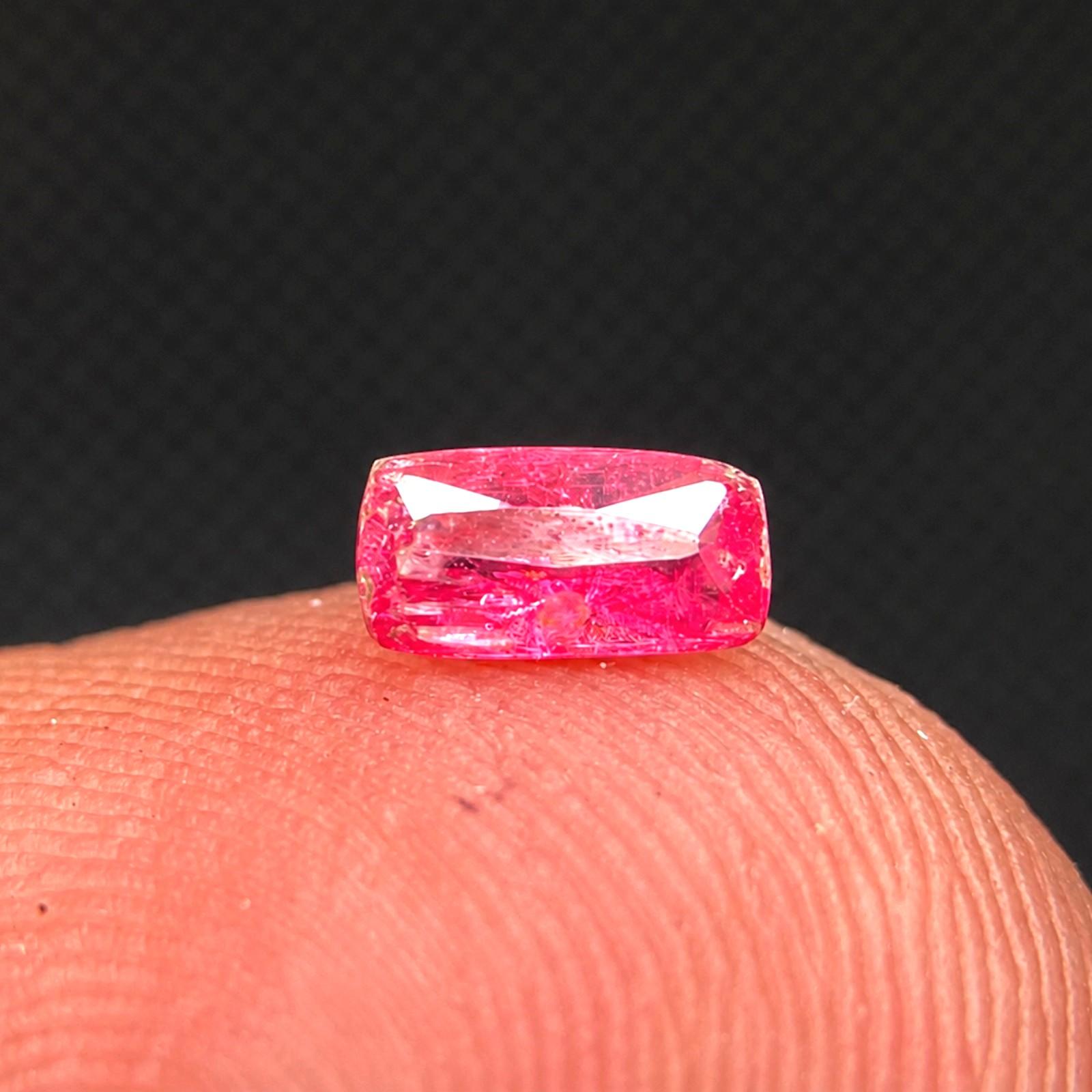
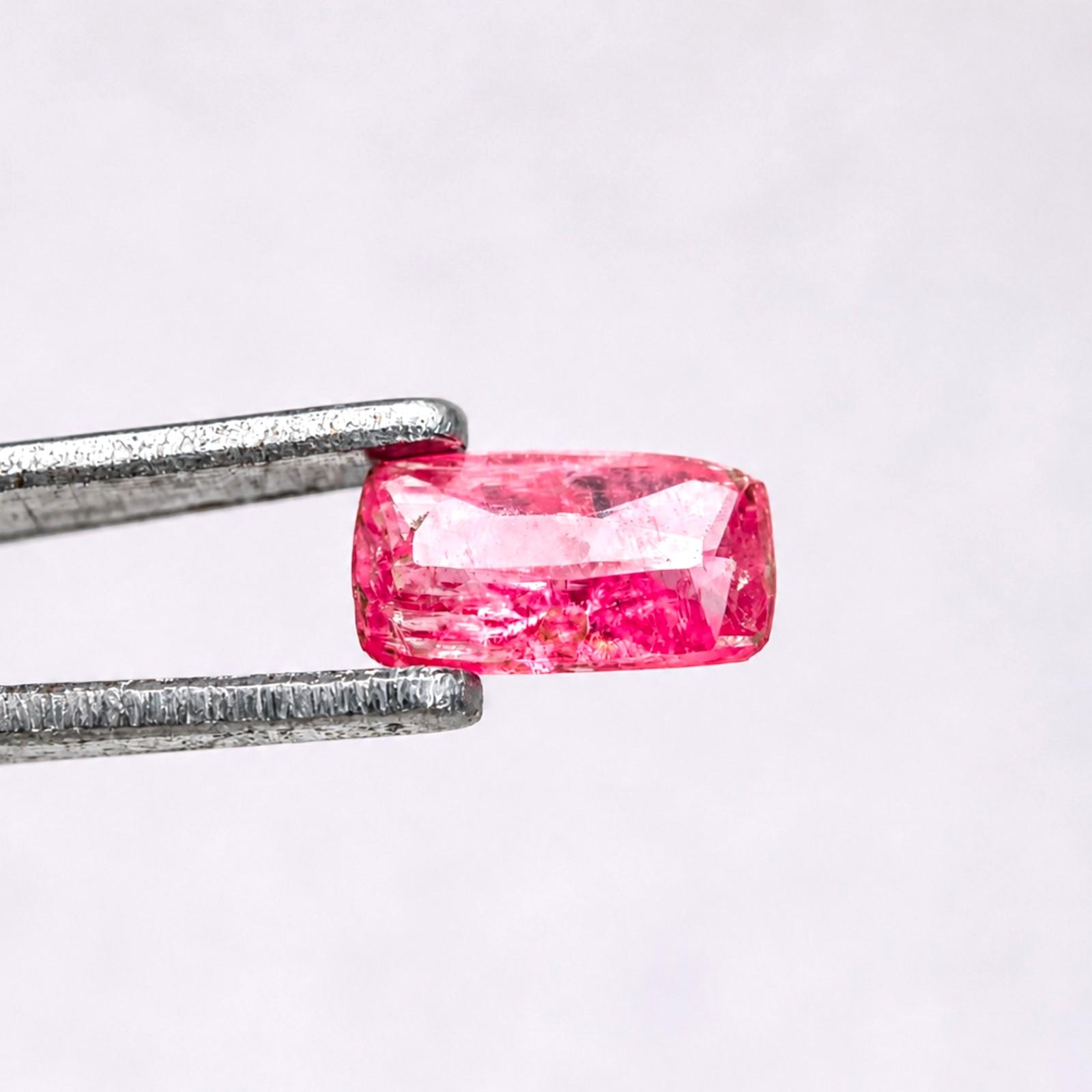
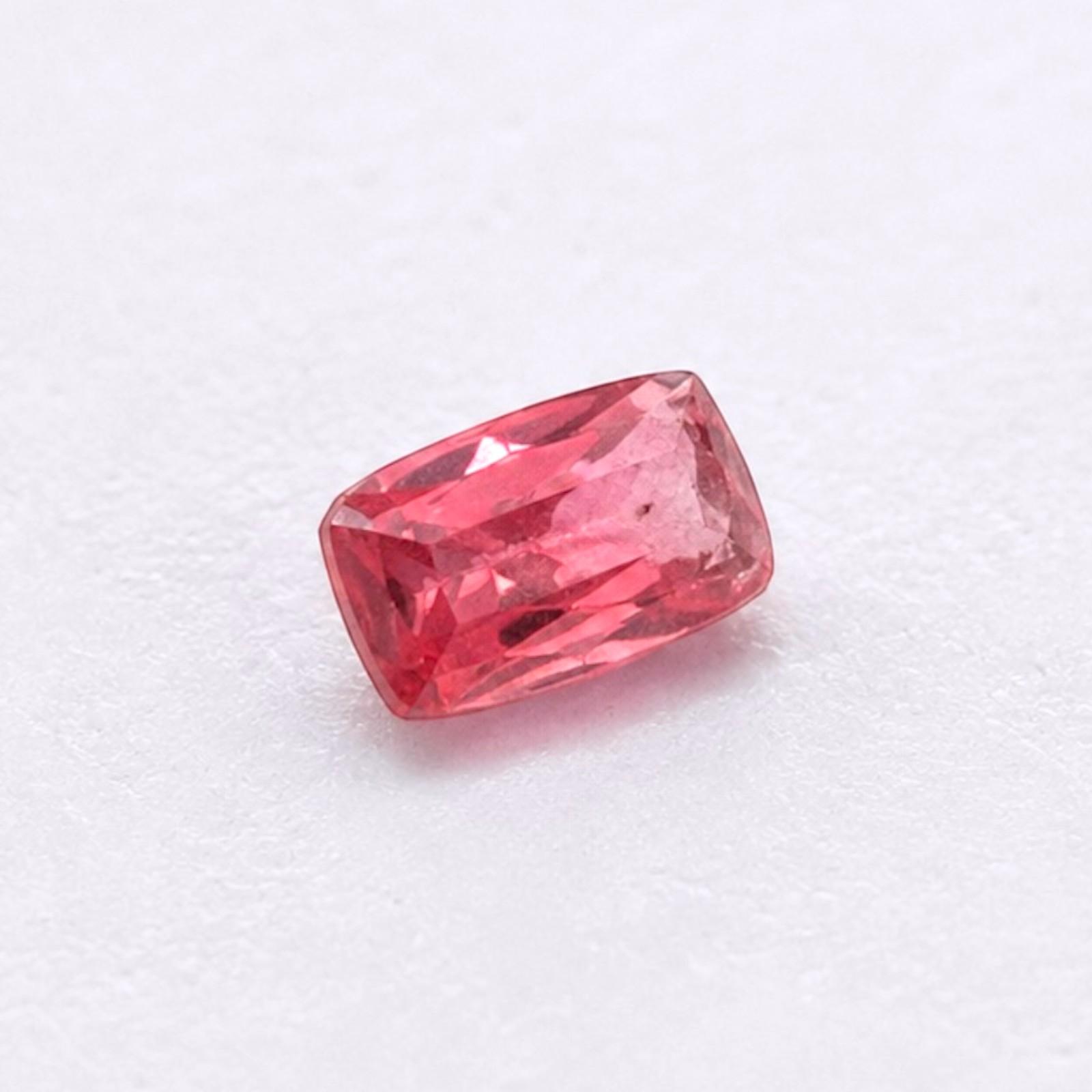


- Freakingcats Gemstone Database
Rhodonite (Australia)
Rhodonite from the legendary metamorphic, stratiform manganese-iron deposits of Australia—most famously Tamworth and the Broken Hill orebody—represents the absolute global pinnacle of intense, saturated “rose-crimson” coloration, exceptional crystalline density, and world-record gem transparency. A complex manganese inosilicate, it is a species I have always respected for its “vivid-neon-magenta” to “deep-cherry-red” saturation and its status as a masterpiece of “triclinic” structural discipline. For the specialist, a top-tier Australian Rhodonite—whether forming massive, fine-grained gem masses ideal for lapidary carving or ultra-rare, sharp, translucent red crystals—is a prized trophy of high-grade regional metamorphism; it offers a bright vitreous to pearly luster and a commanding, light-gathering presence that makes it an essential anchor for the systematic vault. As an artist, I find the breathtaking contrast between its saturated, electric-pink body and the stark, web-like black veins of secondary manganese oxides (pyrolusite and psilomelane) to be one of nature’s most sophisticated and visually arresting canvases.
The Heritage & Discovery
Historical Significance
Rhodonite is a vital index mineral for decoding the complex pressure, temperature, and fluid dynamics that occur when manganese-rich siliceous sediments undergo high-grade regional metamorphism. Historically, while rhodonite was known from old European and Uralian localities, the discovery of Australian deposits in New South Wales during the late 19th and mid-20th centuries set an entirely new global benchmark. Australian rhodonite redefined the limits for the species: the Tamworth district became world-famous for yielding the finest, most intensely colored carving-grade masses on Earth, while the Broken Hill orebody produced the world’s most valuable, gem-quality translucent crystals, standing as an enduring symbol of tectonic refinement and manganese concentration.
Discovery
The unearthing of deep, manganese-rich lenses across eastern Australia provided mineralogists with unprecedented expressions of this silicate group. Scientifically, Rhodonite is a single-chain inosilicate where manganese ions dominate the structural chains, with variable substitution of iron, calcium, and zinc depending on the localized fluid chemistry. In classic Australian material, an exceptionally high manganese-to-calcium ratio yields a deep, vibrant pink-to-red hue that avoids the pale, washed-out tones found in lower-grade deposits. My own respect for this material grew from analyzing its structural resistance; specifically, its high toughness—caused by interlocking microcrystalline grain textures—paired with its stark, web-like black oxidation rinds creates a dramatic, high-contrast visual profile that is unmistakable to the trained eye.
Important Mines
The undisputed capitals for world-class expressions of this species within Australia are located in New South Wales. The Tamworth district (including the famous Woods Mine near Upper Bingara) is internationally renowned for producing massive, highly saturated “rose-pink” to deep red rhodonite of unmatched carving quality. Equally legendary is the Broken Hill lode (such as the Zinc Corporation and North Mine), famous among systematic collectors for producing ultra-rare, translucent, gemmy red triclinic crystals up to several centimeters in size. For the vault, I prioritize specimens that exhibit intense, deep magenta-red color saturation, sharp structural integrity, minimal weathering degradation, and high visual contrast against dark manganese matrix.
Mineralogical Profile
Description
Rhodonite is a manganese silicate mineral that crystallizes in the triclinic system. It sits at a moderate 5.5 to 6.5 on the Mohs scale, featuring a tough, compact tenacity in massive form, though individual transparent crystals possess perfect prismatic cleavage in two directions at nearly right angles, requiring careful archival handling to protect its crisp crystal edges and faces. It is characterized by its bright vitreous to pearly surface luster and an intense color palette dominated by rose-pink, deep neon-magenta, rich raspberry-red, and brownish-red.
One of its most identifying traits is its tendency to alter along fractures and surface boundaries into black manganese oxides (such as pyrolusite), creating intricate, dendritic “spiderweb” patterns across a pink host. It possesses a moderate to high refractive index running from approximately 1.716 to 1.752, giving faceted gem material and thin mineral slabs exceptional color depth, and a dense average specific gravity ranging between 3.54 and 3.76. Because it forms in metamorphosed manganese deposits and hydrothermally altered rocks, it is commonly found in close association with Tephroite, Spessartine, Galena, Sphalerite, Bustamite, Quartz, and Pyrolusite. When I select an example for documentation, I look for deep, uniform raspberry-red saturation, sharp internal clarity, and clean structural boundaries, as these emphasize the sophisticated, deep-seated chemistry of the mineral’s metamorphic birth.
Chemical Formula


