
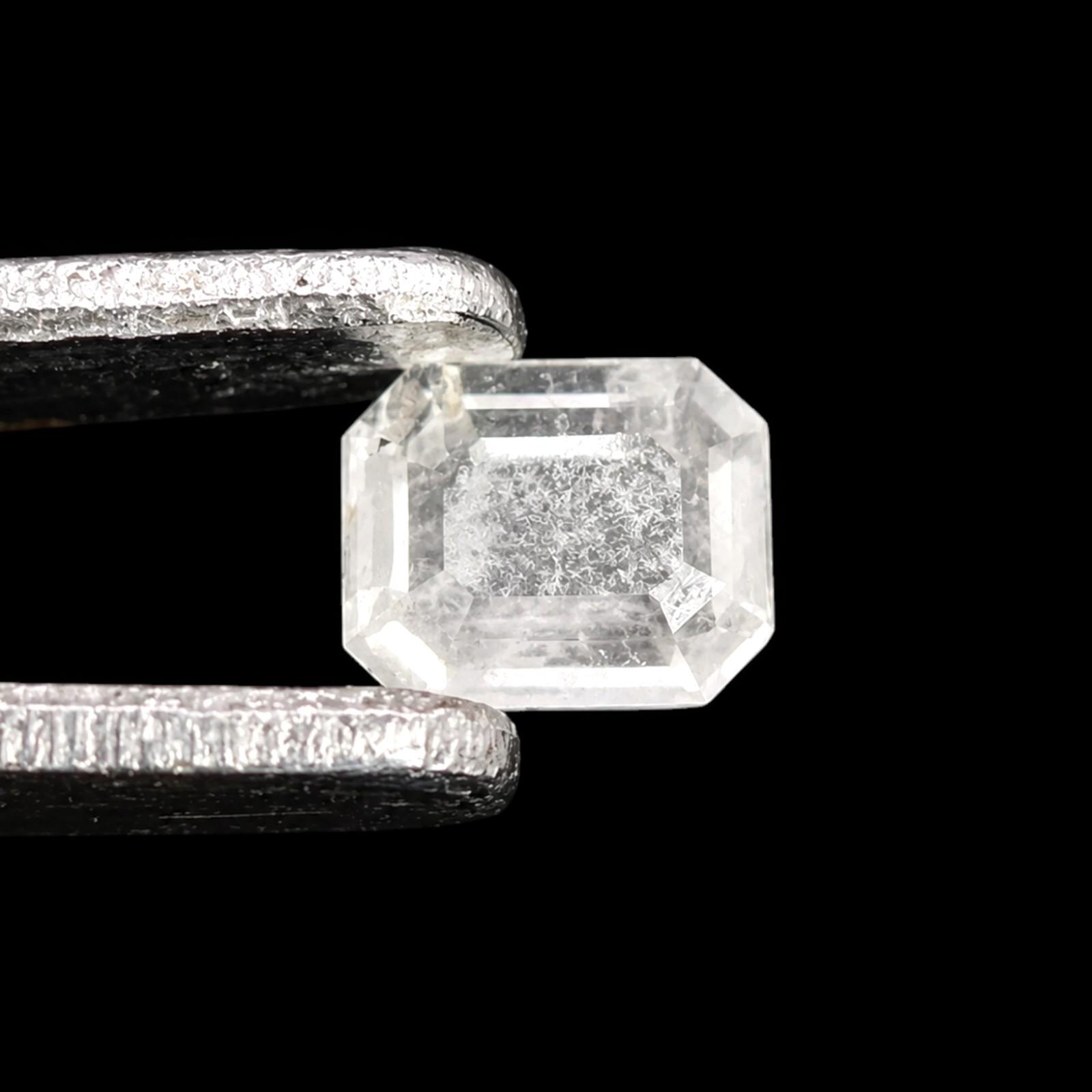
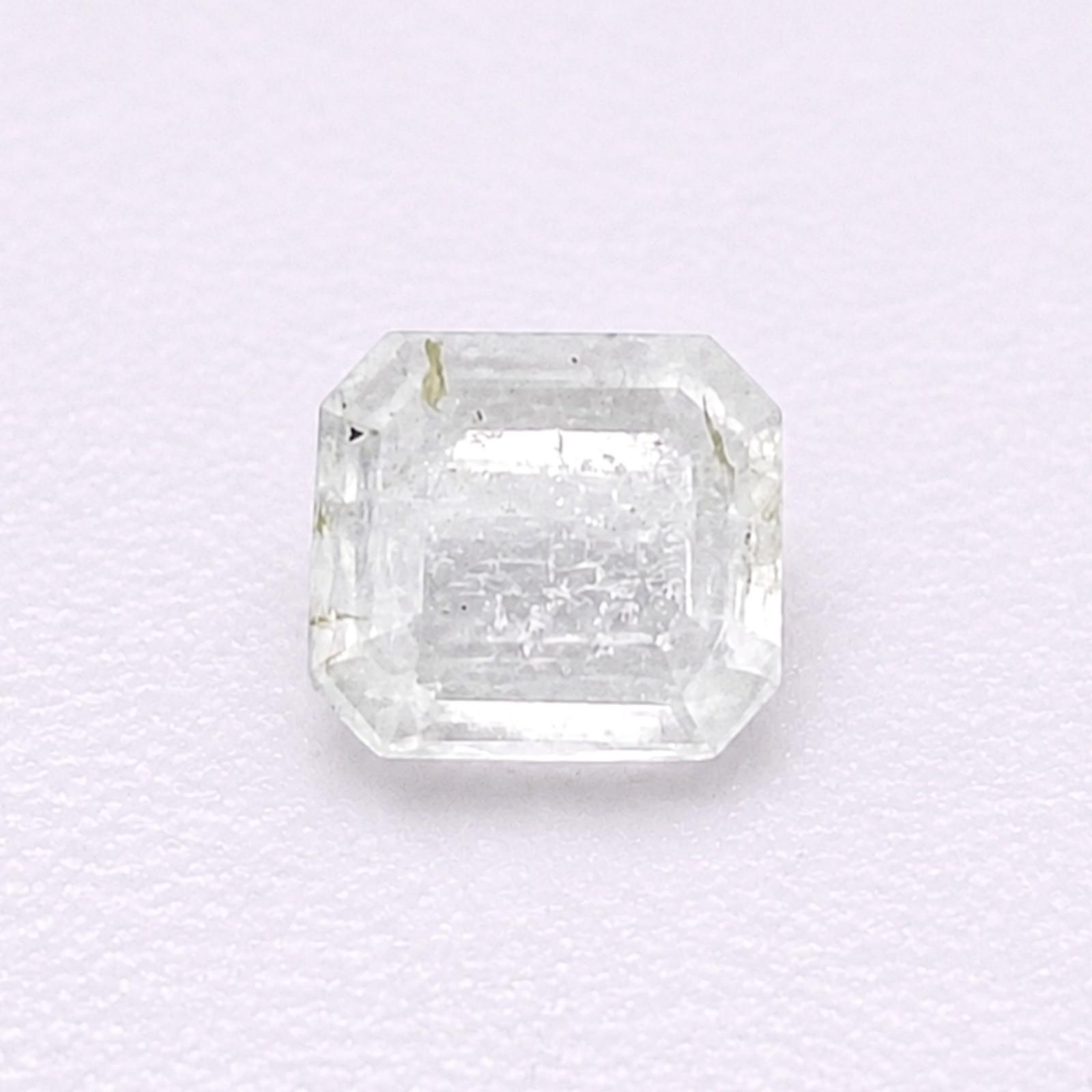
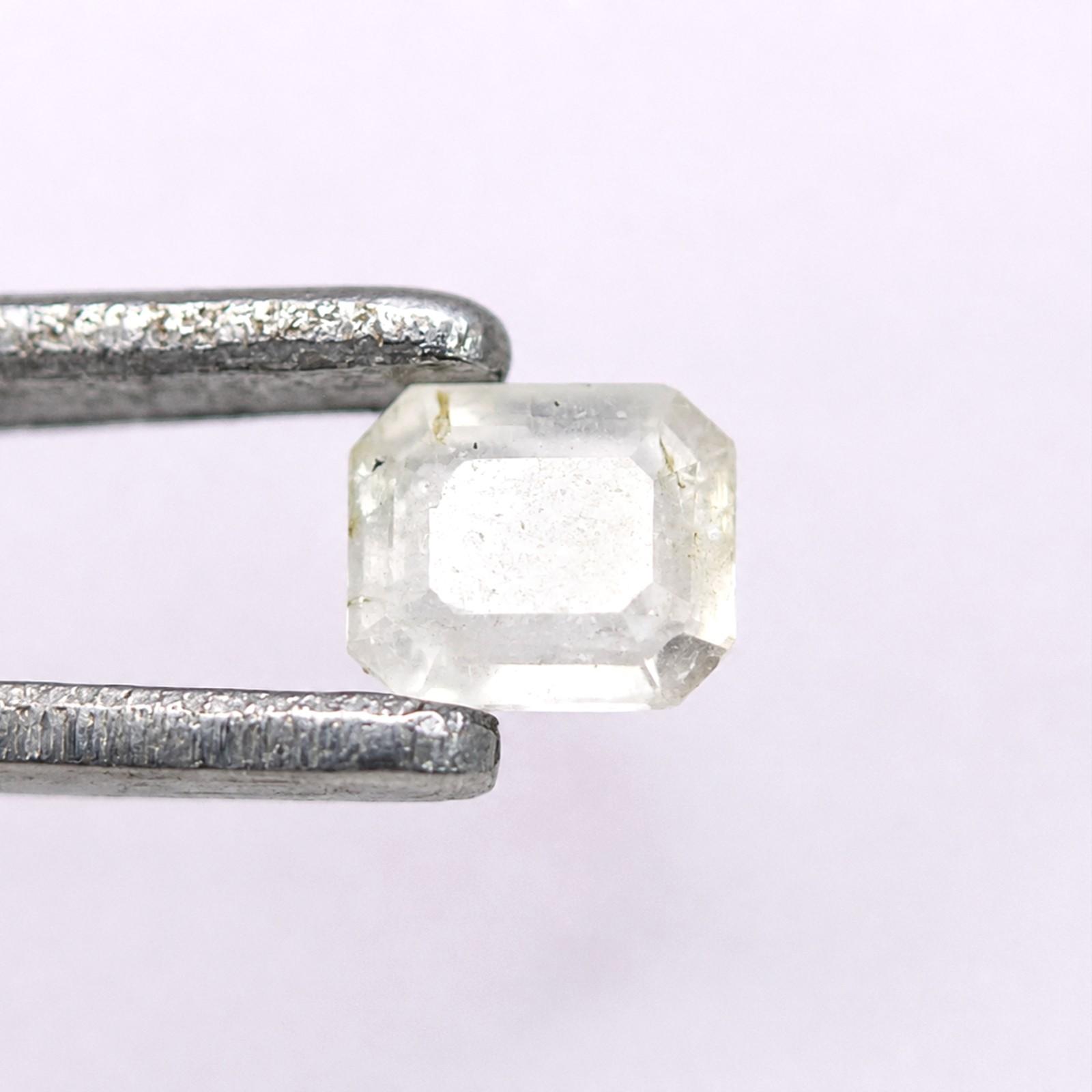
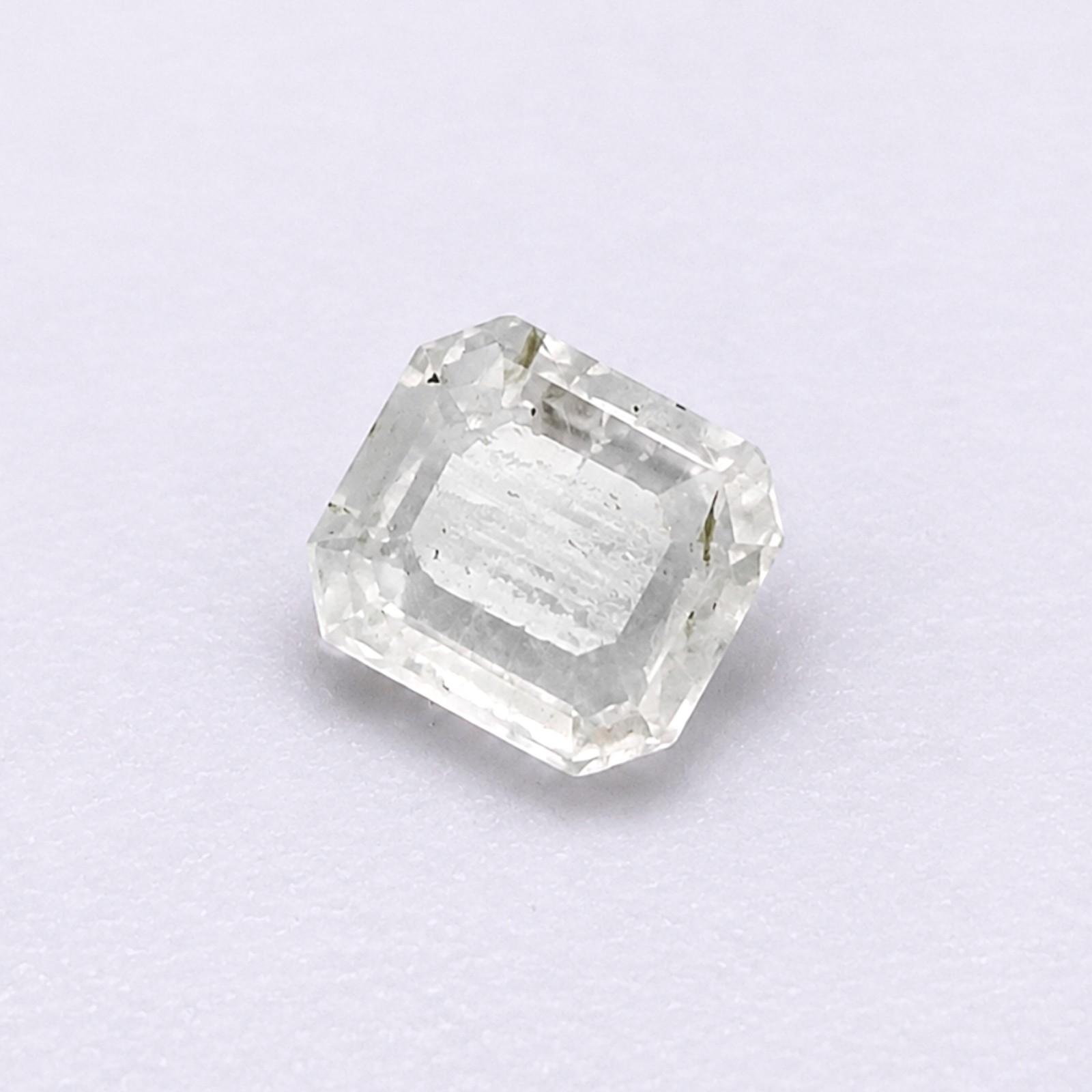
0.06 ct VIITANIEMIITE – PAKISTAN
EXPERT VERIFIED
- Expert Verified Gemstone
- Fast Handling & Shipping
- Secure Vault Packaging
$ 120
Offer amount Feild


Smart Collector Choice


Pay with Crypto & Get 10% Automatic Discount

Availability: 1 in stock
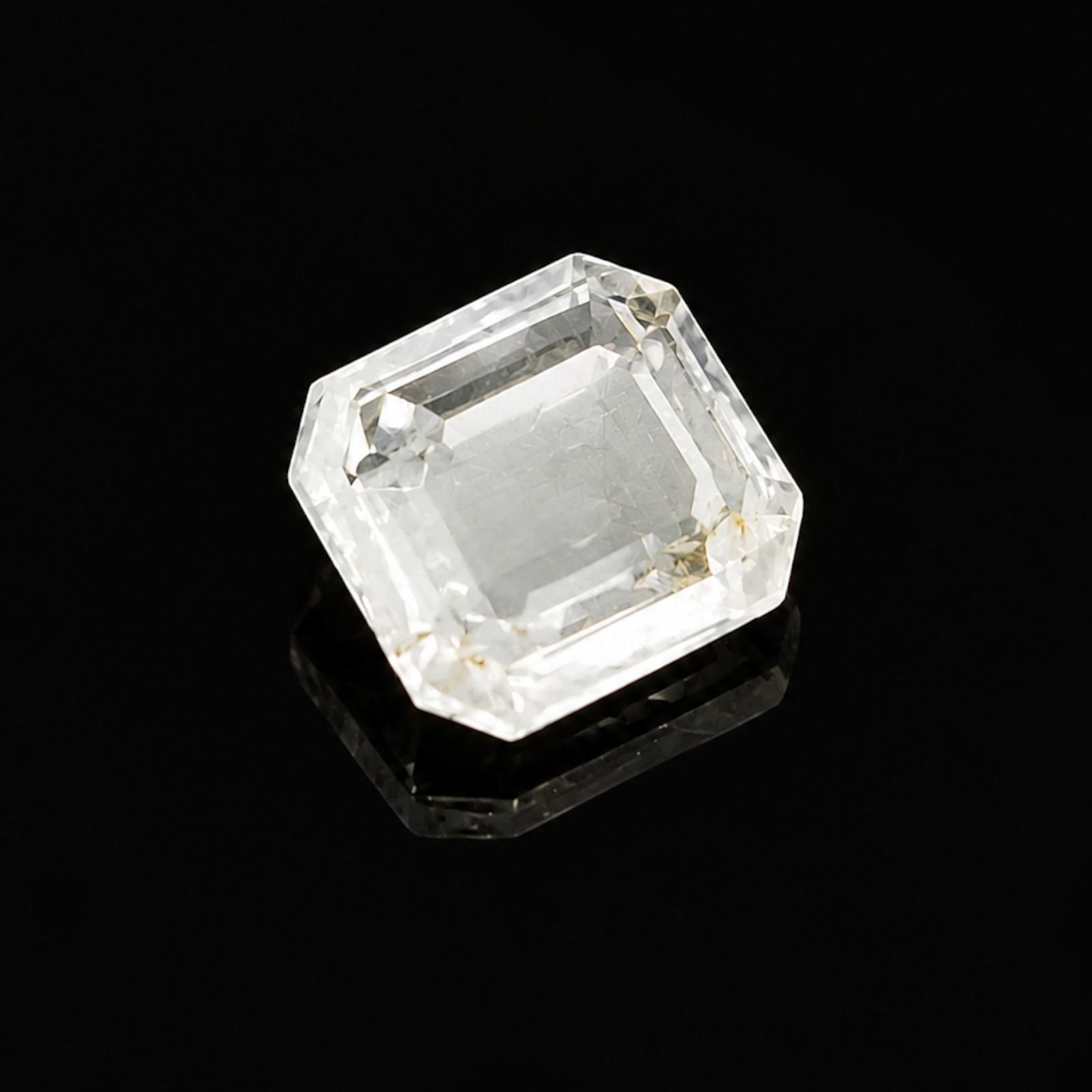
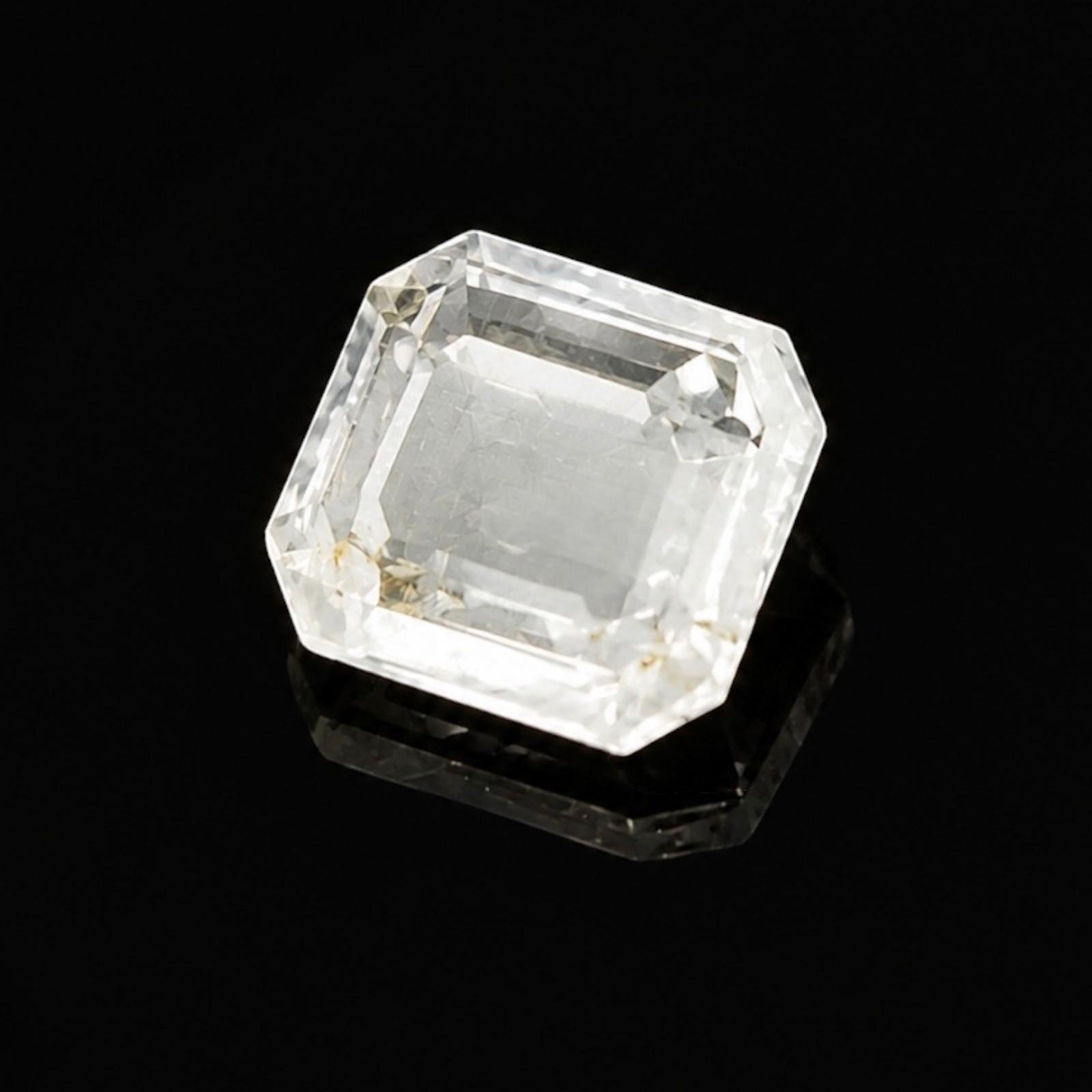
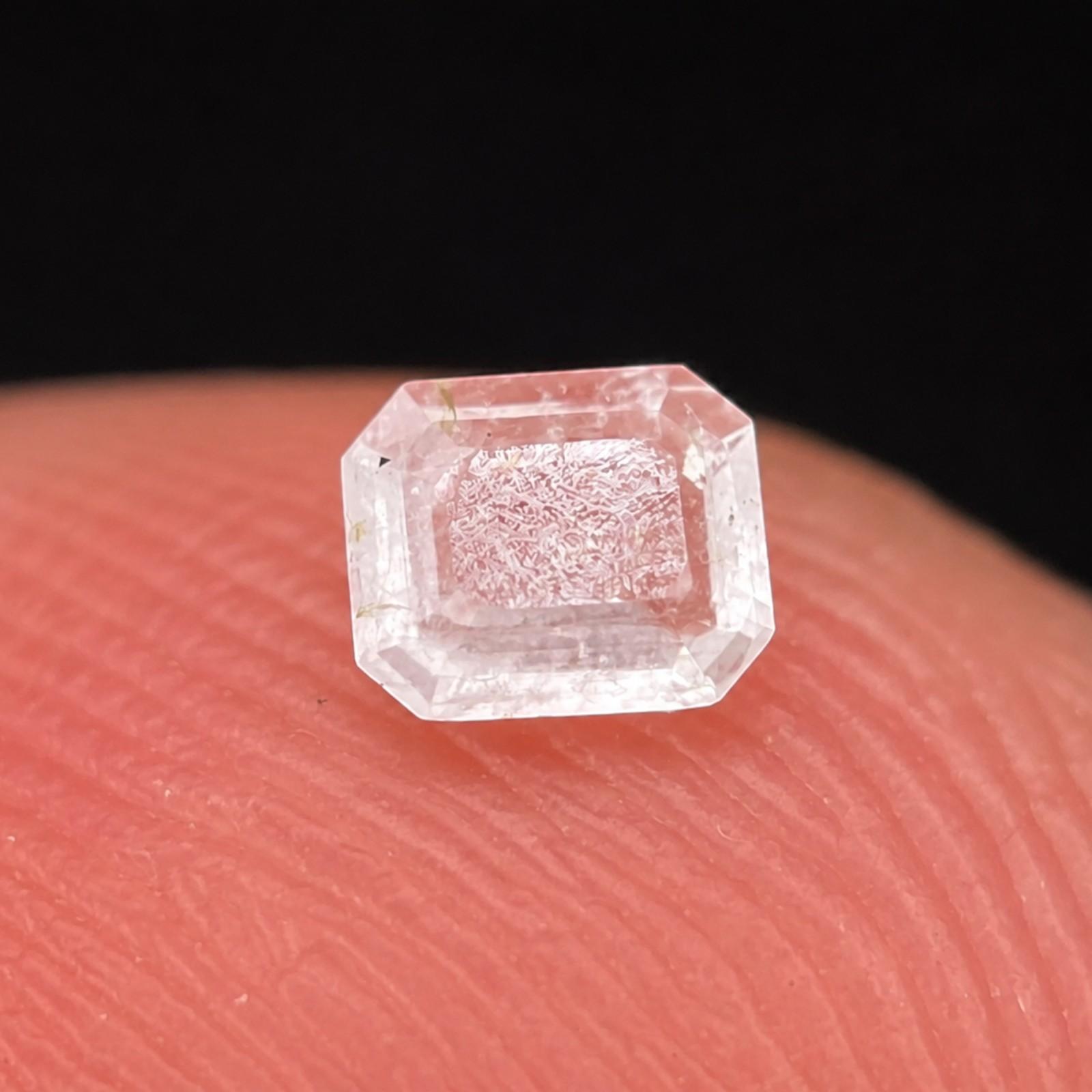


- Freakingcats Gemstone Database
Viitaniemiite (Pakistan)
Faceted Viitaniemiite from the complex granitic pegmatites of the Karakoram Range—specifically originating from the alpine pegmatites surrounding the Shigar and Braldu Valleys near Skardu—represents one of the most elusive, holy-grail entries in advanced systematic gemology. A complex sodium calcium aluminum phosphate hydroxy-fluoride mineral, it is a species I have always respected for its subtle “water-clear” to “soft-ice-straw” optical transmission and its status as a ultimate trophy of extreme “monoclinic” structural discipline. For the specialist, a cut Viitaniemiite from Pakistan—fashioned from ultra-rare, transparent pocket crystals—is a prized monument of late-stage magmatic-hydrothermal pegmatite enrichment; it offers a crisp vitreous surface luster, distinct UV activity, and a delicate, highly refined presence that makes it a crowning asset for the advanced collector’s vault.
The Heritage & Discovery
Historical Significance
Viitaniemiite is a vital index species for decoding the specialized geochemical mechanics of fluorine, sodium, and phosphorus partitioning during the final, volatile-rich fluid cooling sequences of complex granitic pegmatites. Historically, the mineral was first discovered in 1977 at the Viitaniemi pegmatite in Eräjärvi, Orivesi, Finland, and named after its type locality. For decades, the species was known globally strictly as tiny, microscopic, opaque to translucent bladed grains devoid of gem potential. However, the systematic exploration of the high-altitude, highly fractionalized LCT pegmatites in northern Pakistan yielded transparent, macrocrystalline pocket specimens capable of being faceted into clean gemstones, completely redefining the species’ status in gemological literature.
Discovery
The unearthing of rare, transparent Viitaniemiite crystals within the alpine pegmatites near Skardu provided mineralogists with unprecedented access to gem-quality material. Scientifically, Viitaniemiite crystallizes in the monoclinic system, forming as hydrothermally deposited sodium-calcium-aluminum phosphate crystals within volatile-rich cavities. When cut, the stone exhibits a modest refractive index range around 1.540 to 1.557 with a biaxial negative optical character. Under ultraviolet radiation, these Pakistani gems display a captivating diagnostic response, fluorescing weak orange under long-wave UV (365 nm) and intense, bright yellow under short-wave UV (254 nm). My own respect for this material grew from analyzing its extreme rarity in faceted form; cutting a mineral with distinct cleavage and moderate hardness requires master-level lapidary care, making any clean, multi-facet gem a true marvel of preservation.
Important Mines
The primary regional capital for gem-grade expressions of this species within Pakistan is the Gilgit-Baltistan region, particularly the pegmatite fields of the Shigar District and the Braldu Valley near Skardu. These world-famous alpine veins—celebrated for producing aquamarine, topaz, and tourmaline—occasionally yield pockets where late-stage, fluorine-and-phosphate-rich fluids precipitate gemmy Viitaniemiite. For the vault, I prioritize faceted examples that exhibit high optical transparency, clean facet junction symmetry, minimal internal two-phase fluid inclusions, and verified structural purity.
Mineralogical Profile
Description
Viitaniemiite is a sodium calcium (manganese) aluminum phosphate fluoride-hydroxide mineral that crystallizes in the monoclinic system. It sits at a moderate 5 on the Mohs scale, meaning its faceted faces are relatively soft and possess distinct cleavage, requiring utmost archival care and protection from physical impact or stress. It is characterized by its bright vitreous luster and a understated, ethereal color palette dominated by water-clear, pale ice-yellow, delicate straw, or soft grayish-white tones.
Its diagnostic physical traits include a specific gravity of approximately 3.10, making it noticeably denser than standard quartz or beryl of similar size. Under microscopic examination, cut stones frequently display characteristic angular growth zoning, microscopic twinning planes, and delicate two-phase (liquid-gas) inclusions reflecting its hydrothermal birth. Because it precipitates during late-stage hydrothermal pegmatite maturation, it is commonly associated with Albite (Cleavelandite), Fluorapatite, Montebrasite, Quartz, Muscovite, and Topaz. When selecting an example for documentation, I look for high clarity, clean facet polish, and strong, high-contrast short-wave yellow fluorescence to showcase the full structural brilliance of this rare phosphate species.
Chemical Formula
Na(Ca,Mn2+)Al(PO4)(F,OH)3


