
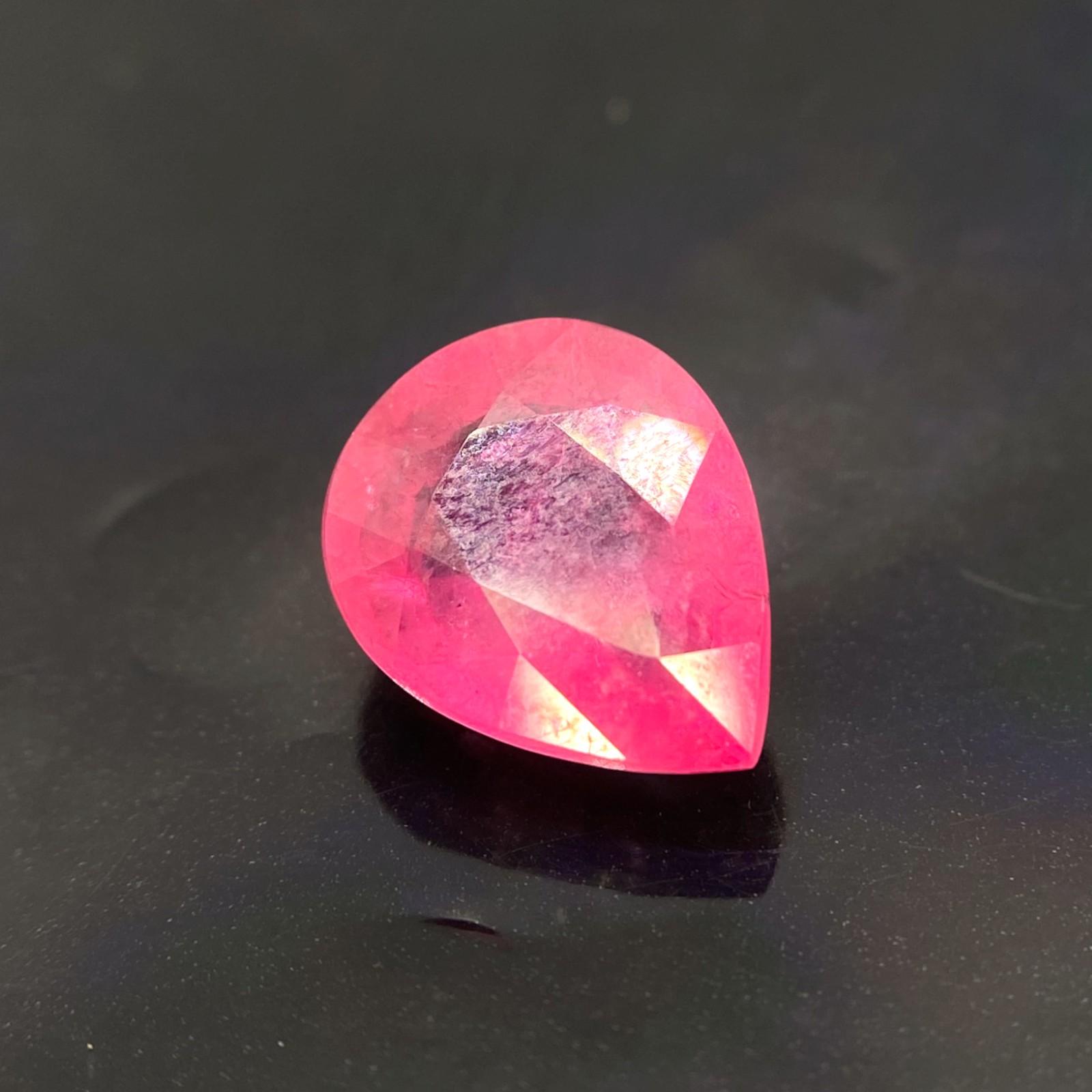
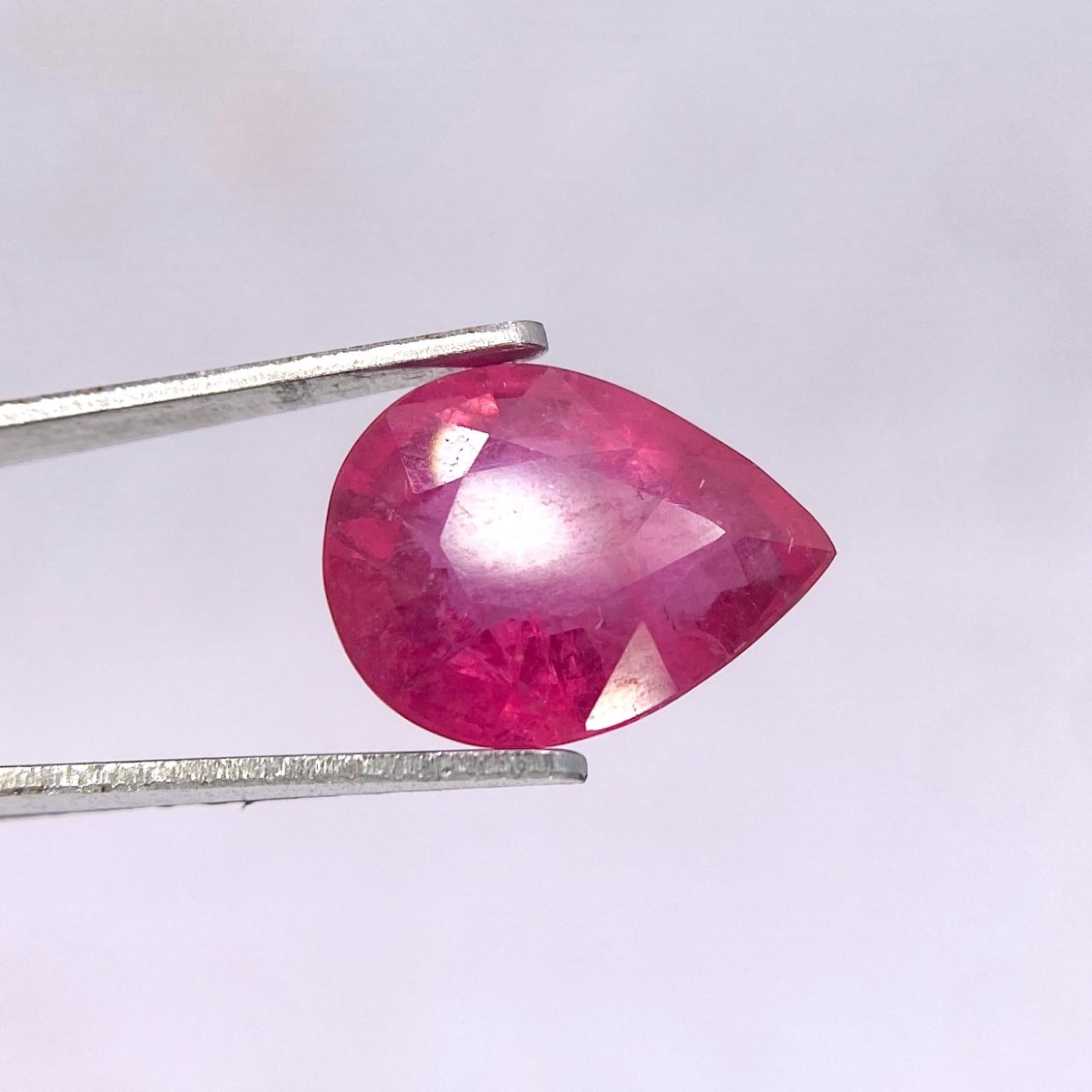
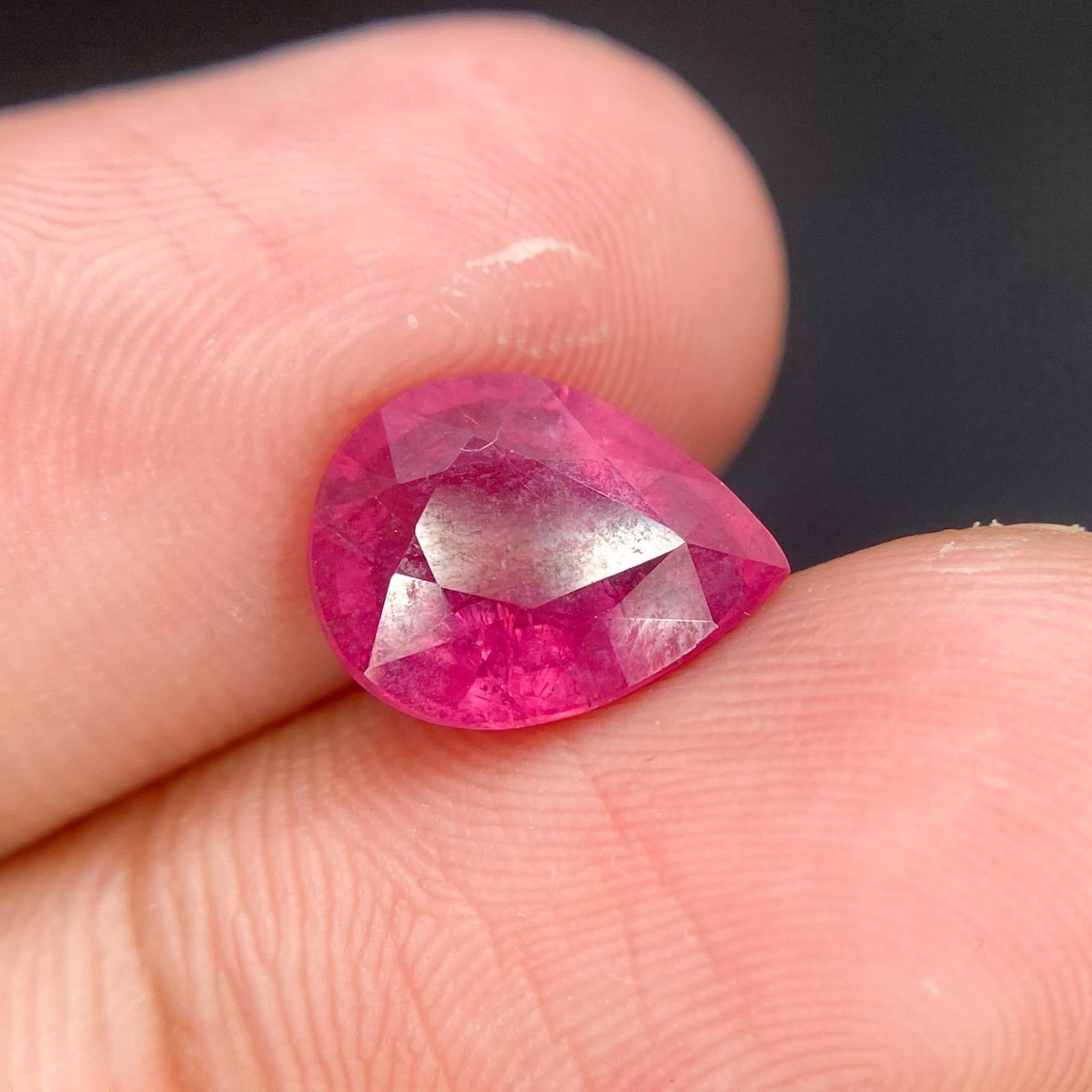
4.52 ct SAPPHIRE – SRI LANKA
EXPERT VERIFIED
- Expert Verified Gemstone
- Fast Handling & Shipping
- Secure Vault Packaging
$ 320
Offer amount Feild


Smart Collector Choice


Pay with Crypto & Get 10% Automatic Discount

Availability: 1 in stock
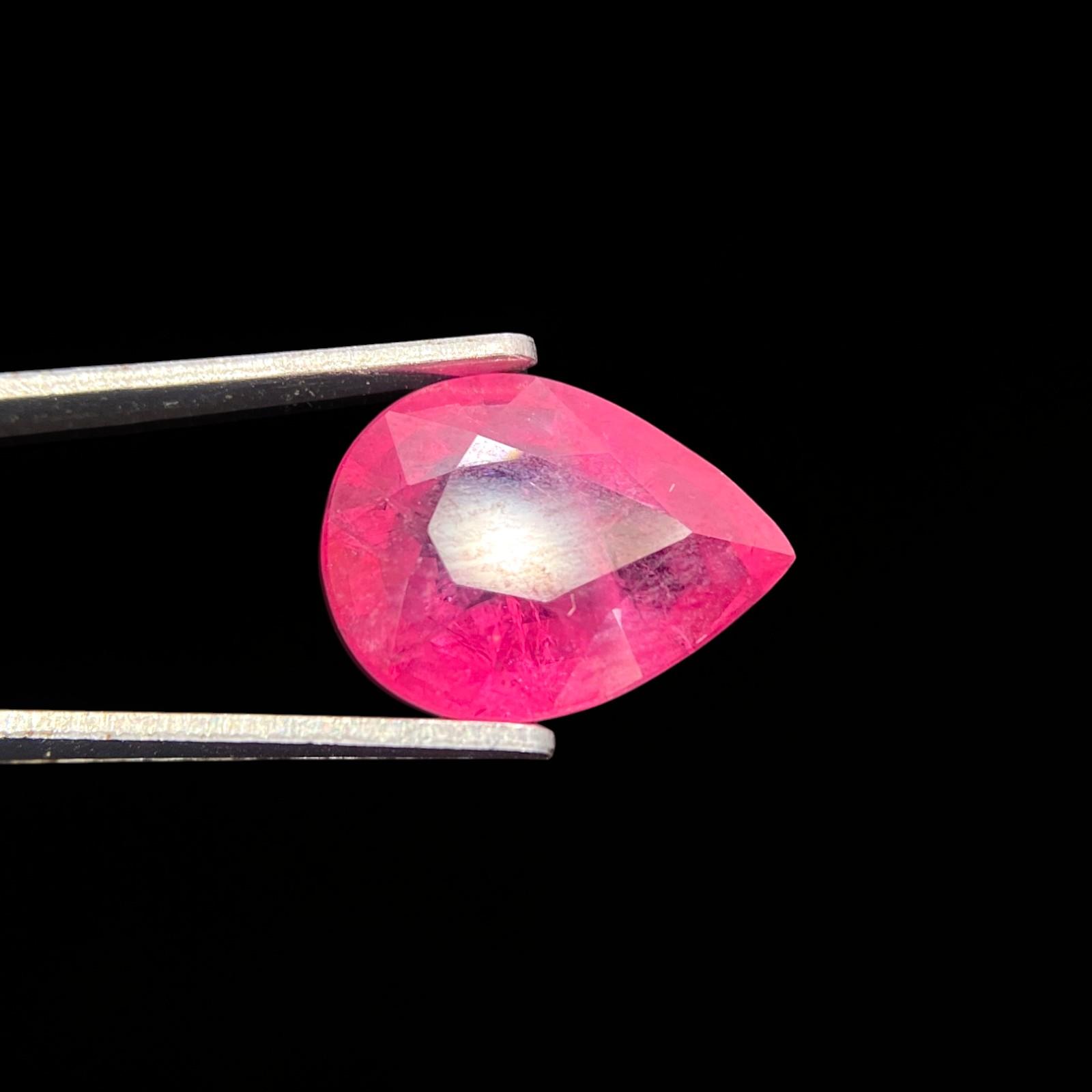
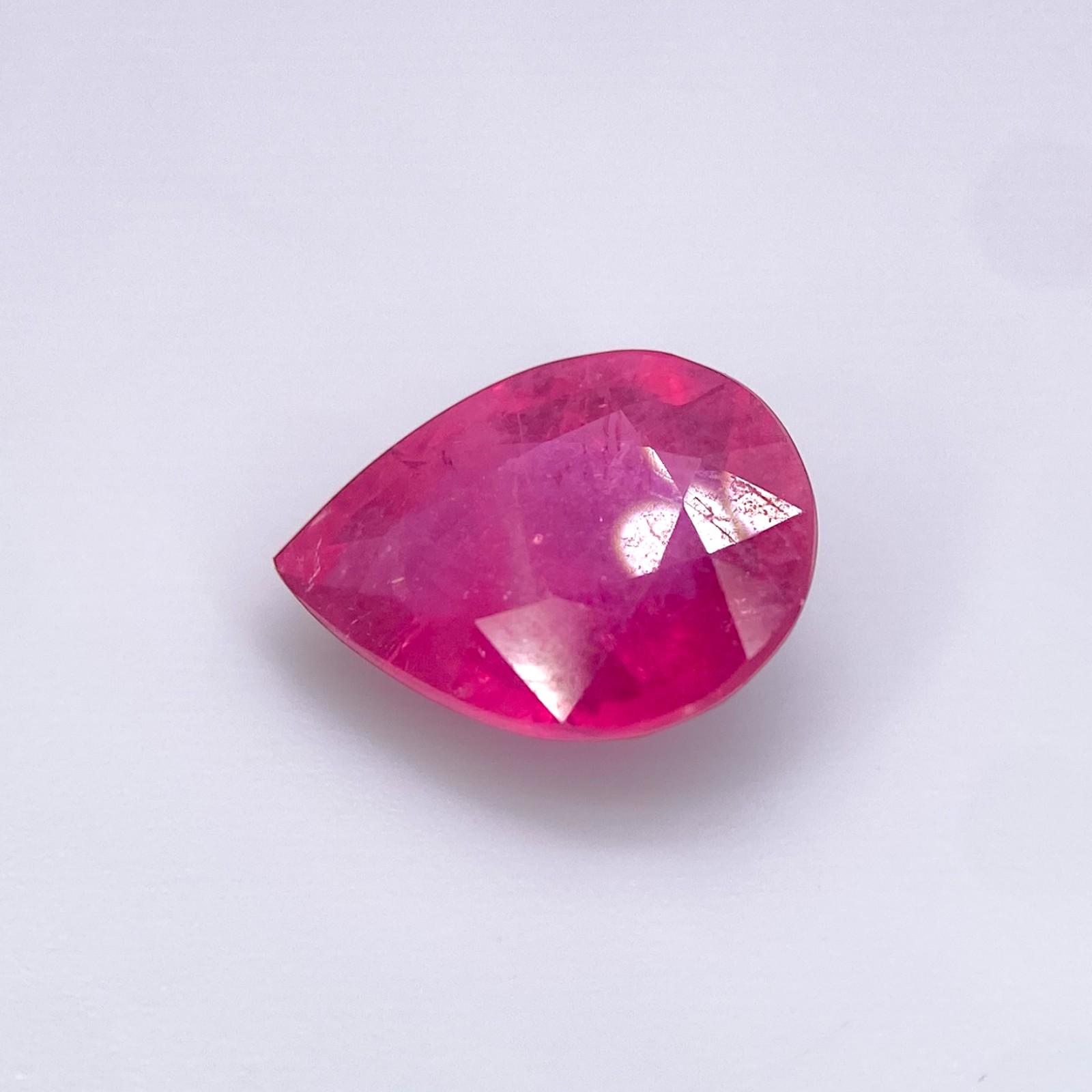
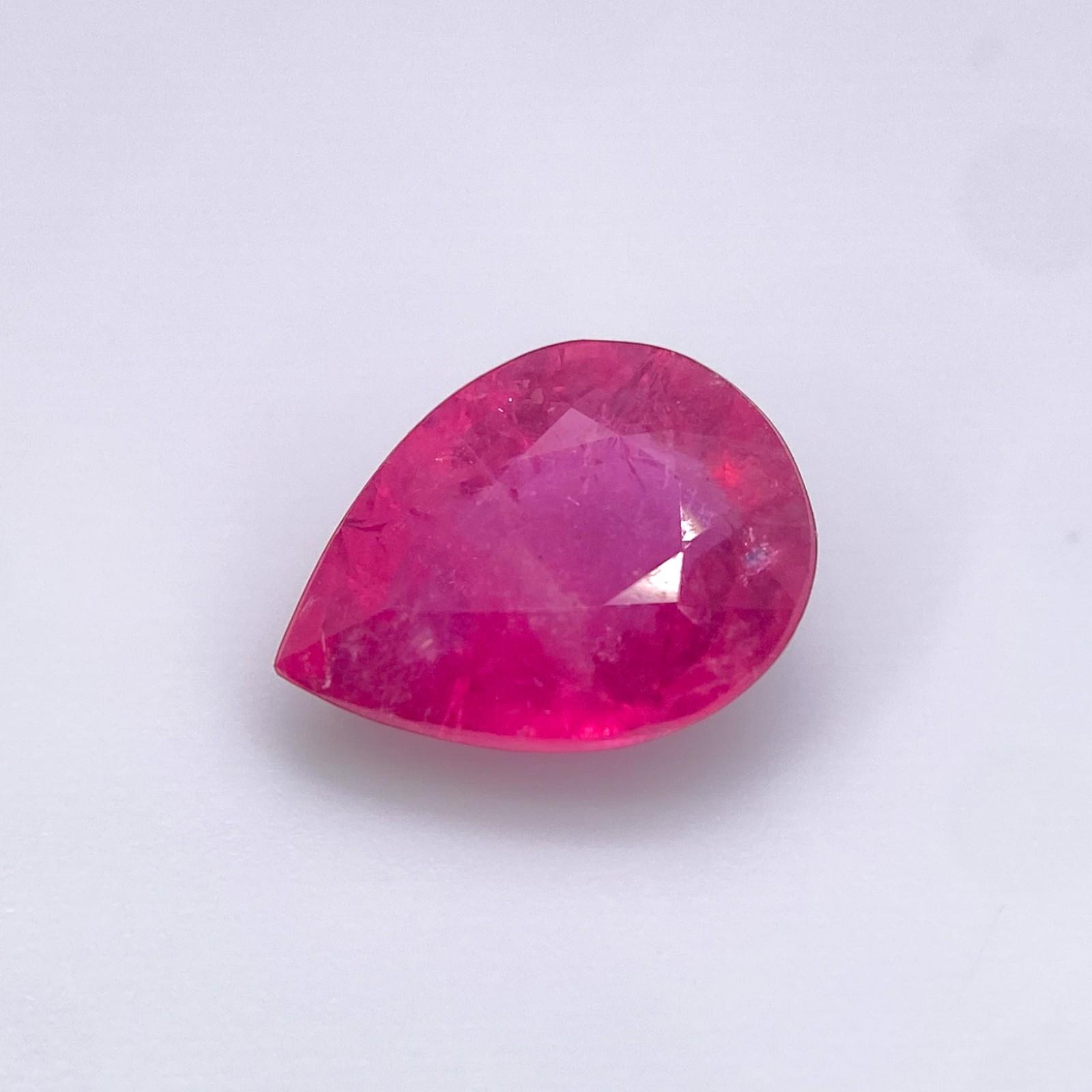
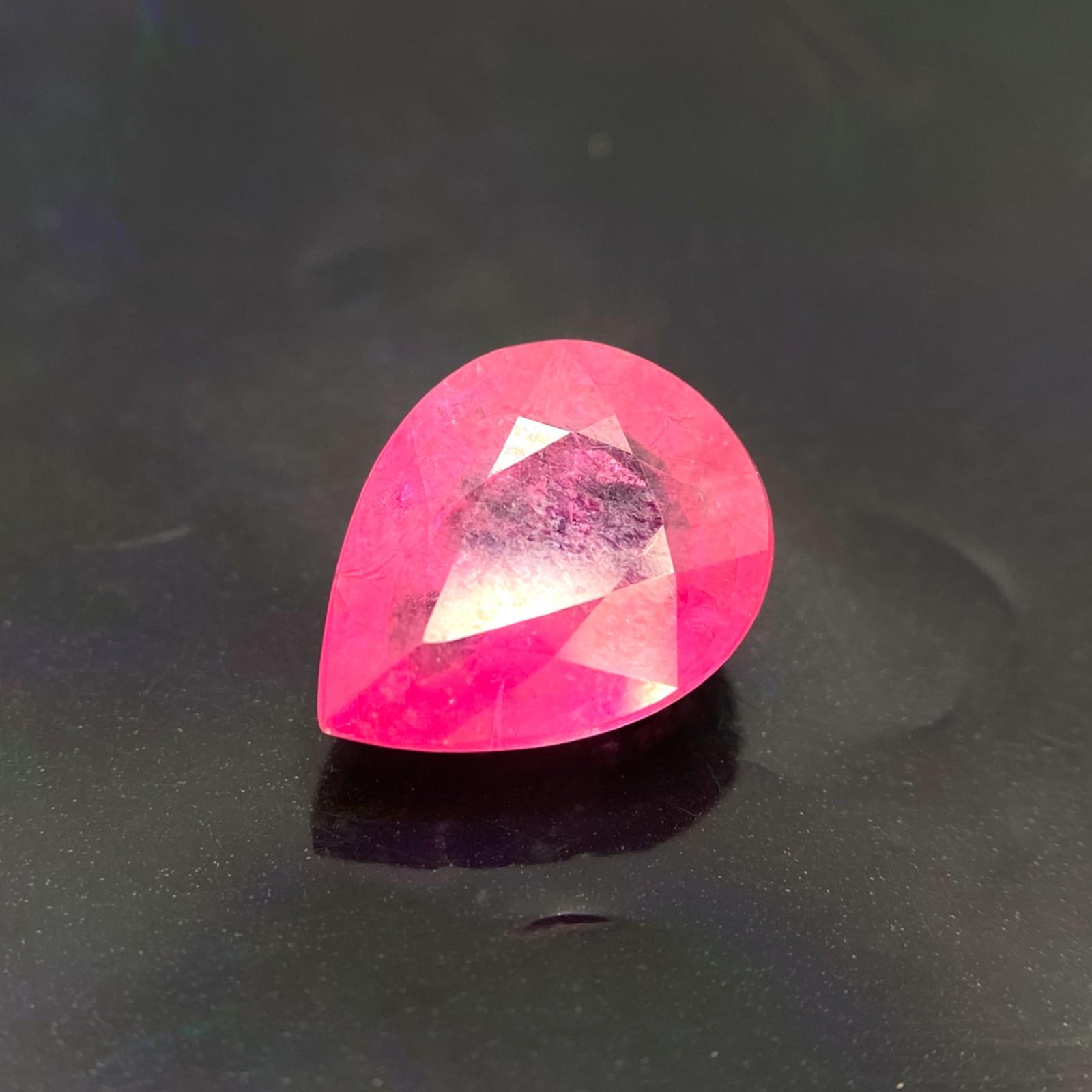


- Freakingcats Gemstone Database
Orange Sapphire (Sri Lanka)
Orange Sapphire from the ancient, gem-rich alluvial gravels of Sri Lanka represents one of the most radiant, high-energy expressions of corundum crystallization known to gemology. An aluminum oxide colored by specialized trace-element charge transfers, it is a mineral I have always respected for its “mandarin-sunset” to “vivid-apricot-neon” saturation and its status as a masterpiece of “trigonal” structural discipline. For the specialist, a top-tier Sri Lankan Orange Sapphire—whether presenting as a loop-clean, precision-cut gemstone or a sharply terminated hexagonal bipramidal crystal—is a prized trophy of deep-crustal regional metamorphism; it offers a brilliant vitreous to sub-adamantine surface luster, exceptional fire, and an authoritative presence that makes it an essential anchor for the systematic vault. As an artist, I find the breathtaking, warm liquid-gold illumination of its body color contrasting against cool metal or classic matrix fields to be one of nature’s most sophisticated and visually captivating canvases.
The Heritage & Discovery
Historical Significance
Orange Sapphire is a vital index species for decoding the complex chemical dynamics, high-temperature metamorphic conditions, and trace-element concentrations that govern corundum formation within granulite-facies terrains. Historically, Ceylon (now Sri Lanka) holds the most venerable position in global gemological history for corundum, celebrated for over two millennia as the “Island of Gems” (Rathna Dweepa). While blue sapphires and fine padparadschas have long dominated historical accounts, pure, saturated orange sapphires—devoid of secondary brown or heavy red overtones—stand among the rarest natural color varieties ever recovered from the island’s legendary gravels.
Discovery
The unearthing of gem-grade orange corundum from the river gravels of Sri Lanka dates back to antiquity, but modern gemological science has illuminated the exact color-center mechanics behind its fiery appearance. Scientifically, Sapphire is an aluminum oxide belonging to the hematite group. Pure orange sapphire owes its striking color to a precise, delicate balance of trace chromophores: valence iron ions ($Fe^{3+}$) paired with lattice color centers or minor chromium ($Cr^{3+}$) trace substitutions. In Sri Lankan deposits, the exceptionally low iron content relative to other global basaltic deposits allows the warm orange hue to shine with an unmatched, pastel-to-vivid purity without appearing dark or “inky.” My own respect for this material grew from analyzing its structural resistance; with a Mohs hardness second only to diamond, holding a water-clear, mandarin-orange Sri Lankan sapphire feels like holding a piece of petrified sunlight preserved through geological ages.
Important Mines
The primary capital for world-class, waterworn expressions of this species remains the historic gravel layers (illam) of the Ratnapura district (“City of Gems”) in the Sabaragamuwa Province, Sri Lanka. Prolific alluvial basins spanning Elahera, Balangoda, and the Kalu Ganga river systems consistently yield elite, gem-grade corundum pebbles. For the vault, I prioritize specimens that exhibit high optical transparency, uniform mandarin-to-apricot orange color saturation without brown extinction zones, master-level facet symmetry, and complete freedom from heavy eye-visible inclusions.
Mineralogical Profile
Description
Orange Sapphire is the orange variety of Corundum, an aluminum oxide mineral that crystallizes in the trigonal system. It sits at a monumental 9 on the Mohs scale, surpassed only by diamond, meaning its dense, highly lustrous crystal faces are extraordinarily durable and resistant to physical scratching, requiring no delicate handling beyond standard archival care. It is characterized by its bright vitreous to sub-adamantine surface luster and a vivid, warm color palette dominated by mandarin-orange, tangerine, bright papaya, and deep golden-apricot.
One of its most identifying traits is its lack of true cleavage, breaking along uneven to shell-like conchoidal fractures, while routinely forming barrel-shaped hexagonal pyramids or rounded alluvial pebbles. It possesses a high refractive index running from approximately 1.762 to 1.770, giving it exceptional surface brilliance and vivid light dispersion, and a dense average specific gravity ranging between 3.98 and 4.06. Because it is recovered primarily from secondary alluvial deposits, it originates from deep metamorphic skarns and high-grade granulite hosts, frequently found in close association with Spinel, Chrysoberyl, Zircon, Tourmaline, and Garnet. When I select an example for documentation, I look for sharp optical clarity, intense orange color purity, and high surface luster, as these emphasize the sophisticated, deep-seated chemistry of the mineral’s ancient birth.
Chemical Formula
Al2O3 (with trace Fe3+ and Cr3+ color centers)


