
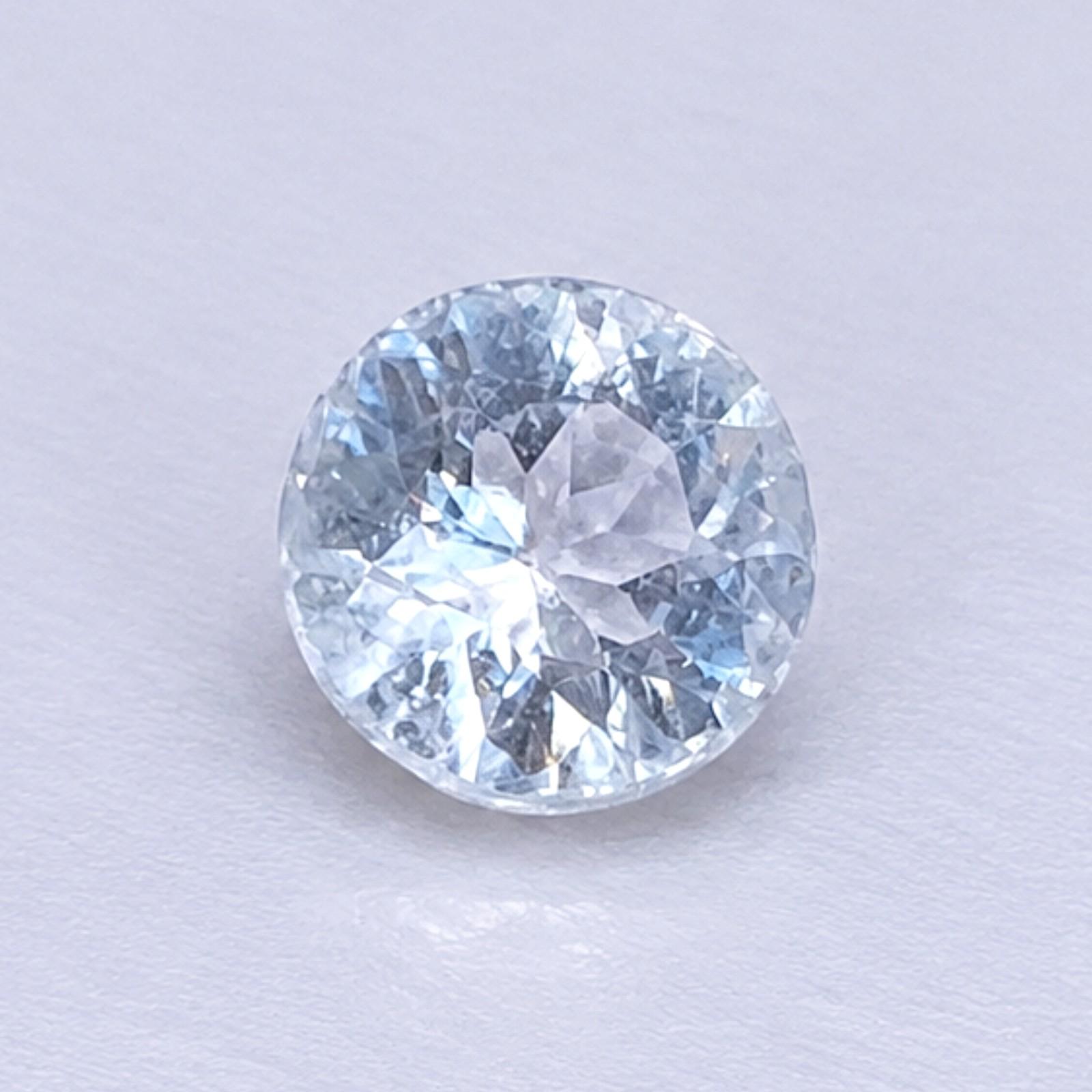
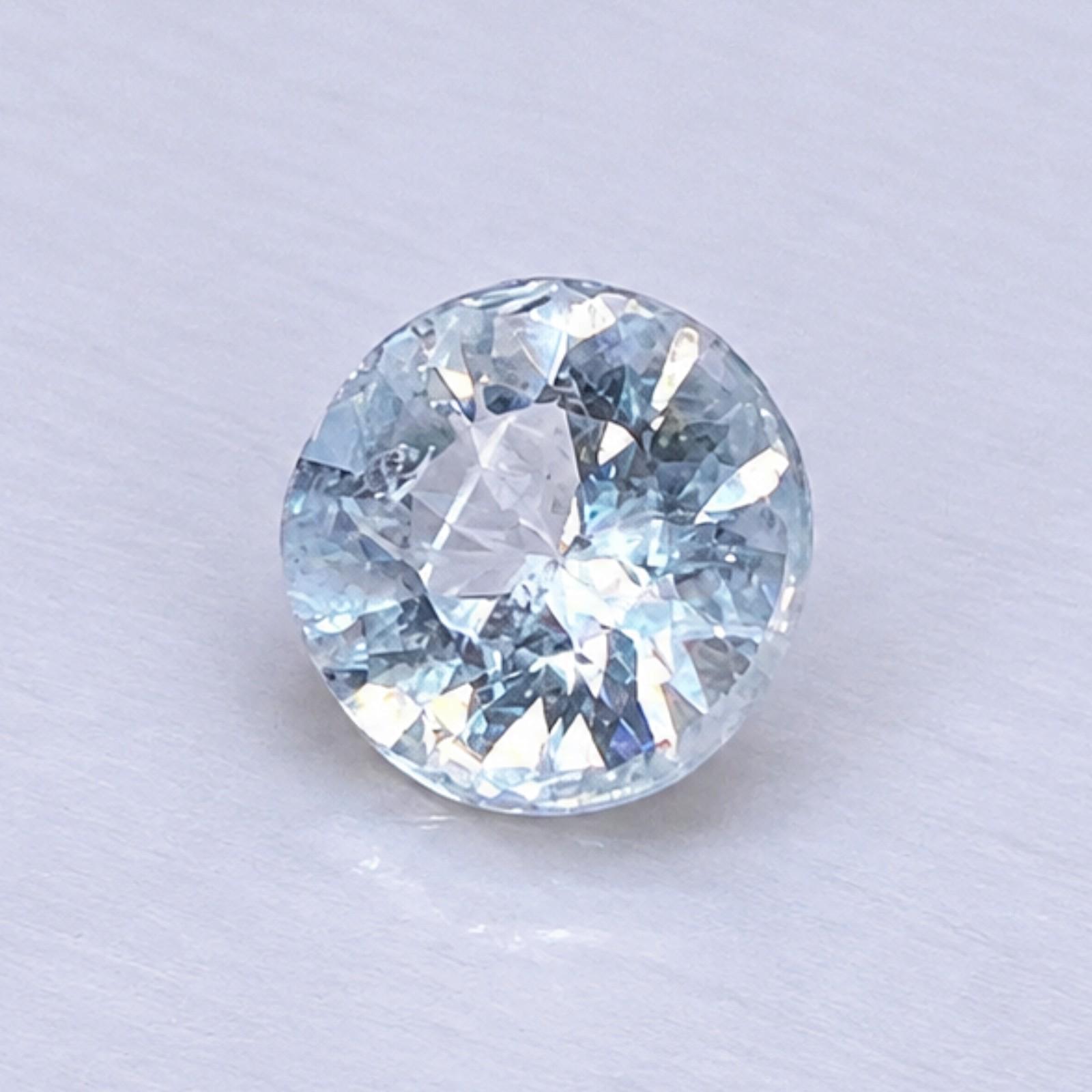
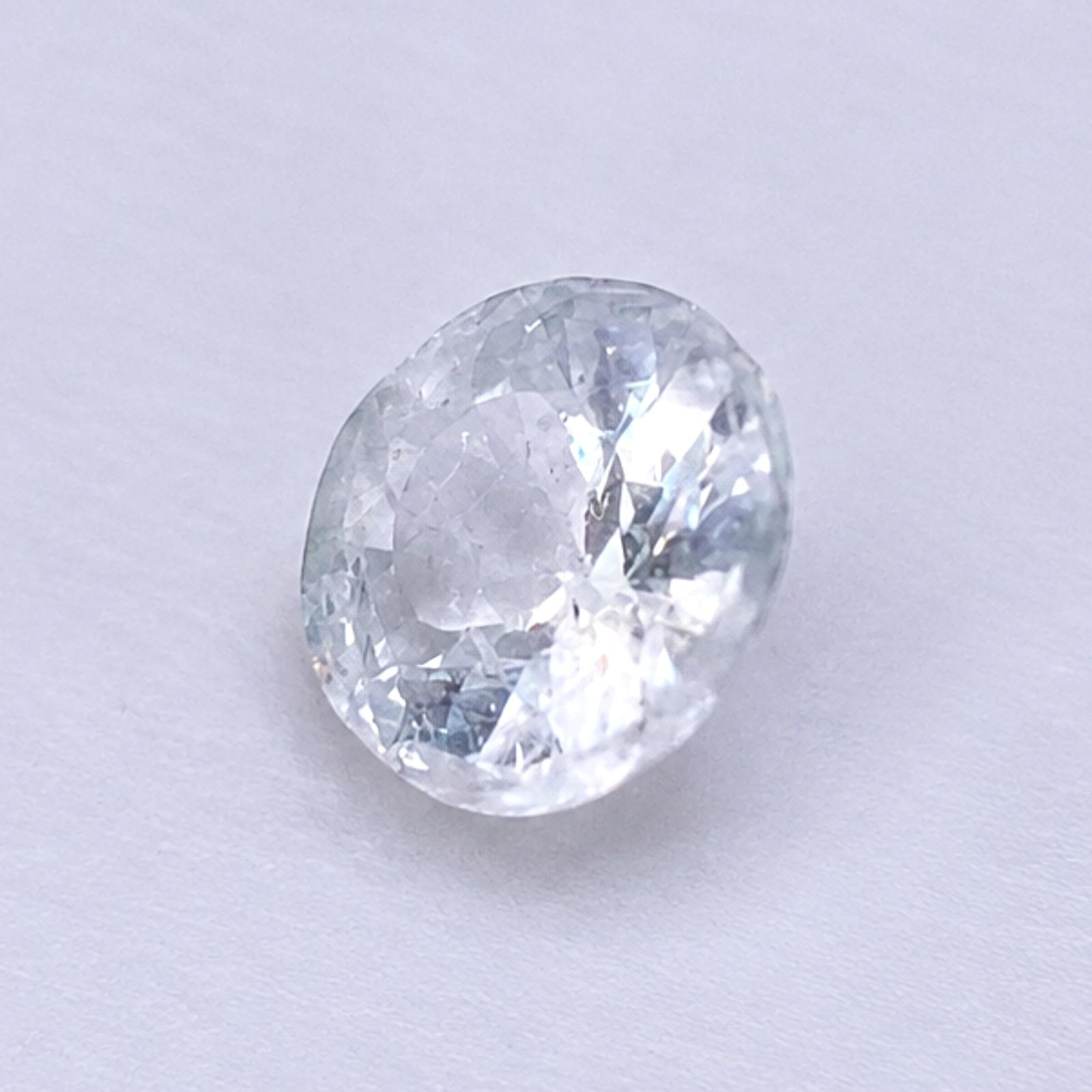
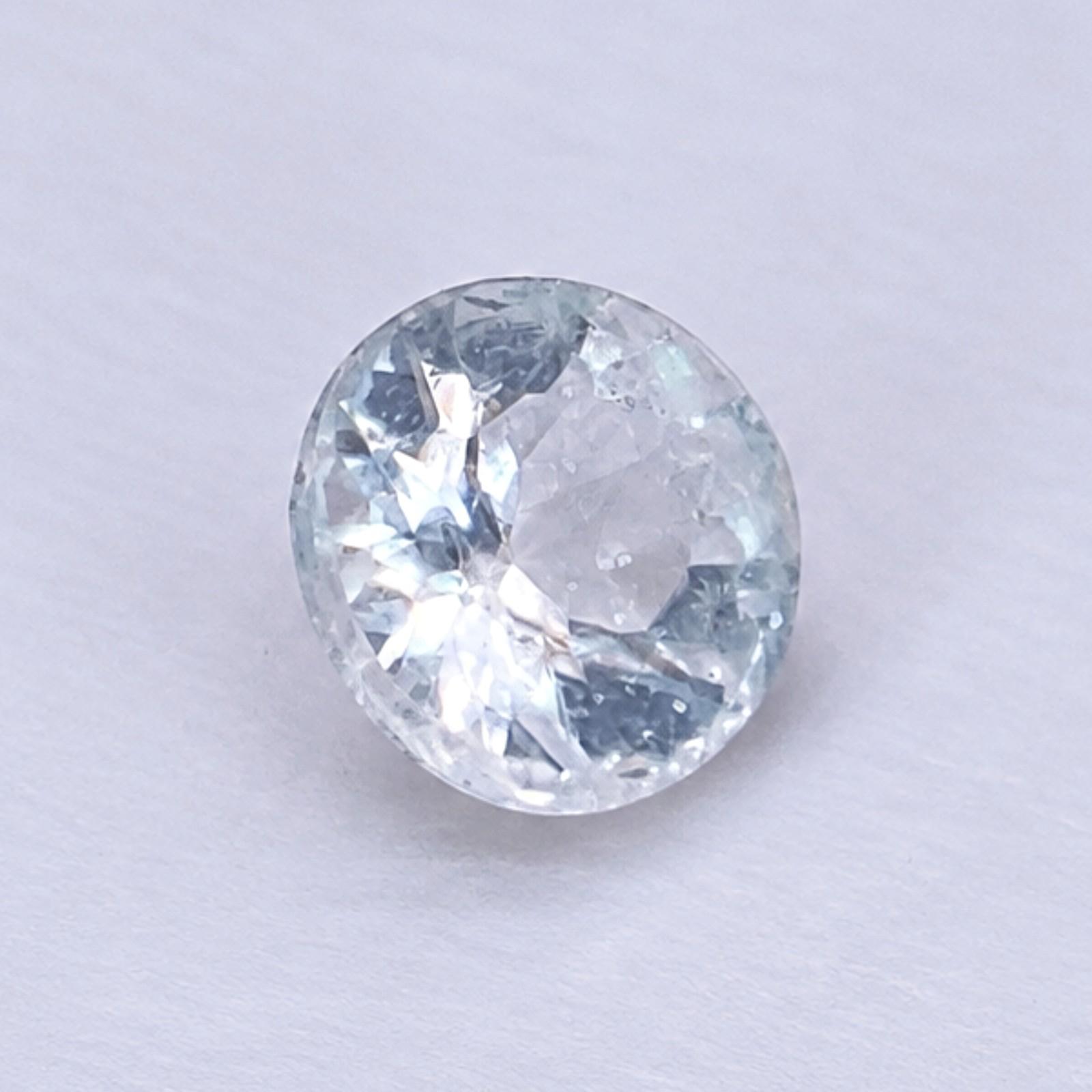
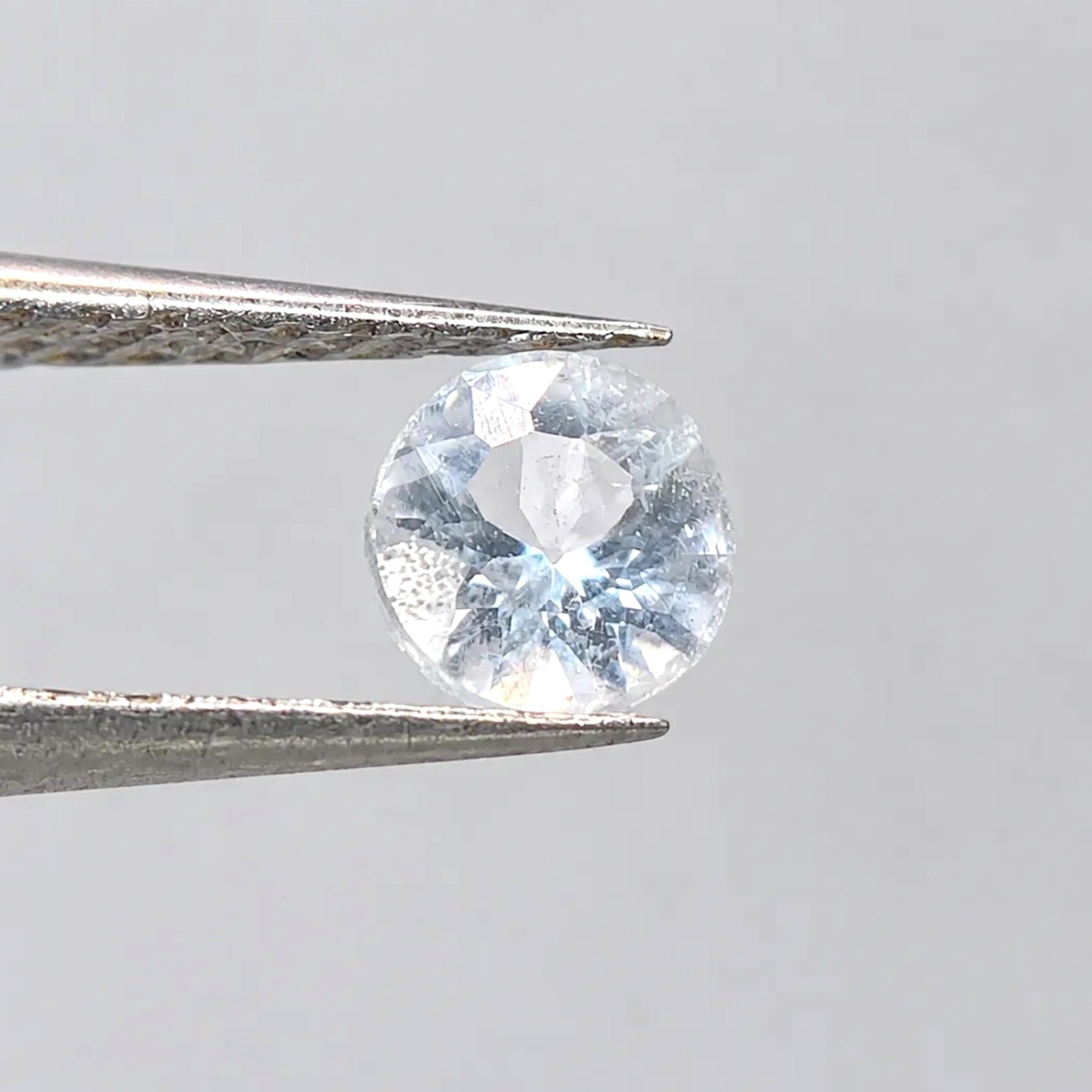
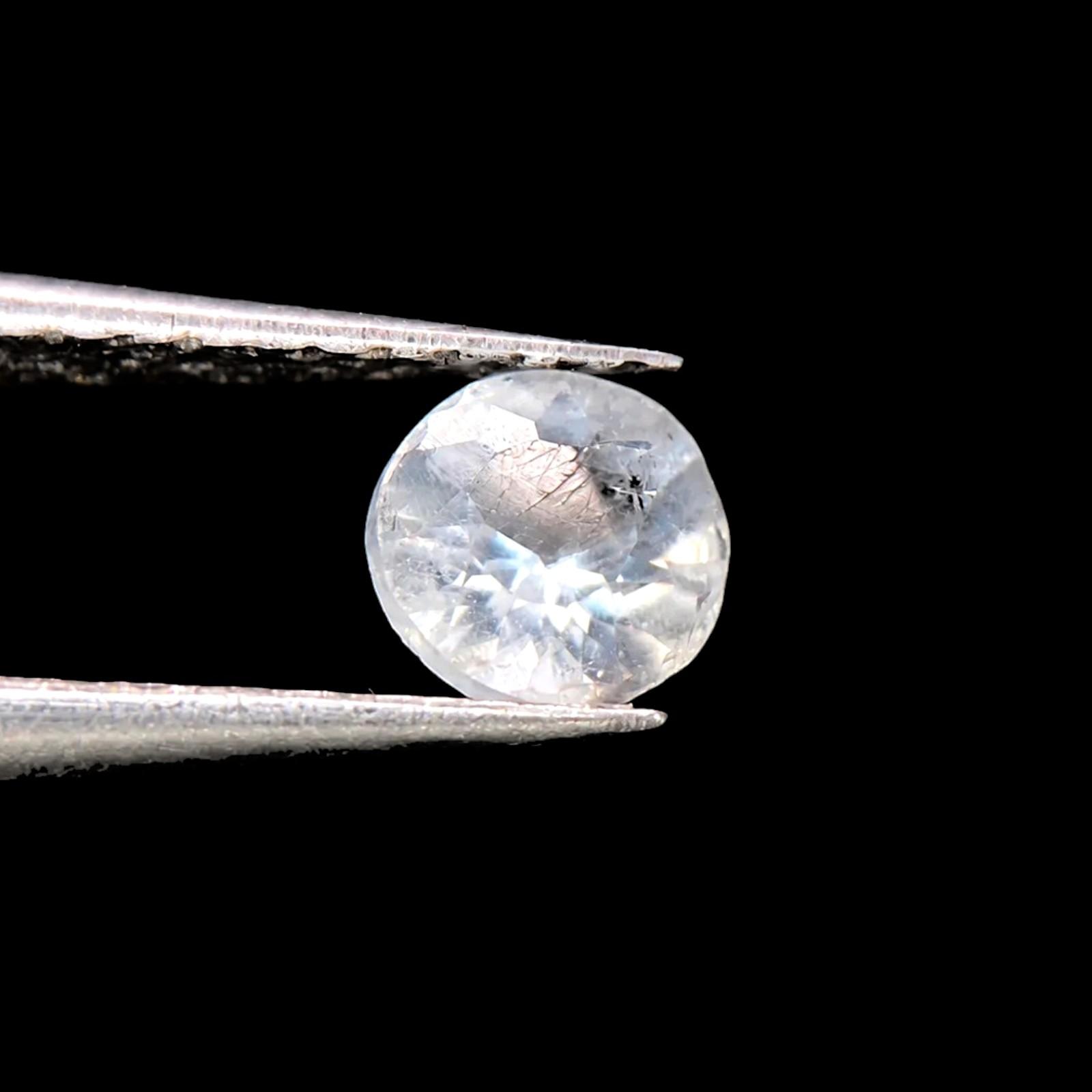
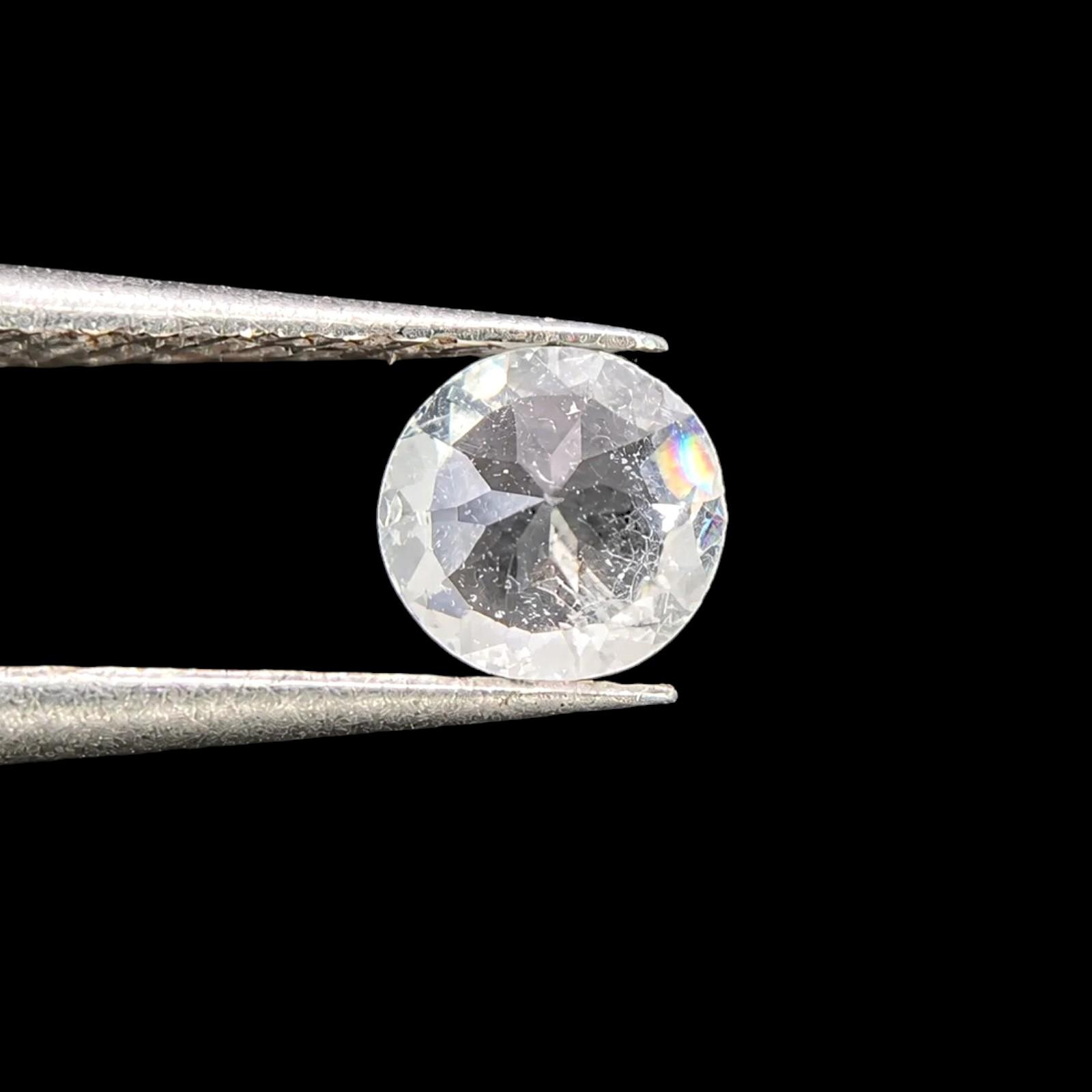
0.25 ct ACHROITE – BRAZIL
EXPERT VERIFIED
- Expert Verified Gemstone
- Fast Handling & Shipping
- Secure Vault Packaging
$ 80
Offer amount Feild


Smart Collector Choice


Pay with Crypto & Get 10% Automatic Discount

Availability: 1 in stock


- Freakingcats Gemstone Database
Achroite (Brazil) – Colorless Tourmaline
Achroite from the granite pegmatite provinces of Brazil—particularly the mineral-rich fields of Minas Gerais—represents the rarest color variety within the tourmaline supergroup, prized for its water-clear transparency and complete absence of chromatic transition. A lithium-bearing elbaite of immense geological rarity, it is a species I have always respected for its “ice-water” daylight purity, sharp striations, and its status as a benchmark of pure geochemical isolation. While tourmalines are celebrated worldwide for their dazzling spectral colors, true achroite is born only when pegmatitic fluids are entirely starved of chromophore elements like iron, manganese, titanium, and vanadium. For the specialist, a fine Brazilian achroite—whether presenting as a pristine, lustrous prismatic crystal with a sharp pyramidal termination or a clean faceted collector gem—is a prized acquisition; it offers a bright vitreous luster, strong internal brilliance, and an understated, noble clarity that makes it an essential anchor for the systematic vault. As an artist, I find the subtle interplay of light across its naturally etched prism faces to be one of nature’s most sophisticated and disciplined expressions of crystallization.
The Heritage & Discovery
Historical Significance
Achroite, named from the Greek word *achroos* meaning “colorless,” holds a distinct place in gemological history as an anomaly of crystal chemistry. Historically, while Brazil established global dominance in the 18th and 19th centuries as the foremost source of verdant tourmalines, the occasional emergence of completely transparent, colorless elbaite crystals stunned mineralogists. Rather than a common colorless quartz or beryl, chemical testing revealed it possessed the complex, boron-rich cyclosilicate structure of elbaite, standing as a testament to the hyper-fractionated chemistry of South America’s most evolved pegmatite fields.
Discovery
The unearthing of authentic achroite across Brazil occurred alongside the intensive mining of gem-bearing lithium-cesium-tantalum (LCT) pegmatites throughout the mid-to-late 20th century. True achroite is extraordinarily elusive because even mere hundredths of a percent of manganese or iron typically tint the crystal pale pink, straw-yellow, or watery green. Brazilian miners occasionally struck pocket zones where late-stage hydrothermal fluids completely purged transition metals, allowing pure sodium, lithium, and aluminum borosilicate to crystallize in glassy perfection. My own respect for this material grew from examining its diagnostic prism striations and optical properties; viewing a stone that belongs to the most vibrantly colored mineral group on earth, yet exhibits total, crystalline clarity, demonstrates a chemical purity that is deeply satisfying to the trained eye.
Important Mines
The primary capital for collector-grade achroite within Brazil is the state of Minas Gerais, particularly the pegmatite districts of the Doce River Valley, Governador Valadares, and the legendary mines around Conselheiro Pena, Virgem da Lapa, and Teófilo Otoni (such as the Cruzeiro and Golconda pegmatites). Pockets producing truly colorless material rather than extremely faint green or pink are exceedingly scarce. For the systematic vault, I prioritize specimens that exhibit sharp, undamaged terminations, absolute daylight water-clarity without secondary undertones, and freedom from internal fractures.
Mineralogical Profile
Description
Achroite is the colorless variety of elbaite, crystallizing in the trigonal system (ditrigonal pyramidal class). It sits at 7 to 7.5 on the Mohs scale, making it well-suited for fine lapidary work while remaining durable in archival collections; its crystals typically form elongated three- or six-sided prisms deeply striated parallel to the c-axis, terminating in sharp trigonal pyramids or pedions. It exhibits an indistinct cleavage, conchoidal fracture, and a bright vitreous luster.
It possesses a refractive index of approximately 1.615 to 1.640 and a specific gravity averaging 3.03 to 3.10. While colored tourmalines display intense pleochroism, achroite uniquely lacks visible pleochroic absorption due to its lack of chromophores. Because it forms in the final, volatile-rich pocket stages of zoned granitic pegmatites, it is commonly found in association with lepidolite, cleavelandite albite, spodumene (kunzite), quartz, and microlite. When I select an example for documentation, I look for crisp crystallographic discipline, zero tinting under balanced lighting, and complete internal transparency.
Chemical Formula
Na(Li1.5Al1.5)Al6(Si6O18)(BO3)3(OH)3F


