
0.75 ct YELLOW DANBURITE – MEXICO
EXPERT VERIFIED
- Expert Verified Gemstone
- Fast Handling & Shipping
- Secure Vault Packaging
$ 150
Offer amount Feild


Smart Collector Choice


Pay with Crypto & Get 10% Automatic Discount

Availability: 1 in stock
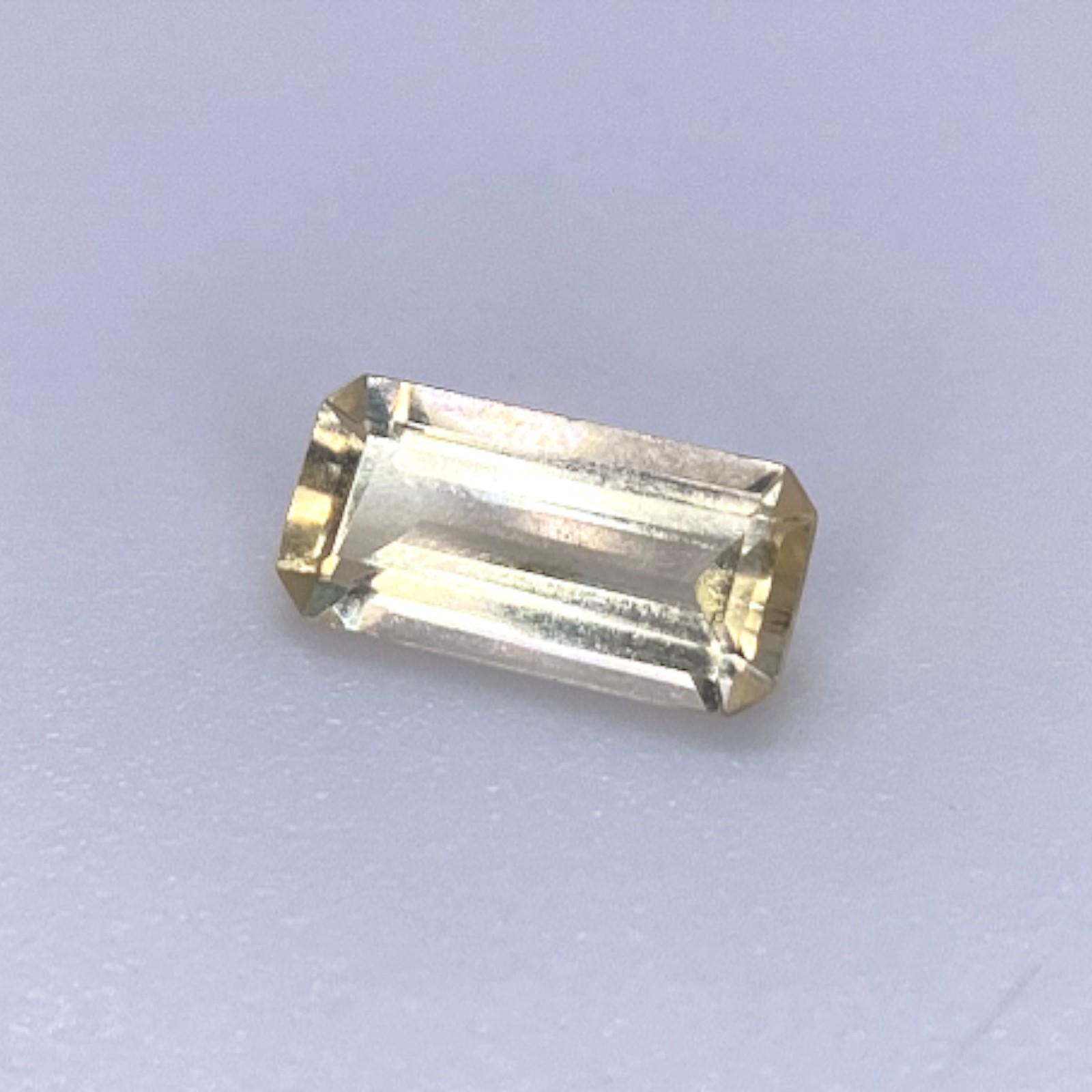
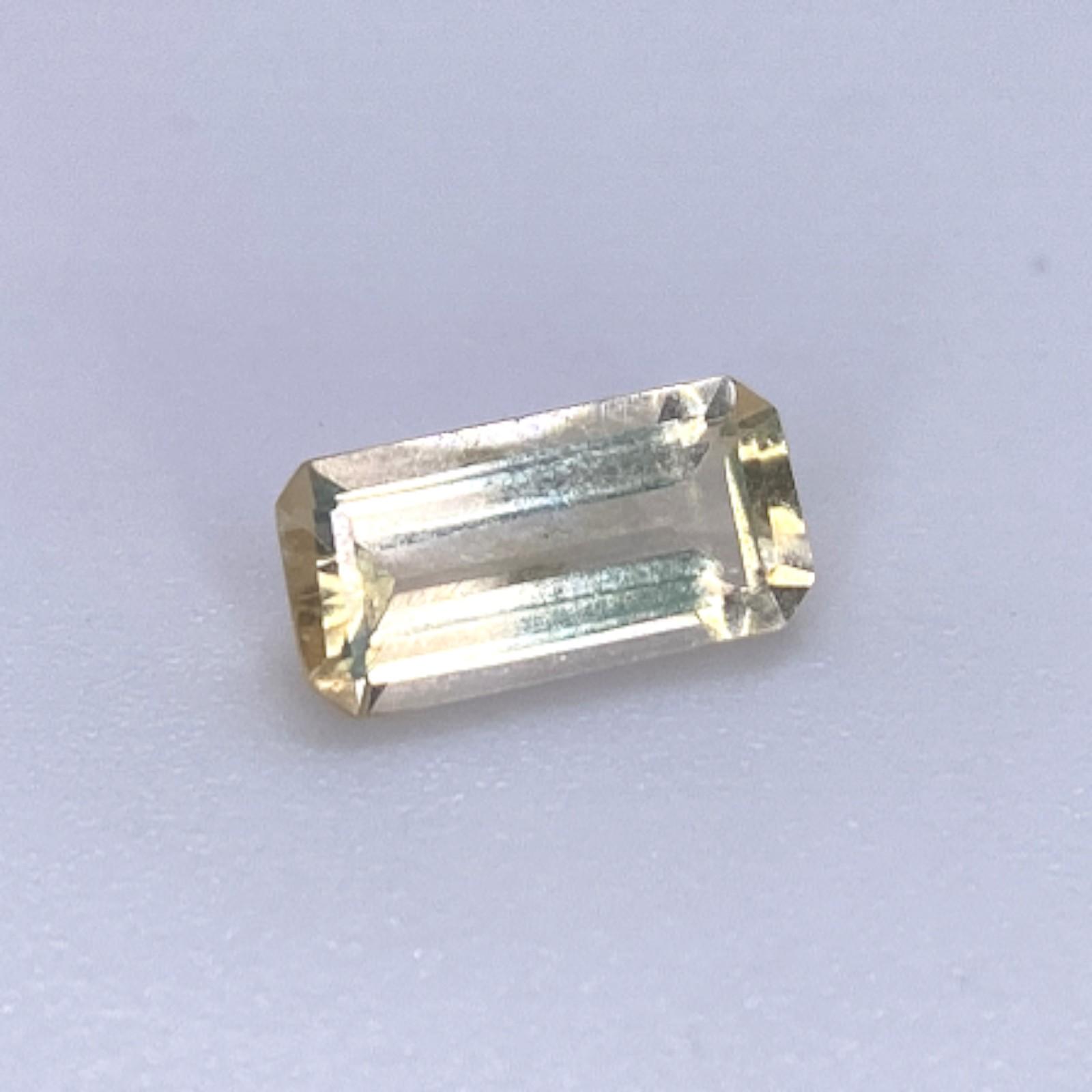
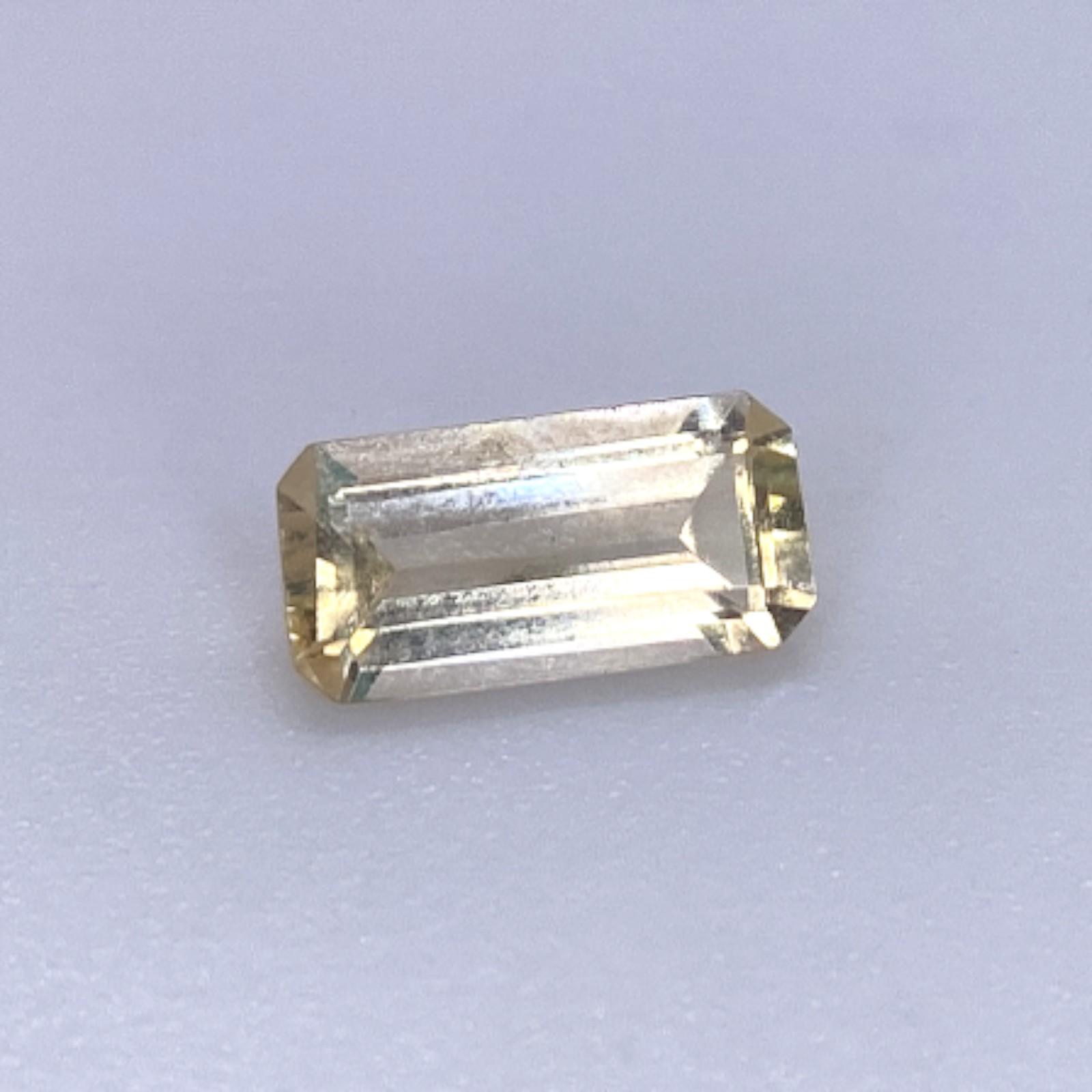
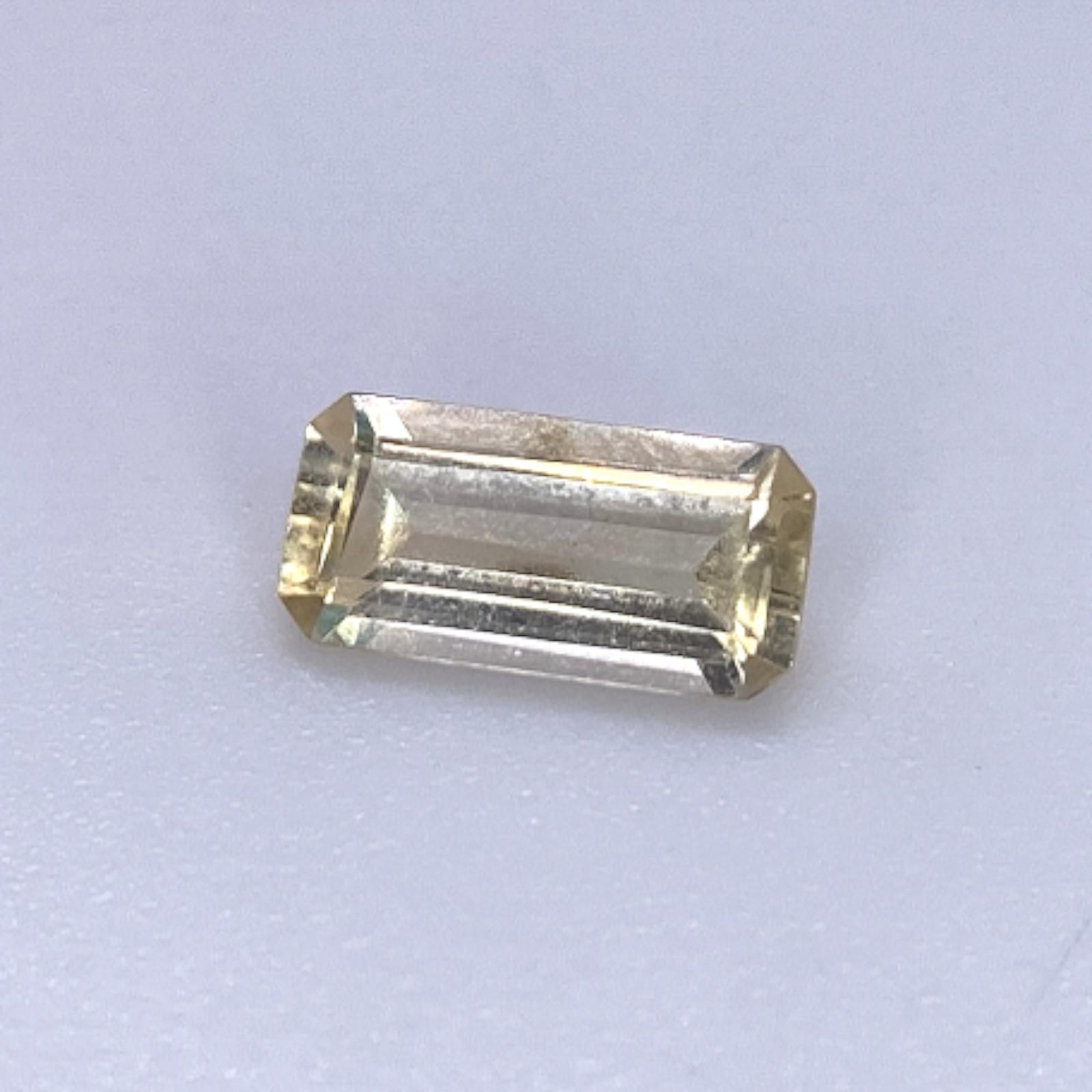
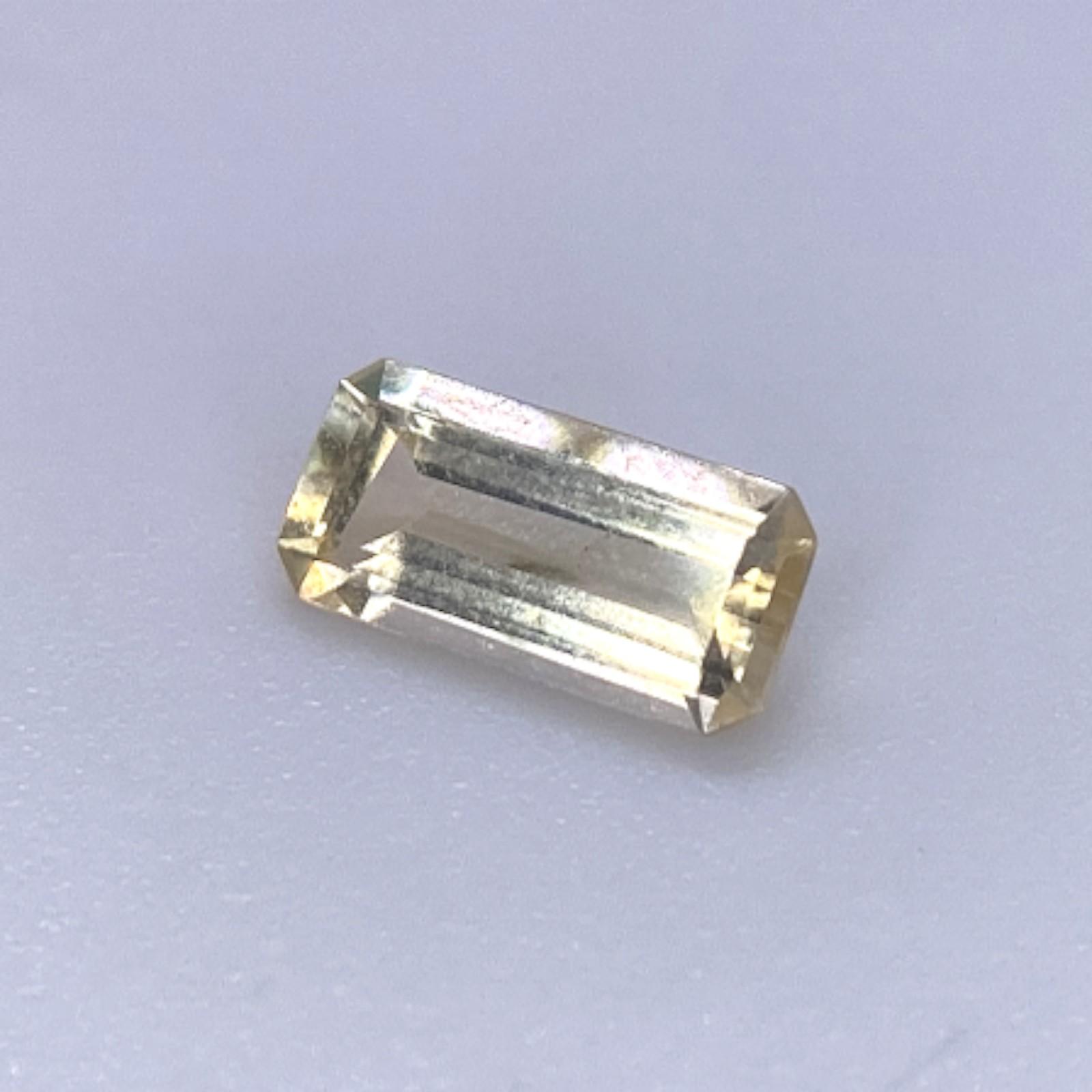
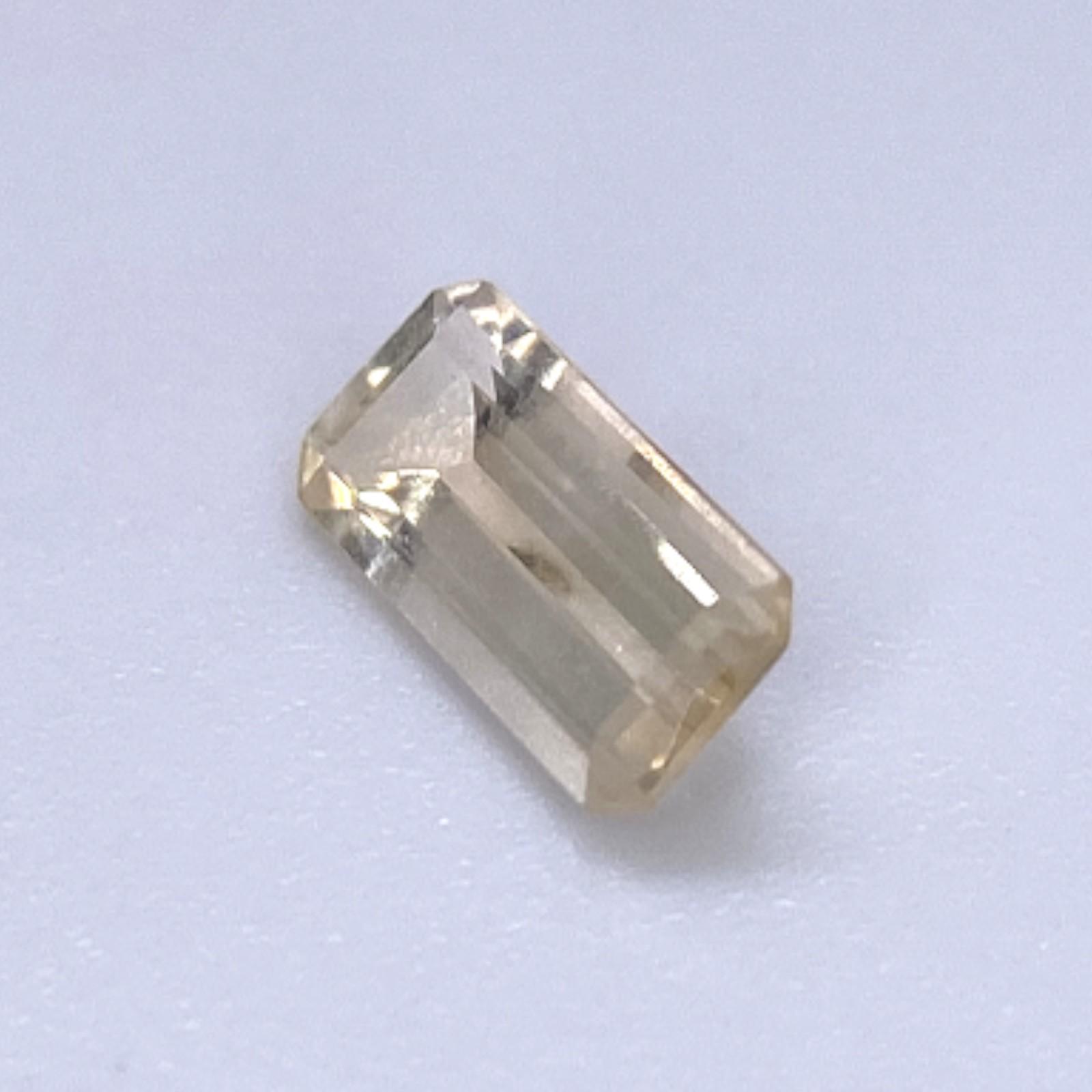
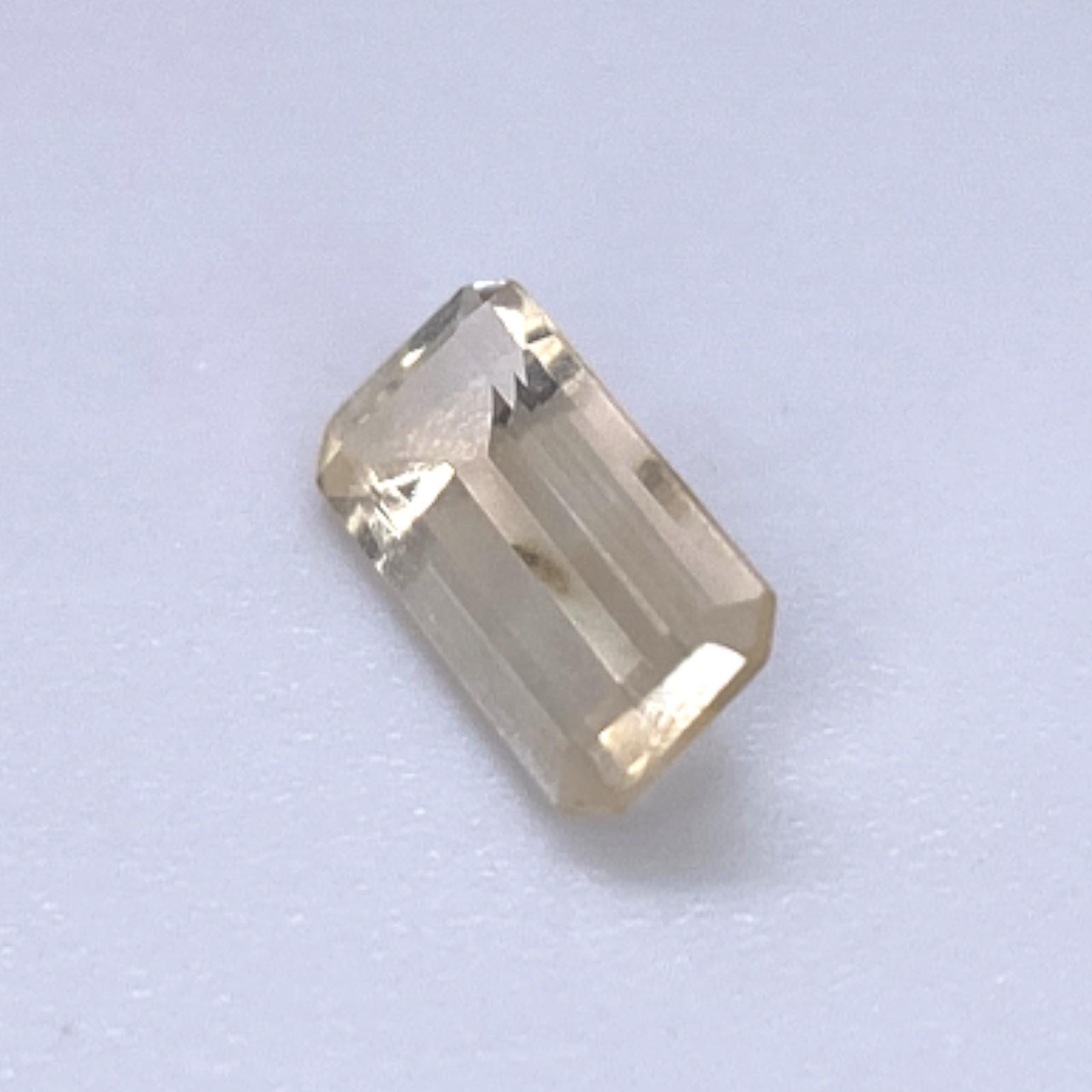


- Freakingcats Gemstone Database
Danburite
Danburite represents the “crystal of light” within the calcium borosilicate world. A calcium borosilicate, it is a species I have always respected for its “diamond-like” transparency and its remarkable structural integrity. While it is often mistaken for Topaz or Quartz by the uninitiated, for the specialist, Danburite is a prize of geometrical discipline; it typically forms sharp, orthorhombic prisms with wedge-shaped terminations that possess a vitreous to brilliant luster. It is a stone of “immaculate clarity,” providing a sophisticated, high-frequency aesthetic that makes it a true “pillar of light” for the systematic vault.
The Heritage & Discovery
Historical Significance: Danburite is a vital species for understanding the role of boron in the late-stage crystallization of granitic pegmatites and metamorphic skarns. Historically, it was a rare American discovery that eventually revealed itself in spectacular, gem-grade deposits across the globe. In the world of fine minerals, it is celebrated for its extraordinary “water-clear” purity and its subtle color palette, which ranges from “ice-white” to a delicate “champagne-pink.” It stands as a symbol of mental clarity and structural focus, bridging the gap between common silicates and the elite world of “high-clarity” precious gems. It serves as a reminder that the most “transparent” minerals often harbor the most complex and balanced chemical arrangements.
Discovery: The mineral was formally named in 1839 by Charles Upham Shephard in honor of its type-locality: Danbury, Connecticut, USA. Scientifically, it is a calcium borosilicate. While the original Connecticut discovery was relatively opaque, the later finds in Mexico and Japan provided mineralogists with the first clear look at the species’ potential for “gemmy” perfection. My own respect for this material grew from its refractive character; while its index is lower than Diamond, its “dispersion” and “sharp” light return give it a presence that is far more substantial than Quartz. Since its identification, it has become a “must-have” for connoisseurs of architectural crystal forms.
Important Mines: The undisputed world capital for the finest, “water-clear” and “champagne-pink” Danburite is the Charcas region in San Luis Potosí, Mexico. These specimens set the global benchmark for crystal size and transparency. I also have a high regard for the spectacular, “honey-colored” crystals from Dal’negorsk, Russia, and the rare, historic finds from Bungotakada, Japan. For the vault, I prioritize the Charcas material for its unmatched “liquid-clear” interior and its razor-sharp prismatic terminations.
Mineralogical Profile
Description: Danburite is a calcium borosilicate that crystallizes in the orthorhombic system. It sits at a 7 to 7.5 on the Mohs scale, making it an exceptionally hard and durable gemstone suitable for any high-end lapidary application. It is characterized by its vitreous luster and its unmistakable “ice-like” or “pale-pink” color palette.
One of its most identifying traits is its lack of cleavage and its moderate refractive index (n approx 1.63 to 1.64). It has a specific gravity (SG approx 3.0), making it feel slightly denser than Quartz. Because it is a borosilicate, it is often found in association with Calcite, Quartz, and various borate minerals. When I select a piece for the collection, I look for “perfect” terminations and an absolute absence of internal “veils,” as these highlight the sophisticated, three-dimensional geometry that makes Danburite a standout for the systematic specialist. It is a light, high-vibration mineral that offers a unique, “brilliant” beauty unlike any other borosilicate species.
Chemical Formula: CaB2(SiO4)2


