
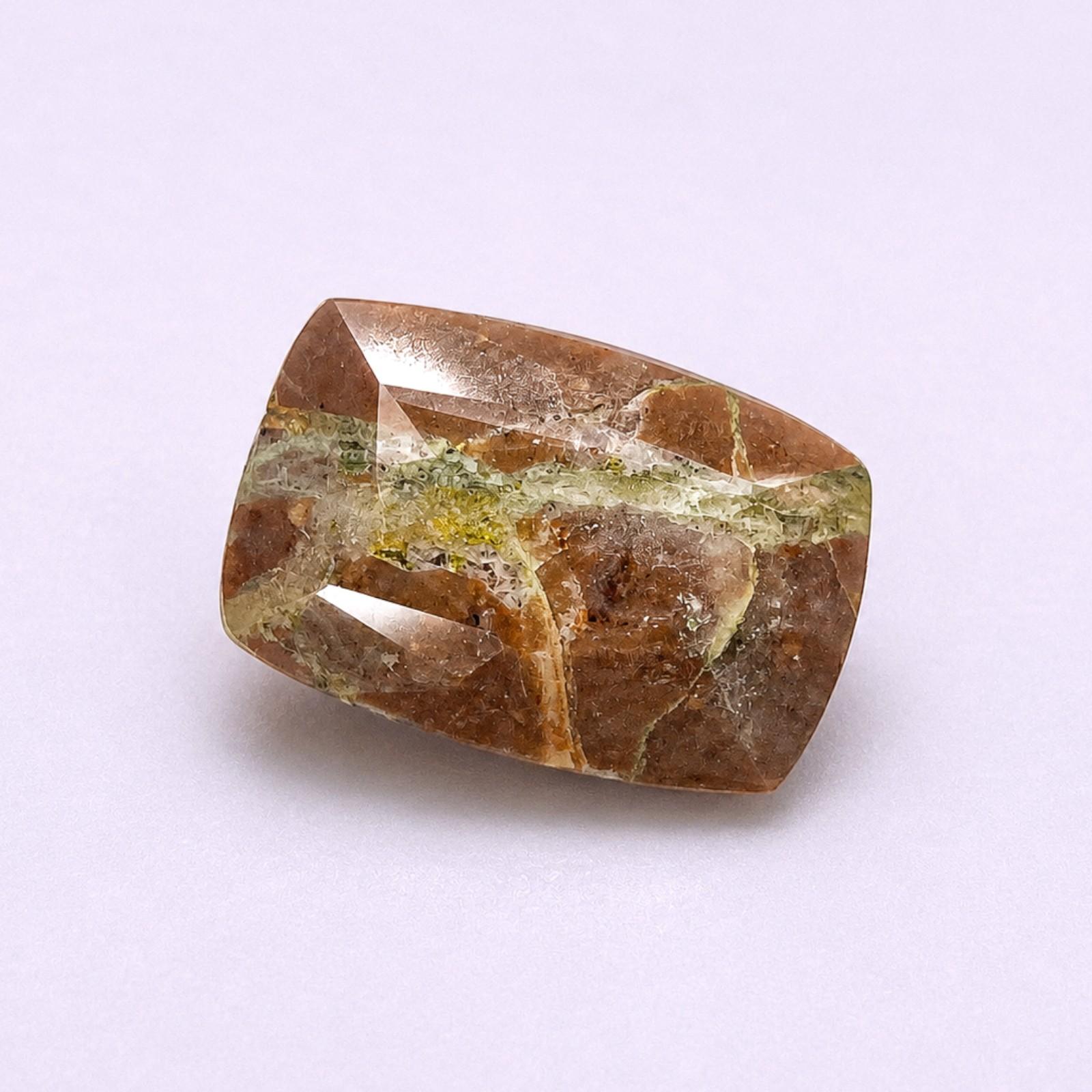
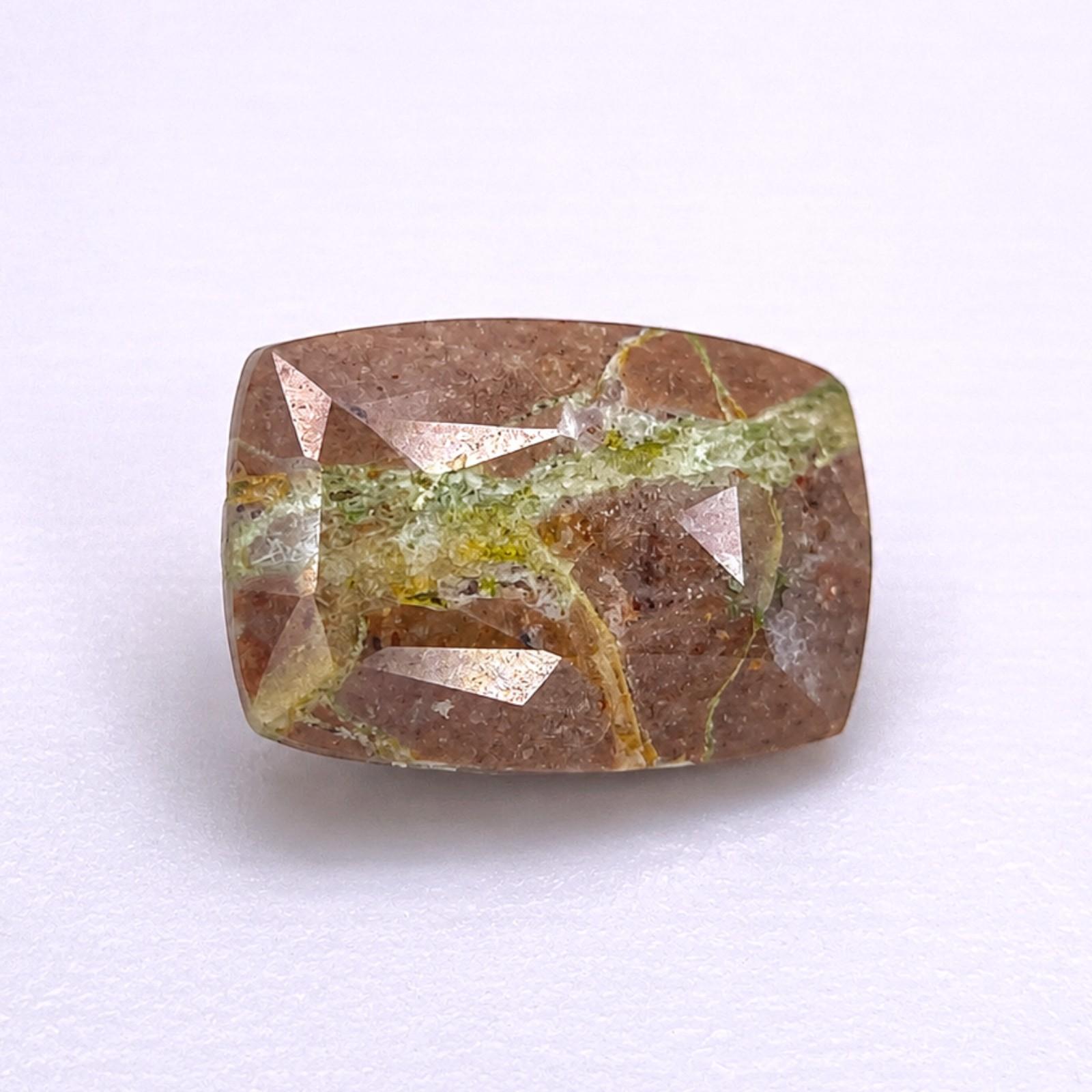
3.11 ct WICKENBURGITE – USA
EXPERT VERIFIED
- Expert Verified Gemstone
- Fast Handling & Shipping
- Secure Vault Packaging
$ 150
Offer amount Feild


Smart Collector Choice


Pay with Crypto & Get 10% Automatic Discount

Availability: 1 in stock
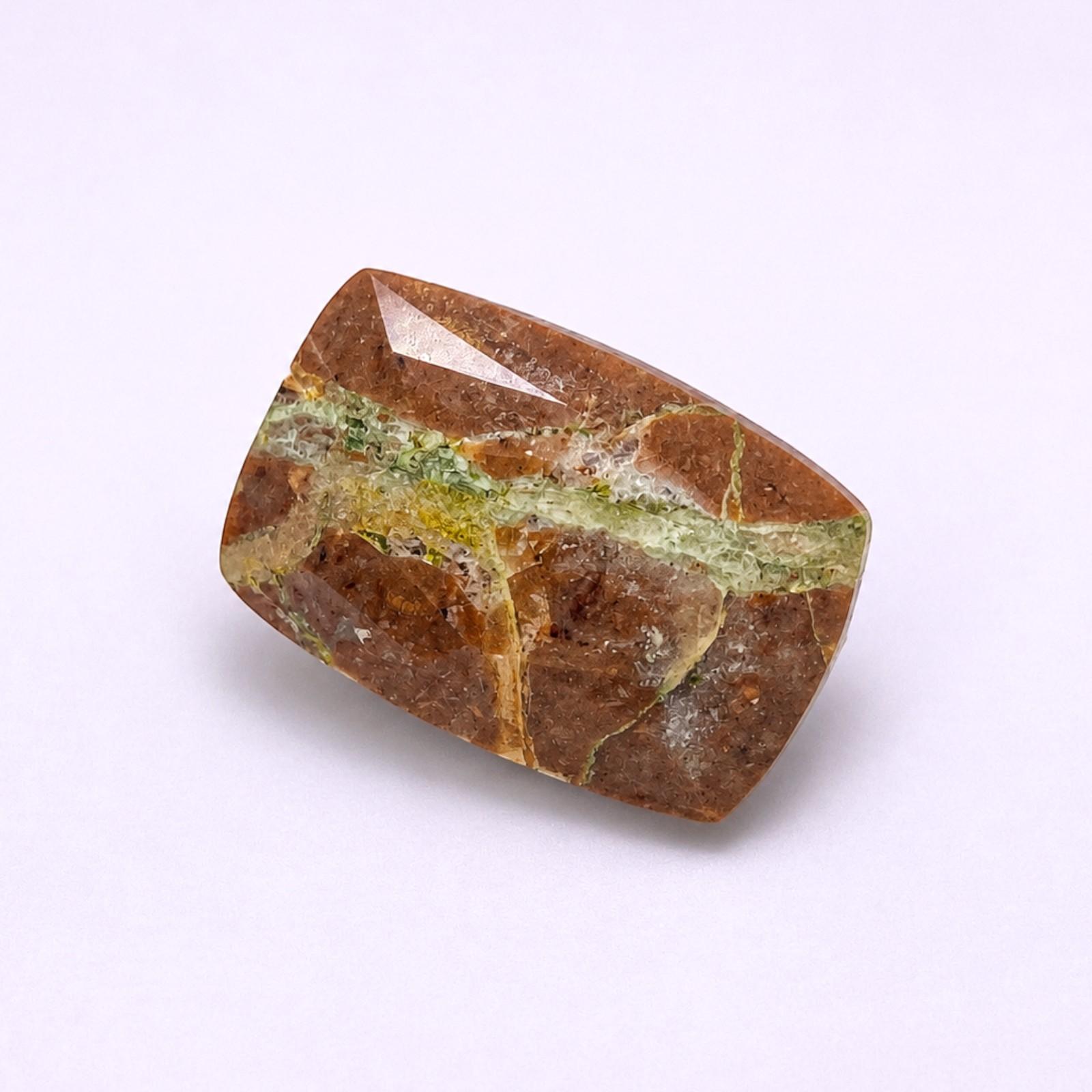


- Freakingcats Gemstone Database
Wickenburgite
Wickenburgite represents the “lead-silicate rarity” of the arid Southwest. A complex lead calcium aluminum silicate, it is a species I have always respected for its delicate, “ice-white” to “pale-pink” aesthetic and its status as a significant rarity among the oxidation minerals of Arizona. For the specialist, Wickenburgite is a prize of crystallographic subtlety; it offers a vitreous to pearly luster and a “serene” presence that makes it a sophisticated addition to the systematic vault. I am an artist and gemstone expert, and I find the structural discipline of these rare silicates to be a constant source of inspiration.
The Heritage & Discovery
Historical Significance: Wickenburgite is a vital species for understanding the complex secondary mineralization that occurs in lead-zinc-copper deposits within desert environments. Historically, it was a relatively recent discovery that challenged mineralogists to differentiate it from other platy silicates. In the world of fine minerals, it is celebrated for its natural, “pearly” elegance. It stands as a symbol of regional mineralogy, bridging the gap between common silicates and the elite world of “micro-rarities” from the American West. It serves as a reminder that the most “desolate” landscapes often harbor the most refined chemical structures.
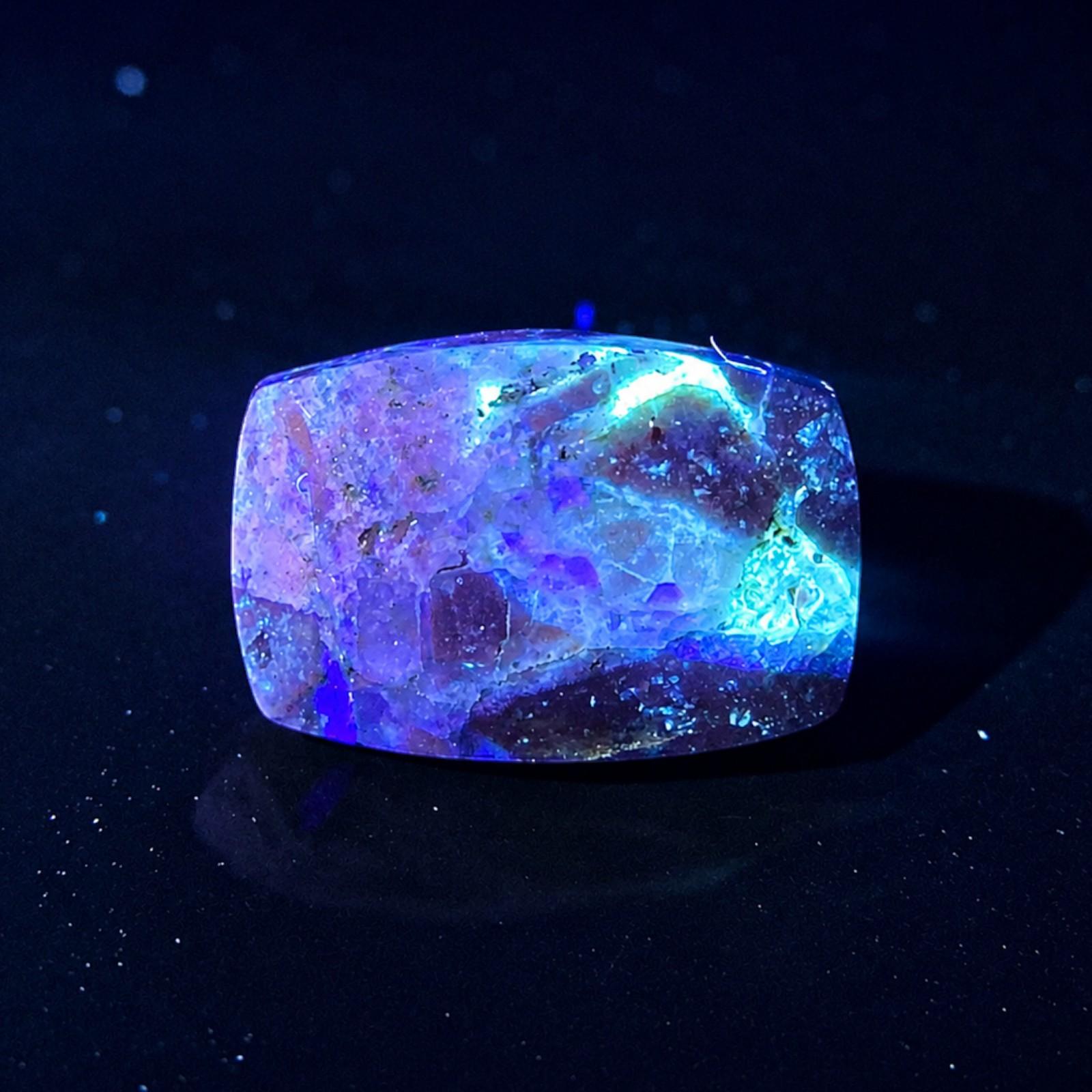
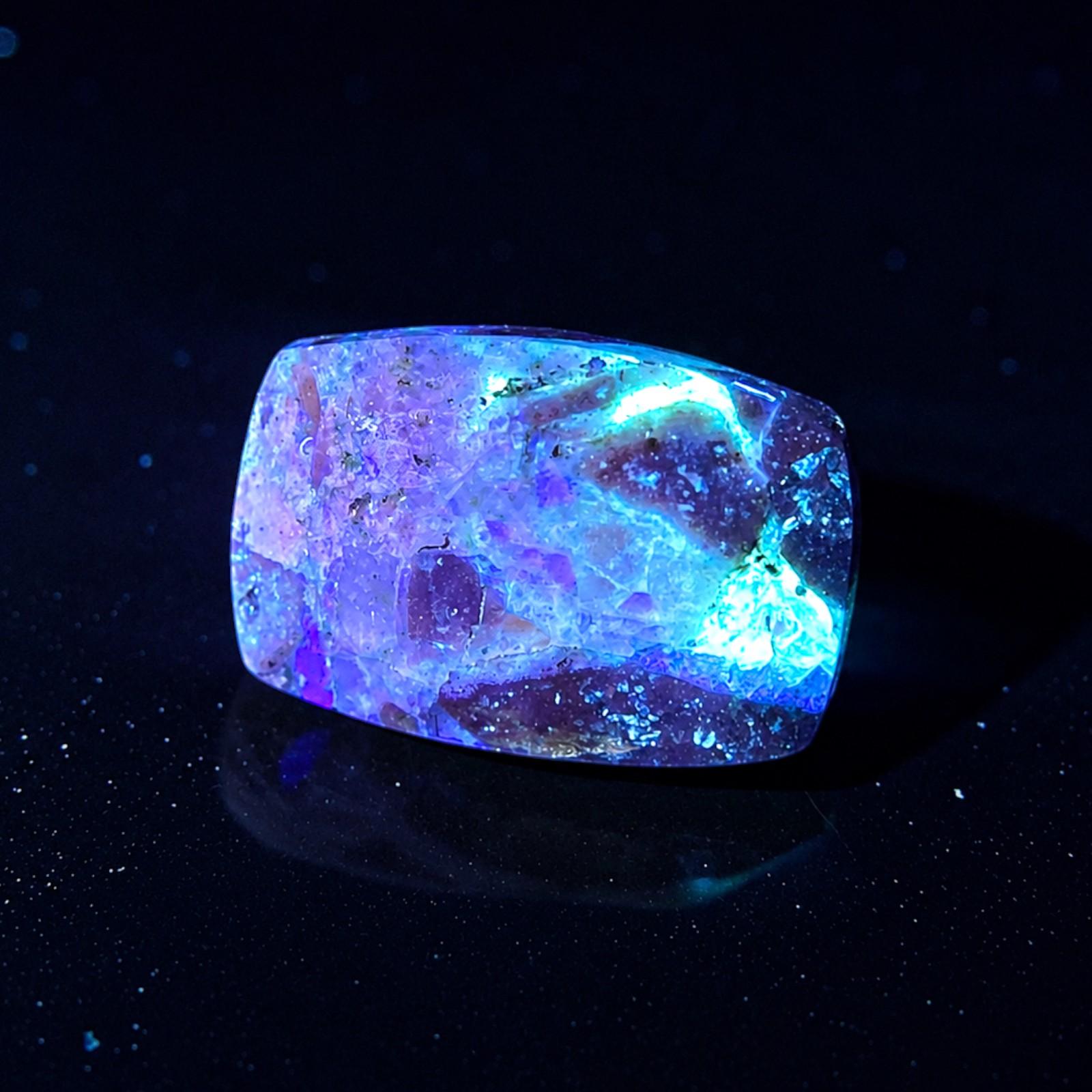
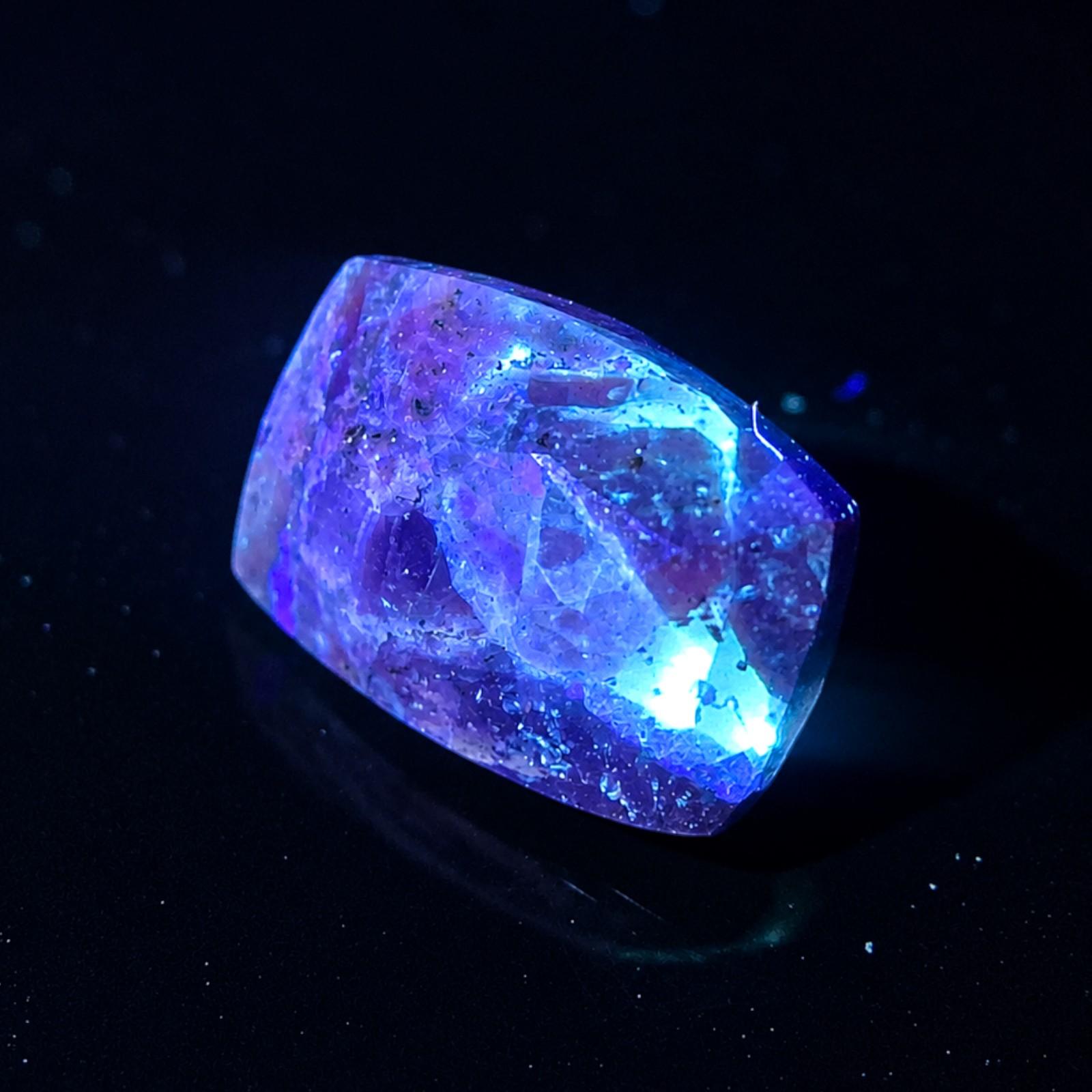
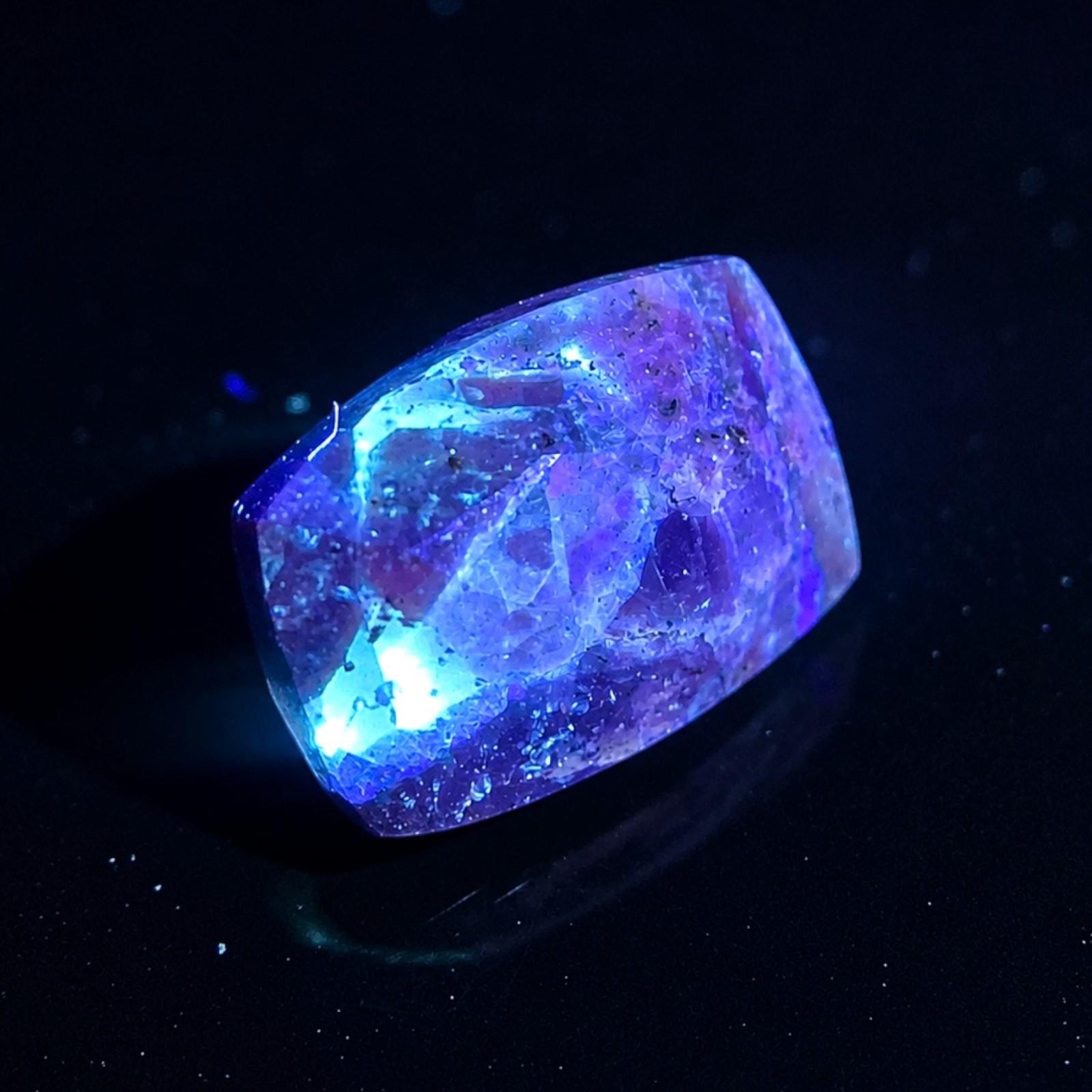
Discovery: The mineral was formally named in 1968 in honor of its type-locality: Wickenburg, Arizona, USA. Scientifically, it is a lead-bearing silicate. Its discovery provided mineralogists with the first clear look at how lead and calcium can be integrated into a layered silicate framework. My own respect for this material grew from observing its fluorescent character; under short-wave ultraviolet light, it often displays a “vibrant” orange or red glow, revealing a hidden energy that is unmistakable to the trained eye.
Important Mines: The undisputed world capital for the finest, “type-locality” Wickenburgite is the Potter-Cramer Mine in the Vulture District, Maricopa County, Arizona. These specimens set the global benchmark for crystal definition and “ice-like” transparency. For the vault, I prioritize the Arizona material for its unmatched regional pedigree and its status as a quintessential “collector’s mineral” from the high desert.
Mineralogical Profile
Description: Wickenburgite is a lead calcium aluminum silicate that crystallizes in the trigonal system. It sits at a 5 on the Mohs scale, making it a relatively soft and delicate mineral that must be handled with care to preserve its “platy” surfaces. It is characterized by its vitreous luster and its unmistakable, “frost-like” color palette.
One of its most identifying traits is its perfect basal cleavage, which allows it to form thin, shimmering plates. It has a moderate refractive index (n \approx 1.63 to 1.69) and a specific gravity (SG \approx 3.7 to 3.8). Because it is a secondary mineral in the oxidation zone of lead deposits, it is often found in association with Mimetite, Cerussite, and Willemite. When I select a piece for the collection, I look for “clean” plates and a strong response to UV light, as these highlight the sophisticated, three-dimensional geometry of the mineral’s growth. It is a dense, high-vibration mineral that offers a unique, “ghostly” beauty unlike any other silicate species.
Chemical Formula: Pb3CaAl2Si10O24(OH)6


