
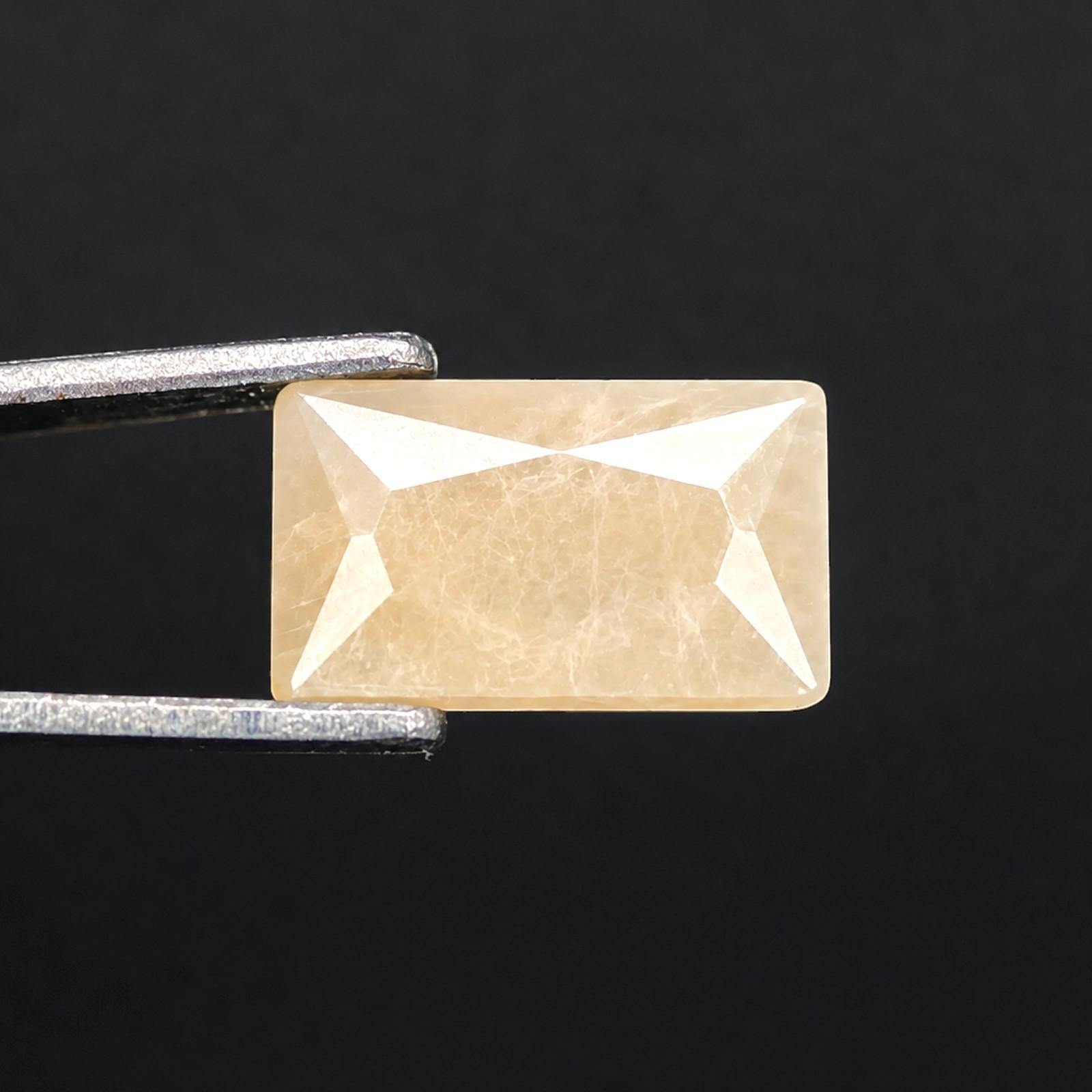
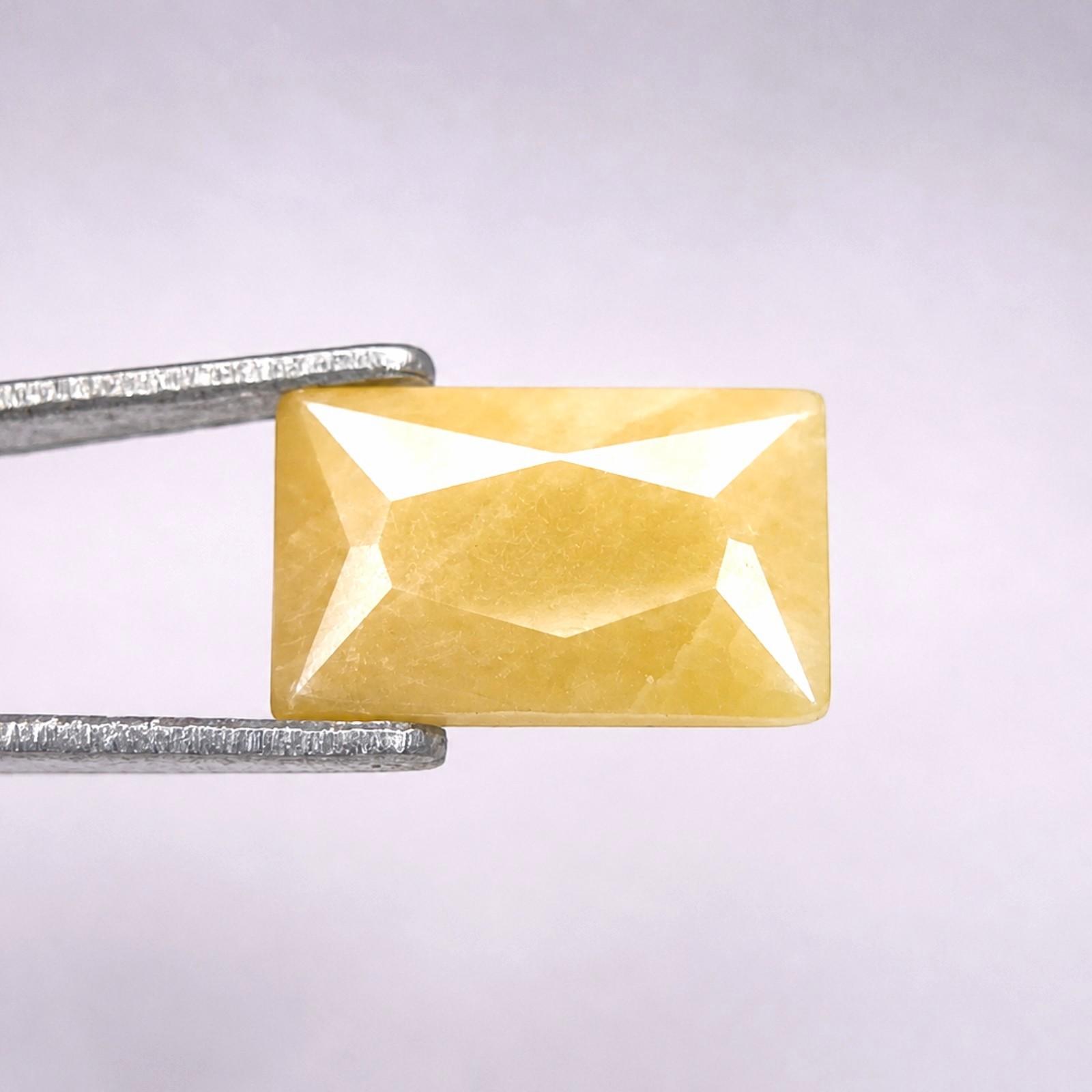
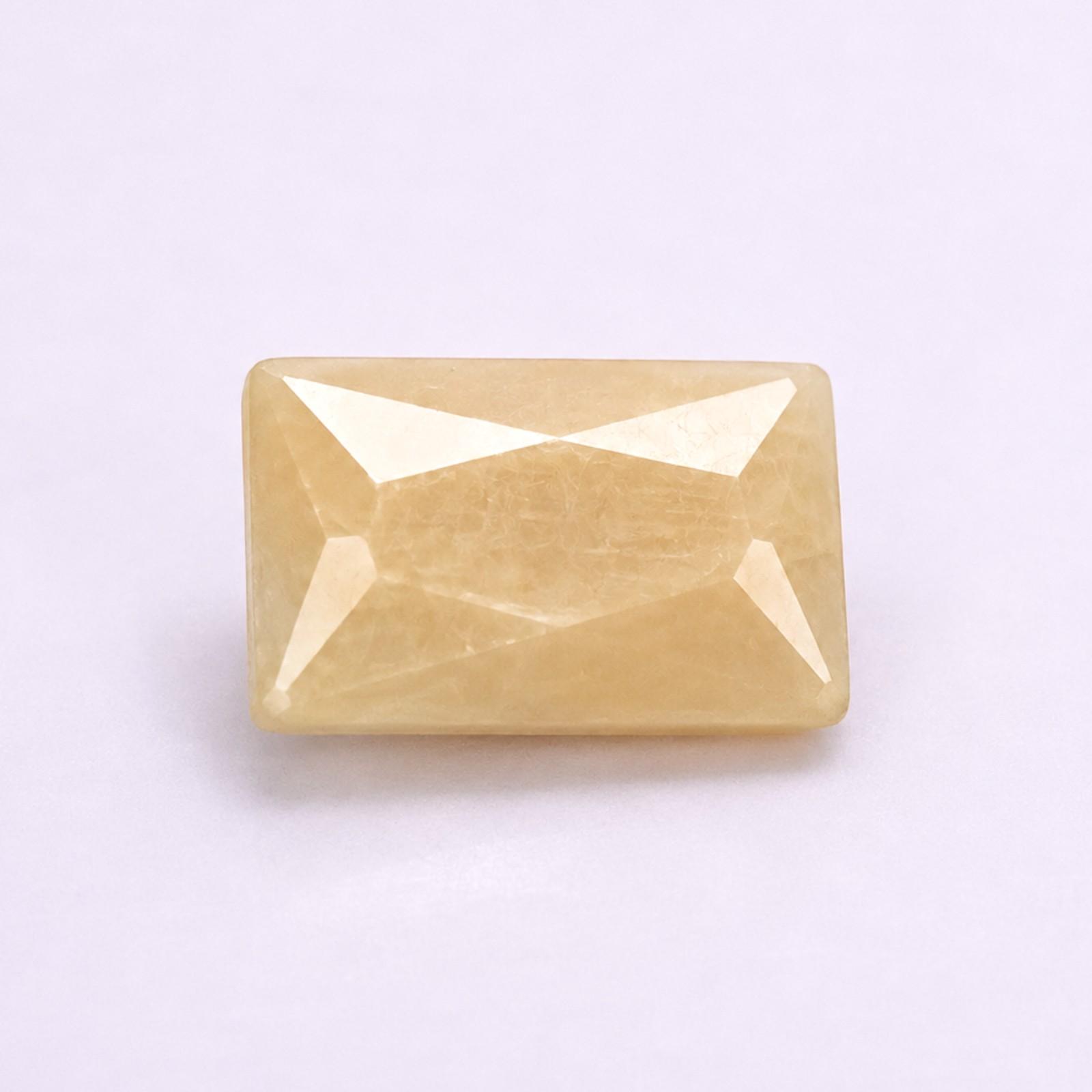
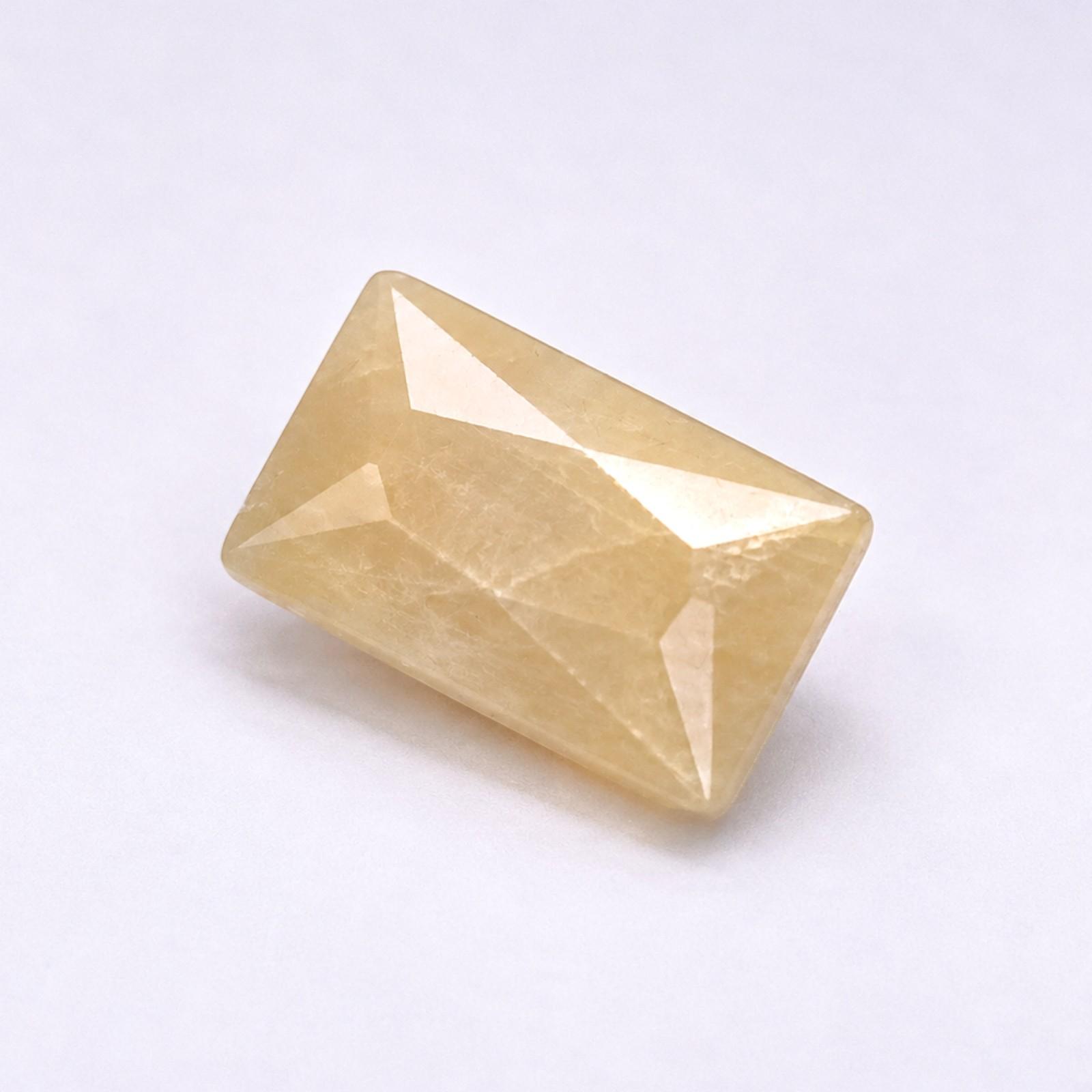
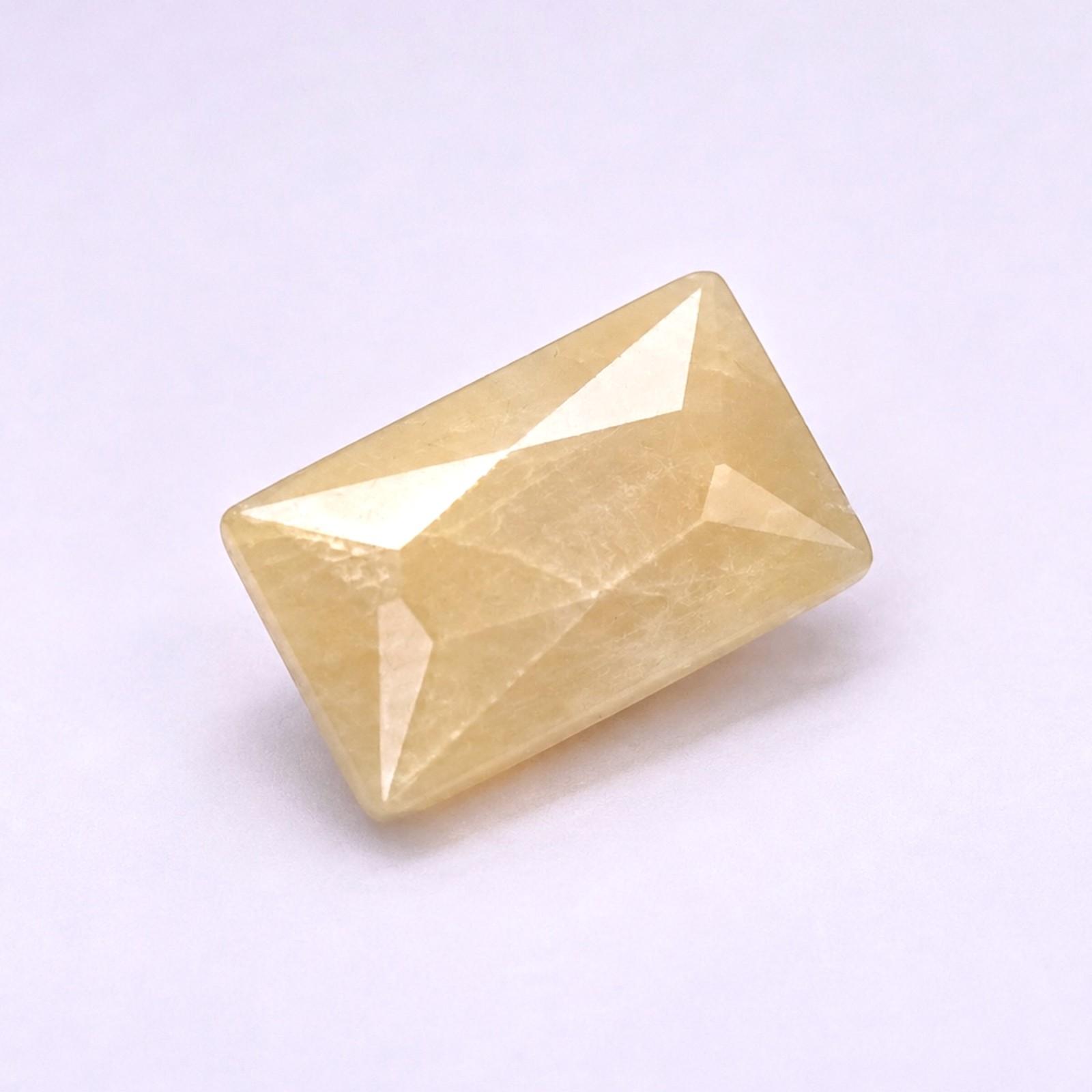
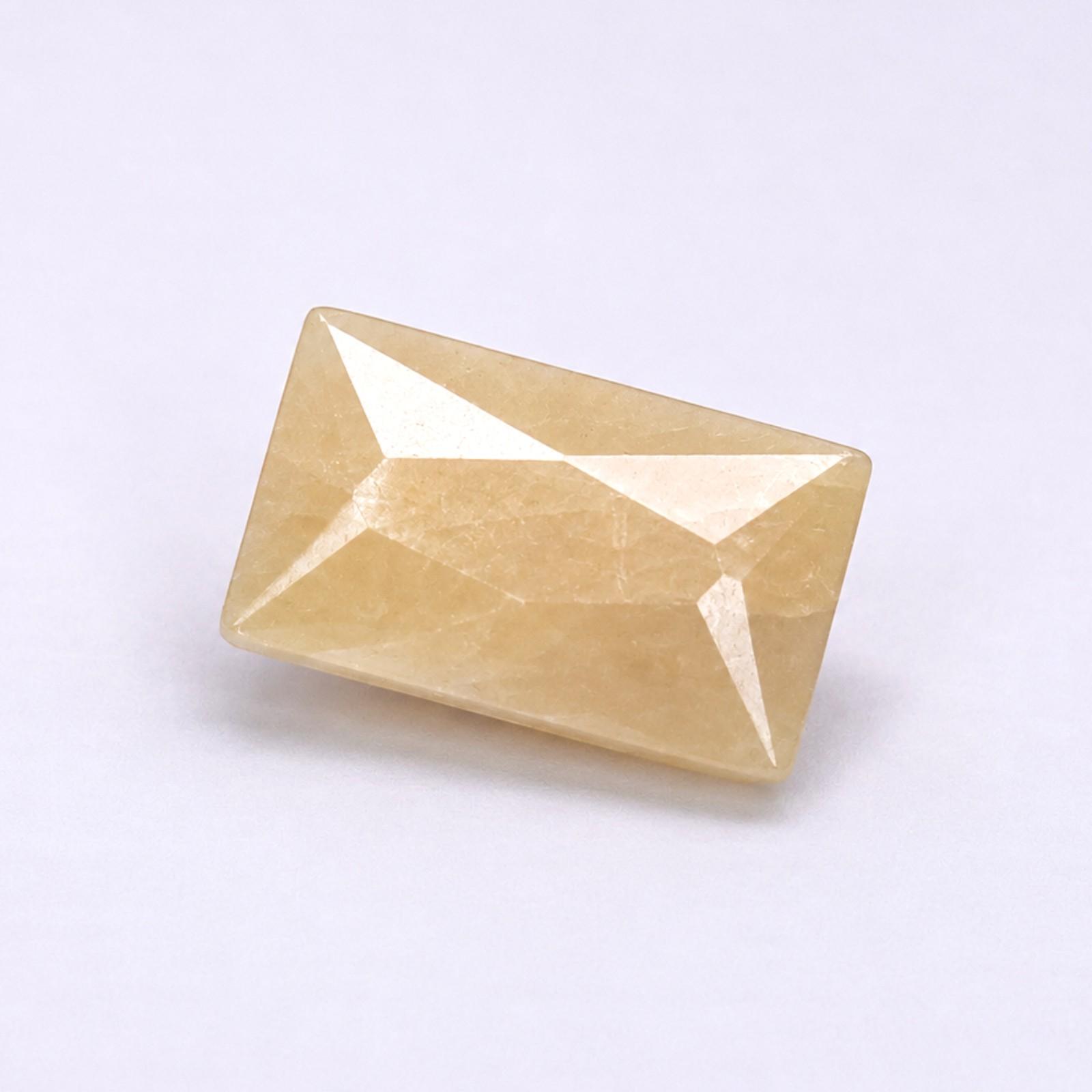
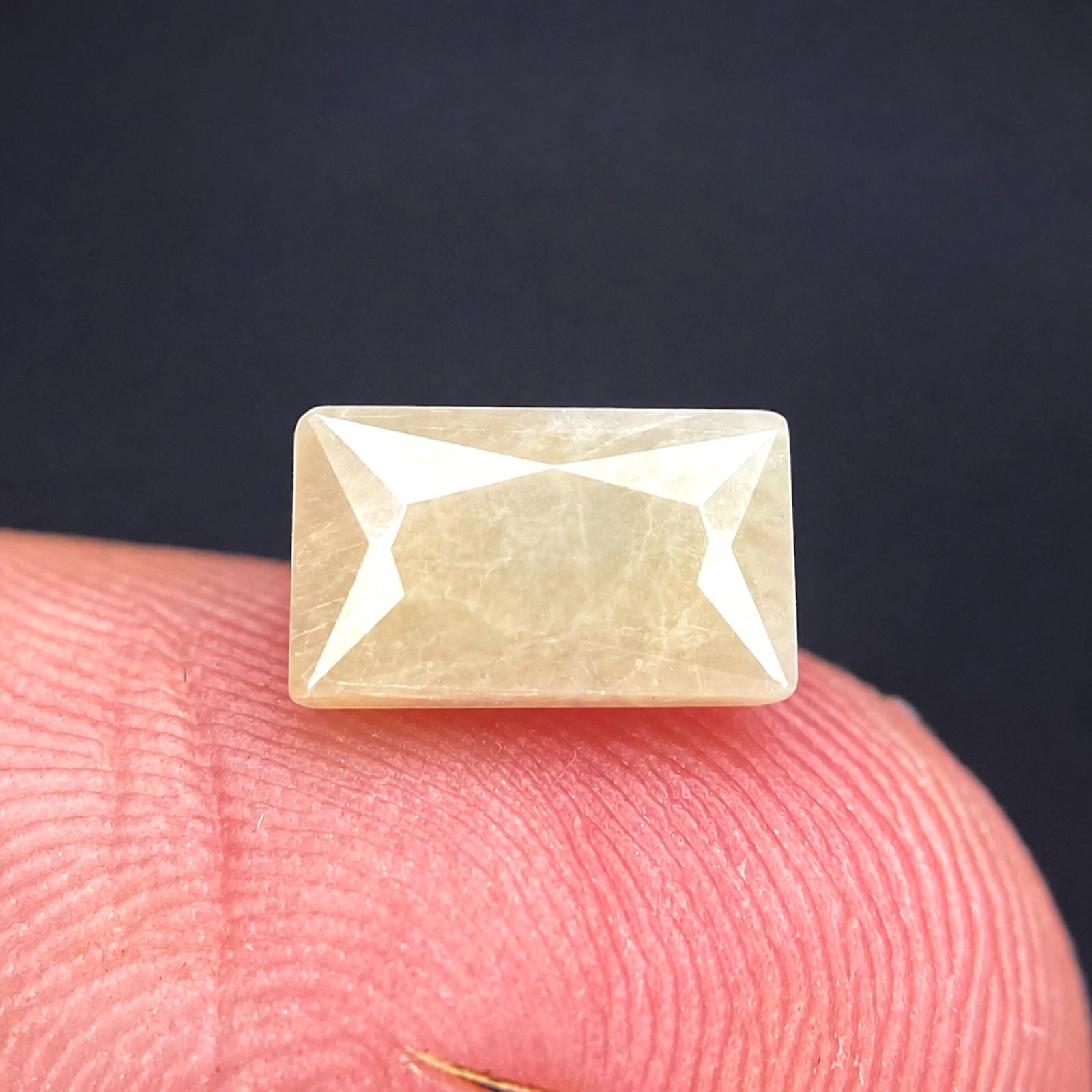
1.45 ct TALCUM – USA
EXPERT VERIFIED
- Expert Verified Gemstone
- Fast Handling & Shipping
- Secure Vault Packaging
$ 100
Offer amount Feild


Smart Collector Choice


Pay with Crypto & Get 10% Automatic Discount

Availability: 1 in stock


- Freakingcats Gemstone Database
Talc
When I started to facet more and more “crazy” rough materials—the kind others deemed impossible—some gemstone dealers came to me with a bet. They said, “Bet you can’t facet a stone with a Mohs hardness of 1.” Challenge accepted! We managed to facet Talc crystals, a process that took us weeks of agonizingly slow, light-handed work, but we succeeded. Talc is the softest mineral on Earth, and in its rare, crystalline form, it possesses a greasy to pearly luster that feels almost like solidified soap or wax. To see a faceted Talc is to see a miracle of the lapidary arts; it is a stone that shouldn’t exist in a cut form, yet it stands as a testament to what can be achieved with patience and a mastery of the wheel. It is the ultimate “impossible” gem for the true connoisseur.
The Heritage & Discovery
Historical Significance: Talc has been a companion to humanity for millennia, used by the Ancient Egyptians for amulets and by the Chinese for intricate carvings (often called “soapstone”). Historically, its industrial value has overshadowed its mineralogical beauty, being the primary ingredient in everything from ceramics to cosmetics. Geologically, it is a secondary mineral formed by the metamorphism of magnesium silicates in rocks like serpentinite. In the world of fine minerals, it is the defining benchmark for “1” on the Mohs scale. Faceting a crystal of this material is a rare feat that bridges the gap between industrial utility and extreme collector-grade rarity.
Discovery: The name “Talc” is derived from the Persian word talk or the Arabic talq. While it has been known since antiquity, it was formally described in modern mineralogy as a magnesium silicate hydroxide. Its unique property of being “sectile”—meaning it can be cut with a knife without crumbling—is what allowed us to push the boundaries of faceting, though its perfect cleavage makes every second on the lap a high-stakes gamble.
Important Mines: While industrial Talc is mined globally, the rare, transparent-to-translucent crystals suitable for our “challenge” typically come from the Brumado area in Bahia, Brazil. This locality is world-famous for producing the largest and most “gemmy” Talc crystals ever found. I also have a high regard for the historic specimens from the Zillertal in Austria. For the vault, I prioritize the Brumado material, as its clarity and structural integrity (relatively speaking) are what made our faceting breakthrough possible.
Mineralogical Profile
Description: Talc is a magnesium silicate hydroxide that crystallizes in the monoclinic system. It sits at a 1 on the Mohs scale, making it the softest known mineral. It is characterized by its greasy to pearly luster and a distinct “soapy” feel when touched.
One of its most identifying traits is its perfect basal cleavage. Because the bonds between its layers are so weak, the sheets slide over each other with ease, which is why it feels slippery. It is typically translucent to opaque, with colors ranging from snowy white to apple green or grey. It has a low refractive index (n \approx 1.54 to 1.59). When we facet it, we have to account for its extreme “softness” by using specialized laps and almost zero pressure, as the heat of a standard cut would literally melt or distort the facets. It is a stable mineral once cut, but it remains a “look but don’t touch” masterpiece of the collection.
Chemical Formula: Mg3Si4O10(OH)2


