

1.27 ct RICHTERITE – Afghanistan
EXPERT VERIFIED
- Expert Verified Gemstone
- Fast Handling & Shipping
- Secure Vault Packaging
$ 190 Original price was: $ 190.$ 170Current price is: $ 170.
Offer amount Feild


Smart Collector Choice


Pay with Crypto & Get 10% Automatic Discount

Availability: 1 in stock
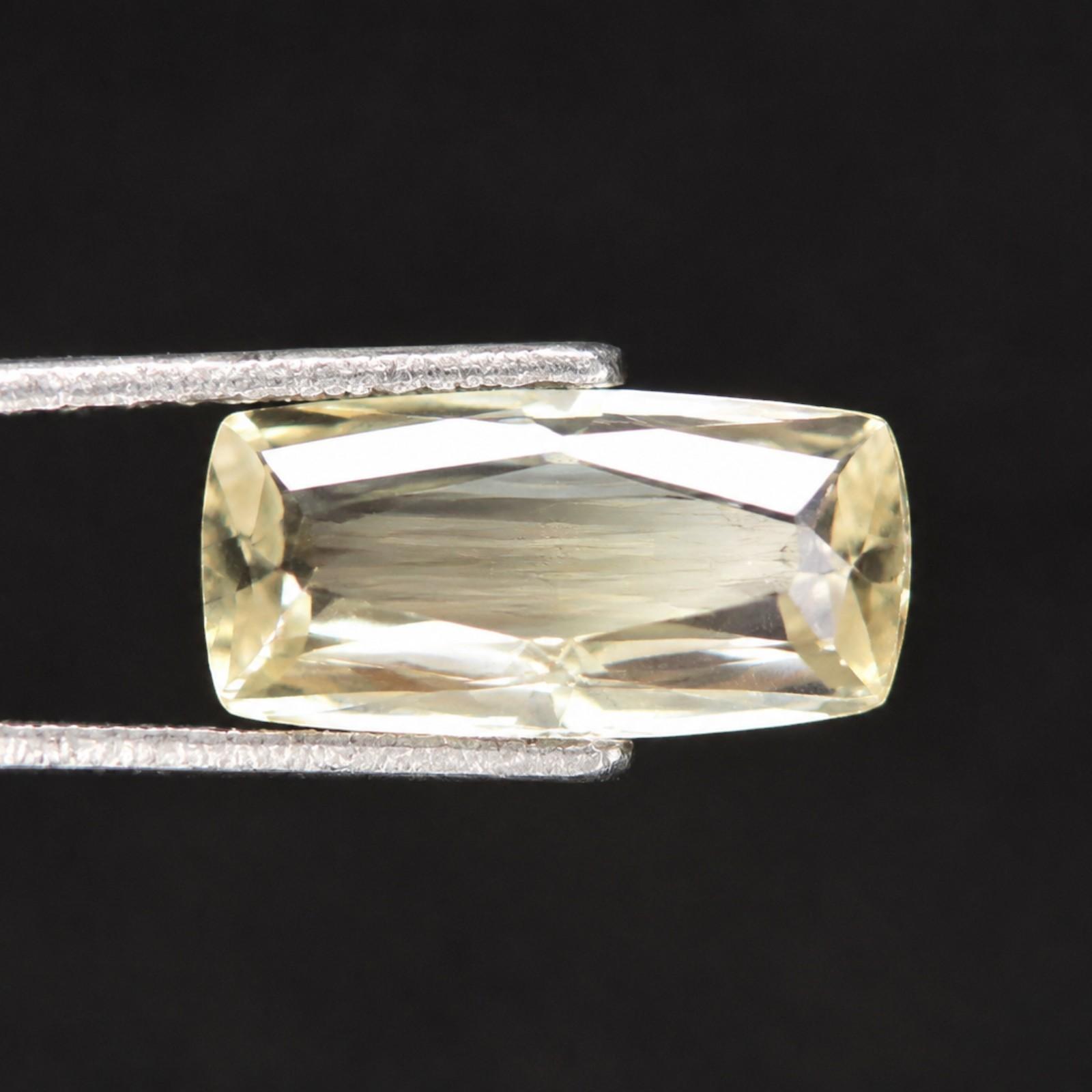
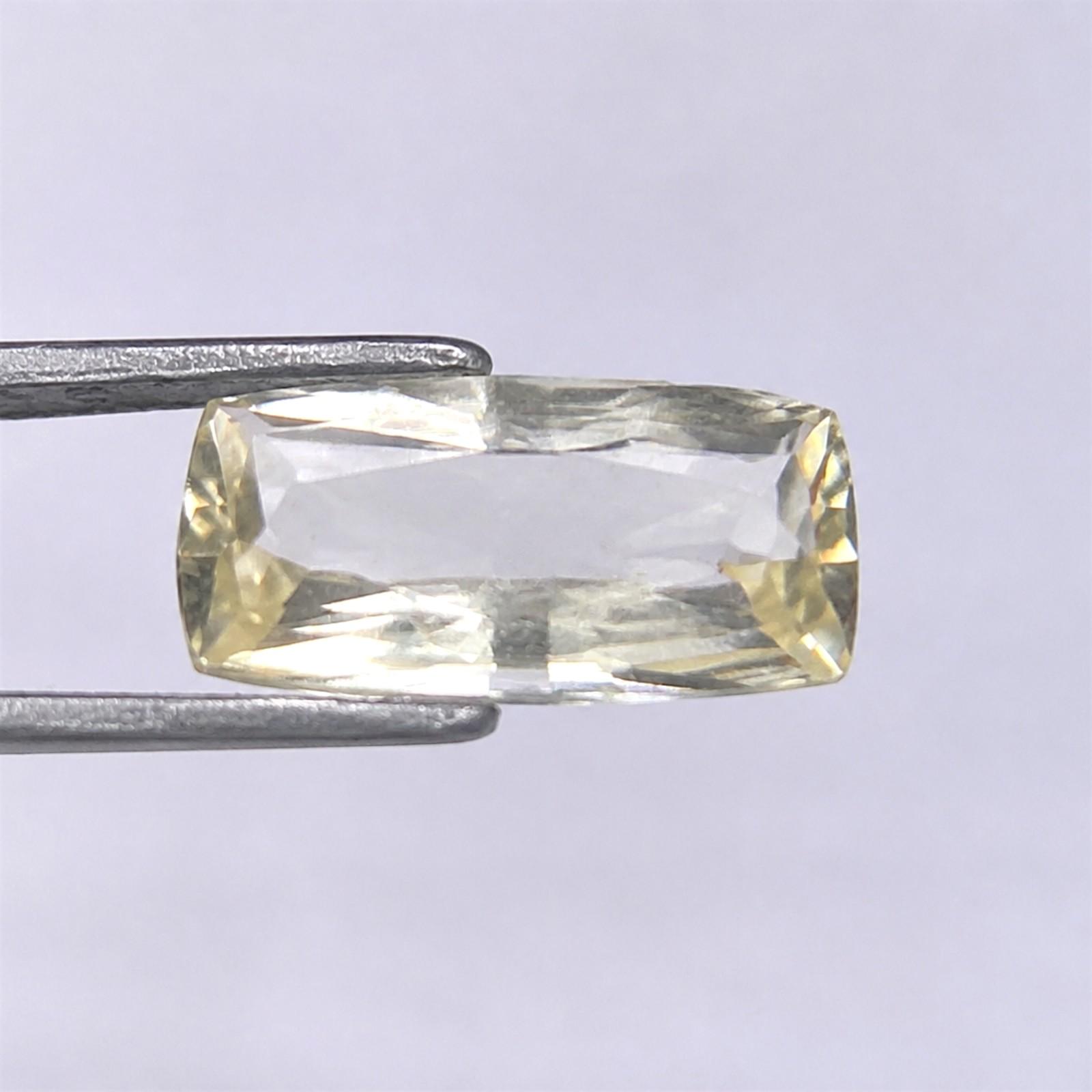
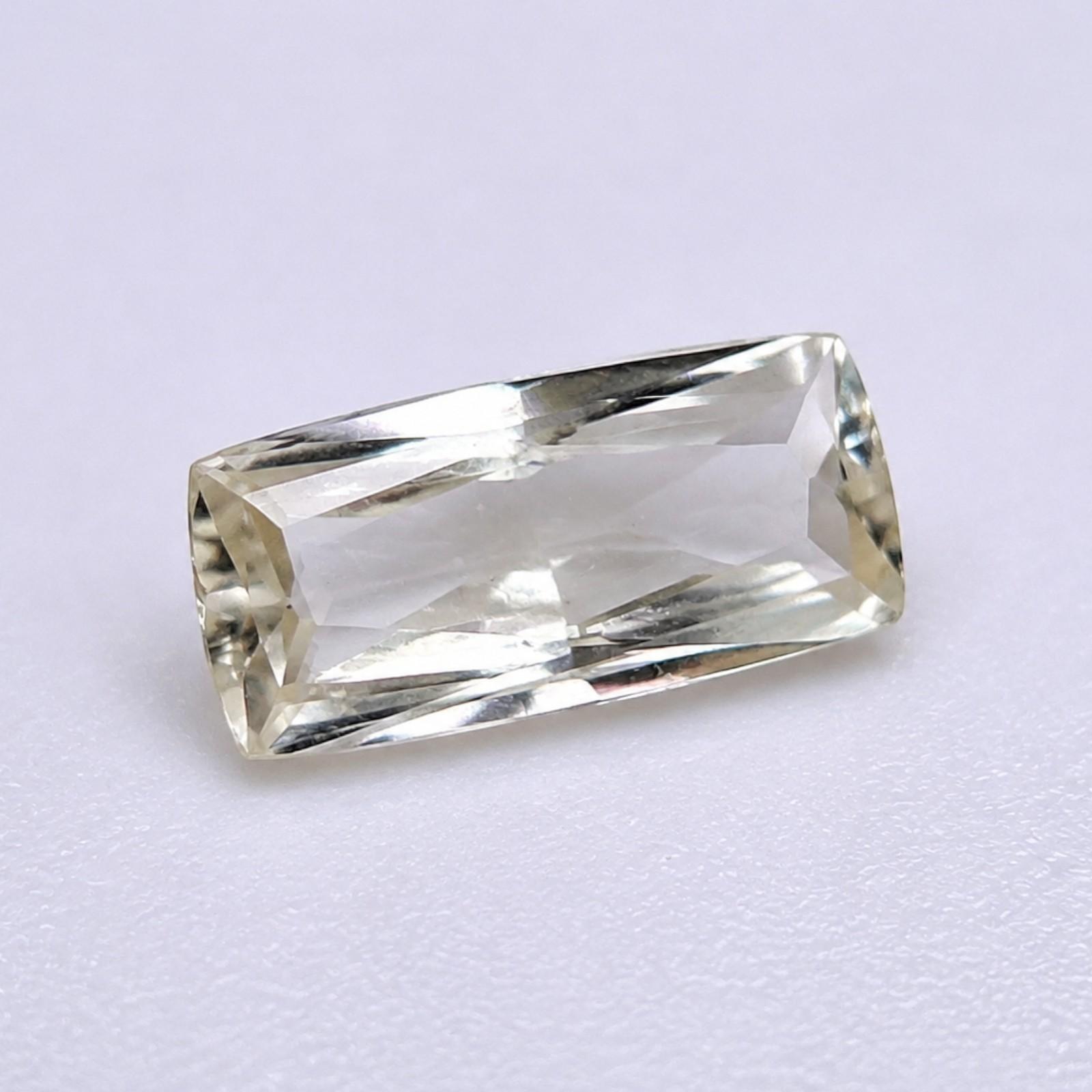
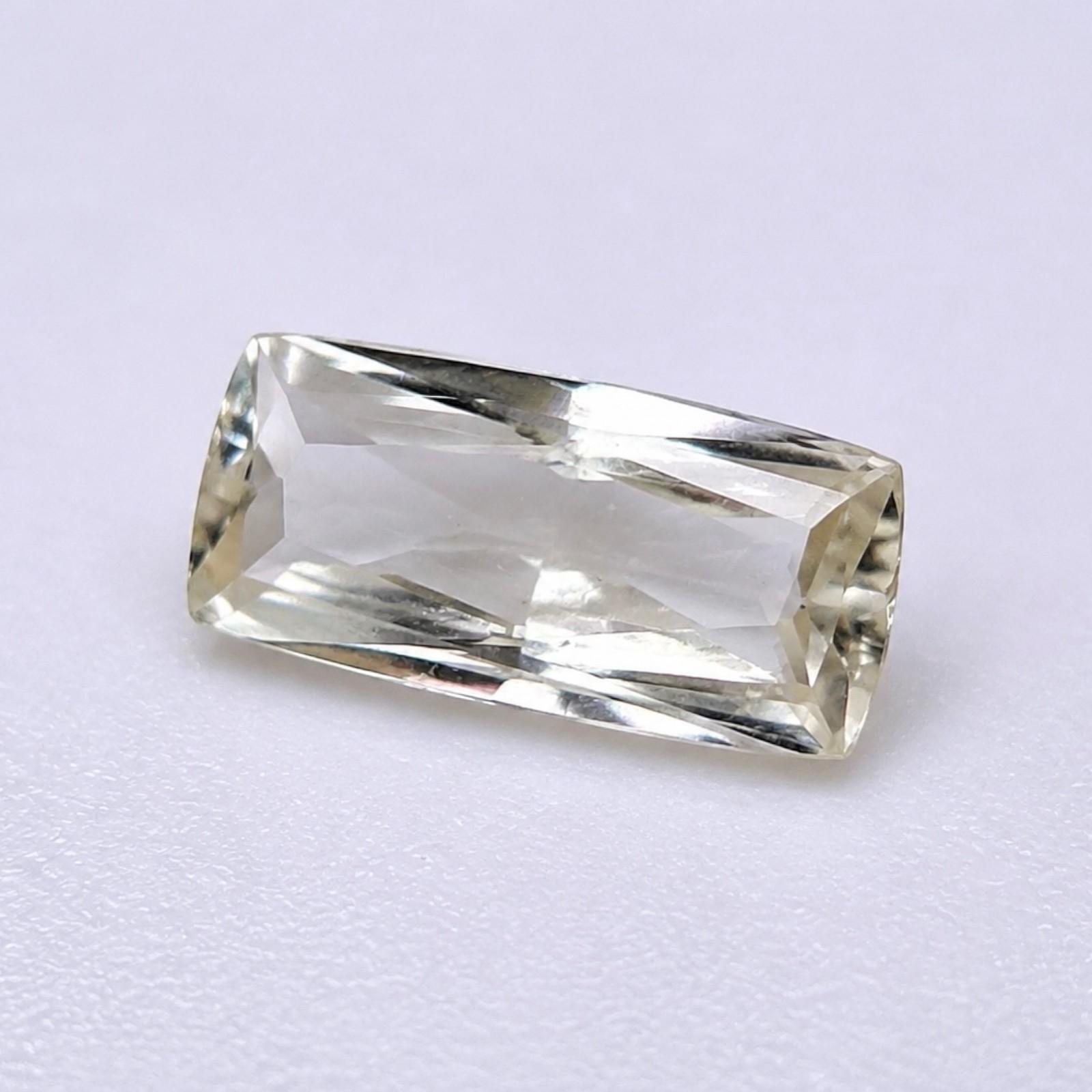
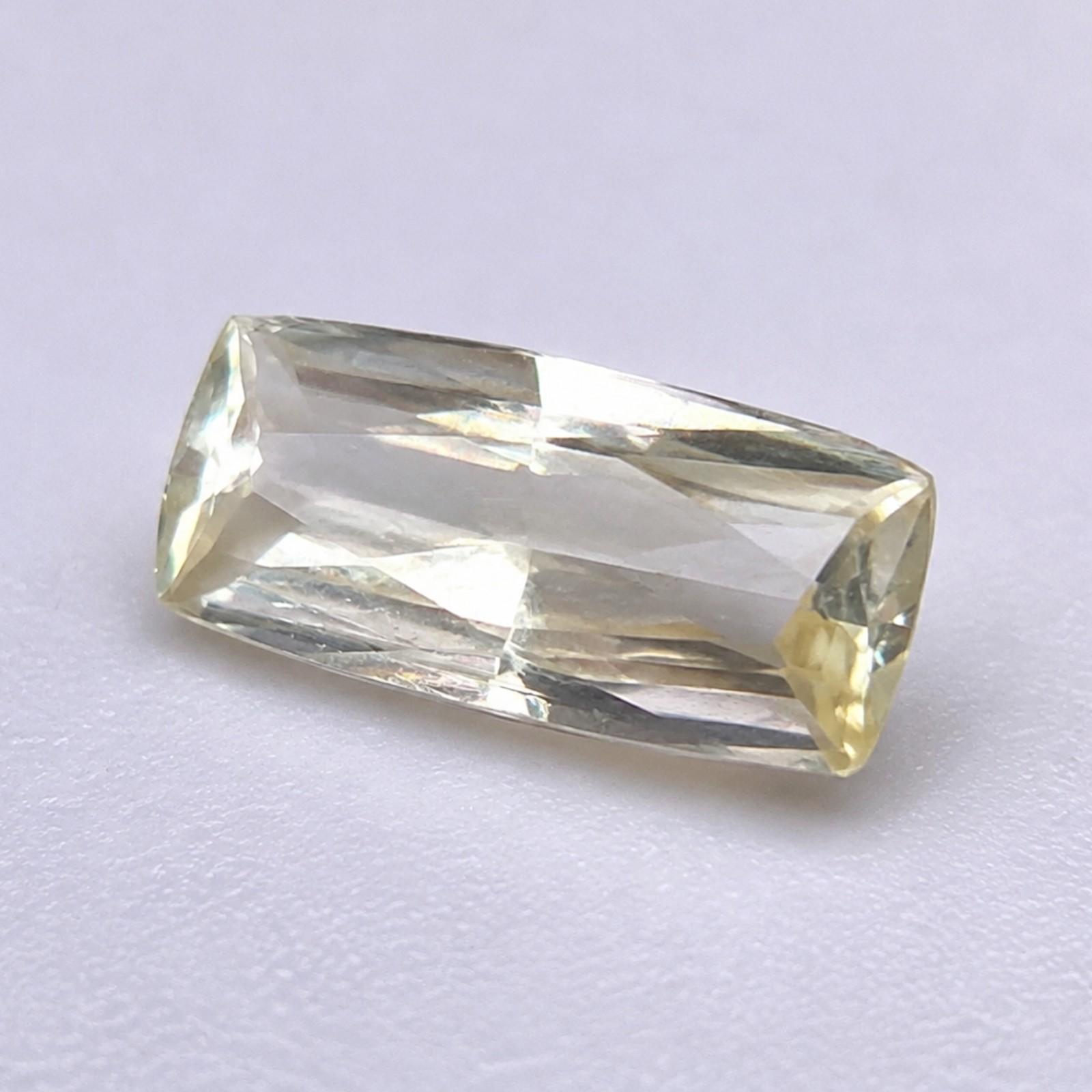
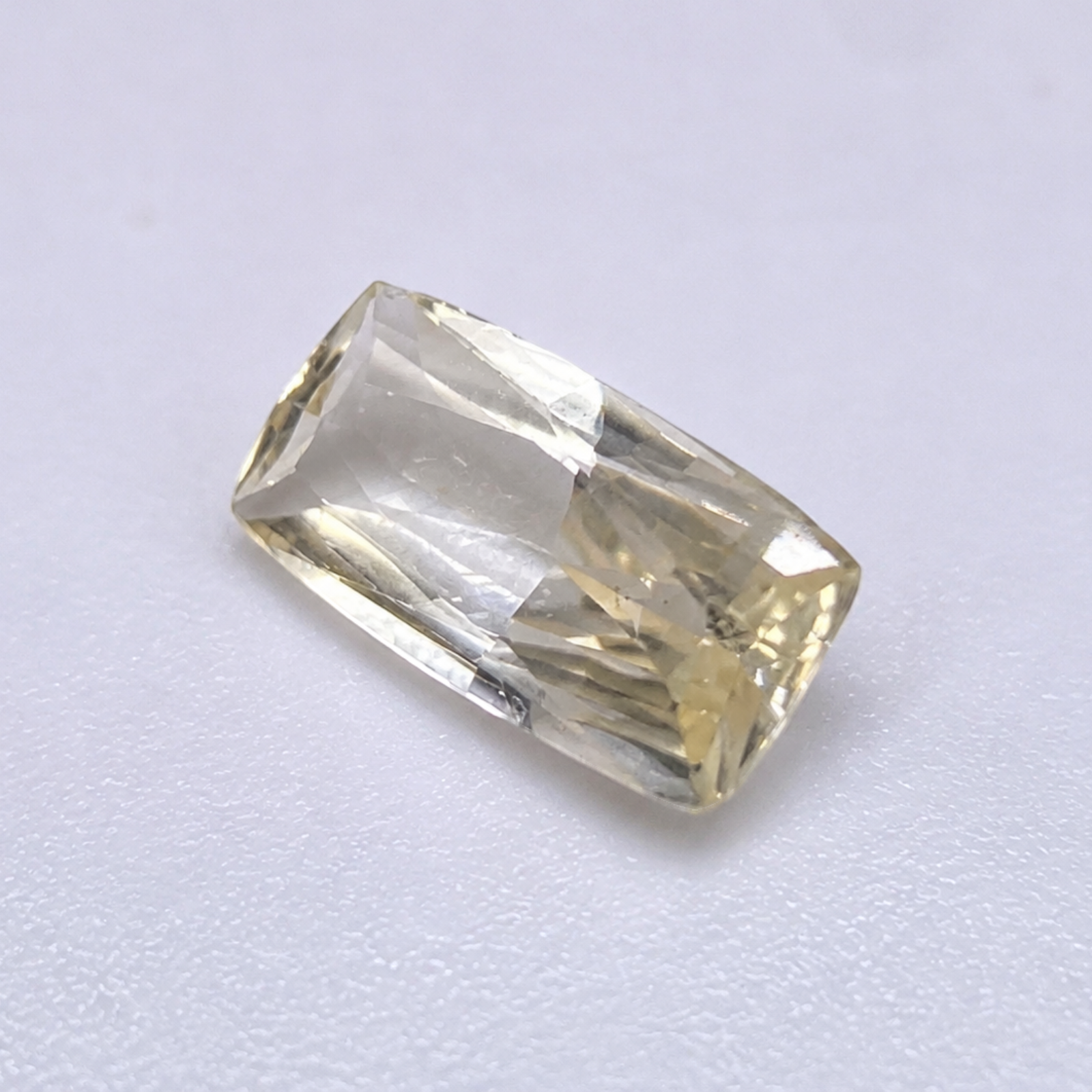
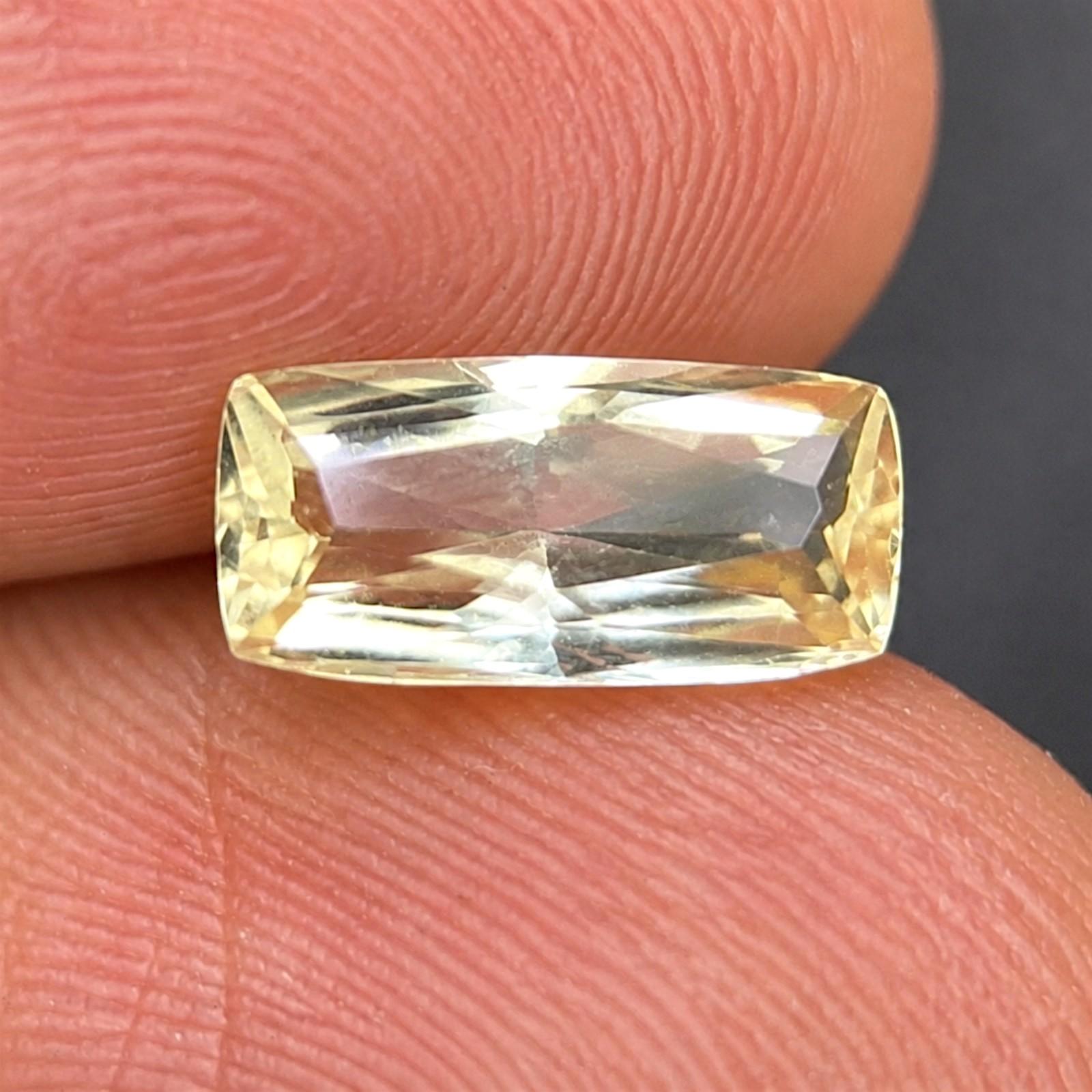


- Freakingcats Gemstone Database
Richterite
Richterite is a gemstone that occupies a sophisticated space within the amphibole group. Often presenting in elongated, prismatic crystals, it possesses a structural elegance that I find deeply compelling. While it can occur in shades of brown, grey, or green, it is the rare, vibrant “potassium-richterite” that truly captures my attention—appearing as a brilliant, electric blue or a deep violet. I have always appreciated its versatility; it can be found as sharp, glassy crystals or as dense, fibrous masses that take a magnificent polish. For the collector, Richterite is a stone of hidden depths, a complex silicate that requires an expert eye to distinguish from its cousins, but offers a unique, metallic-tinted brilliance that is entirely its own.
The Heritage & Discovery
Historical Significance: Richterite is a key mineral for understanding the high-pressure, alkali-rich environments of the Earth’s mantle and crust. Historically, it has been a significant subject for mineralogists studying the “sodium-calcium amphiboles,” representing a bridge between different chemical series. It is often found in skarns, metamorphosed limestones, and even as a component in some meteorites. In the world of fine gems, it gained particular fame when it was identified as a primary constituent in the rare, “royal blue” Sugilite-associated material from South Africa. It stands as a testament to the complex chemical “soup” that exists deep within the Earth, where sodium, calcium, and magnesium align in perfect, needle-like harmony.
Discovery: The mineral was first described in 1865 and was named in honor of the German chemist Hieronymus Theodor Richter (1824–1898). Richter was a co-discoverer of the element Indium, and naming this sophisticated, multi-faceted silicate after him was a fitting tribute to his contributions to spectroscopy and chemical analysis. Its formal classification helped organize the complex world of amphiboles, providing a clear chemical definition for this sodium-calcium end-member.
Important Mines: While it is found in various localities globally, the most legendary source for gem-quality, vibrant blue material is the Wessels Mine in the Kalahari Manganese Field of South Africa. I also have a high regard for the sharp, well-formed crystals from Mount Saint-Hilaire in Canada and the historic specimens from Långban, Sweden. For the vault, I prioritize the South African “Potassic-Richterite” for its incredible neon color and the Canadian specimens for their textbook crystal forms. This one comes from Pech Valley in Afghanistan
Mineralogical Profile
Description: Richterite is a sodium calcium magnesium silicate hydroxide that crystallizes in the monoclinic system. It sits at a 5 to 6 on the Mohs scale, making it a durable stone for specialized jewelry and a staple for any serious mineral collection. It is characterized by its vitreous to silky luster and its wide range of colors, including yellow, brown, green, and the highly sought-after blue.
One of its most identifying traits is its habit—it often forms as long, bladed crystals or fibrous aggregates. Like all amphiboles, it features two directions of perfect cleavage that intersect at approximately 56° and 124°, which gives the stone its characteristic “diamond-shaped” cross-section. It has a moderate refractive index ($n \approx 1.60$ to $1.63$), which provides a clean, glassy brilliance when faceted. Because it is part of a solid-solution series, its appearance can vary significantly depending on the amount of potassium or iron present. When I select a piece, I look for “clean” blue crystals or chatoyant fibrous masses, as these highlight the stone’s ability to manipulate light through its internal needle-like structure.
Chemical Formula: {Na}{CaNa}{Mg5}(Si8O22)(OH)2
Related products
- Sale!Suggest a Price
![0.75 ct ANTHRACITE - USA]()
- Sale!Suggest a Price
![1.25 ct ANDALUSITE - BRAZIL]()
- Sale!Suggest a Price
![1.05 ct ANHYDRITE - MEXICO]()
- Sale!Suggest a Price
![0.60 ct ANATASE - PAKISTAN]()


