
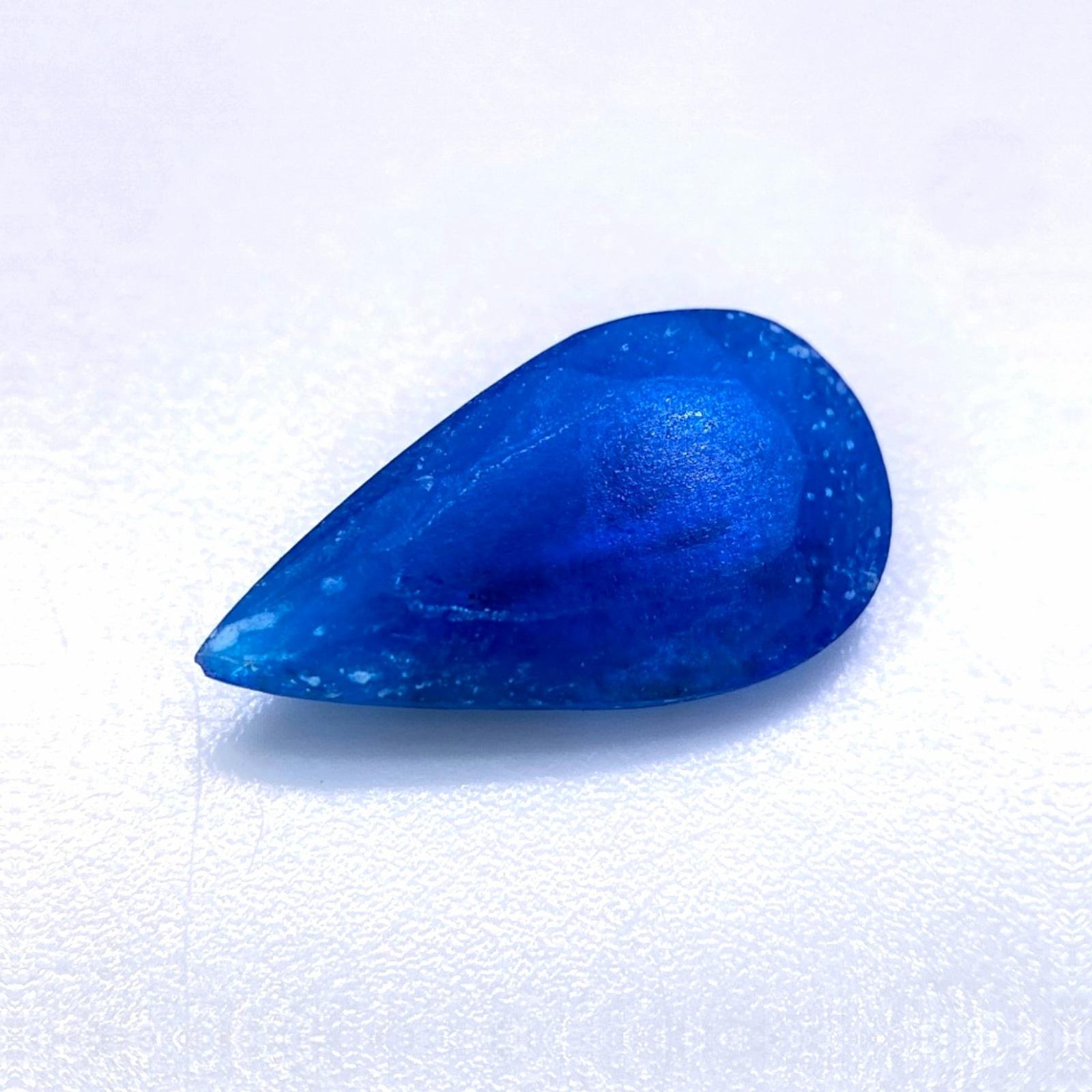
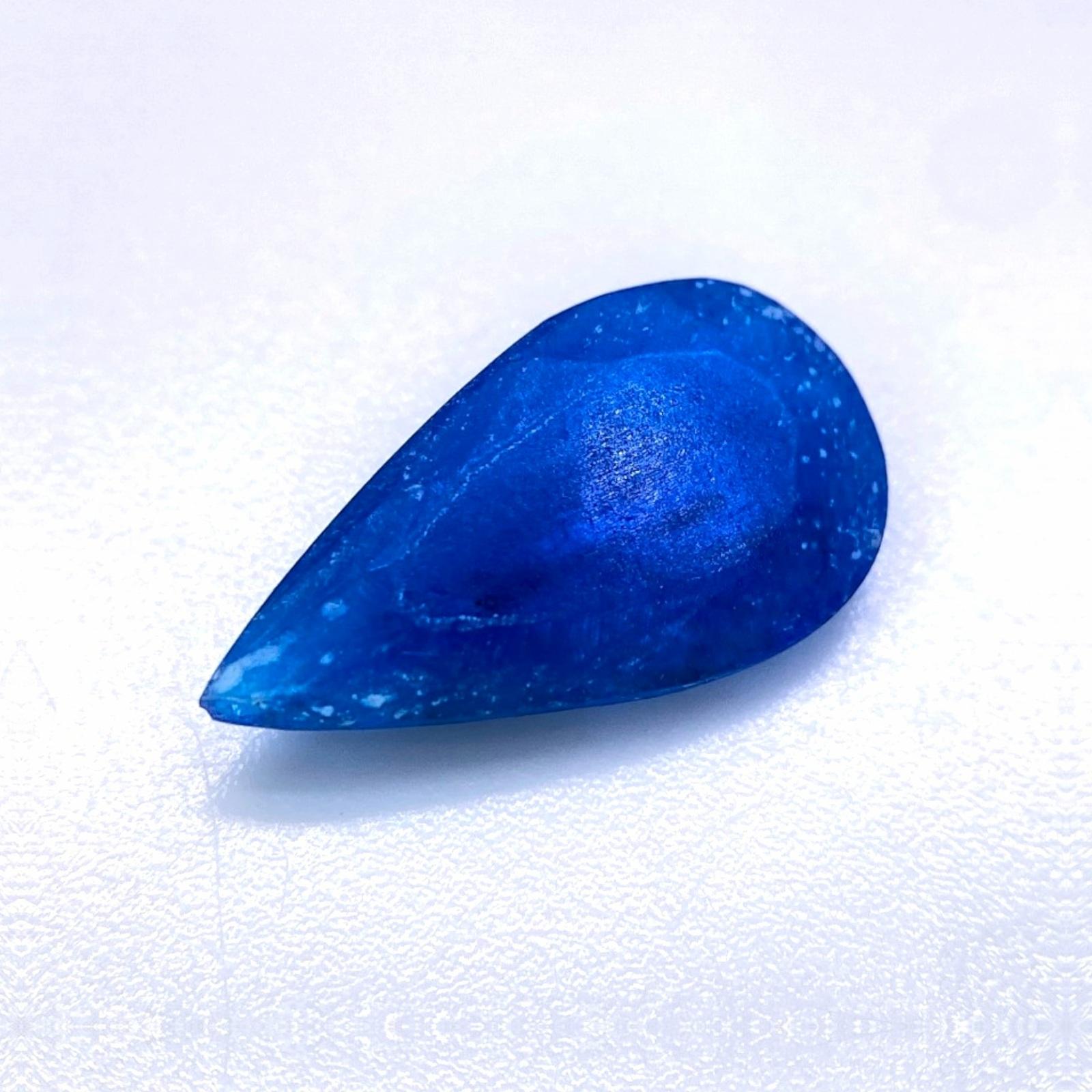
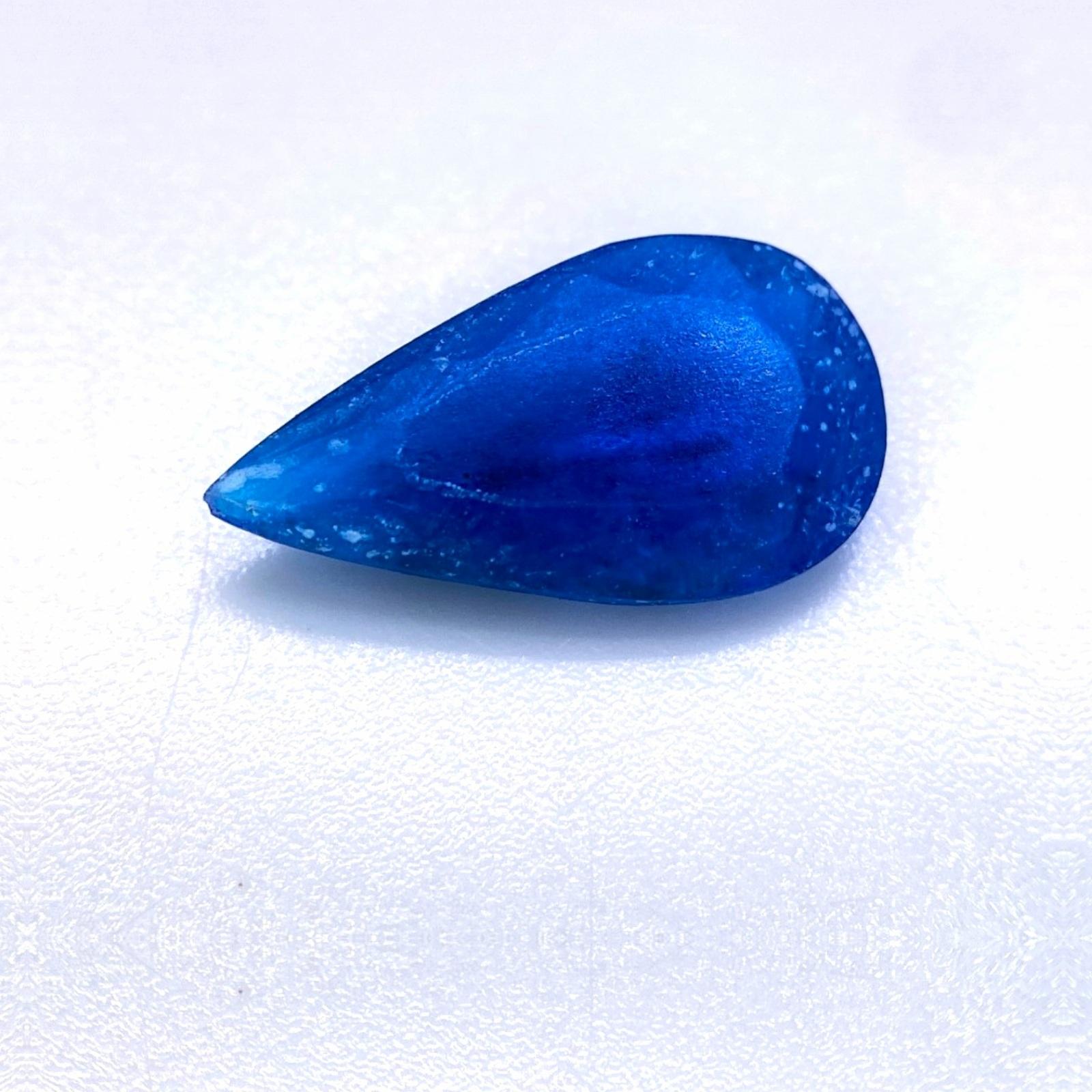
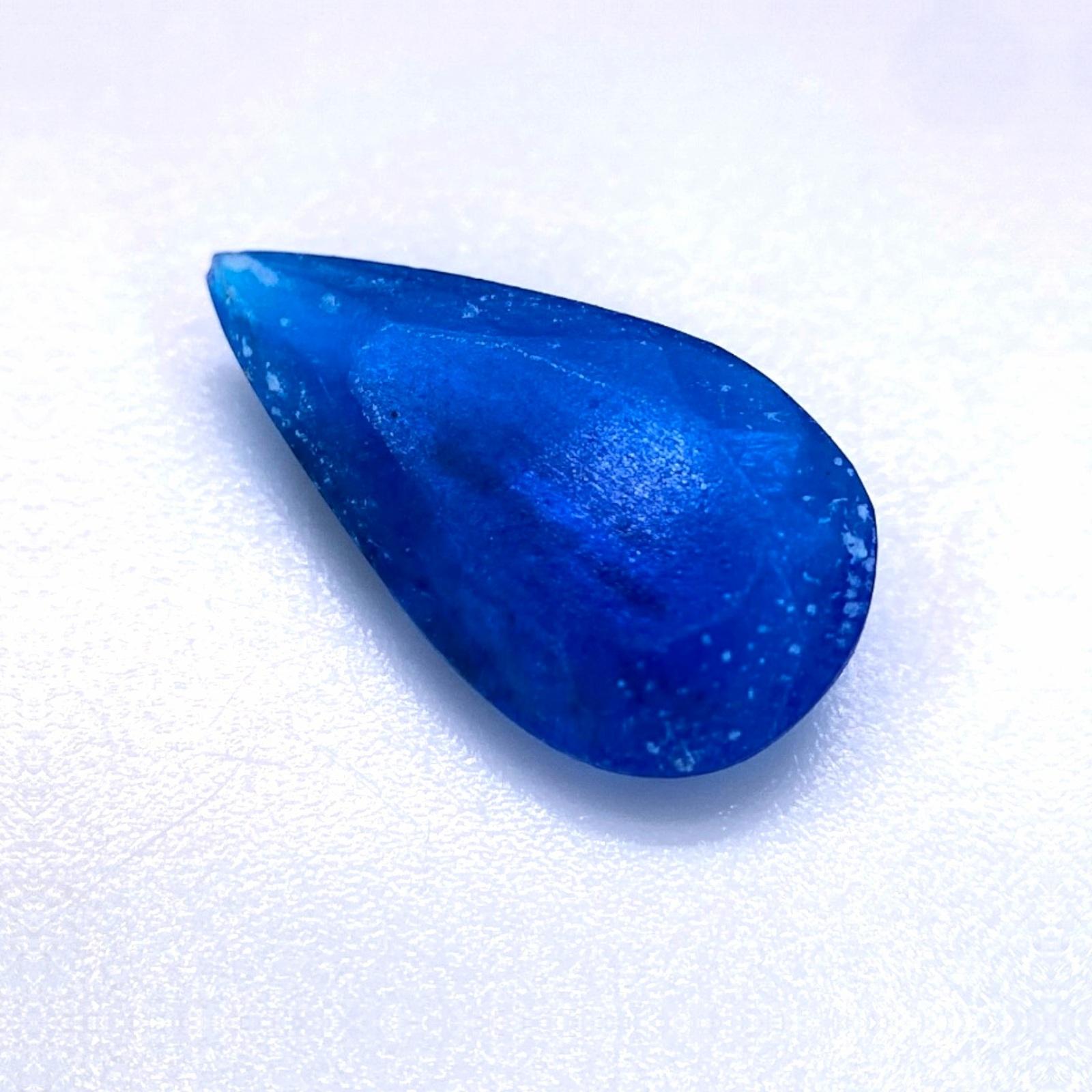
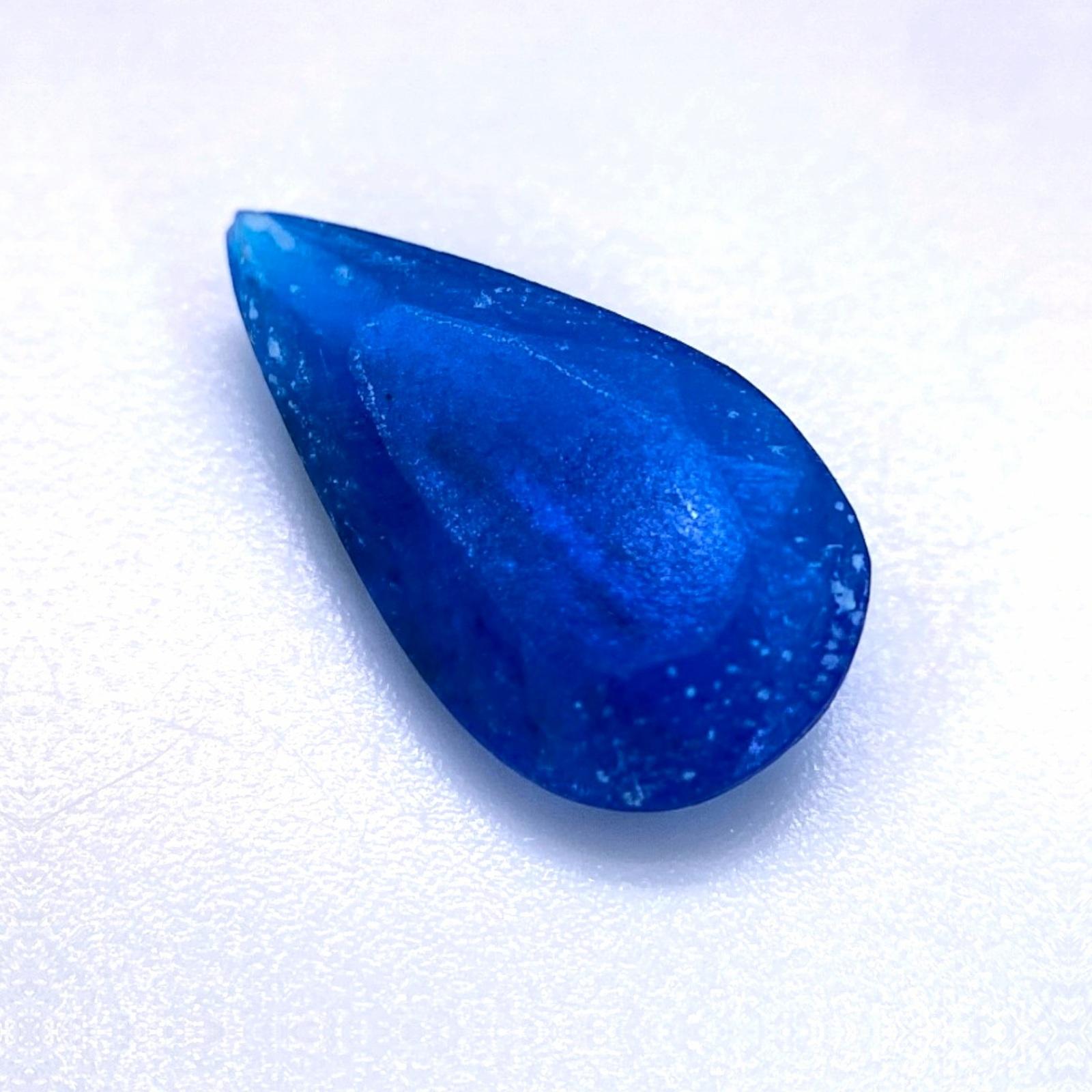
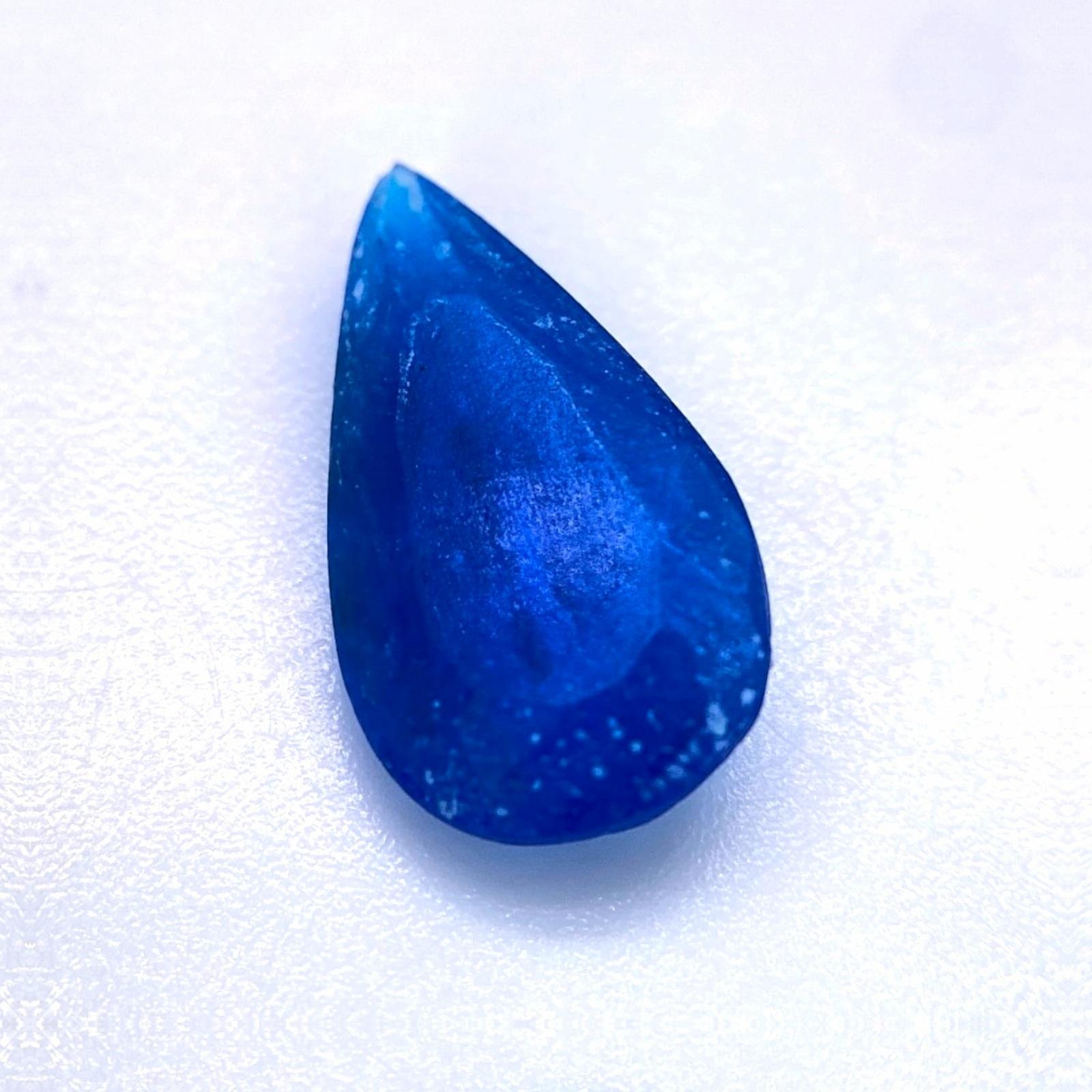
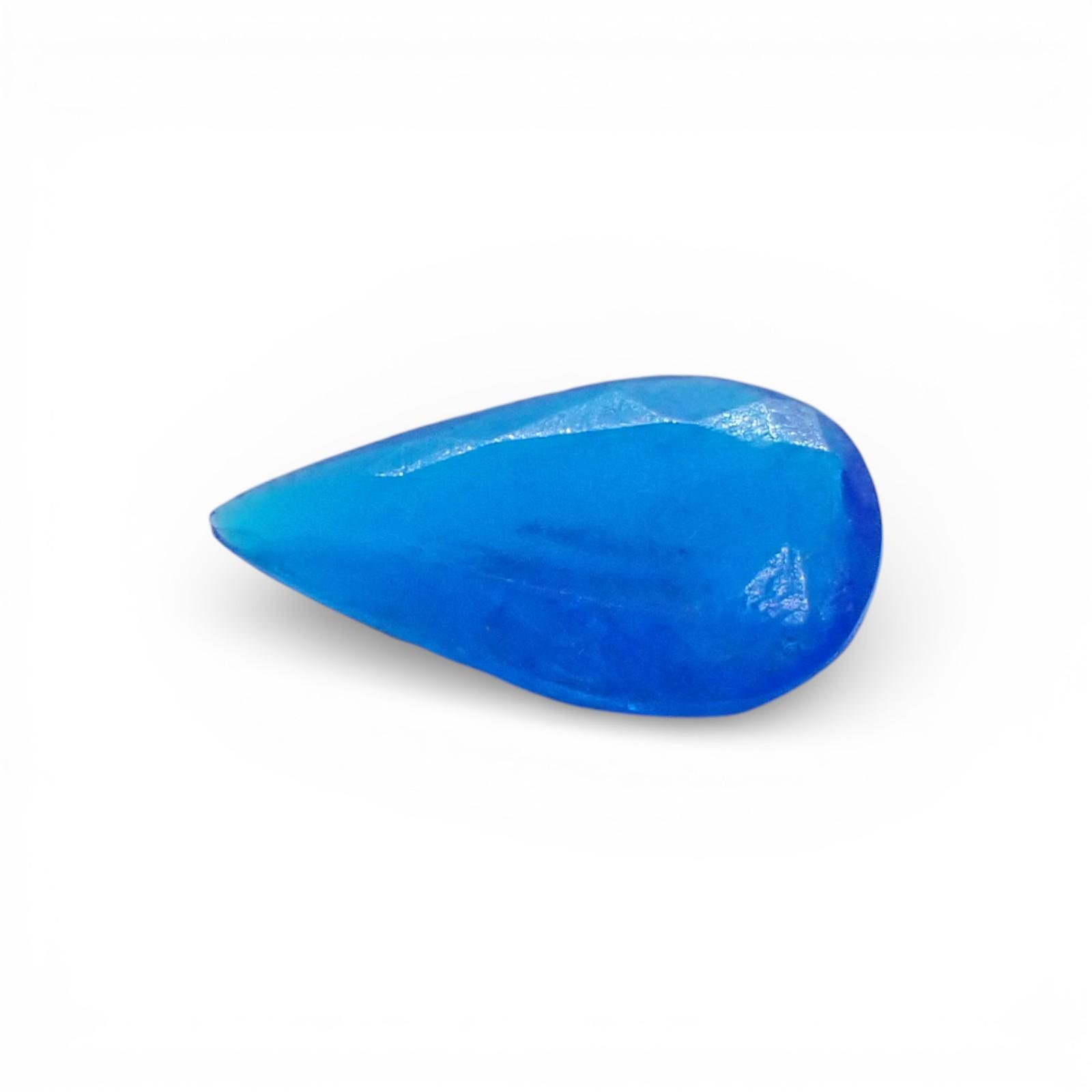
2.53 ct CHALCANTHITE – Synthetic
EXPERT VERIFIED
- Expert Verified Gemstone
- Fast Handling & Shipping
- Secure Vault Packaging
$ 200
Offer amount Feild


Smart Collector Choice


Pay with Crypto & Get 10% Automatic Discount

Availability: 1 in stock


- Freakingcats Gemstone Database
Chalcanthite (Synthetic)
Chalcanthite represents the “neon-electric” soul of the copper sulfate world. While my primary focus has always been on natural gemstones, the extreme color of these lab-grown specimens was impossible to ignore. A hydrated copper sulfate, it possesses a “cobalt-azure” hue so intense that it seems to vibrate against the eye. For the specialist, Chalcanthite is a prize of chromatic saturation; while natural specimens are often small, crust-like, and found only in the most arid mines, these synthetic crystals allow for the development of larger, “gem-clear” individuals. It is a stone of “liquid electricity,” providing a sophisticated, neon aesthetic that makes it a bold, “visual-break” for the systematic vault.
The Heritage & Discovery
Historical Significance: Chalcanthite has been known since antiquity as “Blue Vitriol.” Historically, it was used in everything from agriculture to dyeing, but its beauty as a crystal was often lost due to its extreme fragility and water-solubility. In the world of fine minerals, synthetic Chalcanthite is celebrated for its perfection of form; because it is grown in controlled environments, the crystals can achieve a level of transparency and size rarely seen in nature. It stands as a symbol of human-assisted beauty, bridging the gap between raw chemistry and the elite world of “hard-to-facet” collector rarities. It serves as a reminder that color, when pushed to its physical limit, possesses a value all its own.
Discovery: The name is derived from the Greek chalkos (copper) and anthos (flower), a poetic reference to the “blooming” of copper salts. Scientifically, it is a hydrated copper sulfate. While natural discovery occurs in the oxidation zones of copper deposits like Chuquicamata, Chile, the synthetic variety is grown through the slow evaporation of copper-saturated solutions. My own respect for this material grew from the challenge of the lapidary process; because it is heat-sensitive and water-soluble, faceting it requires an expert hand and specialized techniques. It is truly a material for those who appreciate the difficulty of “taming” a fragile crystal into a gem.
Important Mines: While the natural world capital for this species is Chile, the finest “gem-grade” synthetic specimens are produced in specialized laboratories in Poland and Russia. These growers have mastered the art of creating deep, “inky” blue crystals with high internal clarity. For the vault, I prioritize these synthetic pieces for their unmatched “neon” saturation and their ability to show the species’ true triclinic symmetry on a grand scale.
Mineralogical Profile
Description: Chalcanthite is a hydrated copper sulfate that crystallizes in the triclinic system. It sits at a 2.5 on the Mohs scale, making it an exceptionally soft and fragile mineral. It is water-soluble and must be kept in a strictly dry environment; even the humidity in the air can, over time, dull its vitreous luster. It is characterized by its “electric-blue” color and its transparent to translucent diaphaneity.
One of its most identifying traits is its vivid blue streak and its specific gravity (SG \approx 2.2 to 2.3), which makes it feel remarkably light in the hand. It has a moderate refractive index (n \approx 1.51 to 1.54). Because it is a copper sulfate, it is chemically identical to the blue crystals many of us experimented with in chemistry class, but in this “gem-grade” form, it achieves a level of “liquid” brilliance that is truly sophisticated. When I select a piece for the collection, I look for “razor-sharp” edges and a deep, “royal-blue” transparency, as these highlight the sophisticated, three-dimensional geometry of the crystal’s growth. It is a light, high-vibration mineral that offers a unique, “synthetic-perfection” beauty unlike any other sulfate species.
Chemical Formula: CuSO4·5H2O


