
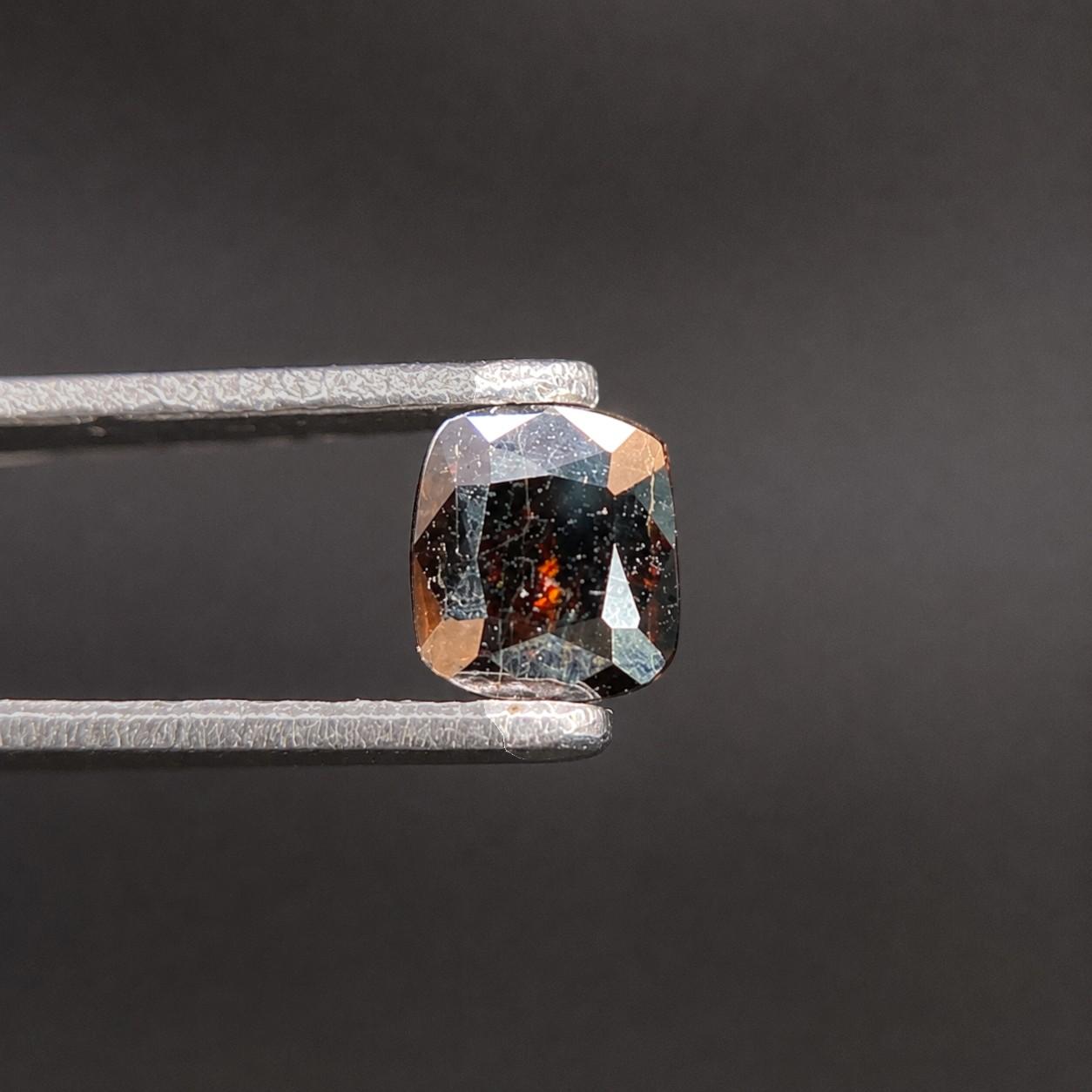
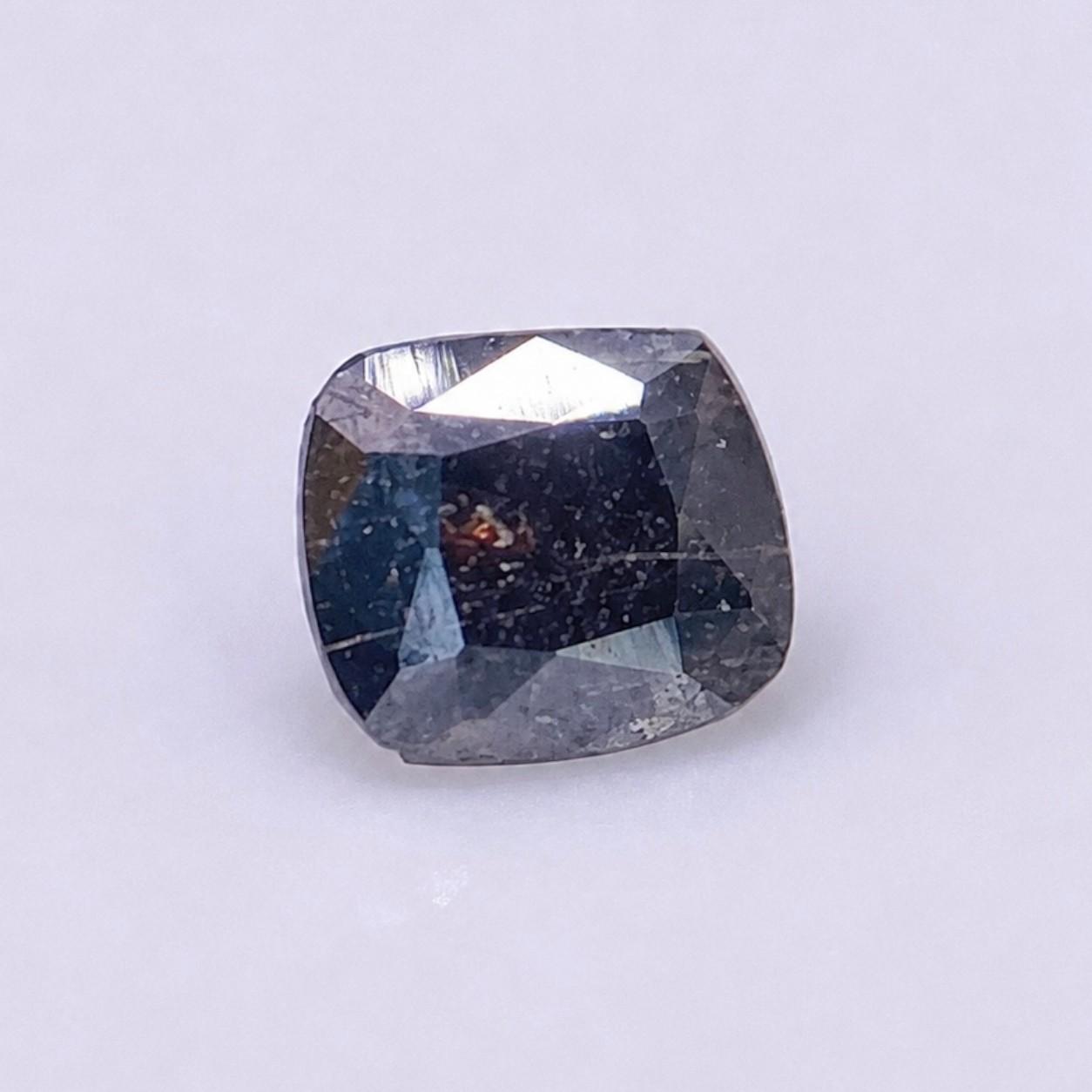
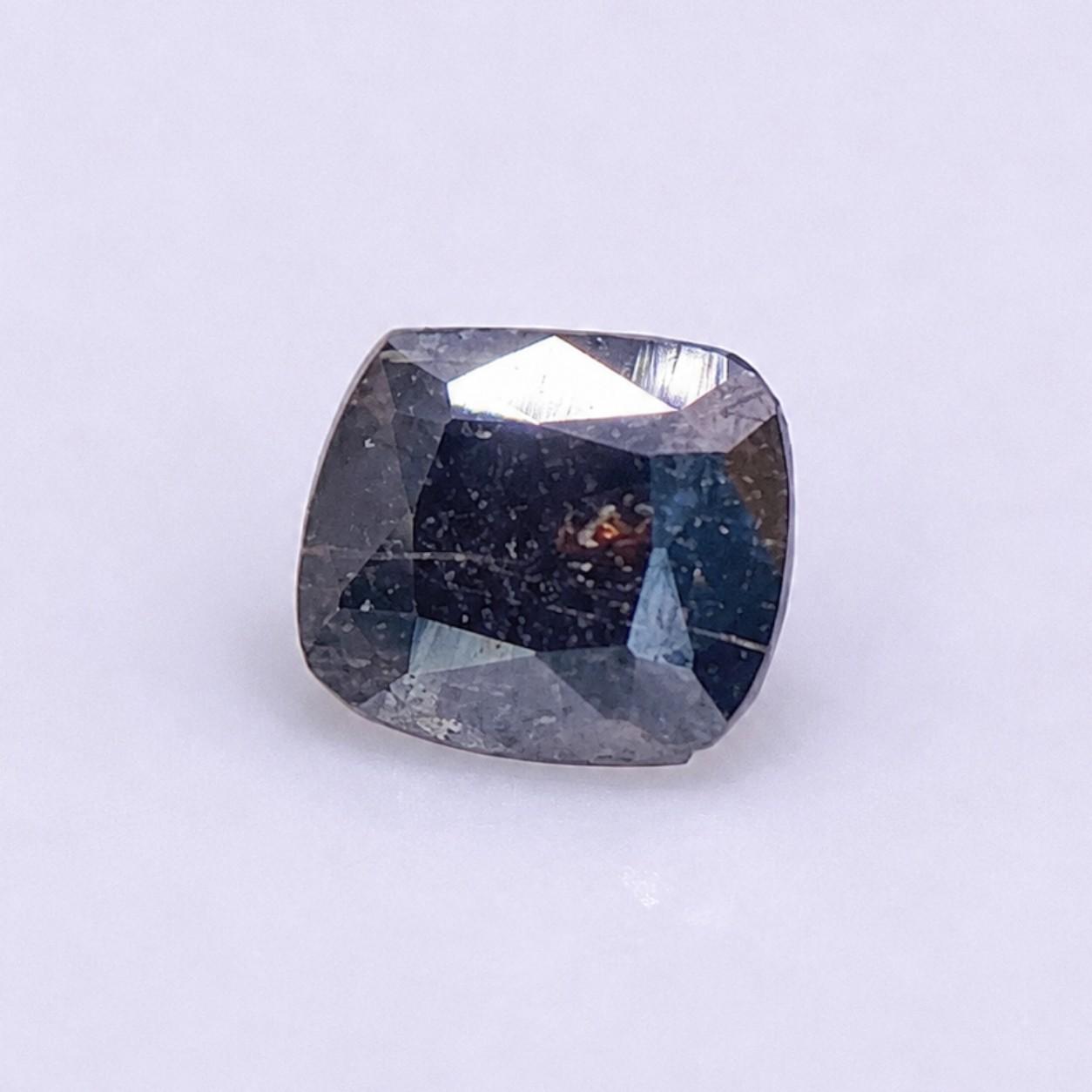
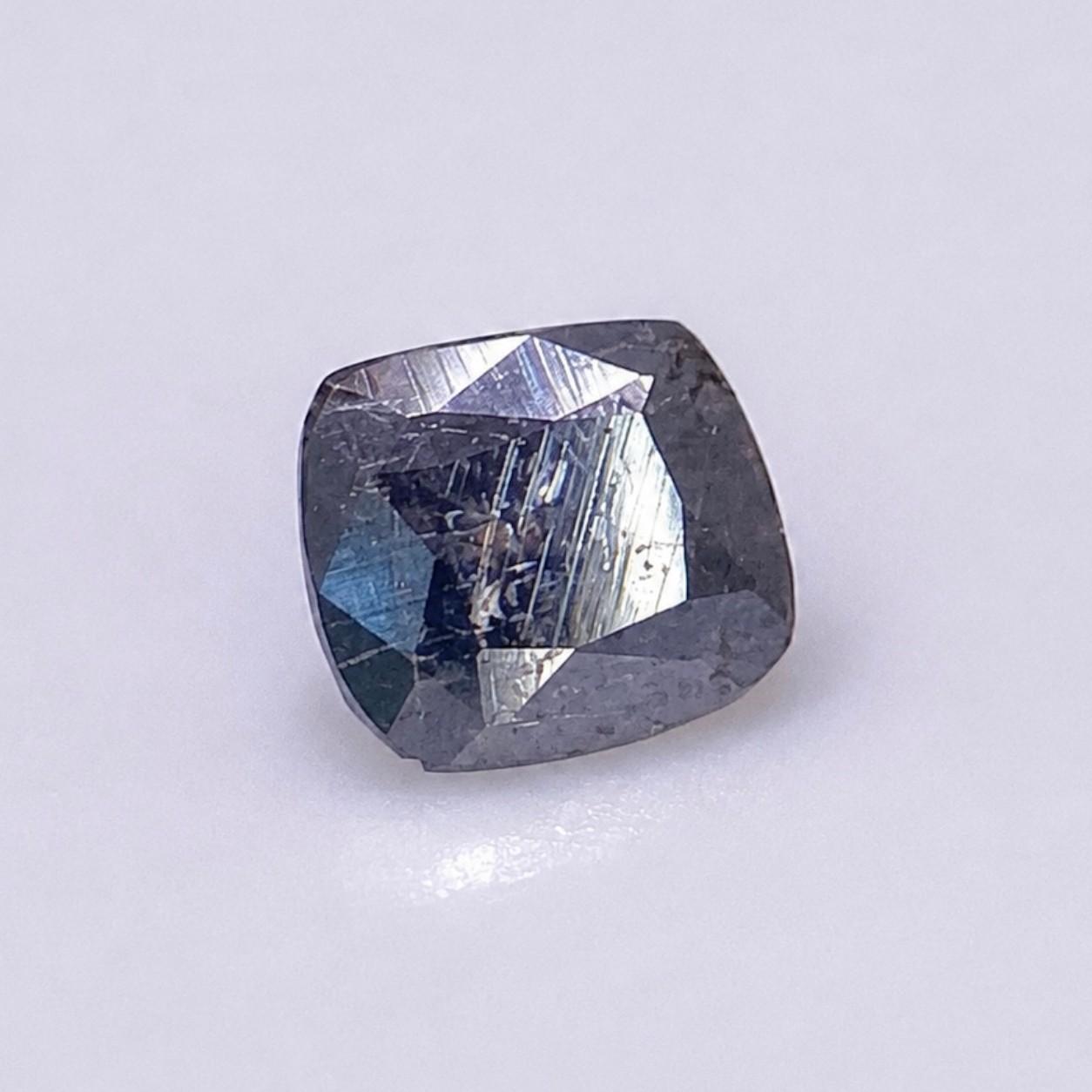
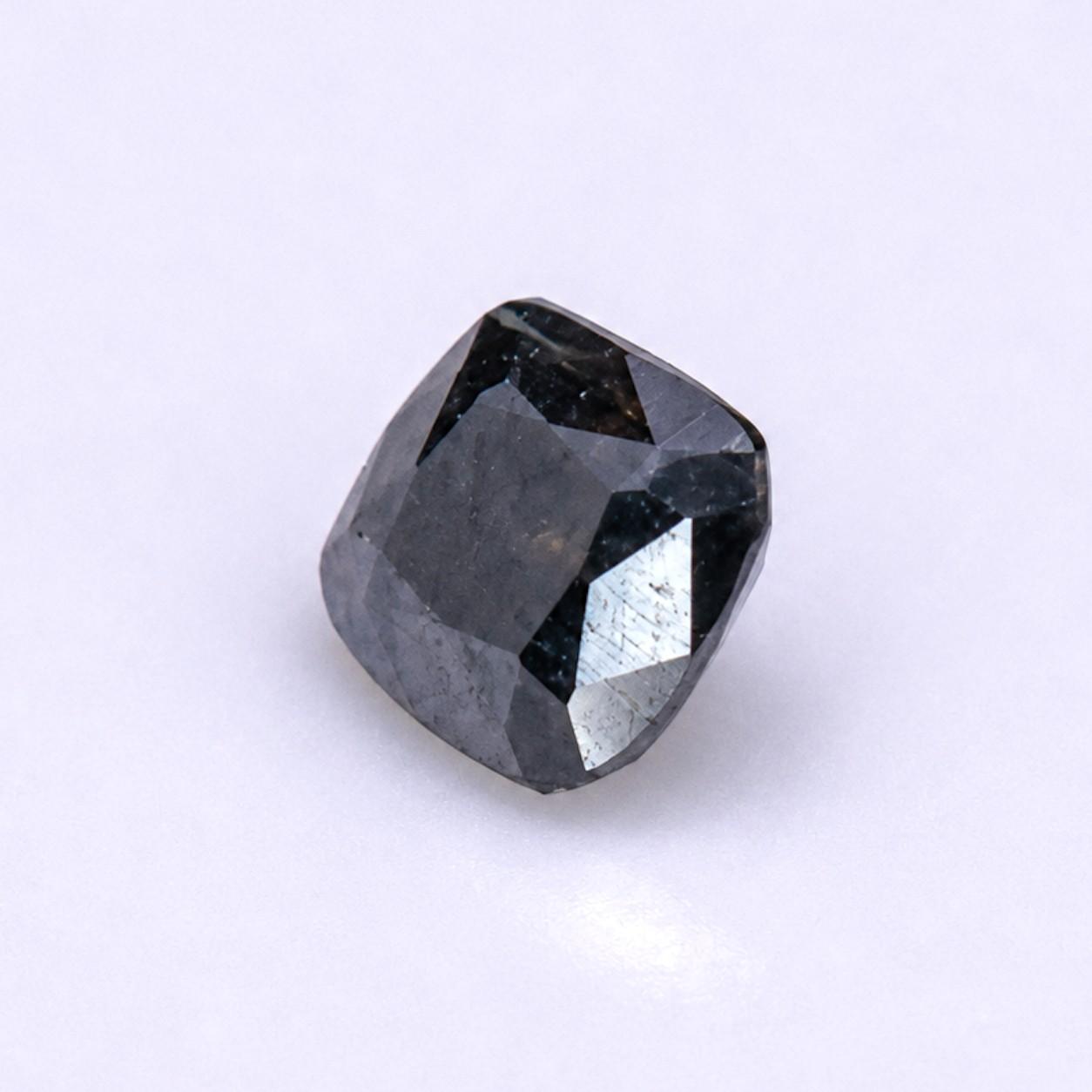
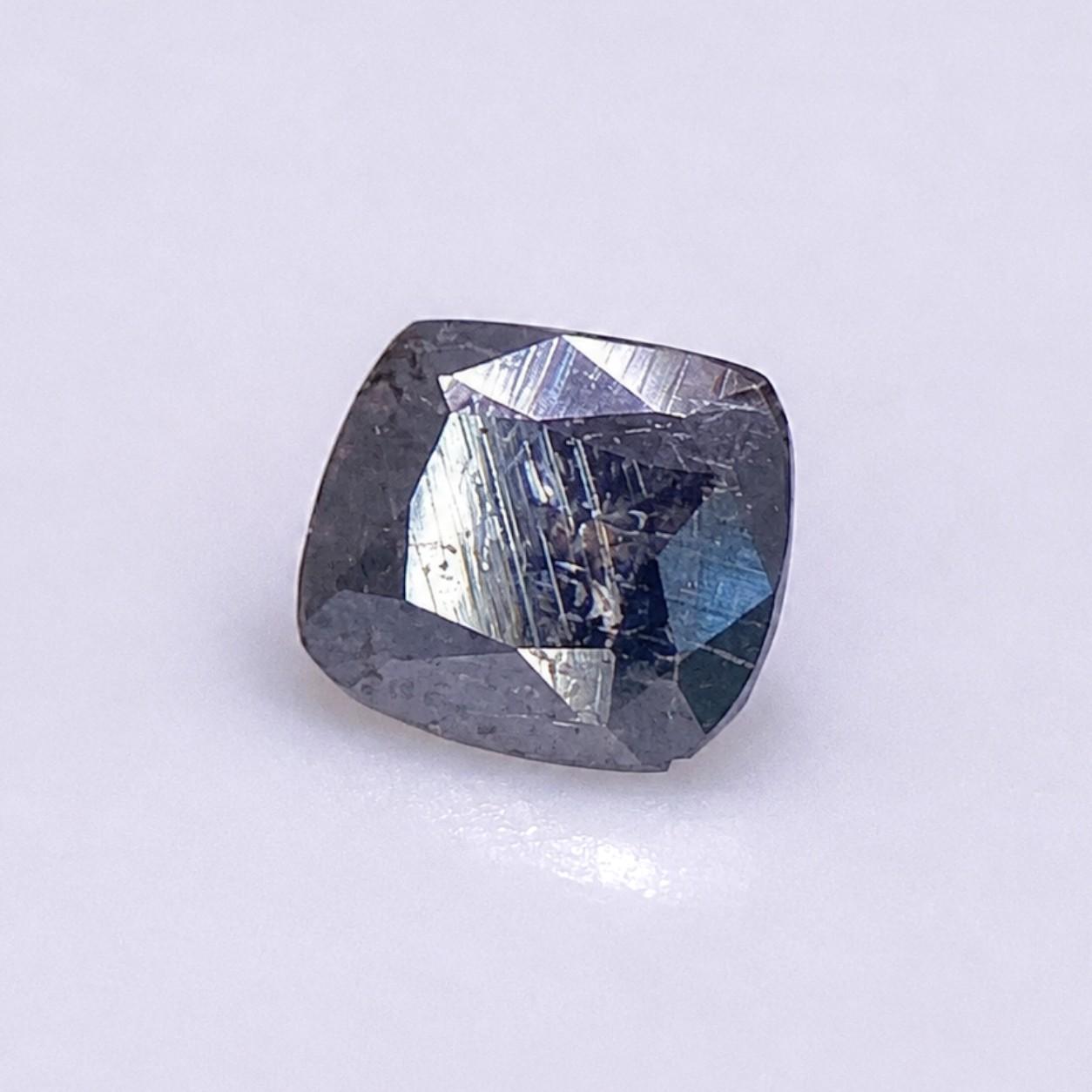
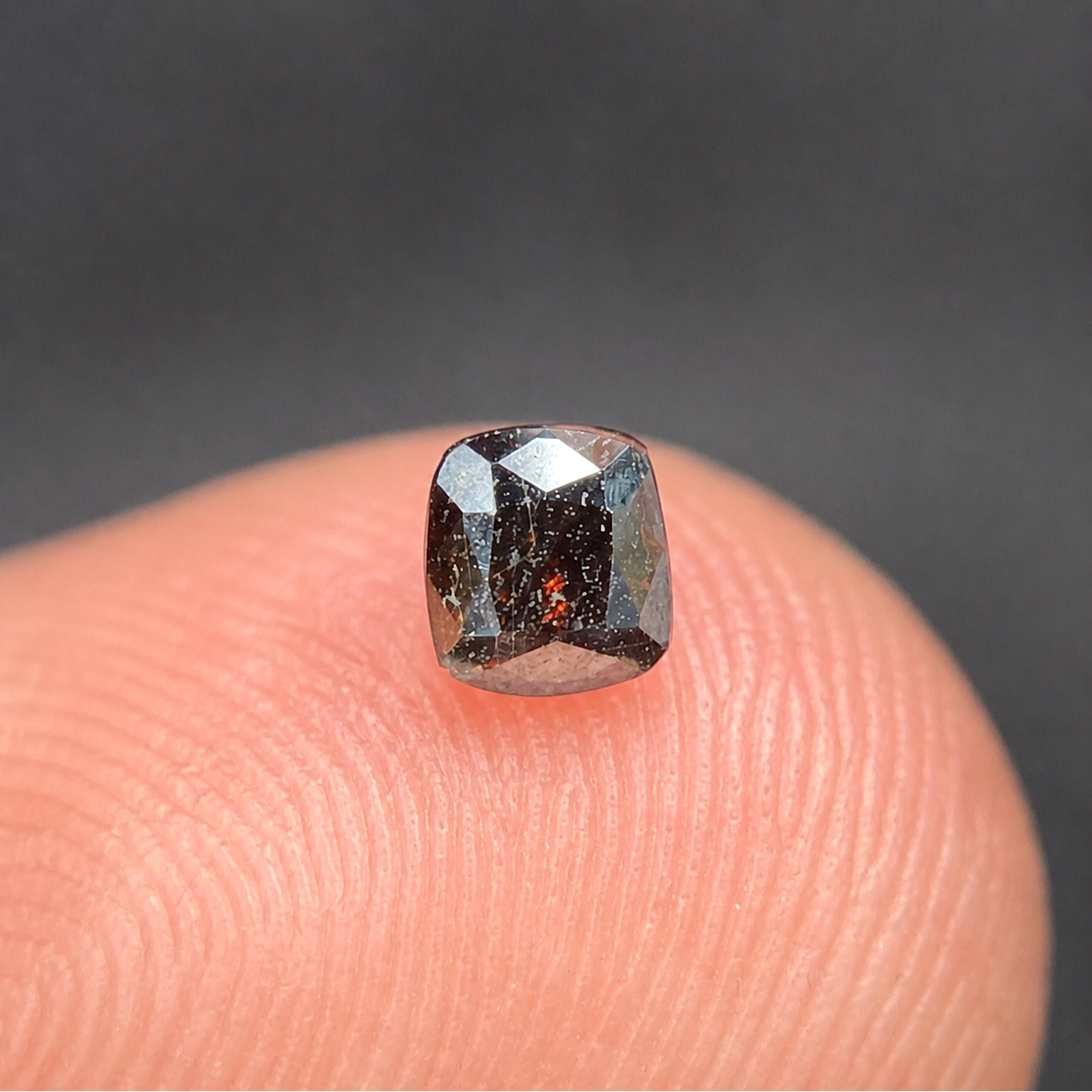
0.21 ct RUTILE – MYANMAR
EXPERT VERIFIED
- Expert Verified Gemstone
- Fast Handling & Shipping
- Secure Vault Packaging
$ 90
Offer amount Feild


Smart Collector Choice


Pay with Crypto & Get 10% Automatic Discount

Availability: 1 in stock


- Freakingcats Gemstone Database
Rutile (Myanmar)
Rutile from the ancient, high-grade metamorphic marble tracts and gem gravels of Myanmar represents the absolute apex of hidden crystalline geometry and internal, “silk-like” optical phenomena. A titanium dioxide mineral, it is a species I have always respected for its “coppery-crimson” to “fiery-bronze-neon” saturation and its status as a masterpiece of “tetragonal” structural discipline. While it occasionally occurs as independent, freestanding metallic prisms, it achieves its most legendary collector status here when micro-crystallized into ultra-fine, needle-like networks bound inside the world’s finest corundum and spinel. For the specialist, Burmese rutile is a prize of high-temperature regional metamorphism; it offers a brilliant adamantine to sub-metallic luster and a highly radiant presence that makes it a true “high-vibration” asset for the systematic vault. As an artist, I find the stark, geometric precision of its intersecting needles—creating a glowing star of light across a polished gemstone surface—to be one of nature’s most sophisticated and captivating expressions.
The Heritage & Discovery
Historical Significance
Rutile is a cornerstone index mineral for decoding the complex thermodynamic paths, pressure-temperature dynamics, and titanium-enrichment conditions that govern the formation of high-grade metamorphic skarns and marbles. Historically, the gem-rich valleys of Myanmar (formerly Burma) have held an unparalleled position in mineralogical lore, famous for producing elite corundum. Within this prestigious geological setting, rutile plays an essential role; its systematic oriented growth parallel to the crystallographic axes of its host mineral is what gives Burmese star rubies and sapphires their world-famous, living asterism. It serves as a reminder that the deep, slow cooling of ancient crustal rocks can organize diffuse titanium into extraordinary, light-splitting metallic lattices.
Discovery
While individual freestanding crystals of rutile have been documented across global alpine clefts for centuries, the discovery of its dense, perfectly disciplined inclusion networks within upper Myanmar completely redefined our gemological understanding of “silk” mechanics. Scientifically, it is the primary polymorph of titanium dioxide, and its highly rigid tetragonal framework readily incorporates minor amounts of iron, directly influencing its color depth from a shimmering golden-amber to a deep, brooding iron-black. The systematic study of these pristine alluvial deposits provided mineralogists with spectacular insight into how exsolution happens—the process where a cooling host mineral forces out titanium impurities to crystallize into distinct, microcrystalline rutile needles. My own respect for this material grew from observing its extreme optical properties; specifically, the way these microscopic needles catch and scatter light at precise sixty-degree angles, throwing a sharp, six-rayed star across a cabochon face, is a visual impact that is unmistakable to the trained eye.
Important Mines
The undisputed capital for aesthetic expressions of this mineral within Myanmar remains the legendary Mogok Stone Tract in the Mandalay Region. Famed for its complex metamorphic marbles, syenites, and pegmatites, the valleys of Mogok, Bernardmyo, and Pein Pyit yield outstanding macrocrystalline examples as well as the prized rutilated gem rough. For the vault, I prioritize specimens that exhibit sharp, undisturbed needle patterns or lustrous, freestanding bipyramidal crystals on a contrasting white marble matrix, as they represent a highly active, pristine masterpiece of deep-crustal geology.
Mineralogical Profile
Description
Rutile is a titanium dioxide mineral that crystallizes in the tetragonal system. It sits at a robust 6 to 6.5 on the Mohs scale, meaning its tough, structurally stable prisms are highly resistant to physical abrasion and require only standard archival handling to safeguard its mirror-like adamantine surfaces. It is characterized by its bright sub-metallic to adamantine luster and an unmistakable, “reddish-brown, copper-bronze, to deep iron-black” color palette.
One of its most identifying traits is its distinct prismatic cleavage, frequently forming vertically striated, elongated prismatic columns, knee-shaped twins, or delicate, acicular needles that trace old structural axes through host crystal fields. It possesses an exceptionally high refractive index running from approximately 2.62 to 2.90, giving it an internal fire and surface reflectivity that surpasses diamond, and an average specific gravity ranging between 4.23 and 4.25 that reflects its dense, titanium-heavy architecture. Because it forms in late-stage metamorphic veins and altered pegmatites, it is commonly found in close association with Quartz, Corundum, Spinel, Phlogopite, Calcite, and Diopside. When I select an example for documentation, I look for well-defined, “crisp” needle geometry or highly lustrous, freestanding crystals, as these highlight the sophisticated, three-dimensional chemistry of the mineral’s fluid-driven birth.
Chemical Formula
TiO2


