
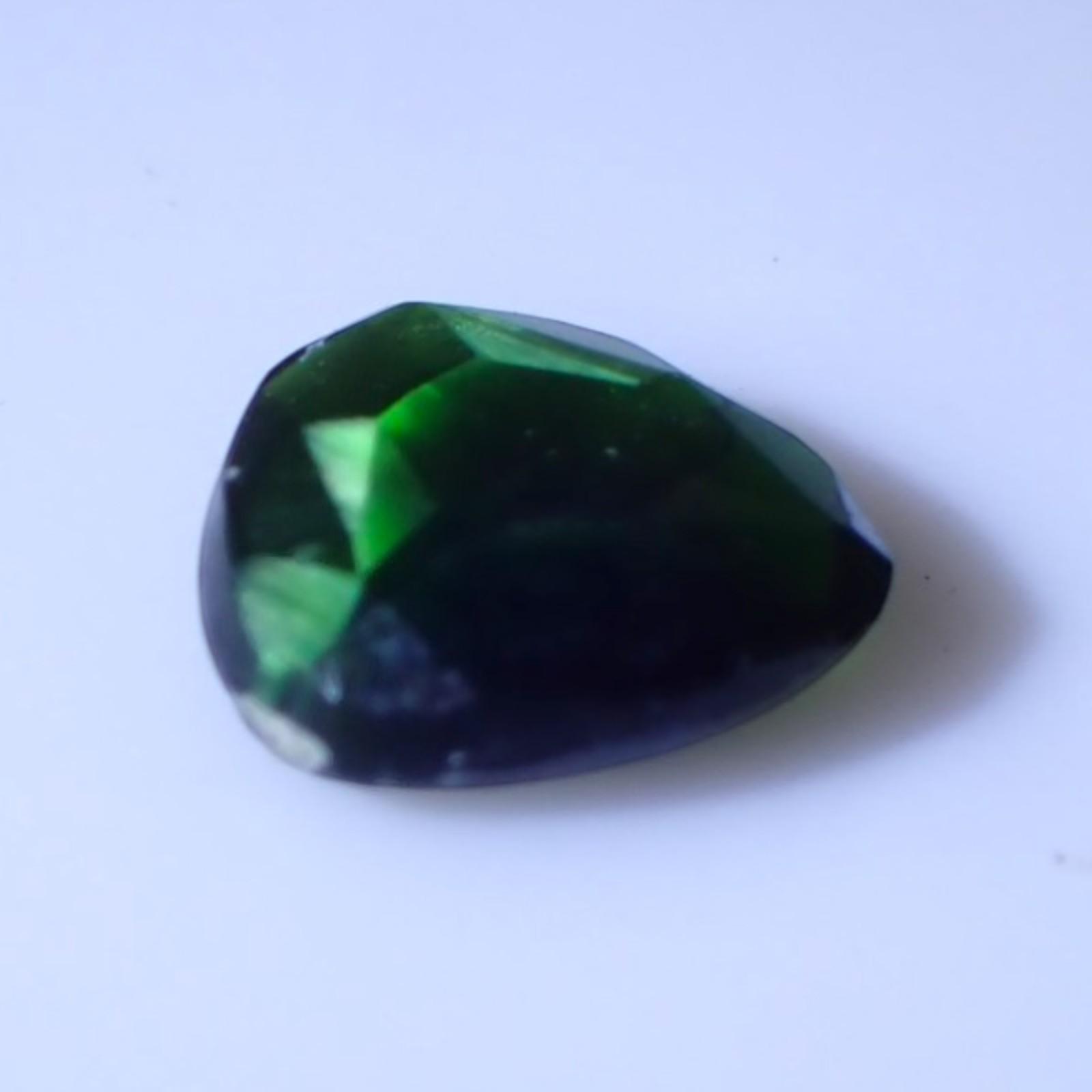
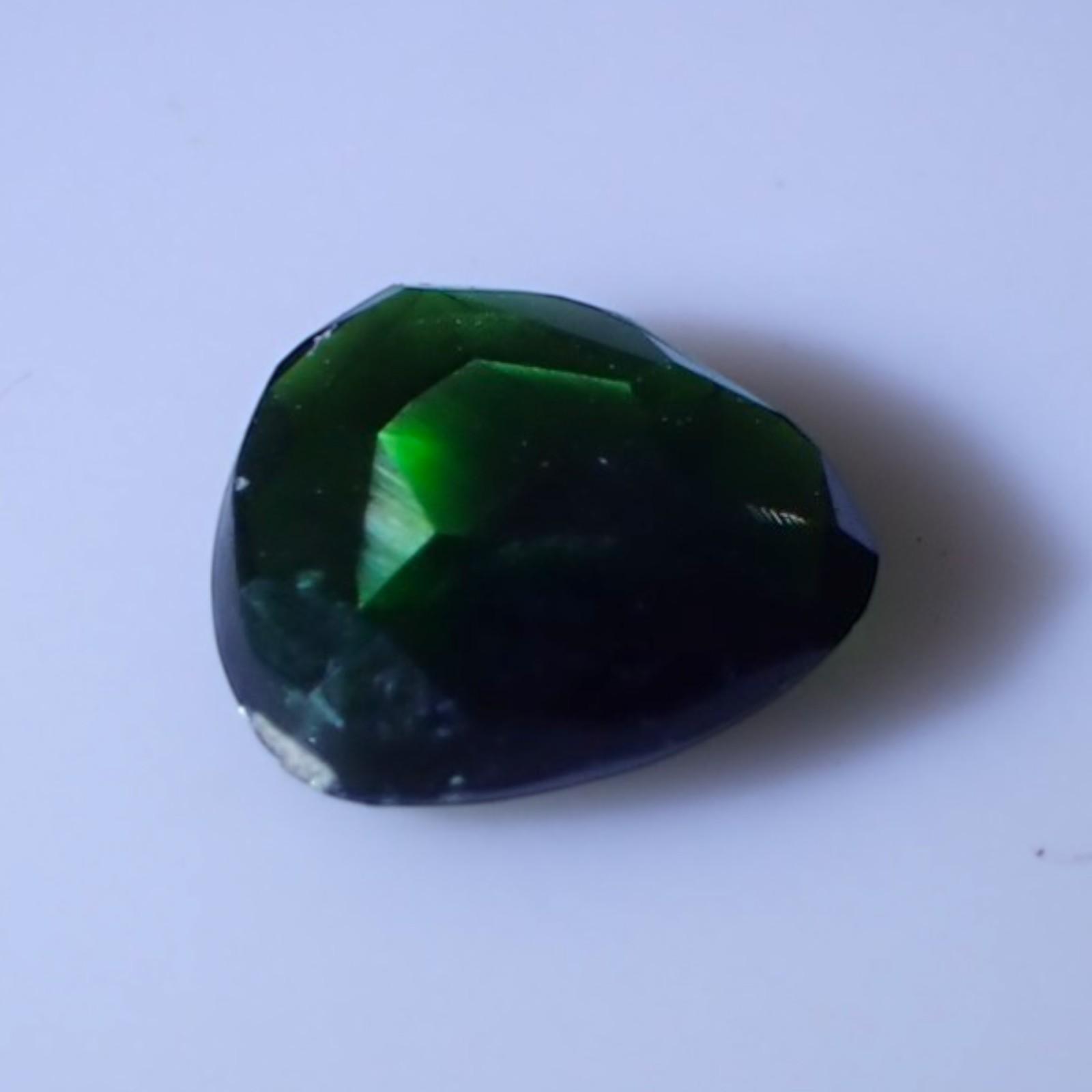
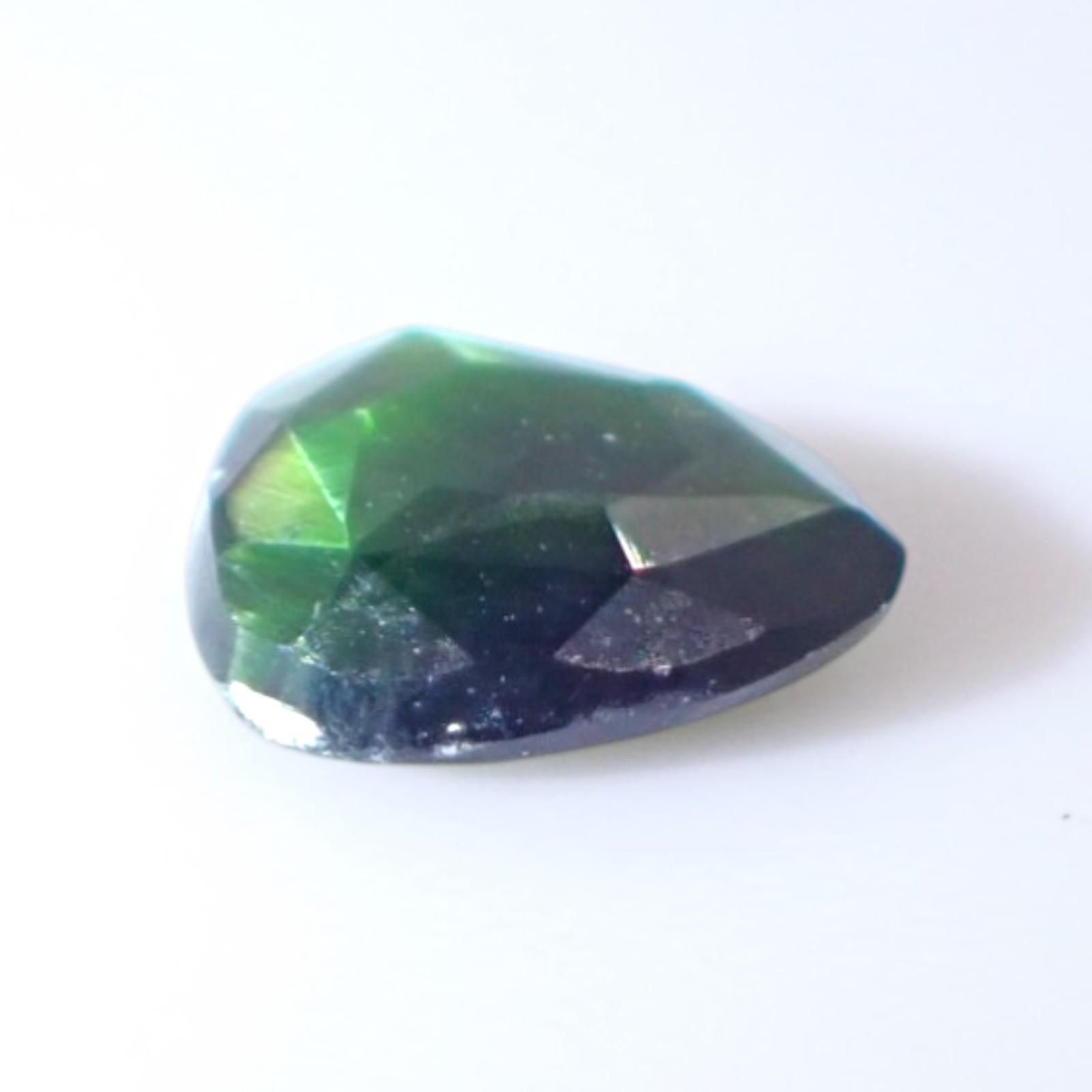
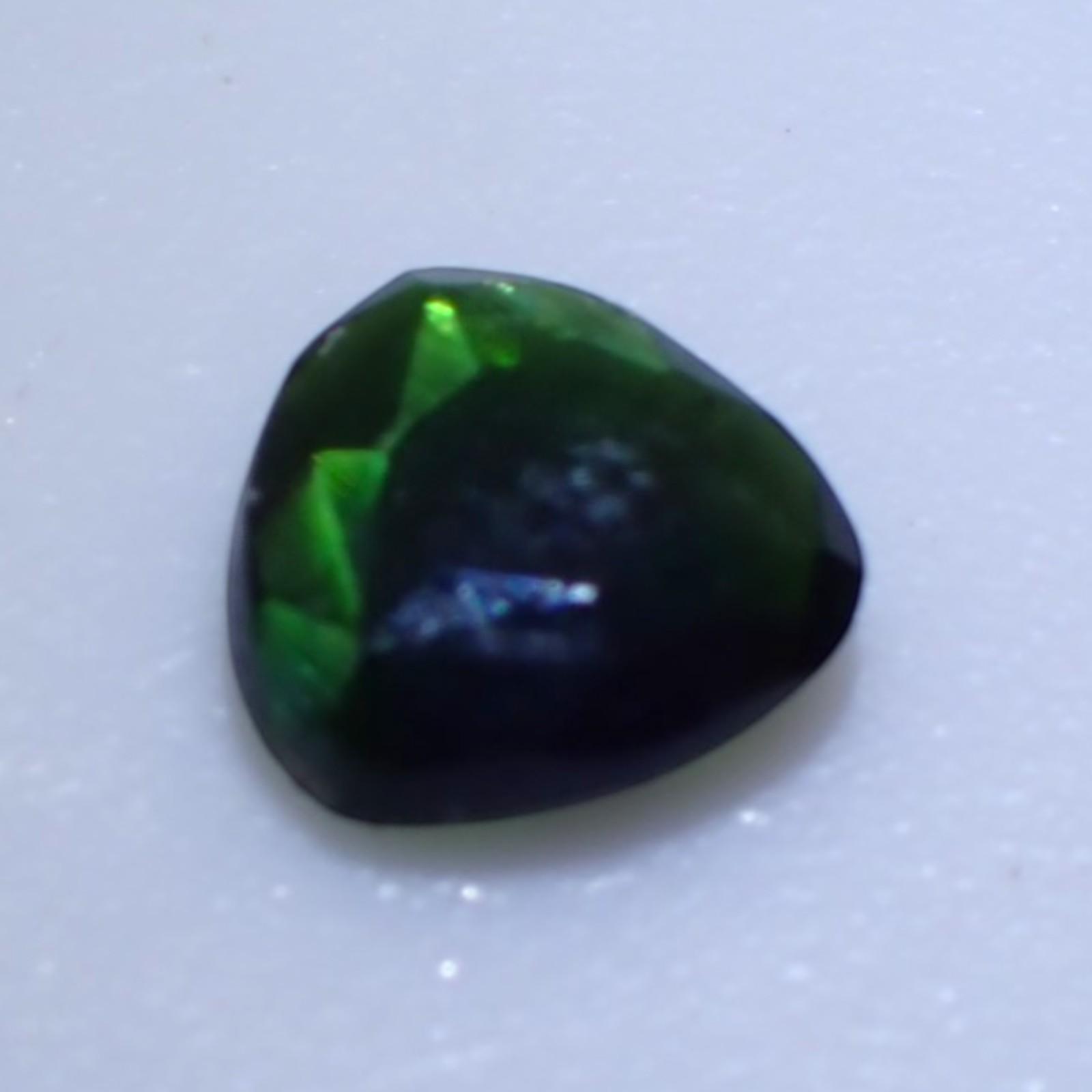
0.22 ct Chrome Fluoro-Pargasite Amphibole – Mogok – MYANMAR
EXPERT VERIFIED
- Expert Verified Gemstone
- Fast Handling & Shipping
- Secure Vault Packaging
$ 200
Offer amount Feild


Smart Collector Choice


Pay with Crypto & Get 10% Automatic Discount

Availability: 1 in stock


- Freakingcats Gemstone Database
Amphibole
Amphibole represents the “complex fiber” of the metamorphic world. A broad group of inosilicates, it is a species I have always respected for its needle-like discipline and its ability to sequester a vast array of elements within its double-chain structure. While common in rock formations, gem-grade crystals from Myanmar are a prize of extraordinary rarity. They typically present in “ethereal” shades of deep forest green, smoky indigo, or honeyed earth tones. It is a stone of “fragile brilliance,” providing a sophisticated, sub-vitreous luster that makes it a true “impossibility made manifest” for the systematic vault.
The Heritage & Discovery
Historical Significance: The Amphibole group is vital for understanding the tectonic forces that shape the Earth’s crust. Historically, it was seen as a rock-forming mineral rather than a source for gemstones, until rare, transparent pockets were discovered in high-pressure metamorphic zones. In the world of fine minerals, it is celebrated for its natural, bladed architecture. It stands as a symbol of resilience and hidden beauty, bridging the gap between common silicate minerals and the elite world of “un-cuttable” collector rarities. It serves as a reminder that some of the Earth’s most beautiful colors are locked within structures that demand the utmost respect and patience to reveal.
Discovery: The name is derived from the Greek amphibolos, meaning “ambiguous,” a reference to the variety of appearances it can take. The crystals from Myanmar look so beautiful, fragile, and thin, but with a mesmerizing color and an incredible effect in the light. I had to buy these rare crystals, even though I knew that cutting might be impossible. My cutter, who is a gemstone artist cutting for 40 years, was initially unable to facet this incredibly difficult material, which just burst when put on the wheel. But she does not give up ever! After four weeks of trying, she succeeded, and the result are some of the very few faceted Amphibole gems in existence. My own respect for this material grew from this artistic triumph; seeing a mineral that “refuses” to be cut finally yield to the wheel is a rare privilege for any collector.
Important Mines: The undisputed world capital for these rare, facet-grade “bladed” crystals is the Mogok Stone Tract in Pyin-Oo-Lwin District, Myanmar. These Burmese specimens set the global benchmark for color saturation and crystalline “fire.” I also have a high regard for the spectacular “honey-colored” varieties from Sri Lanka and the historic crystals from Mont Saint-Hilaire, Canada. For the vault, I prioritize the Myanmar material for its unmatched “neon-depth” and the incredible story of its lapidary survival.
Mineralogical Profile
Description: Amphibole is a group of double-chain inosilicates that crystallize in the monoclinic system. It sits at a 5 to 6 on the Mohs scale, but its physical fragility is far greater due to its structural habit. It is characterized by its vitreous to silky luster and its unmistakable “needle-like” or “bladed” color palette.
One of its most identifying traits is its perfect cleavage, where two planes intersect at approximately 56° and 124°. It has a moderate refractive index and a specific gravity . Because it forms in high-pressure metamorphic environments, it is often found in association with Garnet, Quartz, and Feldspar. When I select a piece for the collection, I look for “even” color distribution and the absence of internal “fiber-splits,” as these highlight the sophisticated, three-dimensional geometry that makes a faceted Amphibole a true miracle of the lapidary arts. It is a dense, high-vibration mineral that offers a unique, “shimmering” beauty unlike any other silicate species.
Chemical Formula: (Na,K)0-1Ca2(Mg,Fe,Al)5(Si,Al)8O22(OH)2


