
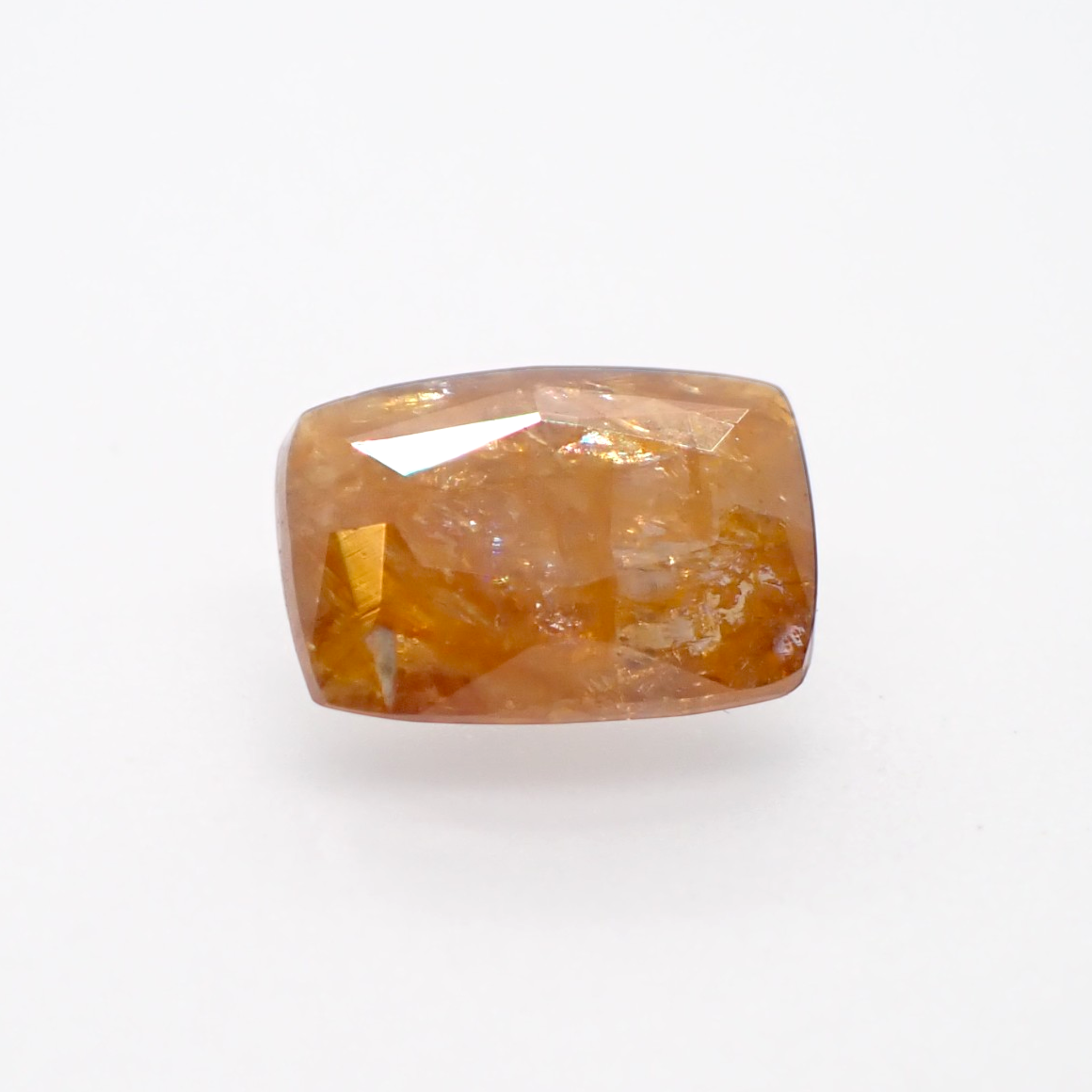
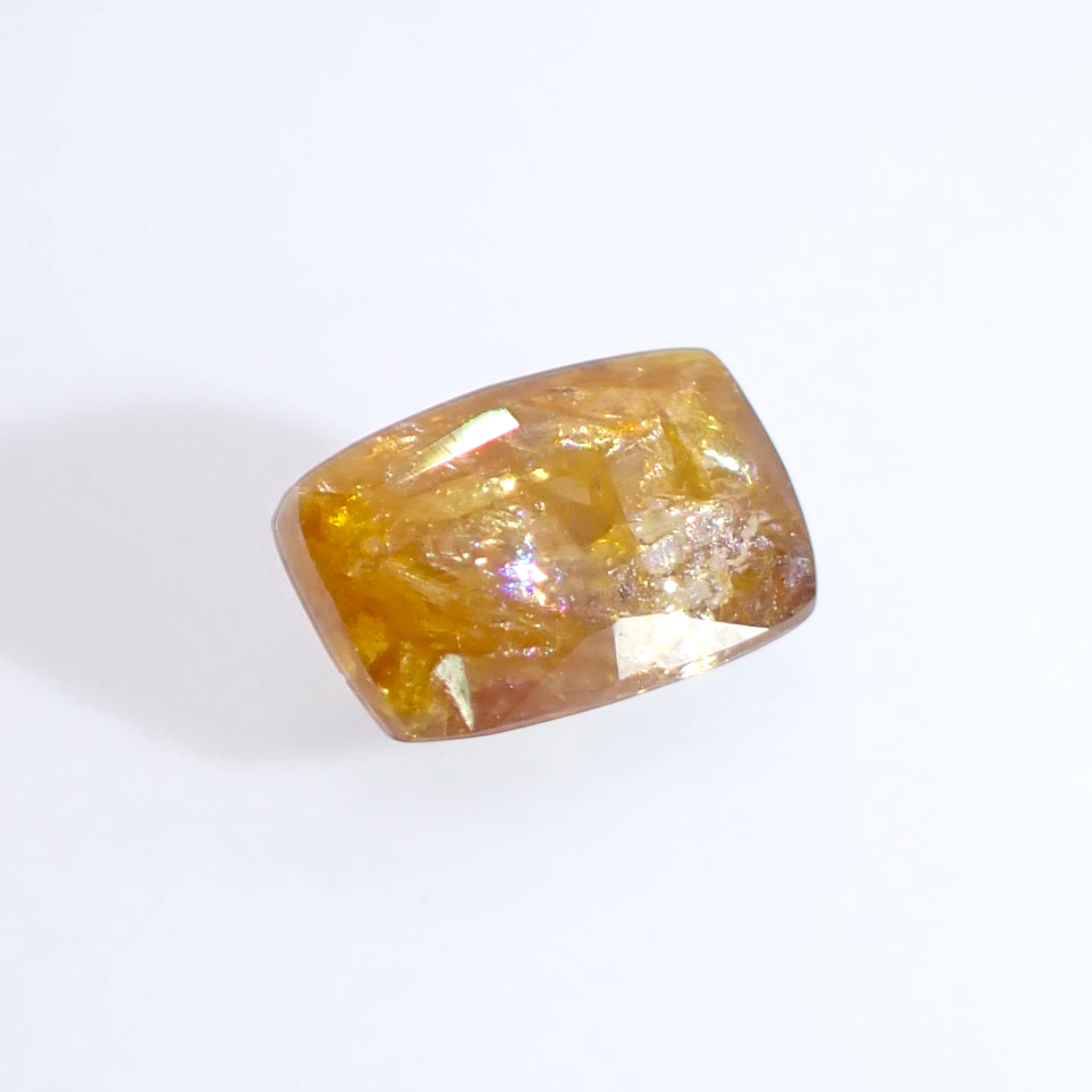
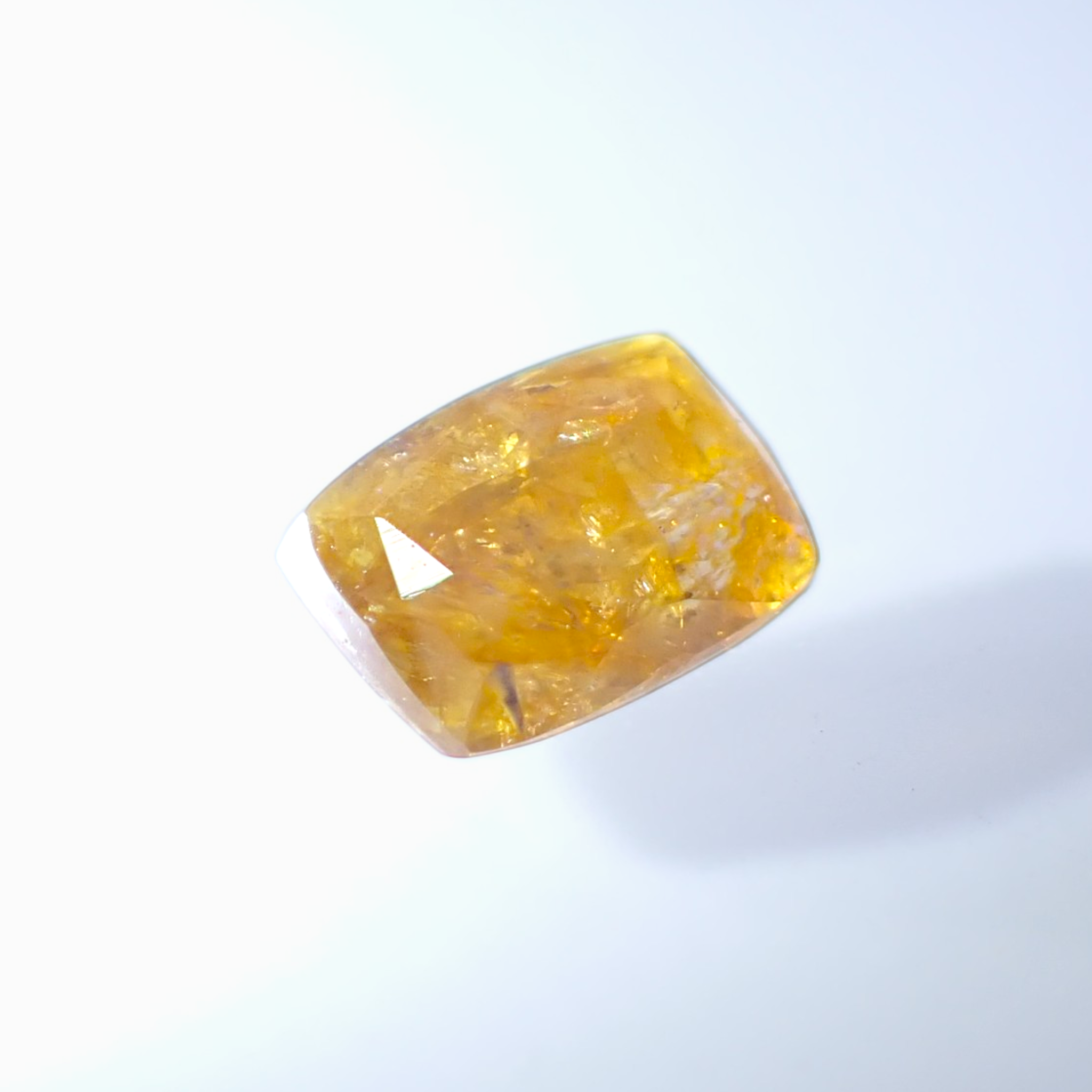
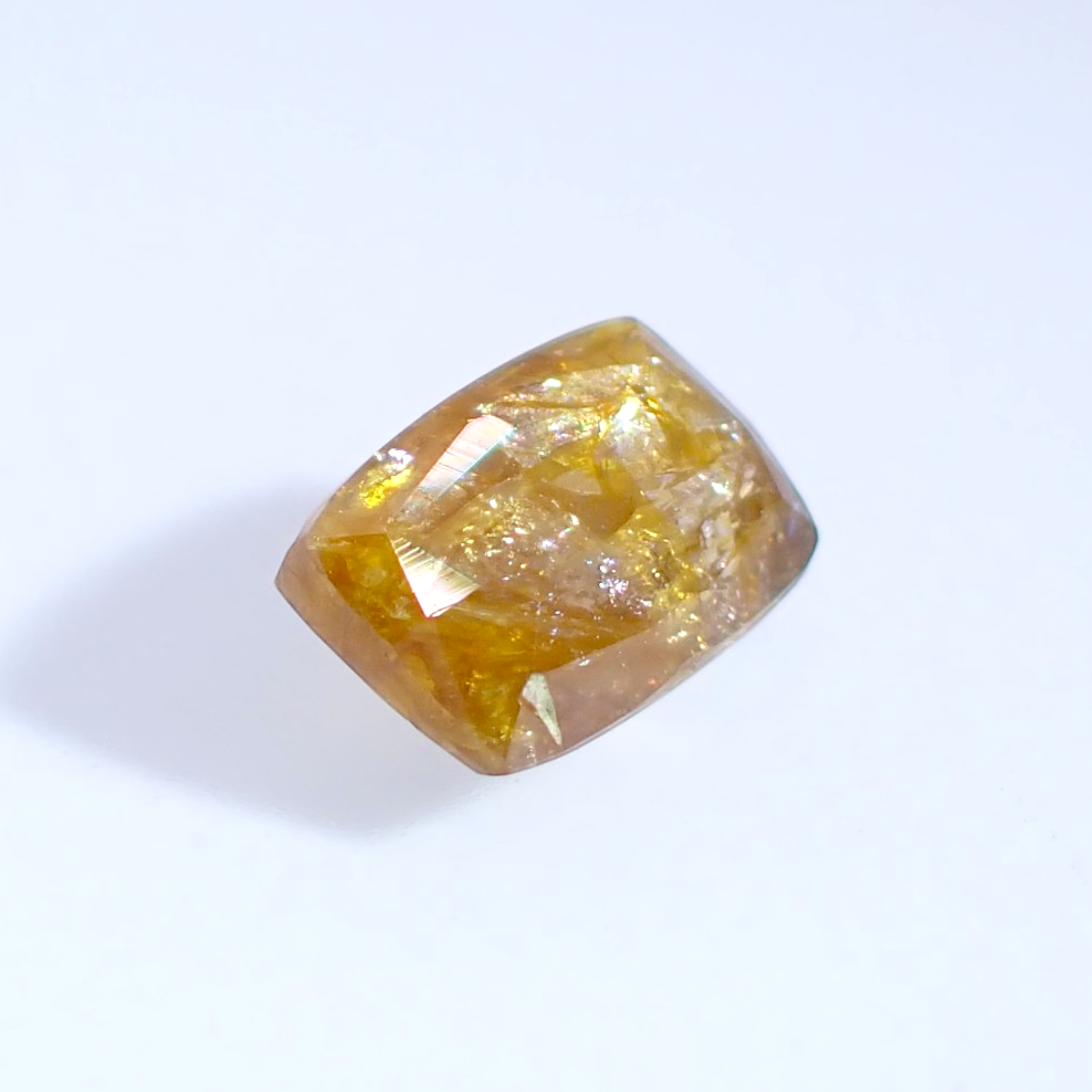
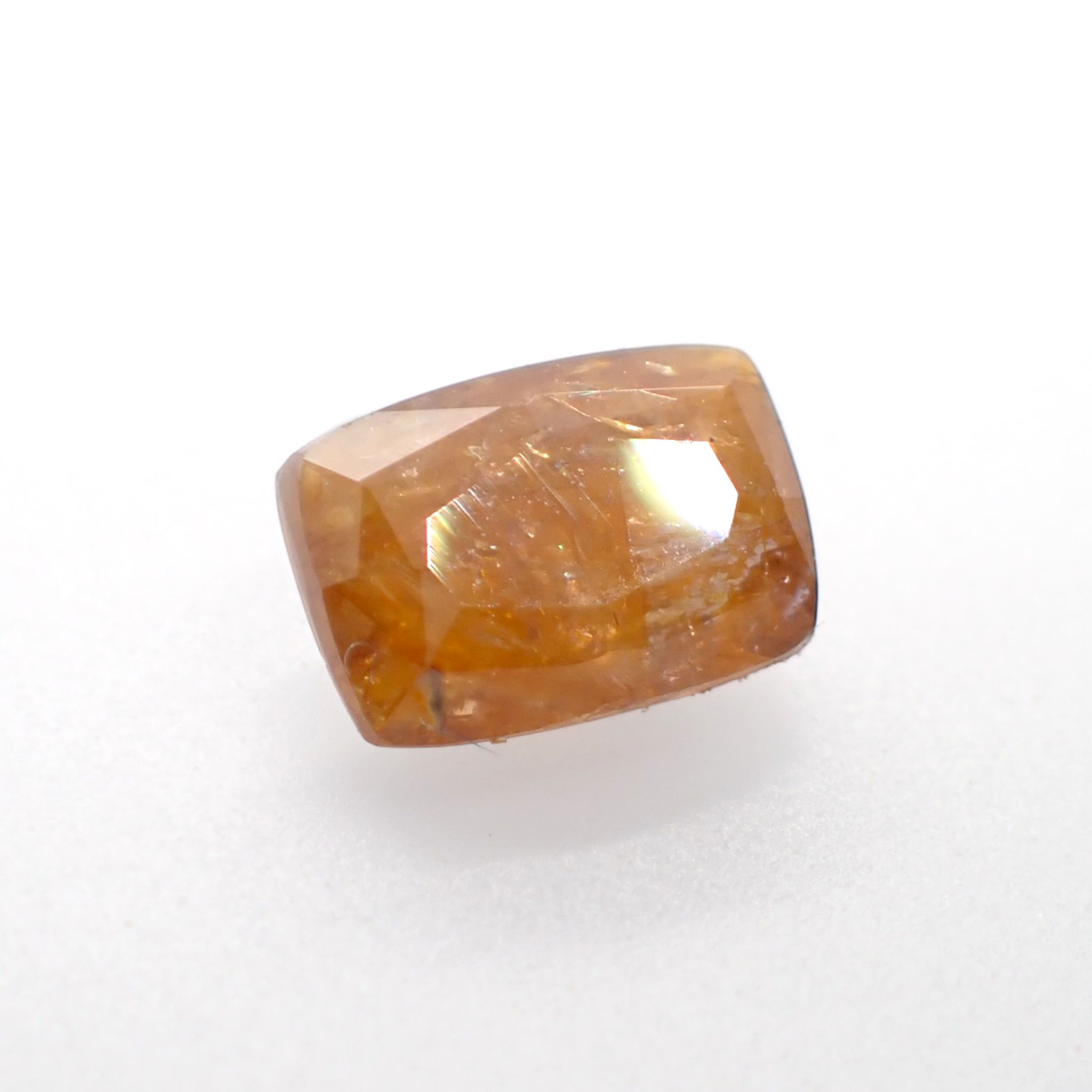
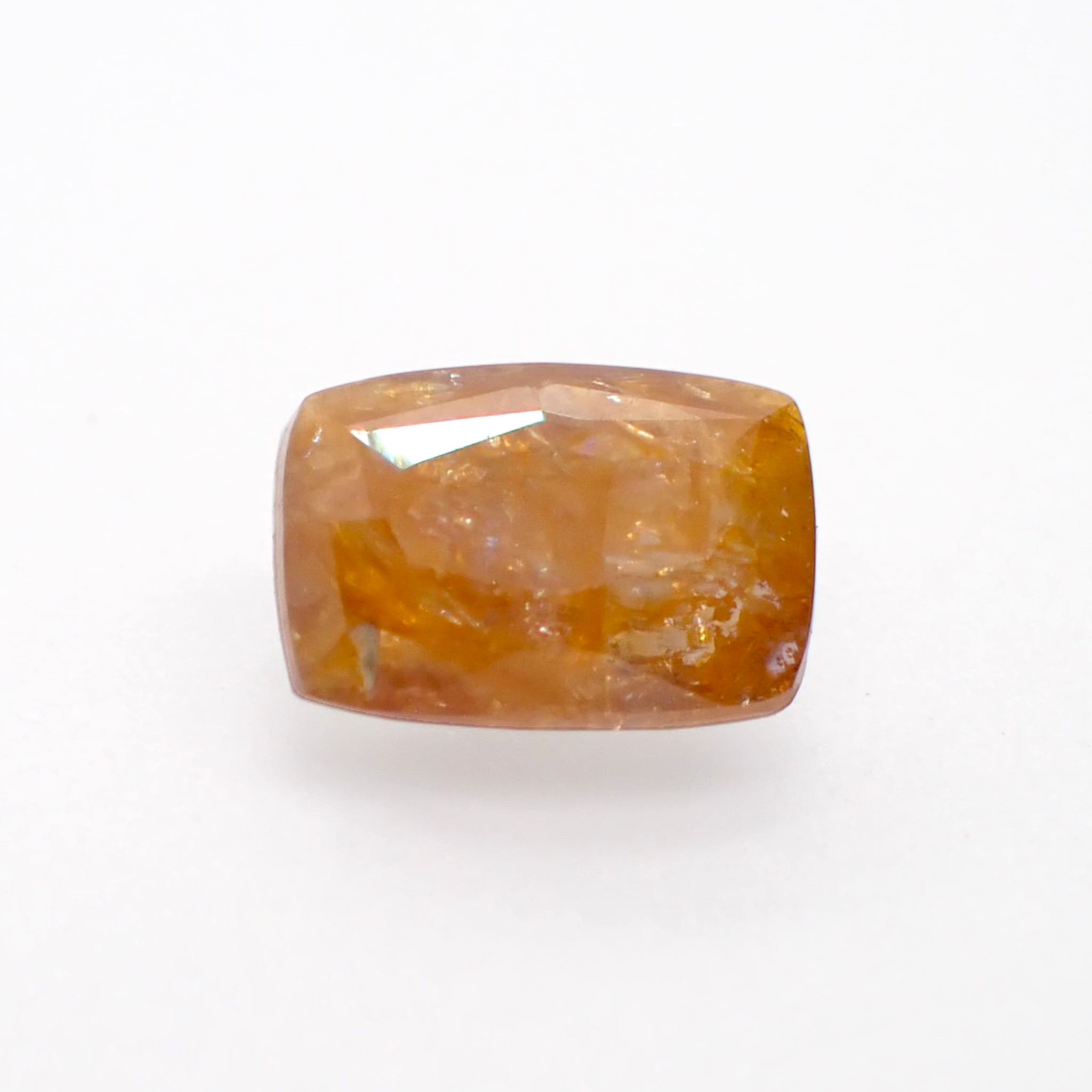
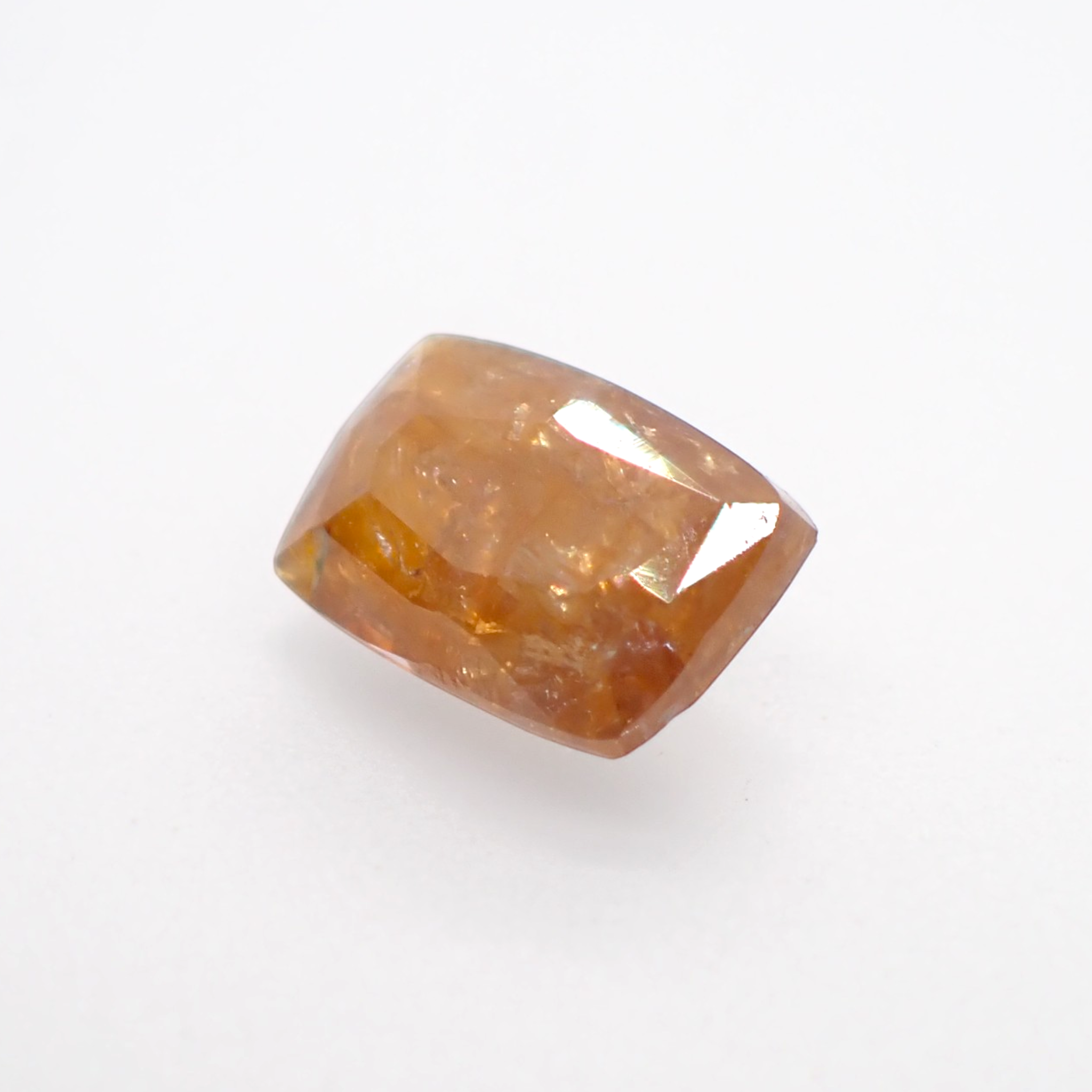
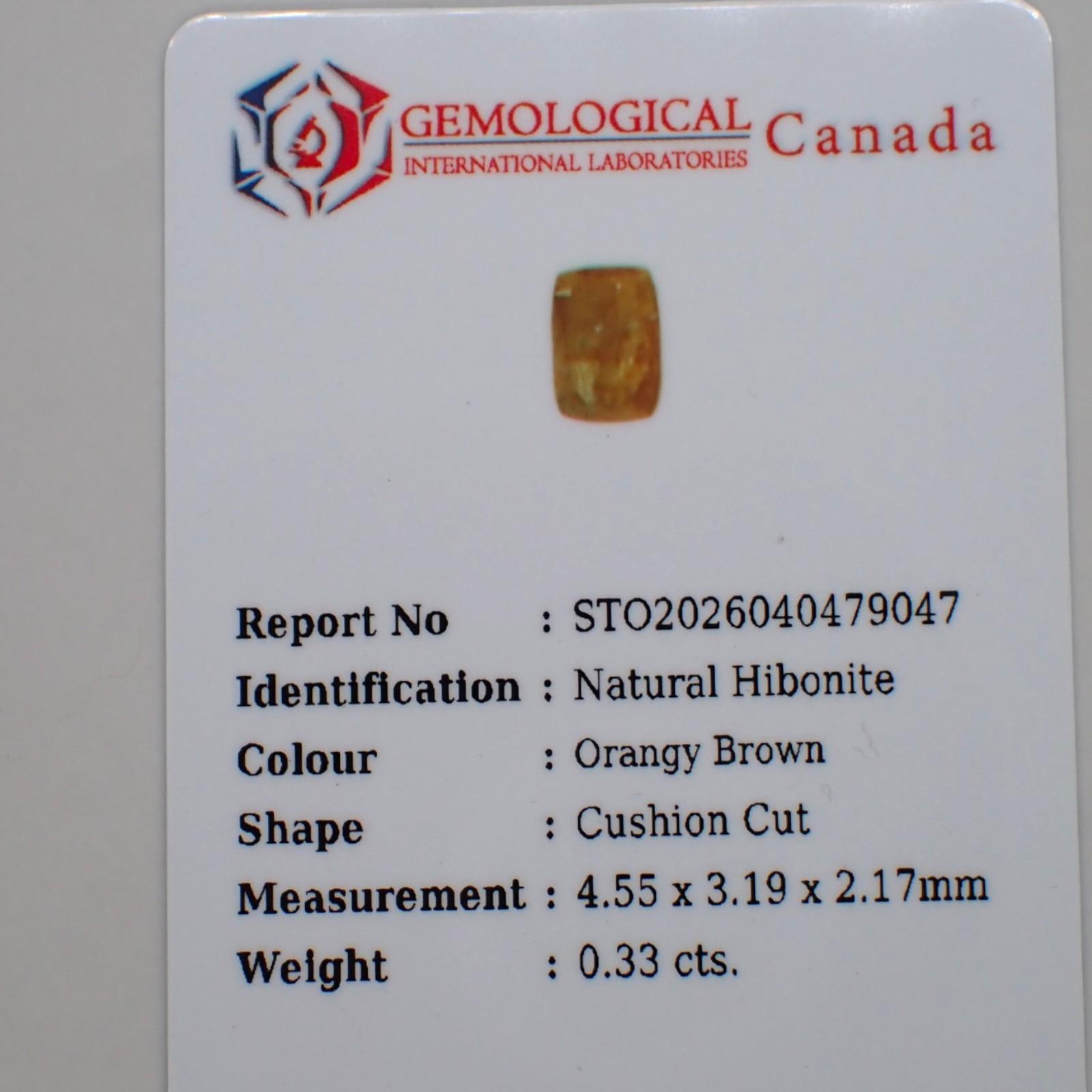
0.33 ct HIBONITE – MYANMAR
EXPERT VERIFIED
- Expert Verified Gemstone
- Fast Handling & Shipping
- Secure Vault Packaging
$ 490
Offer amount Feild


Smart Collector Choice


Pay with Crypto & Get 10% Automatic Discount

Availability: 1 in stock


- Freakingcats Gemstone Database
Hibonite
Hibonite represents the “stellar antiquity” of the oxide world. A complex calcium aluminum titanium oxide, it is a species highly respected for its incredible durability and its status as one of the first minerals to crystallize in our solar system. While it is famously found in meteorites as microscopic grains, the discovery of facetable, “gem-grade” crystals in Myanmar is a miracle of geological concentration. While historically known as an opaque black mineral, these elite specimens present in a vibrant “mahogany” orange-brown. It is a stone of “ancient focus,” providing a sub-metallic to vitreous luster that makes it a true “astronomer’s treasure” for the systematic vault.
The Heritage & Scientific Discovery
Historical Significance: Hibonite is a vital species for understanding the earliest stages of the solar nebula. Historically, it was known primarily to specialists studying “Calcium-Aluminum-rich Inclusions” (CAIs) in meteorites. In the world of fine minerals, the transition from microscopic space-dust to a transparent terrestrial gemstone is a storied journey. It stands as a symbol of endurance, bridging the gap between the birth of stars and the elite world of “ultra-rare” collector gems (Ref: Hainschwang, Massi, et al., 2010).
The First Faceted Specimens: The mineral was formally named in 1956 in honor of Paul Hibon, but it remained a “black box” to the gem world until late 2009. I have a deep personal respect for the scientific narrative of this species. Cutting these specimens proved to be a significant challenge, as the material is notoriously included, resulting in only a handful of faceted gems in existence—truly as “rare as a hen’s tooth.”
Important Mines: The undisputed world capital for the finest, terrestrial gem-grade Hibonite is the Mogok Stone Tract in Myanmar. These Burmese specimens set the global benchmark for crystal size and “gemmy” transparency. While the type-locality in Madagascar remains important to science, it is the Mogok marble that provides the unique geochemical environment—specifically the absence of heavy light-absorbers like Cerium—that allows for the rare orange-brown transparency found.
Mineralogical Profile
Technical Description: Hibonite is a calcium aluminum titanium oxide crystallizing in the hexagonal system. It sits at a 7.5 to 8.0 on the Mohs scale, making it an exceptionally hard and durable mineral, rivaling the toughness of Spinel or Beryl. It is characterized by its vitreous luster and its unmistakable primordial color palette.
One of its most identifying traits is its extreme refractory nature and a high specific gravity of SG ≈ 3.84. It possesses a high refractive index of n ≈ 1.790 to 1.807 and exhibits a characteristic uniaxial negative optical sign. Often found in association with Corundum and Spinel, this faceted gem represents a breakthrough in mineralogy. It is a dense, high-vibration mineral that offers a unique, “cosmic” beauty unlike any other oxide species.
Chemical Formula: (Ca,Ce)(Al,Ti,Mg)12O19


