
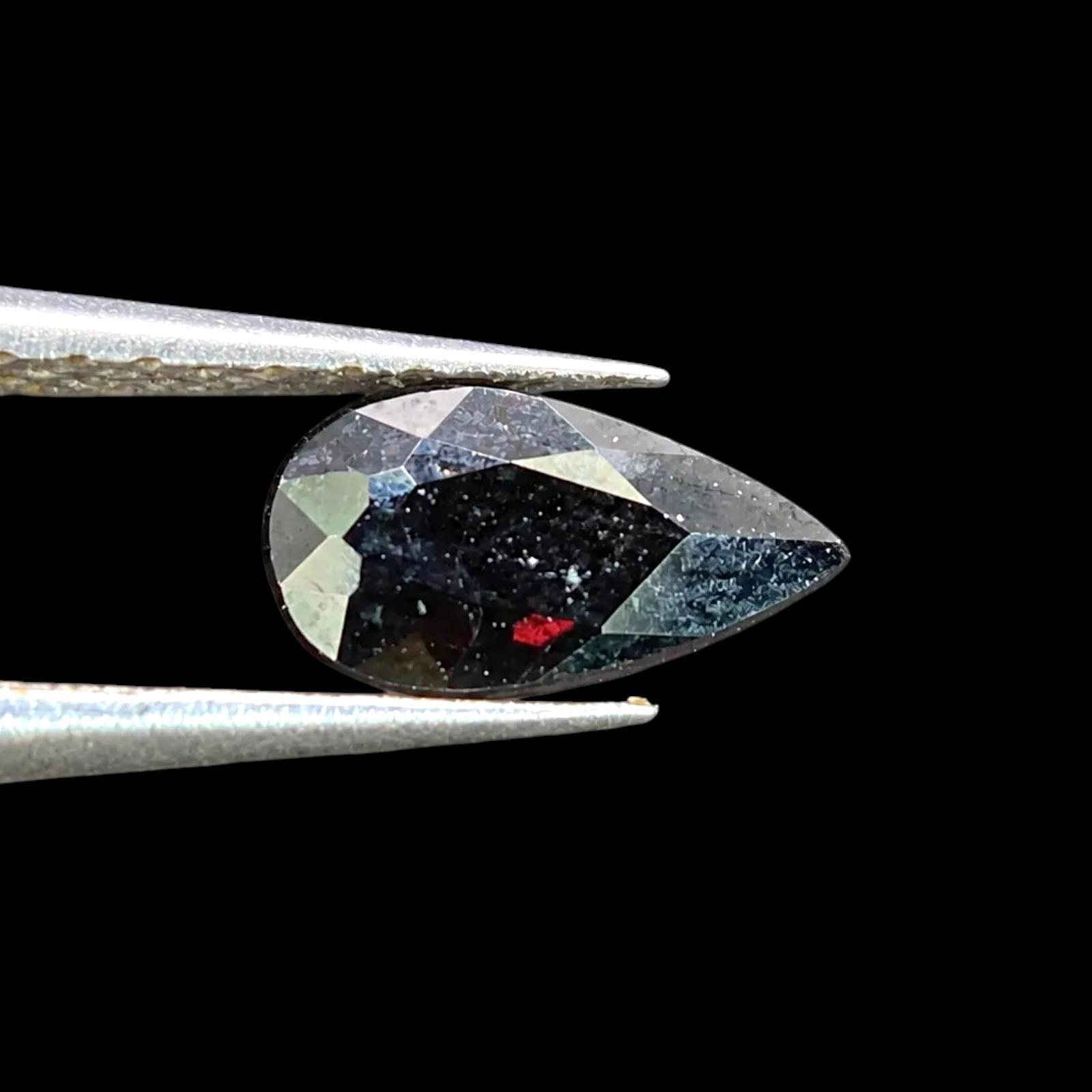
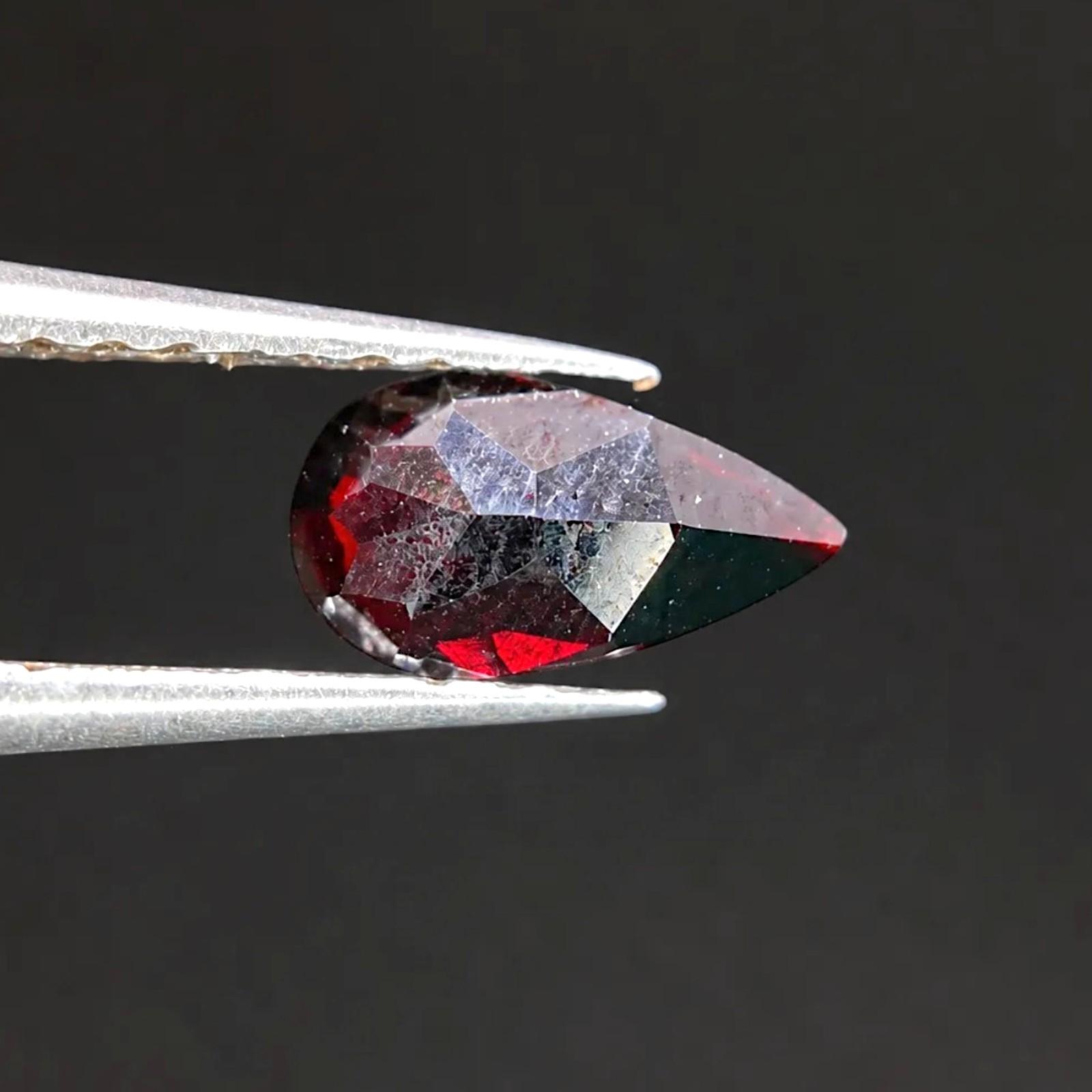
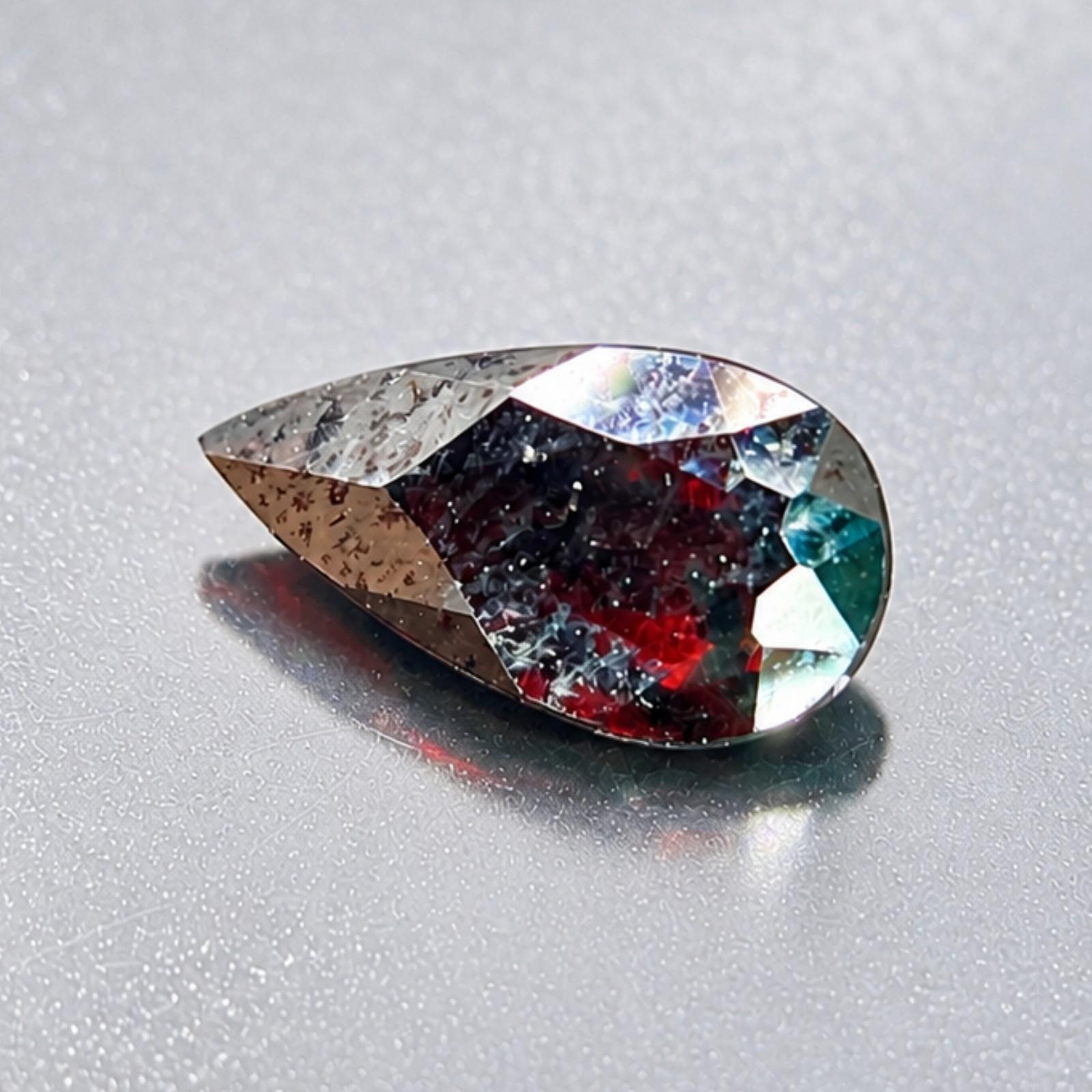
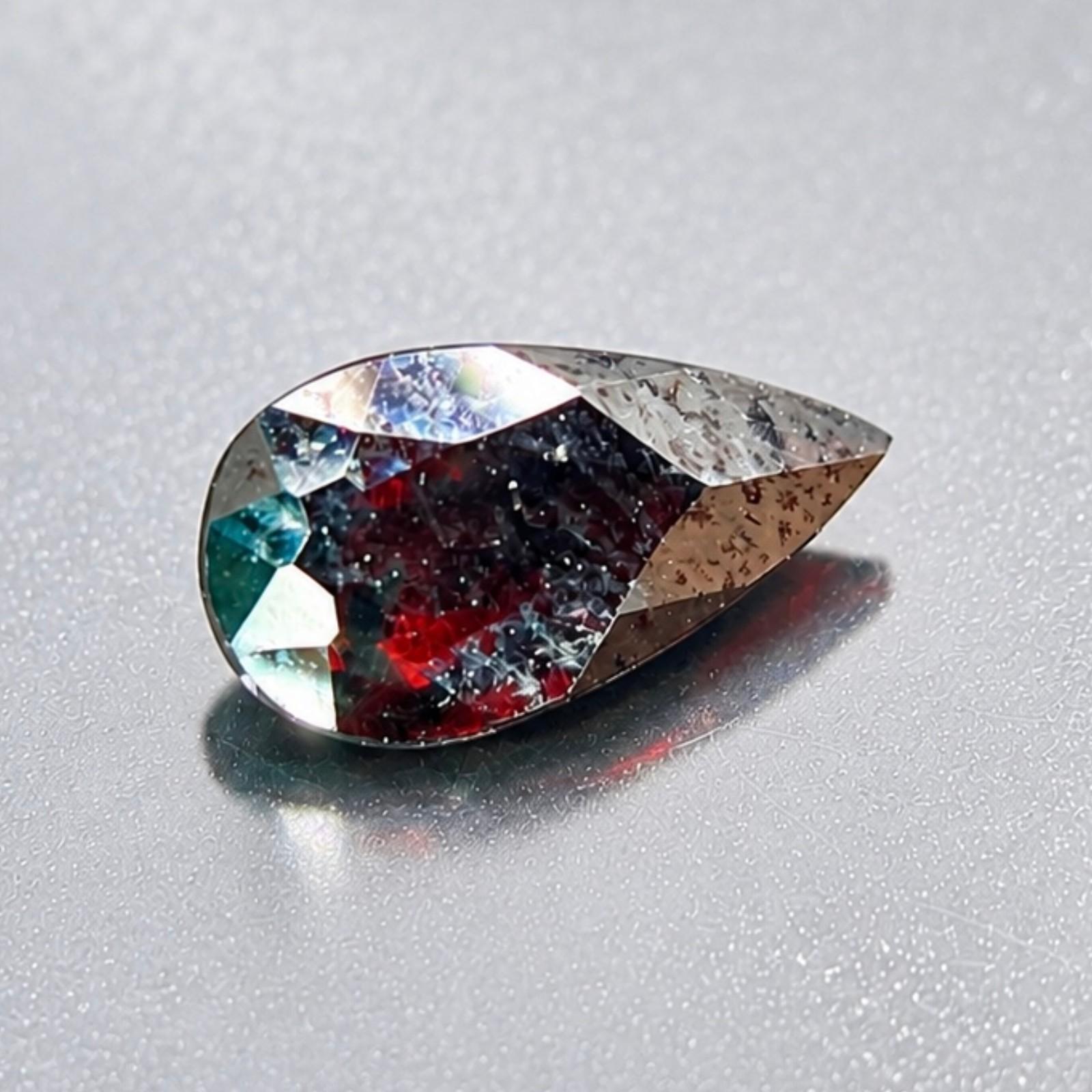
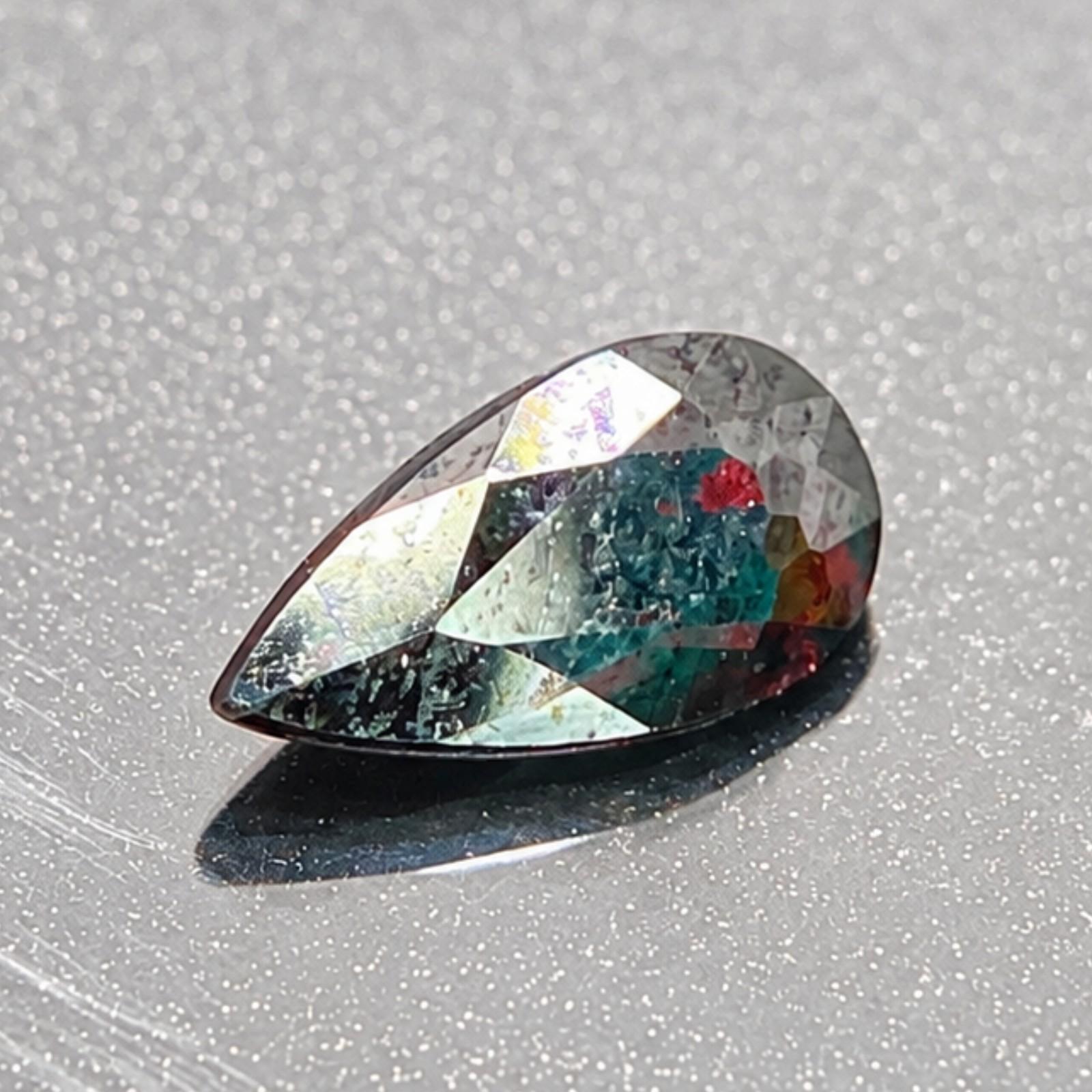
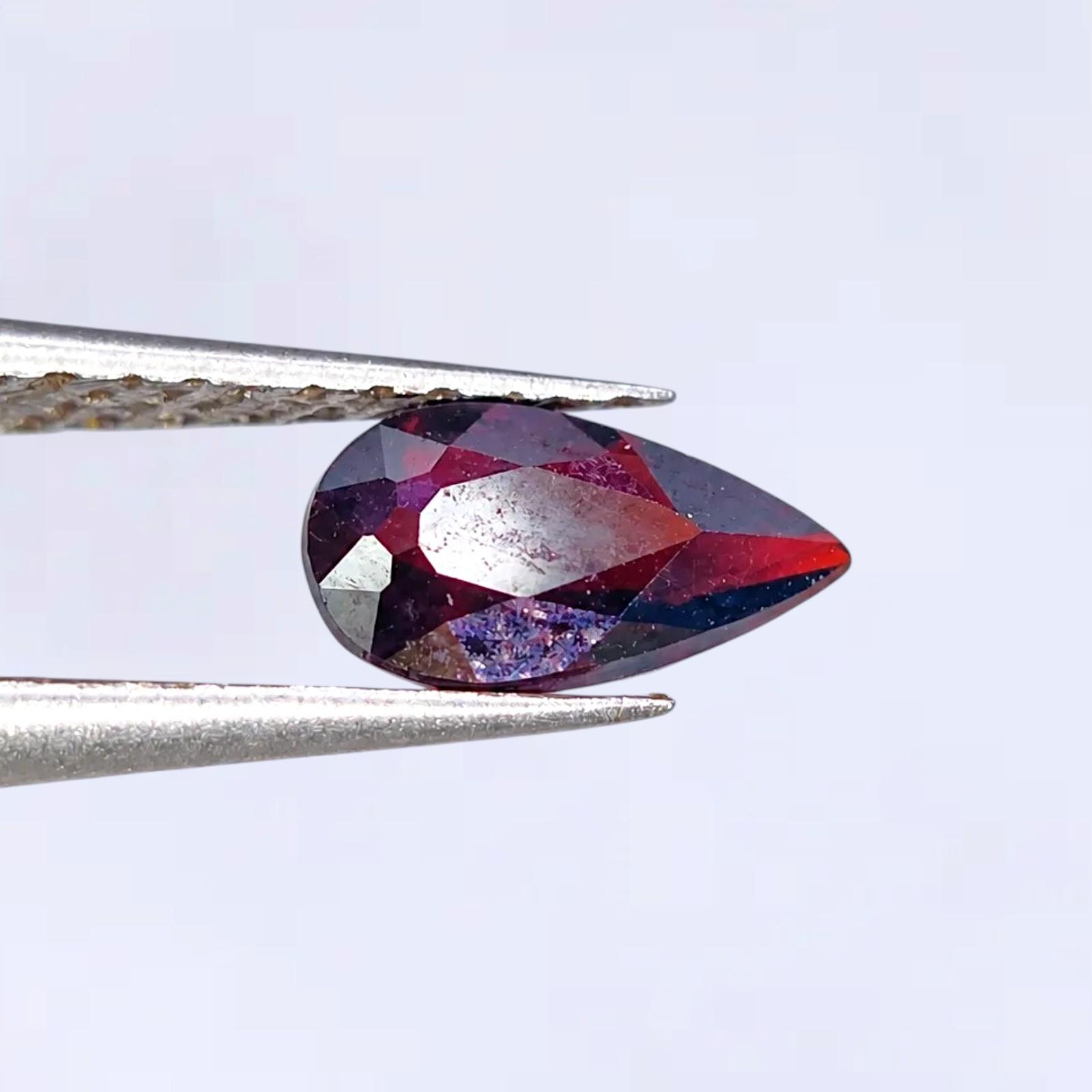
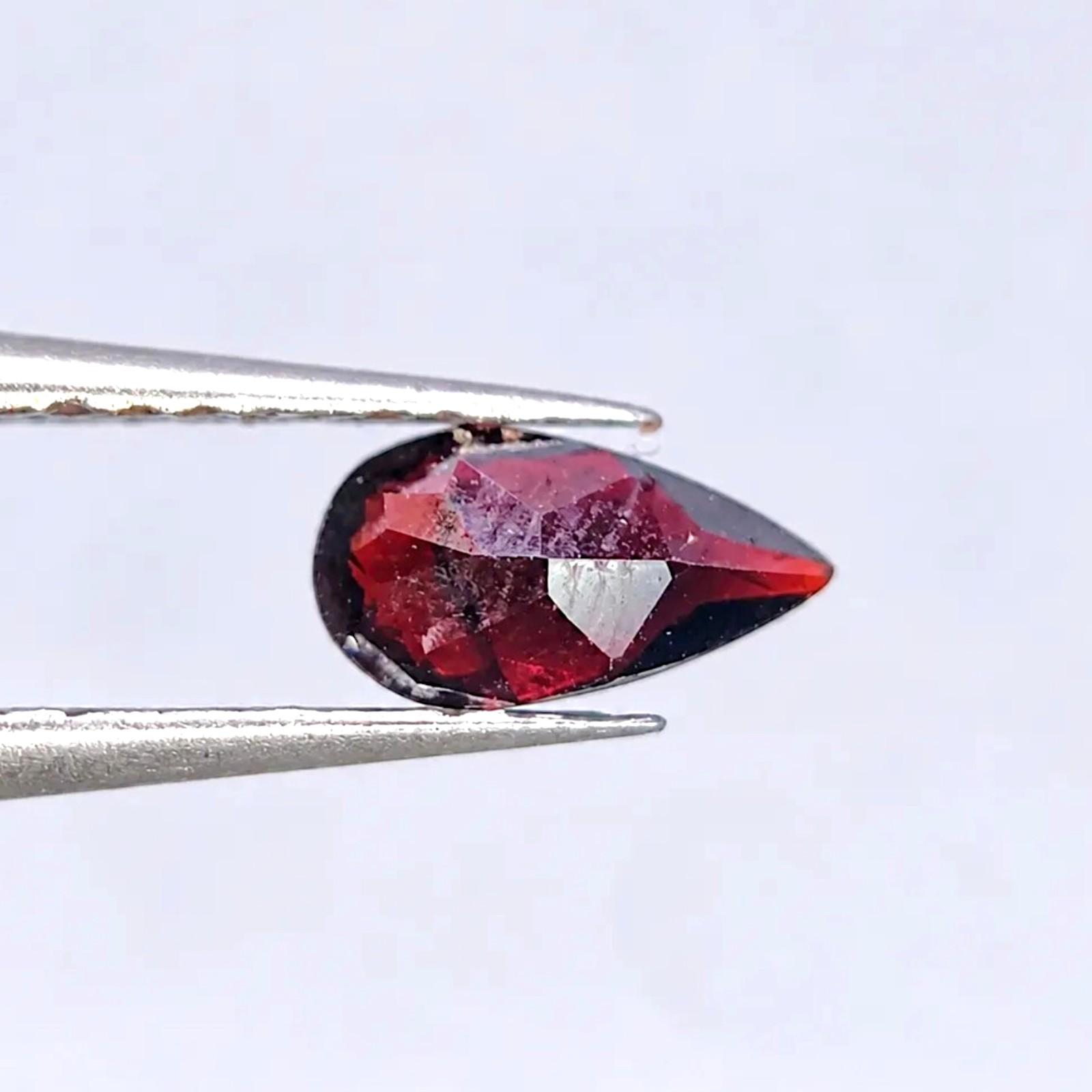
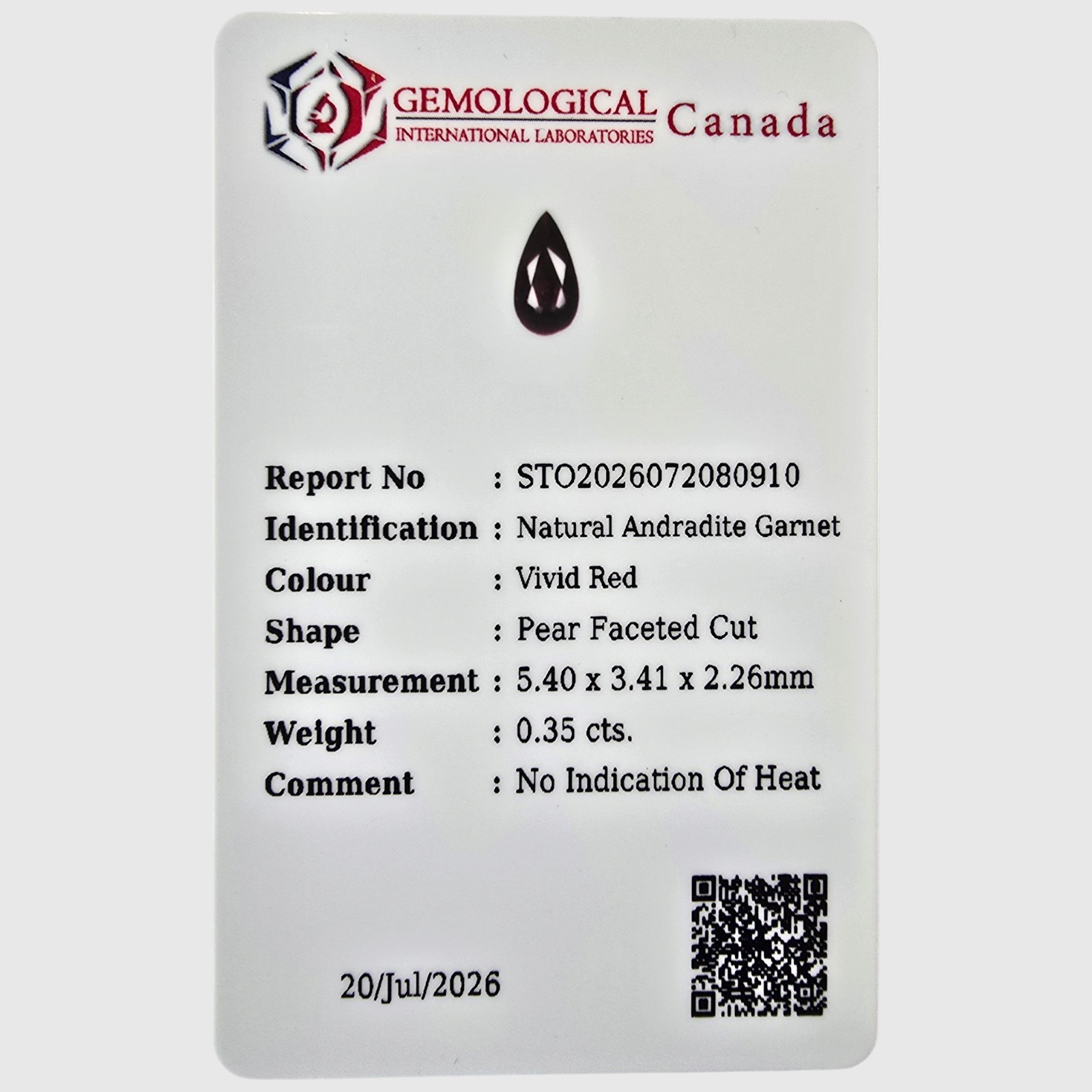
0.35 ct ANDRADITE GARNET – MYANMAR – CERTIFIED
EXPERT VERIFIED
- Expert Verified Gemstone
- Fast Handling & Shipping
- Secure Vault Packaging
$ 120
Offer amount Feild


Smart Collector Choice


Pay with Crypto & Get 10% Automatic Discount

Availability: 1 in stock


- Freakingcats Gemstone Database
Andradite Garnet (Myanmar)
Certified on 20/07/26 by GIL Lab Bangkok
Andradite garnet from the contact-metamorphic skarns and alluvial gemstone deposits of Myanmar—most notably the legendary Mogok Stone Tract within the Mandalay Region—represents a rare and visually arresting member of the garnet supergroup, distinguished by its extreme optical dispersion and high refractive brilliance. A calcium-iron nesosilicate of high mineralogical distinction, it is a species I have long respected for its rich color palette, ranging from deep honey-amber, olive-brown, and golden topazolite hues to vibrant, chrome-accented demantoid greens. For the specialist, a fine Burmese Andradite—whether encountered as an intact, mirror-faced dodecahedral crystal nestled in marble skarn matrix or as a master-cut collector gem—is a prized acquisition; it exhibits an adamantine to sub-adamantine luster and a fire that noticeably exceeds that of diamond, establishing a magnetic, luminous presence that commands attention in any systematic vault. As an artist, I find the internal life of these crystals—where deep, autumnal body tones break into flashes of pure spectral fire under direct light—to be one of nature’s most sophisticated demonstrations of crystal optics.
The Heritage & Discovery
Historical Significance
Andradite holds an esteemed position in gemology as the most optically dispersive species within the silicate group, named in honor of the Brazilian mineralogist José Bonifácio de Andrada e Silva. Historically, while the Ural Mountains of Russia defined the early global benchmark for emerald-green demantoid, Myanmar’s historic tracts emerged as a premier source for extraordinarily diverse, high-clarity andradite varieties. Formed within ancient collision belts where granitic intrusions baked pure regional marbles and calc-silicate units, Burmese andradites offer an enduring testament to the complex skarn chemistry of Southeast Asia’s greatest gem province.
Discovery
The documented discovery of collector-grade andradite across upper Myanmar occurred alongside the intensive mining of sapphire, ruby, and spinel gravels throughout the Mogok and Pein-Pyit valleys. Because local miners historically categorized many golden and greenish gems under broad regional trade names, fine andradites were occasionally grouped with zircon, chrysoberyl, or grossular. Modern gemological testing, however, confirmed the presence of pure calcium-iron endmembers exhibiting diagnostic optical absorption bands and remarkable adamantine luster. My own respect for this material grew from evaluating its internal clarity and light performance; observing an unheated Burmese andradite disperse vivid spectral flashes across its facets demonstrates a crystallographic purity and optical density that is deeply satisfying to the trained eye.
Important Mines The primary epicenter for collector-grade andradite within Myanmar is the Mogok Stone Tract, particularly the skarn outcrops and alluvial gravels around Pein-Pyit, Kyatpyin, and Bernardmyo. In these deposits, andradite crystallizes within contact-metamorphosed calc-silicate rocks alongside diopside, scapolite, calcite, and spinel. Additional minor occurrences have been noted in the contact zones of Kachin State and the gem gravels of Namya. For the systematic vault, I prioritize specimens that exhibit crisp crystal geometry, excellent transparency free from heavy fracturing, rich and balanced body color, and maximum dispersive fire.
Mineralogical Profile
Description
Andradite is an orthosilicate mineral belonging to the ugrandite (calcium-bearing) series of the garnet group, crystallizing in the isometric system (hexoctahedral class). It sits at 6.5 to 7.0 on the Mohs hardness scale, possessing no cleavage and a characteristic conchoidal to uneven fracture. It is distinguished by an adamantine to vitreous luster, with natural daylight coloration ranging across yellow-green, warm amber, reddish-brown, olive, and deep emerald-green.
Morphologically, it forms sharp rhombic dodecahedrons, trapezohedrons, and modified combinations thereof, often showing fine growth striations on crystal faces. It possesses a notably high refractive index of approximately 1.880 to 1.895 and a heavy specific gravity running from 3.80 to 3.90, reflecting its iron-dense framework. It is optically isotropic, although strain-induced anomalous birefringence is occasionally observed in polarized light. Its dispersion rating of 0.057 is among the highest of all natural gemstones, surpassing diamond’s 0.044. When selecting an example for documentation, I look for sharp dodecahedral form, exceptional internal cleanliness, and vivid fire that reveals the intense thermal conditions of its skarn genesis.
Chemical Formula Ca3Fe2(SiO4)3 (frequently exhibiting trace Cr, Ti, and Al substitutions)


