

0.42 ct ANATASE – PAKISTAN
EXPERT VERIFIED
- Expert Verified Gemstone
- Fast Handling & Shipping
- Secure Vault Packaging
$ 250 Original price was: $ 250.$ 150Current price is: $ 150.
Offer amount Feild


Smart Collector Choice


Pay with Crypto & Get 10% Automatic Discount

Availability: 1 in stock
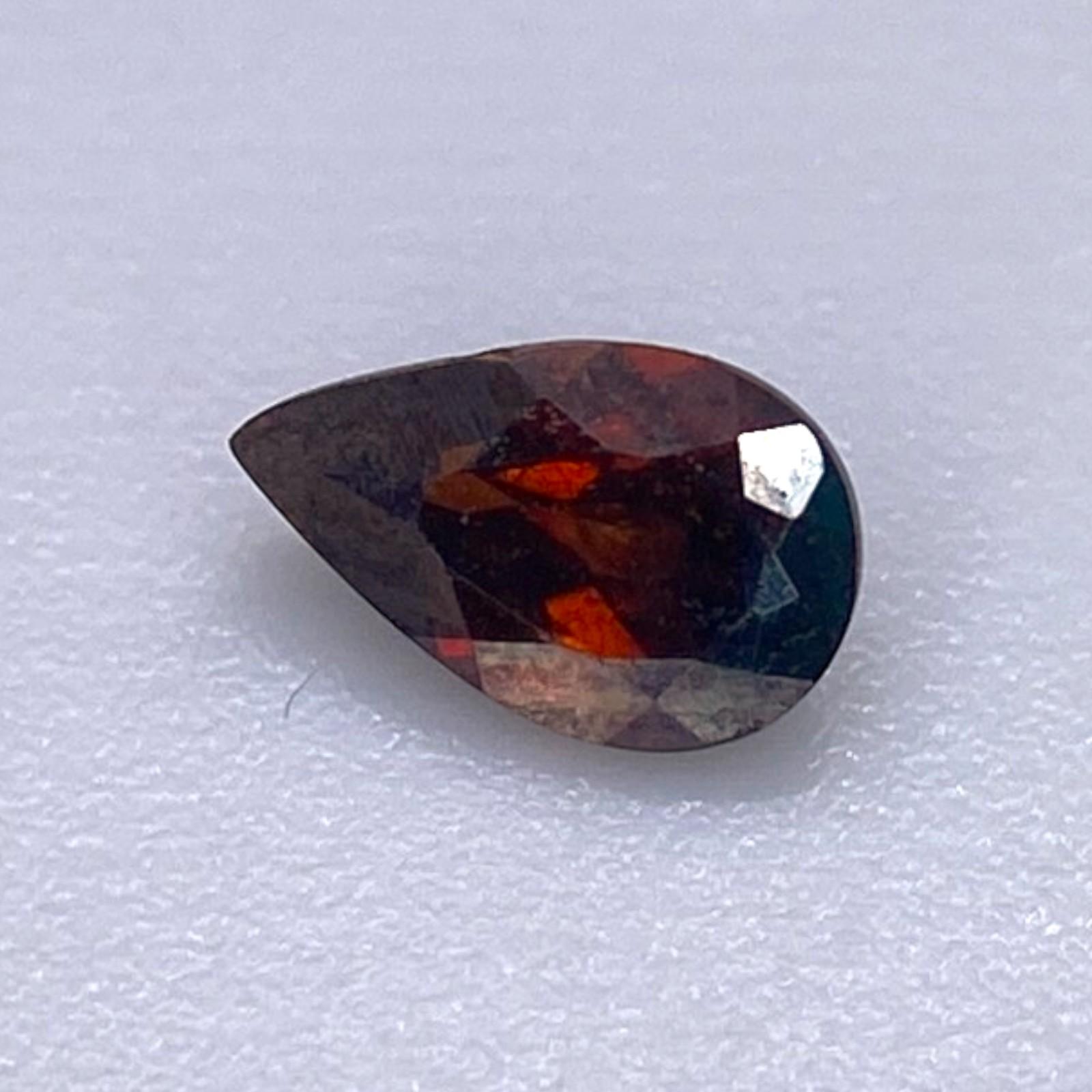
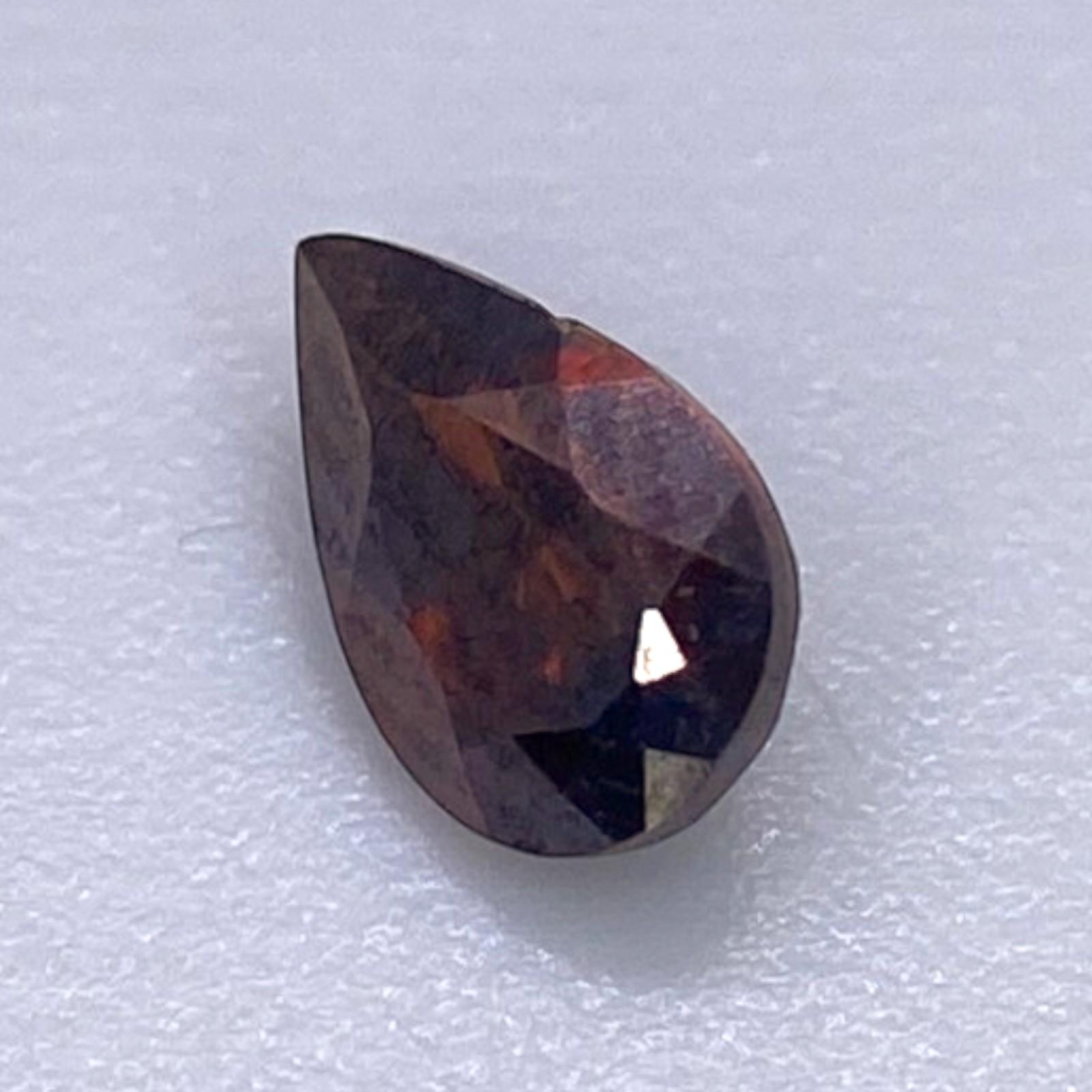
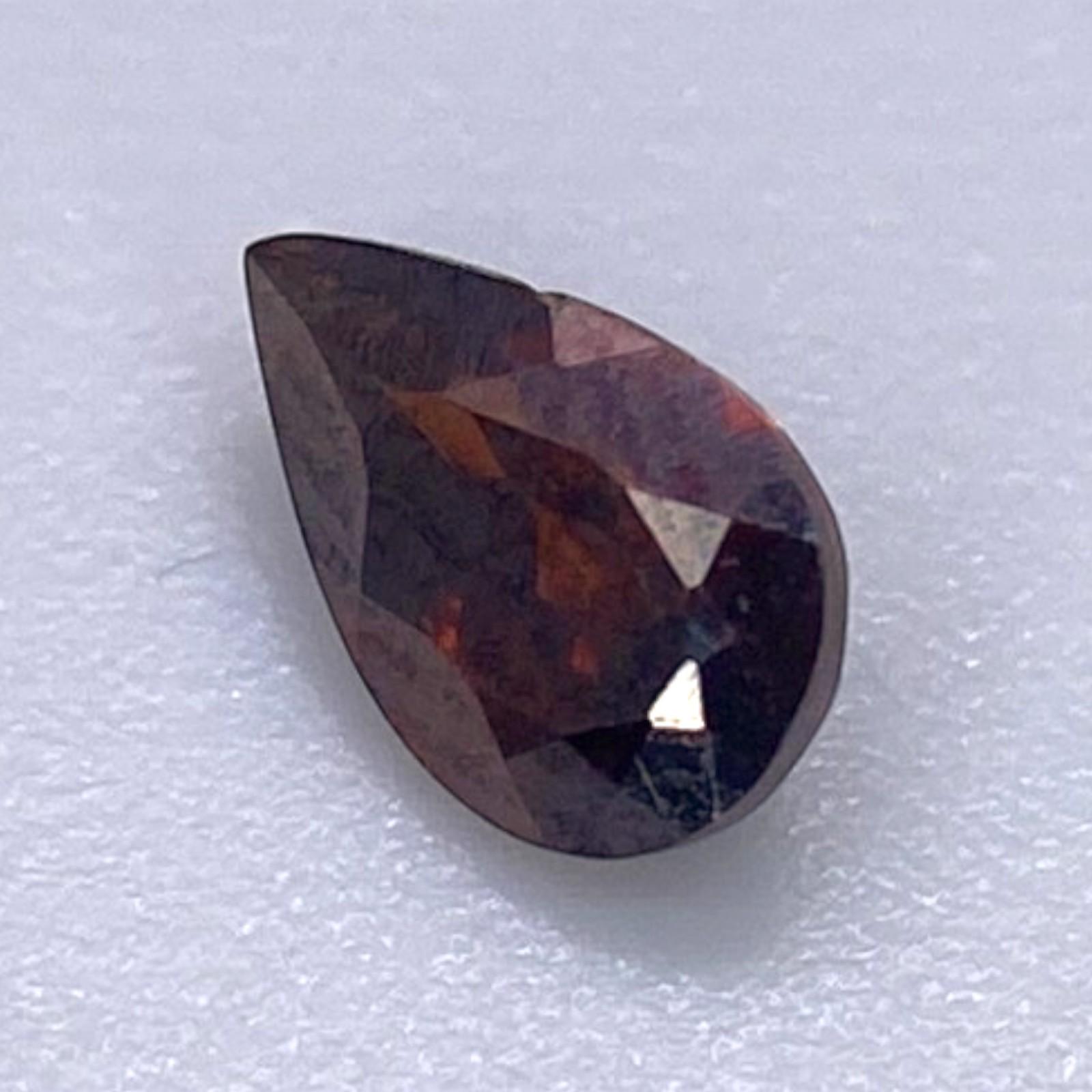
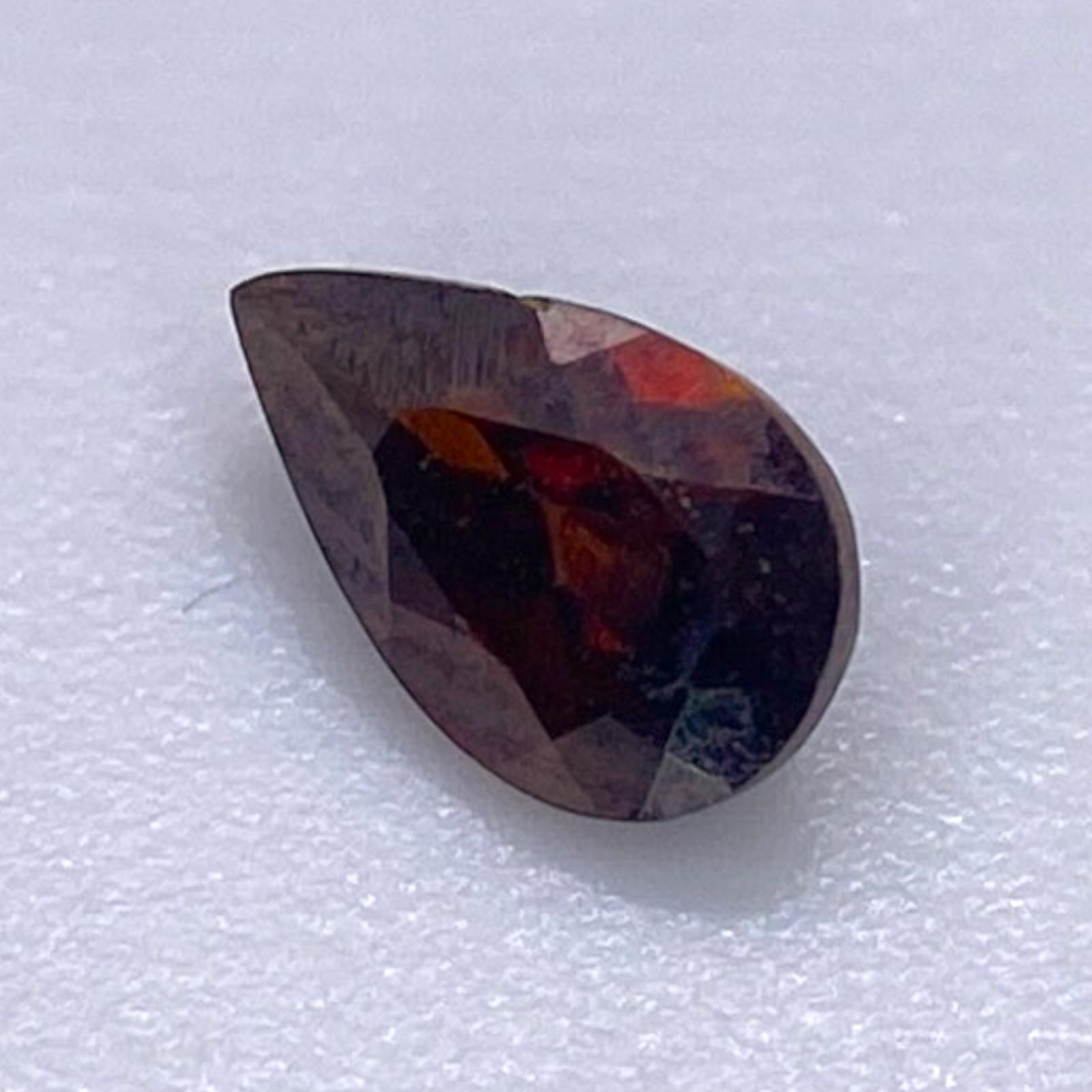
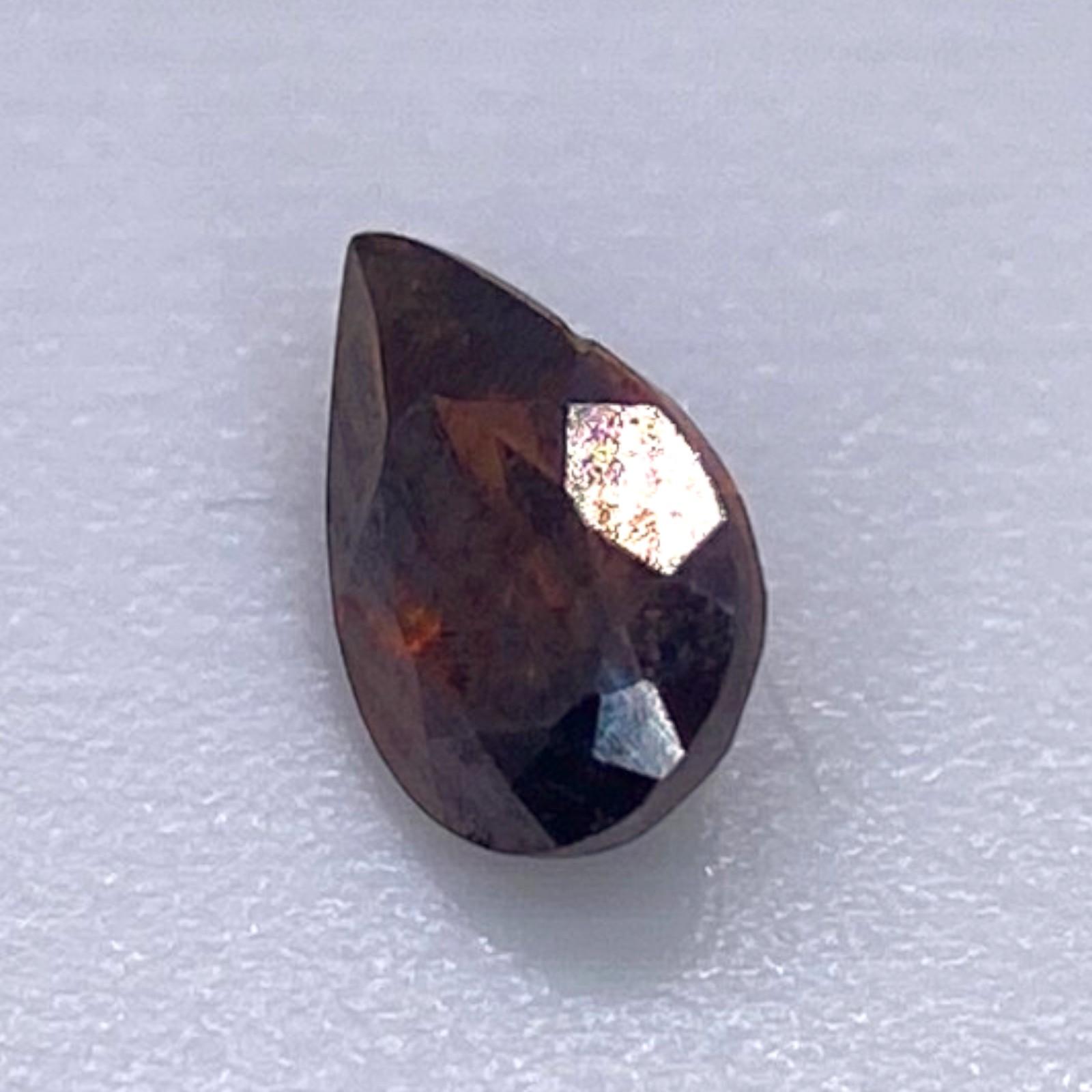
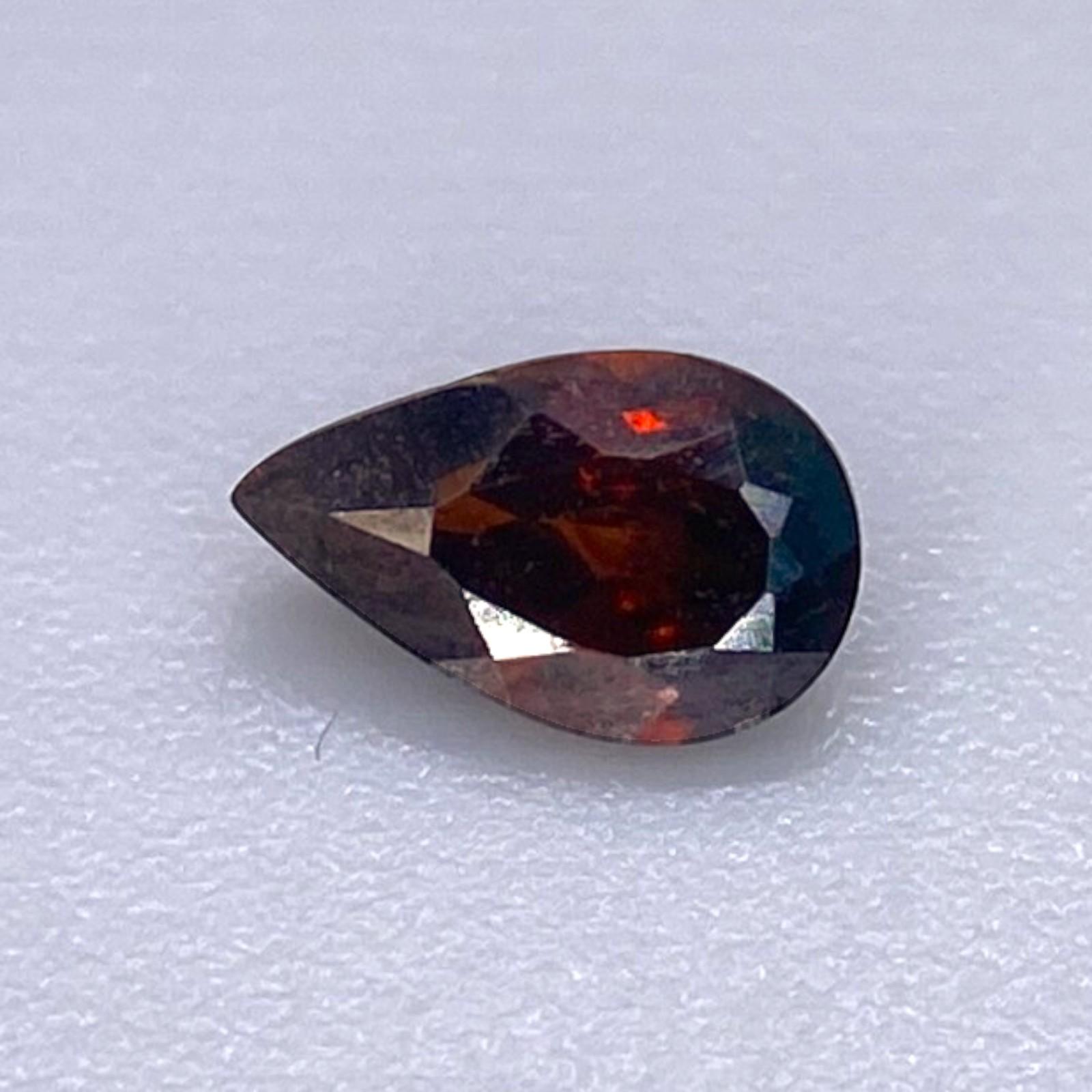
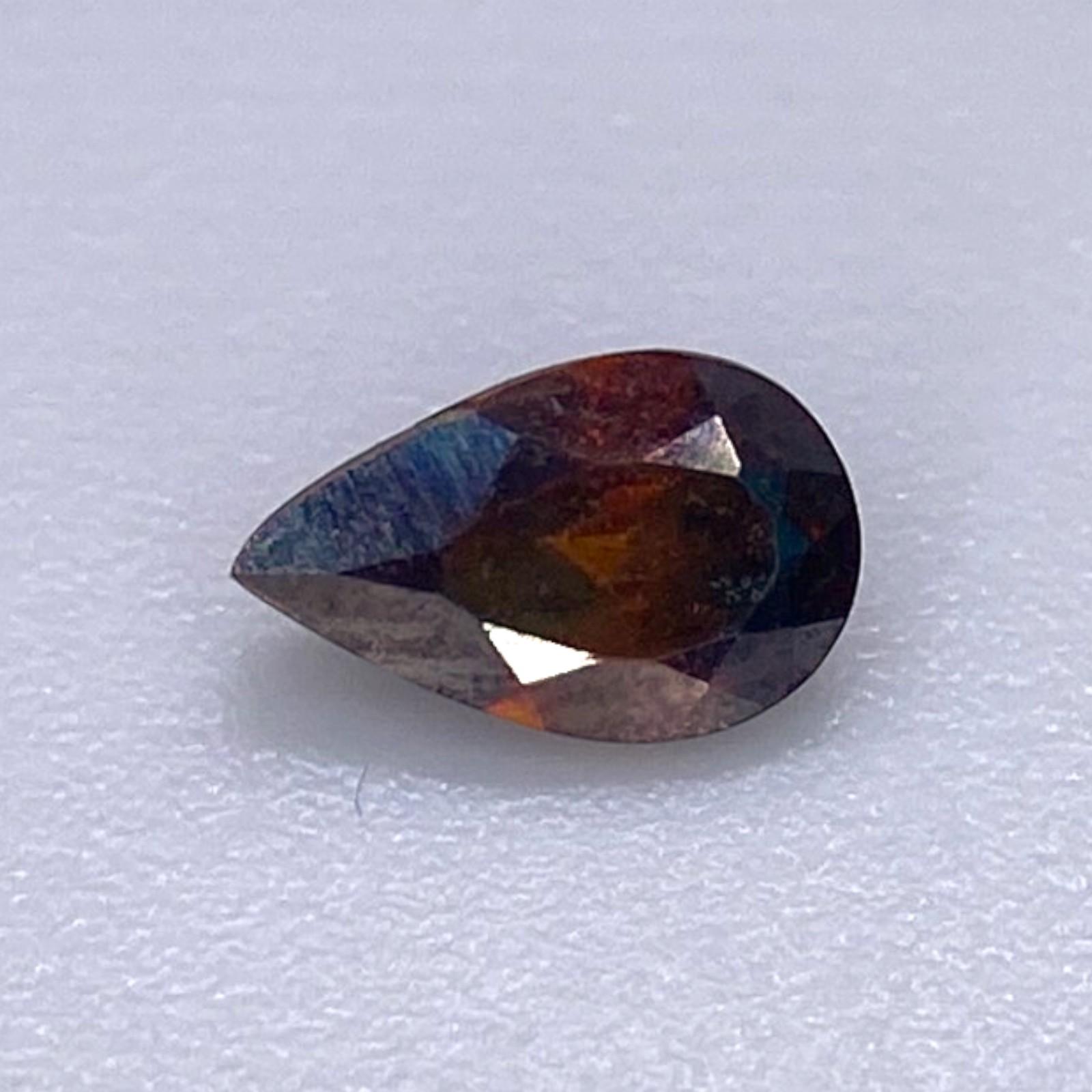
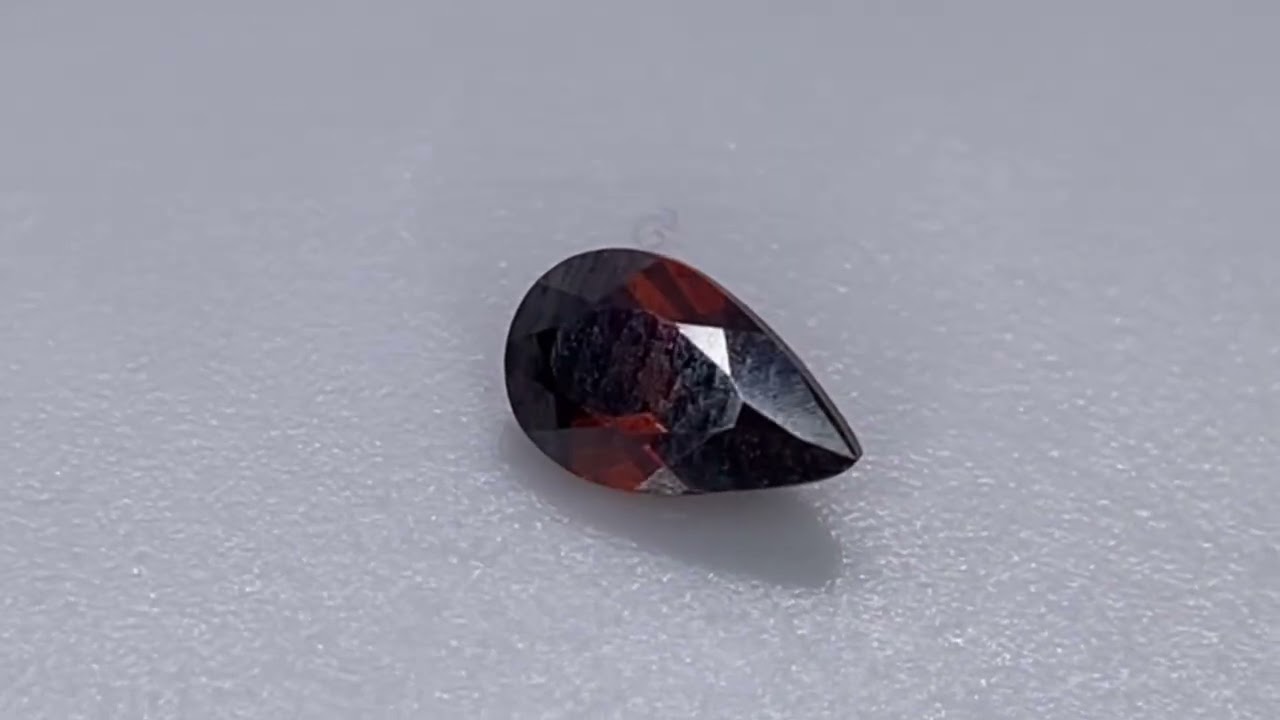


- Freakingcats Gemstone Database
Anatase (Pakistan)
Anatase from the high-altitude, glaciated alpine clefts of Pakistan represents the absolute global apex of razor-sharp dipyramidal geometry and deep, sub-metallic titanium dioxide illumination. A mineral polymorph sharing its composition with rutile and brookite, it is a species I have always respected for its “gunmetal-indigo” to “fiery-amber-neon” internal flashes and its status as a masterpiece of “tetragonal” structural discipline. For the specialist, a top-tier Pakistani Anatase is an elite prize of low-temperature hydrothermal fluid tension, developing under pristine, slow-growth conditions; it offers a magnificent adamantine to sub-metallic luster and a razor-sharp presence that makes it a true “high-vibration” asset for the systematic vault. As an artist, I find the stark, geometric contrast between its dark, highly reflective bipyramidal crystals and the icy, water-clear quartz prisms or snow-white adularia fields upon which they sit to be one of nature’s most sophisticated, architectural, and impactful palettes.
The Heritage & Discovery
Historical Significance
Anatase is a crucial cornerstone mineral for mapping the precise thermochemical limits and low-temperature hydrothermal paths that govern titanium mobilization within alpine-type open fractures. Historically, it holds a venerable place in structural crystallography, named in 1801 by the celebrated French mineralogist René Just Haüy from the Greek word anatasis (meaning “extension”), in direct reference to its elongated vertical axes relative to rutile. In the world of fine collectibles, Pakistani specimens are revered for their exceptional structural perfection and unexpected scale, standing as a permanent symbol of morphological focus and undisturbed tectonic growth.
Discovery
While classic, microcrystalline alpine specimens have been documented across the European Alps since the 19th century, the opening of the towering, high-altitude tectonic fissures across the Karakoram and Hindu Kush ranges completely redefined our global appreciation of the mineral’s macrocrystalline boundaries. Scientifically, Anatase is the chemically distinct, low-temperature tetragonal form of titanium dioxide, remaining highly sensitive to thermal overprinting, which forces a permanent structural transition into rutile. The discovery of these remote Pakistani pocket zones provided mineralogists with spectacular, unusually large crystals that showcase a rich, light-reactive depth. My own respect for this material grew from observing its deceptive optical nature; specifically, the way an initially opaque, jet-black crystal reveals a vibrant, fiery sapphire-blue or deep honey-amber core when subjected to intense, direct backlighting is a visual impact that is unmistakable to the trained eye.
Important Mines
The undisputed modern capital for world-class expressions of this species within Pakistan is the high-altitude alpine vein systems of Balochistan and the Gilgit-Baltistan region. Outstanding museum-quality crystals have emerged from the remote, mountainous terrains of the Taftan area, alongside highly aesthetic, quartz-associated clusters secured from the legendary Shigar Valley near Skardu and the Tormiq clefts. For the vault, I prioritize specimens that exhibit sharp, unblemished dipyramidal facet matrices and distinct internal transparency while perched cleanly on a highly contrasting, light silicate host, as they represent a highly active, pristine masterpiece of metamorphic geology.
Mineralogical Profile
Description
Anatase is a titanium dioxide mineral that crystallizes in the tetragonal system. It sits at a robust 5.5 to 6 on the Mohs scale, meaning its highly reflective but brittle dipyramidal crystals must be protected from sudden lateral impacts and preserved within stable archival conditions to protect its delicate, horizontally striated faces. It is characterized by its exceptionally bright adamantine to sub-metallic luster and an unmistakable, “deep gunmetal-black, indigo-blue, to warm amber-brown” color palette.
One of its most identifying traits is its perfect basal and prismatic cleavage, frequently forming sharp, elongated acute bipyramids or tabular habits that cleanly map out historical fluid channels through metamorphic fractures. It possesses an extraordinarily high refractive index running from approximately 2.488 to 2.564, contributing to its near-diamond surface reflectivity and powerful light-gathering capabilities, and an average specific gravity ranging between 3.82 and 3.97 that reflects its dense, titanium-heavy architecture. Because it forms in late-stage cavities of granitic and metamorphic rocks, it is commonly found in close association with Quartz, Brookite, Rutile, Adularia, Albite, and Titanite. When I select a piece for the collection, I look for sharp, “crisp” octahedral-like habits or freestanding, highly lustrous crystals on matrix, as these emphasize the sophisticated, three-dimensional chemistry of the mineral’s fluid-driven birth.
Chemical Formula
TiO2
Related products
- Sale!Suggest a Price
![7.06 ct ANHYDRITE - PERU]()
- Sale!Suggest a Price
![12.75 ct AMAZONITE - USA]()
- Sale!Suggest a Price
![0.31 ct ADAMITE - MEXICO]()
- Sale!Suggest a Price
![0.28 ct ADAMITE - MEXICO]()


