
SKU: GROS0001
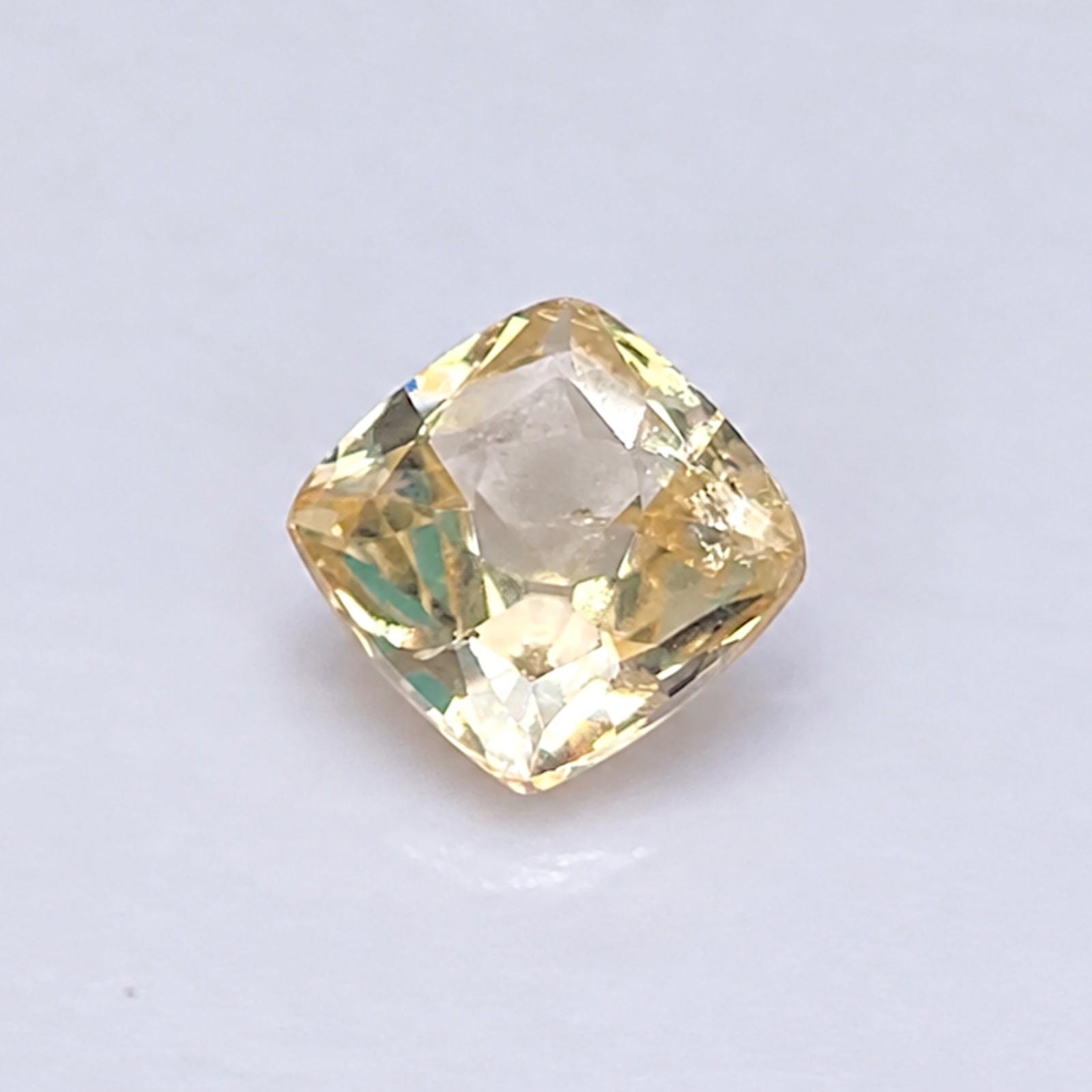
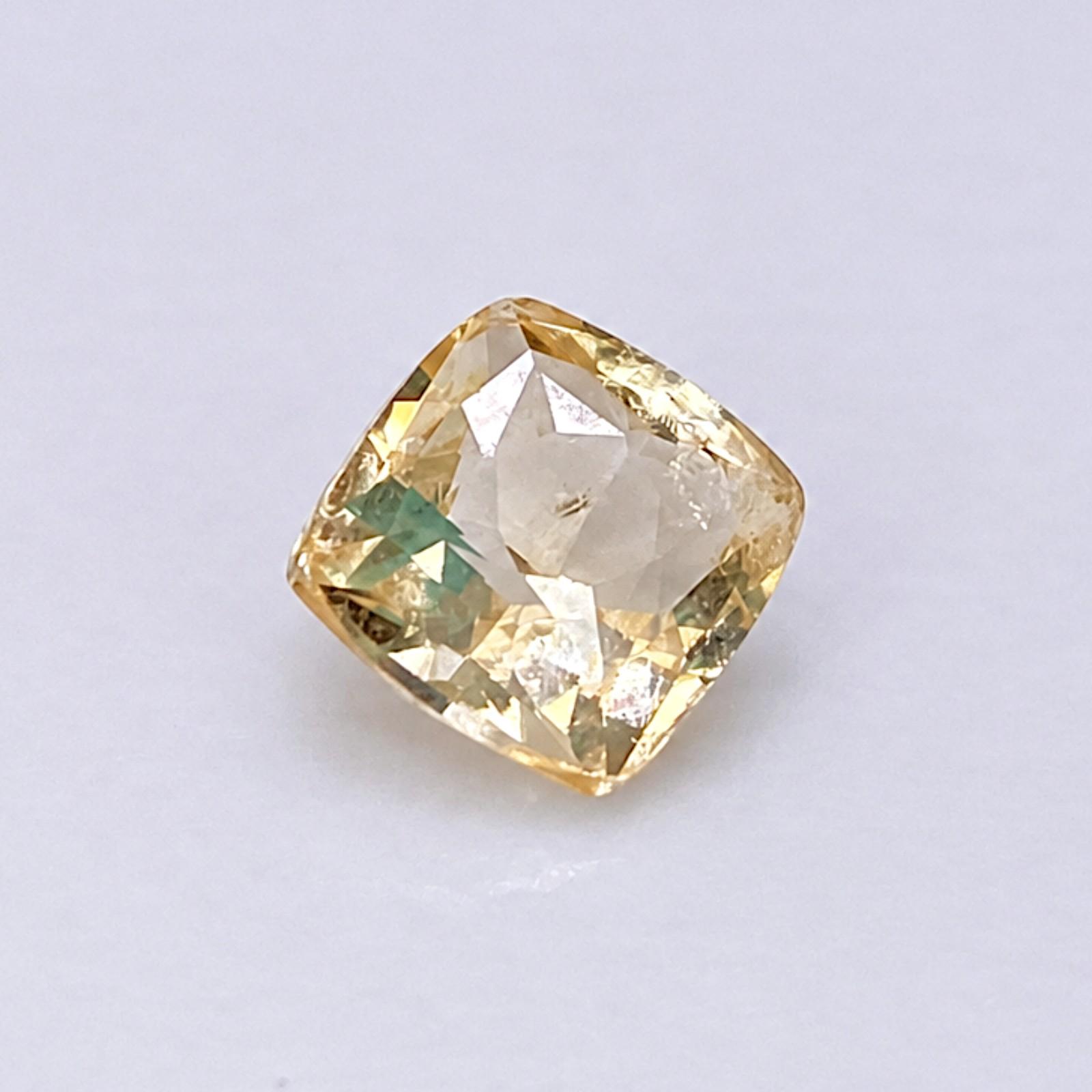
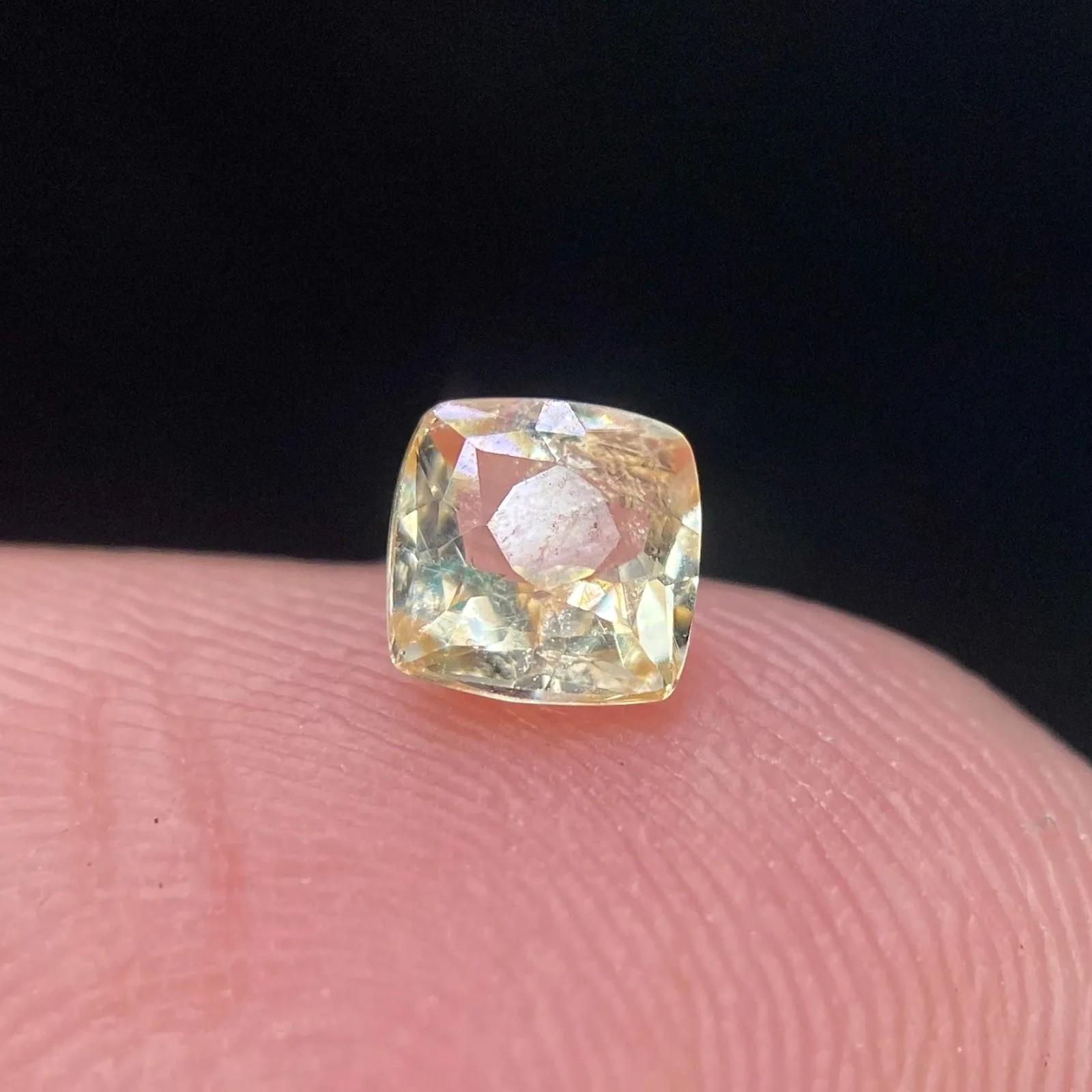
0.50 ct GROSSULAR GARNET – BRAZIL
EXPERT VERIFIED
- Expert Verified Gemstone
- Fast Handling & Shipping
- Secure Vault Packaging
$ 80
Offer amount Feild


Smart Collector Choice


Pay with Crypto & Get 10% Automatic Discount

Availability: 1 in stock
Gemstone Details
Gem Variety:
Grossular Garnet
Origin:
Brazil
Carat Weight:
0.50
Length (mm):
4.40
Width (mm):
4.40
Depth (mm):
2.60
Shape:
Square
Color
Green
Treatment:
No Treatment
Certificate:
On Request
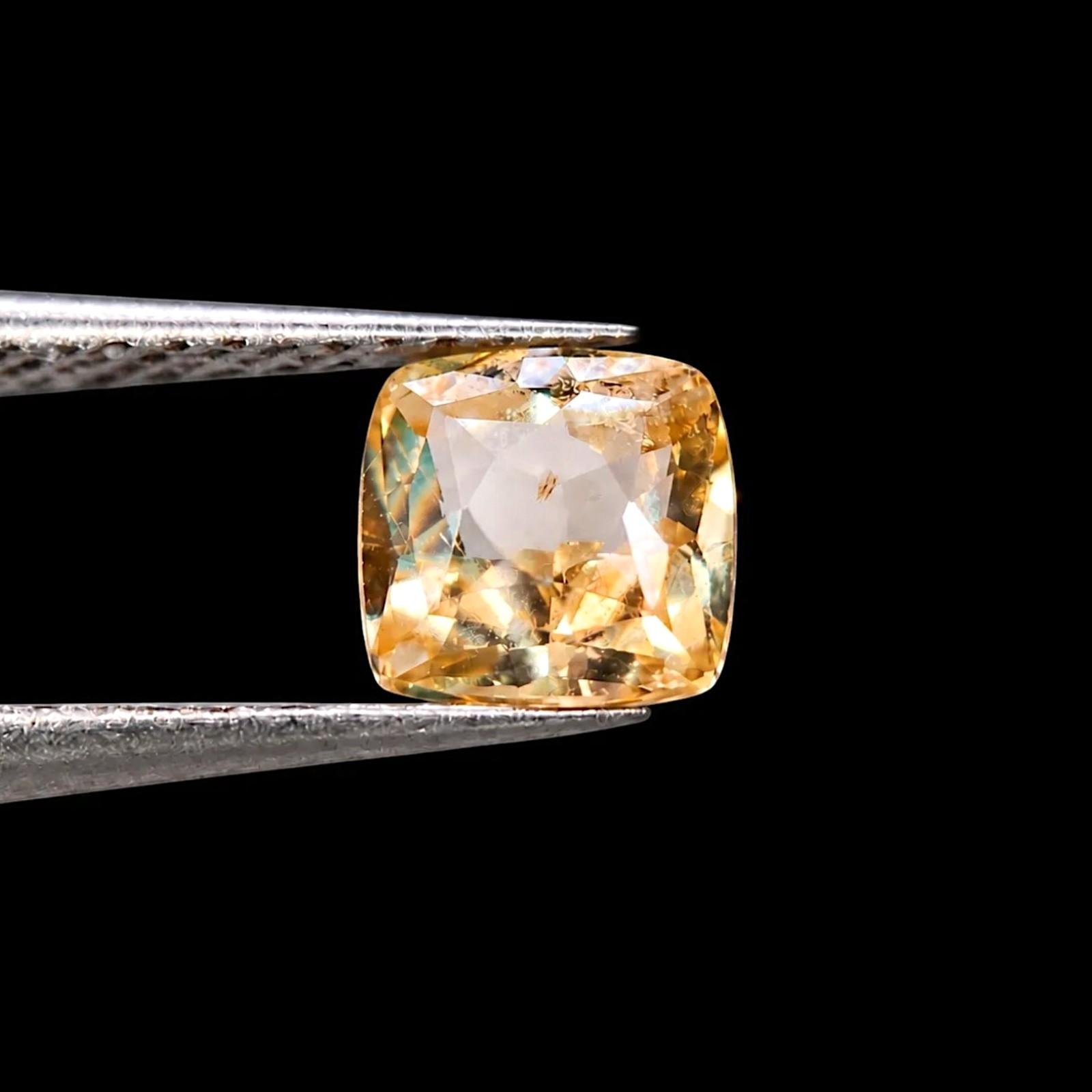
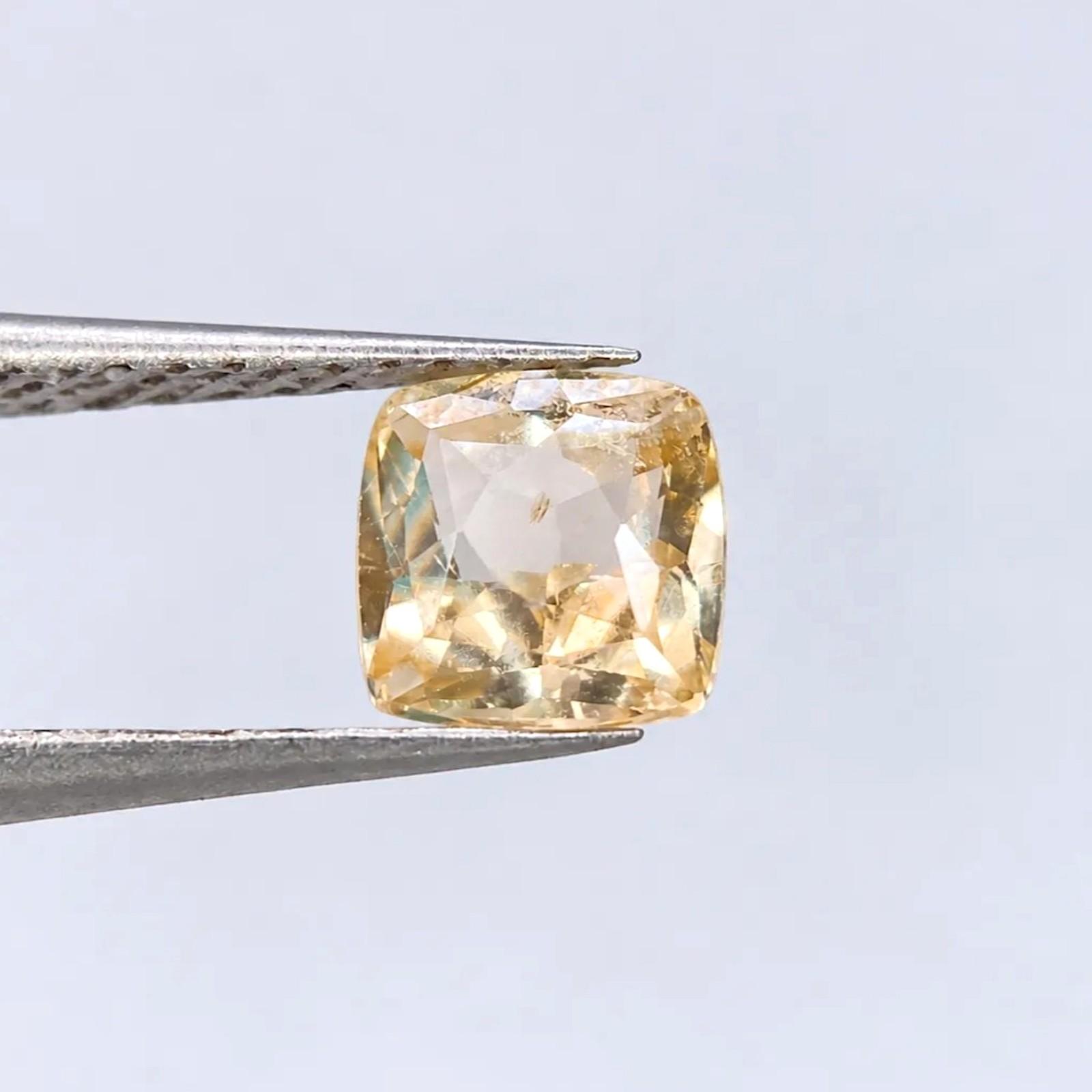
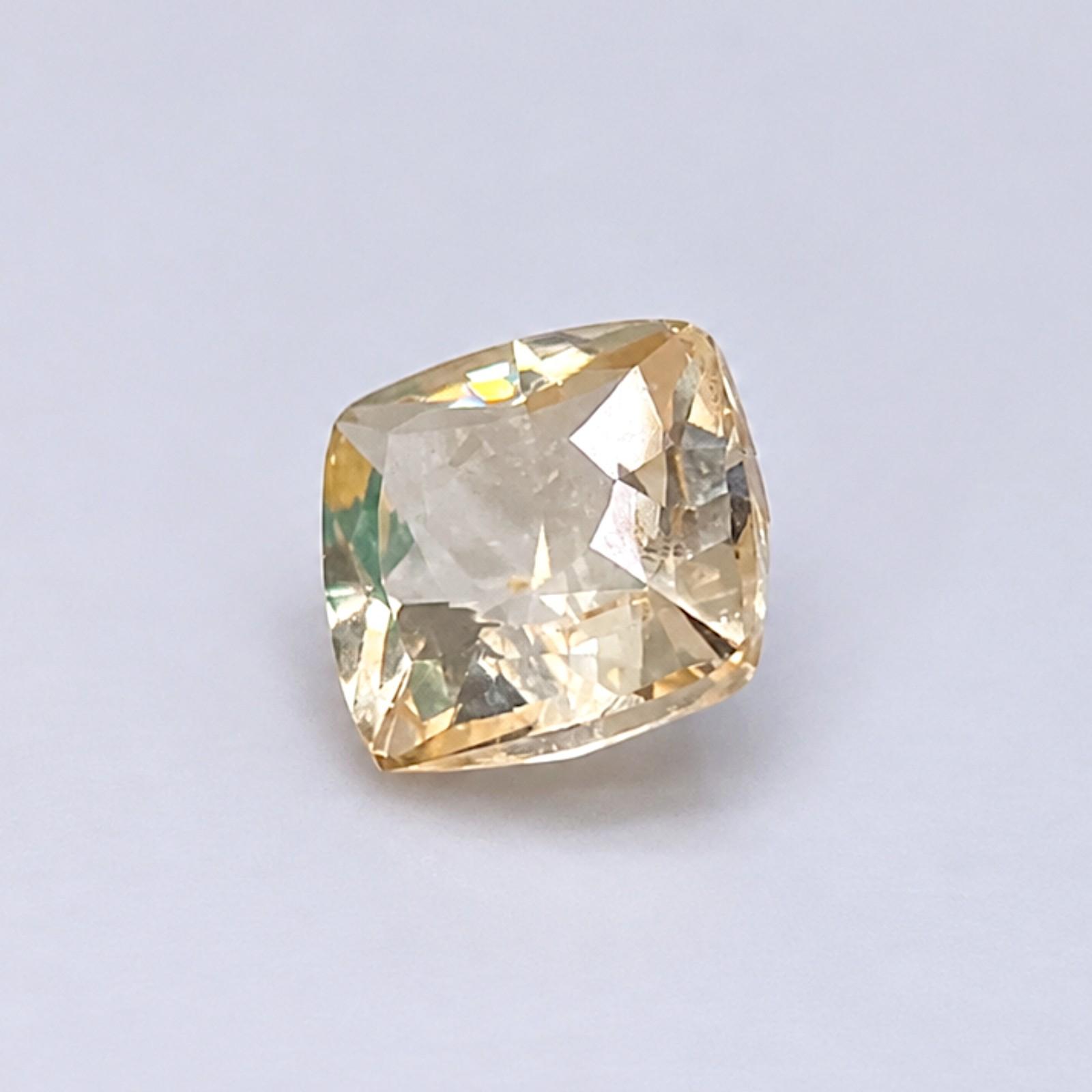
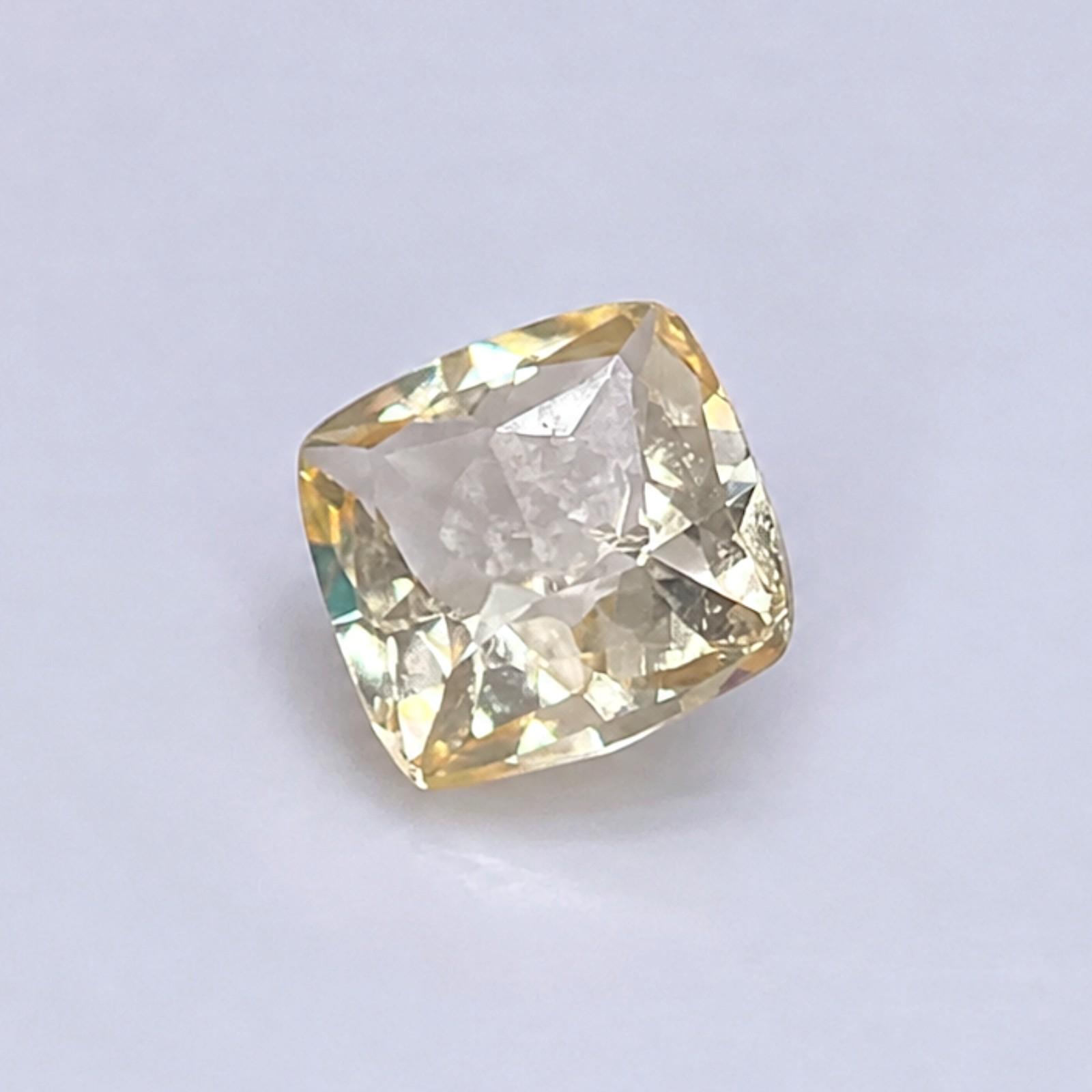


- Freakingcats Gemstone Database
Grossular Garnet (Brazil)
Grossular Garnet from the contact metamorphic skarns, calc-silicate marbles, and complex pegmatite border zones of Brazil—most celebrated from the historic deposits of the Jequitinhonha and Mucuri valleys in Minas Gerais, as well as the specialized skarn belts of Bahia and Rio Grande do Norte—represents an extraordinary, structurally immaculate expression of isometric ugrandite crystallization. A calcium-aluminum nesosilicate belonging to the garnet supergroup, it is a species I have always respected for its “warm-cinnamon-amber” to “vivid-mint-green” and “water-clear-leuco” daylight fire, glassy surface brilliance, and its status as a masterclass in “isometric-hexoctahedral” structural discipline. For the specialist, a top-tier Brazilian Grossular—whether presenting as a mirror-faced, sharp dodecahedron of cinnamon-orange hessonite, a gemmy pastel-green crystal from a pegmatitic alteration zone, or an exceedingly rare colorless “leuco” grossular from the metamorphic interior—is a prized trophy of intense thermal metasomatism; it offers a bright vitreous to sub-adamantine surface luster and an authoritative presence that makes it an indispensable cornerstone for the systematic vault. As an artist, I find the warm, radiant glow of its internal facets—often exhibiting the classic, swirling “syrupy” optical convection typical of fine hessonite—to be one of nature’s most sophisticated and visually comforting crystalline architectures.
The Heritage & Discovery
Historical Significance
Grossular is an indispensable index species for decoding contact metasomatic fluid interactions, calc-silicate decarbonation reactions, and calcium-aluminum partitioning in metamorphosed carbonate strata. Historically named in 1808 by Abraham Gottlob Werner from the botanical name for the gooseberry, Ribes grossularia, in direct allusion to the pale green color and spherical appearance of its classic Siberian type specimens, grossular has long held a revered status in systematic mineralogy and gemology. While East Africa and Sri Lanka established major historical milestones for gem-quality grossular (such as tsavorite and hessonite), the steady exploration of Brazil’s crystalline basements during the 20th century uncovered world-class skarns and pegmatite contact aureoles, confirming South America’s capacity to yield macrocrystalline grossulars of remarkable clarity, saturated warmth, and geometric perfection.
Discovery
The unearthing of macrocrystalline grossular garnet across Brazil took place alongside regional mining for tourmaline, beryl, industrial calc-silicates, and alluvial gem gravels. Scientifically, Grossular crystallizes in the isometric system (space group Ia3d), featuring an independent tetrahedral nesosilicate framework where isolated silica tetrahedra (SiO44-) link directly with aluminum-filled octahedral sites and eight-coordinated calcium cations occupying distorted cubic polyhedra. In Brazilian contact zones, silica- and alumina-rich hydrothermal fluids emanating from granitic plutons and pegmatite intrusions infiltrated impure limestones and dolomites, triggering high-temperature calc-silicate metasomatism that enabled grossular to grow into pristine, euhedral crystals in open vugs and skarn seams. The species exhibits a broad chromatic spectrum dictated by localized transition-metal substitutions: brilliant cinnamon-orange and golden-amber hues (the “hessonite” variety) are governed by trace ferric iron (Fe3+) and manganese (Mn2+), delicate to vibrant green tones are induced by trace chromium (Cr3+) or vanadium (V3+), and complete absence of transition-metal chromophores produces the rare, pristine colorless “leuco-grossular.” My own respect for this material grew from examining its internal growth textures under direct lighting; specifically, observing a sharp, cinnamon-orange dodecahedron reveal the gentle, swirling treacle-like optical structure characteristic of hessonite while maintaining razor-sharp external dodecahedral facets demonstrates a physical harmony that is deeply satisfying to the trained eye.
Important Mines
The primary capitals for collector-grade, crystallized grossular garnet within Brazil are distributed across the metamorphic belts of Minas Gerais, Bahia, and the Northeast. Foremost among them are the calc-silicate skarns and pegmatitic contact zones of the Jequitinhonha Valley (particularly around Araçuaí, Itaobim, and Medina) and the Mucuri Valley (around Teófilo Otoni) in Minas Gerais, world-renowned for producing exceptional, gemmy crystals of orange-to-honey hessonite, often perched on quartz, epidote, or albite. In Bahia, classic contact deposits within the São Francisco Craton have yielded sharp, lustrous brown-orange and yellowish-green dodecahedrons. In the Northeast, notable occurrences of green and pastel grossular have been documented in the scheelite-bearing skarns of the Seridó fold belt in Rio Grande do Norte (such as the Currais Novos district) and Ceará. For the systematic vault, I prioritize specimens that exhibit sharp, undamaged rhombic dodecahedral or trapezohedral geometry, rich natural amber-orange or mint-green color saturation, high internal translucency, and an aesthetic matrix anchor alongside contrasting calc-silicate or feldspathic minerals.
Mineralogical Profile
Description
Grossular is a calcium aluminum nesosilicate mineral belonging to the ugrandite series of the garnet supergroup, crystallizing in the isometric (cubic) system within the hexoctahedral crystal class. It sits at a robust 6.5 to 7.5 on the Mohs scale, meaning its crystal faces possess exceptional structural hardness and resistance to surface scratching, though its brittle tenacity, sub-conchoidal to uneven fracture, and absence of true cleavage (exhibiting only occasional parting along {110}) require dedicated archival care to safeguard its crisp crystal edges, razor-sharp corners, and delicate facet junctions from mechanical impacts or sharp localized pressure. It is characterized by its bright, reflective vitreous to sub-adamantine surface luster and an expansive color palette dominated by cinnamon-orange, honey-amber, golden-yellow, brownish-red (hessonite), mint-green, pale chartreuse, and transparent colorless (leuco-grossular).
One of its most identifying traits is its classic garnet habit, routinely forming sharp rhombic dodecahedrons {110}, trapezohedrons (icositetrahedrons) {211}, and balanced combinations of both forms displaying delicate stepped growth striations, or occurring as compact granular masses lining skarn contact zones. It possesses a high refractive index running from approximately 1.734 to 1.750, imparting crisp internal brilliance and lively optical fire, paired with a substantial average specific gravity ranging between 3.56 and 3.65 that reflects its tightly bonded calcium-aluminum silicate architecture. Because it forms almost exclusively in contact metamorphic skarns, altered calc-silicate marbles, and pegmatite border margins, it is commonly found in close association with Diopside, Wollastonite, Calcite, Epidote, Vesuvianite (Idocrase), Quartz, Albite, Clinozoisite, and Scheelite. When I select an example for documentation, I look for crisp isometric geometry, saturated and uniform color warmth, high internal optical transparency, and complete freedom from edge chipping, as these emphasize the sophisticated, pyrometamorphic chemistry of the mineral’s dramatic subterranean birth.
Chemical Formula
Ca3Al2(SiO4)3 (with solid solution toward Andradite via Fe3+ and trace Cr/V/Mn substitutions)


