
0.65 ct CELESTITE – MADAGASCAR
EXPERT VERIFIED
- Expert Verified Gemstone
- Fast Handling & Shipping
- Secure Vault Packaging
$ 100
Offer amount Feild


Smart Collector Choice


Pay with Crypto & Get 10% Automatic Discount

Out of stock
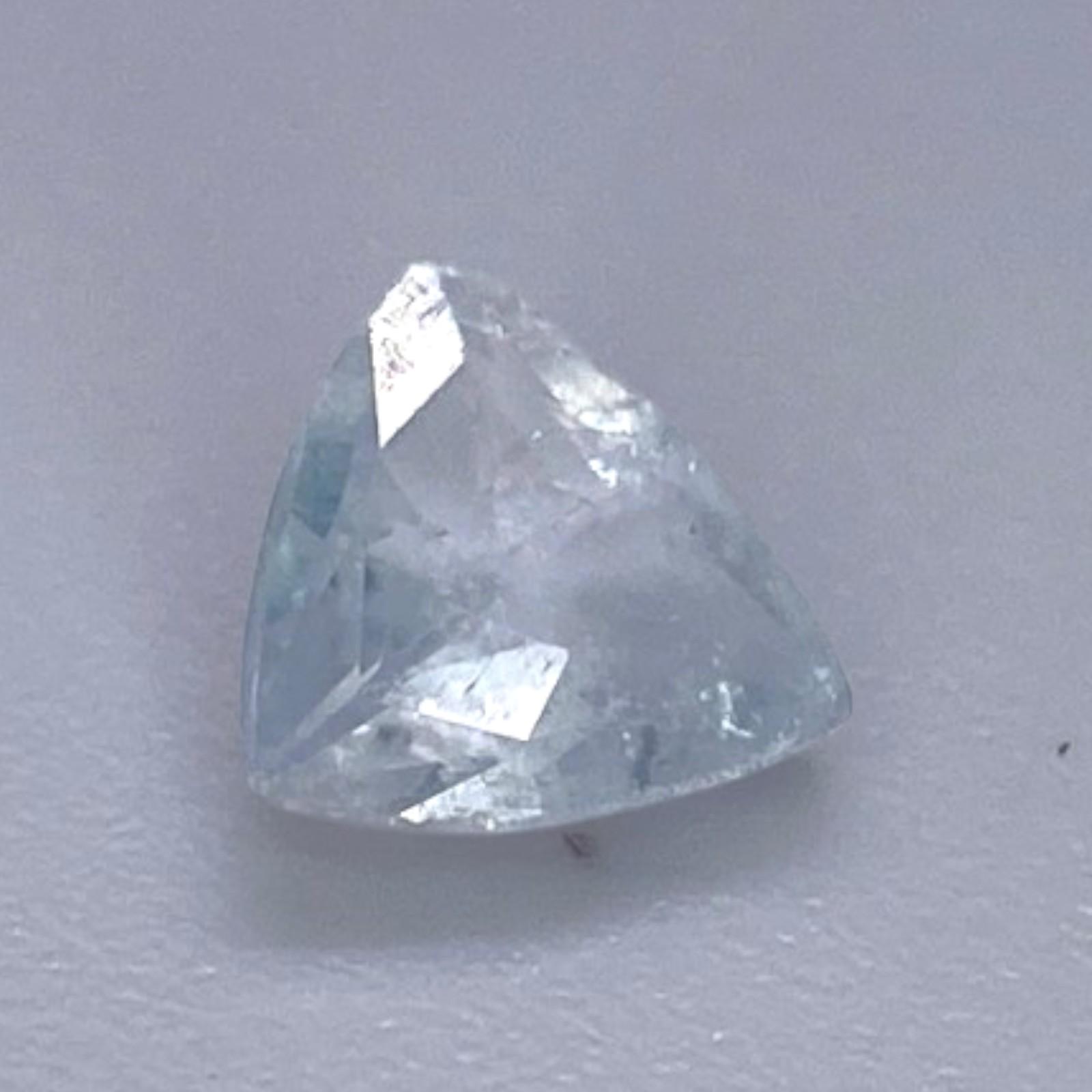
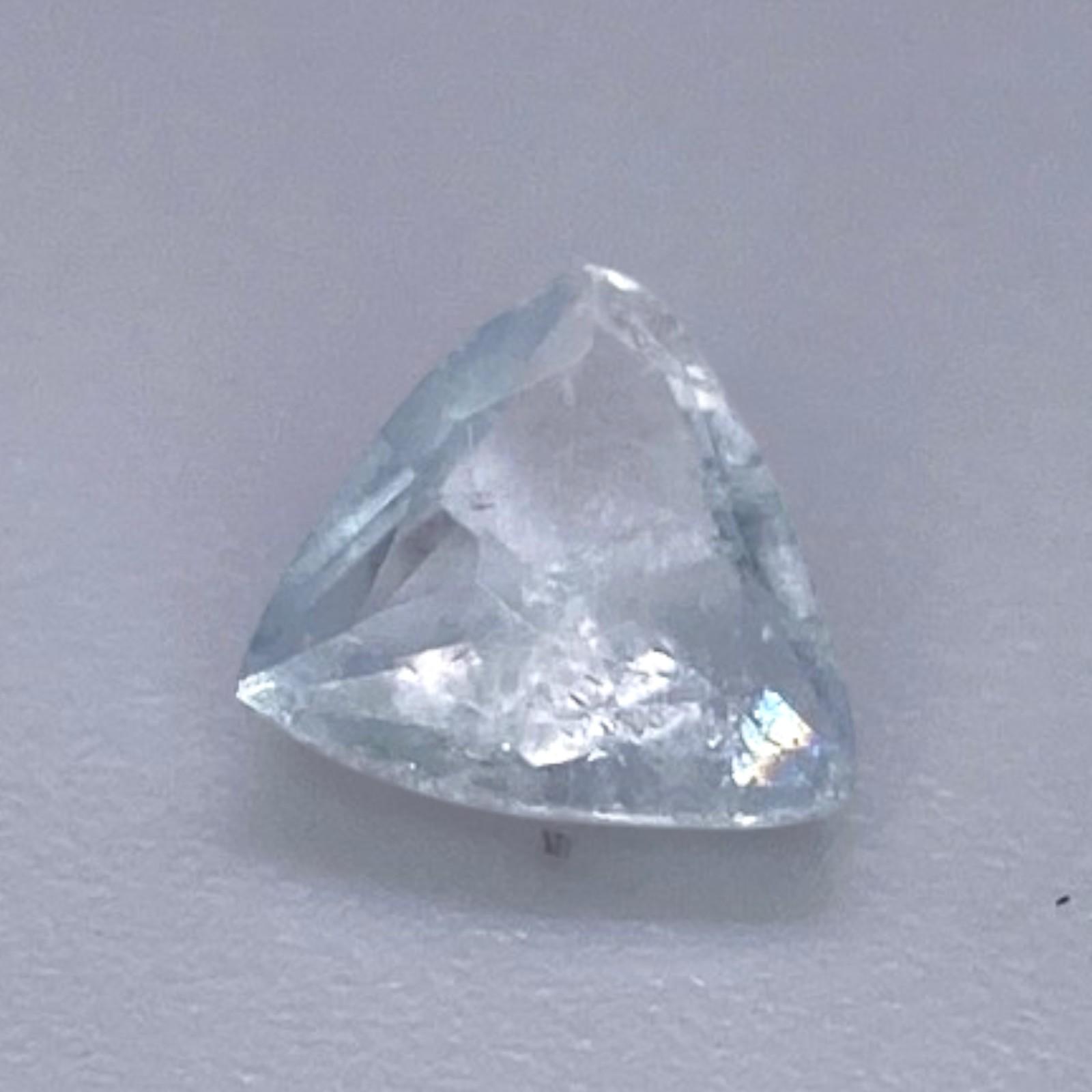
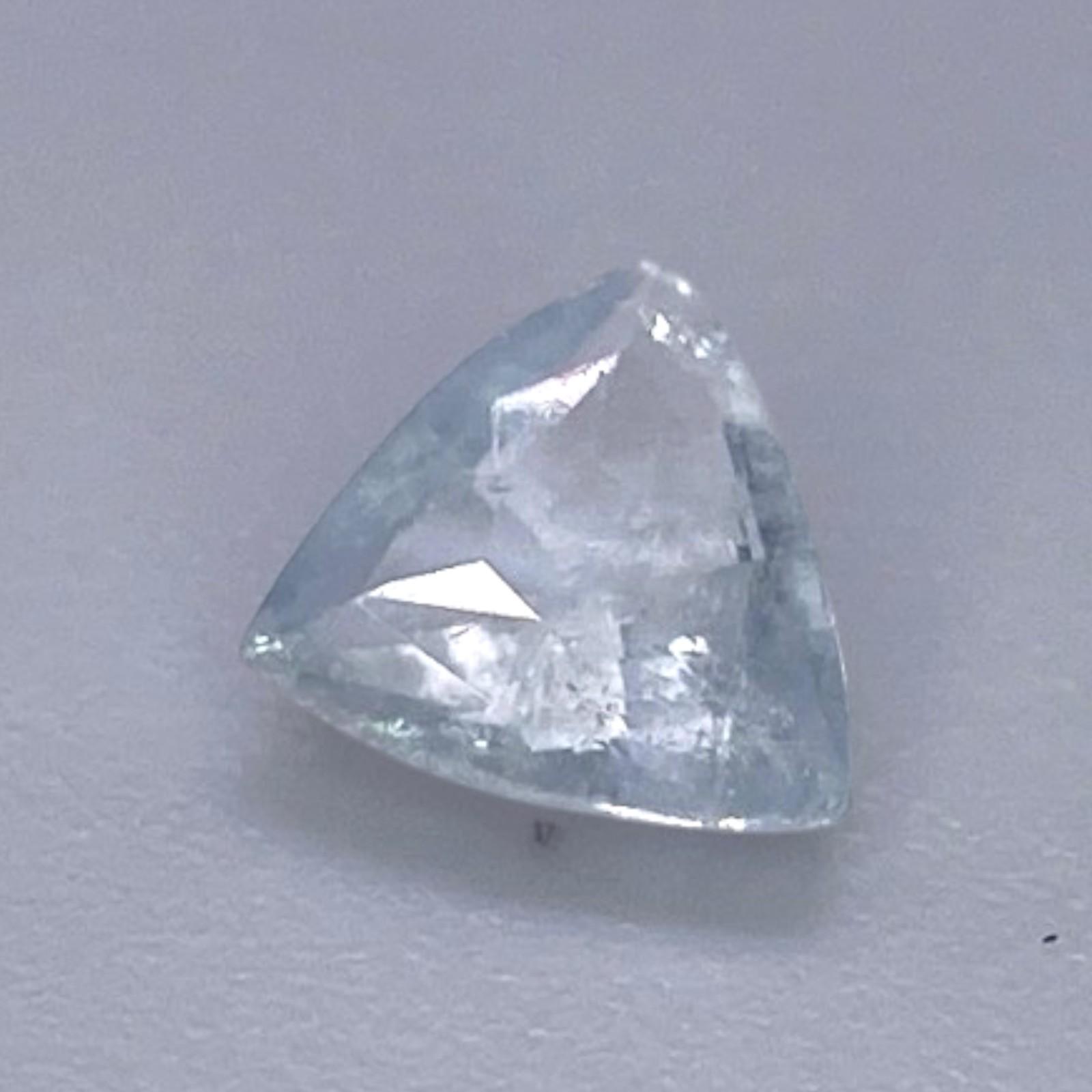
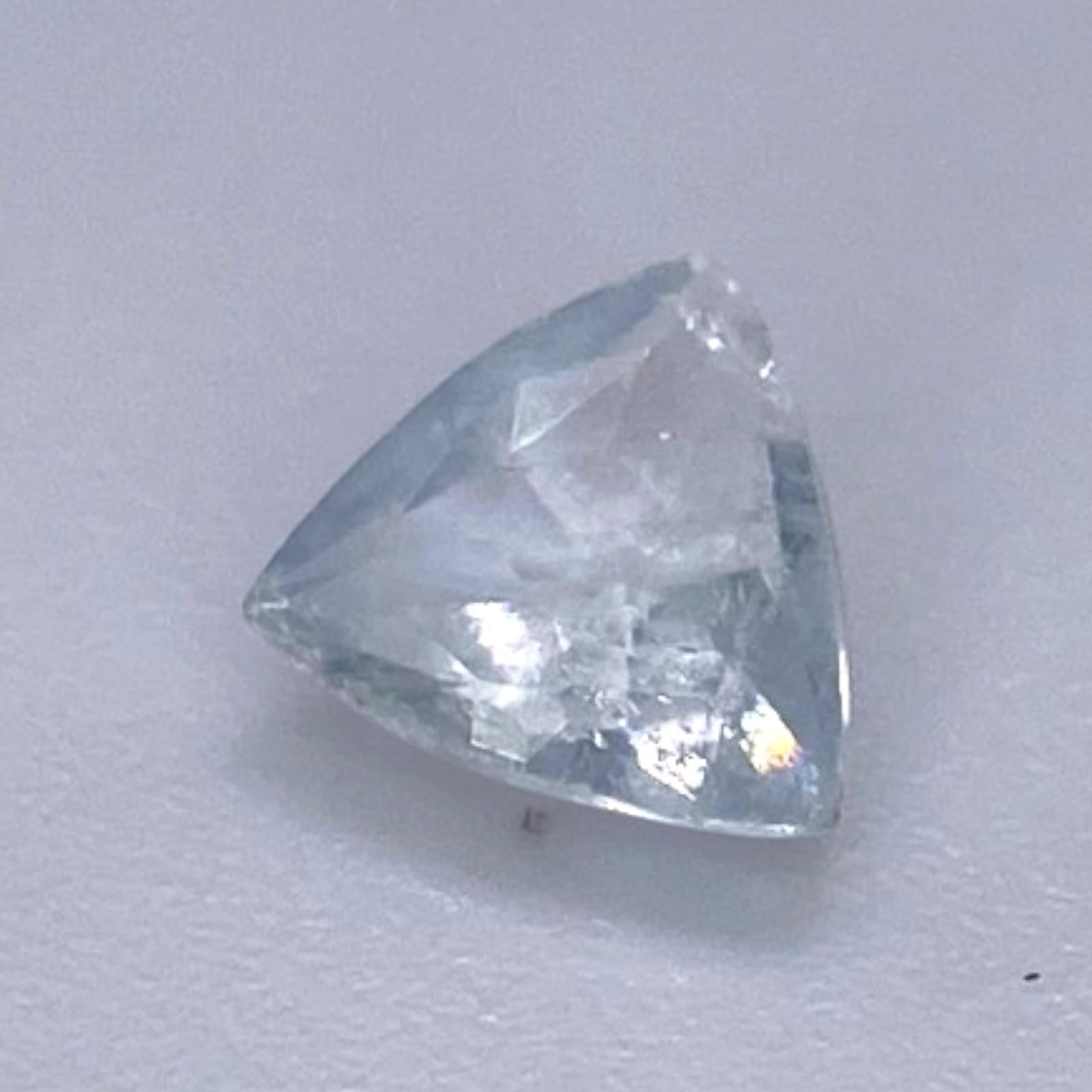
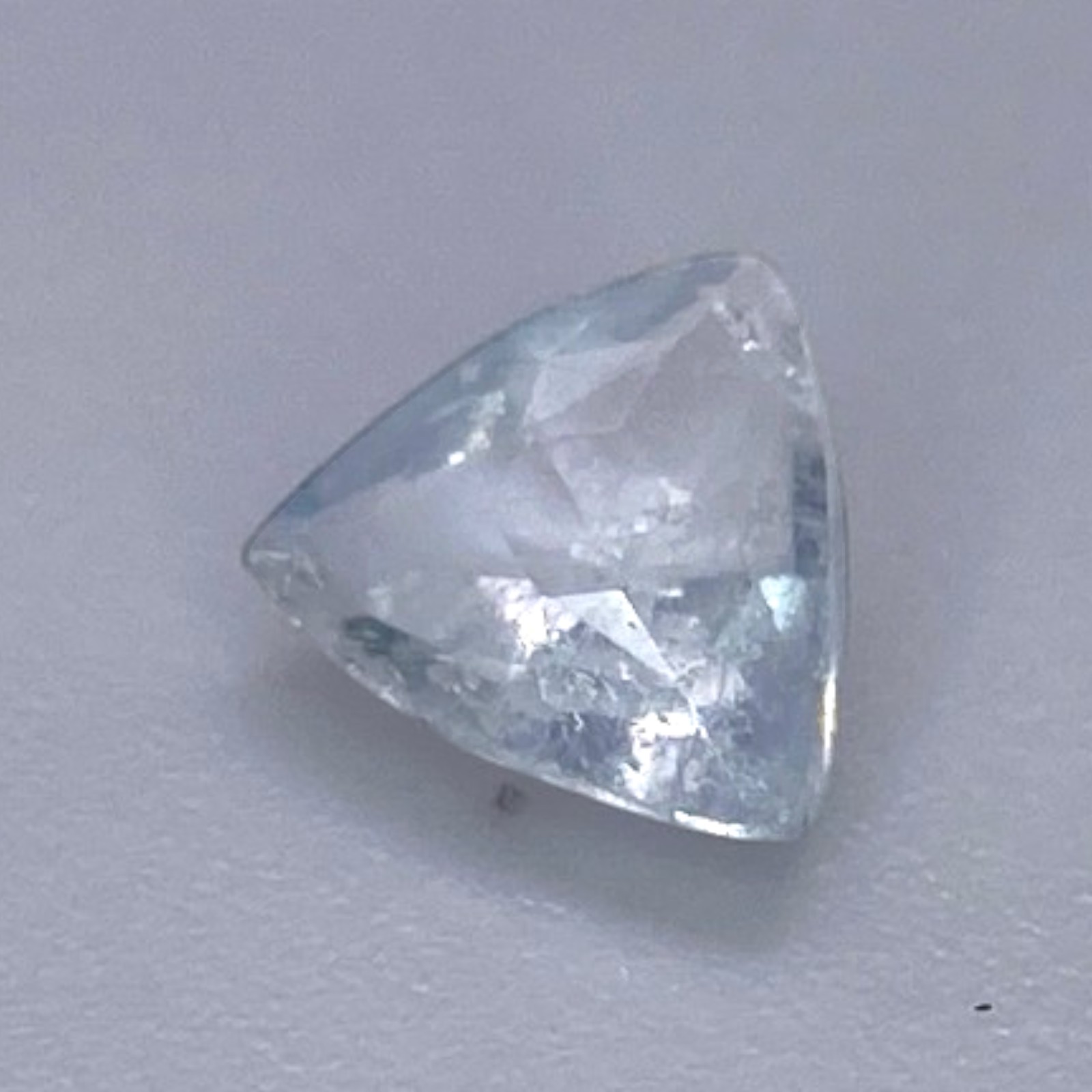
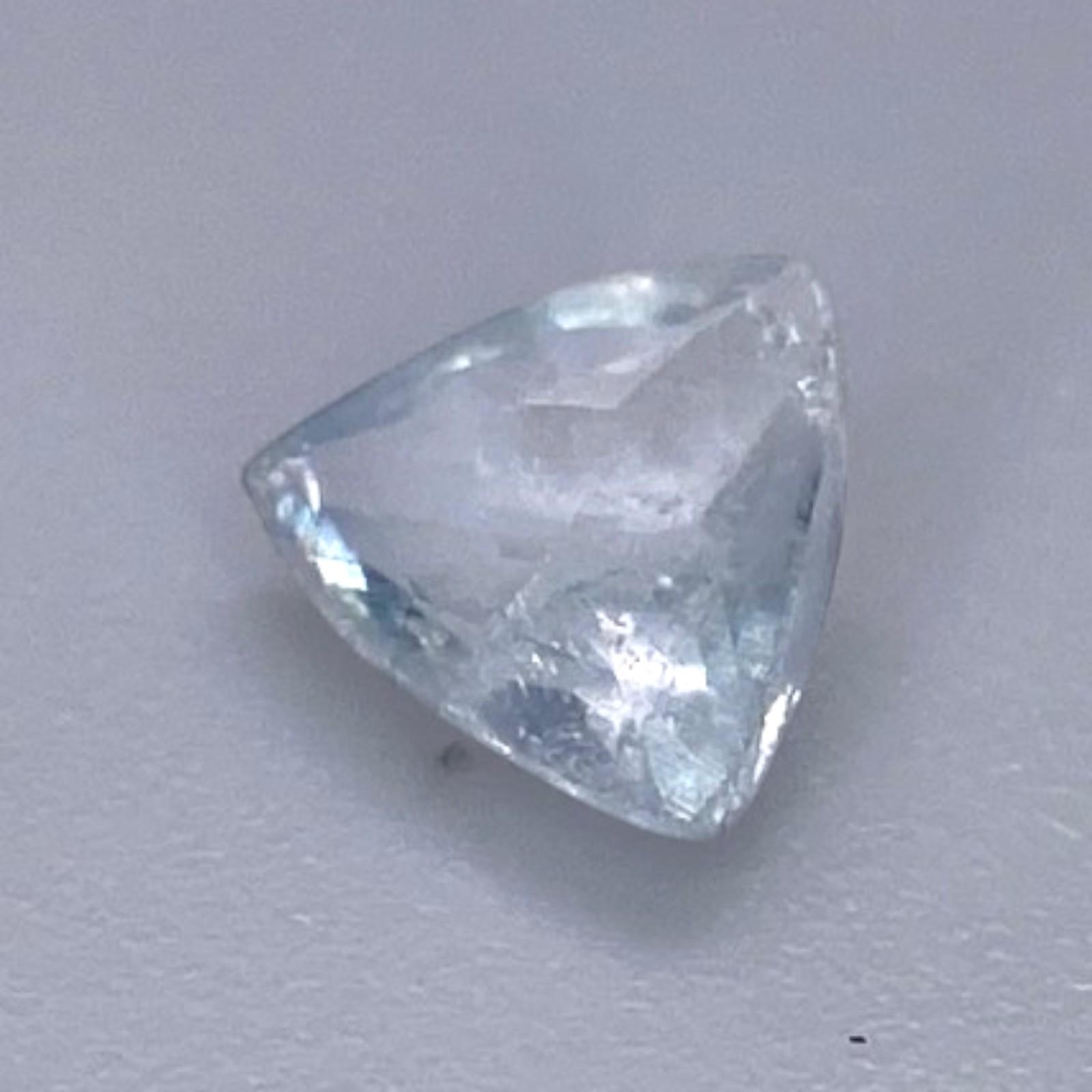
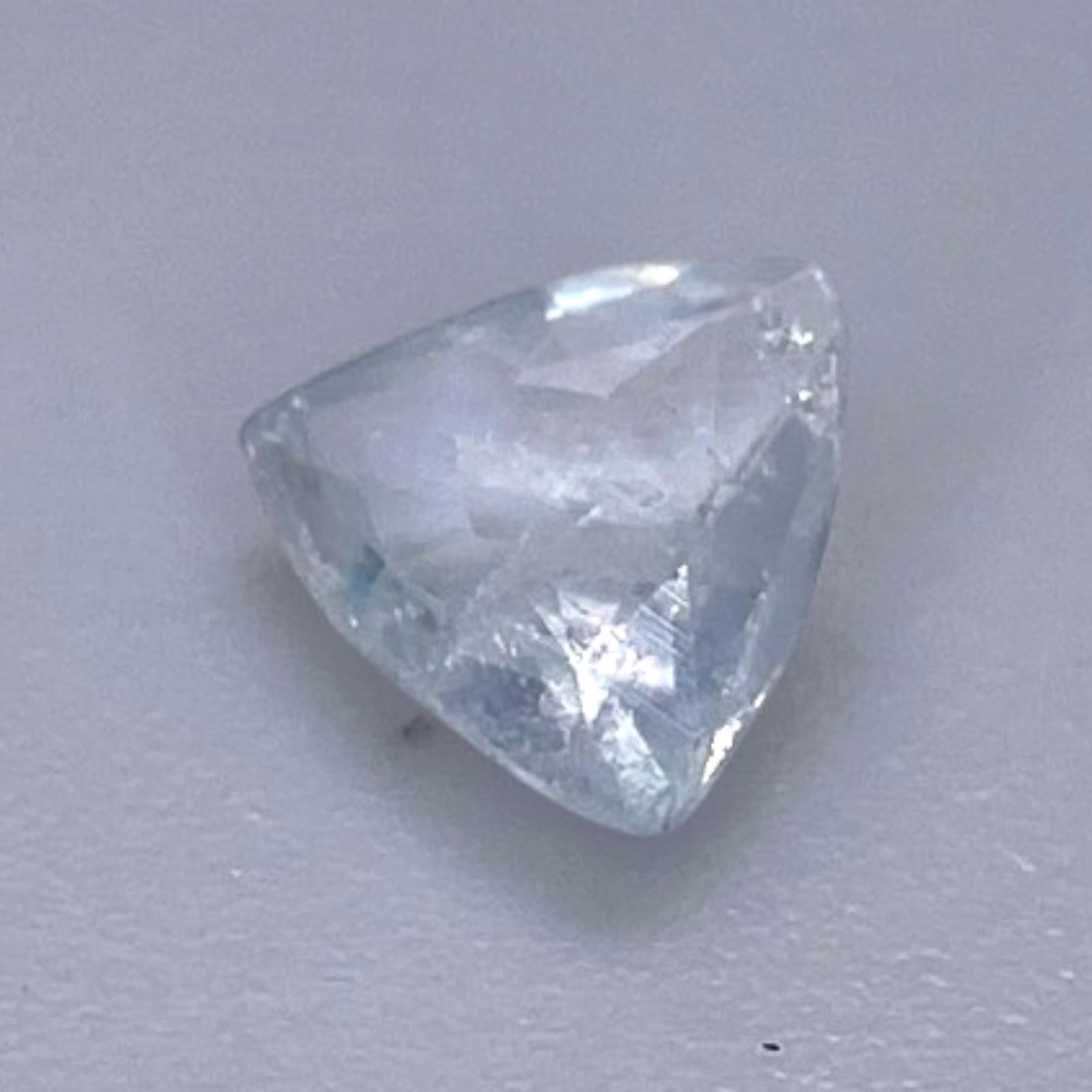


- Freakingcats Gemstone Database
Celestite
Celestite represents the “ethereal sky” of the sulfate world. A strontium sulfate, it is a mineral I have always respected for its “heavenly” pale blue color—a hue so specific it defined the naming of the species. While it can occur in colorless, white, or even soft orange varieties, the definitive Celestite is the “celestial” blue that forms in spectacular, geode-like cavities. For the specialist, Celestite is a prize of geometrical purity; its orthorhombic crystals often form sharp, “blade-like” or tabular prisms with a vitreous luster that feels both fragile and immensely high-vibration. It is a stone of “crystalline peace,” providing a sophisticated, “airy” aesthetic that makes it a true “visual sanctuary” for the systematic vault.
The Heritage & Discovery
Historical Significance: Celestite is a vital species for understanding the concentration of strontium in sedimentary environments. Historically, it was used as the primary source of strontium for “red-fire” pyrotechnics, but for the connoisseur, it is celebrated for its extraordinary geode formations. In the world of fine minerals, it is valued for its role as a “heavy” sulfate that maintains a light, transparent appearance. It stands as a symbol of tranquility and structural focus, bridging the gap between common evaporite minerals and the elite world of “water-clear” collector gems. It serves as a reminder that nature can create a stone that captures the essence of the atmosphere within the density of a mineral lattice.
Discovery: The mineral was formally named in 1798 by Abraham Gottlob Werner. The name is derived from the Latin caelestis, meaning “celestial” or “heavenly,” in reference to its characteristic blue color. Scientifically, it is the strontium-dominant member of the barite group. Its discovery in the Bell’s Mill region of Pennsylvania provided mineralogists with the first clear look at how strontium sulfates can replace calcium-rich materials in sedimentary beds. My own respect for this material grew from observing its “blade-like” architecture; the way the crystals radiate from the walls of a geode creates a three-dimensional landscape of light that is unmatched in the sulfate group.
Important Mines: The undisputed world capital for the finest, most aesthetic “sky-blue” Celestite geodes is Sakoany in the Majunga Province, Madagascar. These specimens set the global benchmark for color saturation and crystal size. I also have a high regard for the spectacular “tabular” crystals from the Meikle Mine in Nevada, USA, and the rare, “gemmy” orange varieties from Italy. For the vault, I prioritize the Madagascan material for its iconic geode morphology and its “electric” blue brilliance.
Mineralogical Profile
Description: Celestite is a strontium sulfate that crystallizes in the orthorhombic system. It sits at a 3 to 3.5 on the Mohs scale, making it a very soft and delicate mineral that requires careful handling to avoid bruising its perfect cleavage. It is characterized by its vitreous to pearly luster and its unmistakable “serene” blue coloration.
One of its most identifying traits is its high specific gravity (SG approx 3.9$to 4.0), which makes it feel surprisingly heavy for such a light-colored, transparent stone. It has a moderate refractive index (n approx 1.62 to 1.63) and exhibits perfect cleavage in three directions. Because it is an evaporite and hydrothermal mineral, it is often found in association with Sulfur, Gypsum, and Halite. When I select a piece for the collection, I look for “razor-sharp” terminations and a lack of the “crumbly” matrix that can occur in lesser material, as these highlight the sophisticated, three-dimensional geometry of the mineral’s growth. It is a dense, high-vibration mineral that offers a unique, “aqueous” beauty unlike any other sulfate species.
Chemical Formula: SrSO4


