
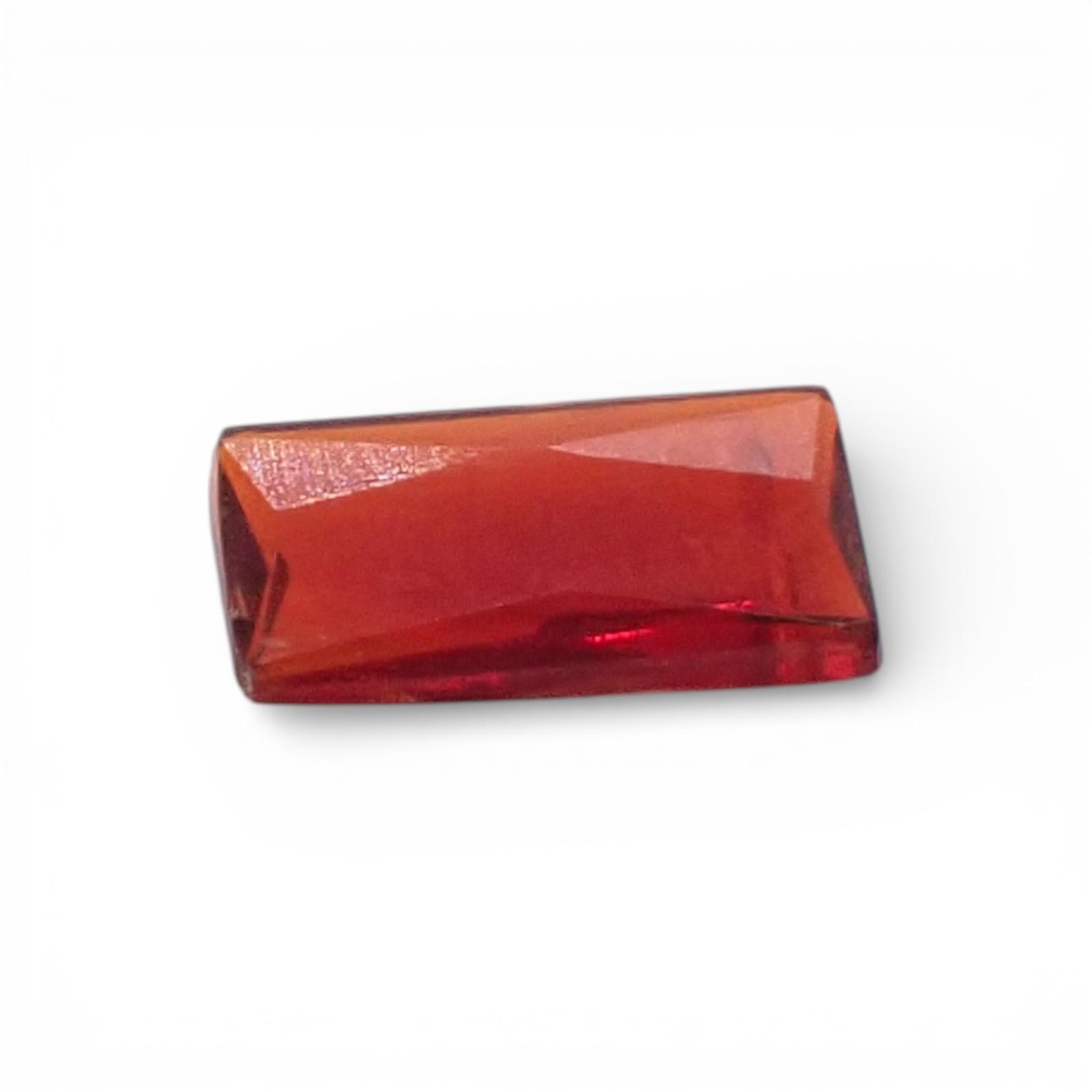
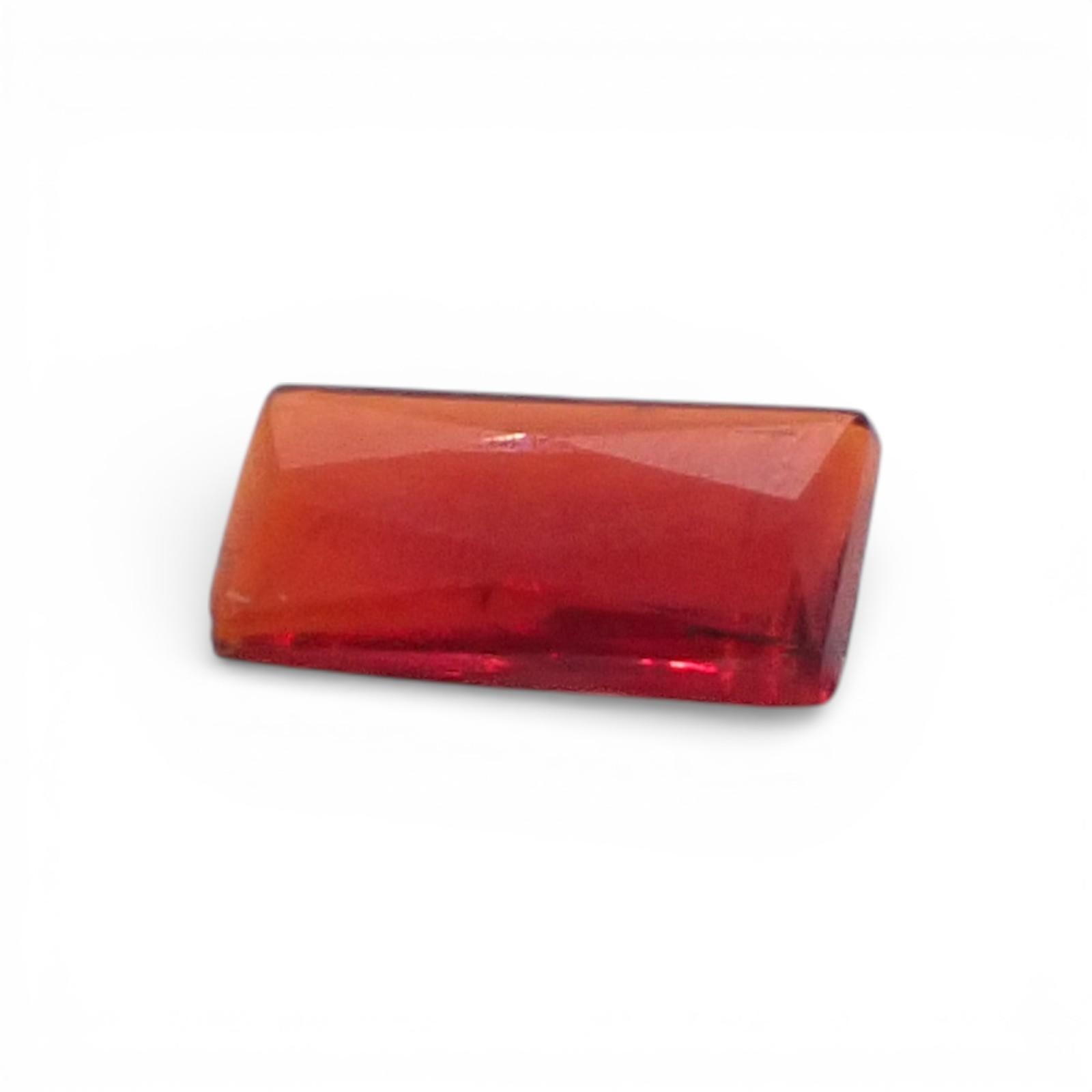
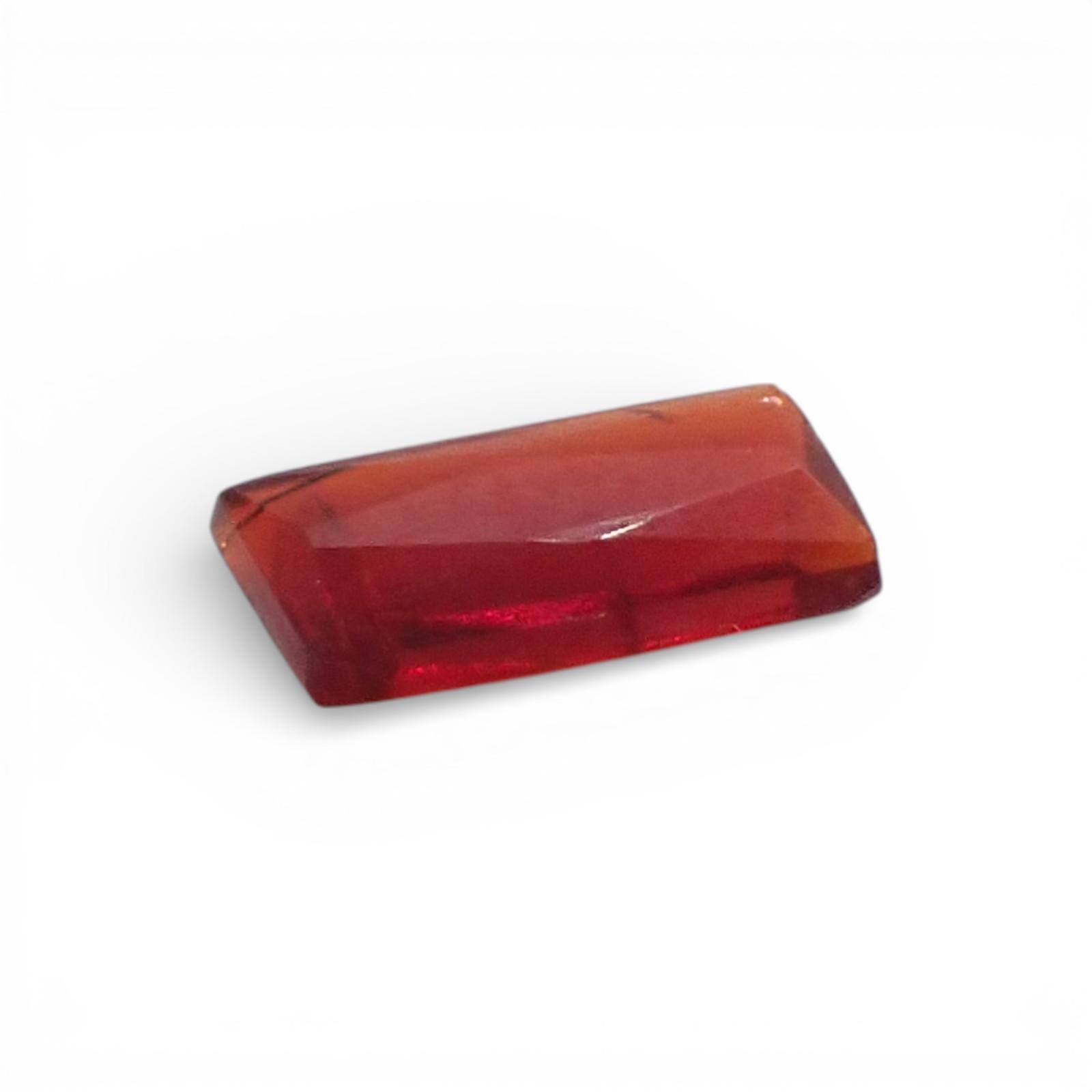
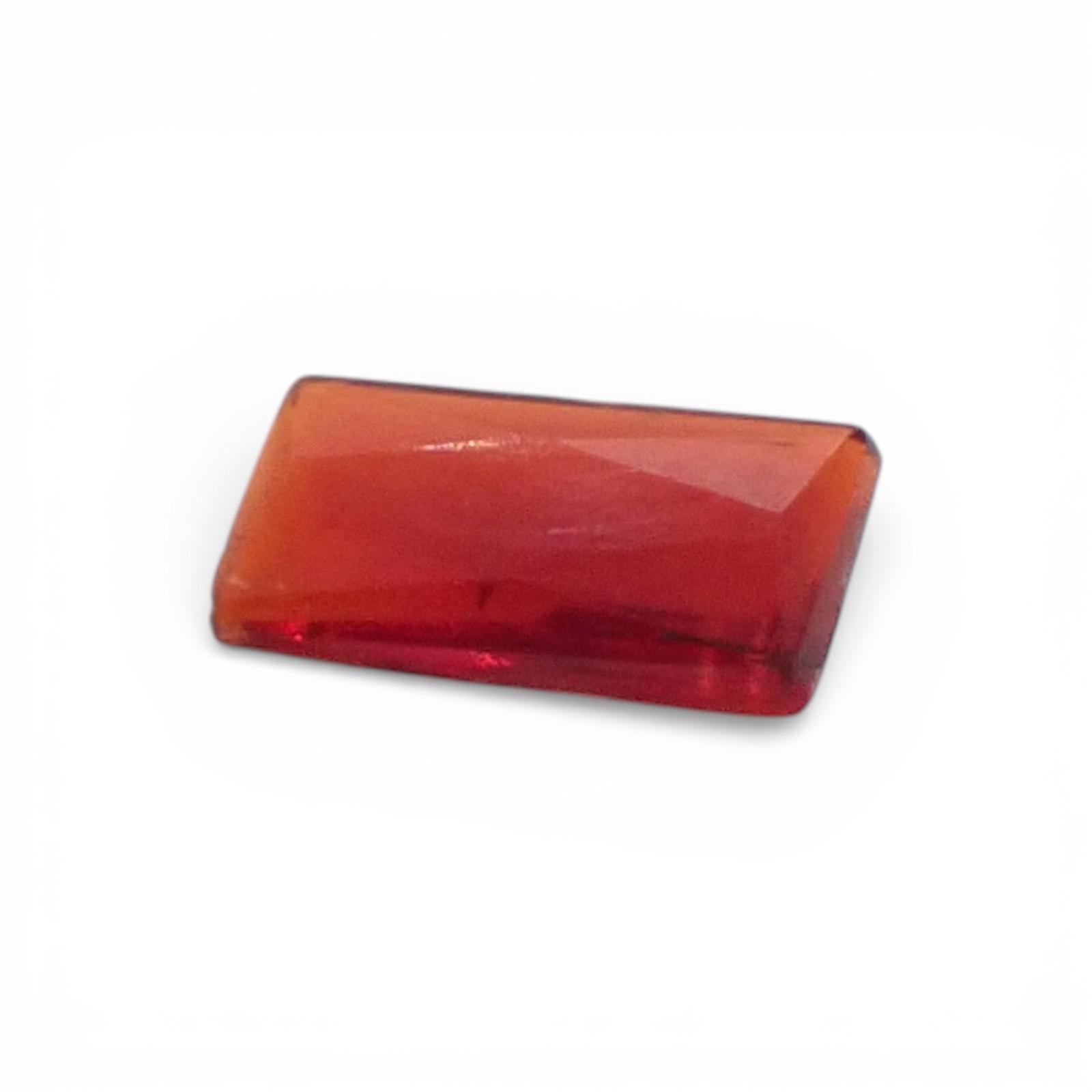
0.70 ct VILLIAUMITE – RUSSIA
EXPERT VERIFIED
- Expert Verified Gemstone
- Fast Handling & Shipping
- Secure Vault Packaging
$ 400
Offer amount Feild


Smart Collector Choice


Pay with Crypto & Get 10% Automatic Discount

Out of stock


- Freakingcats Gemstone Database
Villiaumite
Villiaumite represents the “forbidden fire” of the halide world. A rare sodium fluoride, it is a species I have always respected for its “blood-red” to “carmine” intensity—a color so deep and visceral it is rarely matched by any other mineral. It typically presents as translucent to transparent crystals or massive aggregates within highly alkaline igneous rocks. For the specialist, Villiaumite is a prize of geochemical extremity; it is one of the few water-soluble halides that can form large, gemmy crystals. It is a stone of “crystalline heat,” providing a sophisticated, “neon-crimson” aesthetic that makes it a true “high-danger” treasure for the systematic vault.
The Heritage & Discovery
Historical Significance: Villiaumite is a vital species for understanding the chemistry of agpaitic (ultra-alkaline) pegmatites. Historically, it was a rare and challenging discovery, as its water-solubility means it can only survive in environments shielded from moisture. In the world of fine minerals, it is celebrated for its extraordinary “depth” of red. It stands as a symbol of chemical purity and fragility, bridging the gap between common salts and the elite world of “water-sensitive” collector gems. It serves as a reminder that the most “aggressive” colors in nature often belong to the most delicate and soluble structures.
Discovery: The mineral was formally named in 1908 in honor of Maxime Villiaume, a French explorer who collected the first specimens in Guinea. Scientifically, it is a simple sodium fluoride. Its discovery in the Los Islands provided mineralogists with the first clear look at a natural fluoride that was not Fluorite, helping to map the fluoride-dominant phases of alkaline massifs. My own respect for this material is rooted in its rare transparency; because it is isometric, a clean piece of Villiaumite has a “liquid” look that makes the red appear to flow from within the stone.
Important Mines: The undisputed world capital for the finest, largest, and most “gemmy” Villiaumite is the Khibiny and Lovozero Massifs in the Kola Peninsula, Russia. These Siberian giants produce the “monumental” red crystals that set the global benchmark. I also have a high regard for the classic specimens from the Aris Quarries in Namibia and the type-locality in the Los Islands, Guinea. For the vault, I prioritize the Russian material for its unmatched crystal size and its characteristic “ruby-red” saturation.
Mineralogical Profile
Description: Villiaumite is a sodium fluoride that crystallizes in the isometric (cubic) system. It sits at a 2 to 2.5 on the Mohs scale, making it an exceptionally soft and fragile mineral. Because it is water-soluble and toxic if ingested or inhaled as dust, it must be handled with care and stored in a dry, protected environment. It is characterized by its vitreous luster and its unmistakable “deep carmine” to “dark orange” color palette.
One of its most identifying traits is its strong pleochroism (unusual for an isometric mineral, often due to internal strain) and its specific gravity ($SG \approx 2.79$), which gives it a feel similar to Quartz. It has a low refractive index ($n \approx 1.32$), which contributes to its unique, “soft” internal reflection. Because it forms in highly evolved alkaline rocks, it is often found in association with Aegirine, Sodallite, and Nepheline. When I select a piece for the collection, I look for “sharp” cubic outlines and a “liquid-red” transparency, as these highlight the sophisticated, three-dimensional geometry of the mineral’s growth. It is a dense, high-vibration mineral that offers a unique, “fiery” beauty unlike any other halide species.
Chemical Formula: NaF


