
0.85 ct SYNGENITE – UKRAINE
EXPERT VERIFIED
- Expert Verified Gemstone
- Fast Handling & Shipping
- Secure Vault Packaging
$ 500
Offer amount Feild


Smart Collector Choice


Pay with Crypto & Get 10% Automatic Discount

Availability: 1 in stock
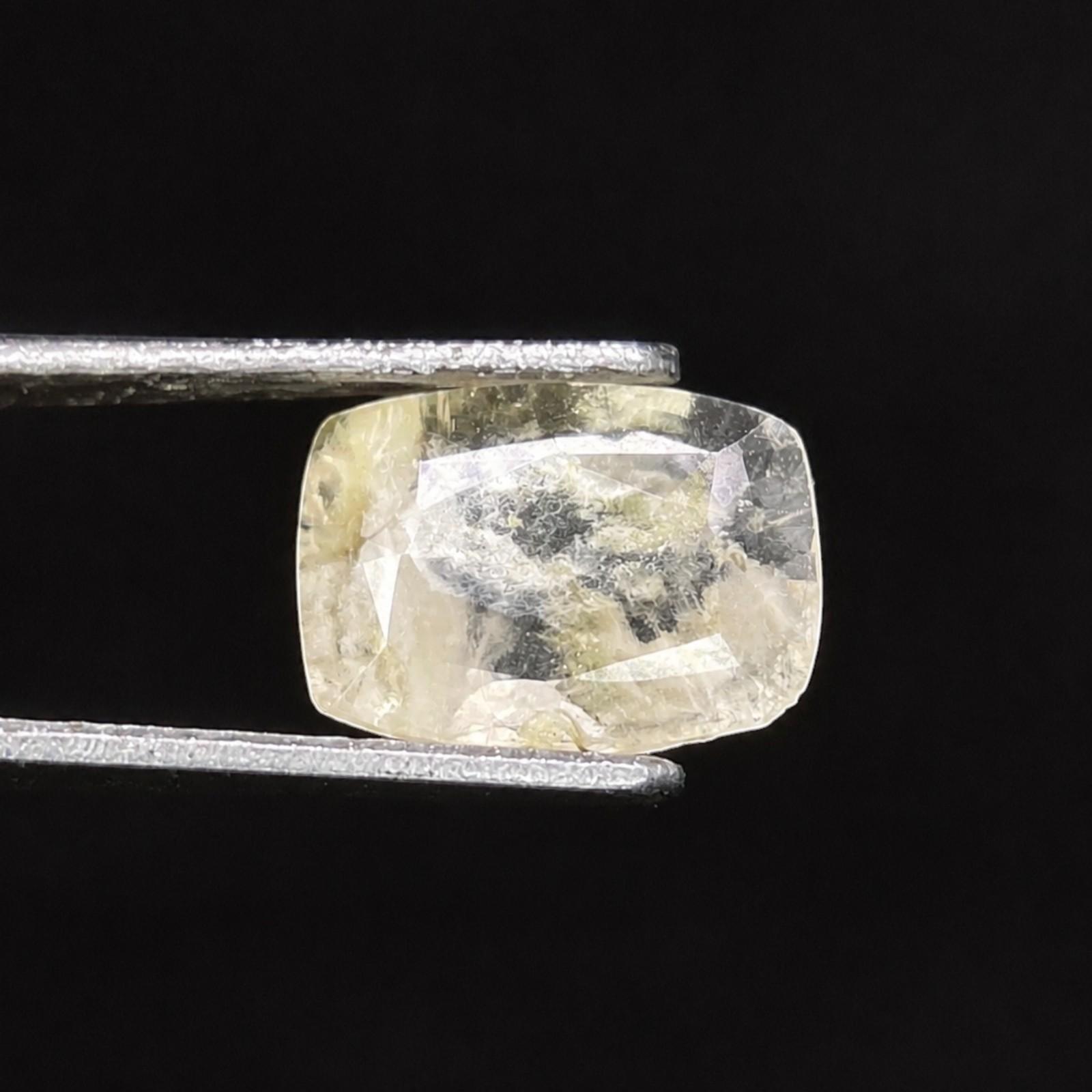
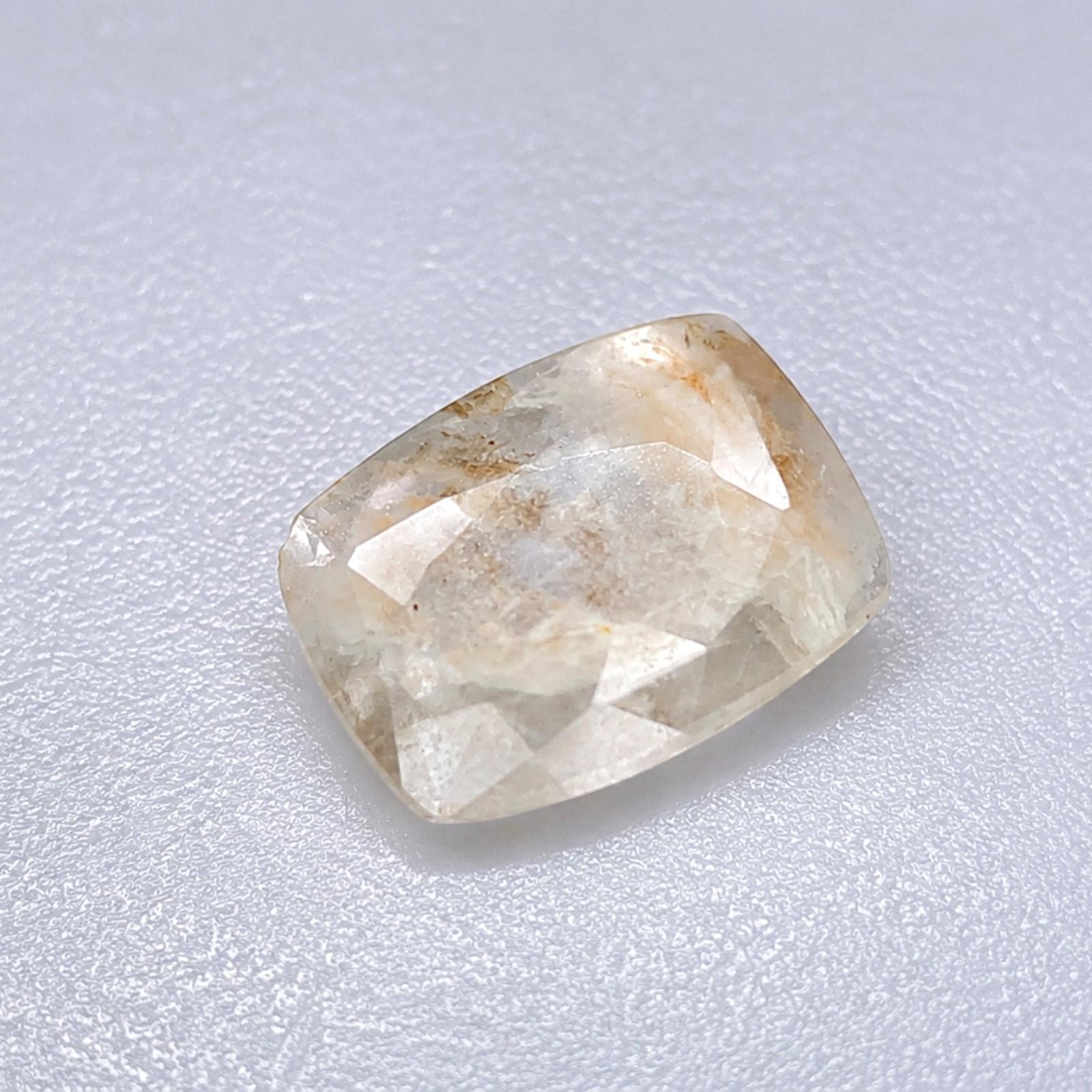
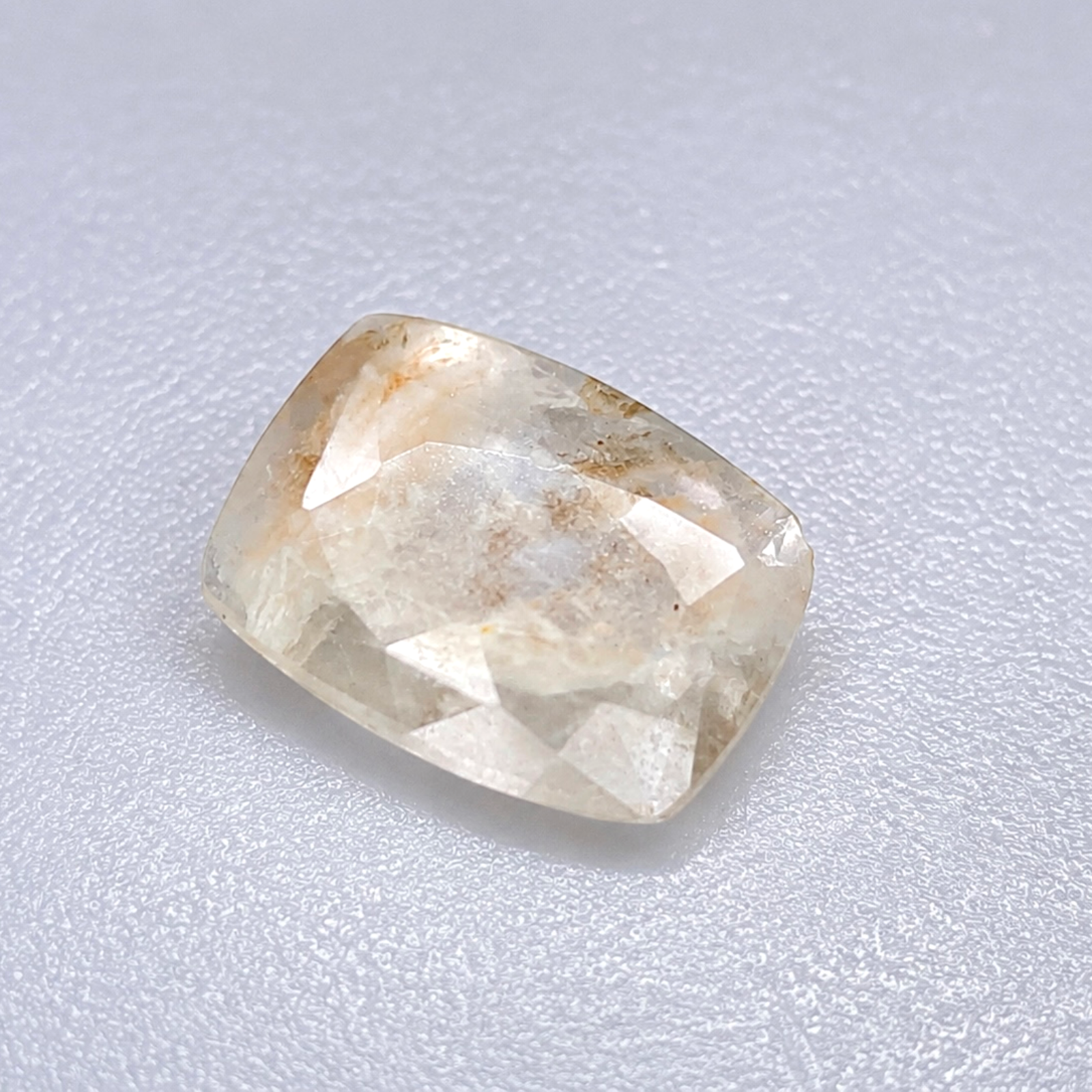
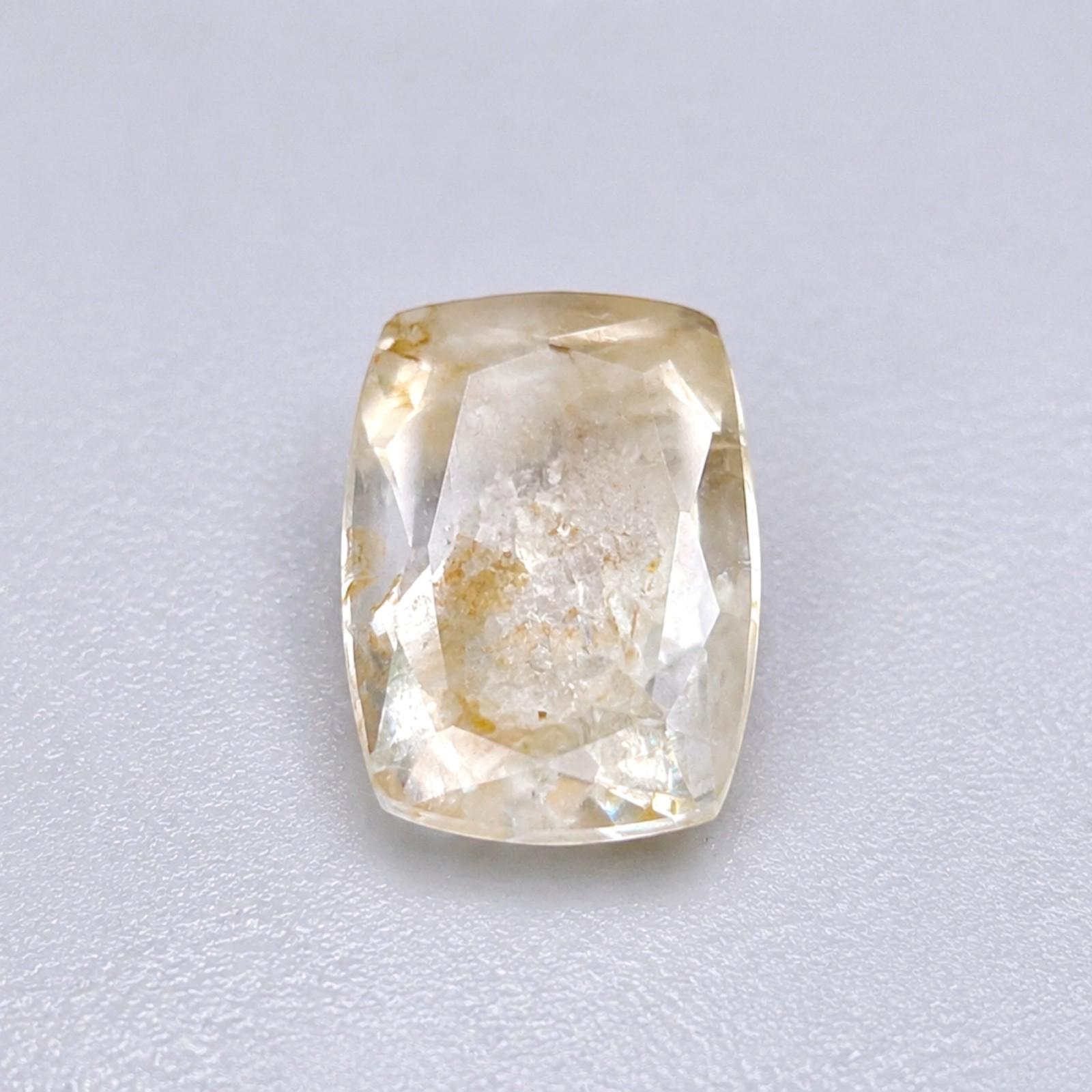
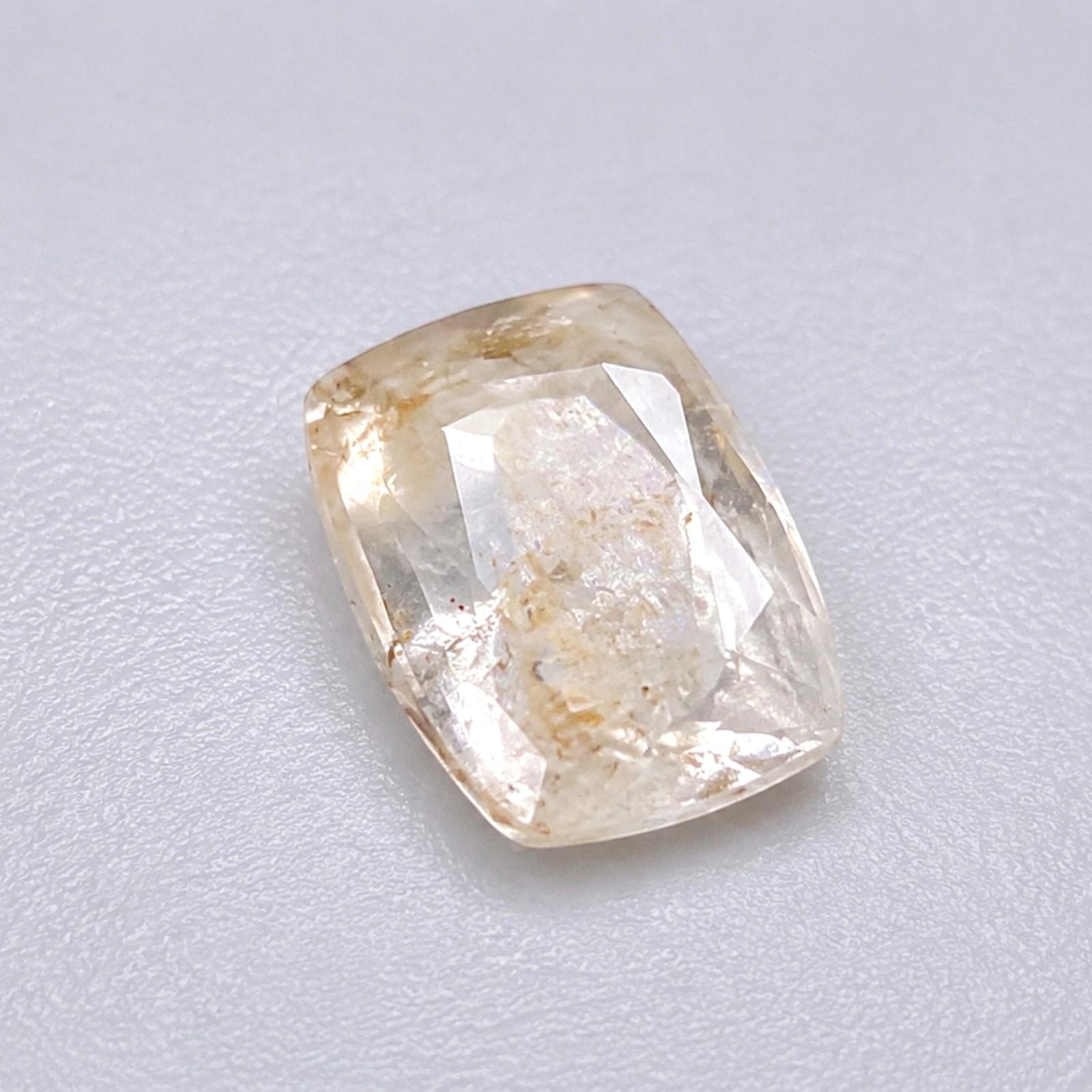
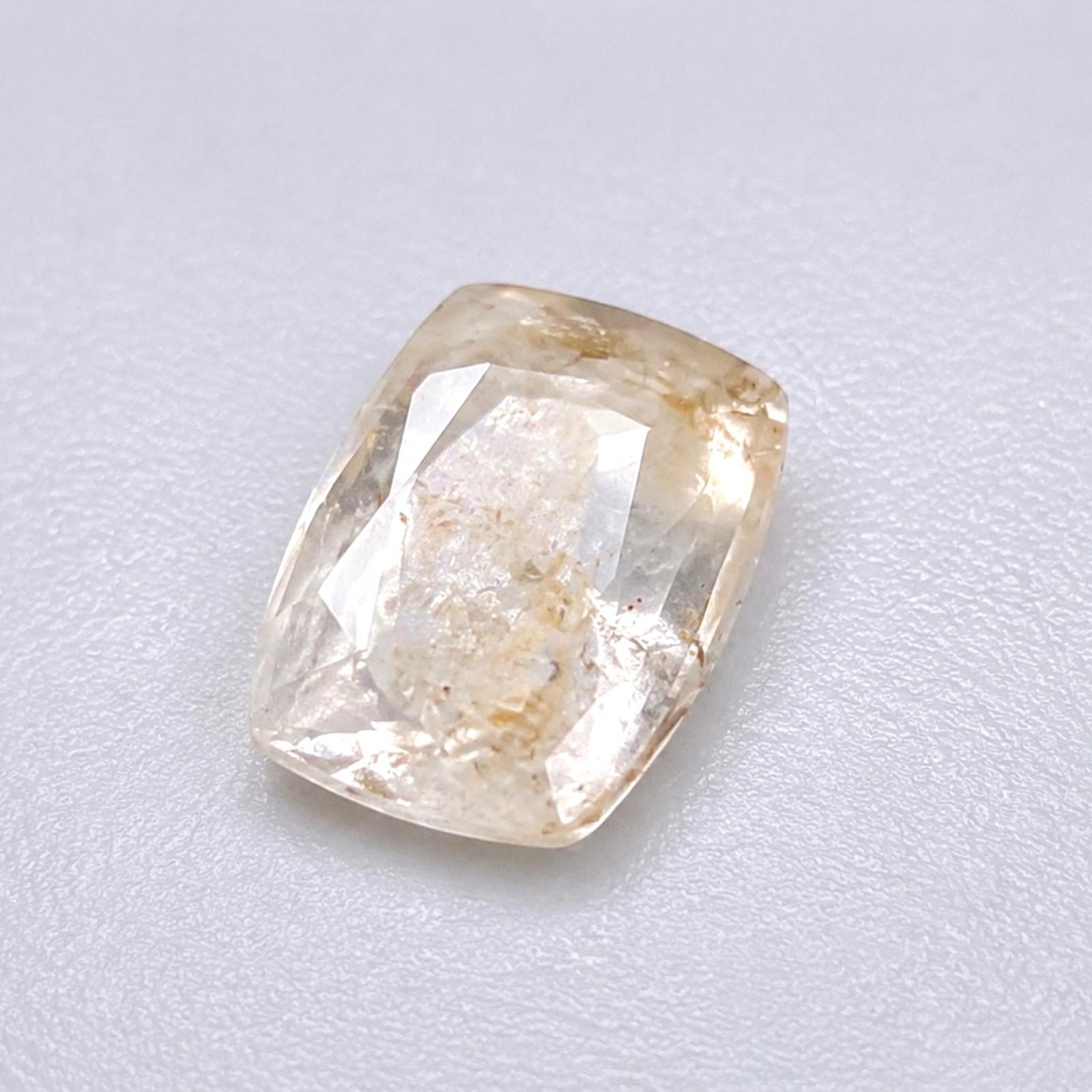
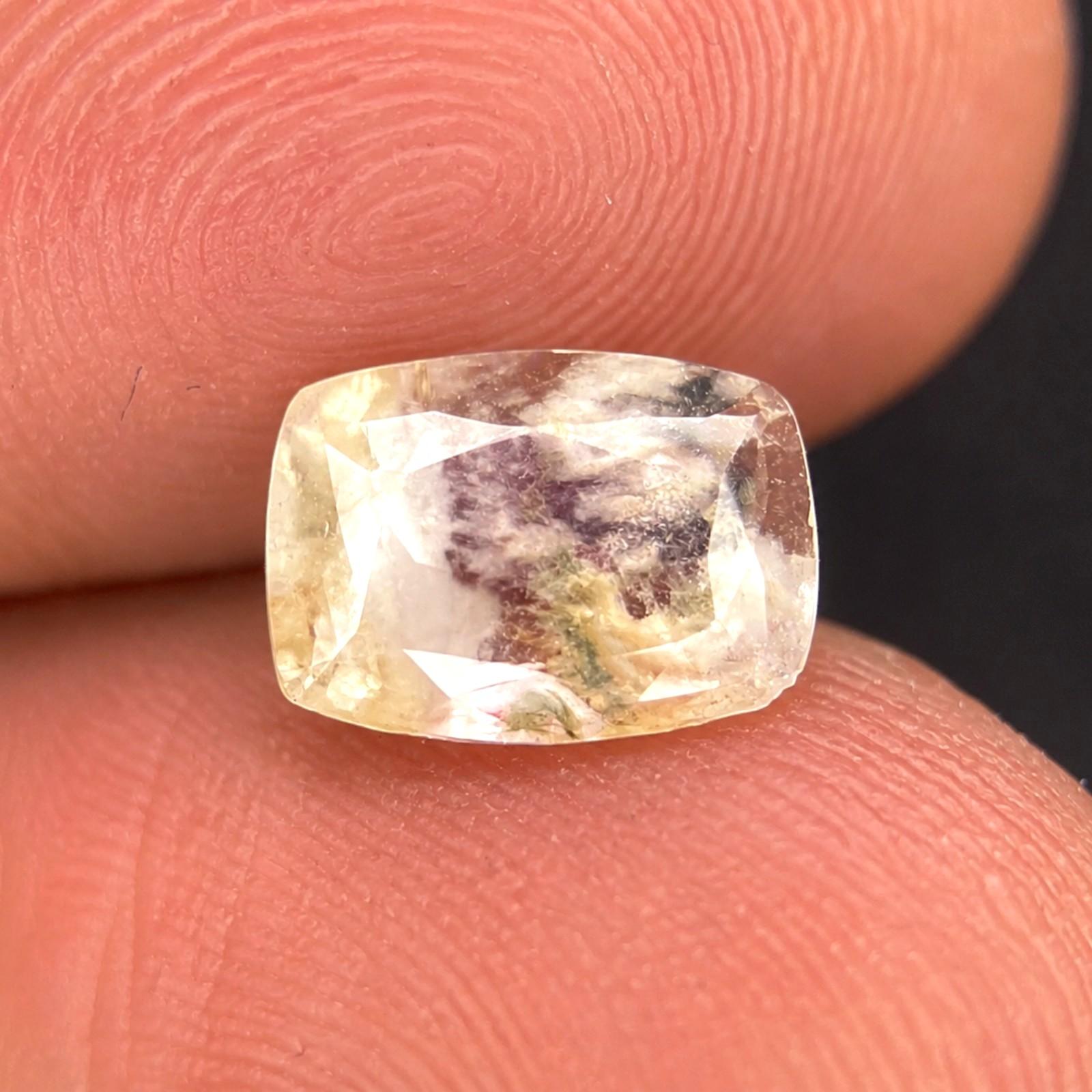


- Freakingcats Gemstone Database
Syngenite
Syngenite is a mineral that exists in a delicate balance. It is a potassium calcium sulfate that often forms as beautiful, water-clear to milky-white lath-like crystals. I have always been intrigued by its sensitivity; it is a mineral that forms in very specific environments, such as volcanic fumaroles or as a secondary product in salt deposits. Because it is quite soft and can be sensitive to moisture, it is rarely seen in the world of gemstones. However, for the dedicated collector, it offers a crystalline purity that is hard to match. When you find a well-preserved crystal, its glassy luster and sharp, tabular form make it a standout representative of the complex chemistry found in the Earth’s evaporite and volcanic systems.
The Heritage & Discovery
Historical Significance: Syngenite has a fascinating dual history in both mineralogy and industry. It was first discovered in a volcanic setting, but it was later identified as a common “crust” that forms in potash mines and even as a byproduct in the manufacture of certain fertilizers. Historically, it has been studied for its role in the “setting” of cement, where it can form as a secondary mineral. It represents the intersection of natural geological processes and the unintended chemistry of human industry, standing as a testament to how potassium and calcium interact in hydrated environments.
Discovery: The mineral was first described in 1872 and was named from the Greek word syngenes, meaning “related,” because of its chemical similarity to polyhalite. It was initially identified in the Kalush salt mine in Ukraine, which remains a historic locality for the species. Its discovery provided early mineralogists with key insights into the crystallization sequences of sulfate-rich brines.
Important Mines: While it was first found in Ukraine, some of the most spectacular and well-formed crystals have emerged from the Mitte Stassfurt salt mines in Germany. It is also found in the volcanic sublimates of Mount Vesuvius in Italy and Mount Etna in Sicily. I look for specimens from these historic European localities, as they tend to produce the most distinct, tabular crystals that clearly showcase the mineral’s monoclinic symmetry.
Mineralogical Profile
Description: Syngenite is a hydrated potassium calcium sulfate that crystallizes in the monoclinic system. It sits at a 2.5 on the Mohs scale, making it quite soft and best suited for careful display in a controlled environment. It is characterized by its vitreous to pearly luster and its typical habit of forming elongated, tabular crystals or “laths.”
The crystals are usually colorless or white, but can sometimes take on a yellowish or brownish tint due to inclusions. One of its most interesting properties is how it can form as a pseudomorph after other minerals like gypsum. Because it is a hydrated mineral, it is important to keep specimens away from high humidity to prevent any alteration of the crystal surfaces.
Chemical Formula: K2Ca(SO4)2·H2O


