
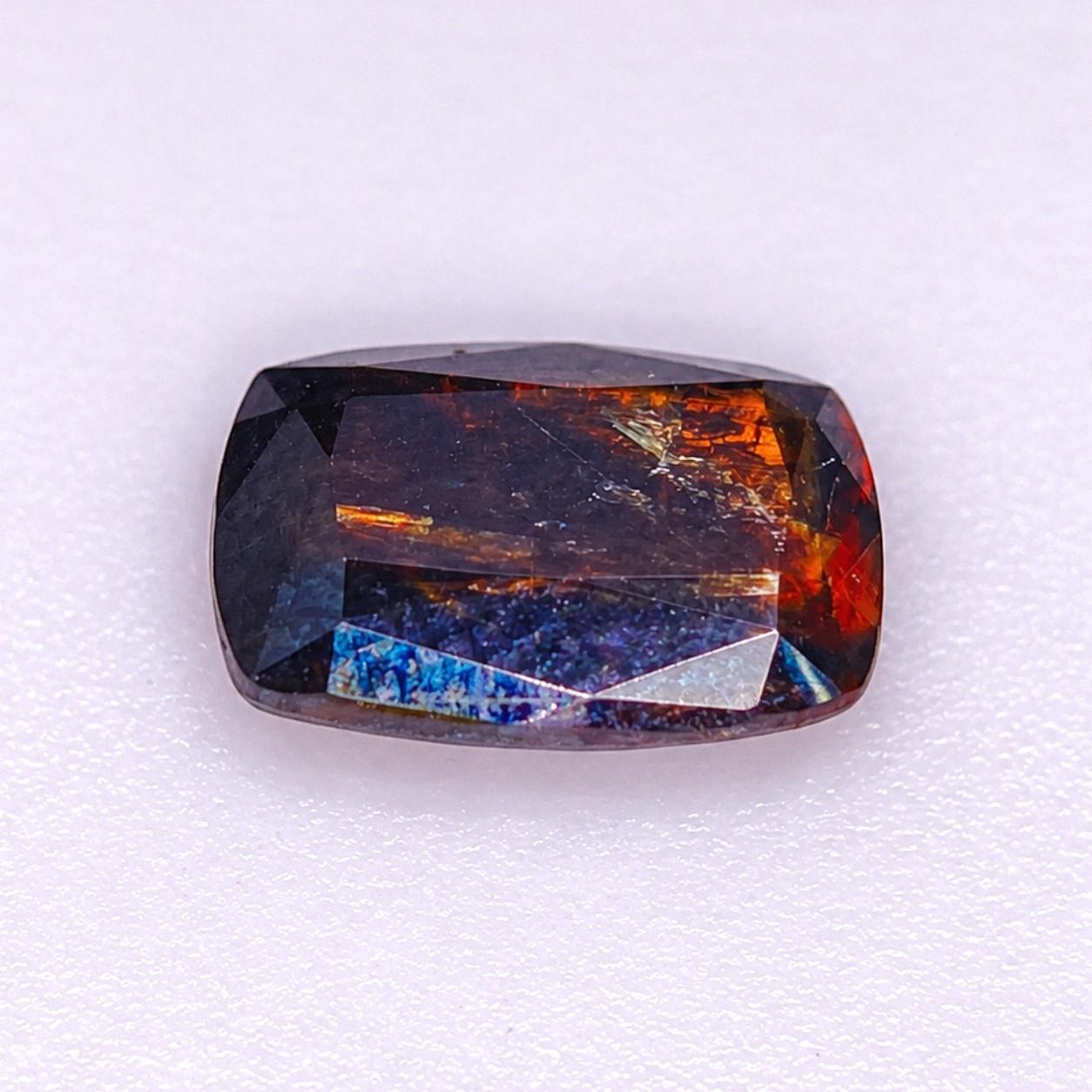
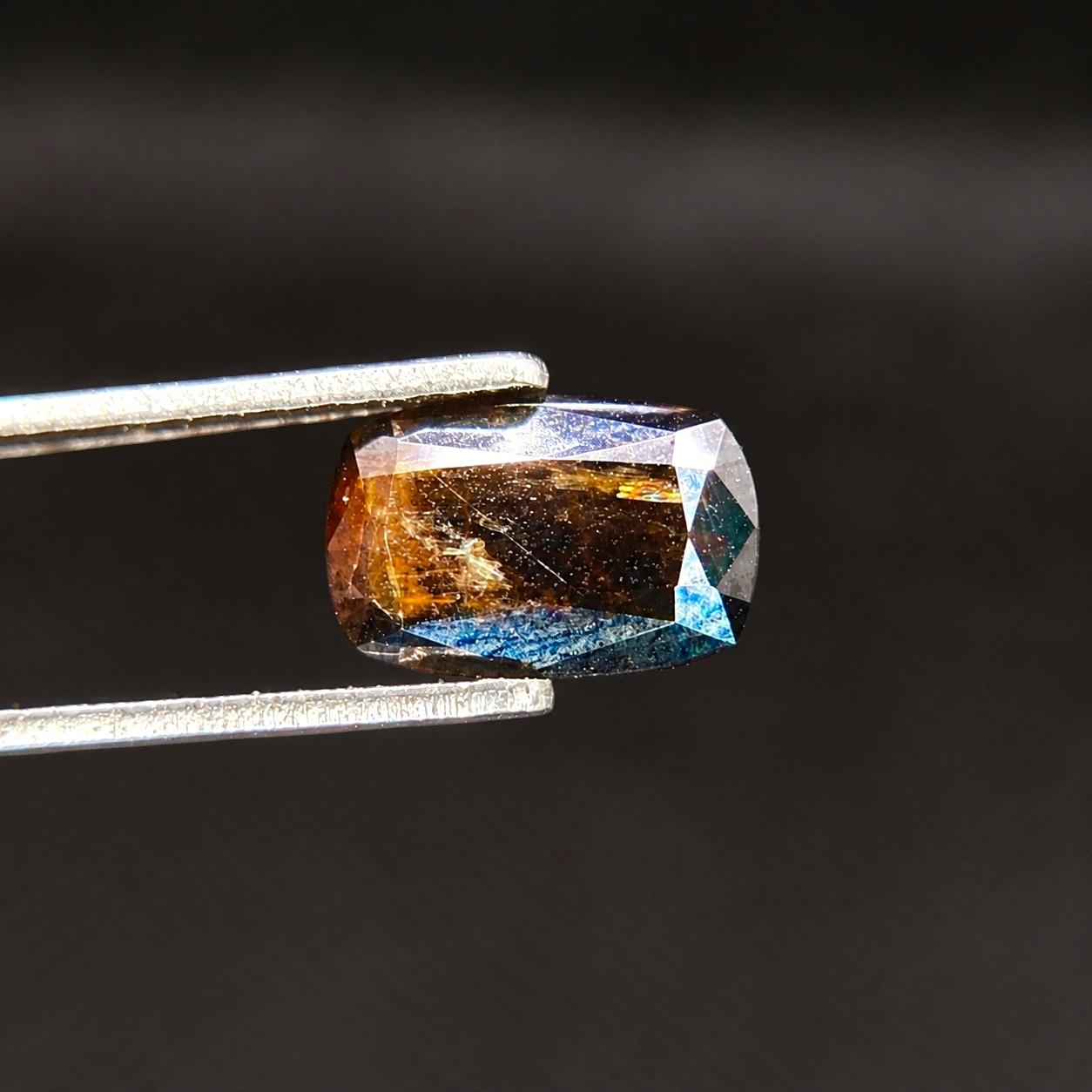
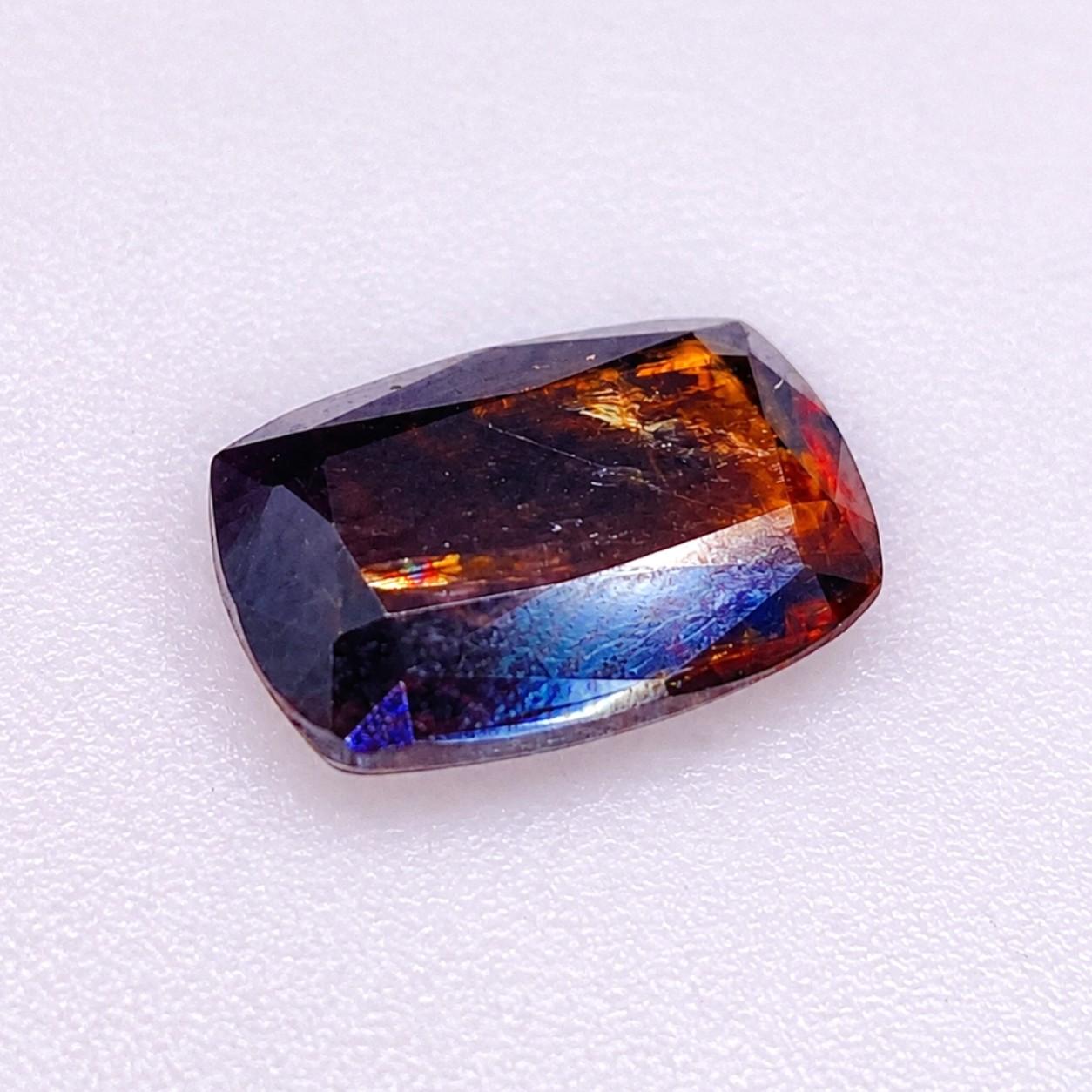
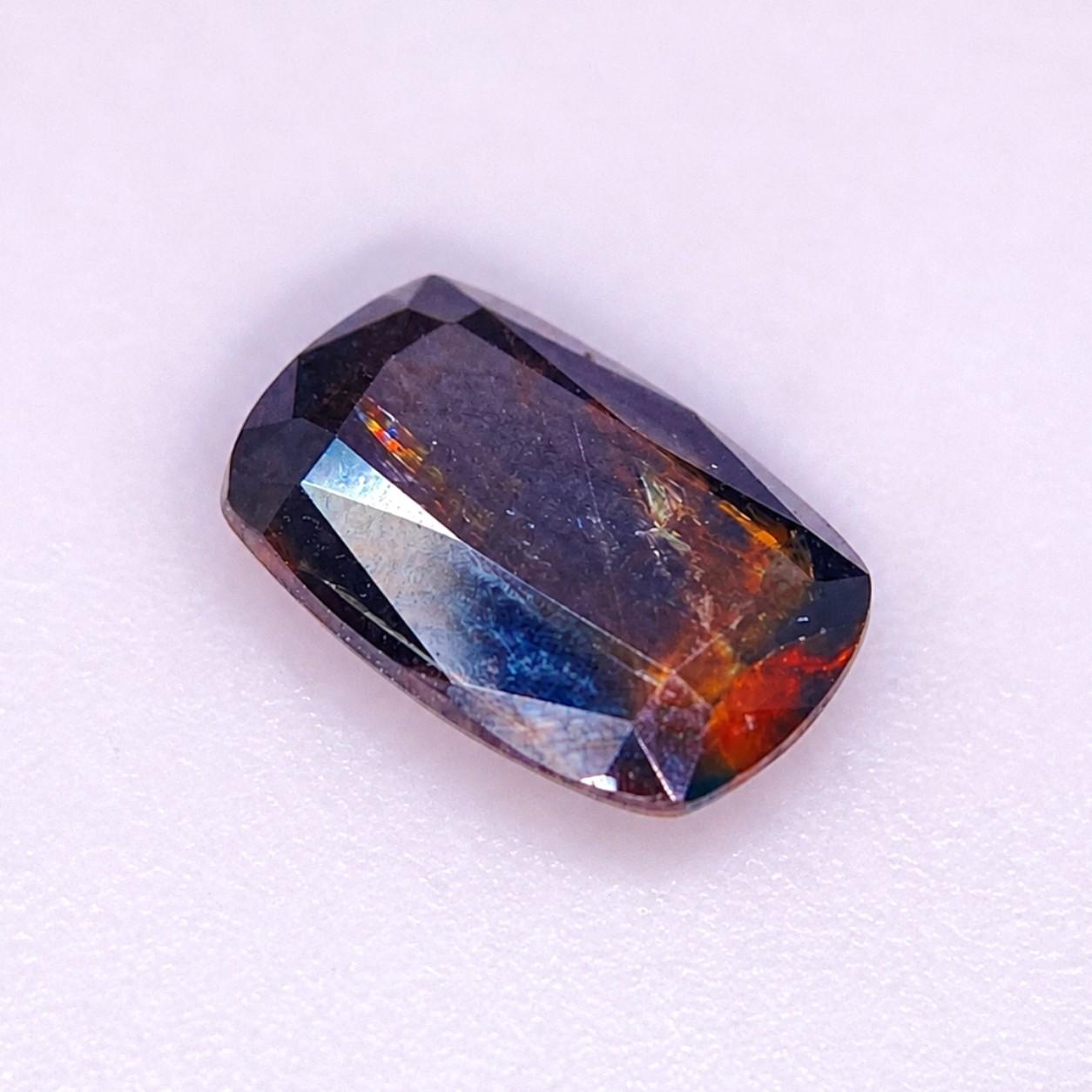
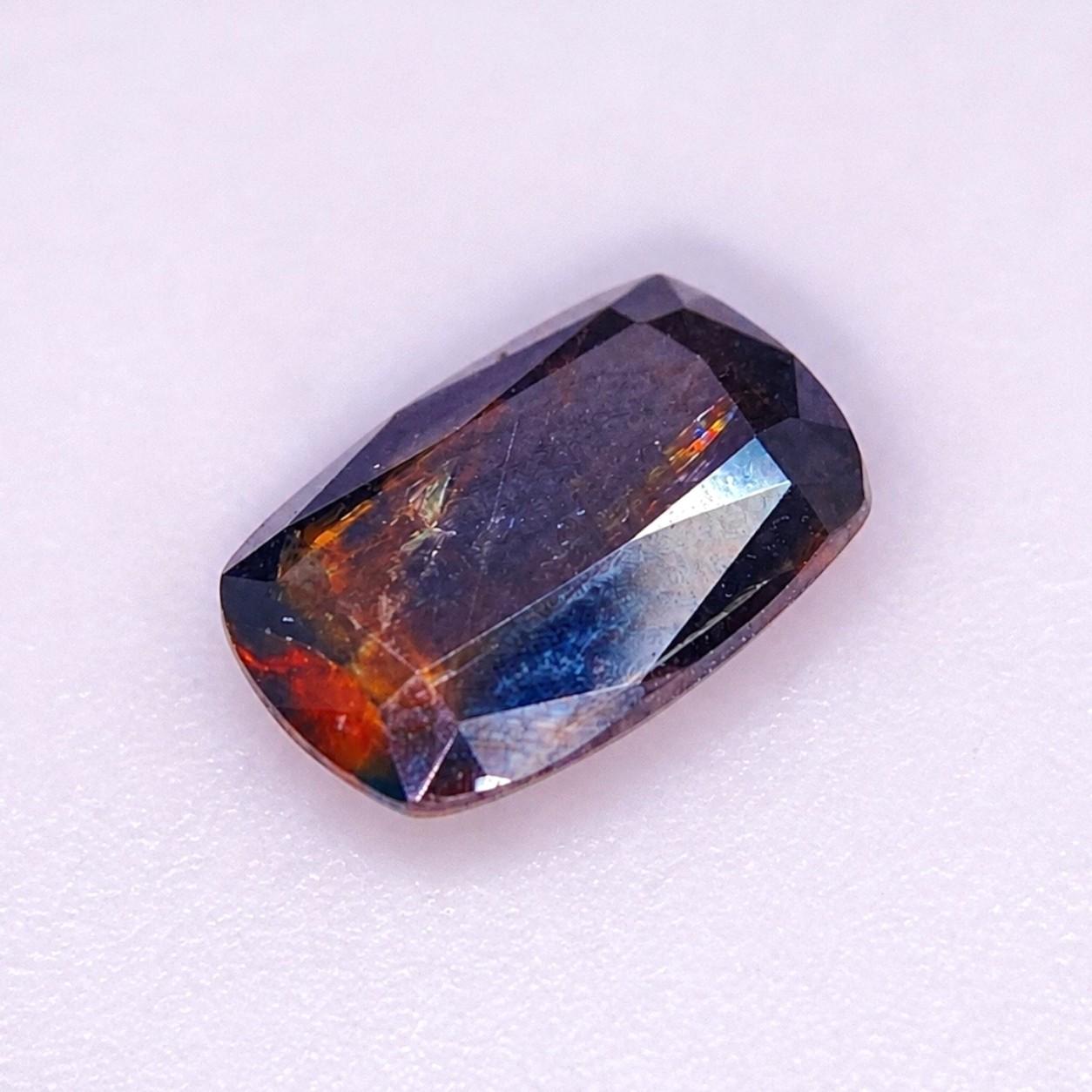
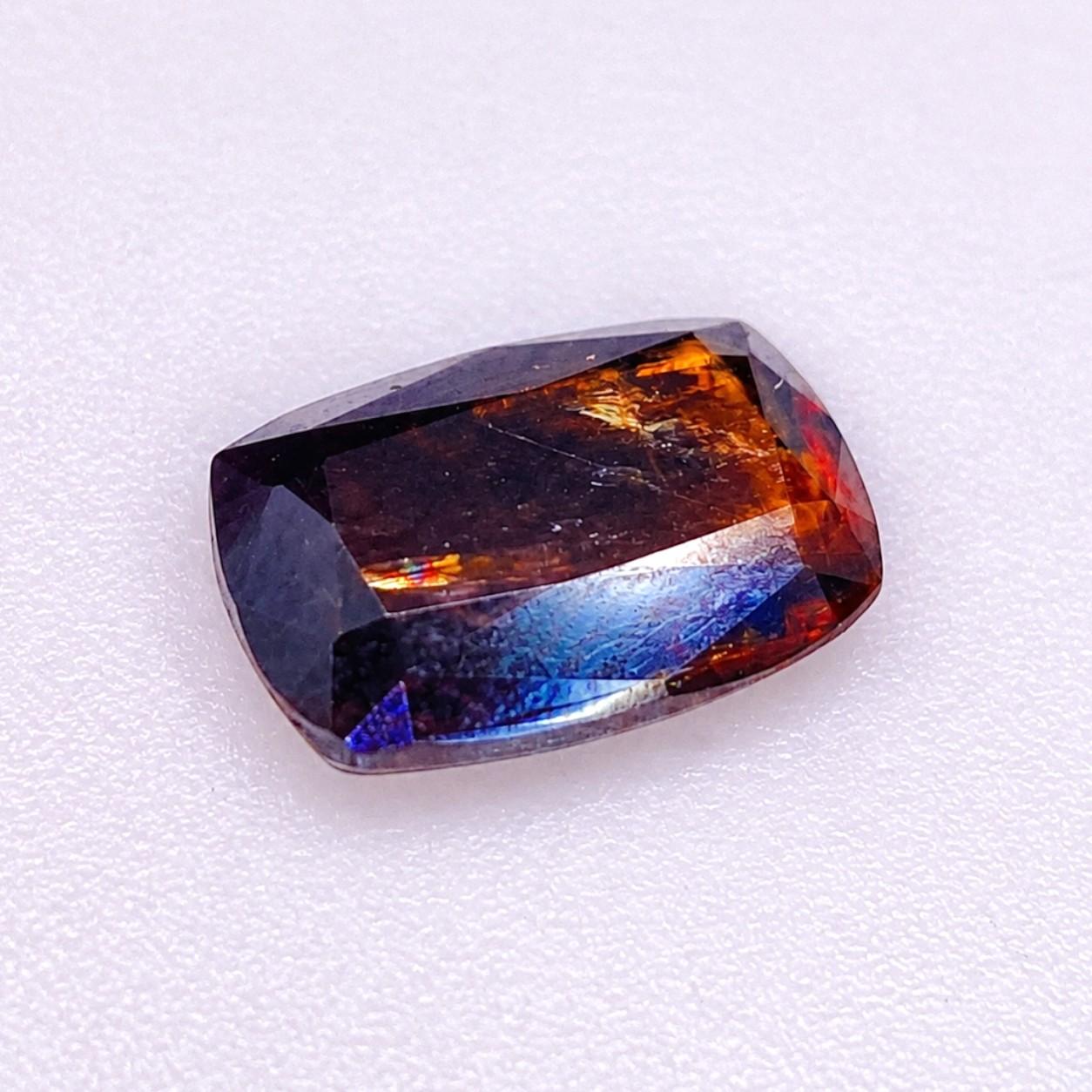
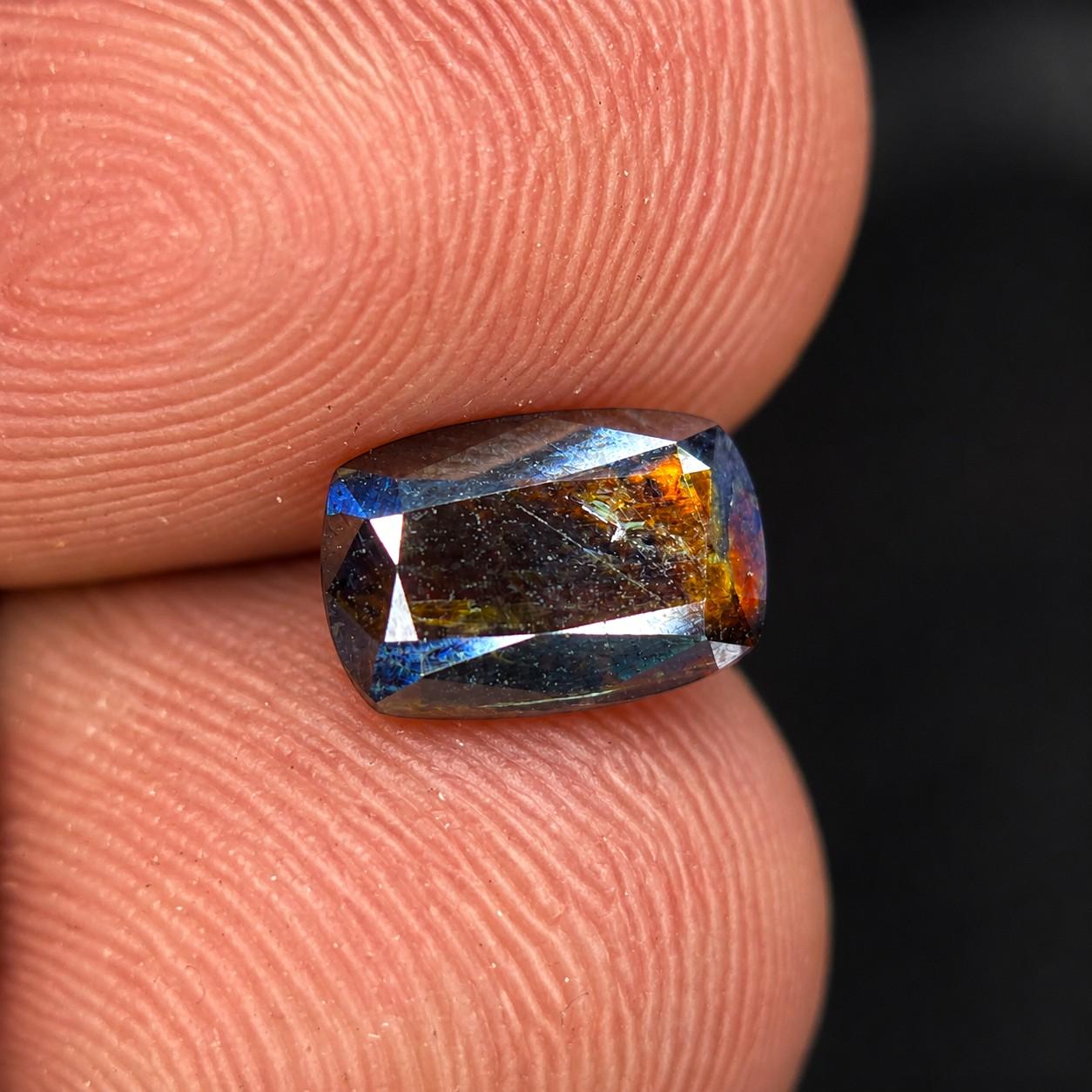
1.08 ct BROOKITE – PAKISTAN
EXPERT VERIFIED
- Expert Verified Gemstone
- Fast Handling & Shipping
- Secure Vault Packaging
$ 220
Offer amount Feild


Smart Collector Choice


Pay with Crypto & Get 10% Automatic Discount

Availability: 1 in stock


- Freakingcats Gemstone Database
Brookite (Pakistan)
Brookite from the rugged Alpine-type fissures of Pakistan represents the absolute zenith of titanium dioxide polymorphism. An orthorhombic mineral variant sharing its chemistry with rutile and anatase, it is a species I have always respected for its “sub-metallic-fire” to “deep-mahogany-neon” translucency and its status as a masterpiece of “orthorhombic” structural discipline. For the specialist, a top-tier Pakistani Brookite is a prize of slow, low-temperature hydrothermal fluid tension; it offers a brilliant adamantine to sub-metallic luster and a highly radiant, razor-sharp presence that makes it a true “high-vibration” asset for the systematic vault. As an artist, I find the stark, structural architecture of its hourglass-patterned, bladed crystals perched on pristine, icy quartz matrix to be one of nature’s most sophisticated and geometric palettes.
The Heritage & Discovery
Historical Significance
Brookite is a vital species for understanding the complex thermodynamic stabilities and low-temperature crystallographic transitions within titanium-rich geological settings. Historically, it holds a prominent place in mineralogical history, named in 1825 by the prominent French mineralogist Armand Lévy after the English crystallographer and mineralogist Henry James Brooke. In the world of fine minerals, Pakistani specimens are celebrated for their distinctive, “hour-glass” internal growth zoning—known scientifically as sector zoning—which stands as a symbol of precise crystallization speed and structural focus. It serves as a reminder that alpine cleft environments can refine simple titanium dioxide into extraordinary, hyper-saturated metallic blades.
Discovery
While its initial discovery occurred in Europe, the historic mineral rush into the high-altitude regions of Central Asia completely redefined the mineralogical study of the brookite group in the late 20th century. Scientifically, it is the less common polymorph of titanium dioxide, easily transforming into its more stable counterpart, rutile, when subjected to elevated thermal conditions. Its discovery in the remote mountains provided mineralogists with spectacular, macrocrystalline plates and hourglass-zoned crystals that showcase its unique, light-reactive beauty. My own respect for this material grew from observing its “luminous” internal depths; specifically, the way strong backlighting reveals a rich, fiery red or deep orange interior through what initially appears to be an opaque black blade is a visual impact that is unmistakable to the trained eye.
Important Mines
The undisputed modern capital for this species remains the alpine-type pockets of the Taftan region in Balochistan and the high-altitude clefts of the Shigar Valley in Skardu, Pakistan. Famed for producing the world’s finest macrocrystalline expressions, these prolific tectonic belts yield outstanding, freestanding blades that have historically been secured from local mountain miners. For the vault, I prioritize specimens that exhibit vibrant internal red transparency, distinct skeletal or striation markings, and stable attachment to a contrasting quartz or albite matrix, as they represent a highly active masterpiece of metamorphic geology.
Mineralogical Profile
Description
Brookite is a titanium dioxide mineral that crystallizes in the orthorhombic system. It sits at a moderately hard 5.5 to 6 on the Mohs scale, meaning its brittle, platy or tabular crystals must be protected from direct physical impacts and stored securely to preserve its delicate, heavily striated surfaces. It is characterized by its bright adamantine, sub-metallic, or pearly luster and its unmistakable, “reddish-brown, dark brown, to deep iron-black” color palette.
One of its most identifying traits is its poor cleavage, often forming distinctive, vertically elongated tabular crystals or thin, bladed lattices that trace old fluid cavities within alpine veins. It possesses an exceptionally high refractive index running from approximately 2.58 to 2.74, contributing to its intense internal color depth and extreme surface brilliance, and an average specific gravity ranging between 4.08 and 4.18 that reflects its dense, titanium-heavy architecture. Because it forms in the late-stage cavities of metamorphic rocks, it is commonly found in close association with Quartz, Anatase, Rutile, Albite, and Hematite. When I select a piece for the collection, I look for well-defined, “crisp” bladed geometry or clean sector-zoned hourglass patterns on a contrasting light matrix, as these highlight the sophisticated, three-dimensional chemistry of the mineral’s fluid-driven birth.
Chemical Formula
TiO2


