
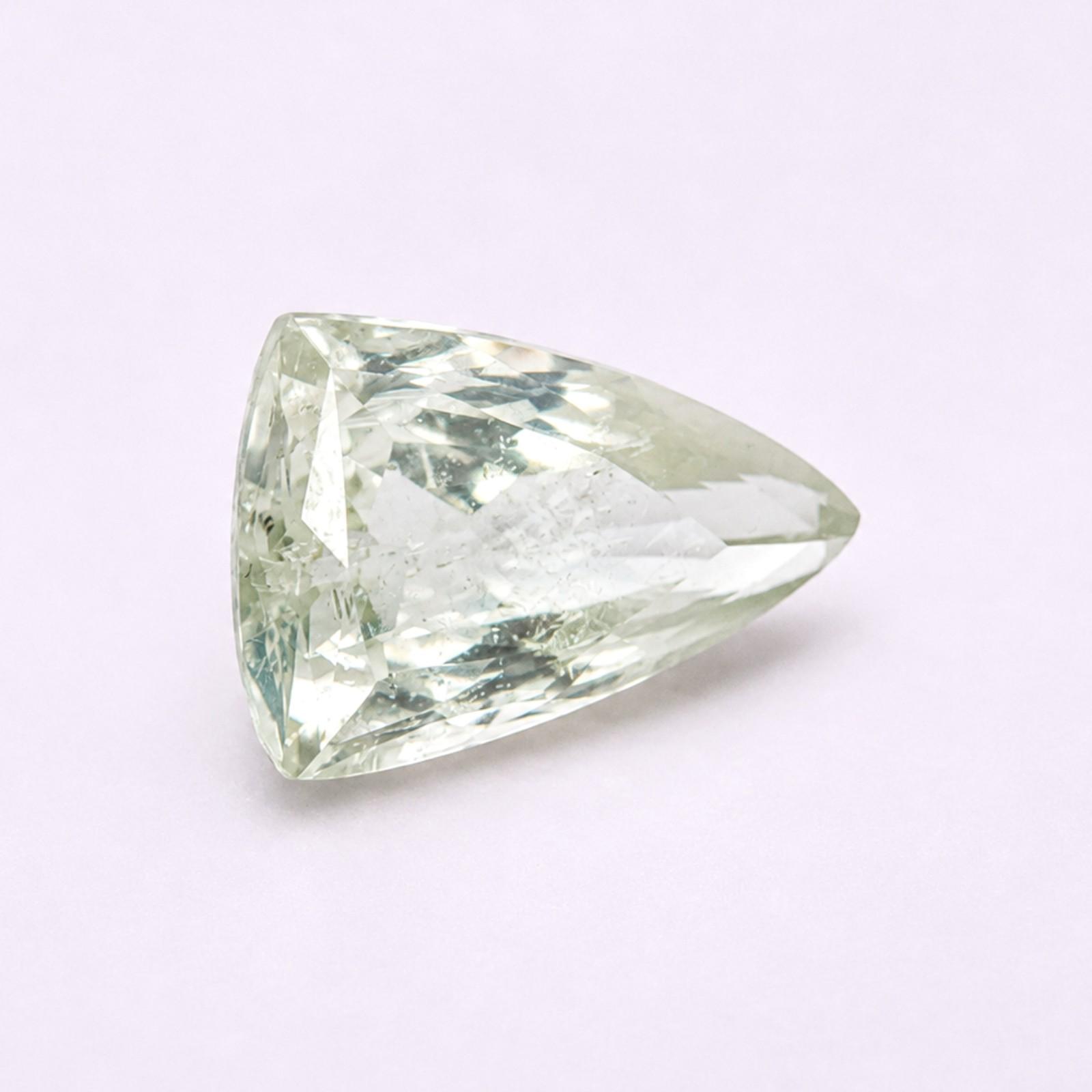
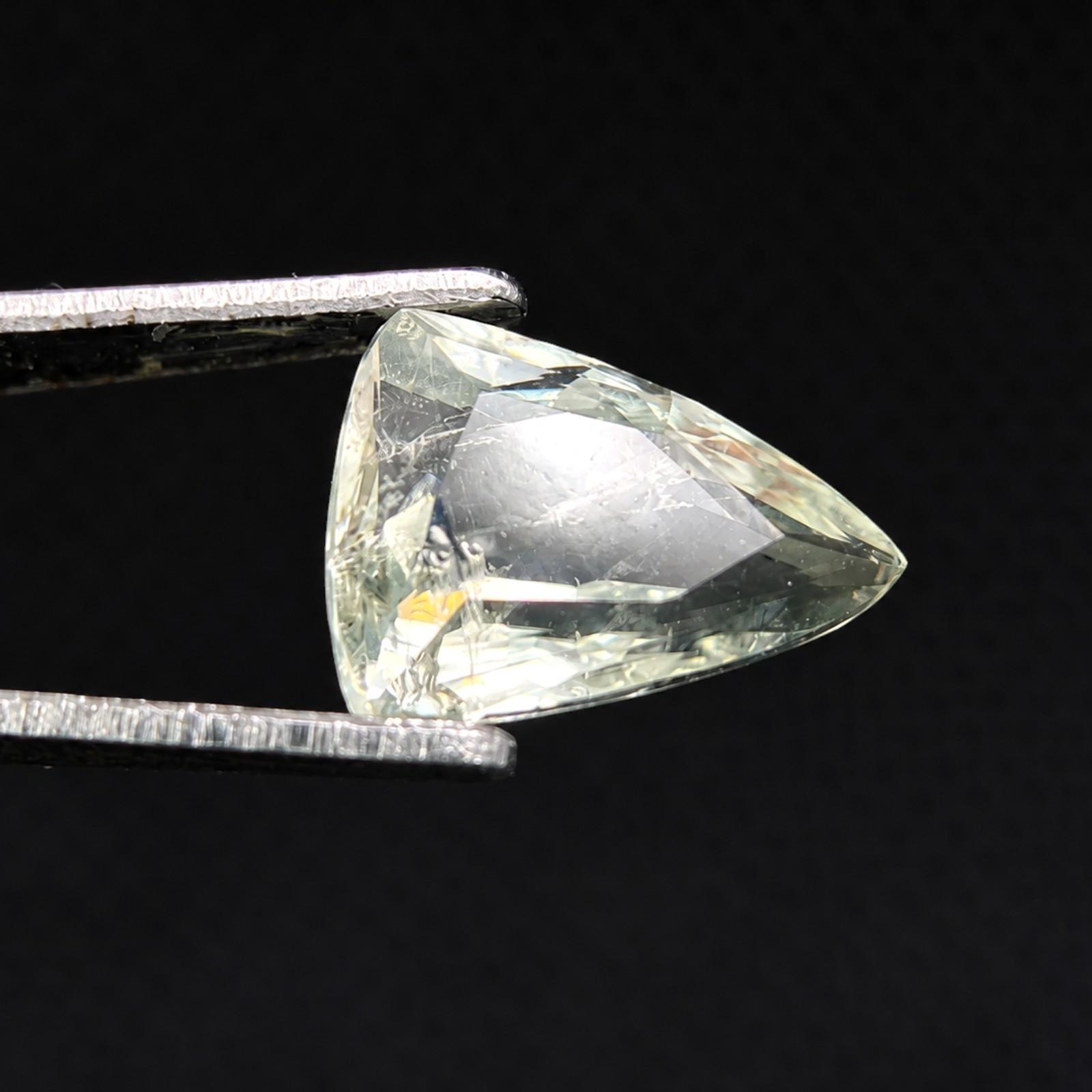
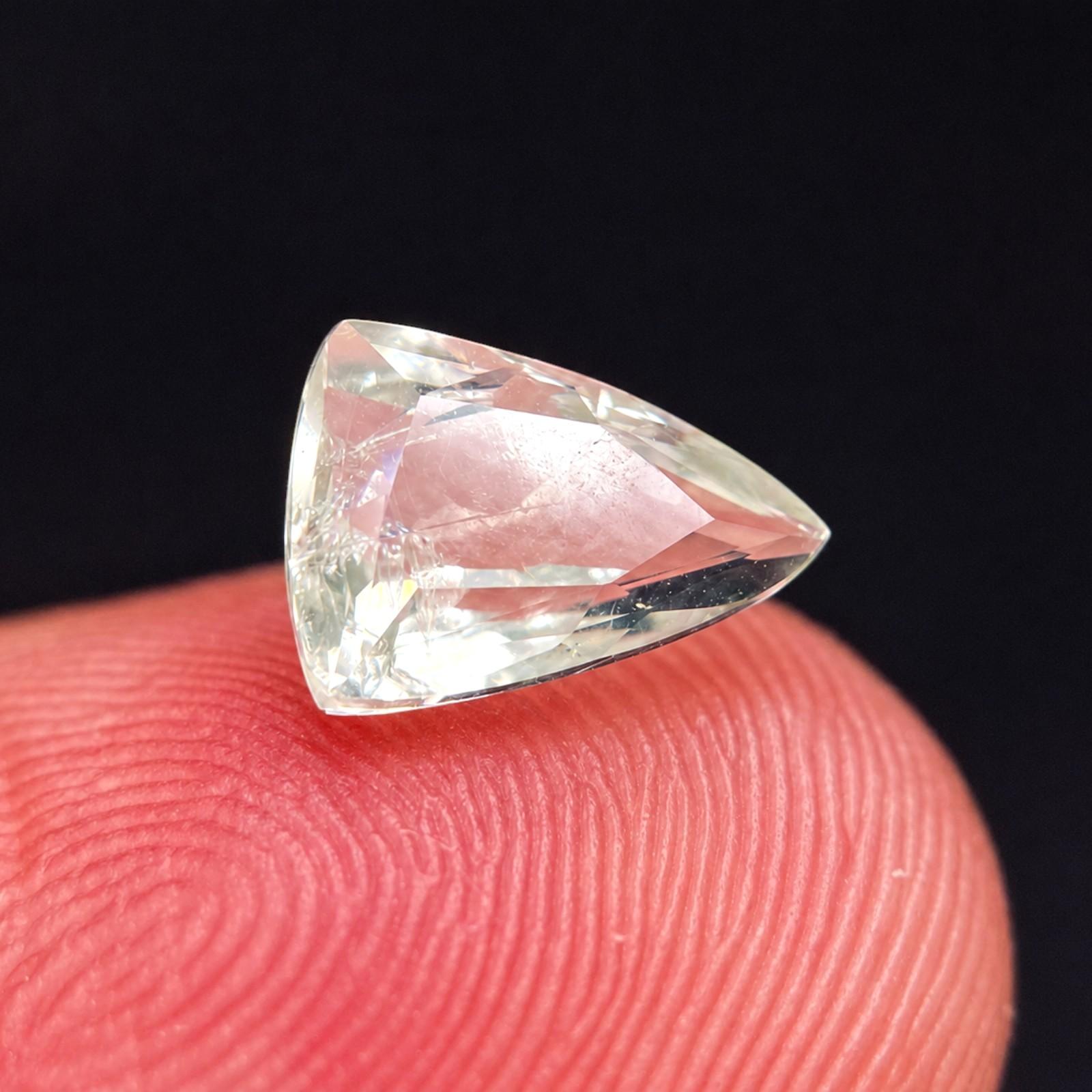
1.38 ct PARGASITE – MYANMAR
EXPERT VERIFIED
- Expert Verified Gemstone
- Fast Handling & Shipping
- Secure Vault Packaging
$ 180
Offer amount Feild


Smart Collector Choice


Pay with Crypto & Get 10% Automatic Discount

Availability: 1 in stock
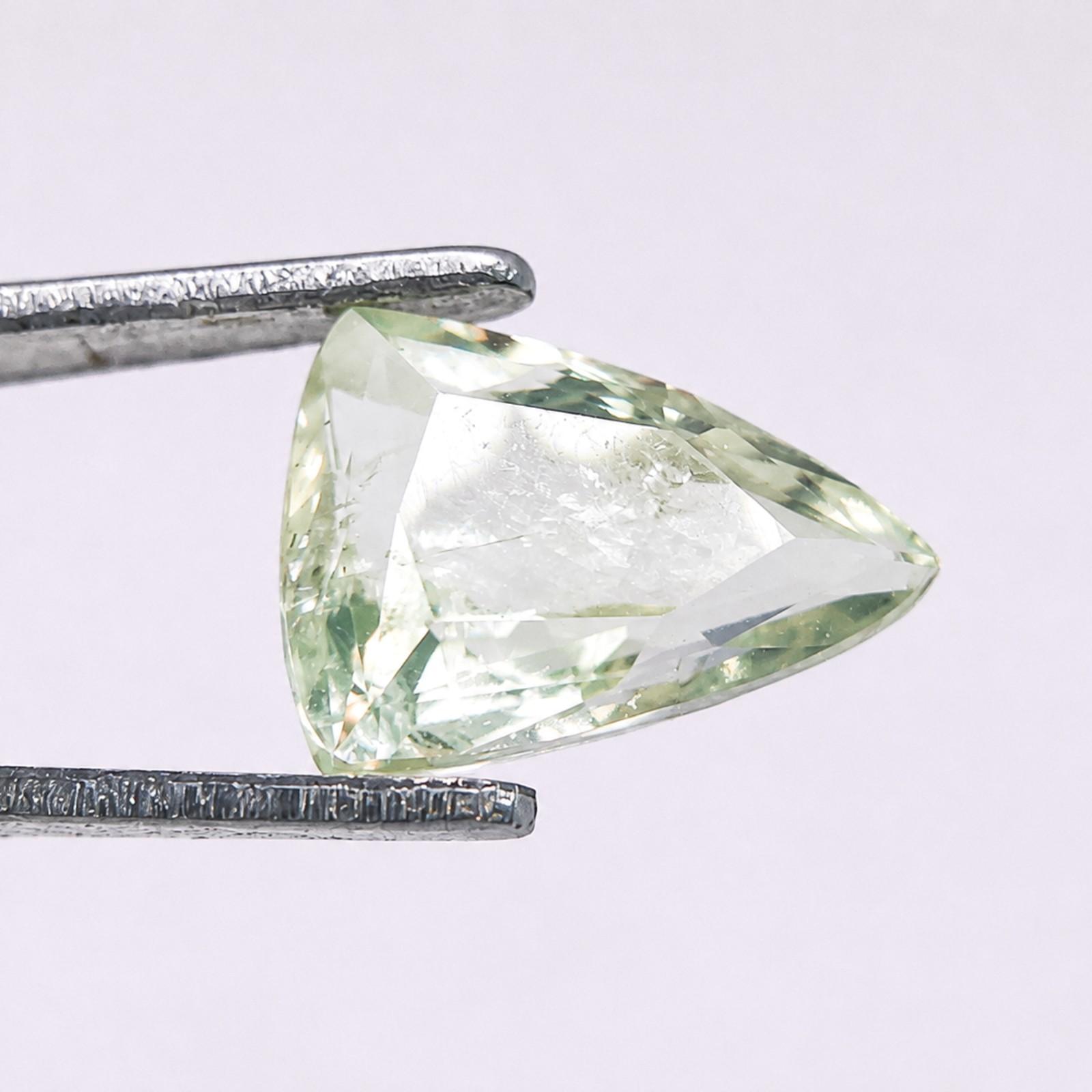
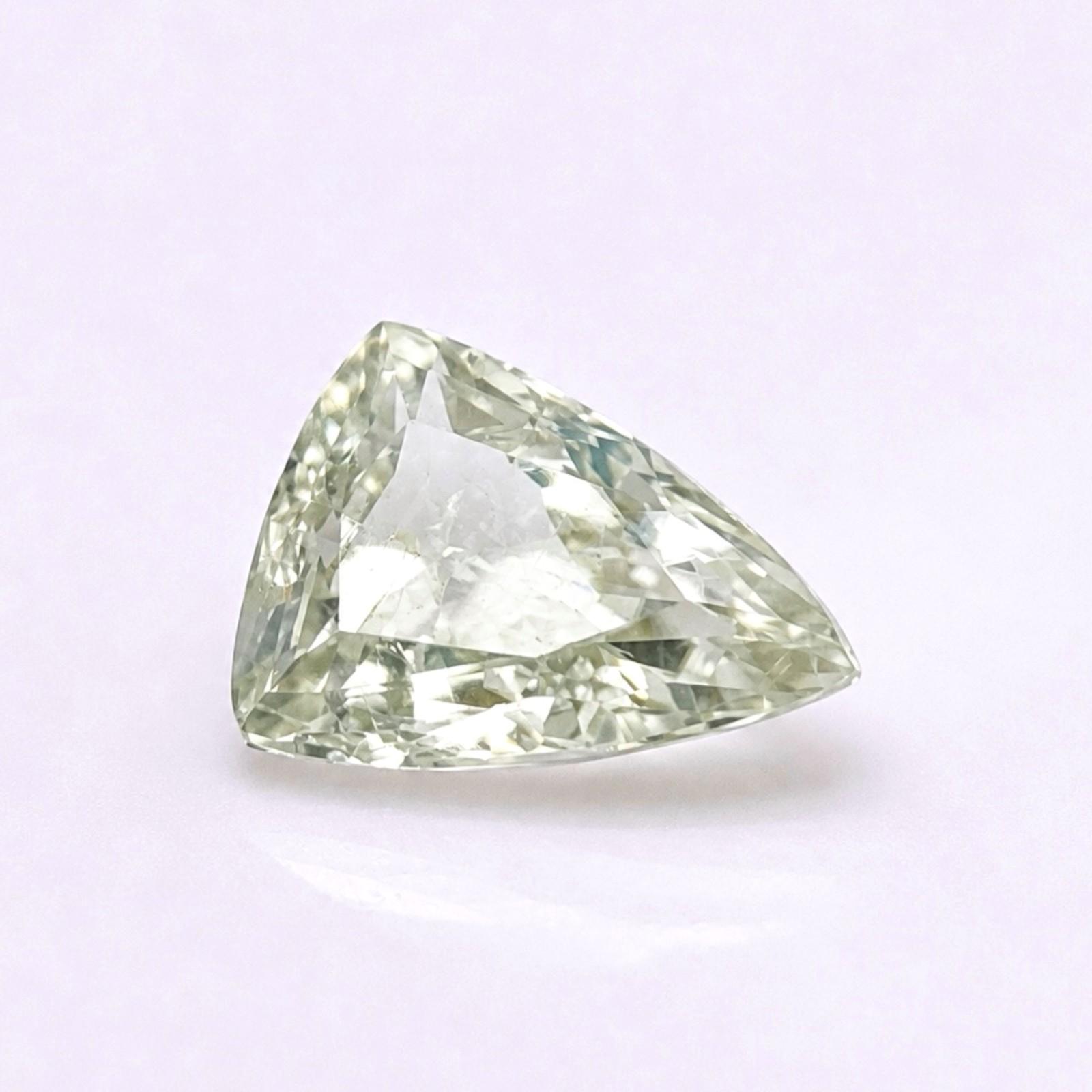
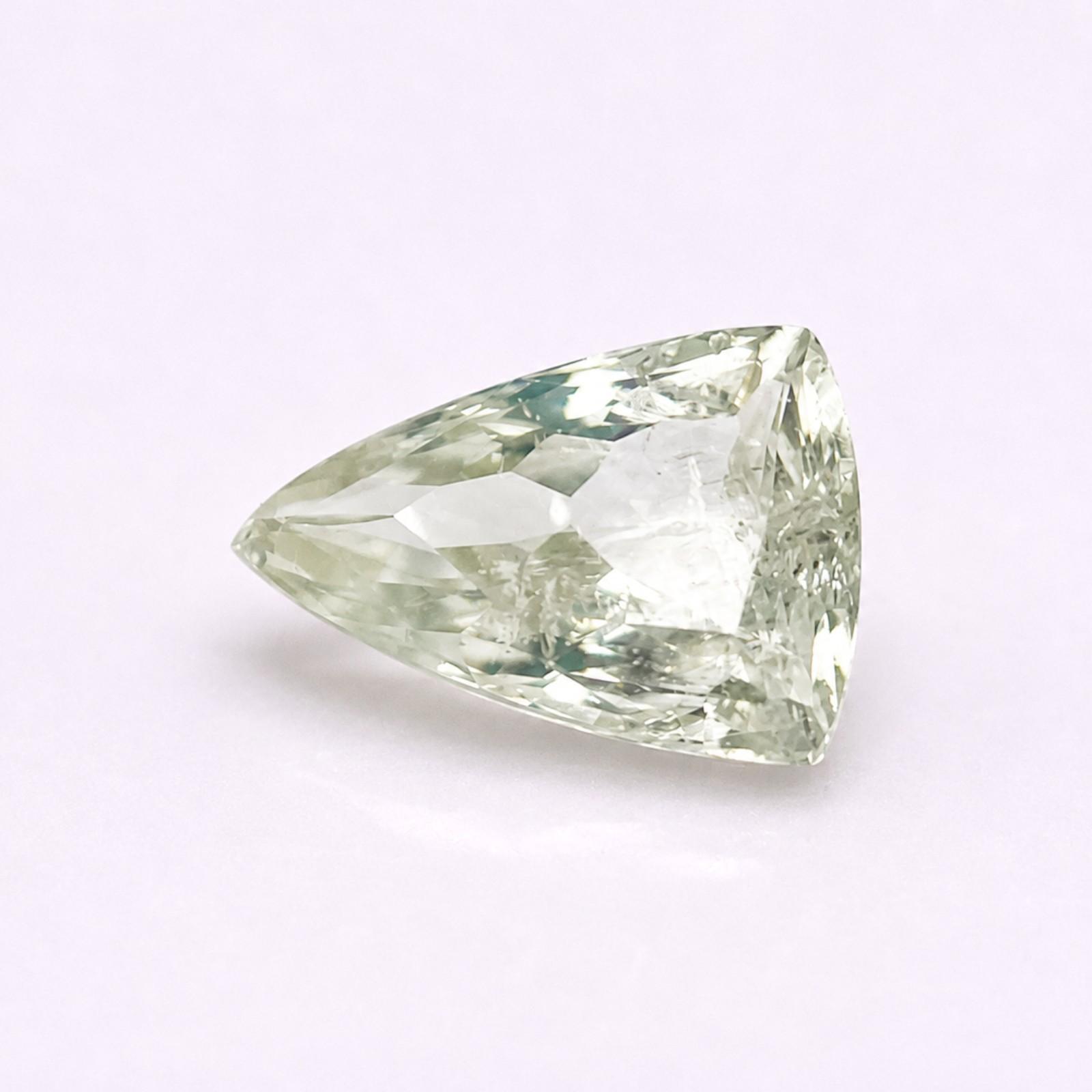
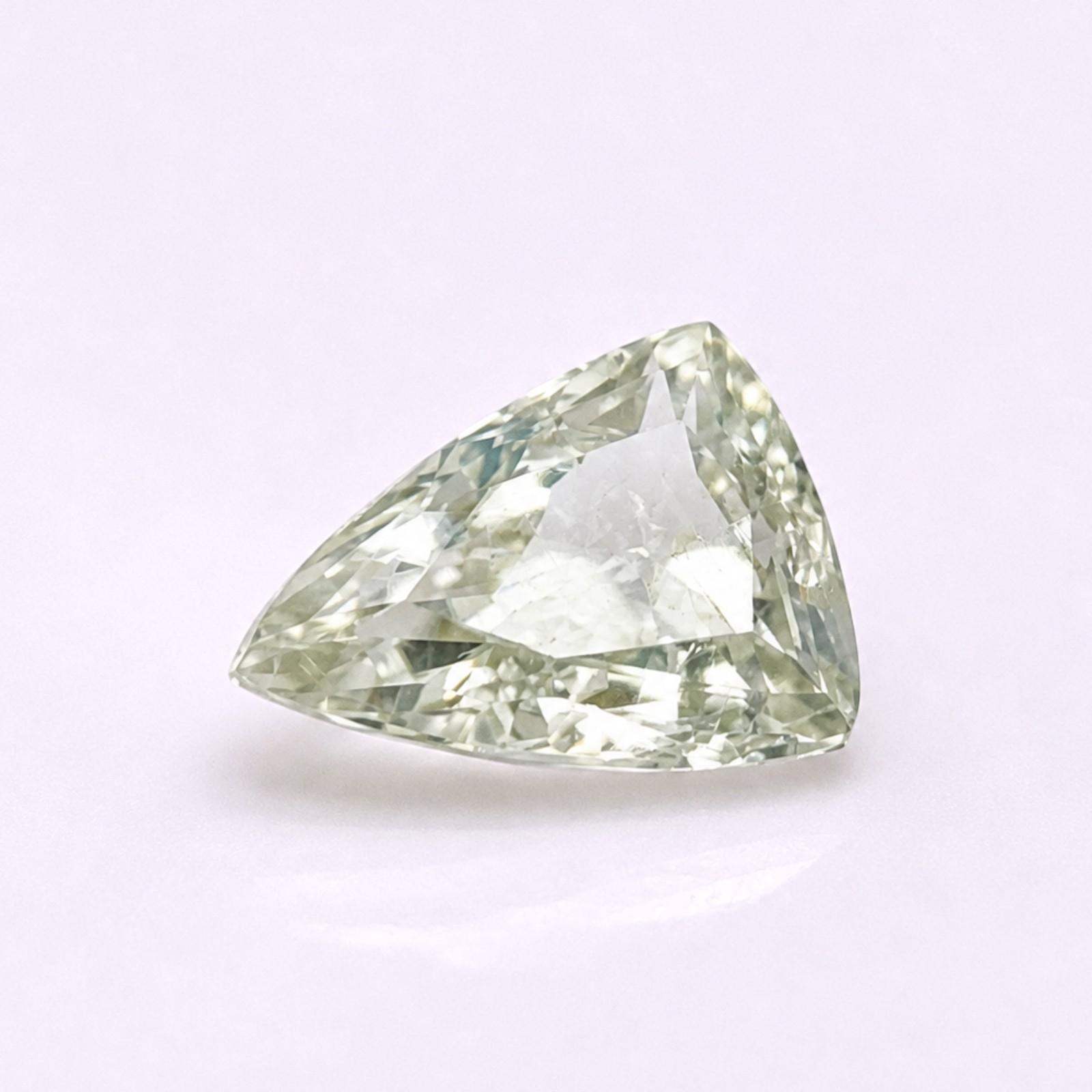


- Freakingcats Gemstone Database
Pargasite (Myanmar)
Pargasite from the elite contact metamorphic marble horizons of Myanmar represents the absolute global apex of vibrant, chromium-activated amphibole saturation. A complex sodium calcium magnesium aluminum silicate hydroxy-mineral, it is a species I have always respected for its “mint-apple” to “vivid-emerald-neon” intensity and its status as a masterpiece of “monoclinic” structural discipline. For the specialist, a top-tier Burmese Pargasite—traditionally misidentified as hornblende or chrome diopside in historical gem markets—is a supreme trophy of intense, volatile-rich skarn geochemistry; it offers a bright vitreous luster and a highly commanding, radiant presence that makes it a true “high-vibration” asset for the systematic vault. As an artist, I find the electrifying, dayglo-green flash of its prismatic crystals popping against the muted, sugary-white fields of a coarse calcite matrix to be one of nature’s most sophisticated and energetically balanced palettes.
The Heritage & Discovery
Historical Significance
Pargasite is a vital cornerstone species for mapping the precise fluid pressures, temperatures, and localized trace-element migrations that occur when silica-deficient magmatic fluids attack host carbonate formations. Historically, the species holds an established place in advanced mineralogy, named in 1814 after its classic type locality at Pargas, Finland. However, the subsequent unearthing of exceptionally clear, deeply saturated gem-grade crystals in Southeast Asia completely elevated the species within fine mineralogy. In the world of fine collectibles, Burmese pargasite stands entirely alone, celebrated for a natural, chromium-driven coloration that avoids the dull, muddy dark greens characteristic of common iron-dominant amphiboles.
Discovery
While individual massive bands of the mineral have been noted globally in deep metamorphic zones, the systematic opening of the specialized marble contact pockets in upper Myanmar completely redefined our global appreciation of this silicate’s crystallographic limits. Scientifically, it sits as a member of the calcium amphibole subgroup, where an exceptionally clean magnesium architecture allows a sparse infusion of chromium to bypass the typical iron-quenching effects, resulting in its brilliant visual depth. The discovery of these remote, high-altitude pocket networks provided mineralogists with spectacular, blocky or stout prismatic crystals. My own respect for this material grew from observing its distinct structural layout; specifically, the way its sharply angled, heavily reflective prism faces interact with natural daylight, throwing brilliant lime-green internal reflections across a stark matrix, is a visual impact that is unmistakable to the trained eye.
Important Mines
The undisputed capital for aesthetic macrocrystalline expressions of this species remains the legendary Mogok Stone Tract in the Katha District, Mandalay Region of Myanmar (Burma). Famed for its highly specialized, complex metamorphic skarns and rubicund marbles, the valleys of Mogok, particularly around the primary deposits of Pyaung Gaung and Bernardmyo, yield outstanding, freestanding crystals tightly locked into ancient marble horizons. For the vault, I prioritize specimens that exhibit high internal optical translucency, sharp unblemished edge definition, and a highly centered, contrasting presentation on a clean white calcite or spinelloid matrix, as they represent a highly active, pristine masterpiece of deep-crustal geology.
Mineralogical Profile
Description
Pargasite is a complex sodium calcium magnesium silicate containing aluminum and fluorine/hydroxyl groups that crystallizes in the monoclinic system. It sits at a robust 5 to 6 on the Mohs scale, meaning its highly lustrous crystal faces are tough and resistant to light surface wear, yet its complex internal architecture requires deliberate handling and protection from hard impacts to safeguard its brilliant vitreous surfaces. It is characterized by its exceptionally bright surface luster and an unmistakable, “vibrant apple-green, intense emerald-green, to yellowish-mint” color palette.
One of its most identifying traits is its highly diagnostic amphibole cleavage intersecting at approximately 56 and 124 degrees, frequently forming stout, blocky prismatic columns or dense crystalline aggregates that trace the historical fluid channels through contact metamorphic rock fractures. It possesses a moderate to high refractive index running from approximately 1.613 to 1.670, contributing to its excellent internal color depth and surface reflectivity, and an average specific gravity ranging between 3.04 and 3.18 that reflects its tightly bound, silicate-heavy molecular framework. Because it forms exclusively along active volatile-rich magmatic-metamorphic boundary zones, it is commonly found in close association with Calcite, Spinel, Phlogopite, Diopside, Chondrodite, and Graphite. When I select a piece for documentation, I look for well-terminated, “crisp” prismatic columns or freestanding, backlit crystals standing proud of their natural matrix, as these emphasize the sophisticated, multi-element chemistry of the mineral’s deep-seated birth.
Chemical Formula
NaCa2(Mg4Al)(Si6Al2)O22(OH)2


