
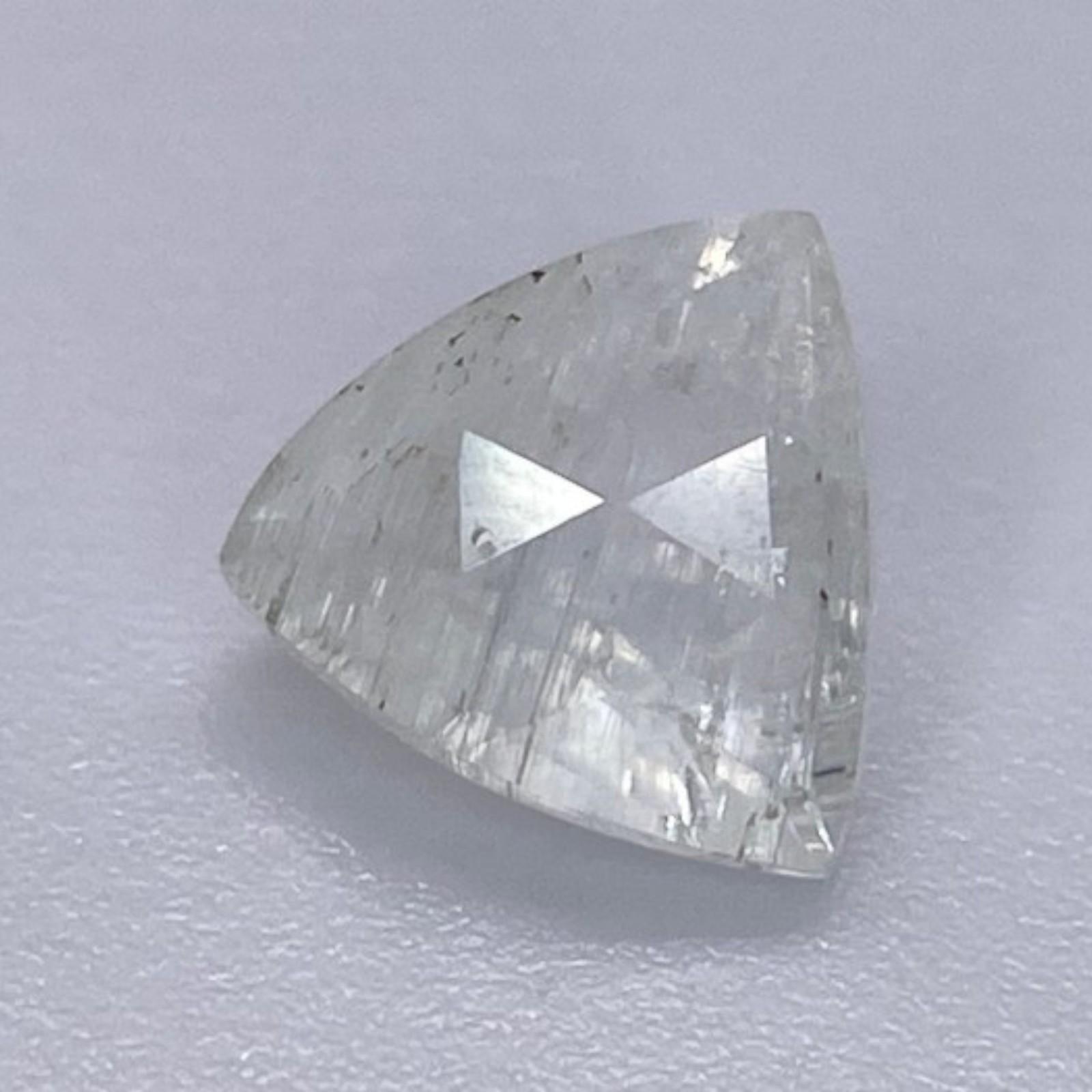
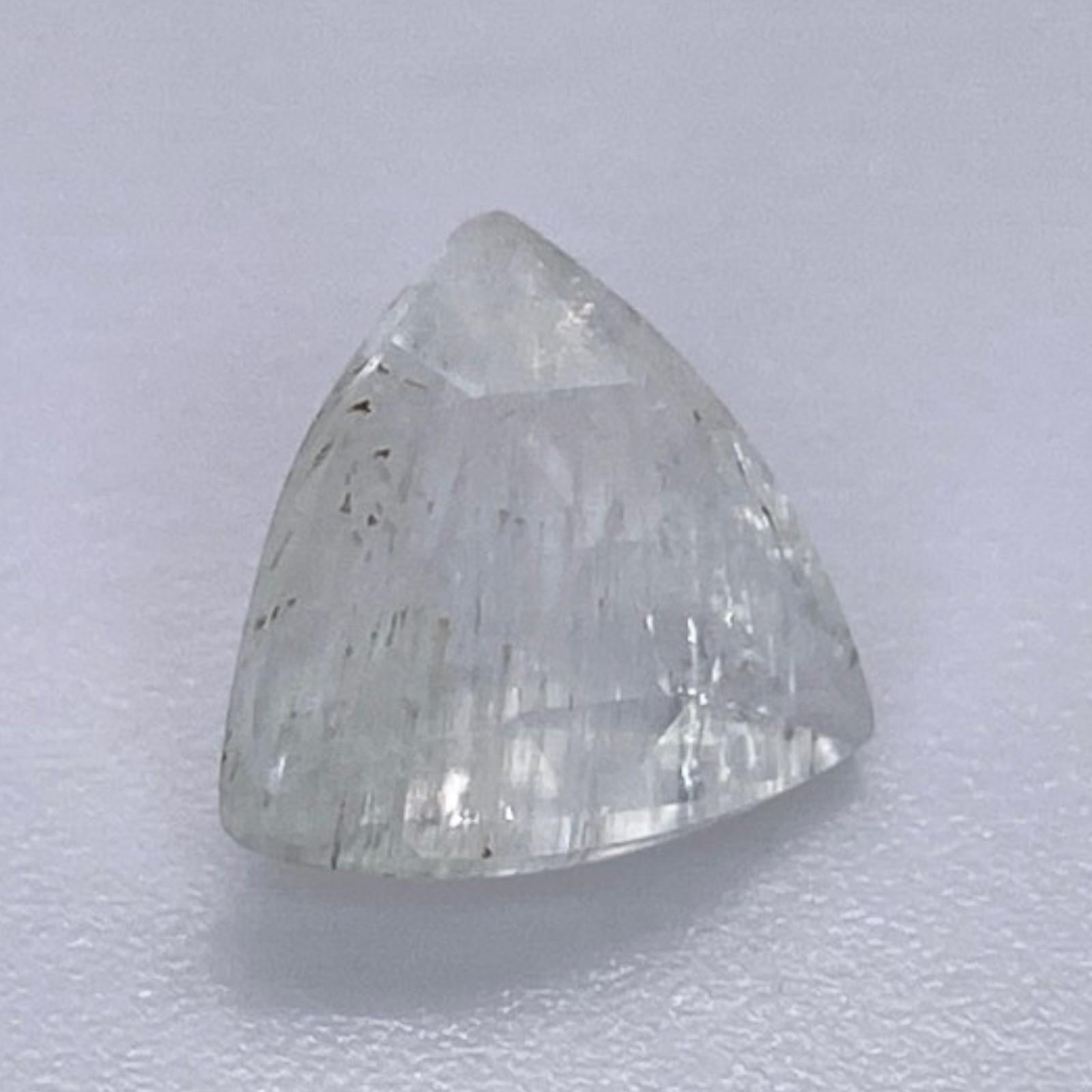
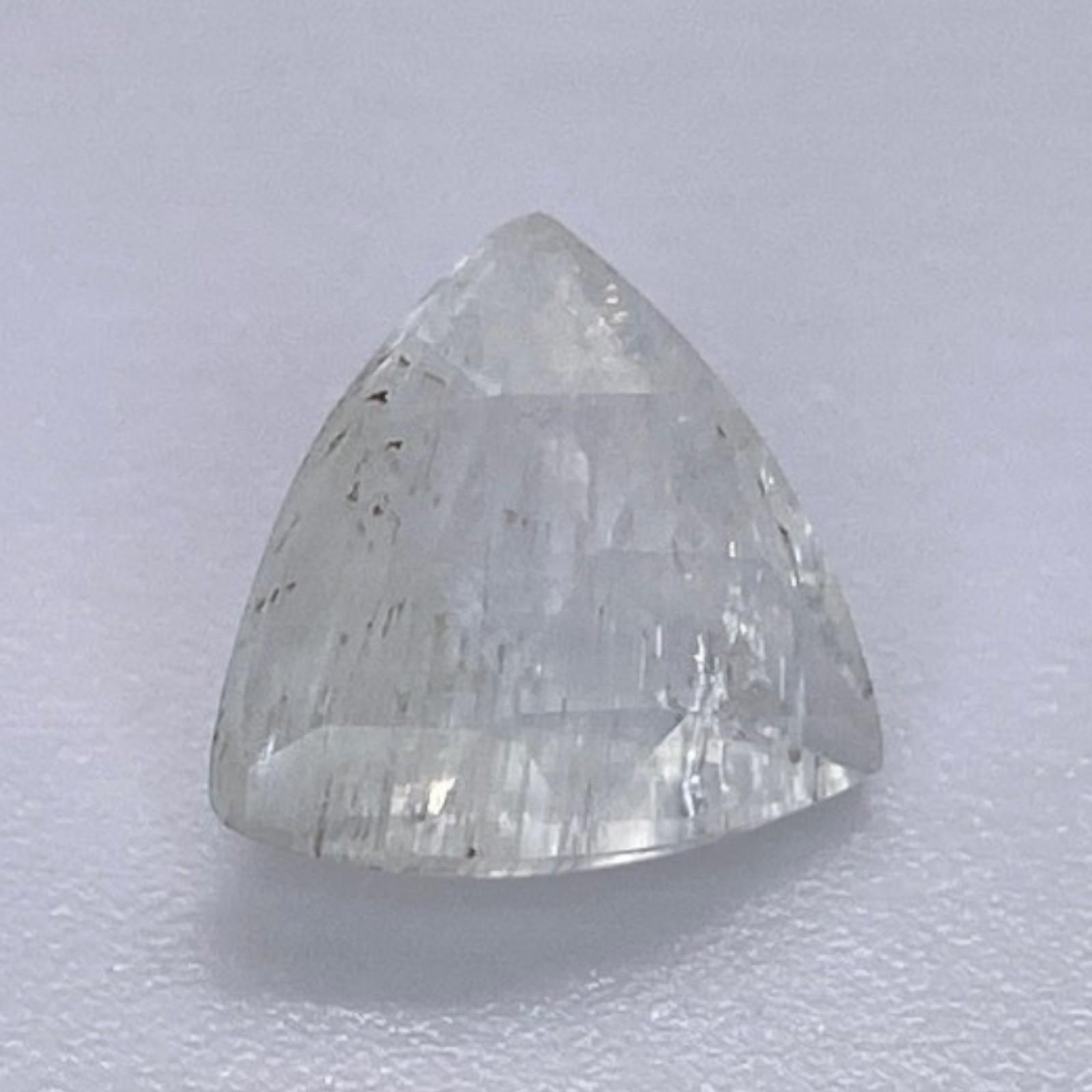
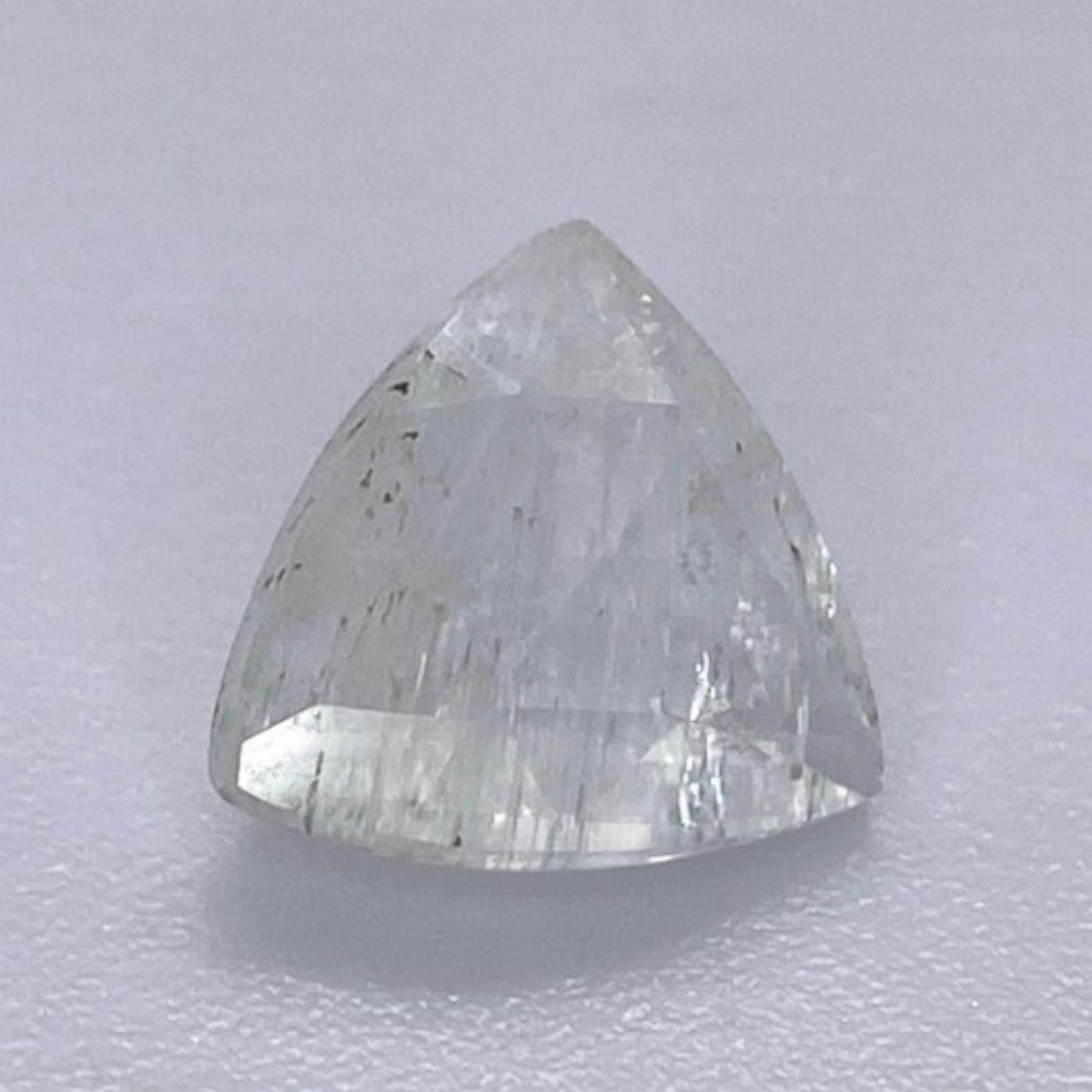
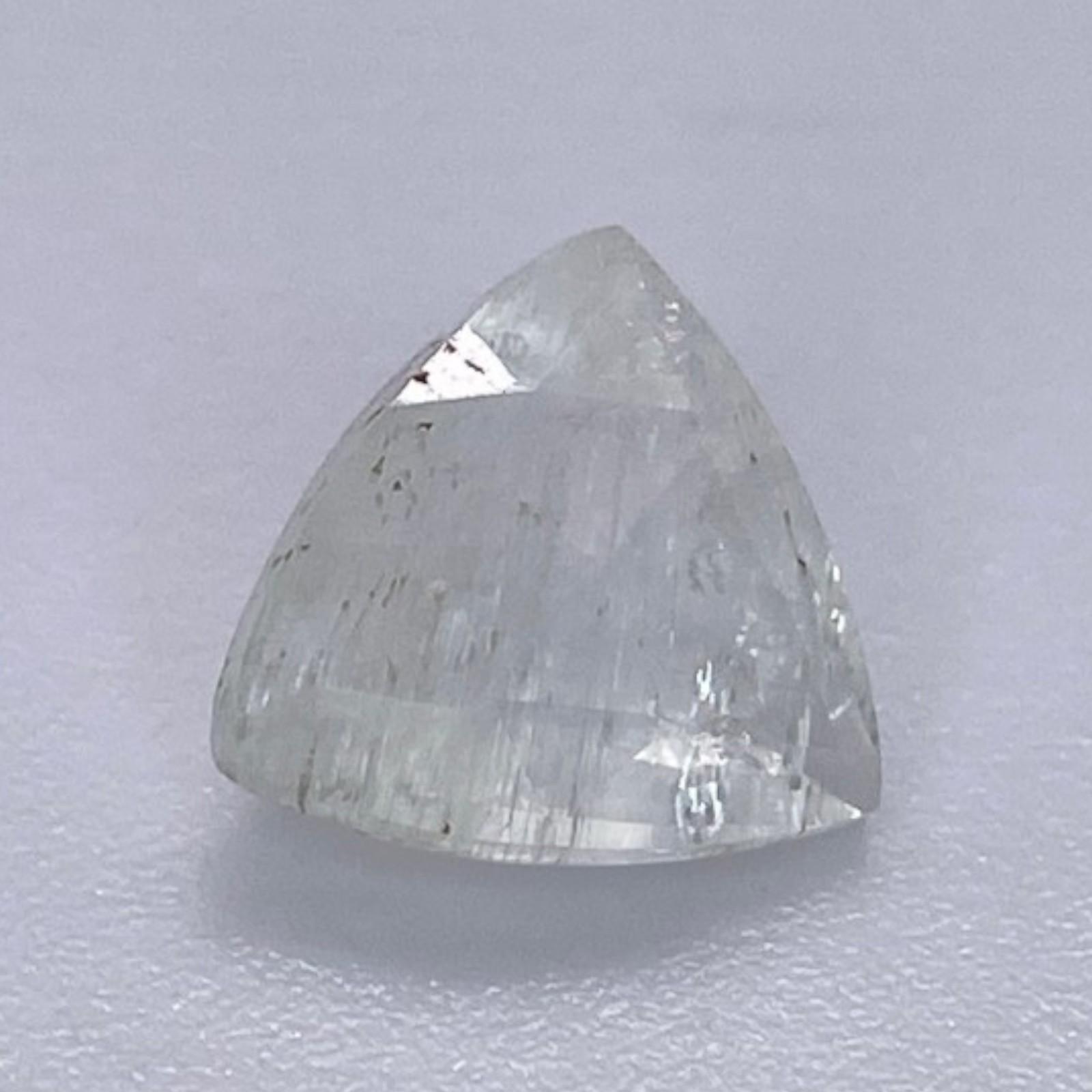
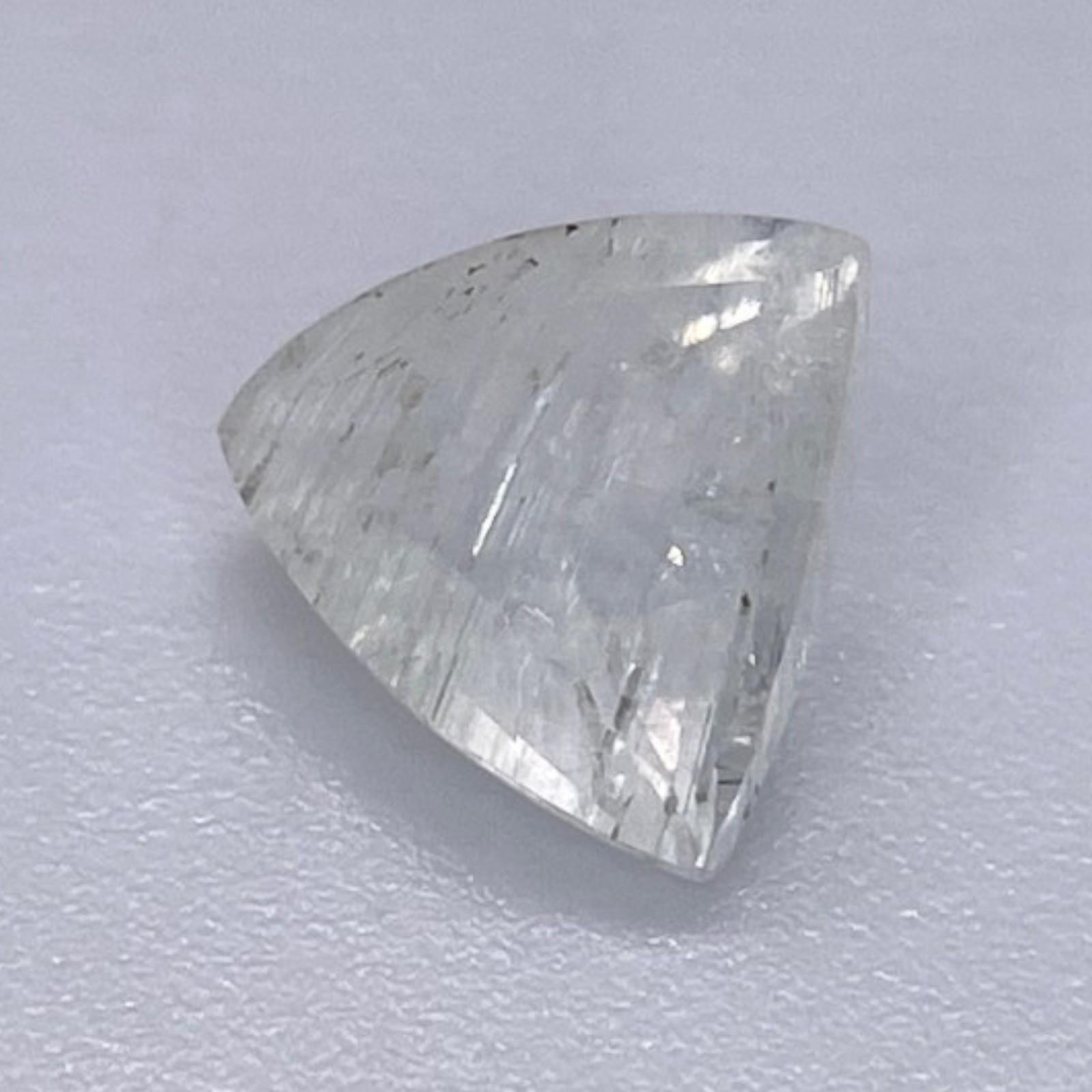
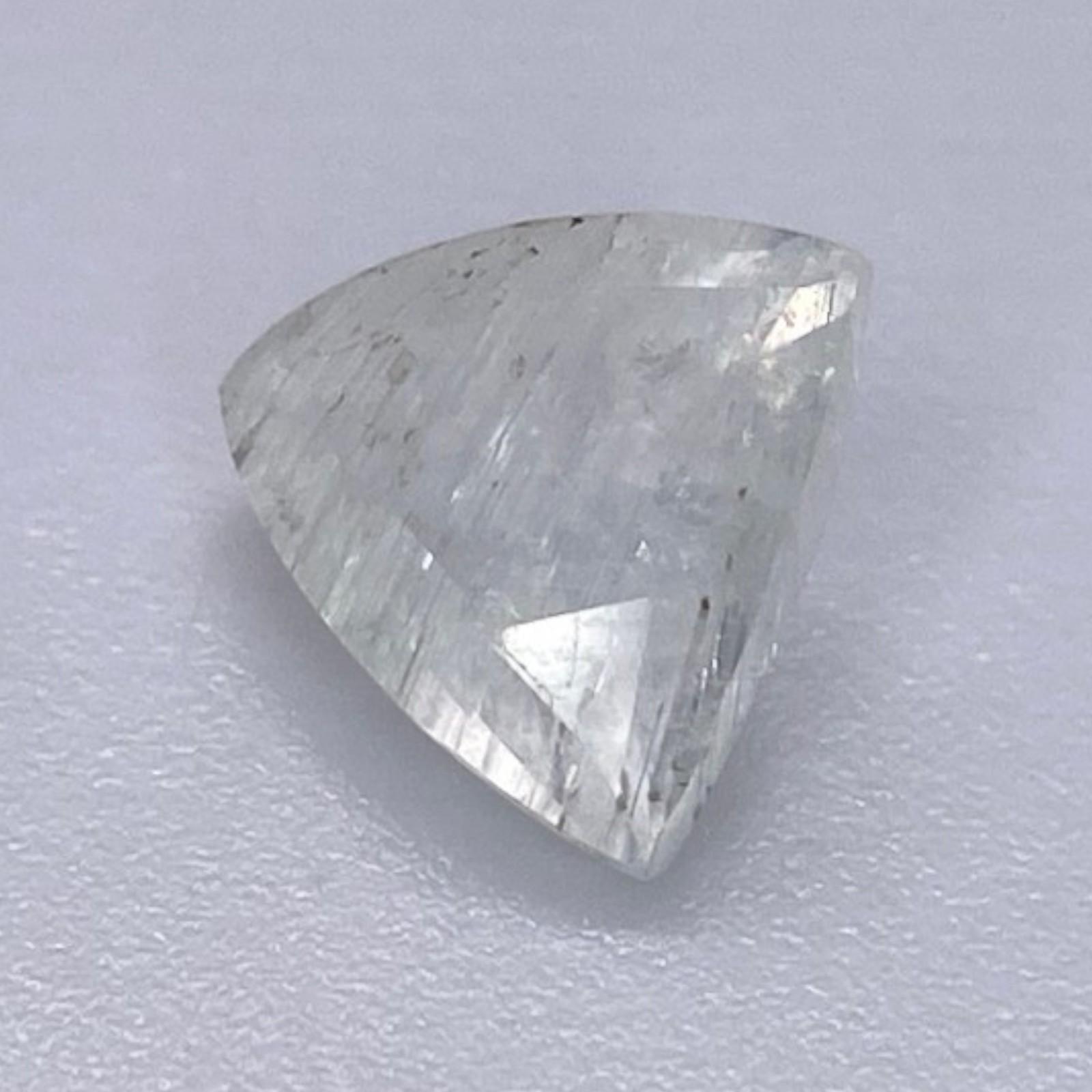
1.43 ct BERYLLONITE – AFGHANISTAN
EXPERT VERIFIED
- Expert Verified Gemstone
- Fast Handling & Shipping
- Secure Vault Packaging
$ 150
Offer amount Feild


Smart Collector Choice


Pay with Crypto & Get 10% Automatic Discount

Availability: 1 in stock


- Freakingcats Gemstone Database
Beryllonite
Beryllonite represents the “crystalline ghost” of the beryllium world. A sodium beryllium phosphate, it is a species I have always respected for its “ice-pure” transparency and its remarkable, complex twinning. While many beryllium minerals like Emerald or Aquamarine are celebrated for their color, Beryllonite is a prize of refractive precision and rarity; it is a “white-fire” gem that offers a brilliance and a sub-adamantine luster that can challenge the finest white topaz or even phenakite. It typically presents as colorless to a very pale, “shattering” white. For the specialist, a top-tier Beryllonite is a study in “liquid” aesthetics, providing a sophisticated, high-frequency vibrance that makes it a true “connoisseur’s anchor” for the systematic vault.
The Heritage & Discovery
Historical Significance: Beryllonite is a vital species for understanding the extreme concentration of beryllium and phosphorus in the final, “evolved” stages of granitic pegmatites. Historically, it was a rare discovery that remained largely unknown to the general public, existing only in the most elite mineral cabinets of the 19th century. In the world of fine minerals, it is celebrated for its complex “star” twinning and its rarity compared to other beryllium silicates. It stands as a symbol of clarity and chemical refinement, bridging the gap between common phosphate minerals and the elite world of “water-clear” precious rarities. It serves as a reminder that the most “colorless” minerals in nature often harbor the most intricate internal geometries.
Discovery: The mineral was formally named in 1888 by Edward S. Dana, after the discovery of specimens in Stoneham, Maine, USA. Its name is a direct reference to its high beryllium content. Scientifically, it is a sodium beryllium phosphate. Its discovery provided mineralogists with the first clear look at a beryllium-dominant phosphate, helping to map the chemical diversity of the highly fractionalized pegmatite pockets of the Appalachian range. Since its identification, it has become a “holy grail” for collectors of rare beryllium species.
+1
Important Mines: The undisputed world capital for the finest, largest, and most “gemmy” Beryllonite crystals is the Paprok and Mawi regions in the Nuristan Province, Afghanistan. These Afghan specimens set the global standard for size and transparency. I also have a high regard for the classic, historic “star-twinned” crystals from Stoneham, Maine, and the rare occurrences in Minas Gerais, Brazil. For the vault, I prioritize the Afghan material for its “ice-clear” faceting potential and the Maine pieces for their superior crystallographic pedigree.
Mineralogical Profile
Description: Beryllonite is a sodium beryllium phosphate that crystallizes in the monoclinic system. It sits at a 5.5 to 6 on the Mohs scale, making it a relatively durable mineral, though it should be handled with care due to its “brittle” nature. It is characterized by its vitreous to sub-adamantine luster and its absolute lack of color in its purest state.
One of its most identifying traits is its high refractive index (n approx 1.55 to 1.56) and its distinct, “shimmering” pearly luster on its cleavage planes. It has a specific gravity (SG approx 2.8), which is slightly higher than Quartz, giving it a “solid” feel. Because it is a rare phosphate, it is often found in association with Herderite, Tourmaline, and Albite (Cleavelandite). When I select a piece for the collection, I look for “razor-sharp” edges and a lack of internal “feathers” (fractures), as these highlight the sophisticated, three-dimensional geometry that makes Beryllonite a standout for the systematic specialist. It is a light, high-vibration mineral that offers a unique, “aqueous” beauty unlike any other beryllium species.
Chemical Formula: NaBePO4


