

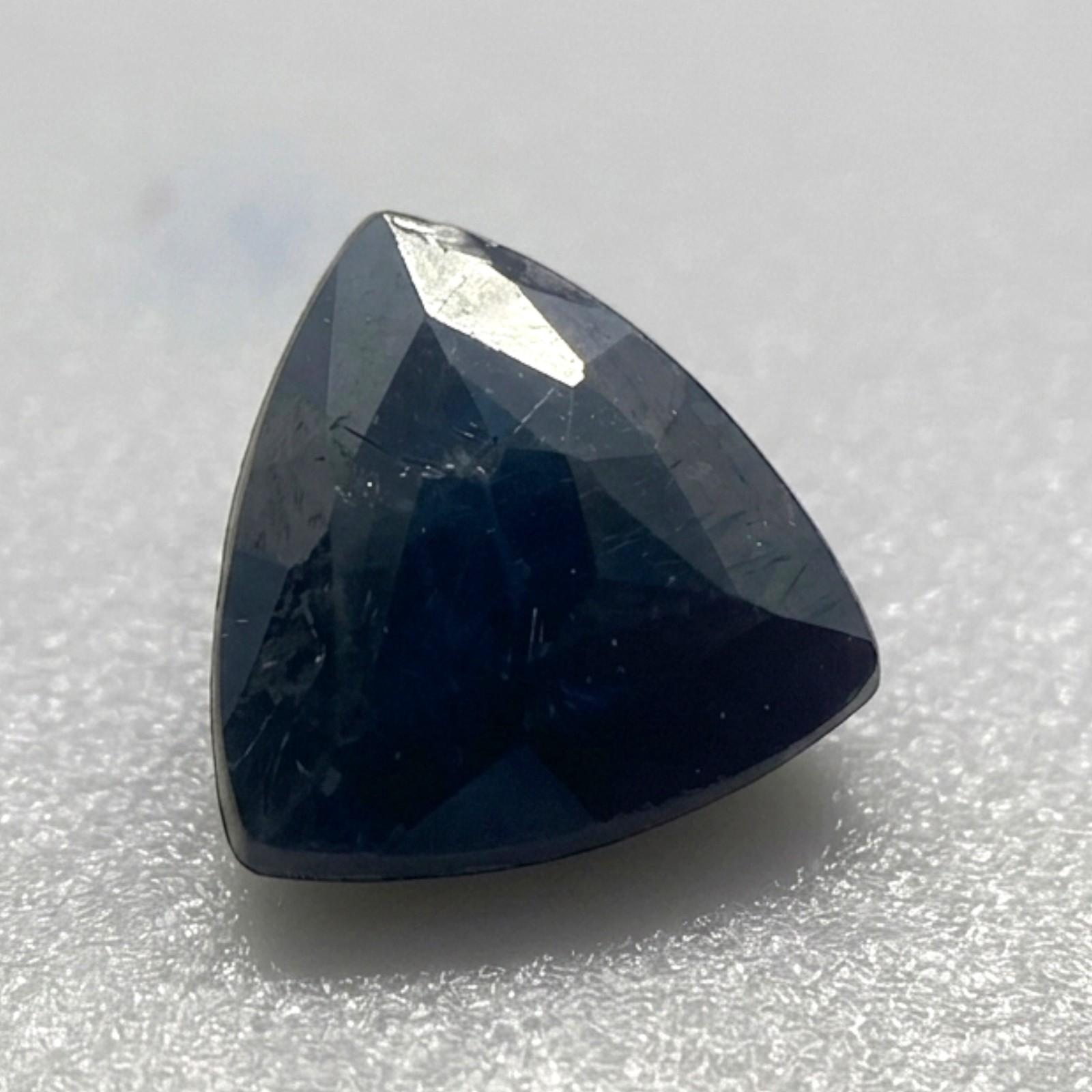
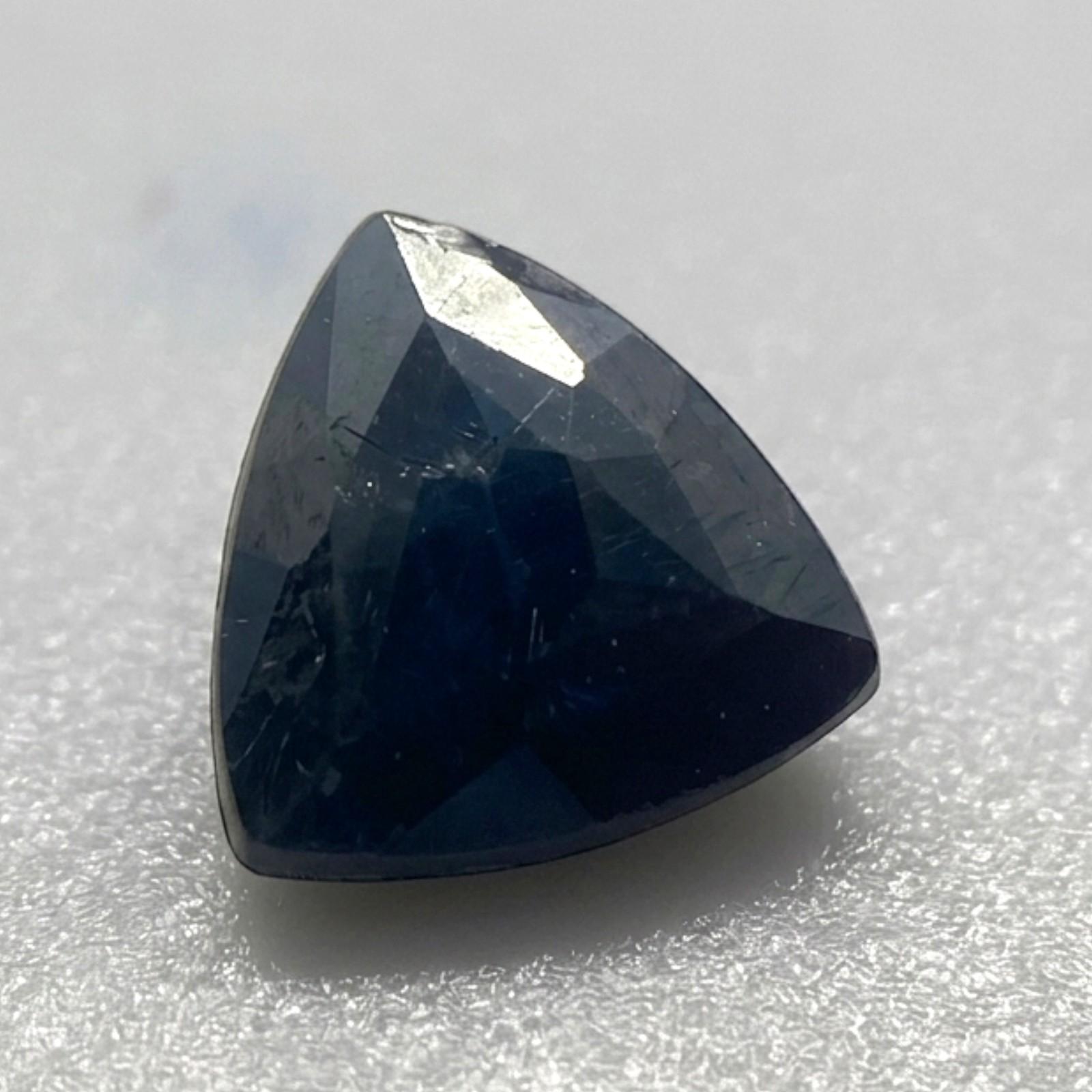
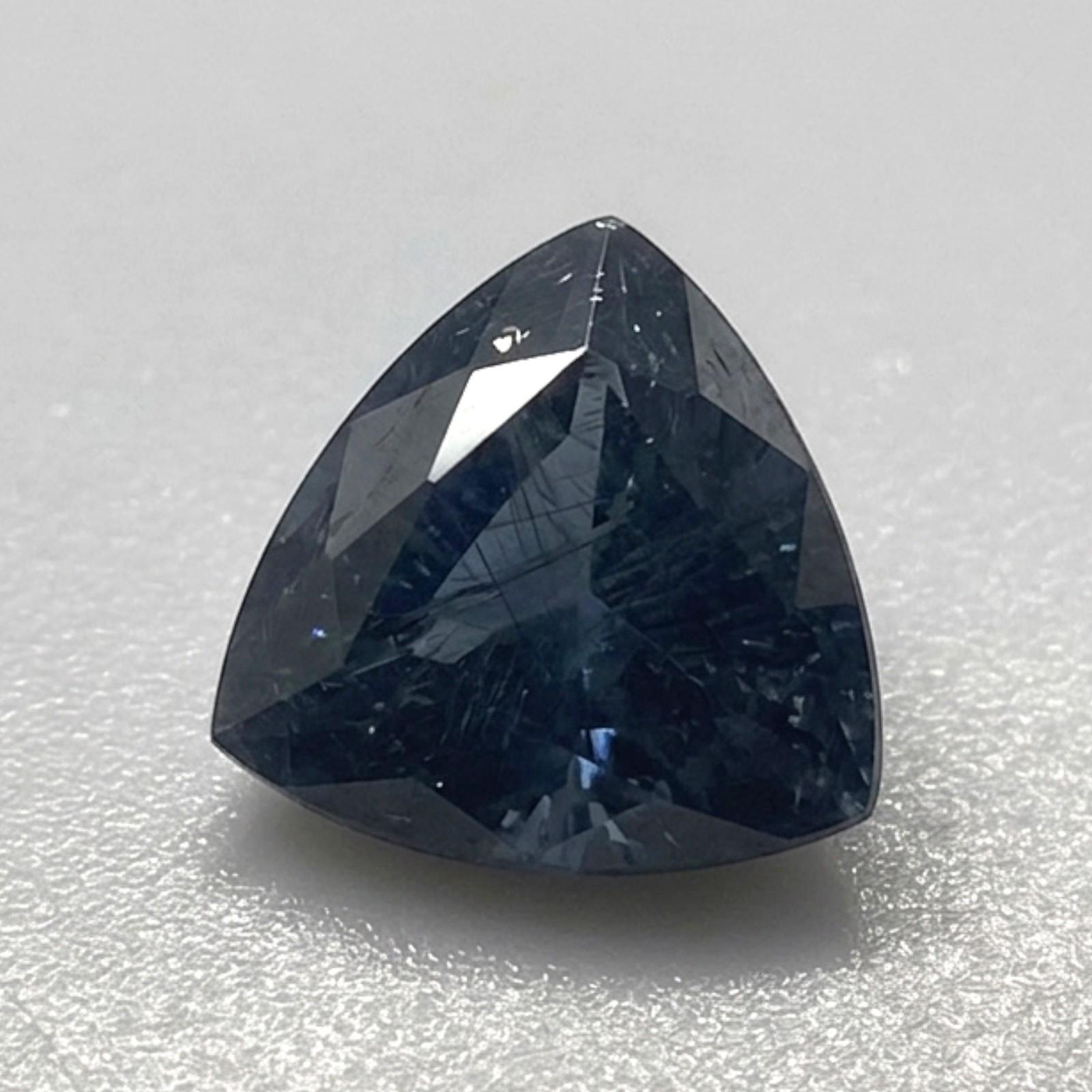
1.65 ct ARGENTITE – PERU
EXPERT VERIFIED
- Expert Verified Gemstone
- Fast Handling & Shipping
- Secure Vault Packaging
$ 300 Original price was: $ 300.$ 180Current price is: $ 180.
Offer amount Feild


Smart Collector Choice


Pay with Crypto & Get 10% Automatic Discount

Availability: 1 in stock
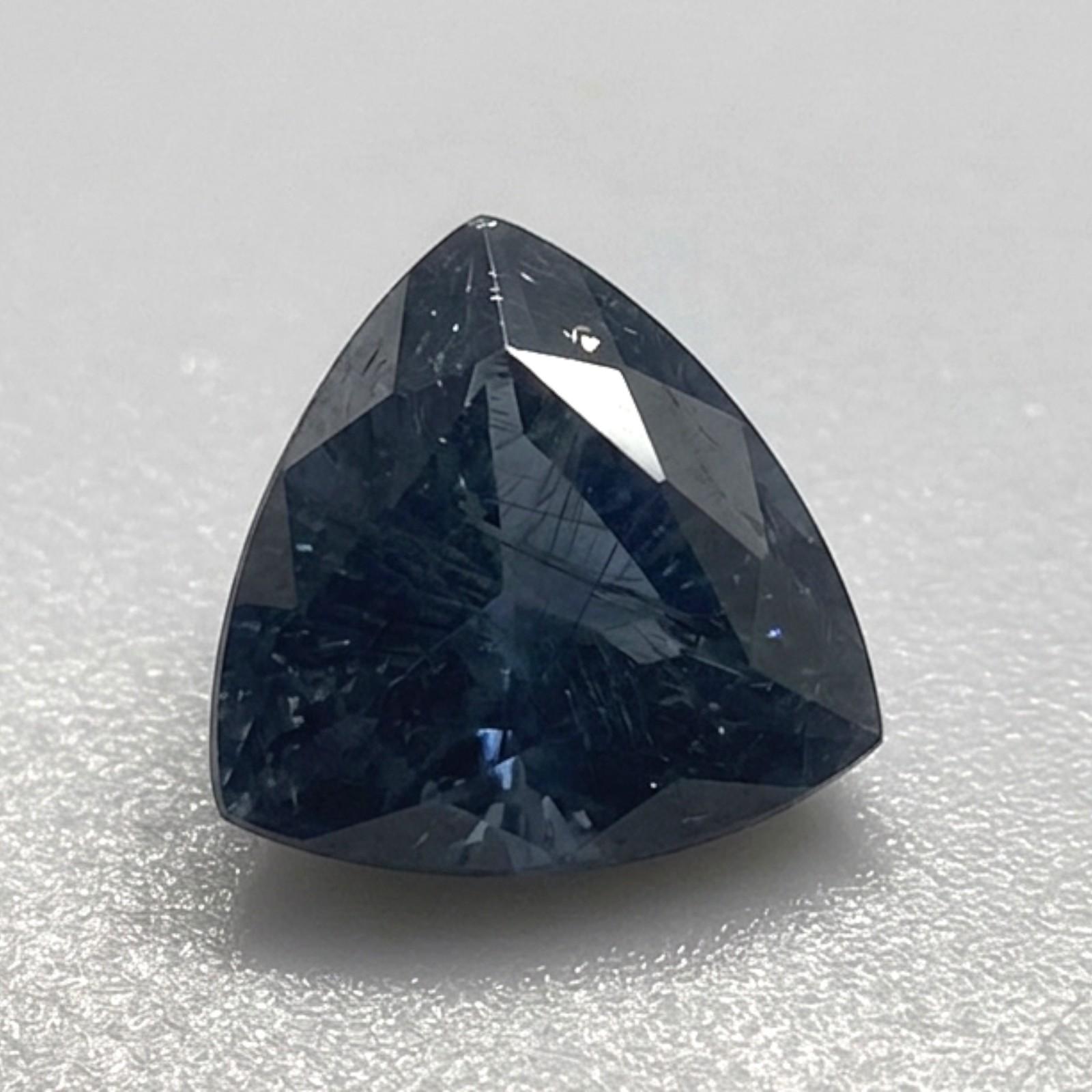
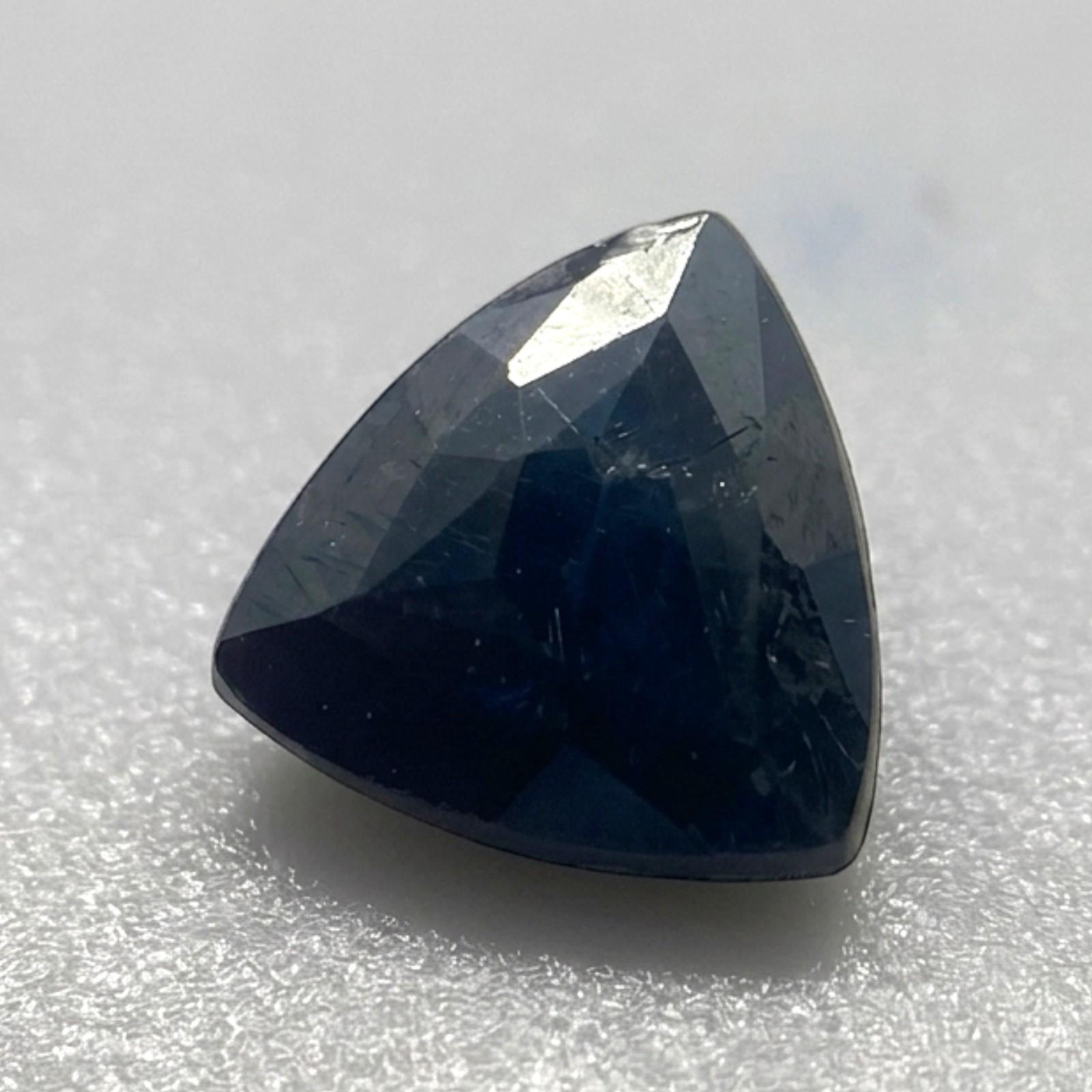
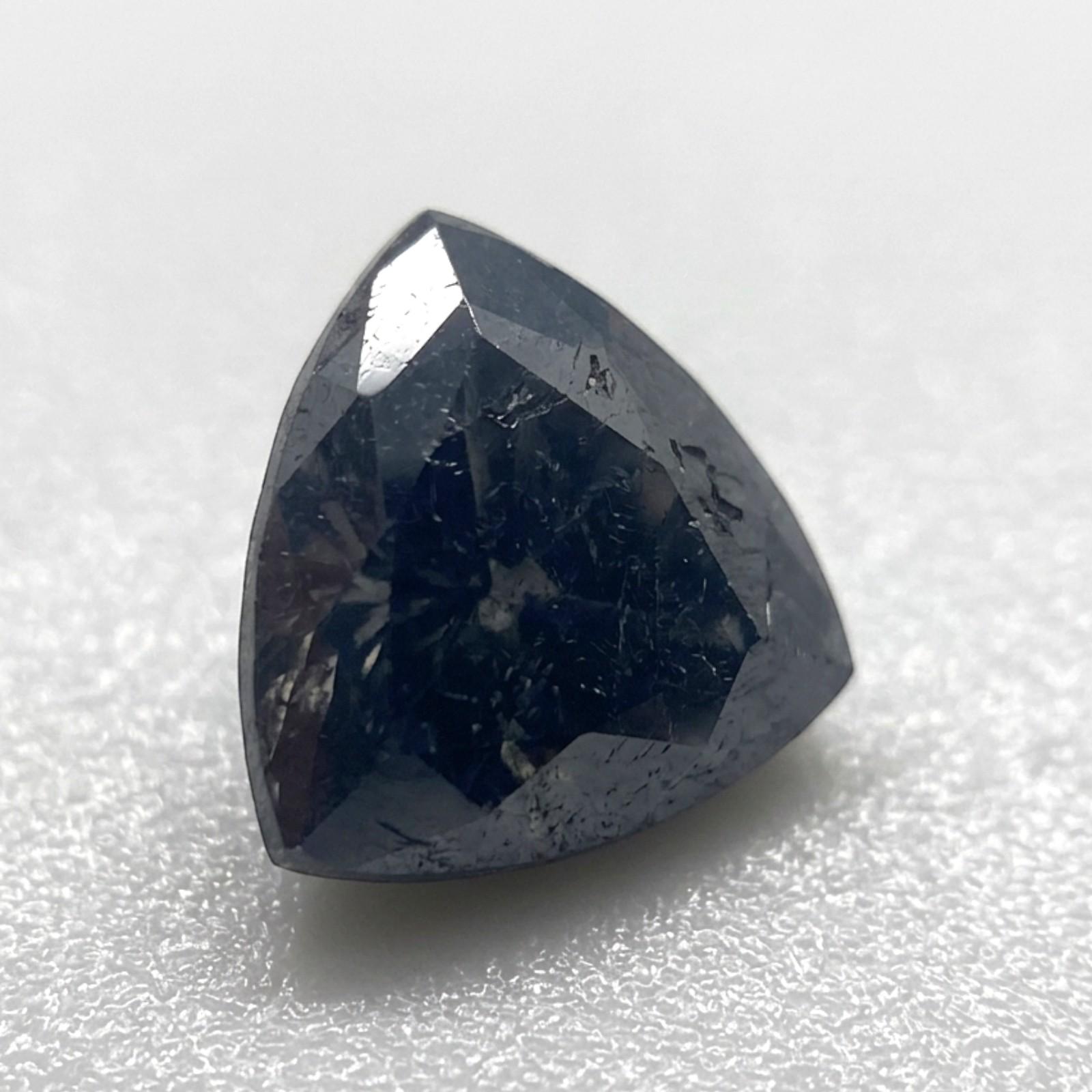
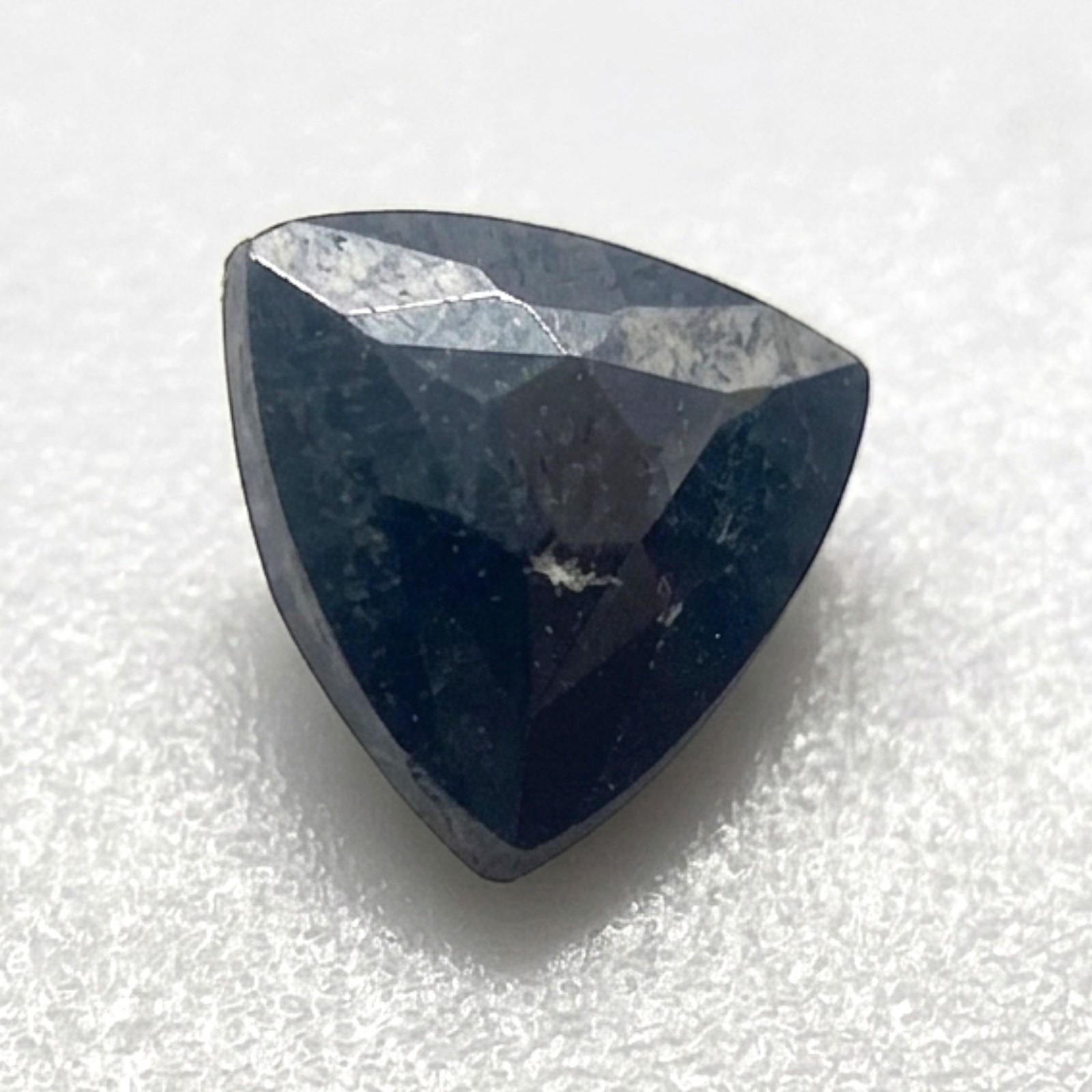


- Freakingcats Gemstone Database
Argentite
Argentite is a gemstone that occupies a fascinating, almost ghostly space in the mineral kingdom. A high-temperature form of silver sulfide, it is the parent mineral to the more common Acanthite. I have always been intrigued by its “paramorphic” nature; while Argentite only exists as a stable structure above 173°C, its cubic crystal forms are often preserved even after the stone cools and technically transforms into its monoclinic sister. It possesses a lead-grey color and a metallic luster that, when fresh, gleams with a dark, sophisticated brilliance. For the collector, Argentite is the “shifter” of the silver world—a stone of elemental transition and high-energy origins that feels remarkably heavy and “metallic” in the palm of your hand.
The Heritage & Discovery
Historical Significance: Argentite has been one of the most important ores of silver throughout human history. Historically, it was the “silver glance” that fueled the great silver rushes of the American West and the massive mining operations of colonial Mexico and Peru. In the world of fine minerals, it represents the absolute concentration of silver in hydrothermal veins. It stands as a symbol of wealth and industrial power, bridging the gap between raw geological deposits and the refined silver used in coinage, jewelry, and modern technology. To find a well-formed “cubic” Argentite is to hold a relic of the high-temperature fluids that once pulsed through the Earth’s crust.
Discovery: The mineral was formally named in 1845 by the Austrian mineralogist Wilhelm Karl von Haidinger. Its name is derived from the Latin argentum, meaning “silver.” Scientifically, its discovery allowed mineralogists to understand polymorphism—how a single chemical compound (Ag2S) can exist in different structural forms depending on the temperature. While most “Argentite” specimens in collections today are technically Acanthite, they are still called Argentite if they retain the original cubic or octahedral shape of the high-temperature mineral.
Important Mines: The legendary source for world-class Argentite/Acanthite is the Freiberg District in Saxony, Germany. I also have a high regard for the spectacular, large crystals found in the Guanajuato and Fresnillo mines in Mexico, and the historic finds from the Comstock Lode in Nevada, USA. For the vault, I prioritize the German specimens for their unmatched historical pedigree and the Mexican “cubic” crystals for their exceptional size and sharp geometric definition.
Mineralogical Profile
Description: Argentite is a silver sulfide that crystallizes in the isometric (cubic) system at high temperatures. It sits at a 2 to 2.5 on the Mohs scale, making it a very soft and “sectile” mineral—meaning it can be cut with a knife like lead or wax. It is characterized by its metallic luster and its lead-grey to blackish-grey color, which often develops a dull, dark tarnish over time.
One of its most identifying traits is its sectility. Unlike most minerals that shatter or crumble when struck, Argentite is malleable; it can be deformed or even carved. It has a high density (7.0 to 7.4$g/cm³), which gives it a substantial “heavy” feel. Because it is a sulfide, it is often found in association with Native Silver, Galena, and Proustite. When I select a piece for the collection, I look for “sharp” cubic or octahedral forms that have not been overly dulled by oxidation, as these highlight the sophisticated, “architectural” look that makes Argentite a standout for the systematic collector. It is a dense, grounding mineral that represents the raw, elemental soul of silver.
Chemical Formula: Ag2S
Related products
- Sale!Suggest a Price
![9.05 ct 3 pc AERINITE - SPAIN]()
- Sale!Suggest a Price
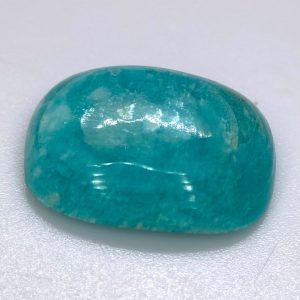
![12.30 ct AMAZONITE - USA]()
- Sale!Suggest a Price
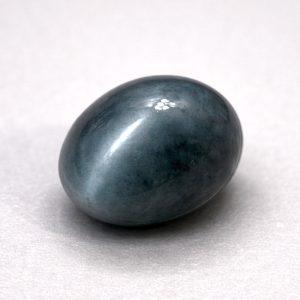
![1.63 ct CATS EYE ALEXANDRITE - INDIA]()
- Sale!Suggest a Price
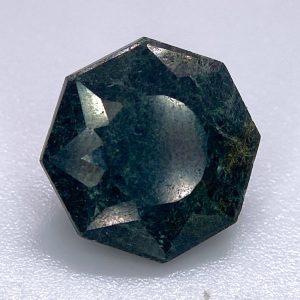
![5.85 ct AERINITE - SPAIN]()


