
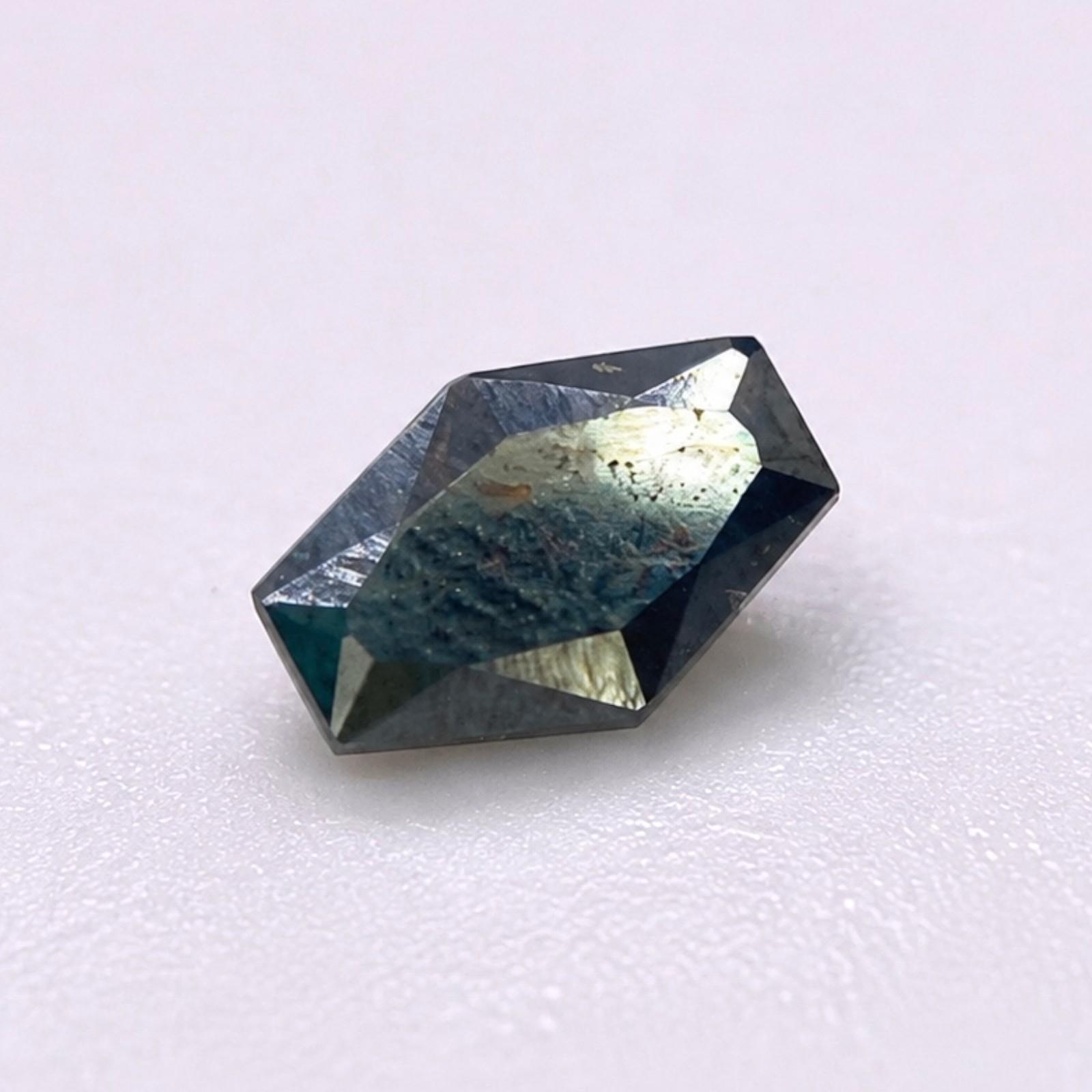
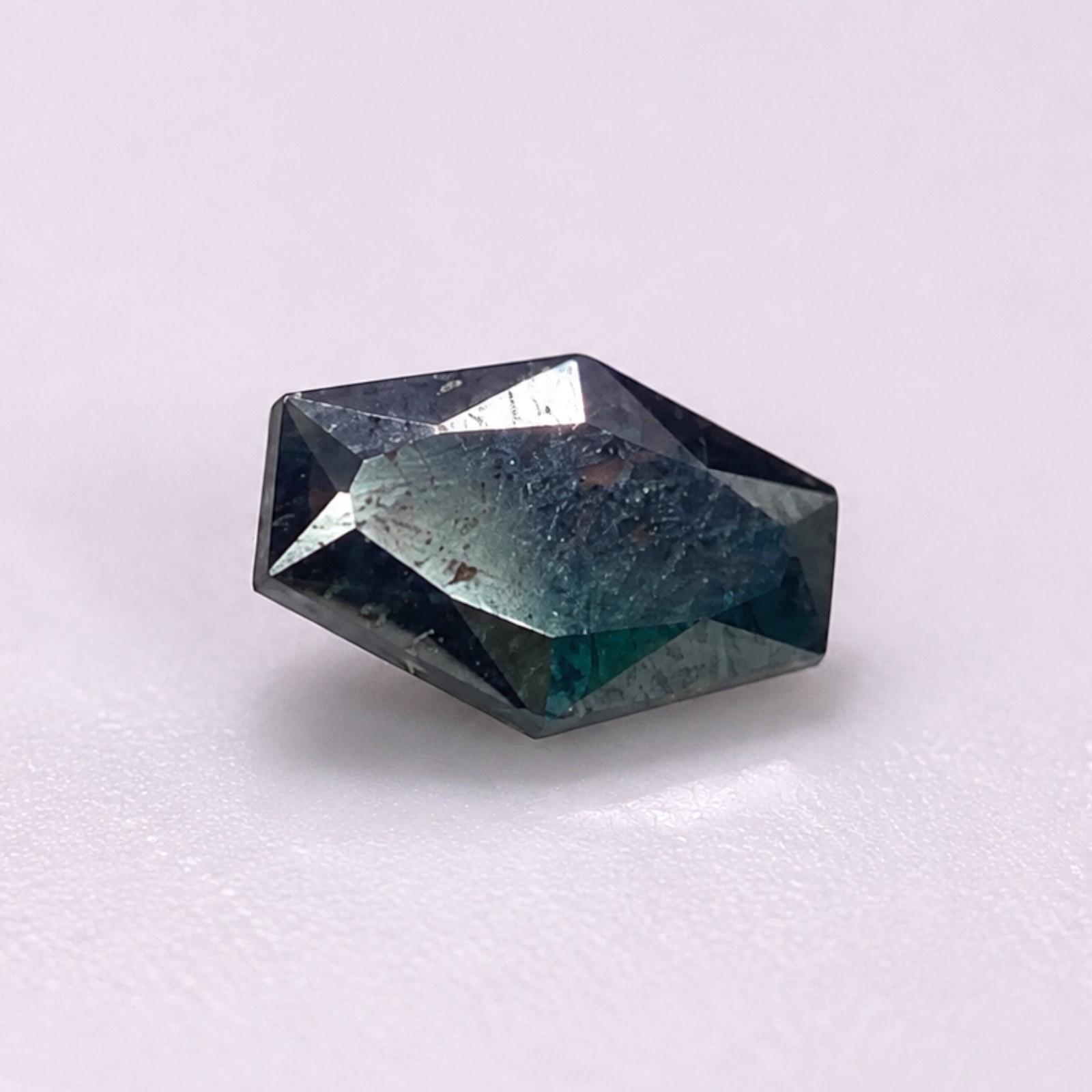
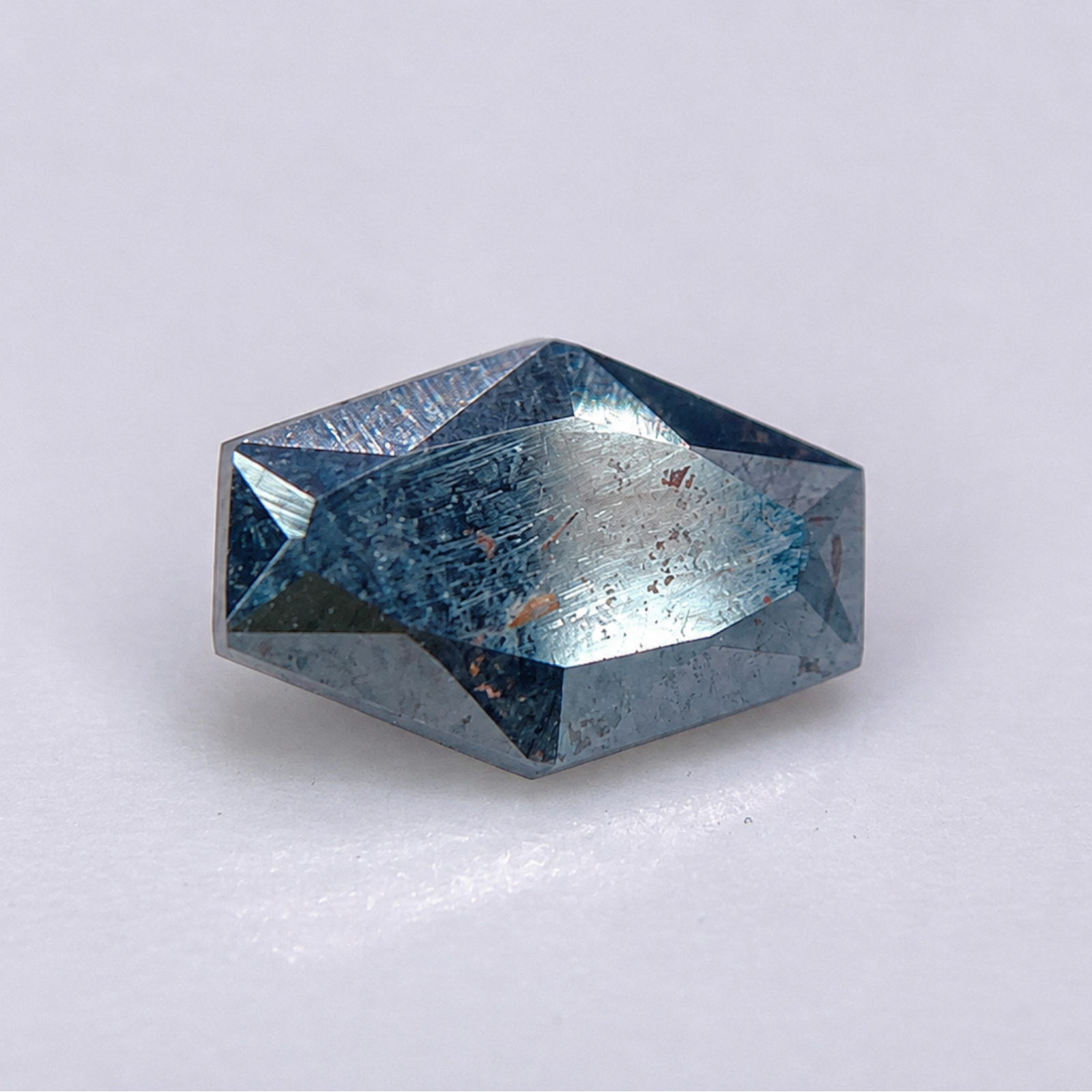
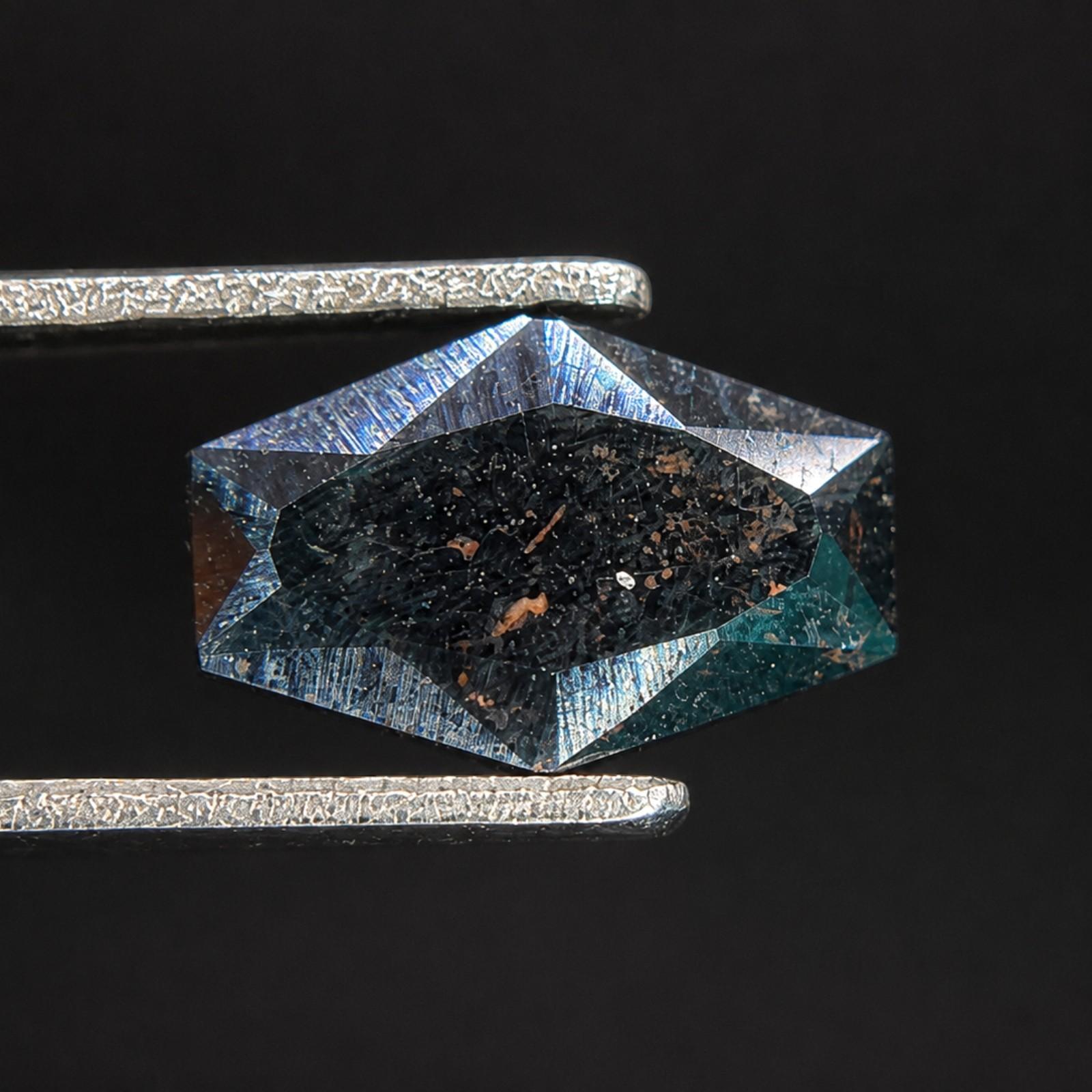
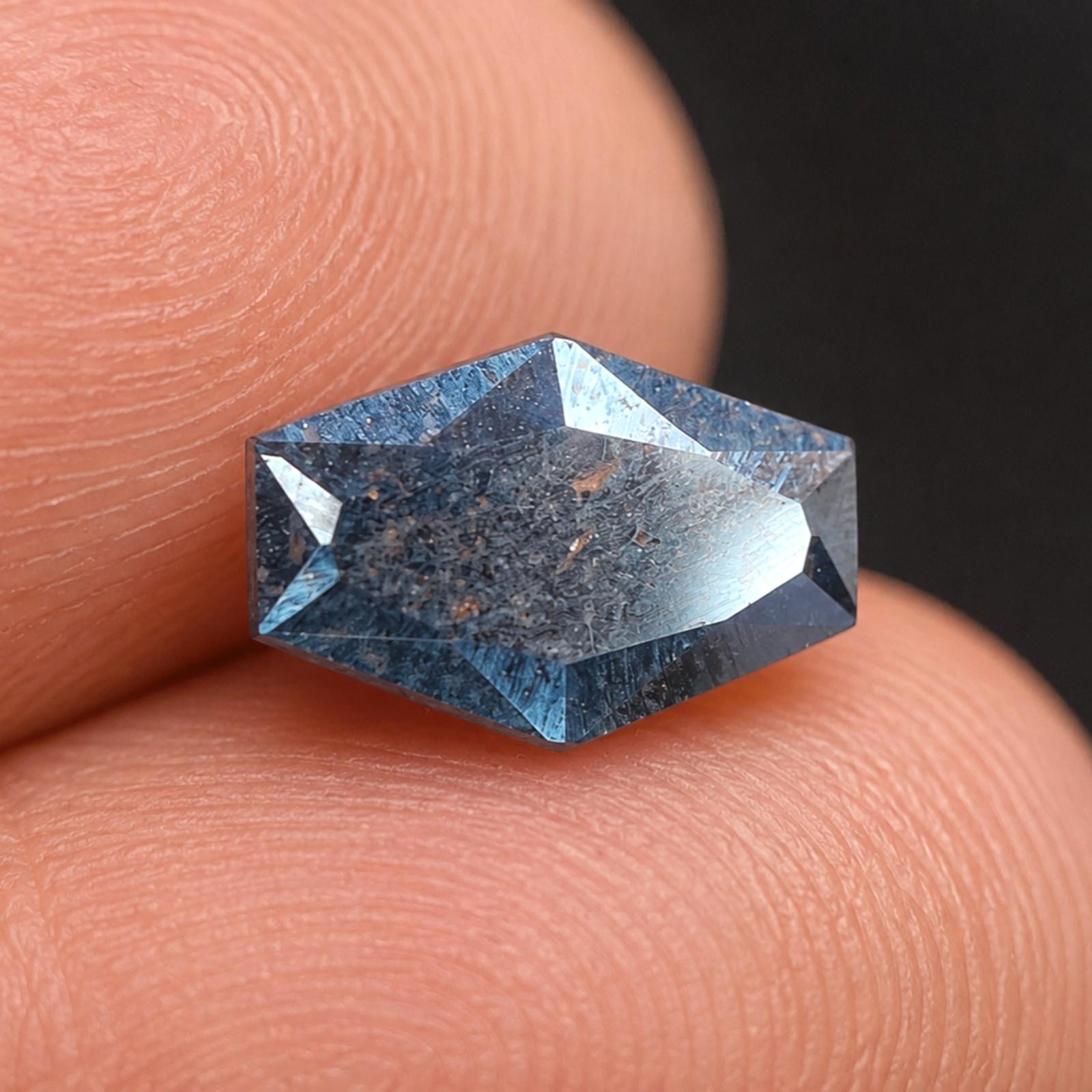
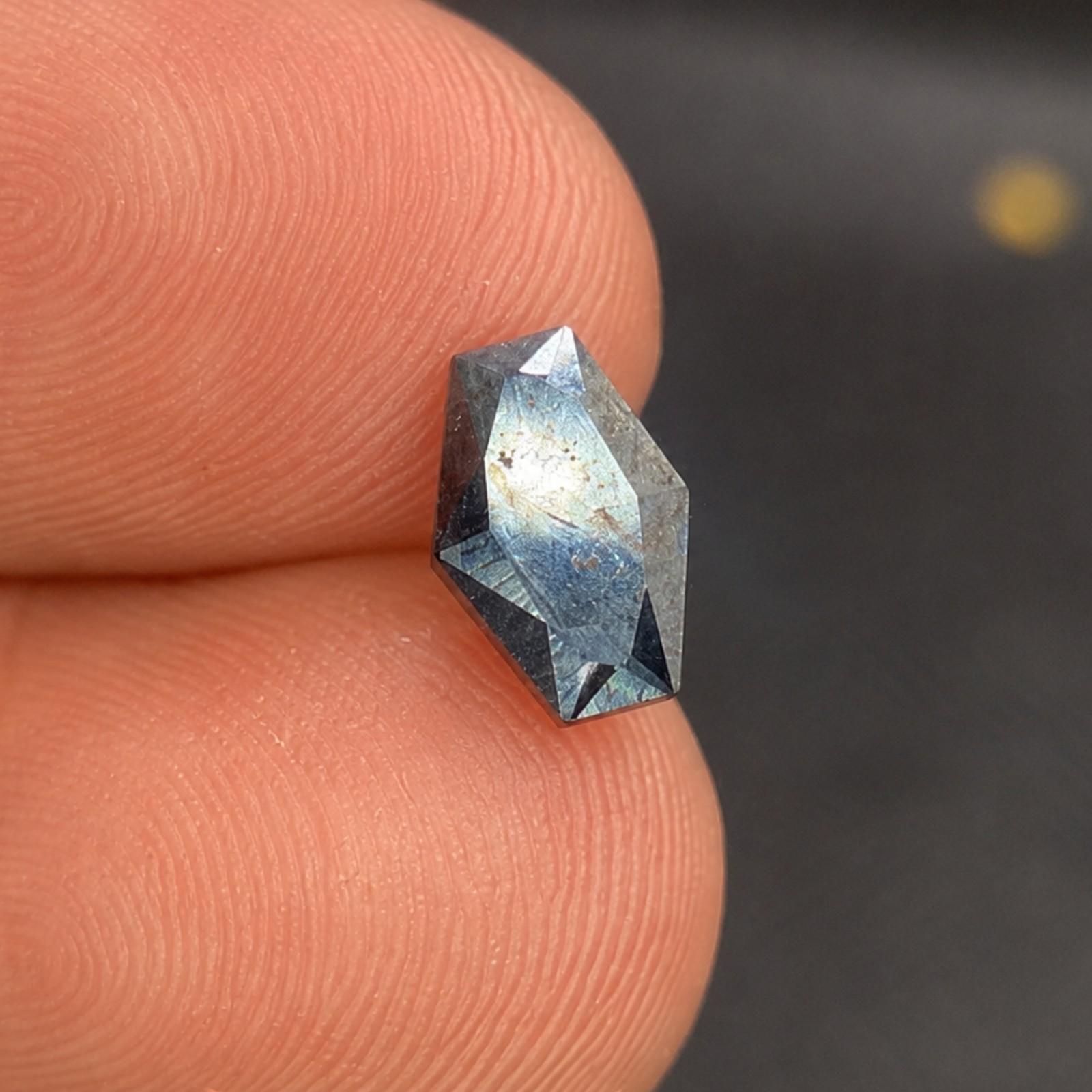
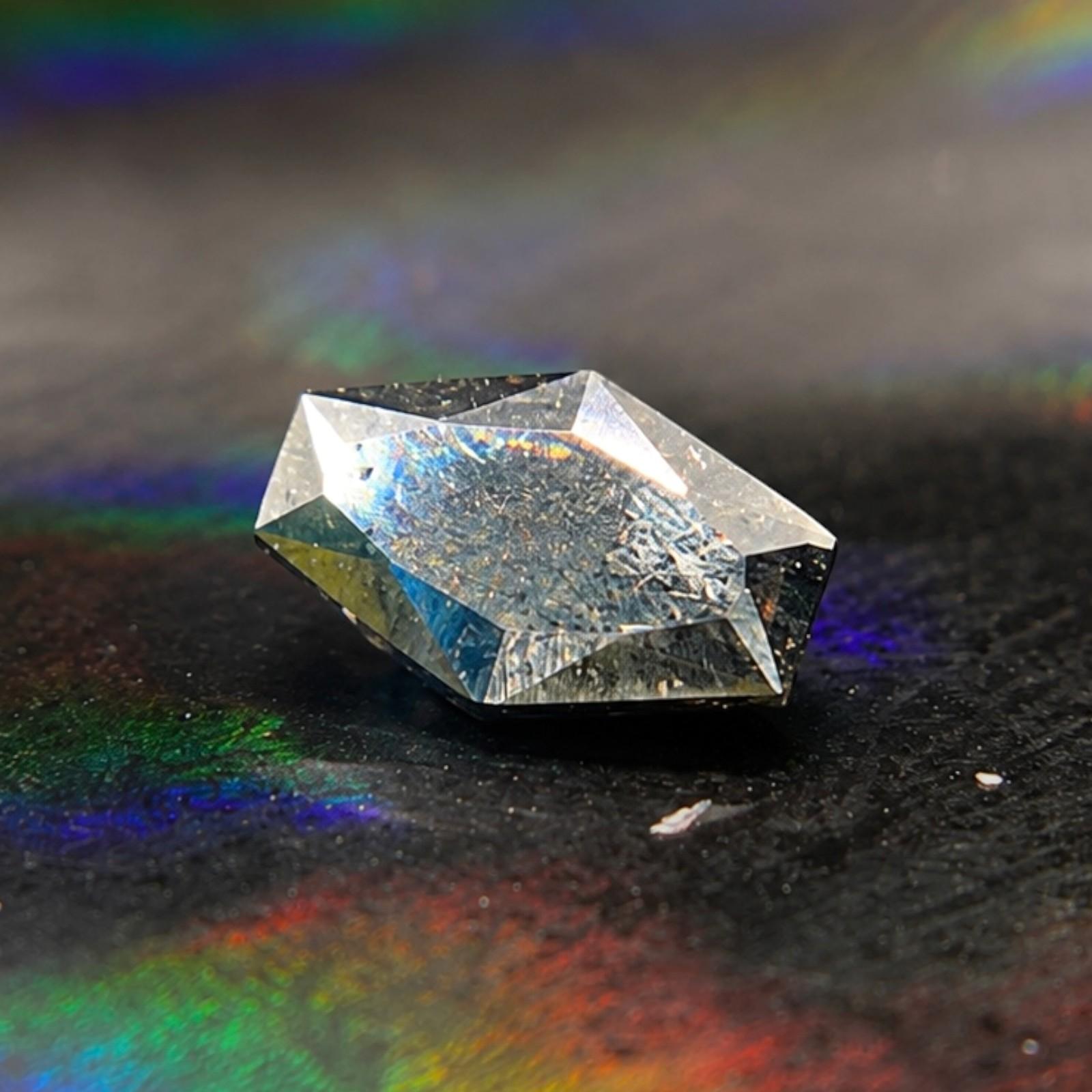
1.76 ct MARTITE – BRAZIL
EXPERT VERIFIED
- Expert Verified Gemstone
- Fast Handling & Shipping
- Secure Vault Packaging
$ 300
Offer amount Feild


Smart Collector Choice


Pay with Crypto & Get 10% Automatic Discount

Availability: 1 in stock


- Freakingcats Gemstone Database
Martite (Hematite after Magnetite)
Martite is one of the most compelling examples of a “geological ghost.” It is not a distinct mineral species in its own right, but rather a fascinating pseudomorph—a case of identity theft on a molecular level. It occurs when Magnetite oxidizes into Hematite while stubbornly maintaining the original octahedral shape of the Magnetite crystal. I have always been captivated by the irony of Martite; it looks like a heavy, magnetic octahedron, but when you bring a magnet to it, you find it has lost its pull, having been replaced atom-by-atom by Hematite. It is a stone for the collector who values the “process” of geology—a physical record of chemical change frozen in a perfect, sharp geometric form.
The Heritage & Discovery
Historical Significance: Martite has long been a subject of study for mineralogists interested in the transformation of iron oxides. It represents the transition from a highly magnetic, reduced state to a more stable, oxidized state. Historically, it was an important indicator for miners; finding Martite meant they were in a zone of high oxidation, which could signal changes in the surrounding ore body. In the world of “specialized” collecting, a sharp, lustrous Martite octahedron is prized as a masterpiece of natural mimicry, showing how a mineral can change its internal essence without losing its outward face.
Discovery: The name Martite was first proposed in 1827 by the German mineralogist August Breithaupt. He derived the name from “Mars,” the Roman god of war, because of the ancient alchemical association between the planet Mars and the metal iron. While the mineral itself is simply Hematite, Breithaupt recognized that these specific crystals deserved their own designation due to their unique pseudomorphic origin and distinct appearance compared to typical “specular” or “kidney ore” Hematite.
Important Mines: While Martite is found in many iron-rich environments, the world’s most spectacular specimens come from the Itabira district in Minas Gerais, Brazil. The “Itabirite” formations produce incredibly sharp, mirror-like octahedrons that are the benchmark for the variety. Another legendary location is the Payún Matrú volcano in Argentina, which has produced some of the largest and most aesthetically perfect Martite crystals ever recorded. I have always favored these South American specimens for the vault because their edges are razor-sharp, perfectly preserving the “ghost” of the original Magnetite.
Mineralogical Profile
Description: Martite is a pseudomorph of Hematite after Magnetite. It sits at a 5 to 6 on the Mohs scale. While it retains the isometric octahedral or dodecahedral habit of the original Magnetite, its internal structure is trigonal (Hematite). It features a sub-metallic to metallic luster and a dark iron-gray to black color. One of the best ways to verify Martite is through a “streak test”—even though the crystal looks like black Magnetite, it will leave a characteristic reddish-brown streak, revealing its true Hematite identity. It is a dense, heavy mineral that carries the substantial feel typical of high-grade iron ores.
Chemical Formula: Fe2O3 (Hematite replacing Fe2+Fe3+2O4 Magnetite)


