
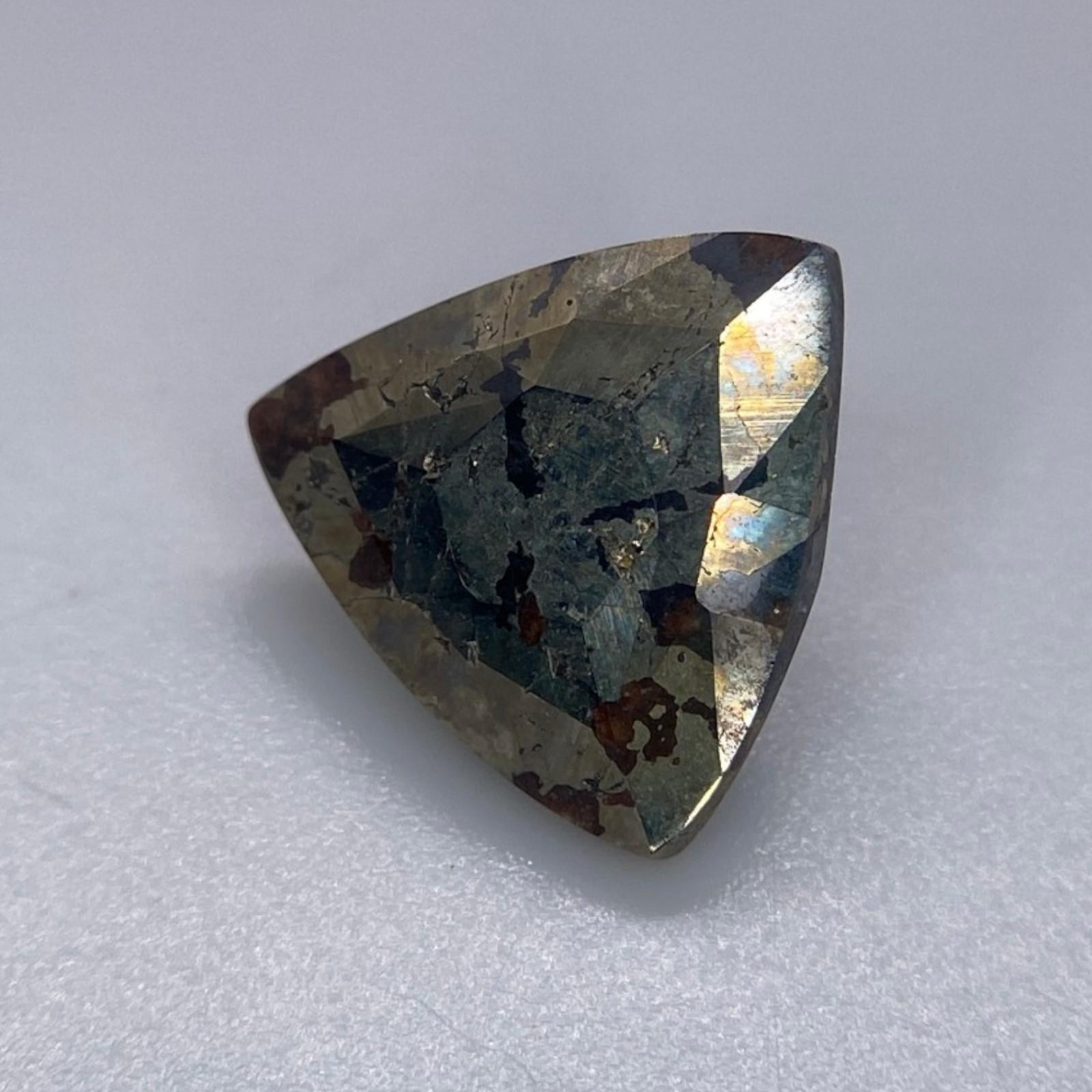
10.06 ct BORNITE – CHINA
EXPERT VERIFIED
- Expert Verified Gemstone
- Fast Handling & Shipping
- Secure Vault Packaging
$ 150
Offer amount Feild


Smart Collector Choice


Pay with Crypto & Get 10% Automatic Discount

Availability: 1 in stock
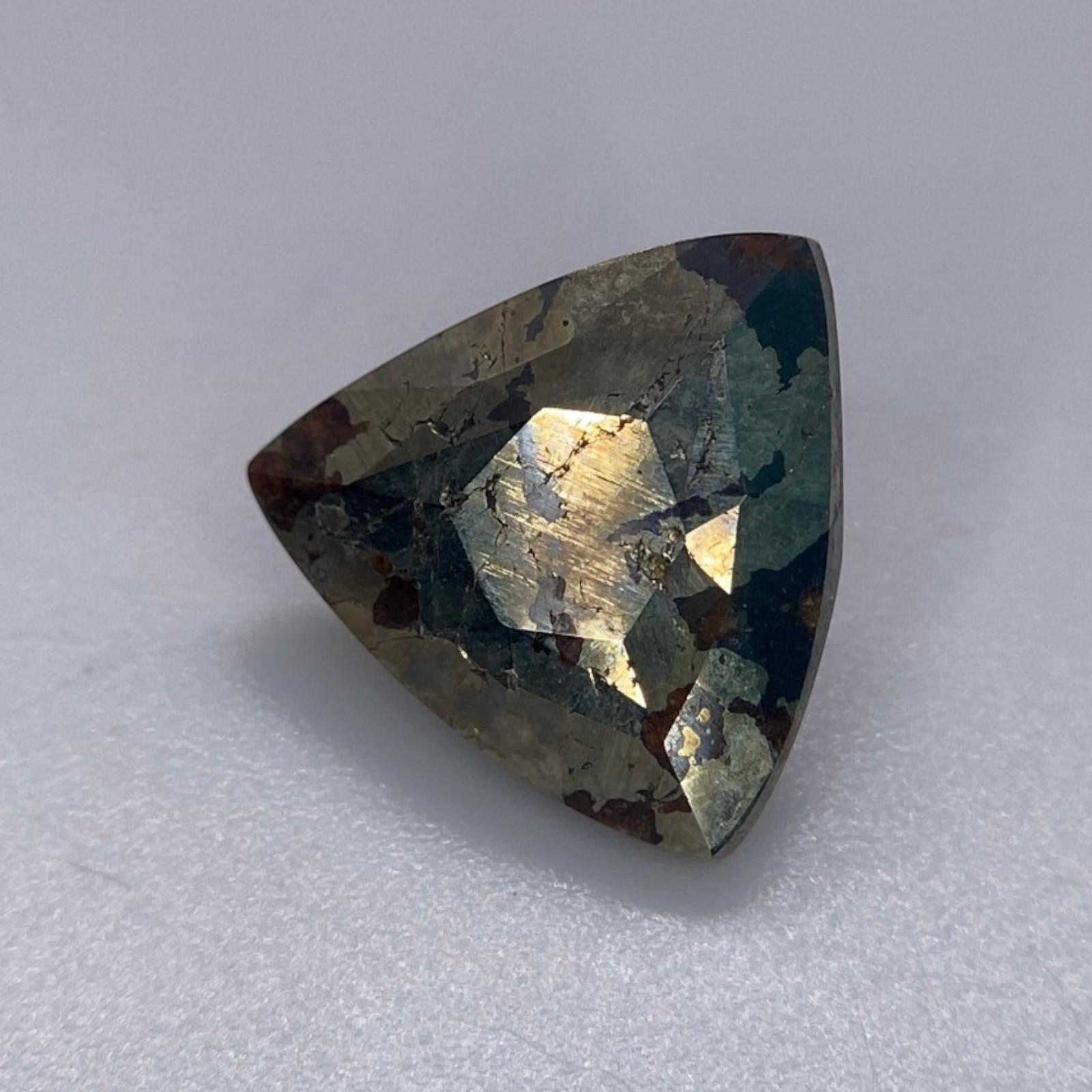
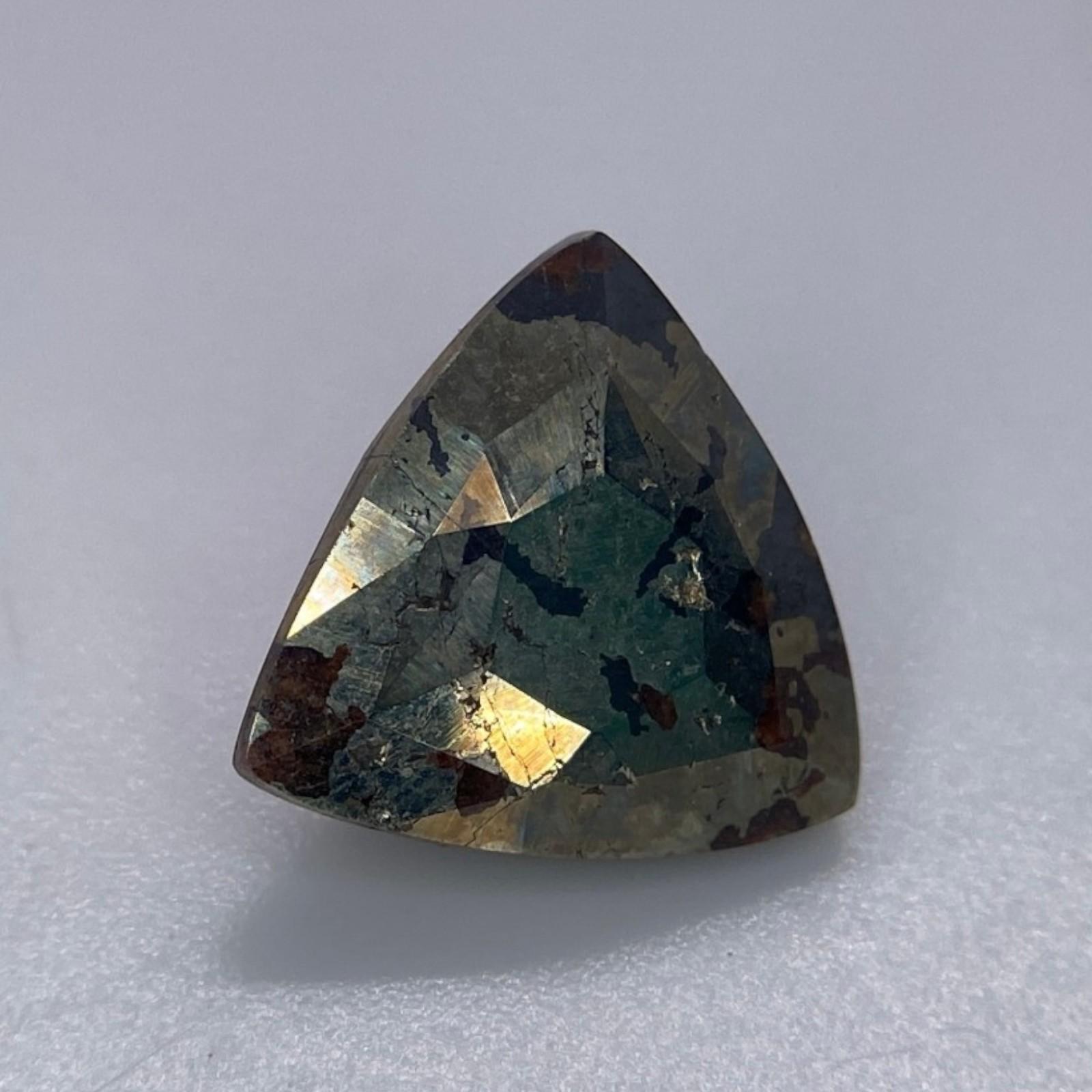


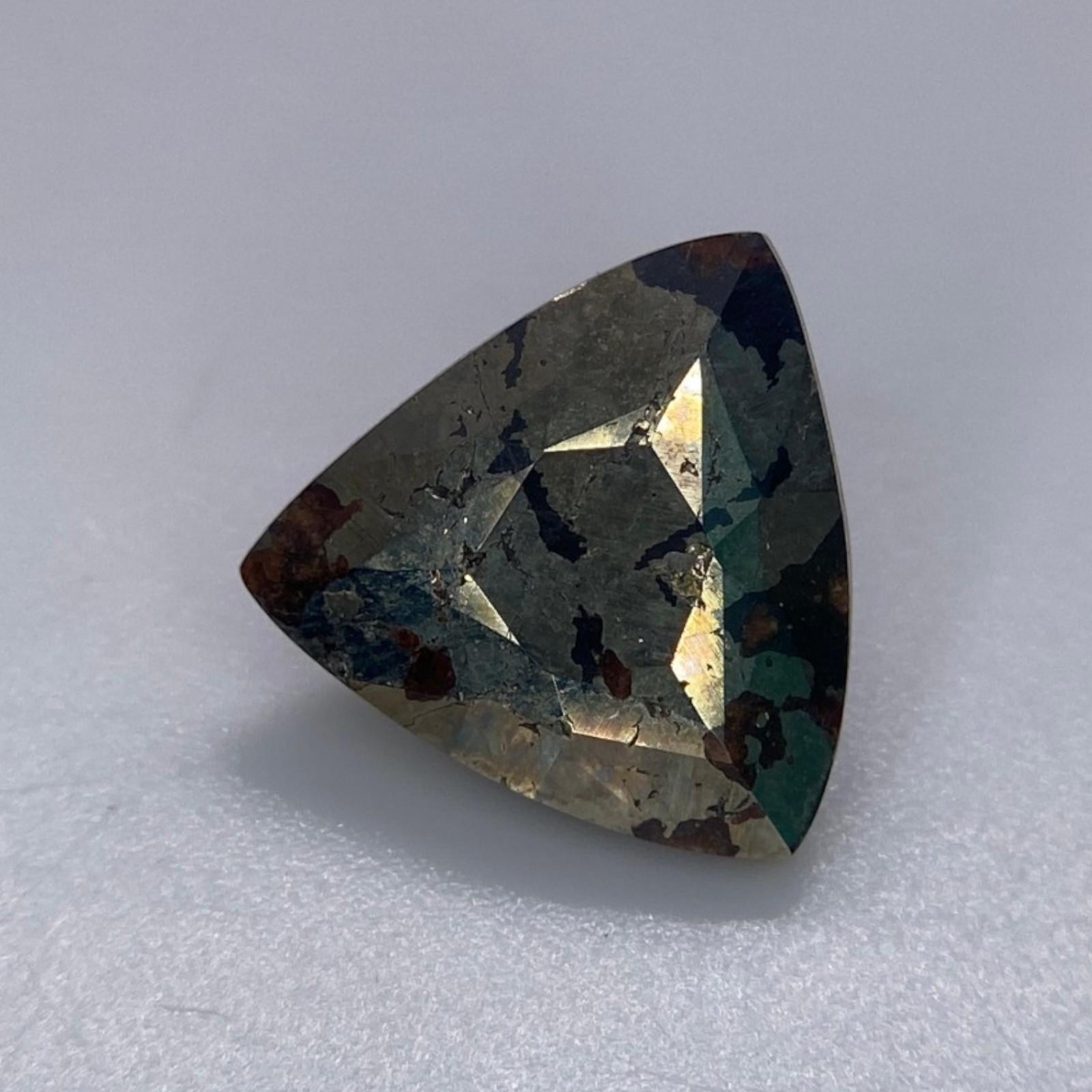
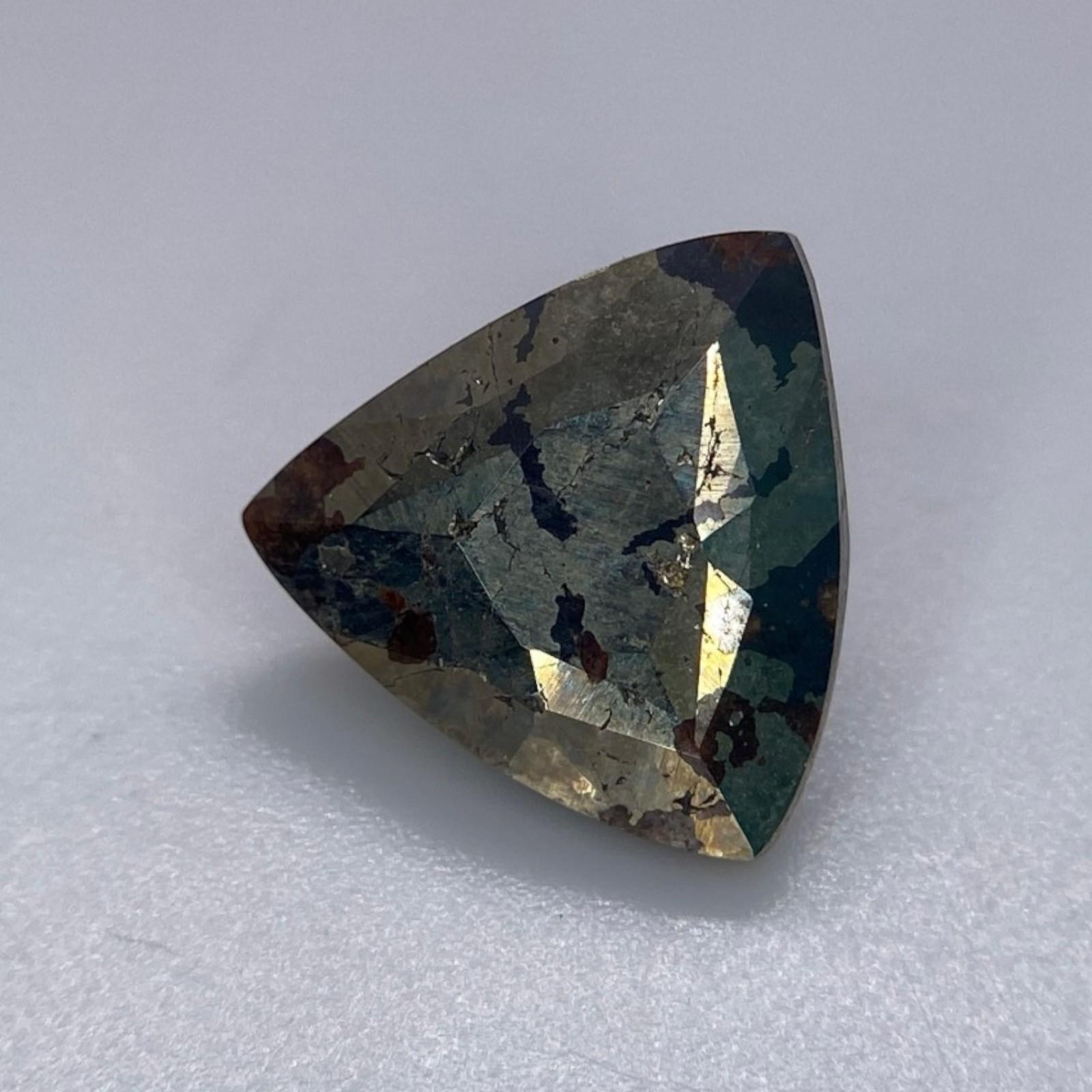


- Freakingcats Gemstone Database
Bornite
Bornite is a gemstone that represents the “spectral fire” of the copper world. A copper iron sulfide, it is a mineral I have always respected for its dramatic transformation; while it is a metallic bronze-brown on a fresh surface, it rapidly tarnishes to a kaleidoscopic array of iridescent purples, blues, and magentas. This phenomenon has earned it the popular trade name “Peacock Ore.” For the specialist, Bornite is a prize of metallic luster and chemical transition; it is a primary ore of copper that offers a “neon” aesthetic unlike any other sulfide. It is a stone of “vibrant conductivity,” providing a sophisticated, multi-colored brilliance that makes it a true “visual anchor” for the systematic vault.
The Heritage & Discovery
Historical Significance: Bornite has been a cornerstone of the mining industry for centuries, historically serving as one of the most important ores of copper due to its high metal content. In the world of fine minerals, it is celebrated for its iridescent tarnish, which is caused by the oxidation of its surface into thin films of iron and copper oxides. It stands as a symbol of transformation and inner radiance, bridging the gap between heavy industrial metallurgy and the elite world of “phenomenal” metallic specimens. It serves as a reminder that even the most “utilitarian” ores of the Earth can possess a hidden, spectral beauty that is revealed through its interaction with the atmosphere.
Discovery: The mineral was formally named in 1845 in honor of Ignaz von Born (1742–1791), an eminent Austrian mineralogist and paleontologist. Scientifically, it is a copper iron sulfide. Its discovery in the hydrothermal veins and skarns of Europe provided mineralogists with the first clear look at how copper and iron can co-crystallize into a stable, high-sulfur lattice. My own appreciation for this material is rooted in its structural weight; holding a dense, iridescent Bornite cluster feels like holding a piece of the Earth’s electrical heart. Since its identification, it has become a “must-have” for collectors who value the “physics of interference” and high-purity metallic species.
Important Mines: The undisputed world capital for the finest, most aesthetic Bornite crystals is the Dzhezkazgan Mine in Kazakhstan, which produces rare, sharp isometric crystals. I also have a high regard for the spectacular, iridescent masses from the Kombat Mine in Namibia and the historic specimens from Cornwall, England. For the vault, I prioritize the Kazakh material for its rare crystal morphology and the Namibian pieces for their unmatched “peacock” color saturation.
Mineralogical Profile
Description: Bornite is a copper iron sulfide that crystallizes in the orthorhombic system (at low temperatures), though it often appears in massive or pseudo-cubic forms. It sits at a 3 on the Mohs scale, making it a relatively soft mineral that should be handled with care to avoid scratching the delicate iridescent surface. It is characterized by its metallic luster and its rapid shift from bronze to multi-colored tarnish.
One of its most identifying traits is its high specific gravity (SG approx 5.06 to 5.08), which gives it a substantial, “heavy” feel for its size. It has an opaque transparency and a characteristic blackish-grey streak. Because it is a primary copper mineral, it is often found in association with Chalcopyrite, Chalcocite, and Quartz. When I select a piece for the collection, I look for “fresh” iridescence and a lack of crumbling (stability), as these highlight the sophisticated, three-dimensional chemistry of the mineral’s tarnish. It is a dense, grounding mineral that offers a unique, “spectral” beauty unlike any other sulfide species.
Chemical Formula: Cu5FeS4


