
SKU: TOPA0007
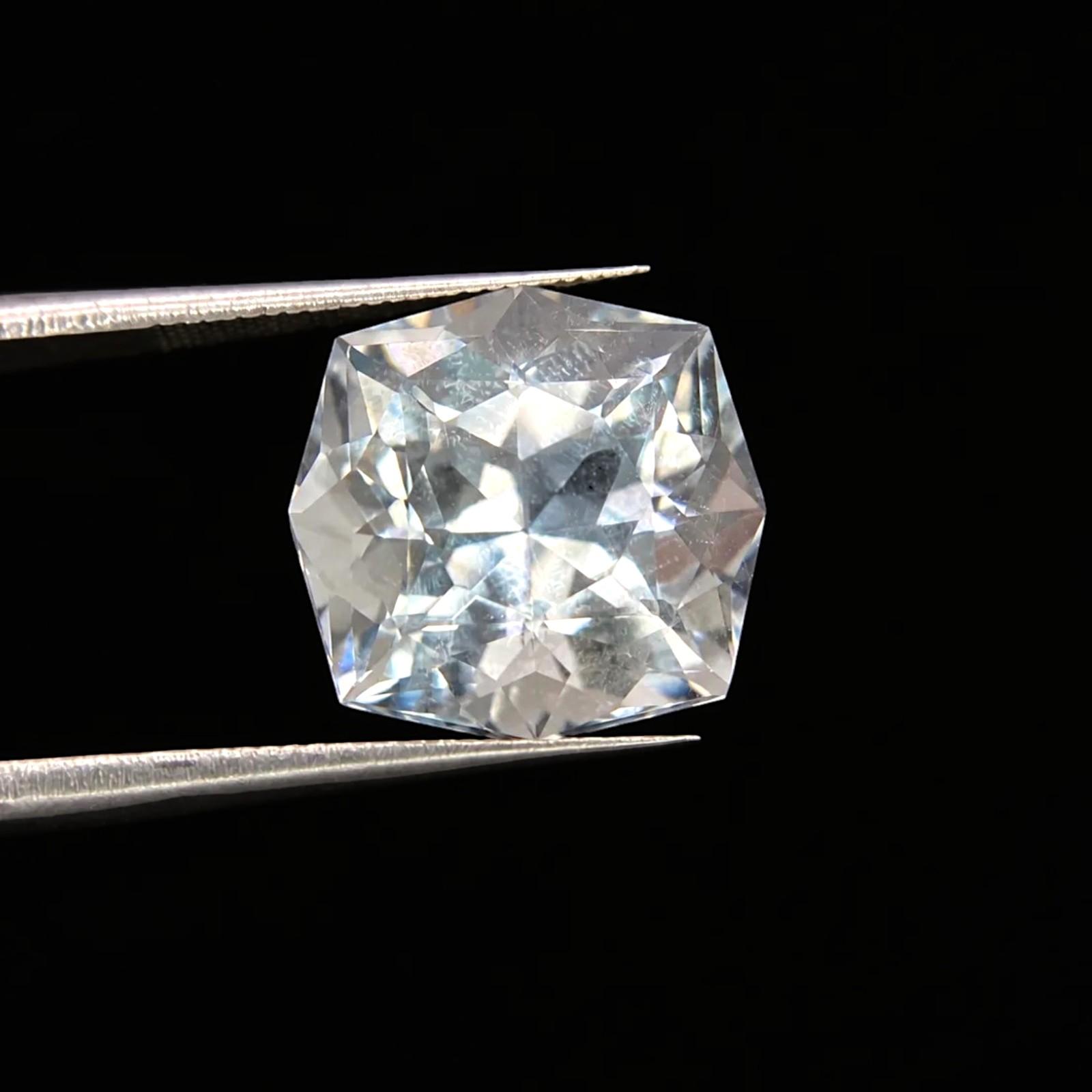
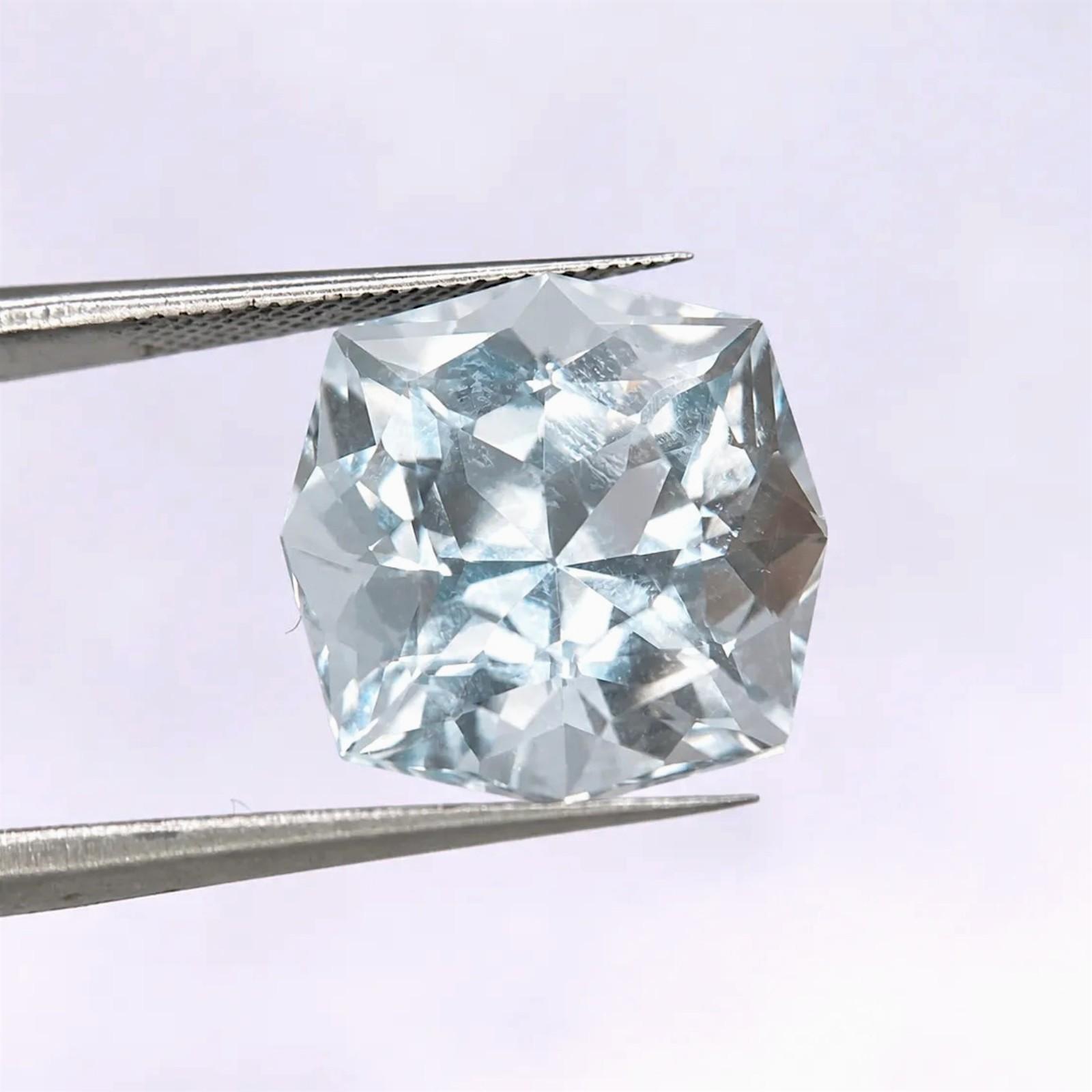
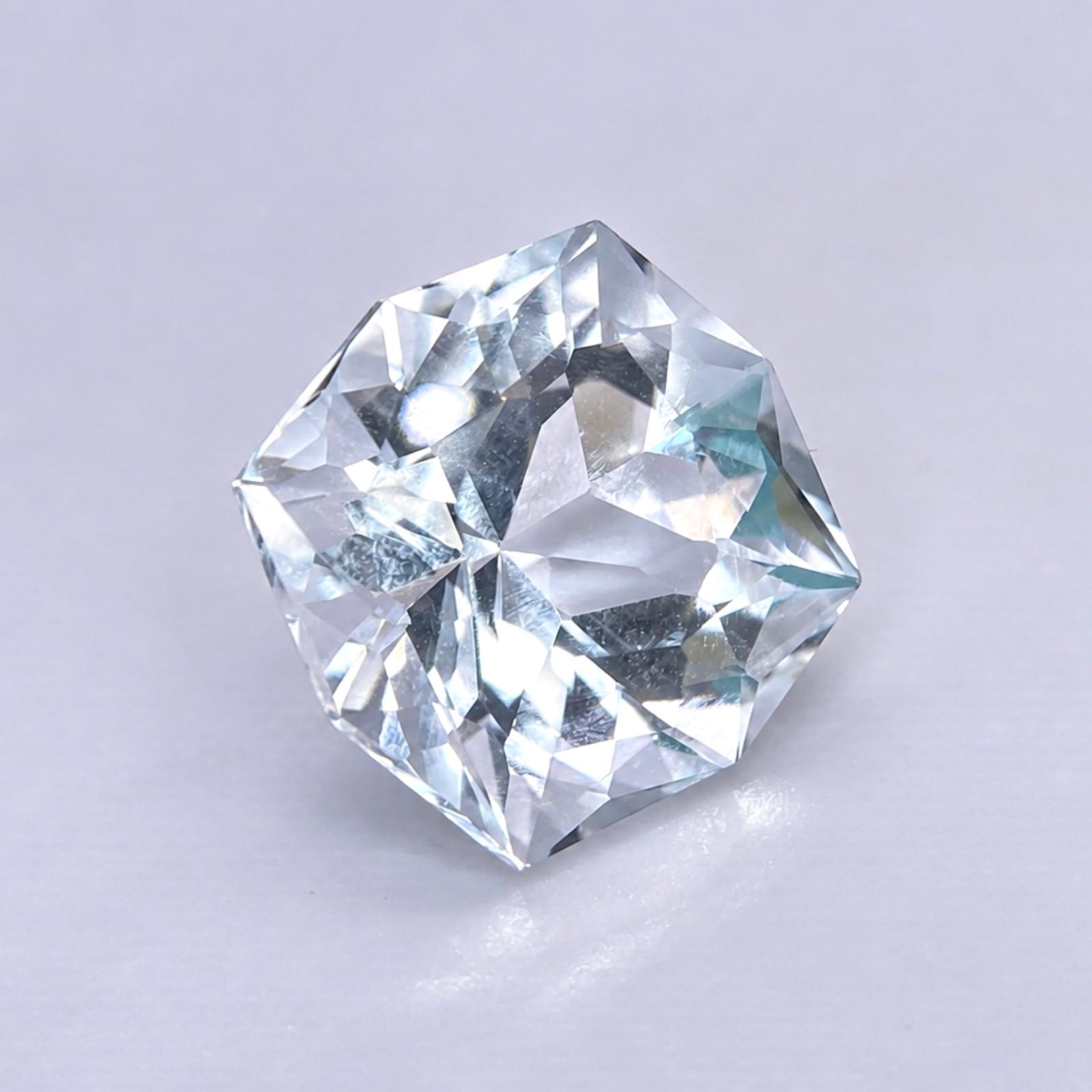
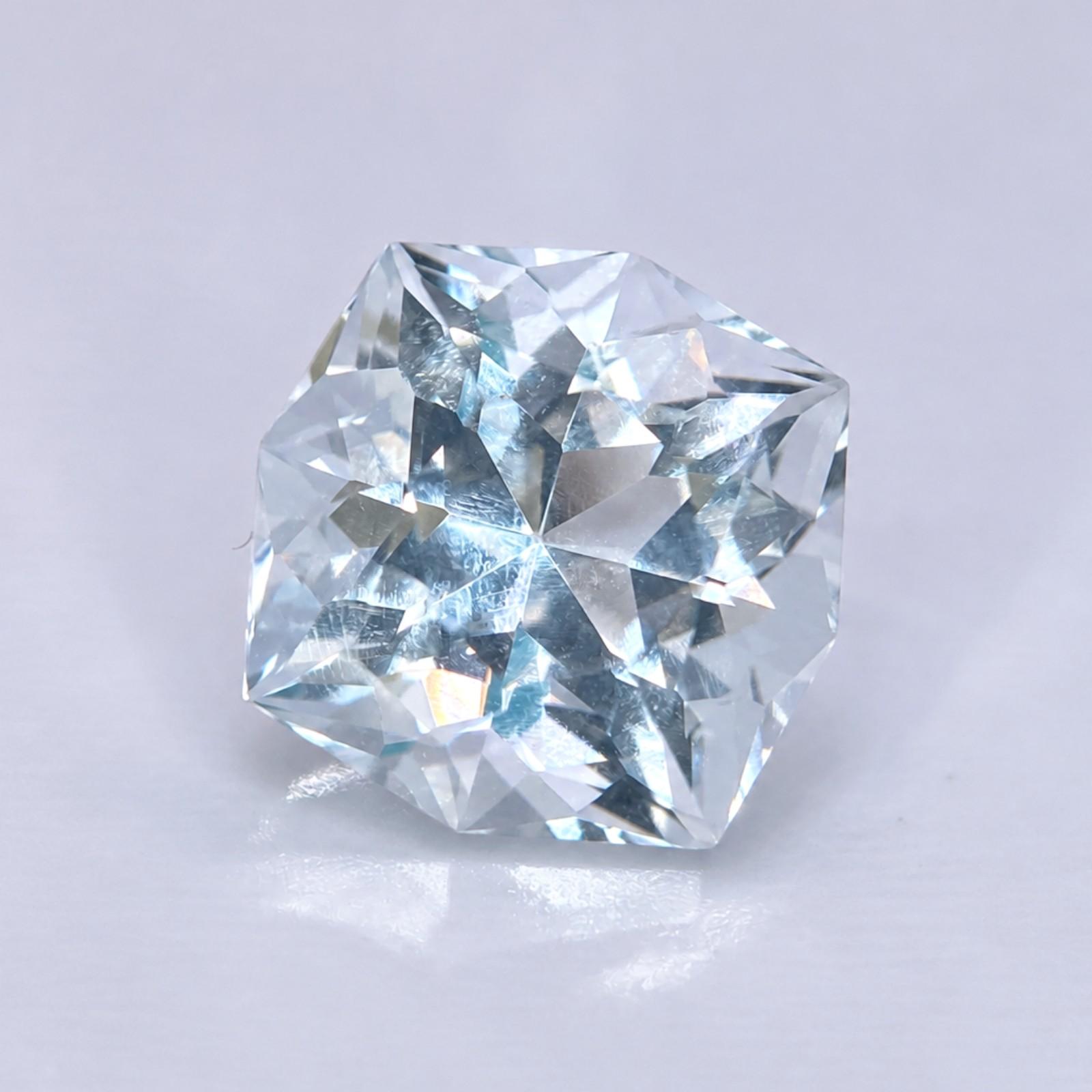
10.10 ct TOPAZ – BRAZIL
EXPERT VERIFIED
- Expert Verified Gemstone
- Fast Handling & Shipping
- Secure Vault Packaging
$ 100
Offer amount Feild


Smart Collector Choice


Pay with Crypto & Get 10% Automatic Discount

Availability: 1 in stock
Gemstone Details
Gem Variety:
Topaz
Origin:
Brazil
Carat Weight:
10.10
Length (mm):
15.30
Width (mm):
15.20
Depth (mm):
10.90
Shape:
Octagon
Color
White/Colorless
Treatment:
No Treatment
Certificate:
On Request
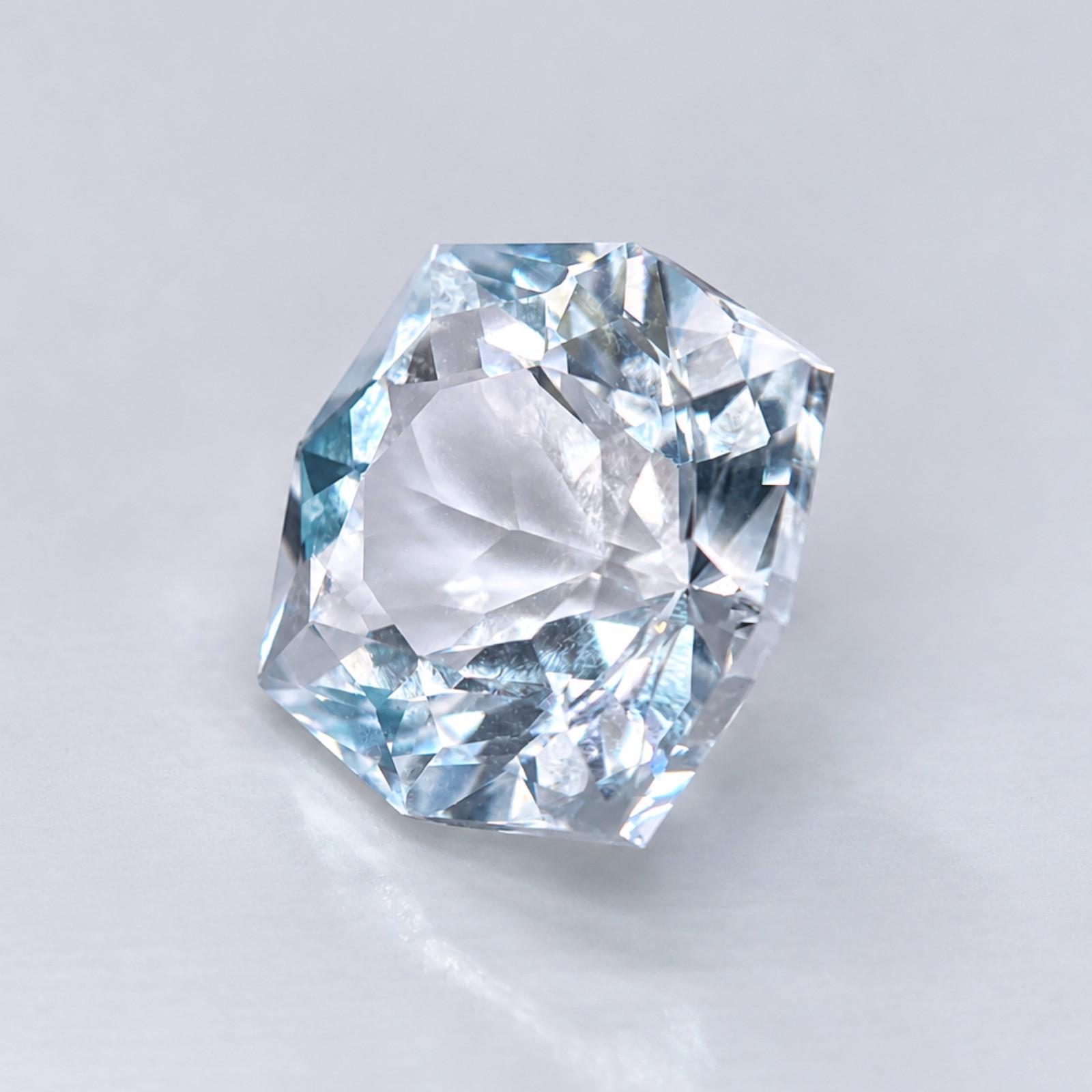
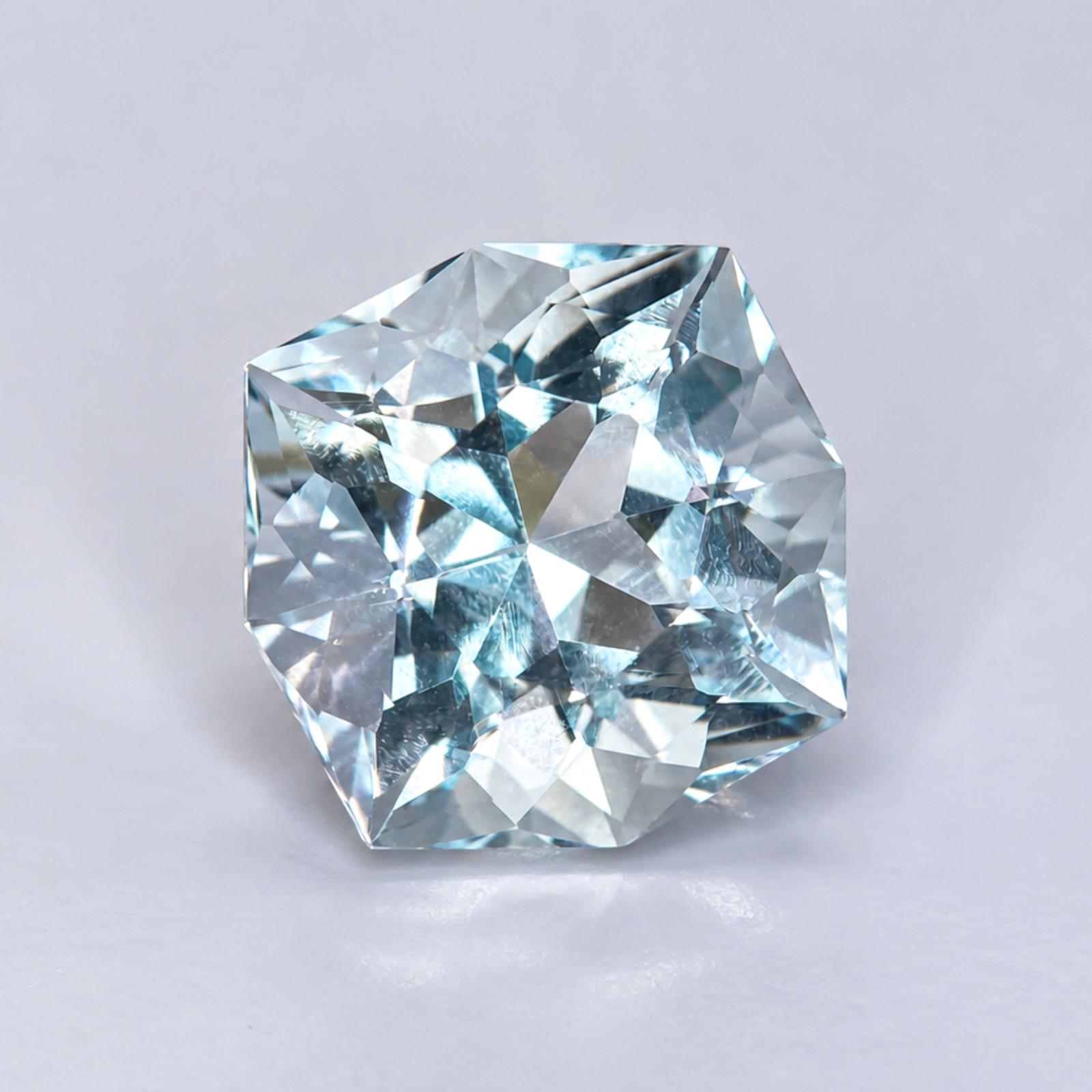
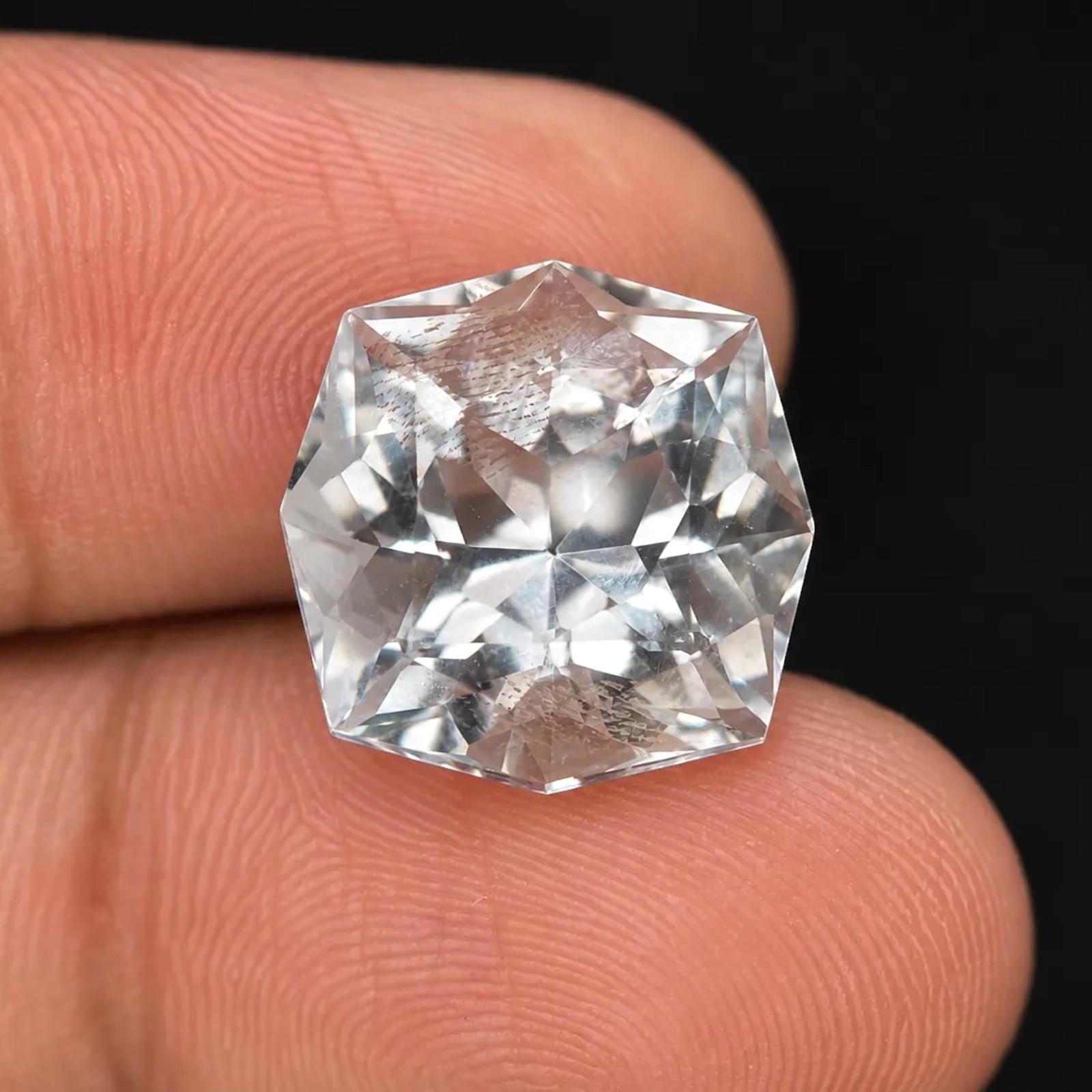
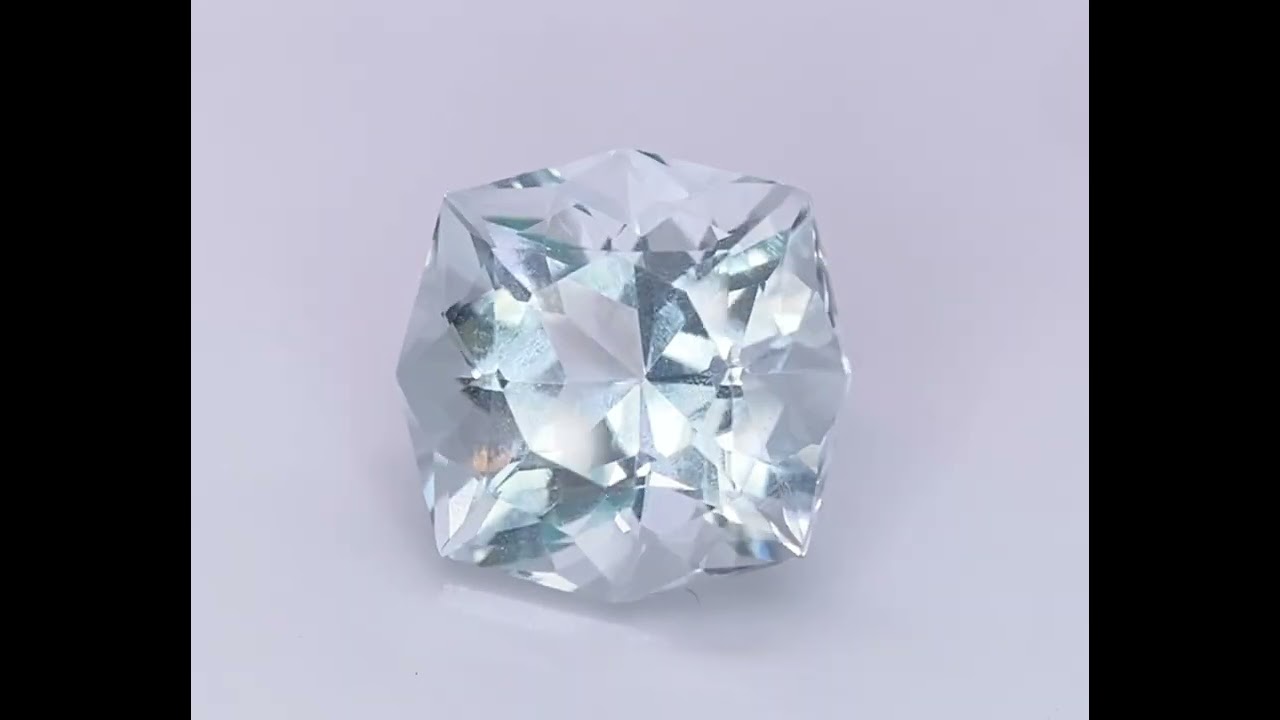


- Freakingcats Gemstone Database
Topaz (Brazil)
Topaz from the prolific pegmatite belts and hydrothermal alteration veins of Brazil—most legendary from the historic “Imperial Topaz” mines of Ouro Preto and the immense lithium-cesium-tantalum (LCT) pegmatites of the Jequitinhonha and Doce valleys in Minas Gerais—represents the undisputed international pinnacle of orthorhombic nesosilicate crystallization. A fluorine- and hydroxyl-bearing aluminum silicate of monumental gemological prestige, it is a species I have always respected for its “liquid-honey” to “fiery-sherry-red” and “ice-water-blue” daylight brilliance, glassy adamantine surface perfection, and its status as the absolute global textbook benchmark for “orthorhombic-dipyramidal” structural discipline. For the specialist, a top-tier Brazilian Topaz—whether presenting as a razor-sharp, striated Imperial Topaz crystal displaying steep pyramidal terminations from Ouro Preto, or a colossal, water-clear to electric-blue pegmatitic prism from Virgem da Lapa perched on snowy albite—is a prized trophy of volatile-rich pneumatolytic and hydrothermal metasomatism; it offers a bright vitreous to sub-adamantine surface luster, remarkable optical clarity, and an authoritative presence that makes it an indispensable cornerstone for the systematic vault. As an artist, I find the exquisite play of light along its vertical prism striations—channeling ambient illumination into blazing internal reflections of golden amber, peach, and velvet red—to be one of nature’s most sophisticated and visually commanding crystalline achievements.
The Heritage & Discovery
Historical Significance
Topaz is an indispensable index species for decoding fluorine-rich fluid evolution, late-stage pneumatolytic processes, and high-temperature metasomatic interactions in continental crustal environments. Historically, while topaz has been prized since antiquity, the discovery of intense golden, orange, and reddish-pink crystals in the Quadrilátero Ferrífero region of Minas Gerais in the mid-18th century forever altered the global gemological landscape. Named “Imperial Topaz” in honor of the Brazilian Empire and Emperor Pedro II, these rare hydroxyl-dominant crystals quickly became the exclusive domain of royalty and European high jewelry. Simultaneously, the immense pegmatites of northeastern Minas Gerais began producing the largest, most flawless colorless and blue topaz crystals ever recorded in mineralogical history, solidifying Brazil’s position as the world’s foremost supplier of collector-grade and museum-caliber specimens.
Discovery
The unearthing of macrocrystalline topaz across Minas Gerais occurred in two distinct, world-renowned geological environments. In the Ouro Preto region, hydrothermal fluids rich in fluorine, aluminum, and silicon interacted with fractured, weathered metasediments (the Phthanite and Gandarela formations), precipitating euhedral crystals in open veins filled with kaolinite clay. Unlike common pegmatitic topaz, which is fluorine-dominant, Ouro Preto topaz contains substantial hydroxyl (OH) substituting for fluorine, a structural anomaly that drives its unique color centers and produces its legendary golden-yellow, sherry-orange, salmon, and natural magenta-red colors, frequently intensified by trace chromium (Cr3+). In contrast, the pegmatites of the Jequitinhonha and Doce river basins produced massive, fluorine-dominant crystals within miarolitic pockets, where slow, unhindered growth yielded water-clear, pale blue, and greenish prisms weighing up to hundreds of kilograms. My own respect for this material grew from analyzing its diagnostic cleavage and prism striations; specifically, observing a pristine Imperial Topaz terminated by sharp, multifaceted pyramids and feeling the razor-sharp edge of its basal cleavage face highlights a structural discipline and geometric density that is deeply satisfying to the trained eye.
Important Mines
The primary capitals for collector-grade, crystallized topaz within Brazil are concentrated in the state of Minas Gerais across two distinct regions. The hydrothermal Imperial Topaz belt is anchored around the historic city of Ouro Preto, with iconic open-pit and underground operations including the Capão do Lana Mine, the Vermelhão Mine, and the Dom Bosco deposit, globally famous for yielding slender, gemmy, striated prisms in shades of golden-sherry, peach, and rare imperial purple. For immense pegmatitic blue, green, and colorless topaz, the northern Pegmatite Province reigns supreme, led by the legendary deposits of the Virgem da Lapa pegmatite field (such as the Xanda and Jenipapo mines), as well as prolific localities in Teófilo Otoni, Marambaia, and Conselheiro Pena. For the systematic vault, I prioritize specimens that exhibit sharp, undamaged pyramidal terminations, crisp vertical prism striations, vivid natural color saturation with high internal optical transparency, and complete freedom from internal cleavage fractures along the basal plane.
Mineralogical Profile
Description
Topaz is an aluminum fluoro-silicate hydroxide mineral that crystallizes in the orthorhombic system (dipyramidal class). It sits at a baseline 8 on the Mohs scale, serving as the universal defining benchmark mineral for that hardness level; its smooth, splendent crystal faces are exceptionally resistant to scratching and abrasion, though its perfect basal cleavage parallel to {001} and its brittle tenacity require dedicated archival care to protect its crisp crystal edges, delicate terminations, and corners from mechanical shock, sharp impacts, or rapid temperature variations that could trigger internal cleavage plane separation. It is characterized by its bright, reflective vitreous to sub-adamantine surface luster and an expansive color palette dominated by golden-yellow, sherry-orange, salmon-peach, pink-red (“Imperial”), sky-blue, sea-foam green, and optical water-clear.
One of its most identifying traits is its elongated prismatic habit, routinely forming eight-sided or diamond-shaped orthorhombic prisms displaying prominent vertical striations parallel to the c-axis, terminated by complex combinations of dipyramids, dome facets, and flat pinacoids. It possesses a moderate to high refractive index running from approximately 1.606 to 1.638 (with higher values directly correlating to higher hydroxyl content in Imperial Topaz), giving it crisp internal brilliance and low to moderate chromatic dispersion, paired with a substantial average specific gravity ranging between 3.49 and 3.57 that reflects its tightly bonded aluminum silicate-fluorine architecture. Because it forms across pneumatolytic veins, miarolitic pegmatite cavities, and hydrothermal replacement zones, it is commonly found in close association with Quartz (Smoky Quartz), Albite (Cleavelandite), Microcline, Muscovite, Lepidolite, Kaolinite, Beryl, Tourmaline, Rutile, and Fluorite. When I select an example for documentation, I look for sharp prism geometry, pristine terminations, deep and uniform color saturation or flawless water-clear transparency, and high surface luster, as these emphasize the sophisticated, volatile-driven chemistry of the mineral’s dramatic subterranean birth.
Chemical Formula
Al2SiO4(F,OH)2 (with trace Cr3+ chromophore substitutions in pink and imperial varieties)


