
18.30 ct APOPHYLLITE – INDIA
EXPERT VERIFIED
- Expert Verified Gemstone
- Fast Handling & Shipping
- Secure Vault Packaging
$ 320
Offer amount Feild


Smart Collector Choice


Pay with Crypto & Get 10% Automatic Discount

Availability: 1 in stock
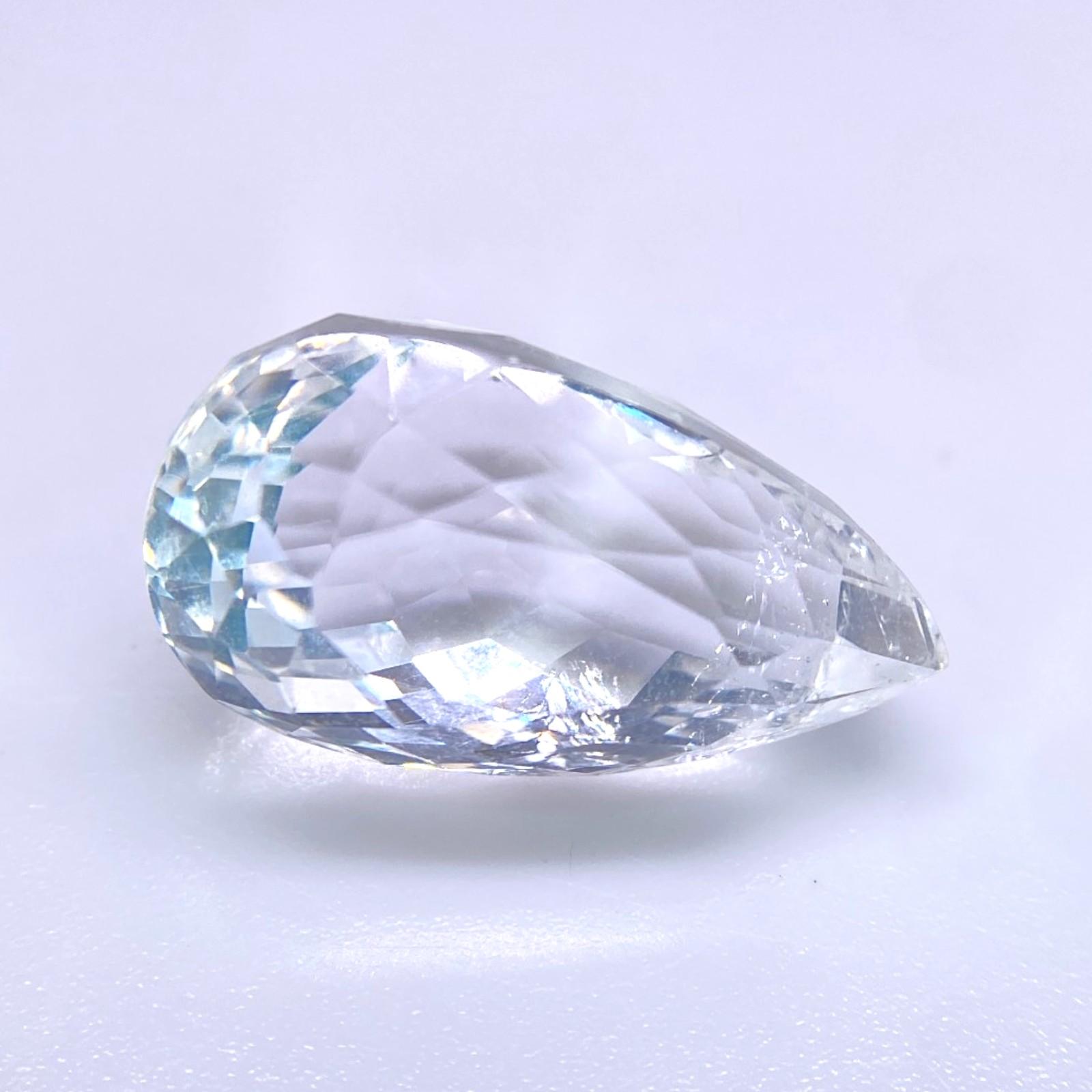
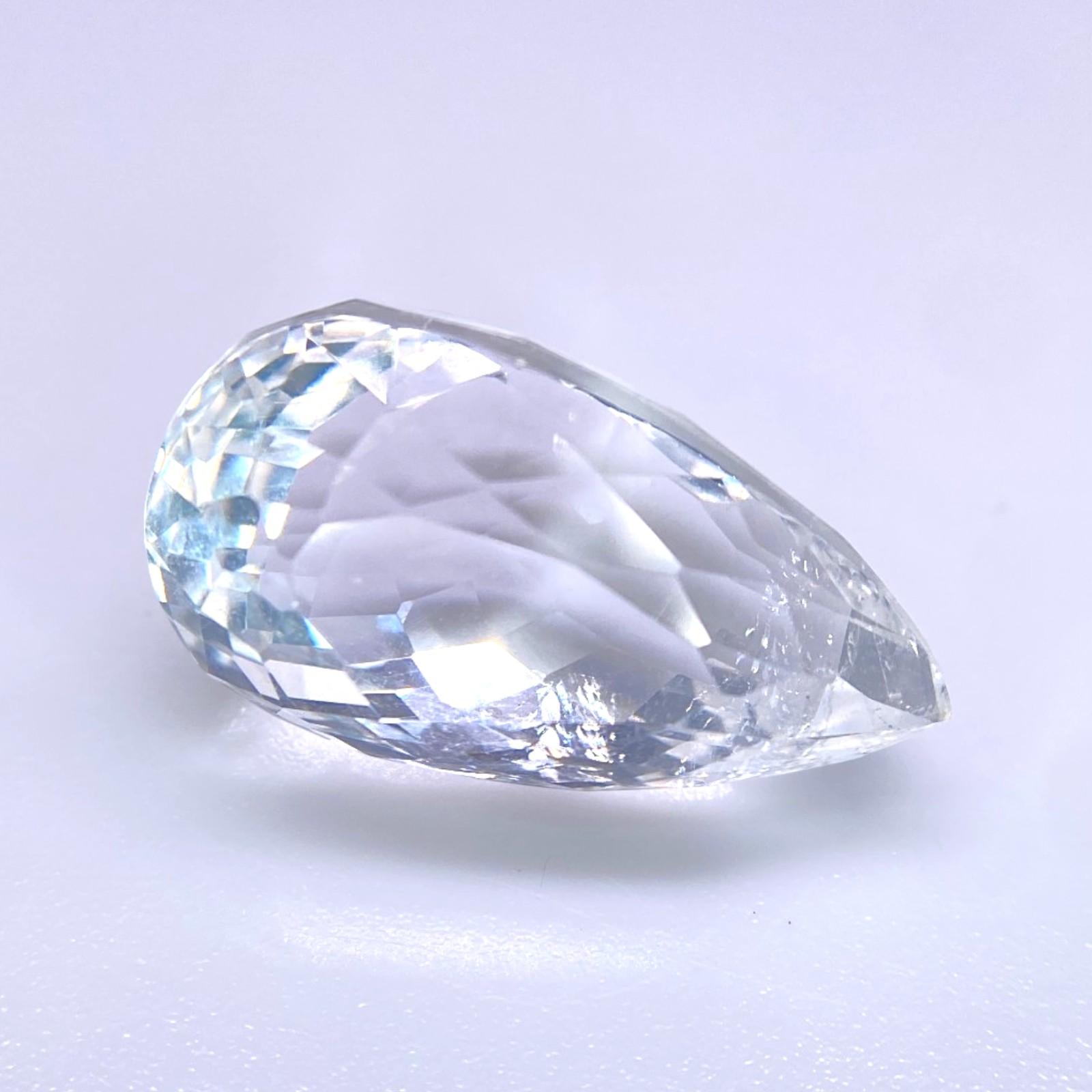
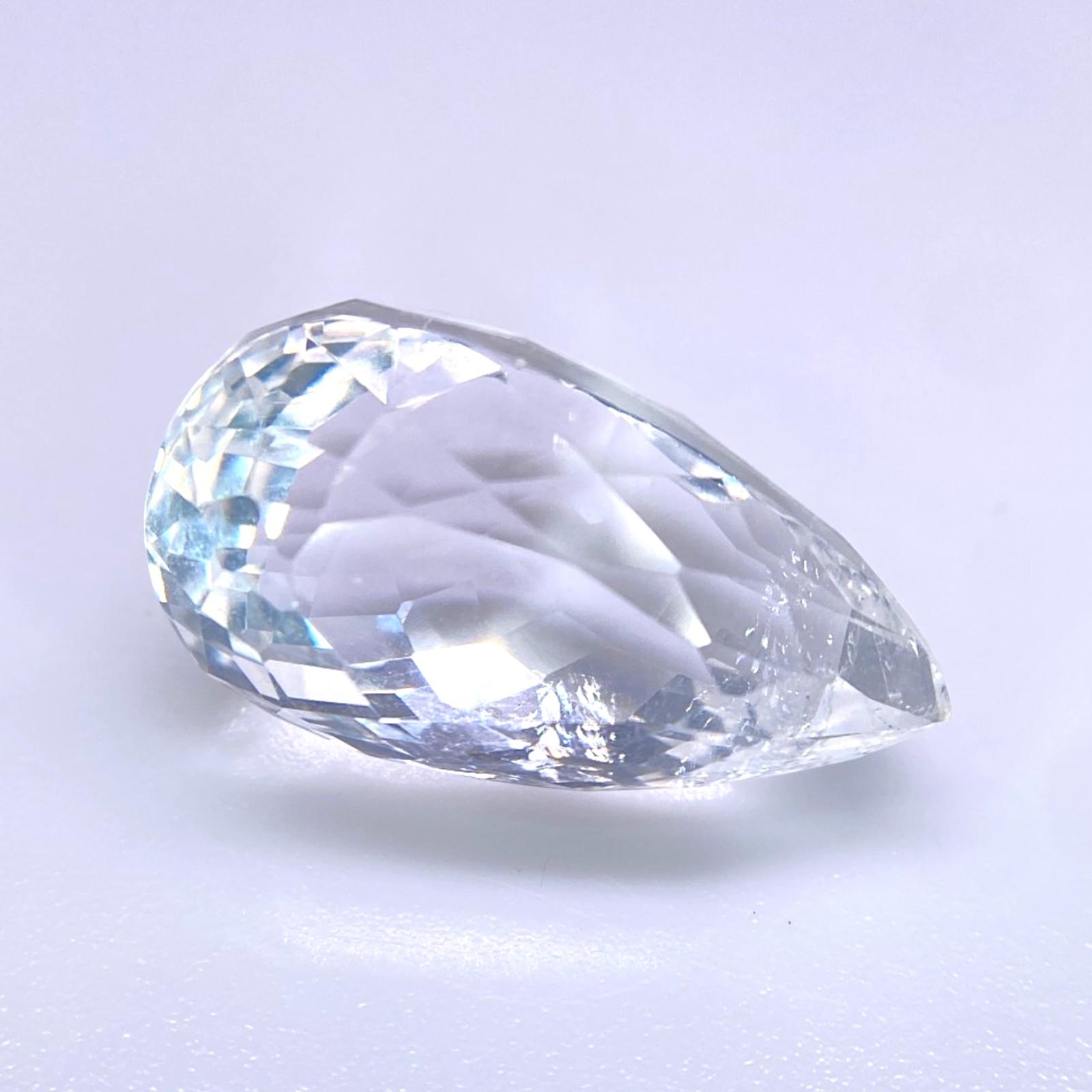
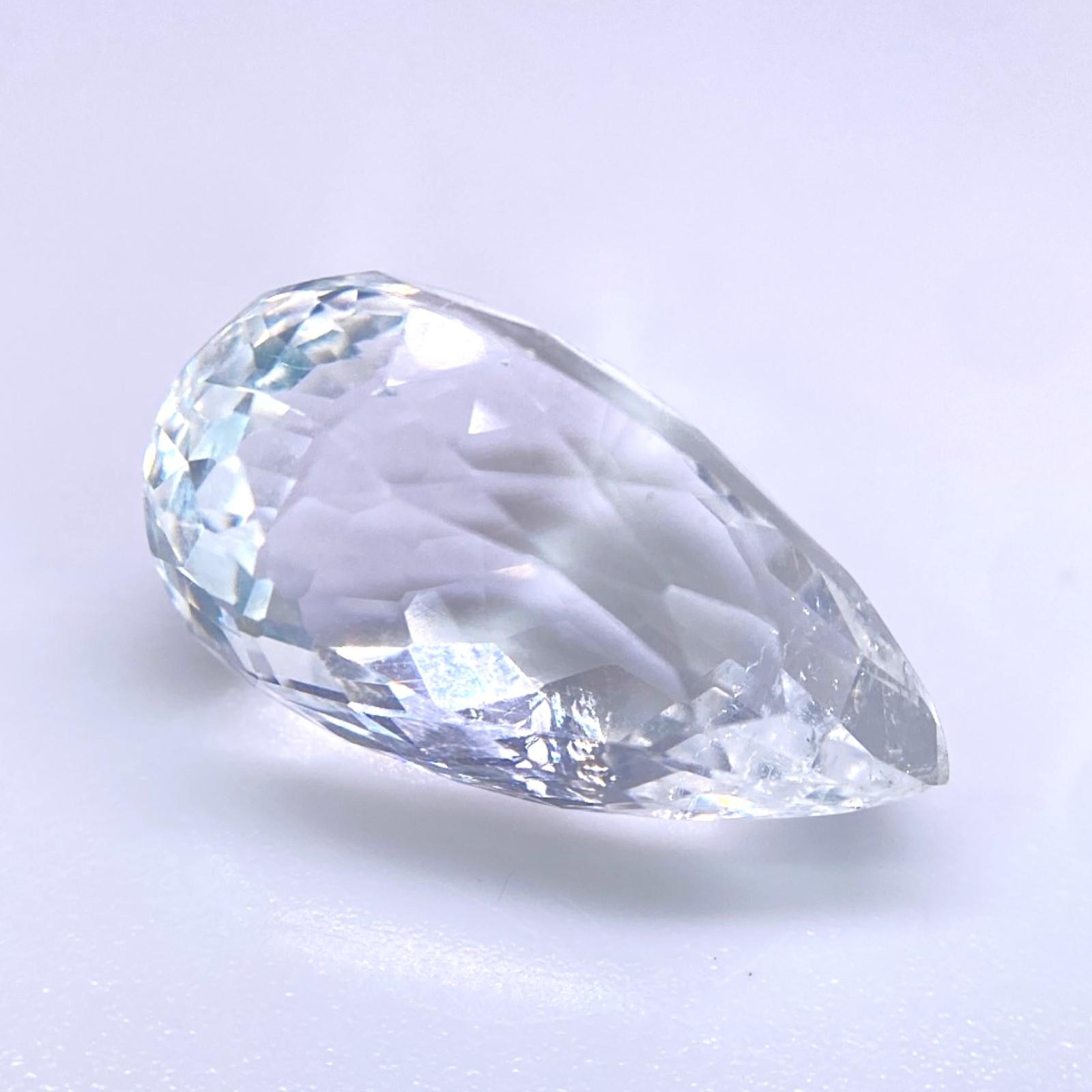
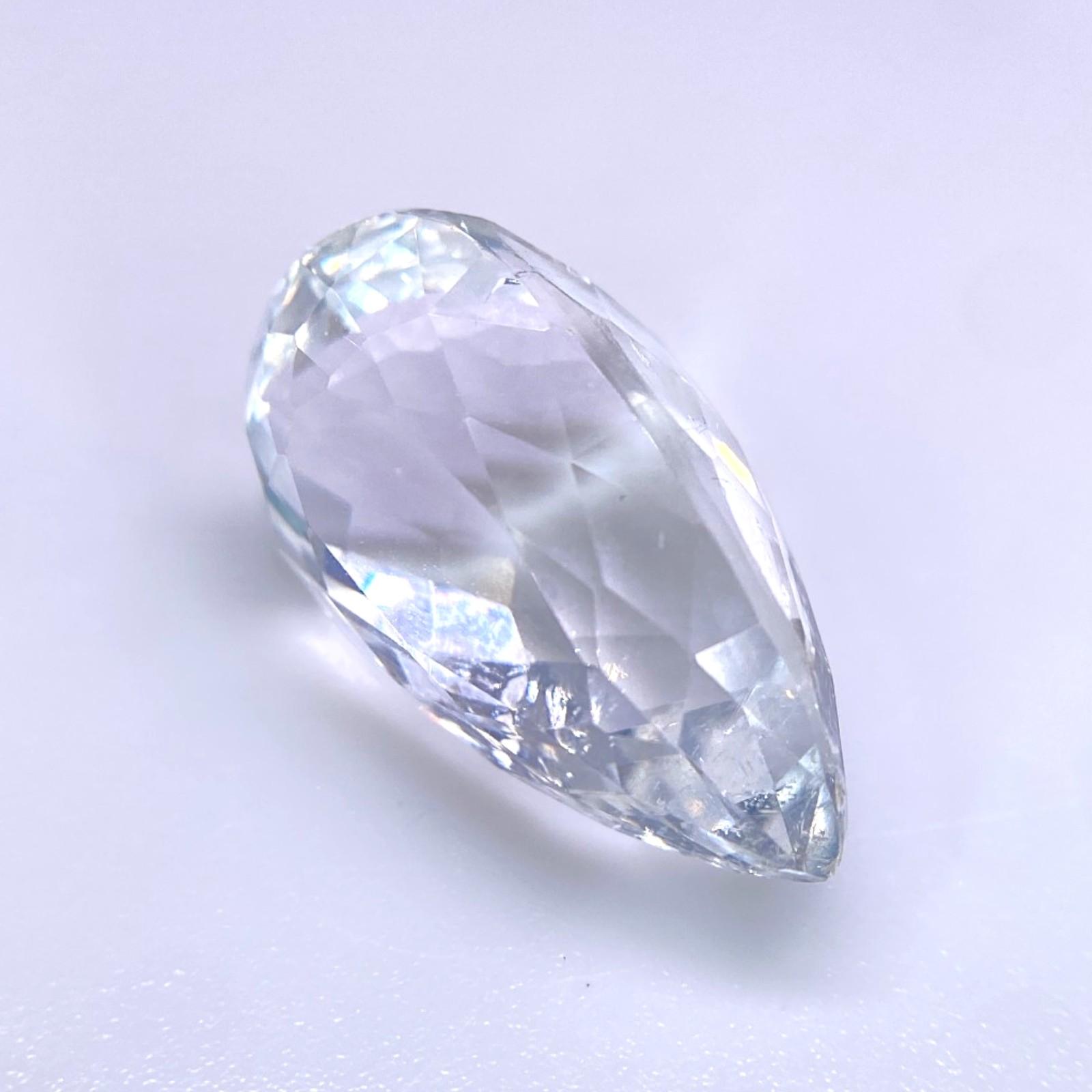
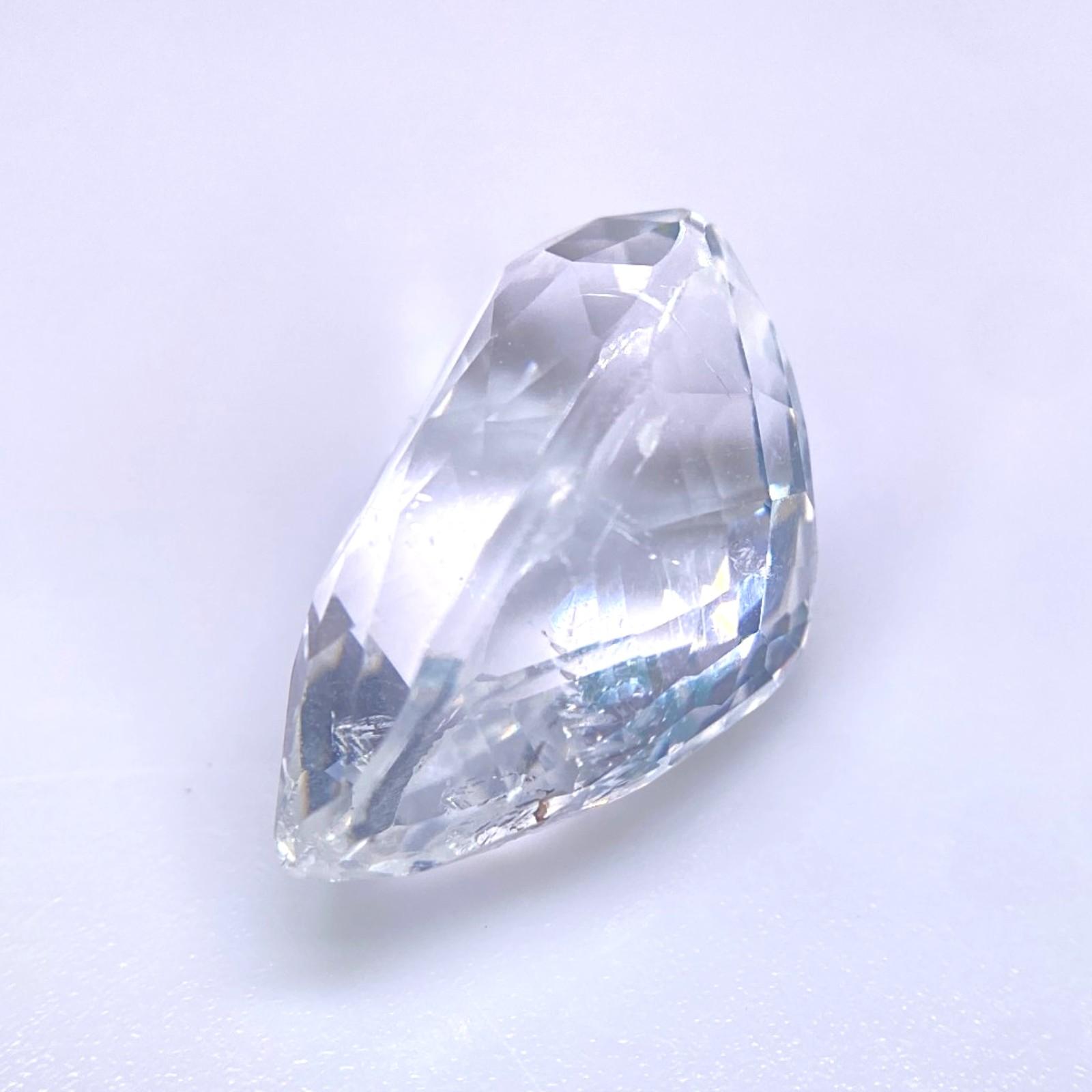
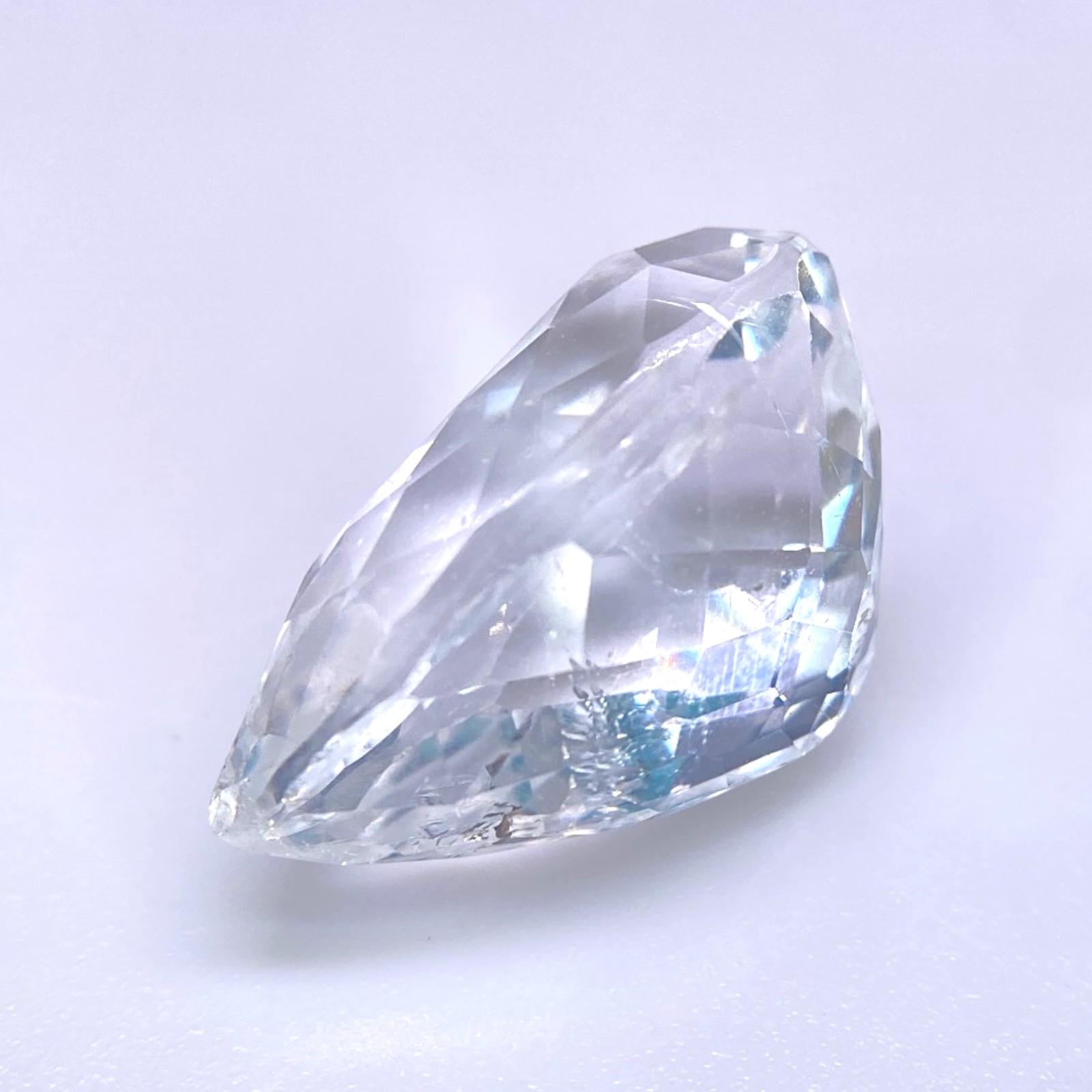
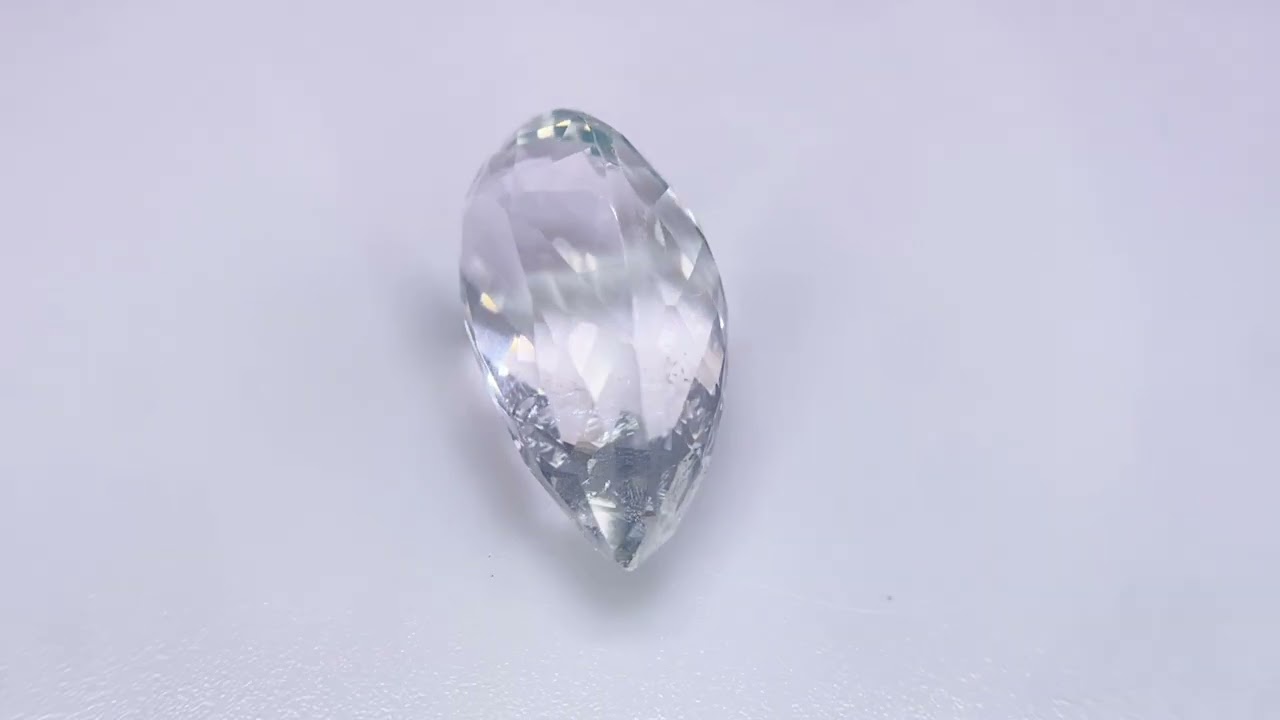


- Freakingcats Gemstone Database
Apophyllite
Apophyllite is a gemstone that represents the “ethereal” peak of the zeolite-associated minerals. A hydrated potassium calcium silicate, it is a species I have always admired for its incredible, “water-clear” transparency and its unique, pearly luster that seems to trap light within its layers. The name is derived from the Greek apophylliso, meaning “to flake off,” a reference to its tendency to exfoliate when heated. It typically forms as sharp, four-sided prisms or tabular plates, often appearing as “icy” clusters on a contrasting matrix of dark Basalt or green Stilbite. For the specialist, Apophyllite is a stone of high-frequency clarity, offering a geometric precision that feels almost architectural. It is a mineral of the volcanic cavities, representing the final, cooling breath of ancient lava flows.
The Heritage & Discovery
Historical Significance: Apophyllite is a vital mineral for understanding the hydration of volcanic rocks. Historically, it was a centerpiece of 19th-century mineralogy, prized for its high symmetry and its frequent association with other beautiful “zeolites.” In the world of fine minerals, it is celebrated for its spectacular “gemmy” crystals, particularly the rare and coveted Green Apophyllite. It stands as a symbol of mental clarity and spiritual bridge-building, bridging the gap between common rock-formers and the elite world of rare, light-filled collector gems. It serves as a reminder that even within the rugged heart of a volcano, nature can produce something as delicate as a drop of frozen dew.
Discovery: The mineral was formally categorized in 1806 by René Just Haüy, though it had been recognized in various forms for decades. Scientifically, it is a phyllosilicate. Its discovery in the basaltic “traps” of India and the Harz Mountains of Germany provided mineralogists with the first clear look at a “sheet silicate” that could form large, transparent, three-dimensional crystals. Since its naming, it has remained the definitive representative of its group, with the Deccan Traps in India becoming the global benchmark for the species.
Important Mines: The undisputed world capital for the finest, most aesthetic Apophyllite is the Pashan Hills and the Jalgaon District in Maharashtra, India. These sites produce the legendary “emerald-green” and “diamond-clear” specimens that are the crown jewels of any collection. I also have a high regard for the classic, colorless crystals from the Harz Mountains, Germany, and the Bay of Fundy, Canada. For the vault, I prioritize the Indian material for its unmatched crystal size and the rare, vibrant green hues caused by trace amounts of vanadium.
Mineralogical Profile
Description: Apophyllite is a hydrated potassium calcium silicate fluoride that crystallizes in the tetragonal system. It sits at a 4.5 to 5 on the Mohs scale, making it a relatively soft mineral that requires careful handling. It is characterized by its vitreous luster on most faces and a distinct pearly luster on the basal cleavage faces.
One of its most identifying traits is its unusual symmetry—it often forms “pseudo-cubic” crystals that are actually tetragonal, often terminated by four triangular faces that meet at a sharp point. It has a moderate refractive index (n \approx 1.53), but its “watery” appearance is its true hallmark. Because it is a phyllosilicate, it has perfect basal cleavage, allowing it to reflect light like a mirror from its internal planes. When I select a piece for the collection, I look for “sharp” terminations and a lack of internal “clouding,” as these highlight the sophisticated, three-dimensional geometry that makes Apophyllite a standout for the systematic specialist. It is a light, high-vibration mineral that offers a unique, “liquid” beauty unlike any other silicate.
Chemical Formula: (K,Na)Ca4Si8O20(F,OH)·8H2O


