
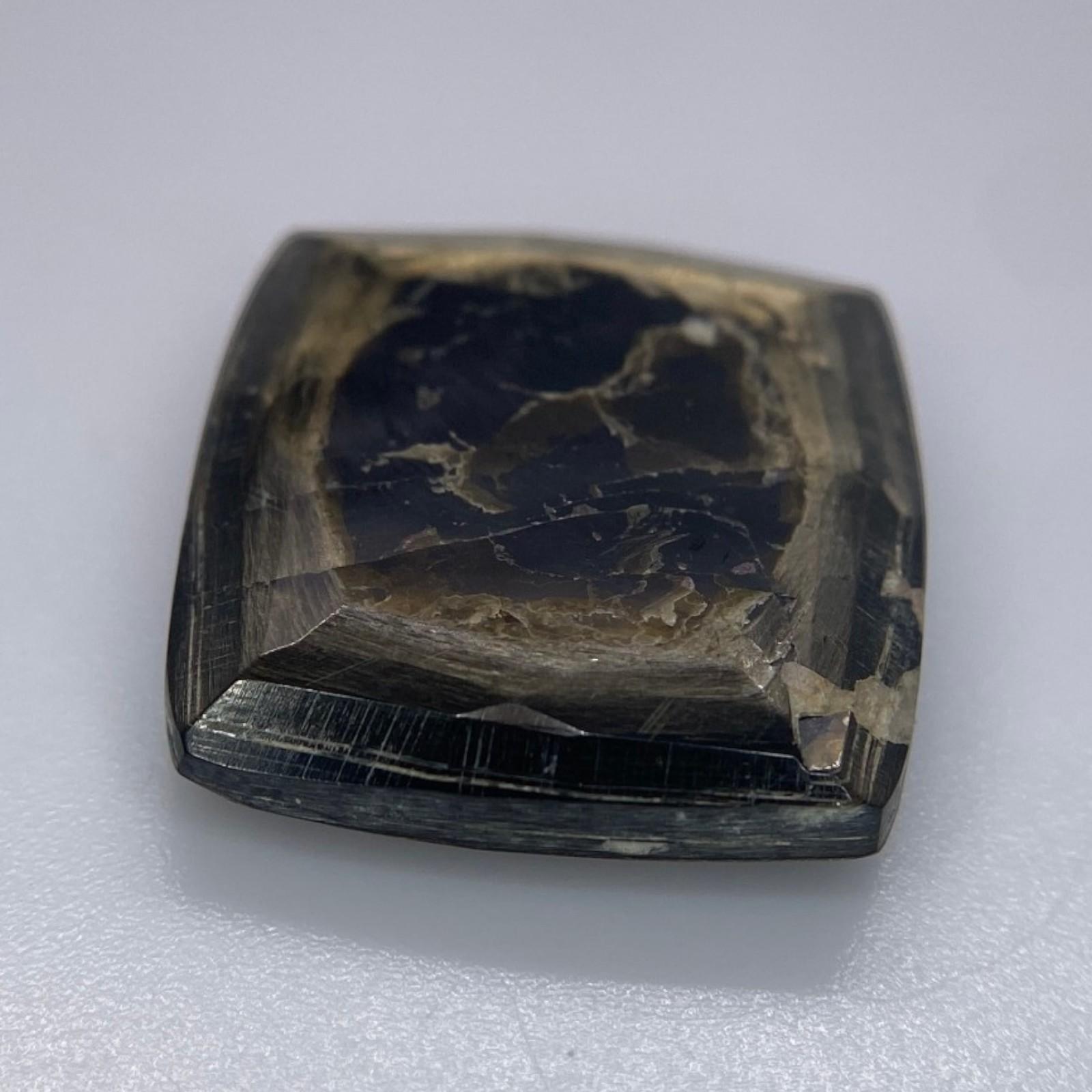
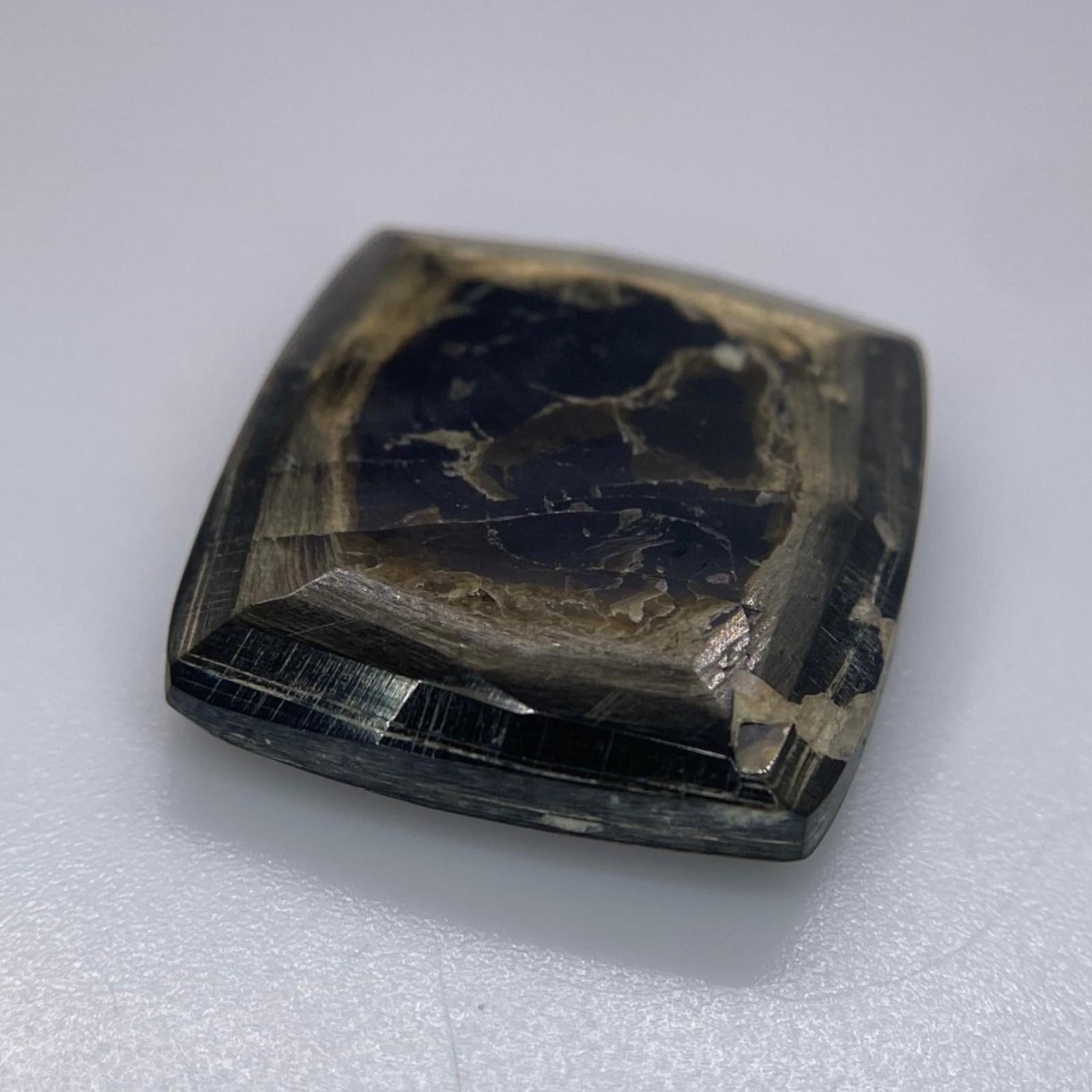
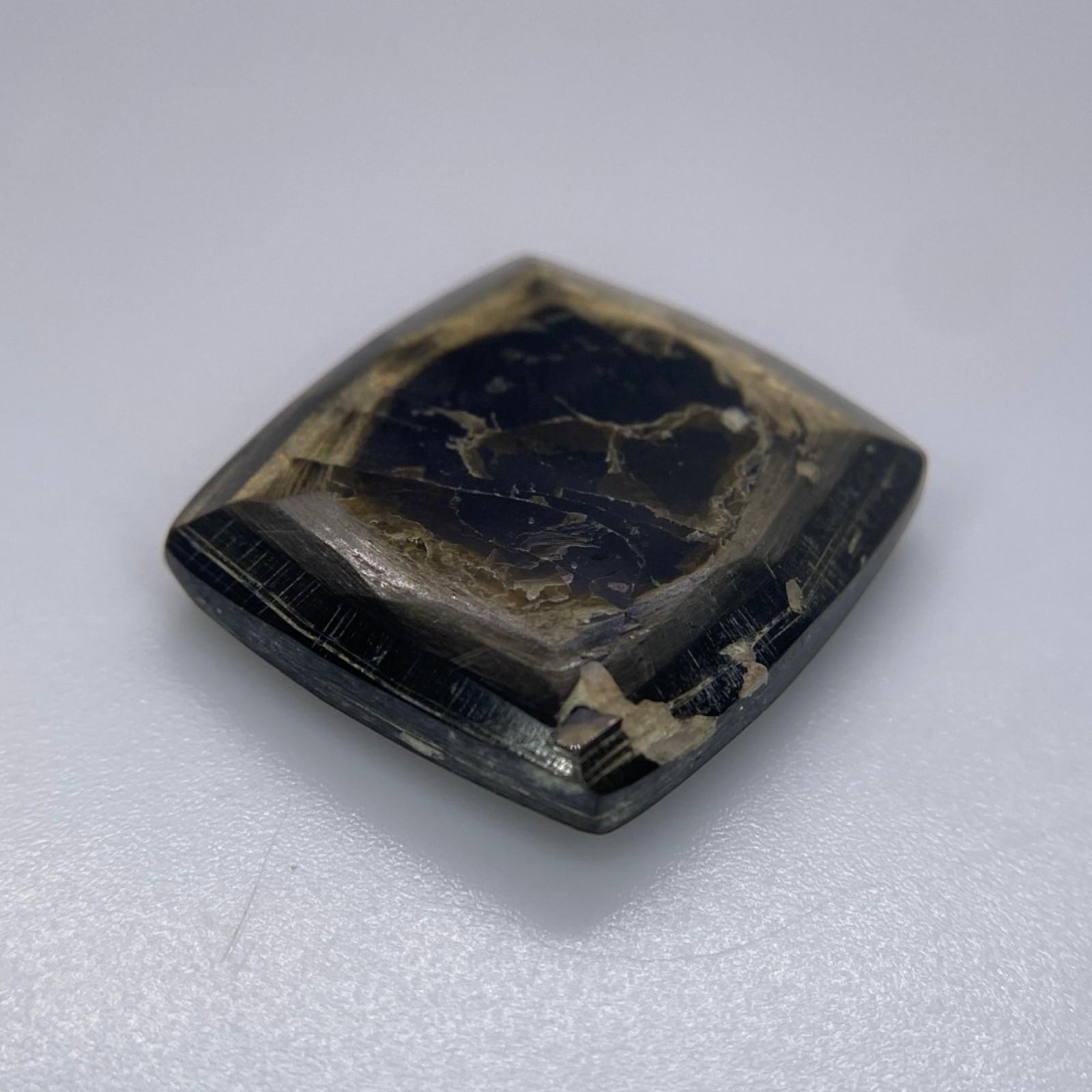
19.15 ct BIOTITE – CANADA
EXPERT VERIFIED
- Expert Verified Gemstone
- Fast Handling & Shipping
- Secure Vault Packaging
$ 150
Offer amount Feild


Smart Collector Choice


Pay with Crypto & Get 10% Automatic Discount

Availability: 1 in stock
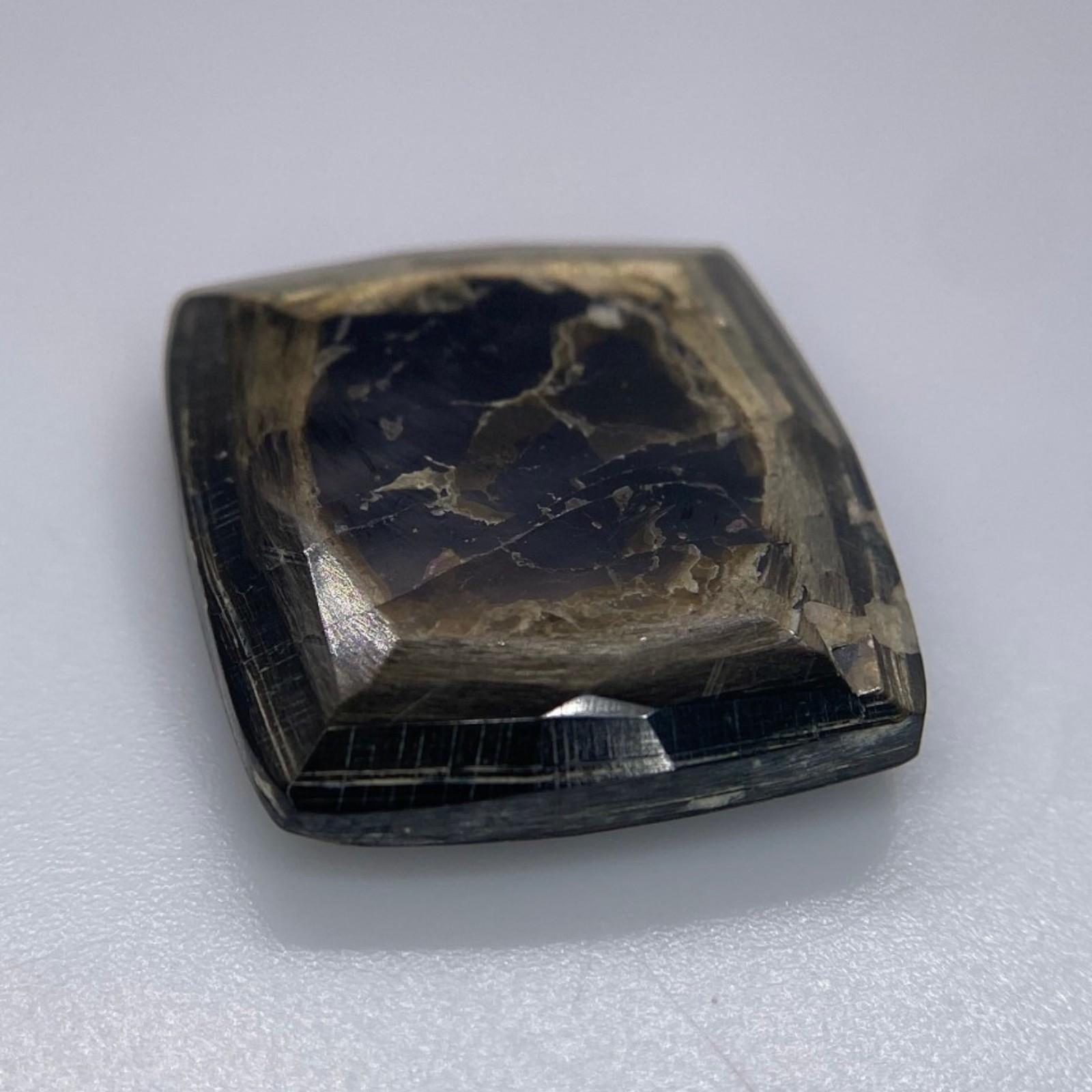
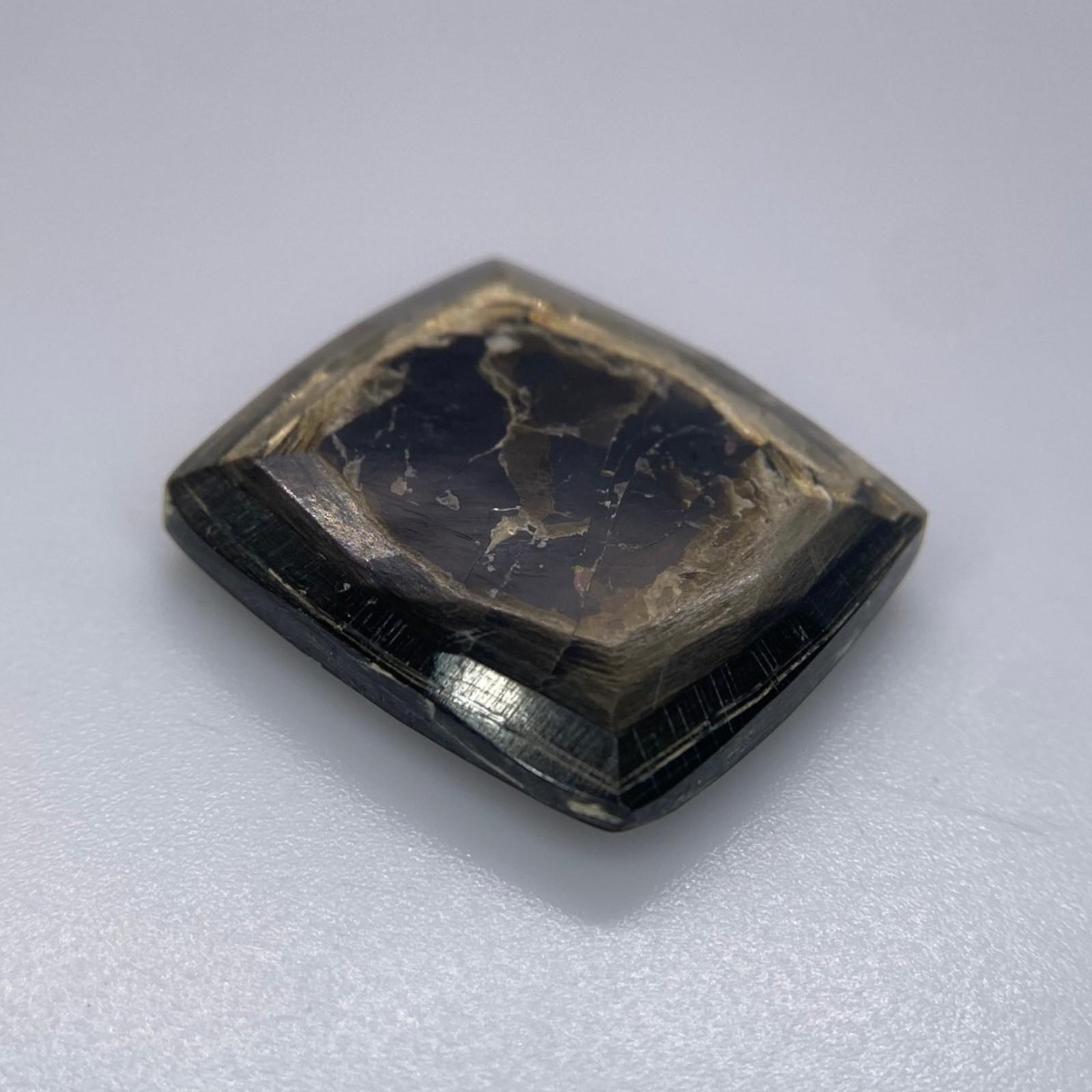
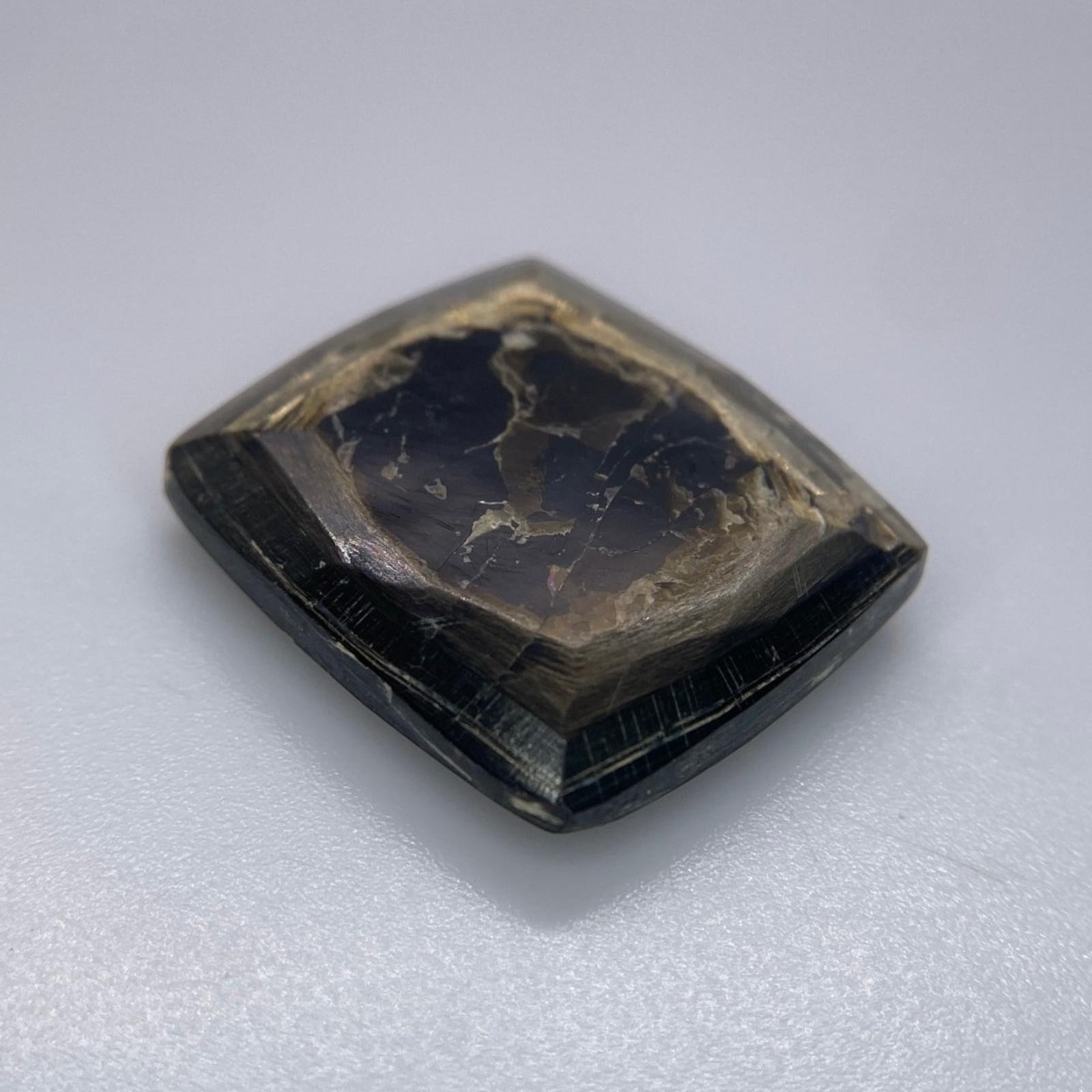
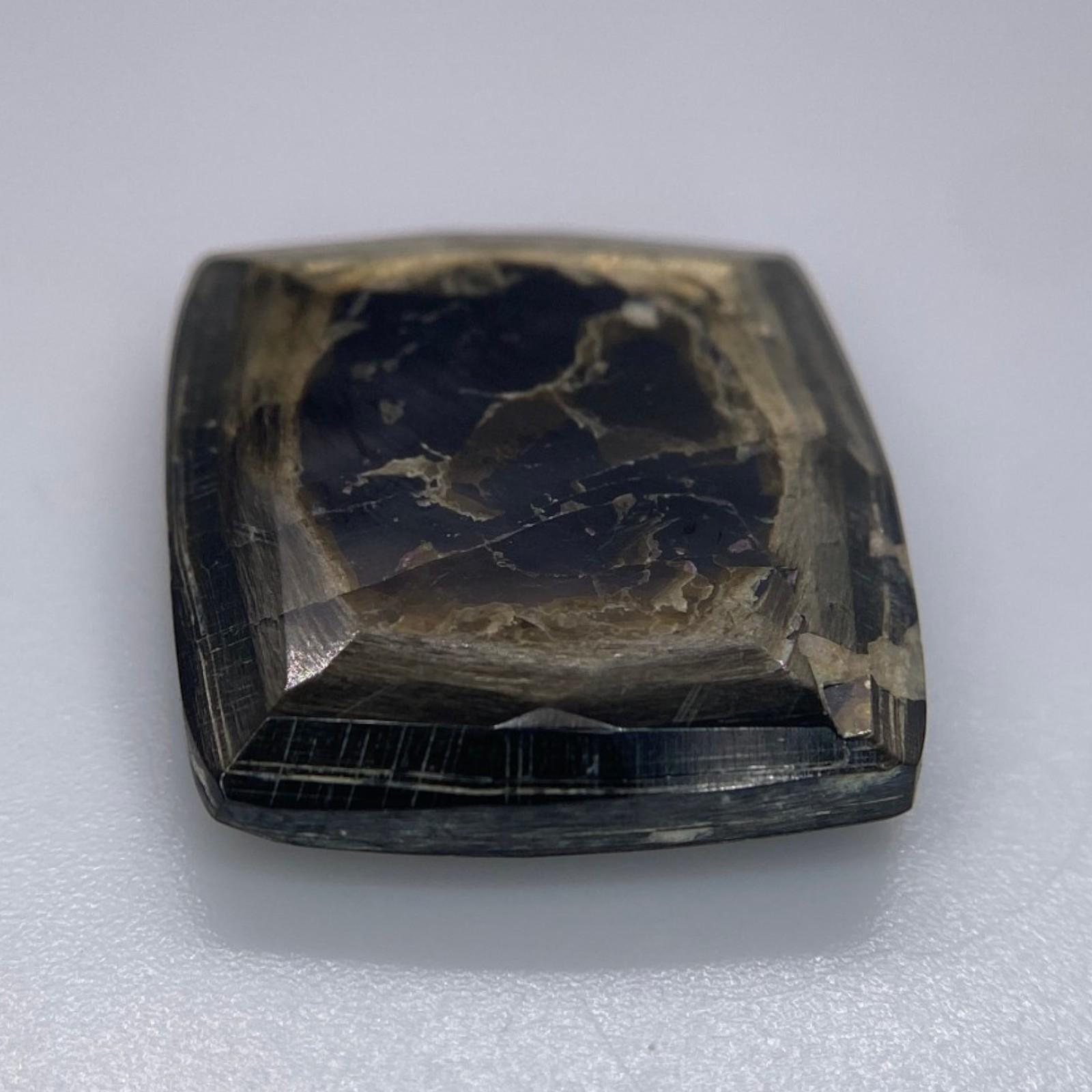


- Freakingcats Gemstone Database
Biotite
Biotite represents the “ink-black” soul of the mica group. A potassium iron magnesium aluminum silicate, it is a mineral I have always respected for its “architectural” flexibility and its role as the definitive “dark mica” of the Earth’s crust. While it is ubiquitous in granites and schists, the rare, giant “books” of biotite from specialized pegmatites are a prize for the systematic collector. It typically presents as deep forest-green, resinous brown, or a stark, metallic black. For the specialist, Biotite is a stone of “crystalline layers,” offering a perfect, one-directional cleavage that allows it to be split into sheets as thin as a whisper, yet as dark as the deep mantle.
The Heritage & Discovery
Historical Significance: Biotite is a vital species for “reading” the geological history of our planet. Historically, it has been used by geologists as a primary tool for potassium-argon dating, helping us pin down the age of mountain ranges. In the world of fine minerals, it is celebrated for its micaceous luster and its ability to host spectacular inclusions of other minerals like Zircon, which create tiny “pleochroic haloes” within the mica sheets. It stands as a symbol of grounding and structural history, bridging the gap between common rock-forming minerals and the elite world of “giant” crystalline specimens. It serves as a reminder that the “black sheep” of the mica family is often the most scientifically significant.
Discovery: The mineral was formally named in 1847 in honor of the French physicist Jean-Baptiste Biot, who conducted pioneering research on the optical properties of the mica group. Scientifically, it is a sheet silicate. Its discovery provided mineralogists with the first clear look at how iron and magnesium can be integrated into the mica lattice to create a dark, opaque counterpart to the clear Muscovite. My own respect for this material grew from observing its flexibility; unlike many minerals that shatter, a thin sheet of Biotite can be bent, showcasing the sophisticated, “elastic” nature of its atomic bonding.
Important Mines: The undisputed world capital for the finest “giant books” of Biotite is the Bancroft area in Ontario, Canada, where crystals can reach staggering proportions. I also have a high regard for the sharp, lustrous crystals from the Ural Mountains in Russia and the classic “old-stock” specimens from the Litchfield area in Connecticut, USA. For the vault, I prioritize the Canadian material for its unmatched “architectural” size and the Russian pieces for their superior surface luster and crystal definition.
Mineralogical Profile
Description: Biotite is a complex silicate that crystallizes in the monoclinic system. It sits at a 2.5 to 3 on the Mohs scale, making it a soft mineral that can be easily scratched or split. It is characterized by its vitreous to sub-metallic luster and its dark, light-absorbing coloration.
One of its most identifying traits is its perfect basal cleavage, which allows the mineral to be peeled into thin, flexible sheets. It has a moderate refractive index (n approx 1.56 to 1.64) and a characteristic “weight” (SG approx 2.7 to 3.3) that increases with its iron content. Because it is a primary rock-forming mineral, it is often found in association with Orthoclase, Quartz, and Hornblende. When I select a piece for the collection, I look for “sharp” pseudo-hexagonal outlines and a lack of “shredding” at the edges, as these highlight the sophisticated, three-dimensional geometry that makes Biotite a standout for the systematic specialist. It is a dense, grounding mineral that offers a unique, “ink-like” beauty unlike any other mica species.
Chemical Formula: K(Mg,Fe2+)3(Al,Fe3+)Si3O10(OH,F)2


