
2.01 ct AUSTINITE – MEXICO
EXPERT VERIFIED
- Expert Verified Gemstone
- Fast Handling & Shipping
- Secure Vault Packaging
$ 420
Offer amount Feild


Smart Collector Choice


Pay with Crypto & Get 10% Automatic Discount

Availability: 1 in stock
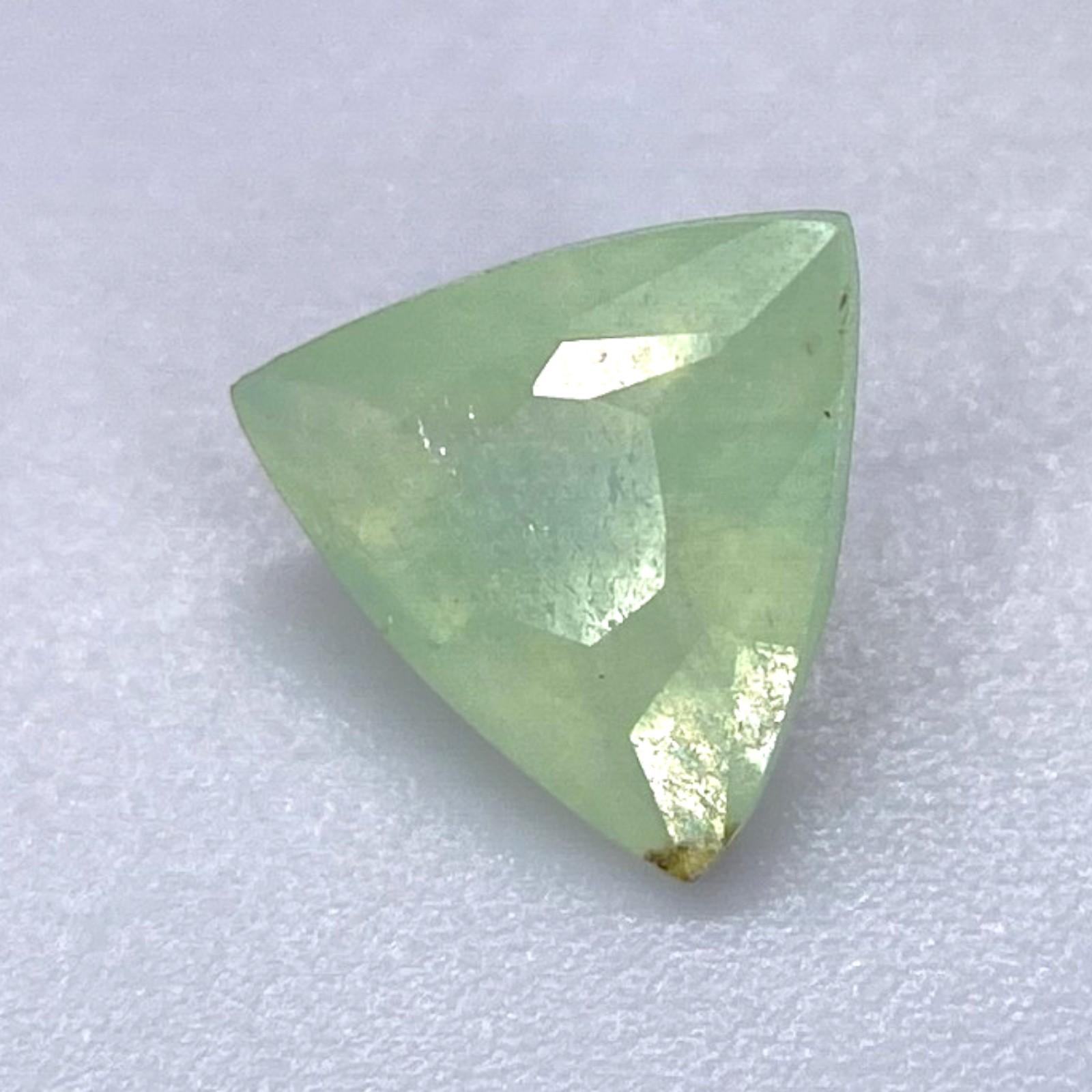
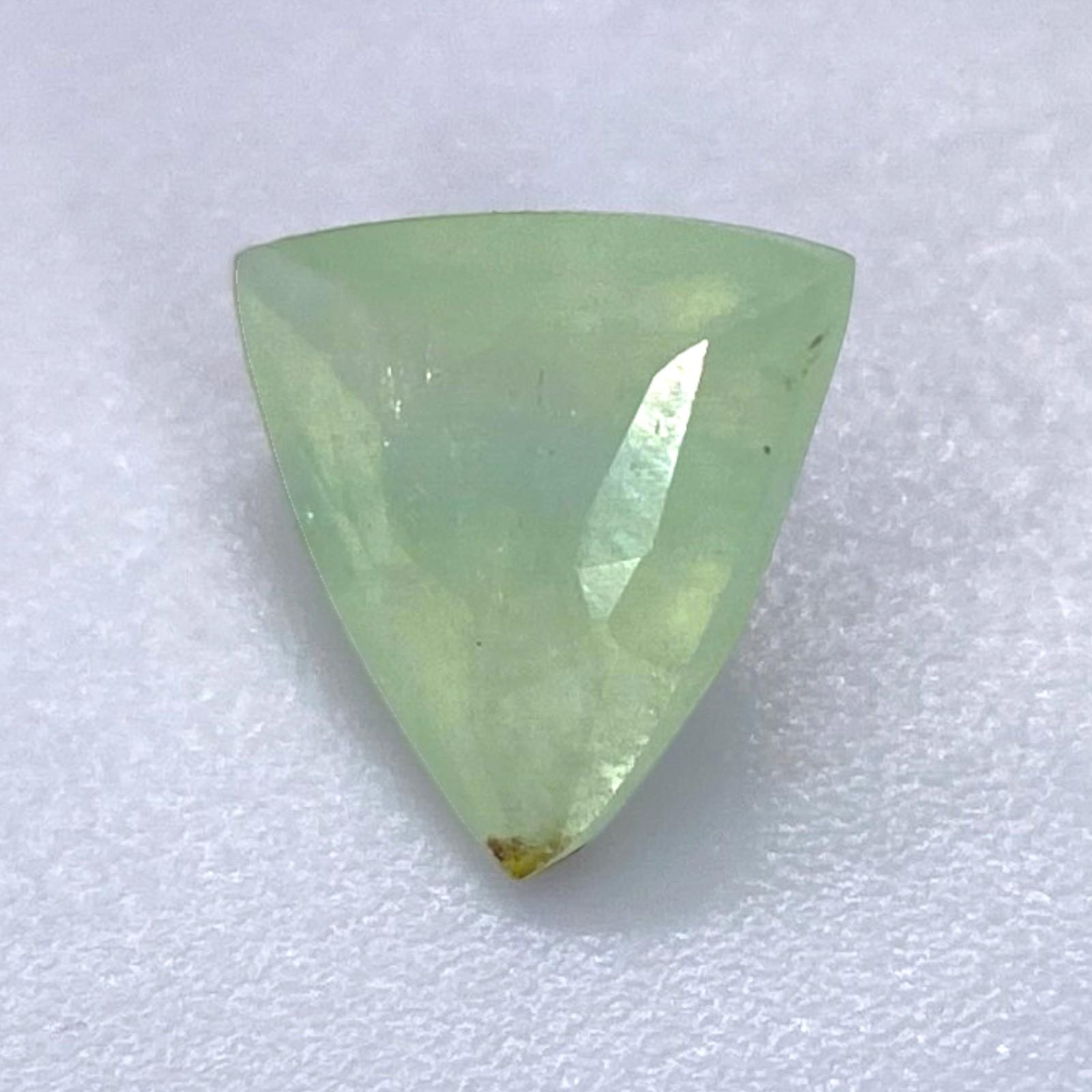
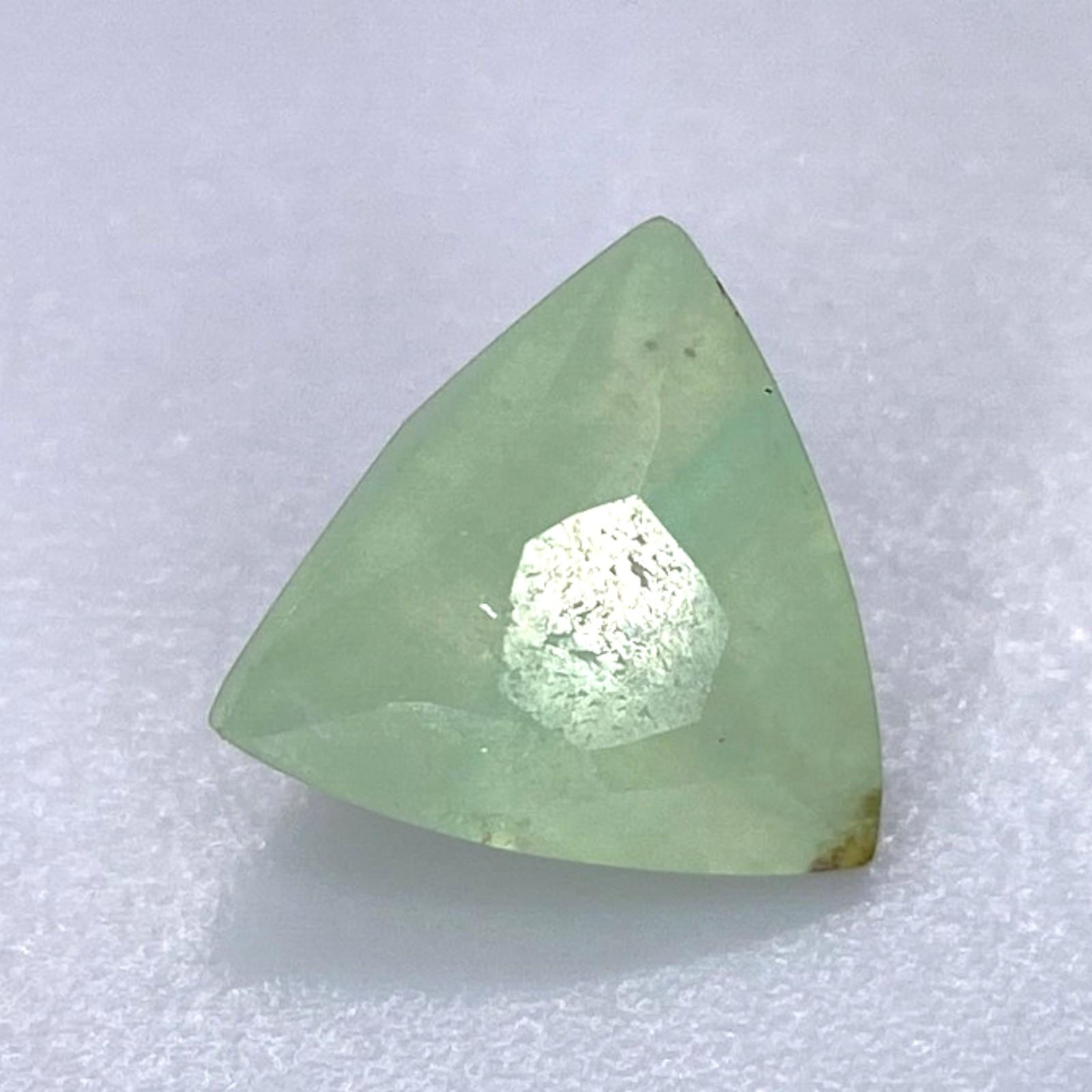
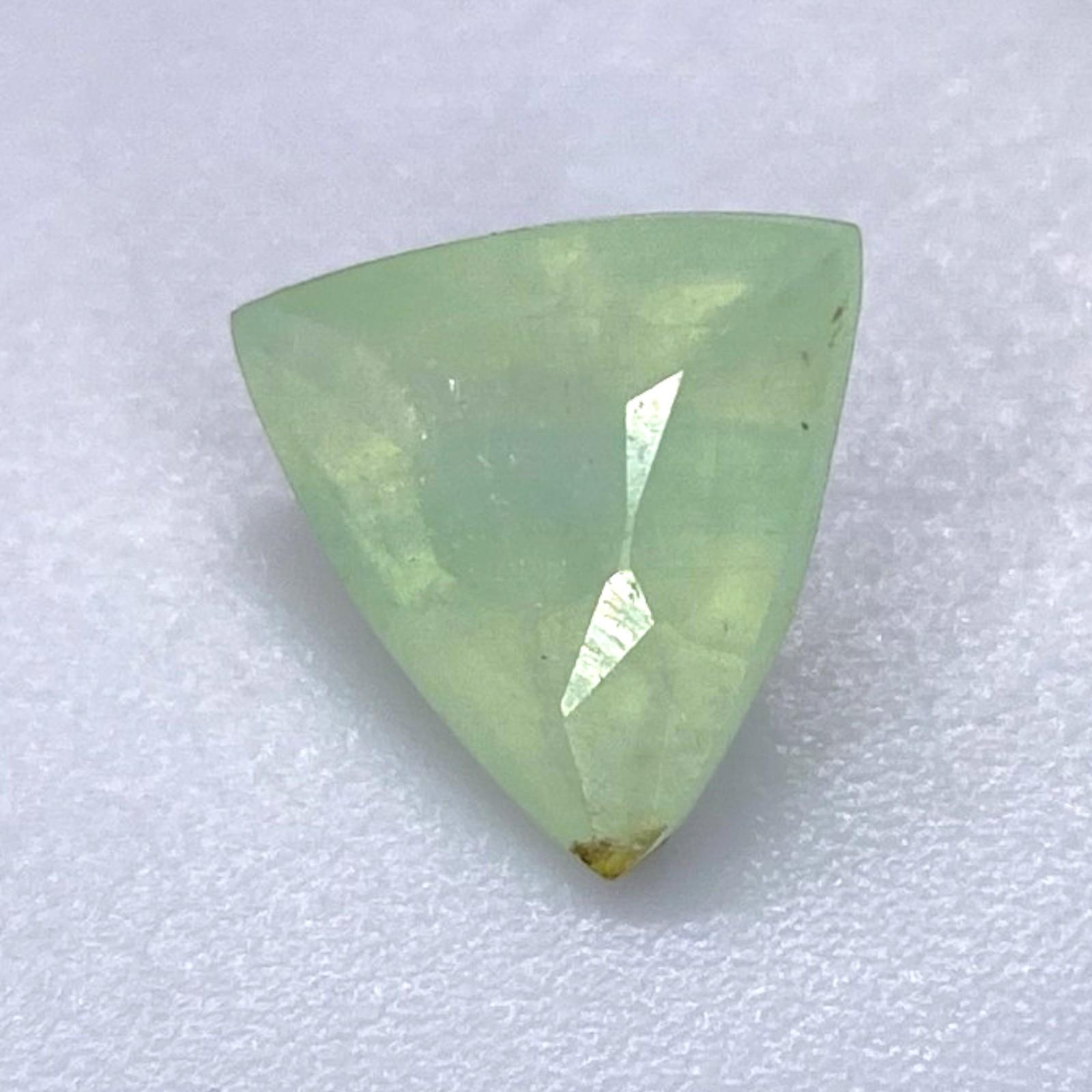
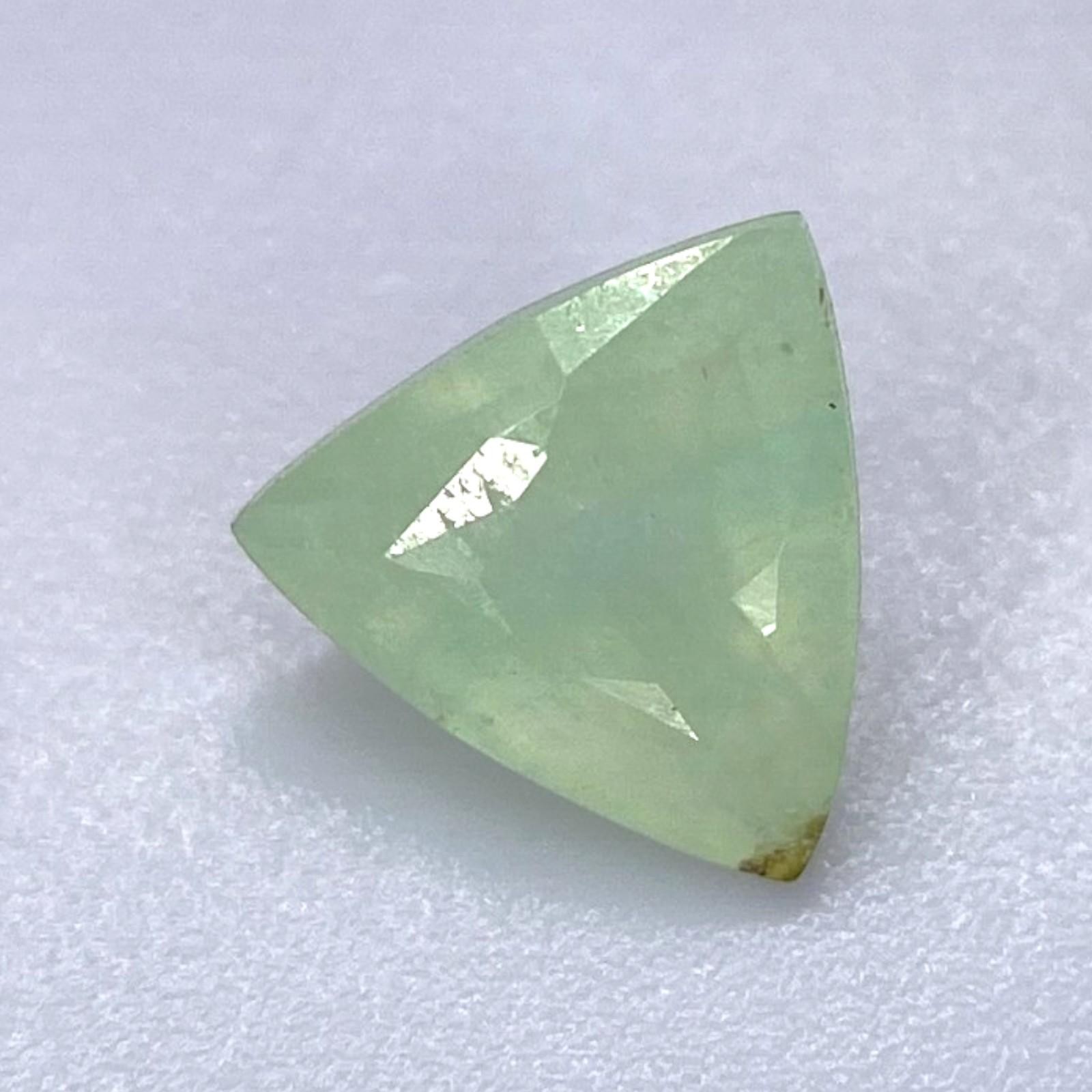
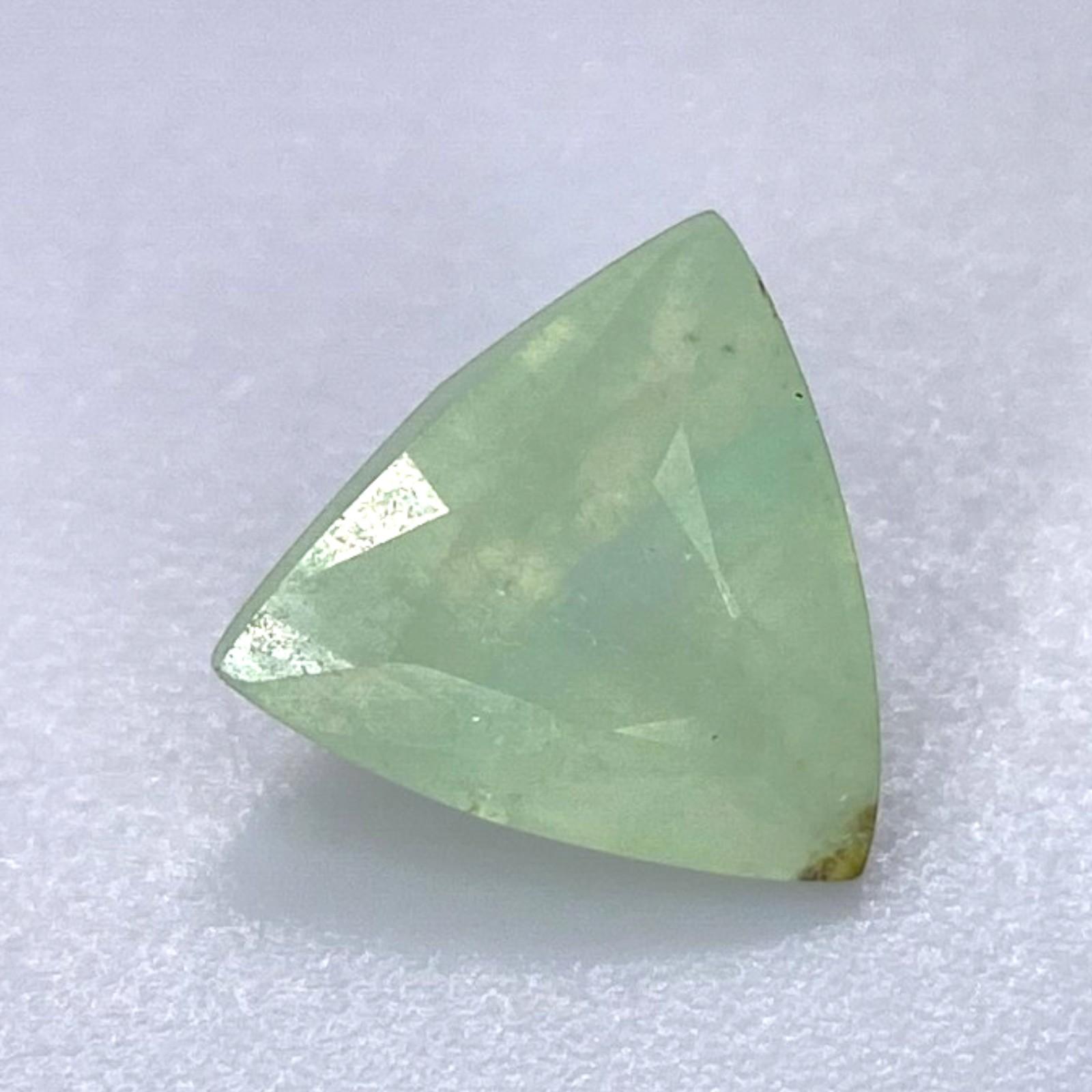
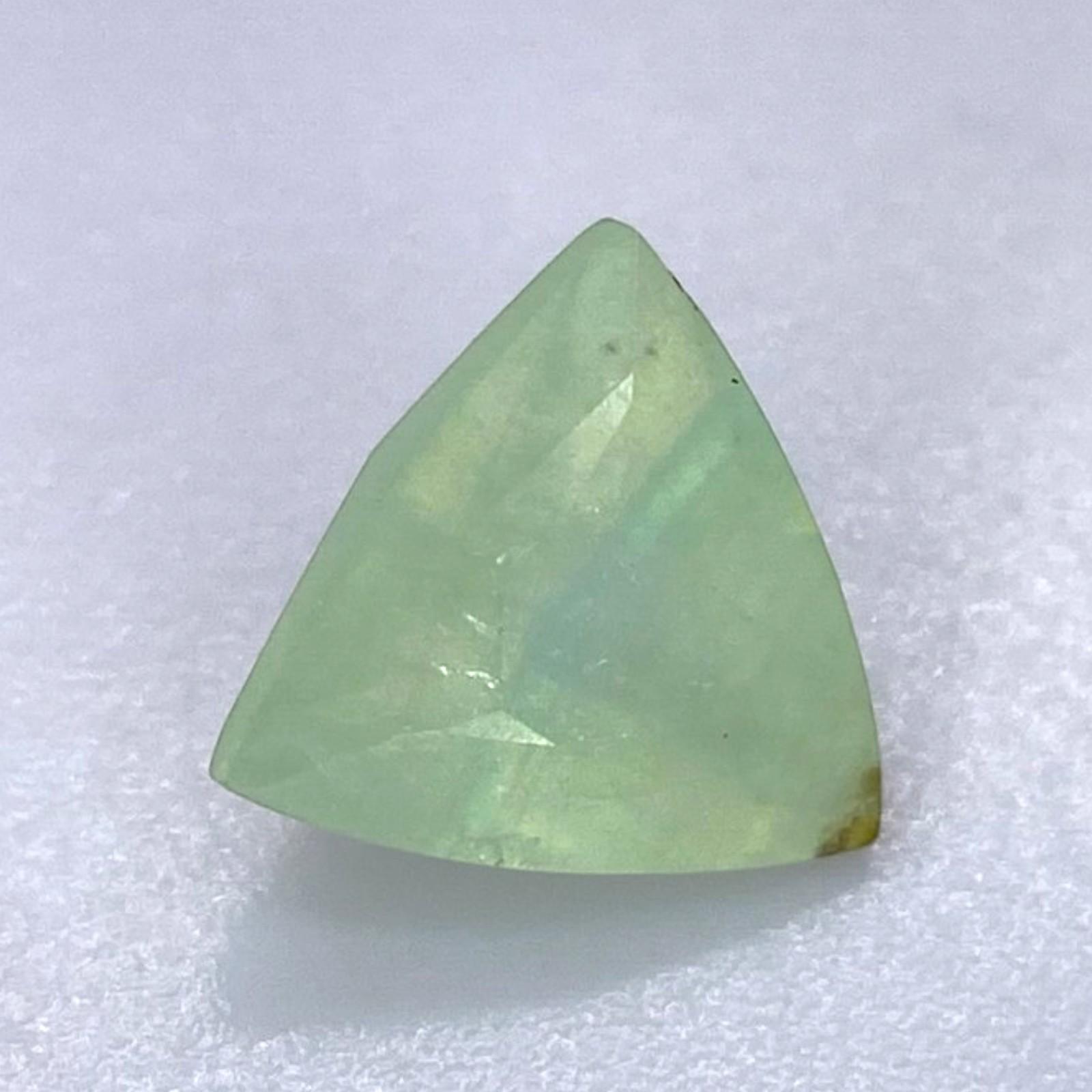
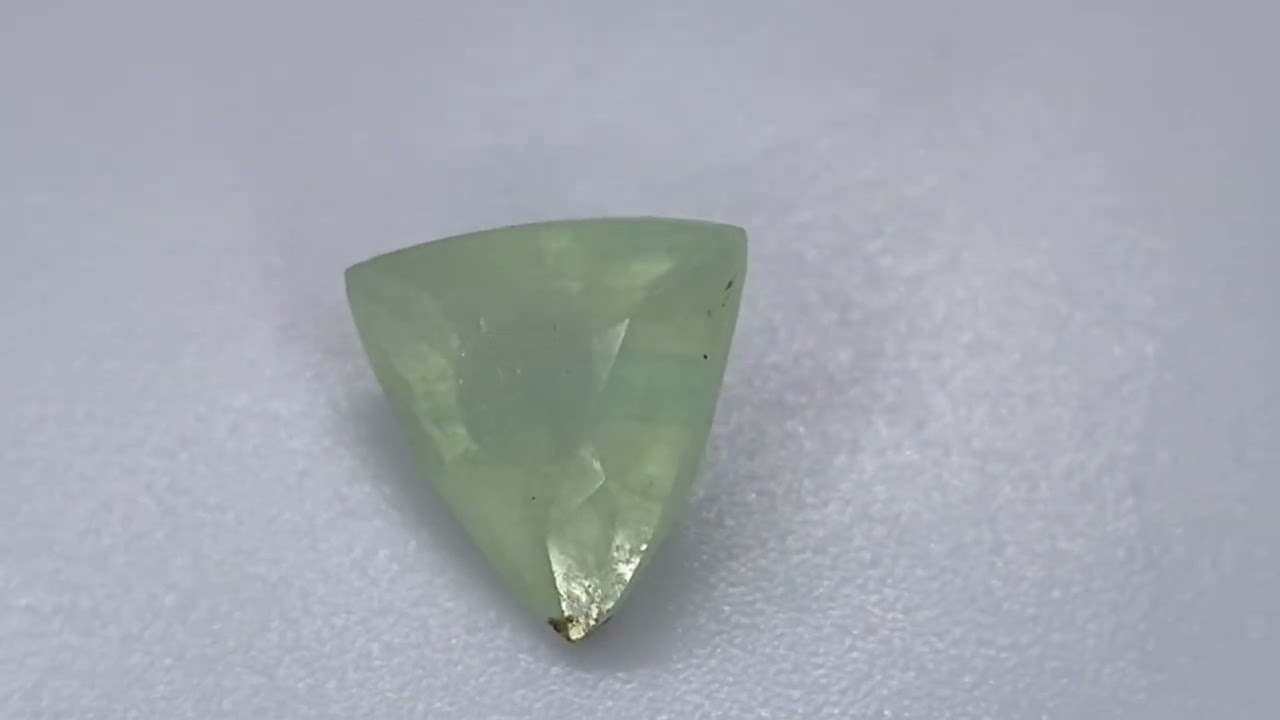


- Freakingcats Gemstone Database
Austinite
Austinite represents the “neon-architect” of the arsenate world. A calcium zinc arsenate hydroxide, it is a mineral I have always respected for its “electric” visual presence and its remarkable crystalline variety. It typically presents as “apple-green,” “lemon-yellow,” or “ice-white” crystals that form in a distinctive, radiating acicular habit or as “velvety” botryoidal crusts. For the specialist, Austinite is a prize of secondary oxidation; it forms in the weathered zones of arsenic-rich base metal deposits. It is a stone of “structural precision,” providing a sophisticated, “satin-luster” aesthetic that makes it a true “high-contrast” specimen for the systematic vault.
The Heritage & Discovery
Historical Significance: Austinite is a vital species for understanding the complex geochemistry of oxidation in arid environments. Historically, it was a relatively rare discovery until the opening of major deposits in the American West and Mexico. In the world of fine minerals, it is celebrated for its “needle-like” elegance and its association with other rare secondary minerals. It stands as a symbol of transformation and environmental chemistry, bridging the gap between heavy metal ores and the elite world of “neon-saturated” collector arsenates. It serves as a reminder that the most “hostile” elements, like arsenic, can be reorganized by nature into structures of immense, “spring-like” beauty.
Discovery: The mineral was formally named in 1935 in honor of Professor Rogers Austin of Stanford University, a distinguished mineralogist. Scientifically, it is the zinc-dominant member of the Adelite-Descloizite group. Its discovery in the Gold Hill area provided mineralogists with the first clear look at how zinc and arsenic can stabilize into an orthorhombic lattice in the presence of calcium. My own respect for this material grew from observing its extraordinary “sheen”; when the tiny needles grow in tight, radial sprays, they catch the light in a way that gives the specimen a “liquid” or “moving” luster as it is rotated.
Important Mines: The undisputed world capital for the finest, most aesthetic “apple-green” Austinite is the Ojuela Mine in Mapimí, Durango, Mexico. These specimens, often perched on a contrasting dark limonite matrix, set the global standard for color. I also have a high regard for the historic type-locality at the Gold Hill Mine in Utah, USA, and the rare, “ice-white” crystals from Tsumeb, Namibia. For the vault, I prioritize the Mexican material for its unmatched “neon” saturation and its textbook radial morphology.
Mineralogical Profile
Description: Austinite is a calcium zinc arsenate that crystallizes in the orthorhombic system. It sits at a 4 to 4.5 on the Mohs scale, making it a relatively soft mineral that requires careful handling. It is characterized by its vitreous to silky luster and its unmistakable “citrus-toned” color palette.
One of its most identifying traits is its acicular (needle-like) to prismatic habit and its specific gravity (approx 4.1), which makes it feel notably heavy for its size—a hallmark of arsenate minerals. It has a high refractive index (approx 1.75 to 1.78) and a characteristic transparent to translucent diaphaneity. Because it forms in the oxidation zones of ore deposits, it is often found in association with Adamite, Limonite, and Quartz. When I select a piece for the collection, I look for “undamaged” radial sprays and a vivid green hue, as these highlight the sophisticated, three-dimensional geometry of the mineral’s growth. It is a dense, high-vibration mineral that offers a unique, “architectural” beauty unlike any other arsenate species.
Chemical Formula: CaZn(AsO4)(OH)


