
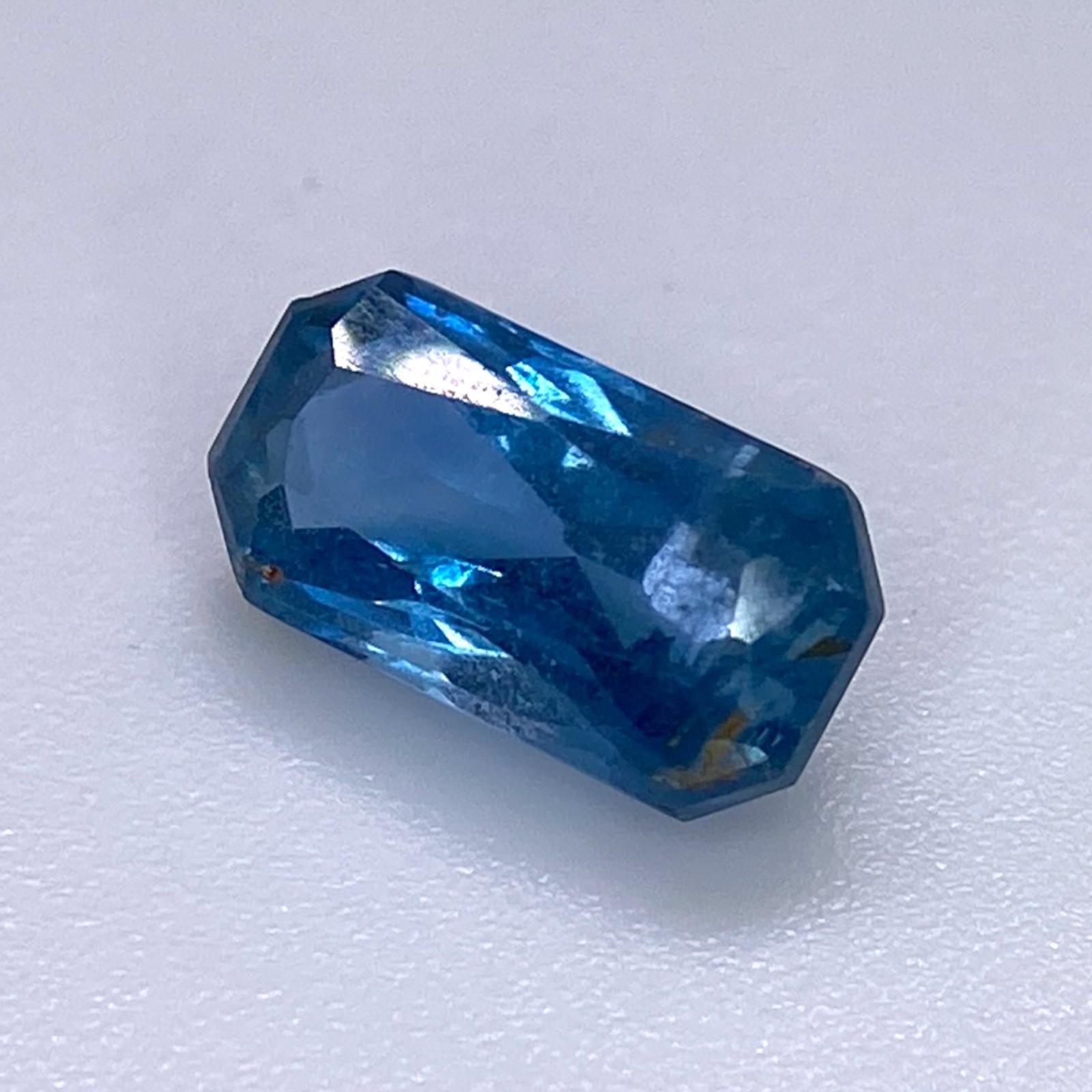
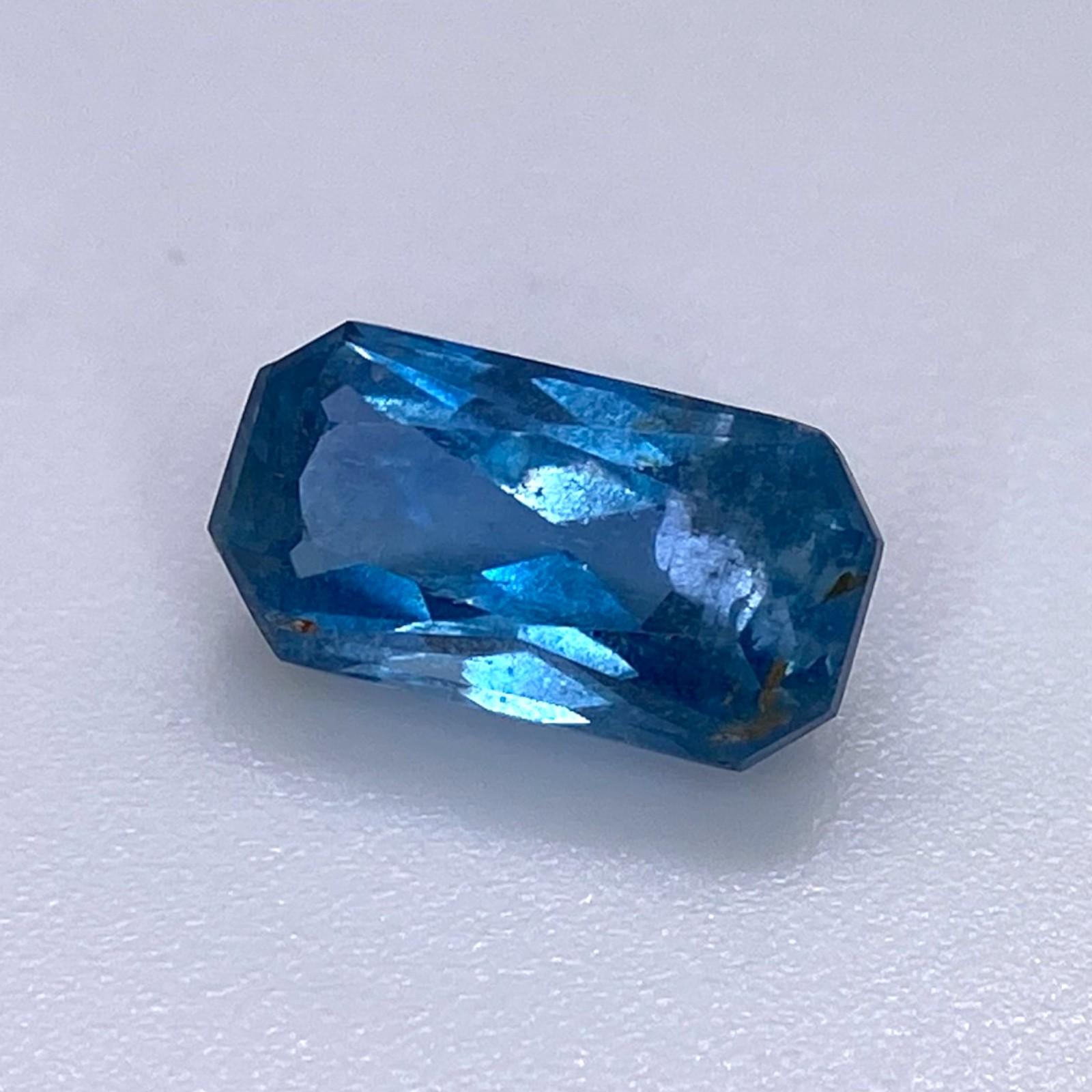
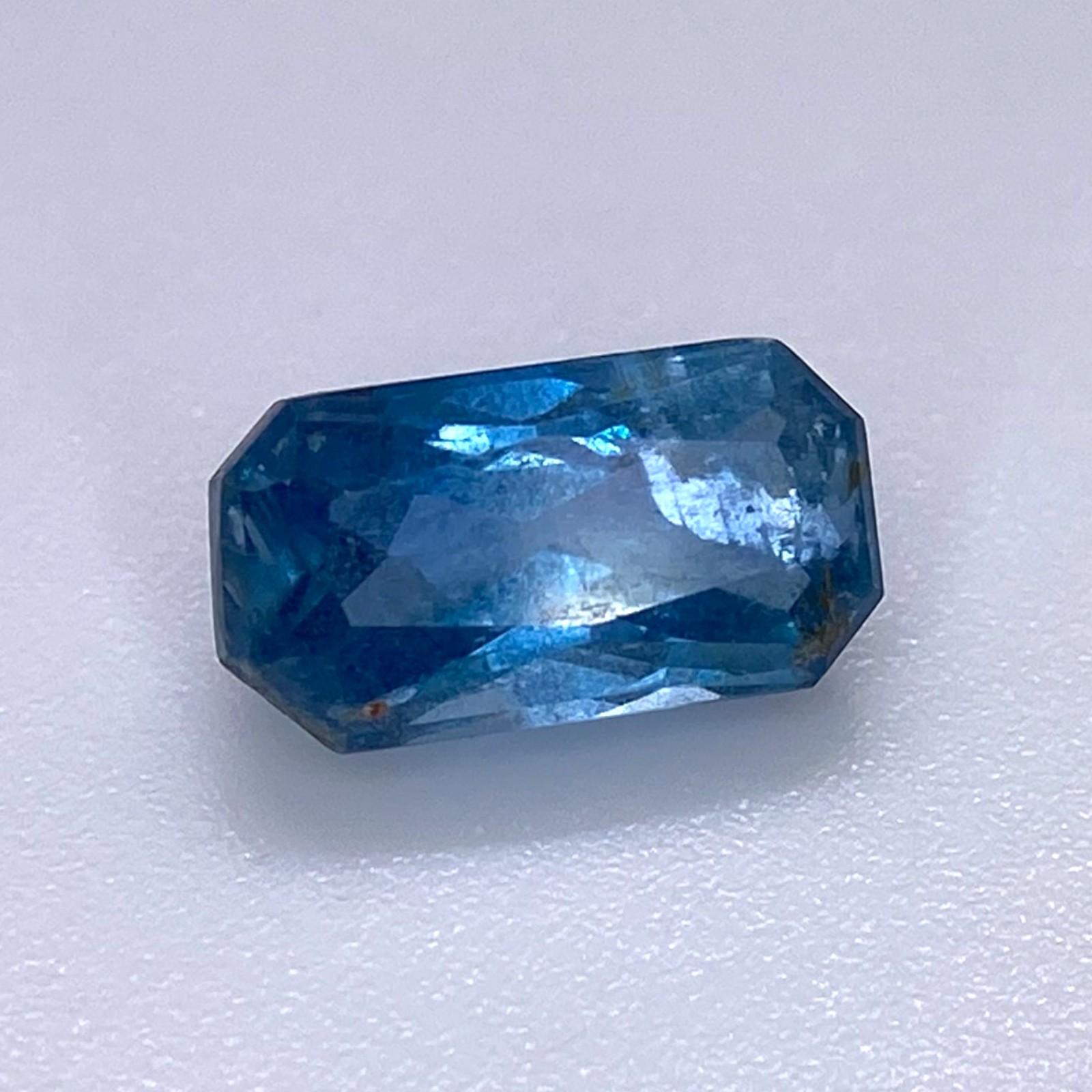
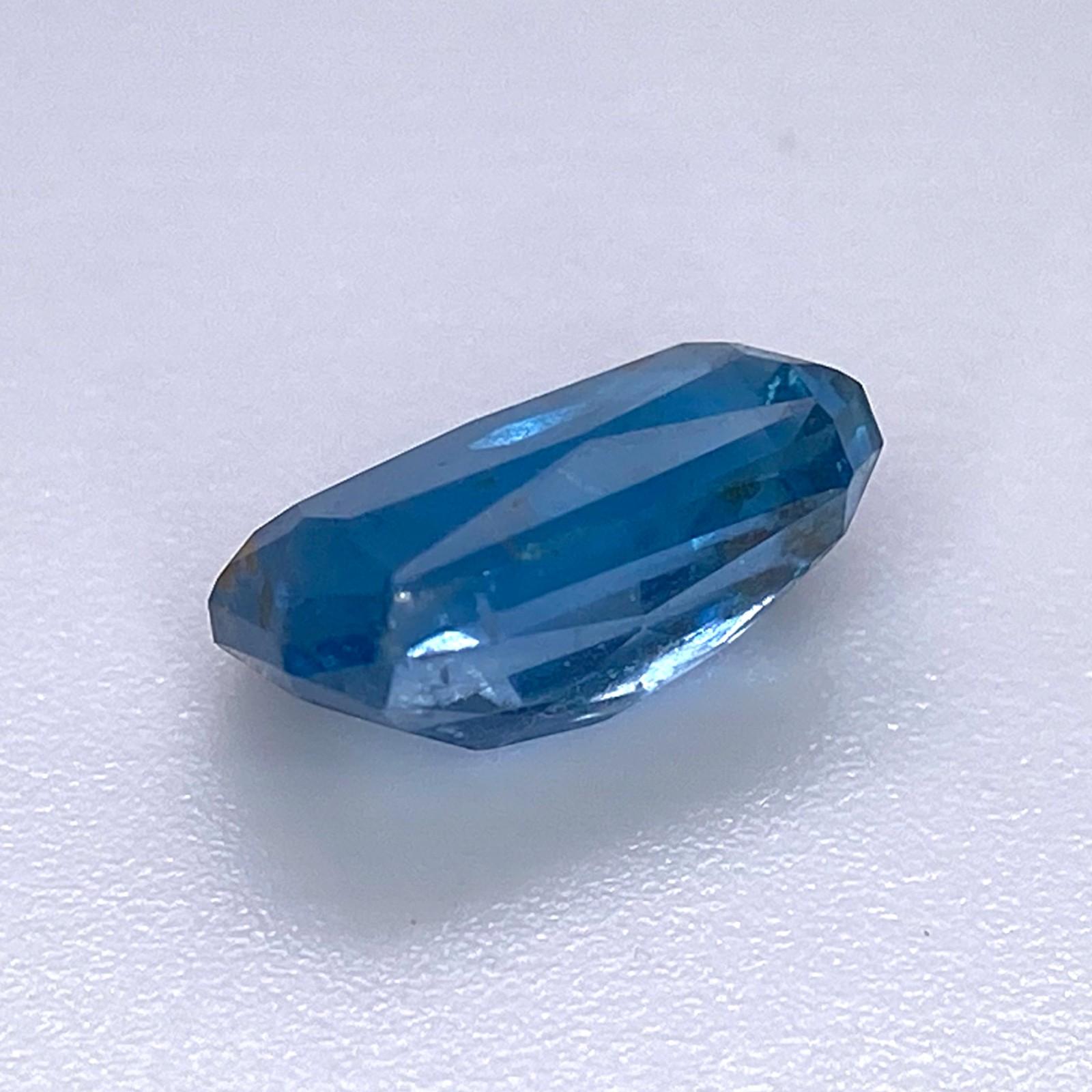
2.55 ct APATITE – BRAZIL
EXPERT VERIFIED
- Expert Verified Gemstone
- Fast Handling & Shipping
- Secure Vault Packaging
$ 200
Offer amount Feild


Smart Collector Choice


Pay with Crypto & Get 10% Automatic Discount

Out of stock
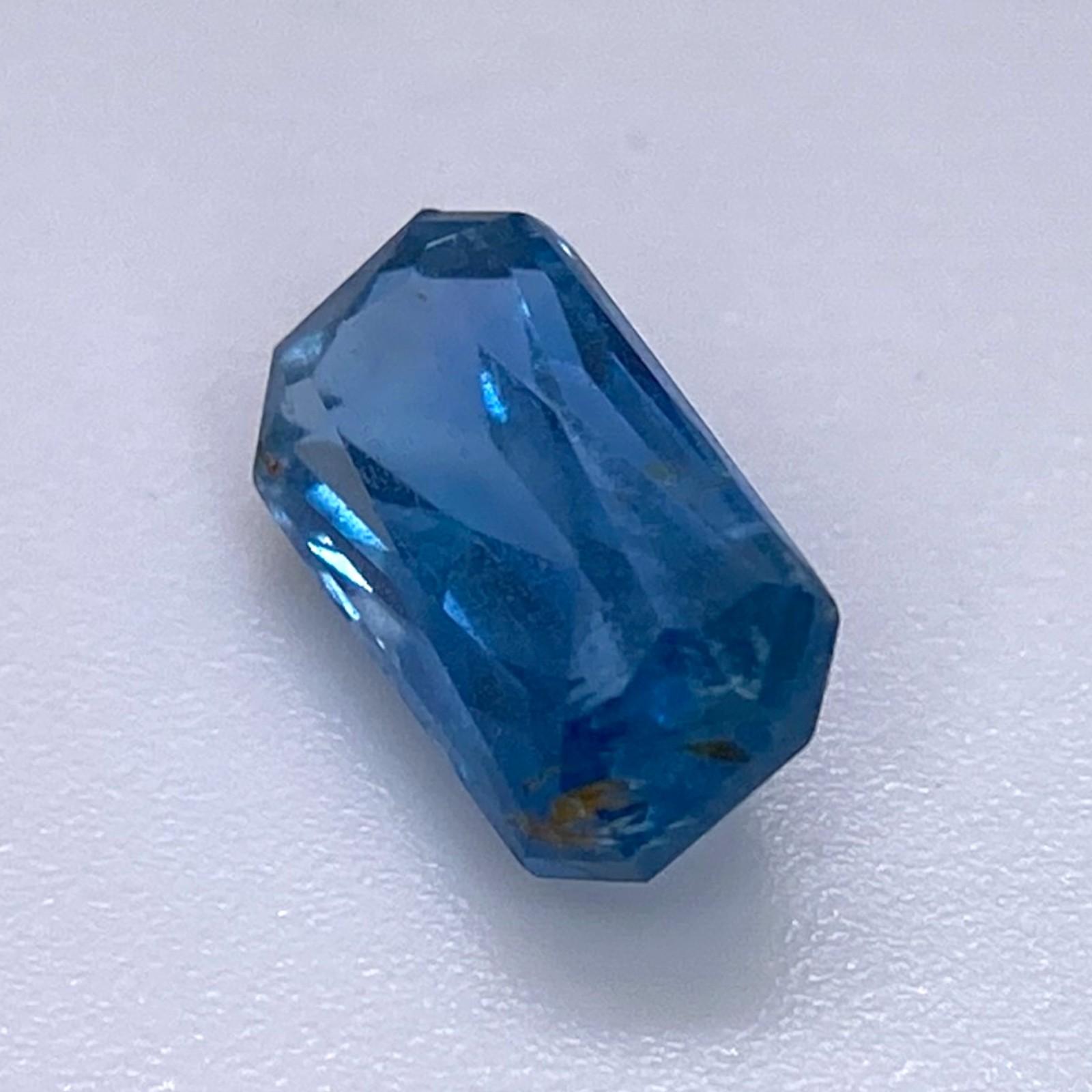
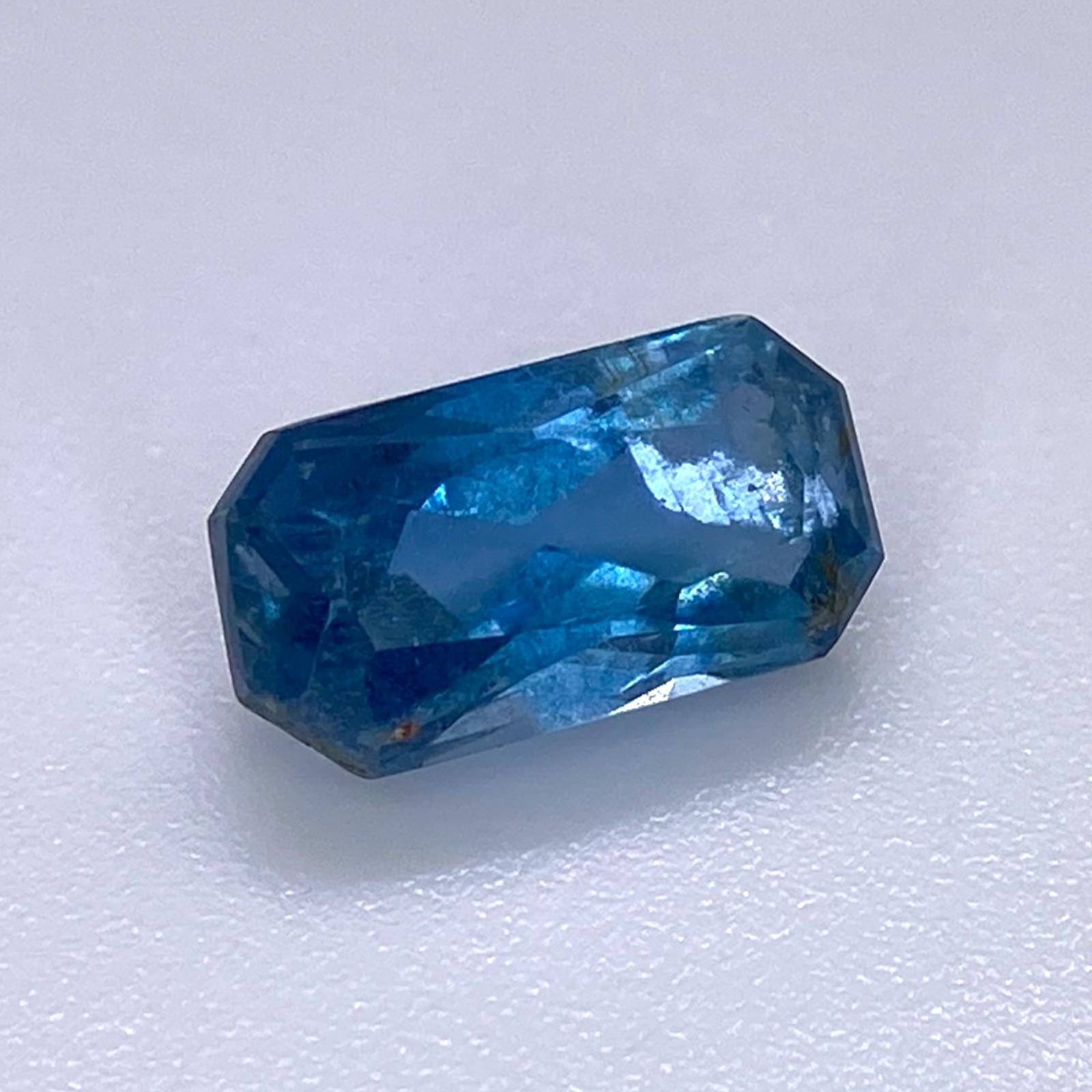
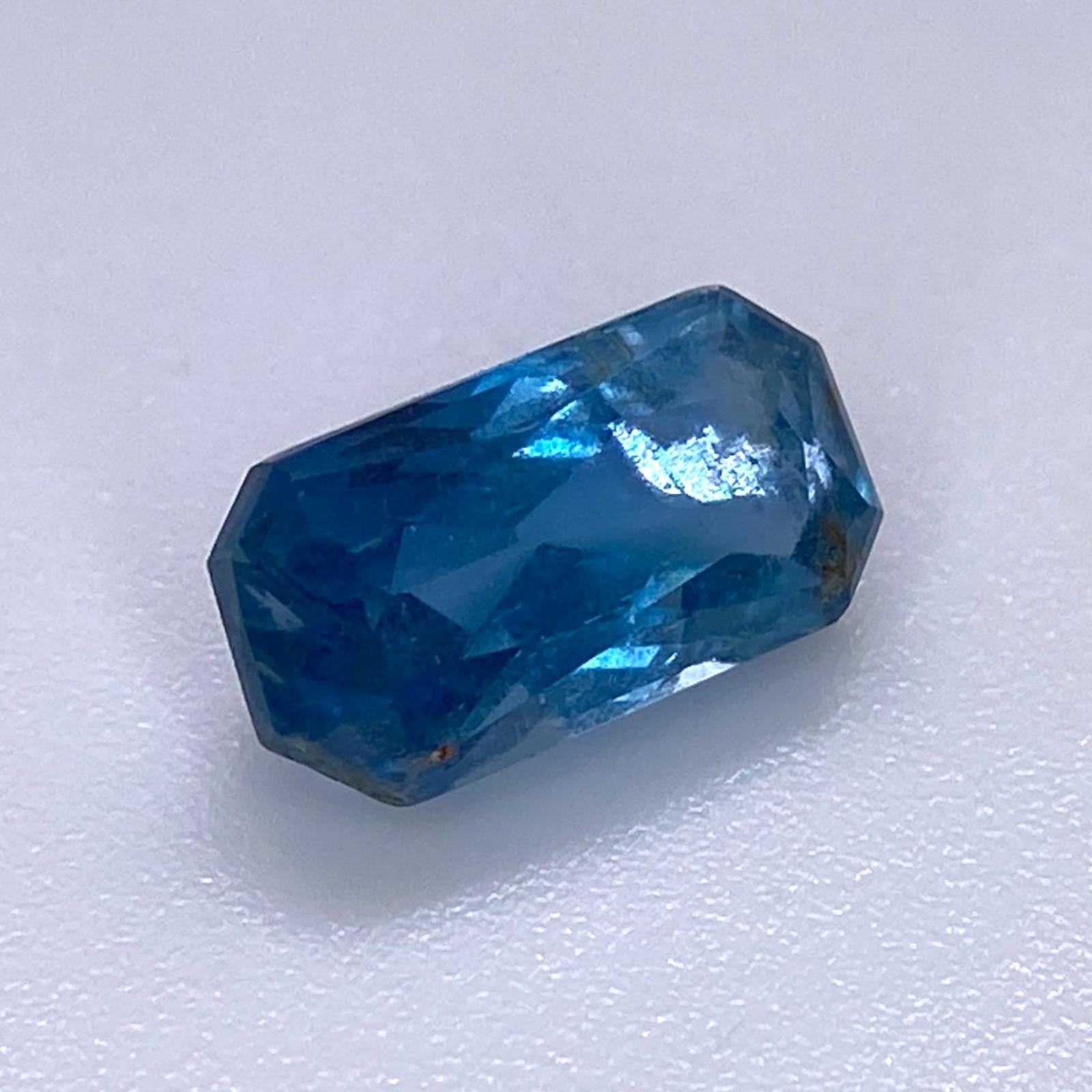


- Freakingcats Gemstone Database
Apatite (Blue)
Blue Apatite represents the “neon-lagoon” saturation of the phosphate world. A calcium phosphate species, it is a mineral I have always respected for its extraordinary color range—from the “electric” Paraiba-like teals to the deep “midnight” indigos. While Apatite is found globally, rare, gem-clear blue specimens of high saturation are a prize of trace-element chemistry; the color is often influenced by rare-earth elements or structural defects that allow the stone to rival the most expensive blue tourmalines or zircons. It is a stone of “fluid intensity,” providing a sophisticated, high-frequency aesthetic that makes it a true “neon” standout for the systematic vault.
The Heritage & Discovery
Historical Significance: Apatite has long been the “chameleon” of the mineral world. Historically, it was so frequently confused with other gemstones that its very name was chosen to reflect its deceptive nature. In the world of fine minerals, the neon-blue variety is celebrated for its optical vibrancy; under certain lighting conditions, these stones appear to glow from within. It stands as a symbol of clarity and intellectual stimulation, bridging the gap between common phosphate rock used in industry and the elite world of “investment-grade” collector gems. It serves as a reminder that nature can produce “electric” blues that challenge our perceptions of what is possible in a natural silicate-adjacent lattice.
Discovery: The name is derived from the Greek apate, meaning “to deceive.” Scientifically, it is a member of the Apatite group (most commonly Fluorapatite). Its discovery in the alkaline pegmatites of Brazil and Madagascar provided mineralogists with the first clear look at how low-iron, high-manganese or rare-earth environments can produce such a diverse spectrum of blue. My own respect for this material grew from observing its extreme pleochroism in certain specimens; when rotated, a single crystal can shift from a vivid “sky” blue to a nearly colorless or yellow-green hue—a sophisticated optical signature of the hexagonal system.
Important Mines: The undisputed world capital for the finest “electric-neon” Blue Apatite is São José da Batalha, Paraíba, Brazil, and the Ihorombe Region in Madagascar. These localities set the global standard for “lagoon” saturation. I also have a high regard for the deep “royal-blue” crystals from Sludyanka, Lake Baikal, Russia, and the rare, gemmy finds from Kazakhstan. For the vault, I prioritize the Brazilian and Malagasy material for their unmatched “neon” presence and their capability to produce clean, faceted stones of significant carat weight.
Mineralogical Profile
Description: Apatite is a calcium phosphate that crystallizes in the hexagonal system. It sits at a 5 on the Mohs scale, serving as the international index mineral for that specific hardness. Because it is “heat-sensitive” and relatively soft, it requires a master’s touch to facet and must be handled with care. It is characterized by its vitreous luster and its unmistakable “electric-to-indigo” color palette.
One of its most identifying traits is its lack of strong cleavage and its moderate refractive index (approx 1.63 to 1.64). It has a specific gravity (SG approx 3.1 to 3.2), giving it a substantial feel that is denser than Quartz. Because it is a primary mineral in many igneous and metamorphic environments, it is often found in association with Calcite, Quartz, and Muscovite. When I select a piece for the collection, I look for “razor-sharp” hexagonal prisms and a “liquid-blue” interior, as these highlight the sophisticated, three-dimensional geometry that makes Blue Apatite a standout for the systematic specialist. It is a dense, high-vibration mineral that offers a unique, “aqueous-electric” beauty unlike any other phosphate.
Chemical Formula: Ca5(PO4)3(F,Cl,OH)


