
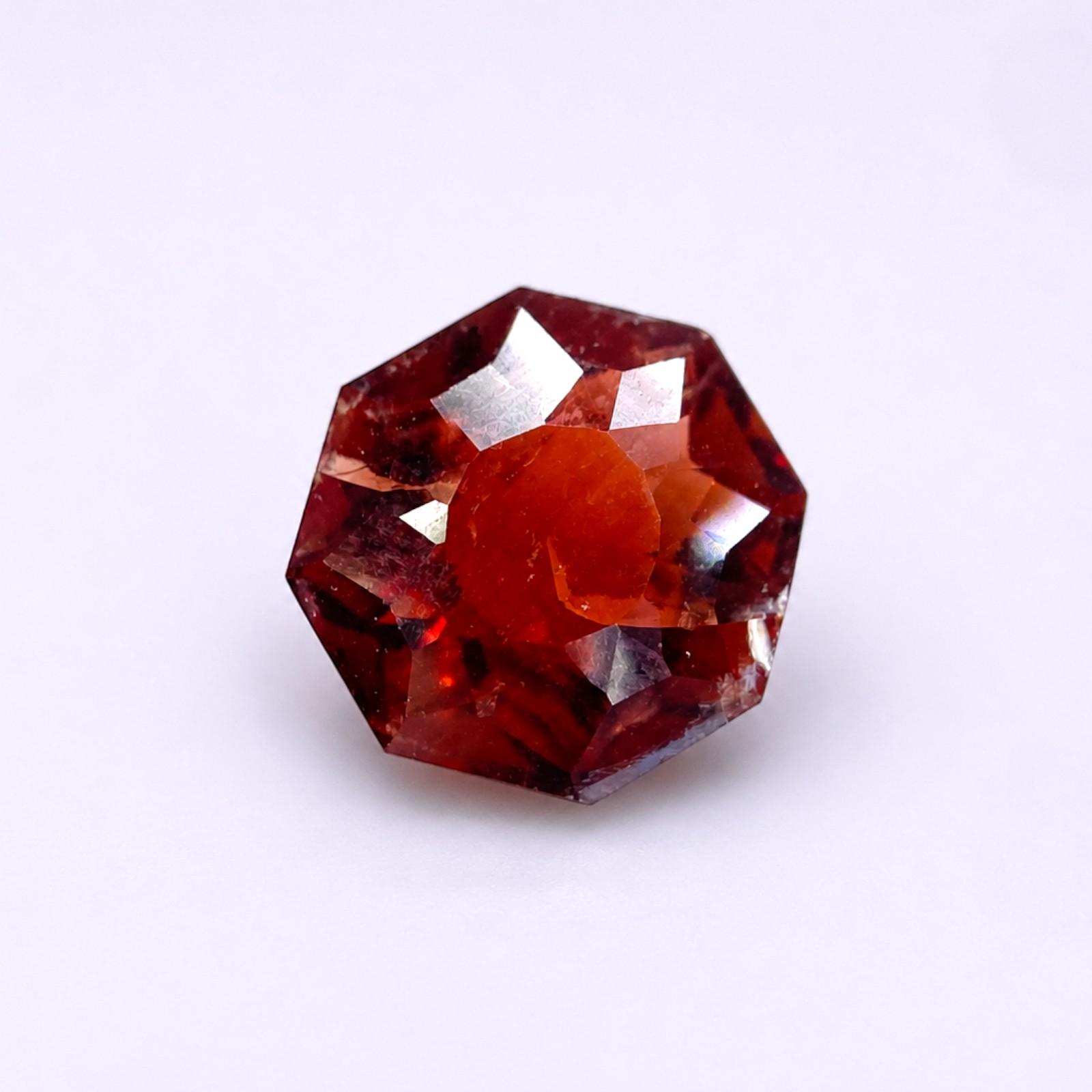
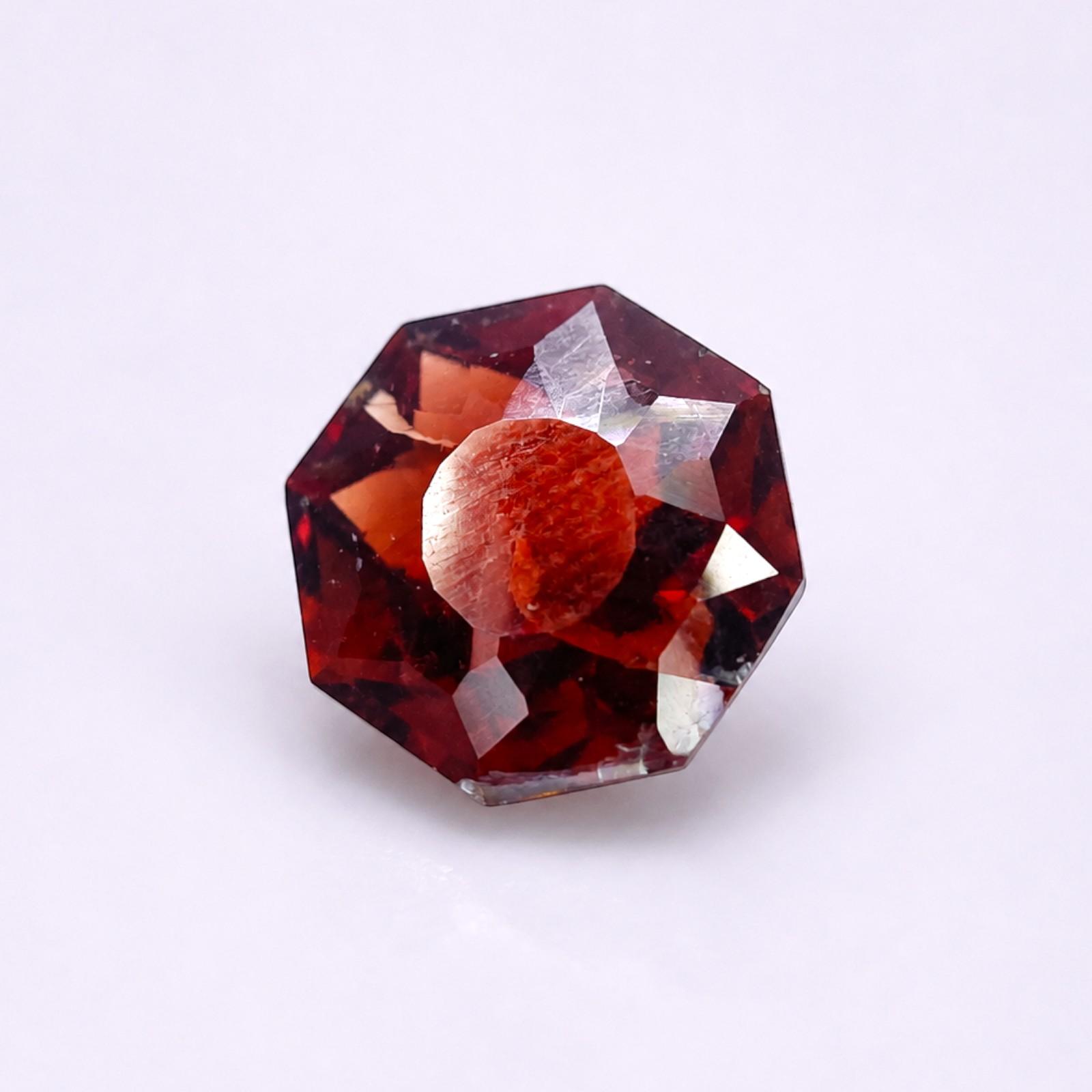
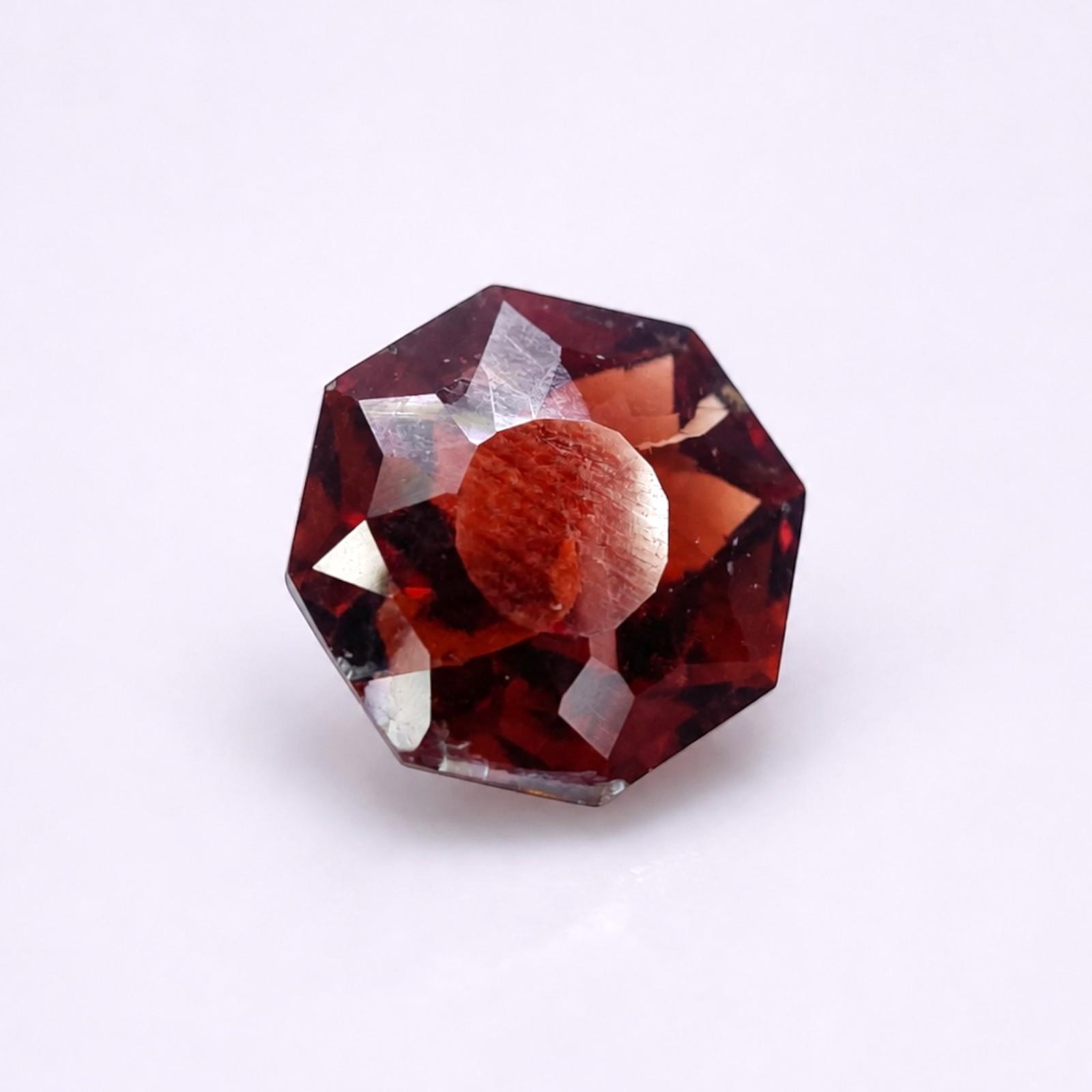
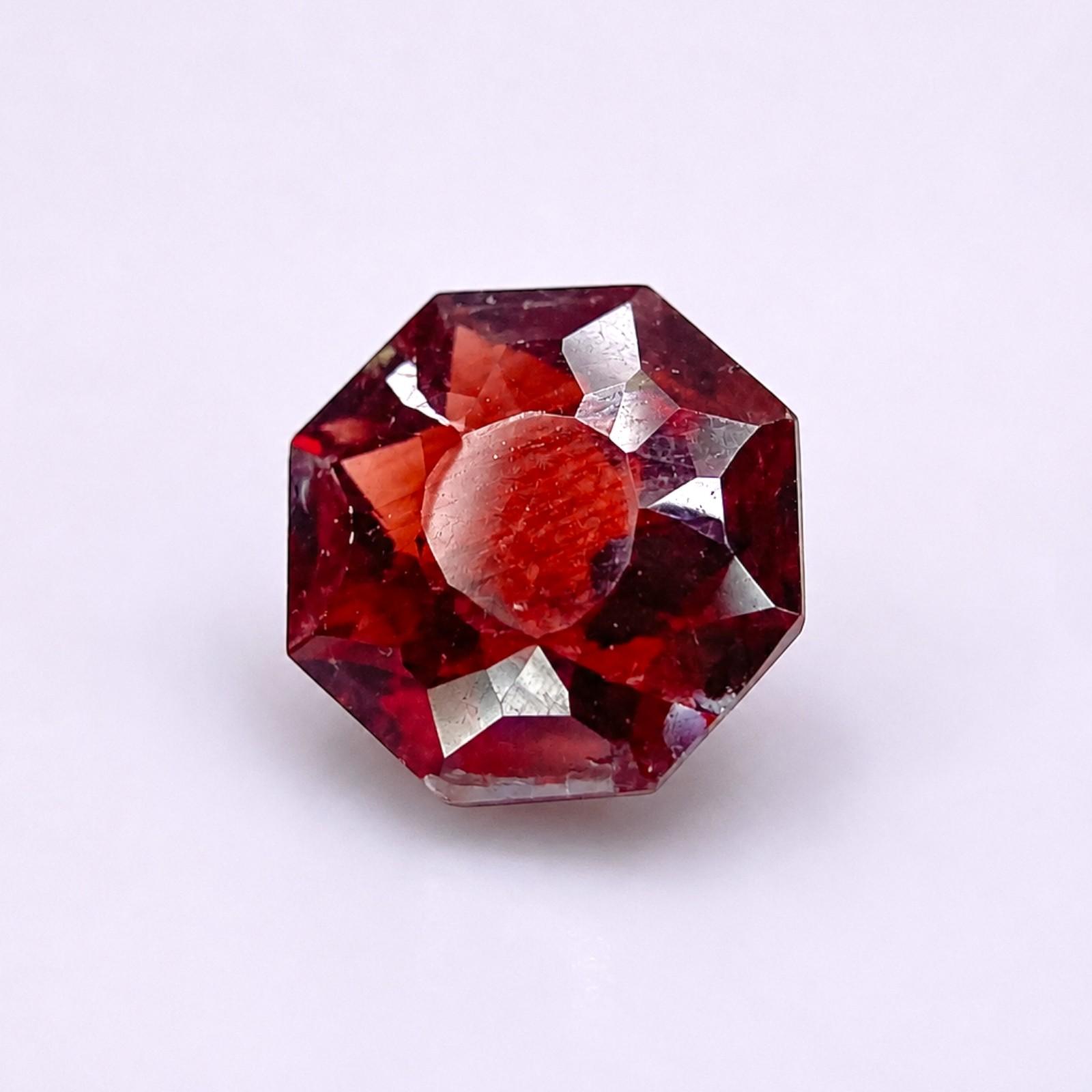
2.99 ct FLOURITE HEAT CC – ETHIOPIA
EXPERT VERIFIED
- Expert Verified Gemstone
- Fast Handling & Shipping
- Secure Vault Packaging
$ 150
Offer amount Feild


Smart Collector Choice


Pay with Crypto & Get 10% Automatic Discount

Availability: 1 in stock
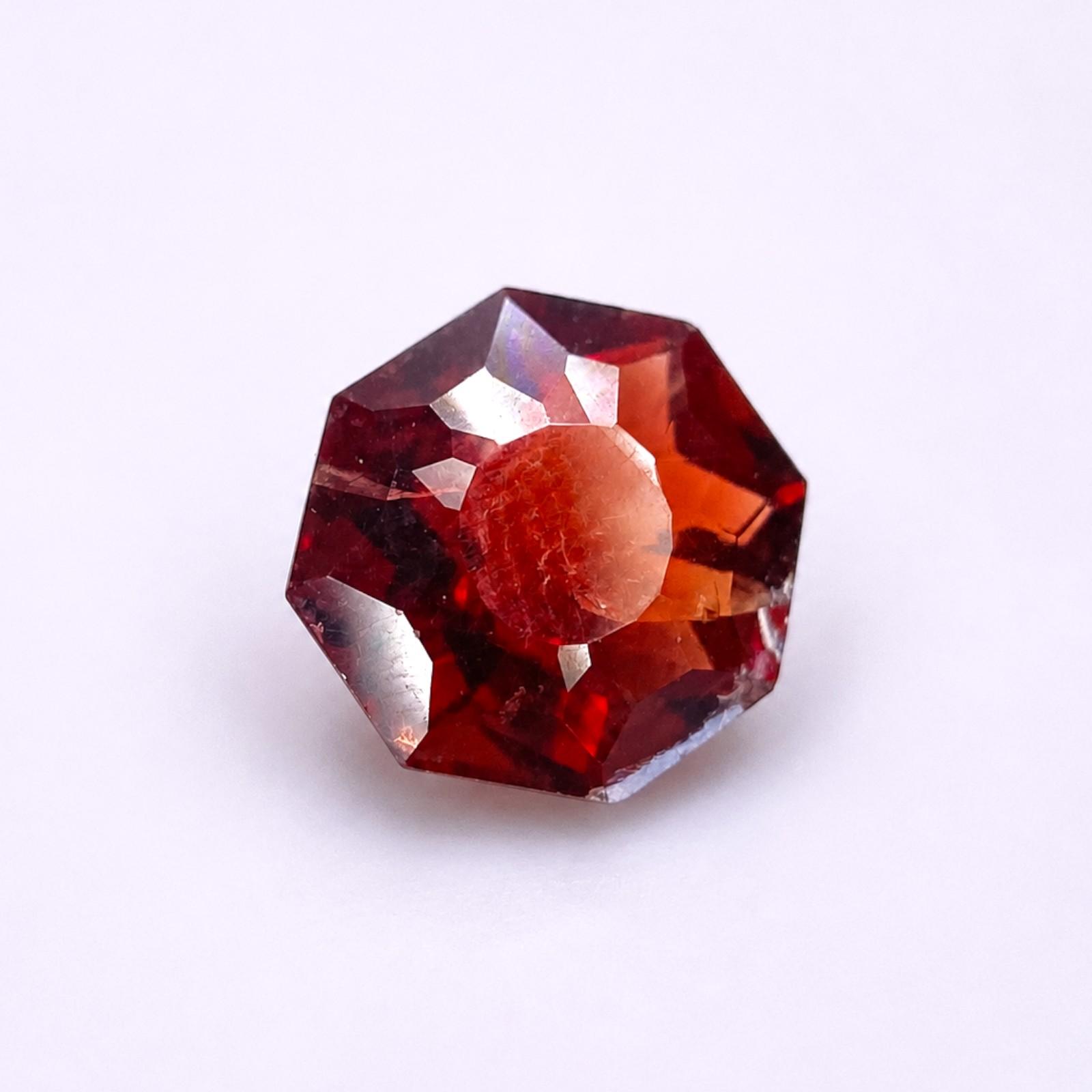
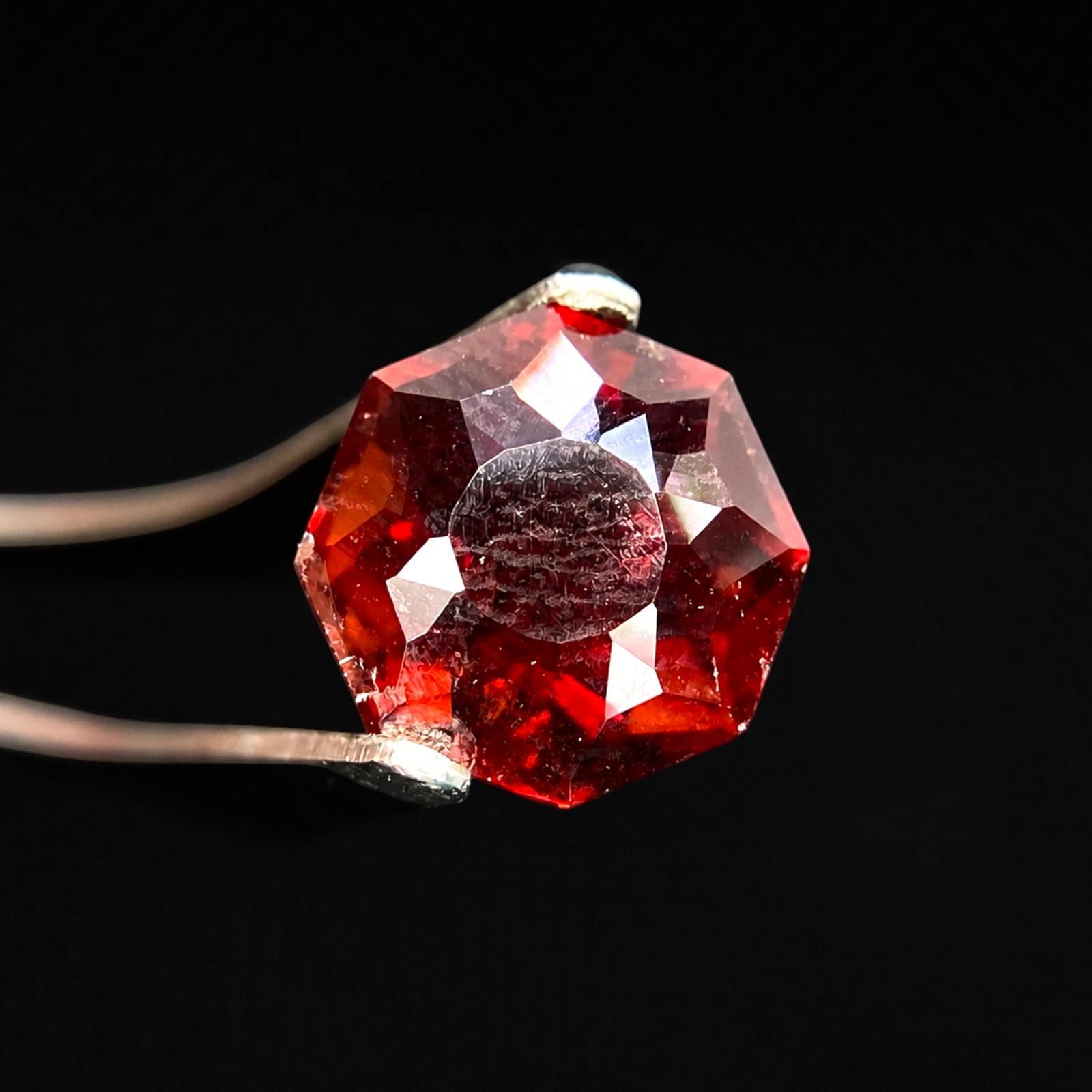
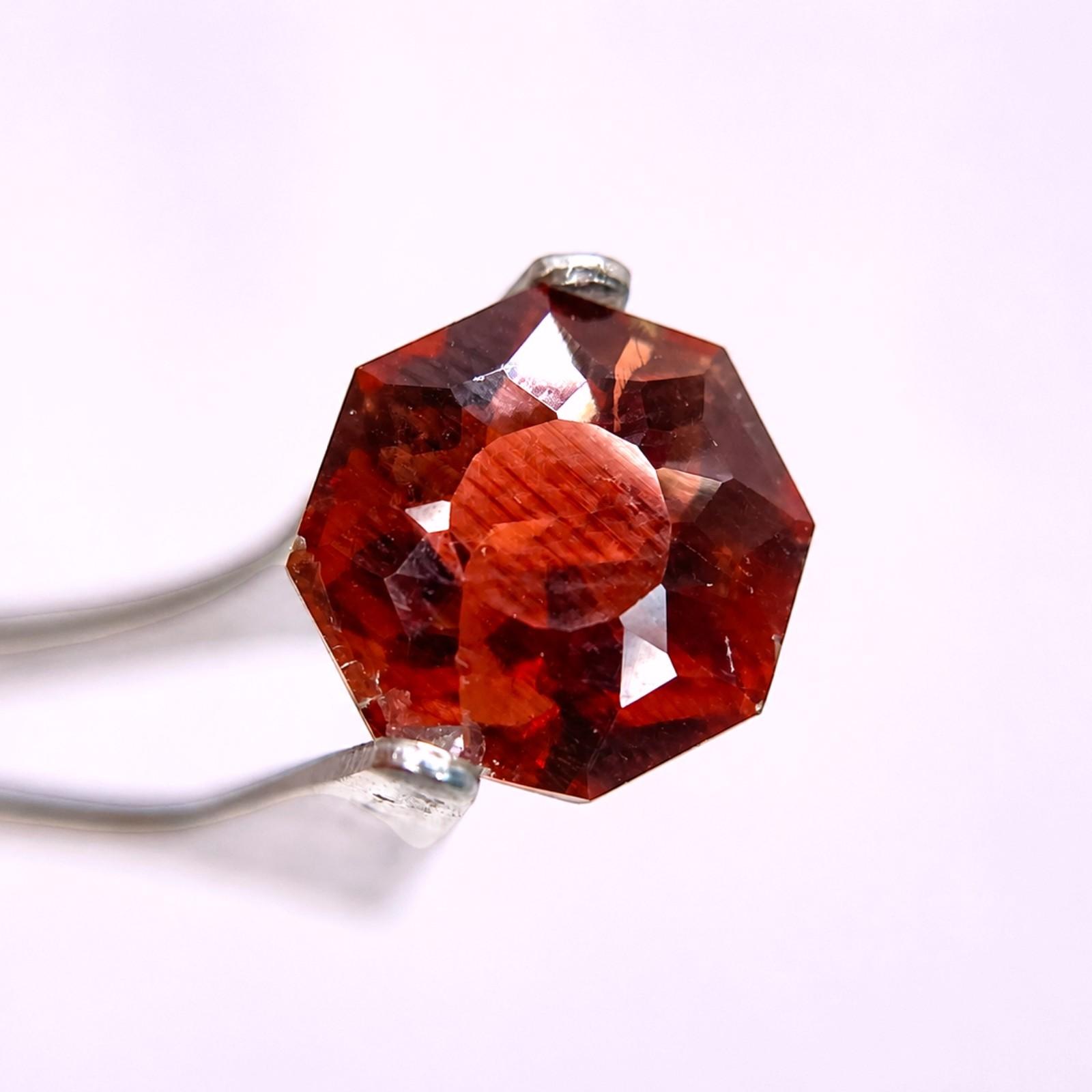
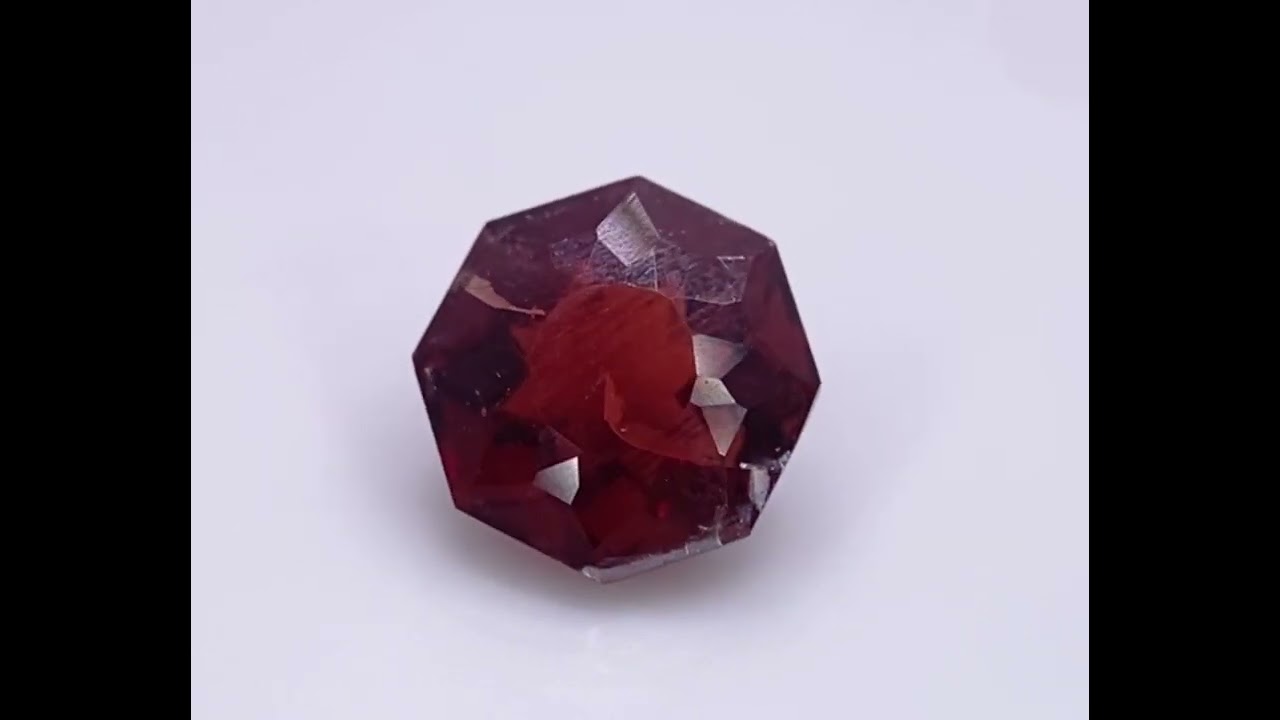


- Freakingcats Gemstone Database
Fluorite (Ethiopia) – Thermochromic & Color Change
Fluorite from the volatile-rich hydrothermal skarns and pegmatitic clefts of Ethiopia represents one of the most structurally dynamic and optically complex expressions of halide crystallization in the mineral kingdom. While fine Ethiopian Fluorite is celebrated in ambient conditions for its saturated “emerald-mint,” “deep-cobalt,” or rich “grape-violet” transparency, select material exhibits remarkable light- and heat-induced optical phenomena. Under varying light sources and mild thermal excitation, these cubic crystals demonstrate both classic alexandrite-like color shifts (shifting from blue-green under daylight to vibrant magenta-violet under incandescent light) and subtle thermochromic/photo-reactive behavior driven by rare-earth element (REE) color centers. This dynamic optical versatility makes it a captivating, highly sought-after asset for the systematic vault.
The Heritage & Discovery
Historical Significance
Ethiopian fluorite is a vital index species for decoding the tectonic rifting, low-temperature hydrothermal fluid pathways, and rare-earth element migrations associated with the East African Rift System. Historically, while Ethiopia gained global acclaim for its precious volcanic opals and emeralds, the discovery of gem-quality, color-shifting and thermochromic fluorite deposits in the early 21st century added an extraordinary new chapter to African mineralogy. The species serves as a masterclass in lattice-defect physics: localized fluid pulses enriched with yttrium and lanthanide-series elements created complex, multi-state color centers that react with extreme sensitivity to both electromagnetic radiation and subtle temperature fluctuations.
Discovery
The unearthing of gem-grade, color-changing fluorite crystals across the Ethiopian highlands revealed a unique crystallographic fingerprint characterized by high concentrations of specific rare-earth dopants. Scientifically, Fluorite is a calcium fluoride mineral whose color is dictated not by standard chemical stoichiometry, but by localized lattice vacancies and trivalent REE substitutions (such as Sm3+, Eu2+, and Y3+) substituting into Ca2+ sites. When subjected to varying illumination, transmission windows between the red and blue spectra shift dynamically. Under mild thermal excitation or long-wavelength infrared exposure, structural electron distributions within these color centers temporarily realign, subtly altering absorption bands and deepening the crystal’s violet or magenta body tones. Observing this transformation highlights the energetic structural mechanics locked within halide frameworks.
Important Locations
The primary capital for these specialized color-changing and reactive fluorite crystals is situated within the high-altitude regional belts of northern and central Ethiopia, particularly the pegmatite and hydrothermal veins of the Wollo (Welo) and Tigray provinces. These deposits yield pristine cubic and octahedral crystals nestled within basaltic cavities or skarn horizons. For the vault, I prioritize specimens that exhibit sharp, unblemished cubic geometry, distinct color-change contrast across different Kelvin light temperatures, and high internal optical clarity.
Mineralogical Profile
Description
Fluorite is a calcium fluoride mineral that crystallizes in the isometric (cubic) system. It sits at a standard 4 on the Mohs scale, serving as the universal defining benchmark mineral for that hardness level; its smooth, glassy crystal faces possess perfect octahedral cleavage in four directions, requiring careful, archival handling to protect its crisp cubic edges and sharp corners from physical shock or abrasion. It is characterized by its bright vitreous luster and an adaptable, light-reactive color palette ranging from intense sea-green and teal-blue in daylight to saturated purple, raspberry-violet, or magenta under warm light and thermal stimulus.
One of its most identifying traits is its perfect four-directional octahedral cleavage, routinely forming sharp cubes, modified dodecahedrons, or crystalline cleavage masses that trace late-stage fluid channels through host rock fractures. It possesses a relatively low refractive index of approximately 1.434, giving it a soft, liquid-like glass depth, and a moderate average specific gravity ranging between 3.18 and 3.25. Because it forms in volatile-rich hydrothermal veins associated with continental rifting, it is commonly found in close association with Quartz, Calcite, Barite, Pyrite, and Zeolites. When I select an example for documentation, I look for sharp cubic geometry, vivid color contrast under alternating light and thermal conditions, and strong internal transparency, as these emphasize the sophisticated, fluid-driven chemistry of the mineral’s subterranean birth.
Chemical Formula CaF2 (with trace REE, Y3+, and Sm3+ structural color centers)


