

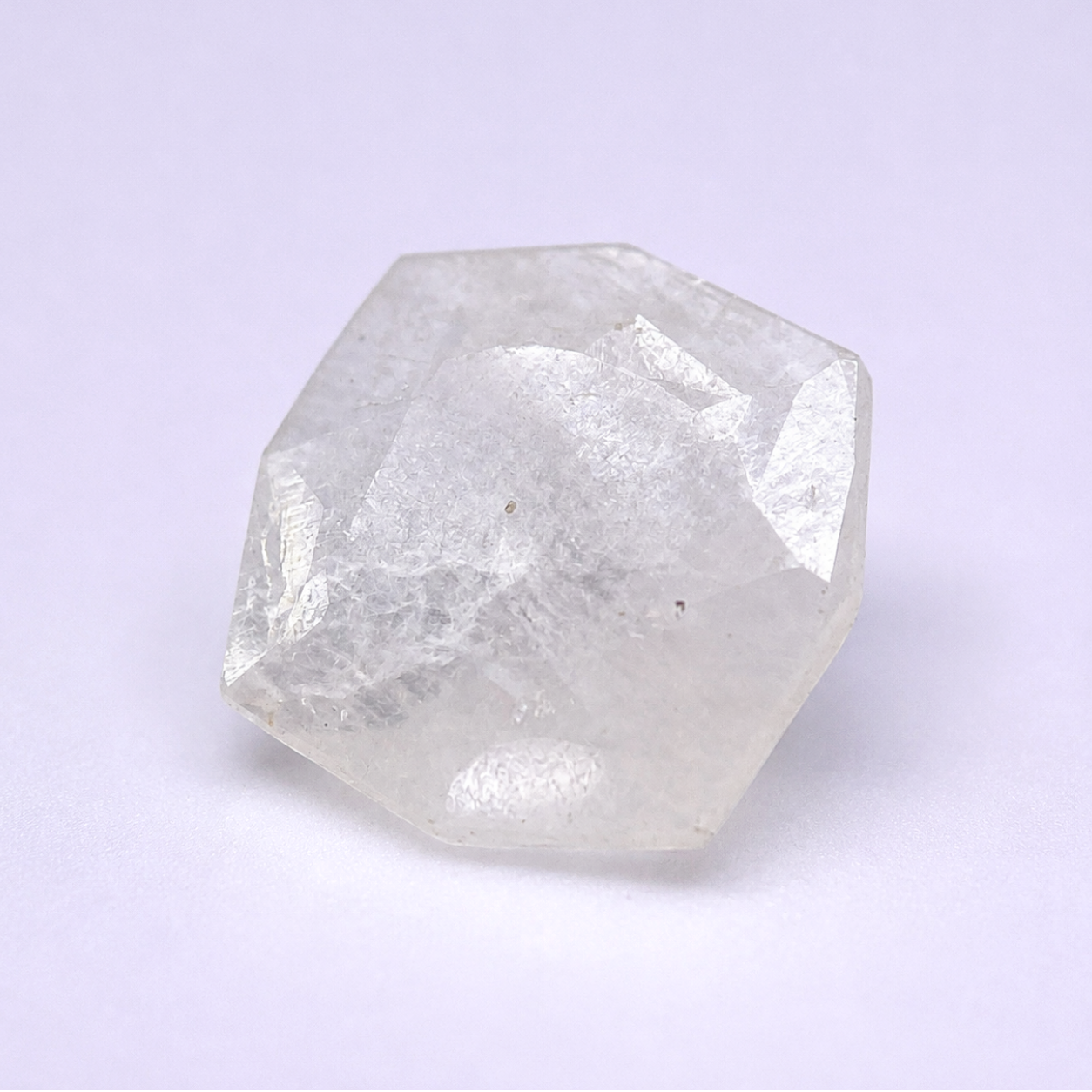
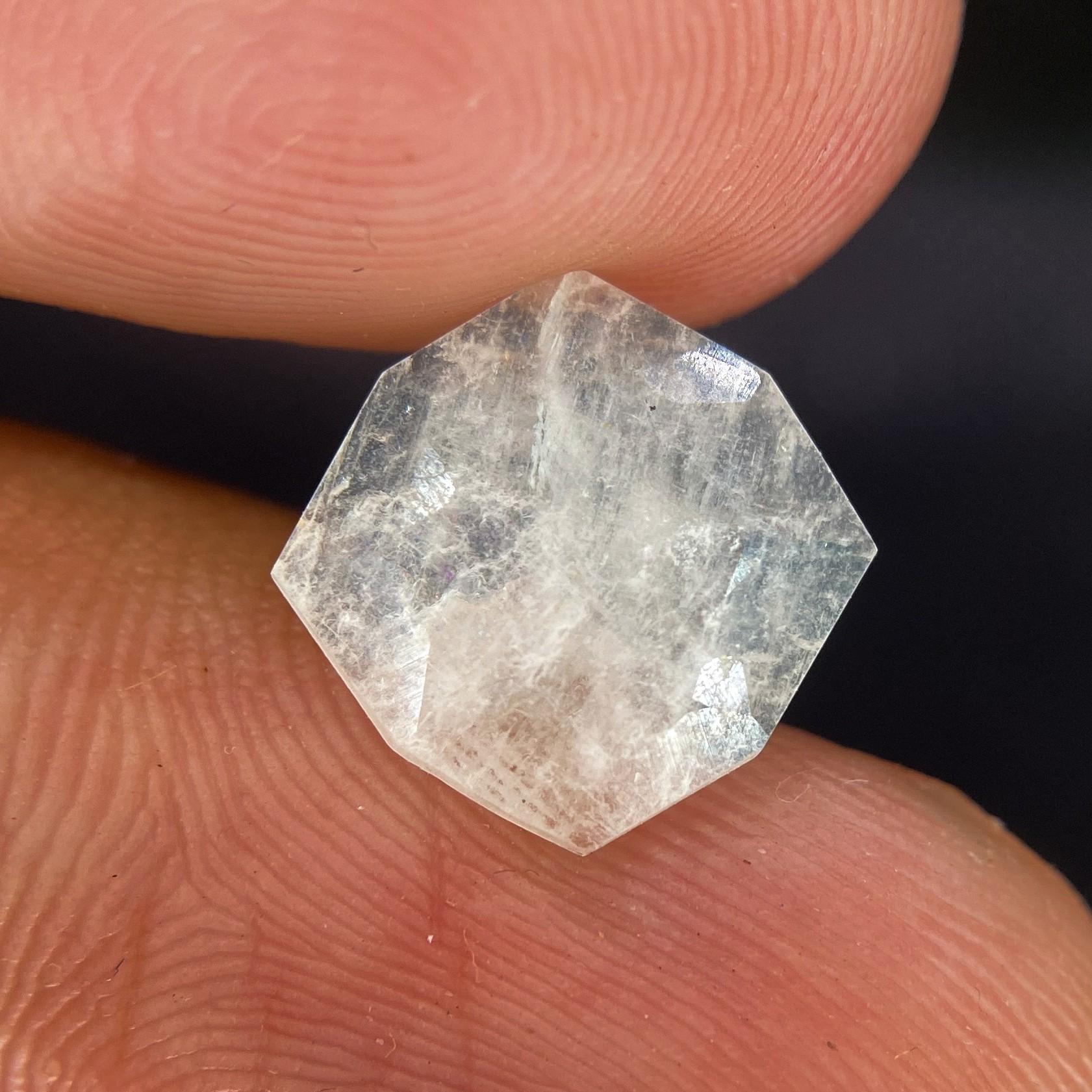
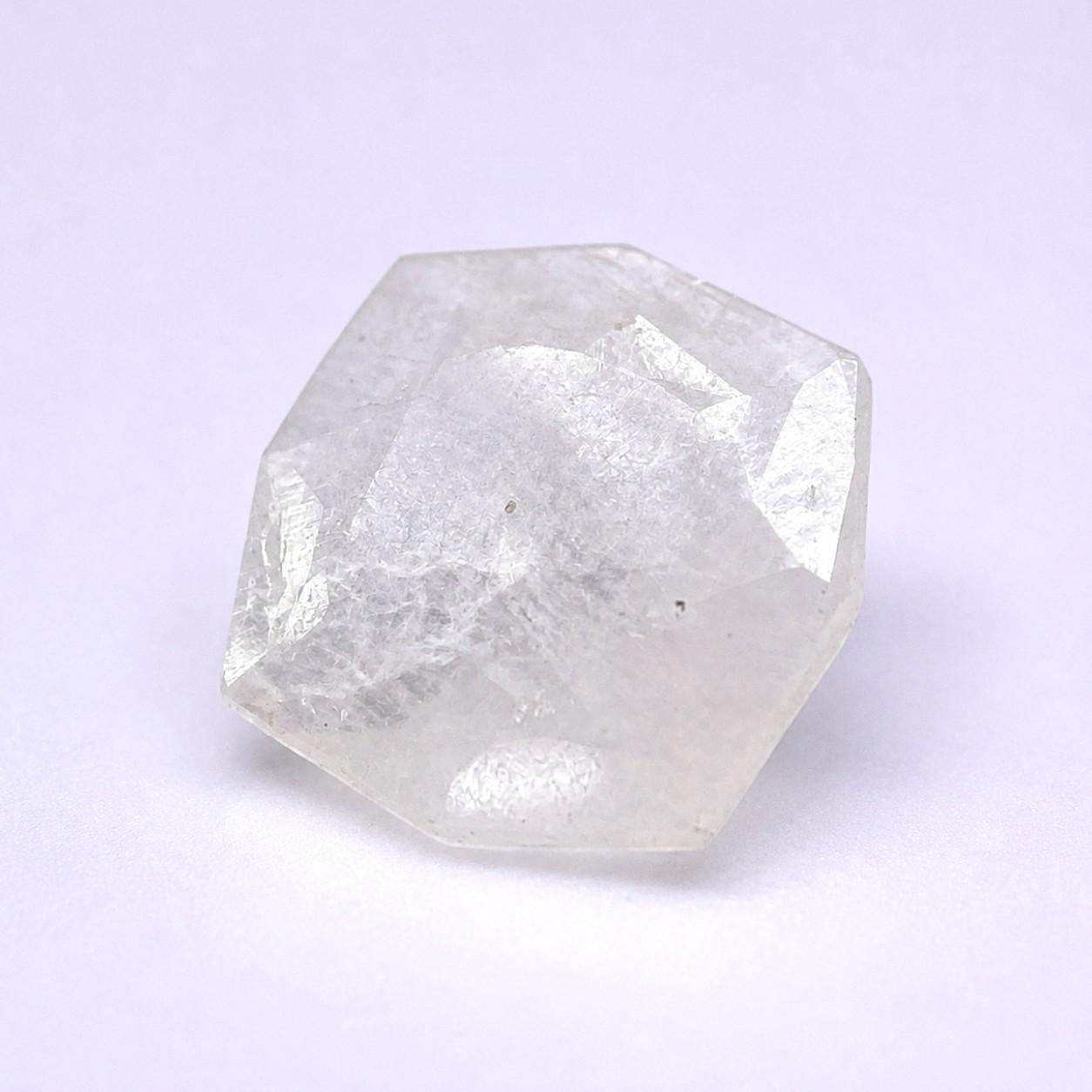
3.62 ct CRYOLITE – GREENLAND
EXPERT VERIFIED
- Expert Verified Gemstone
- Fast Handling & Shipping
- Secure Vault Packaging
$ 240 Original price was: $ 240.$ 180Current price is: $ 180.
Offer amount Feild


Smart Collector Choice


Pay with Crypto & Get 10% Automatic Discount

Availability: 1 in stock
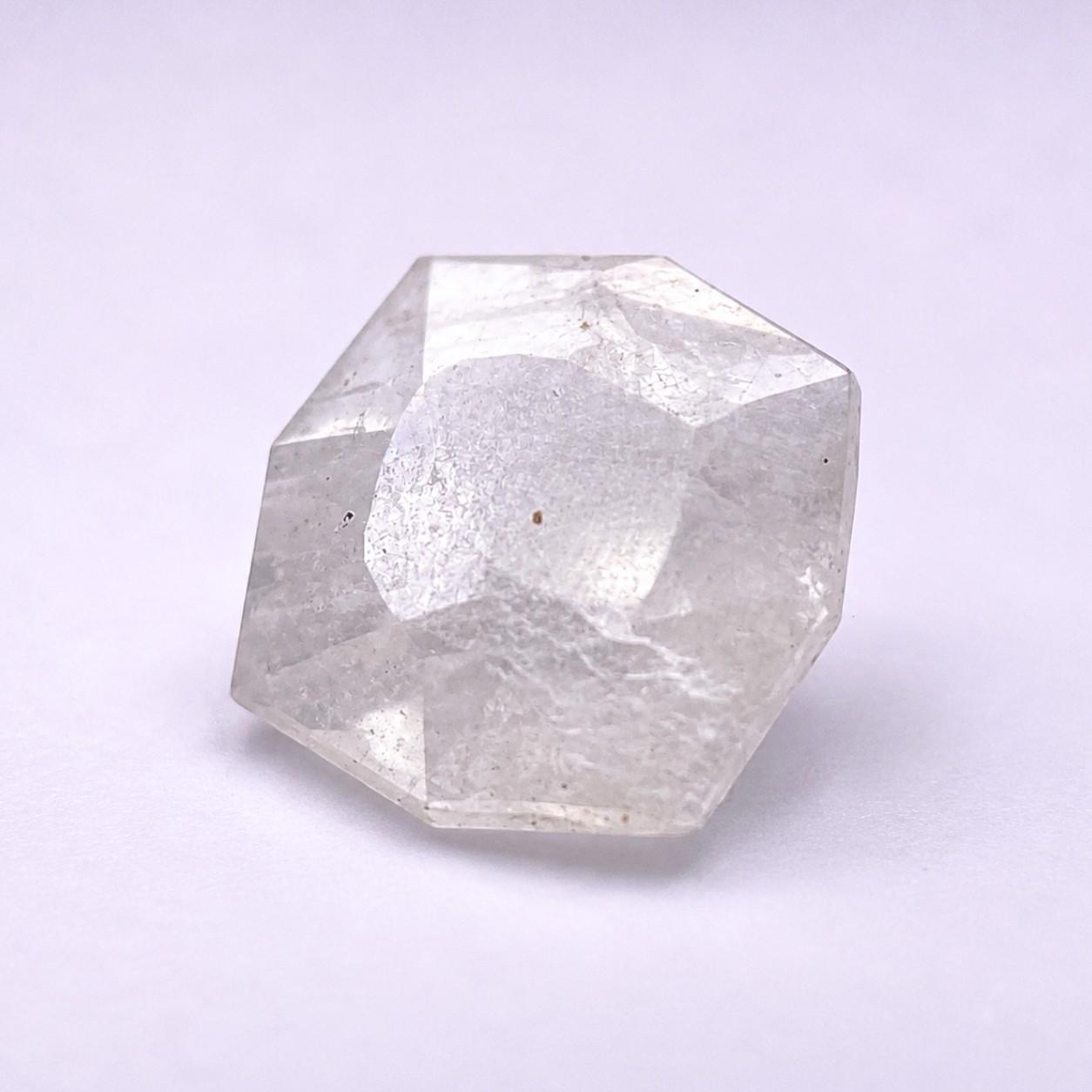
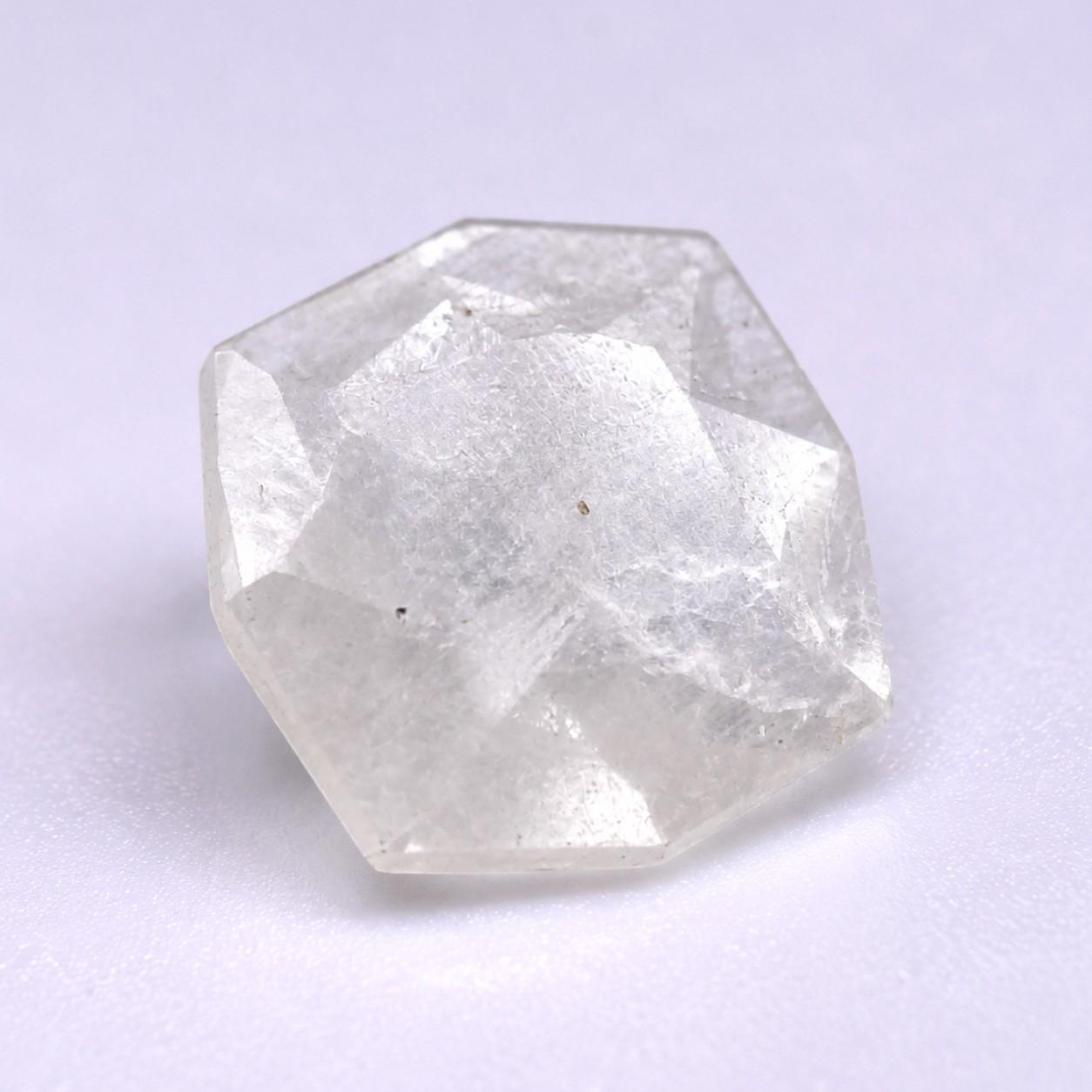
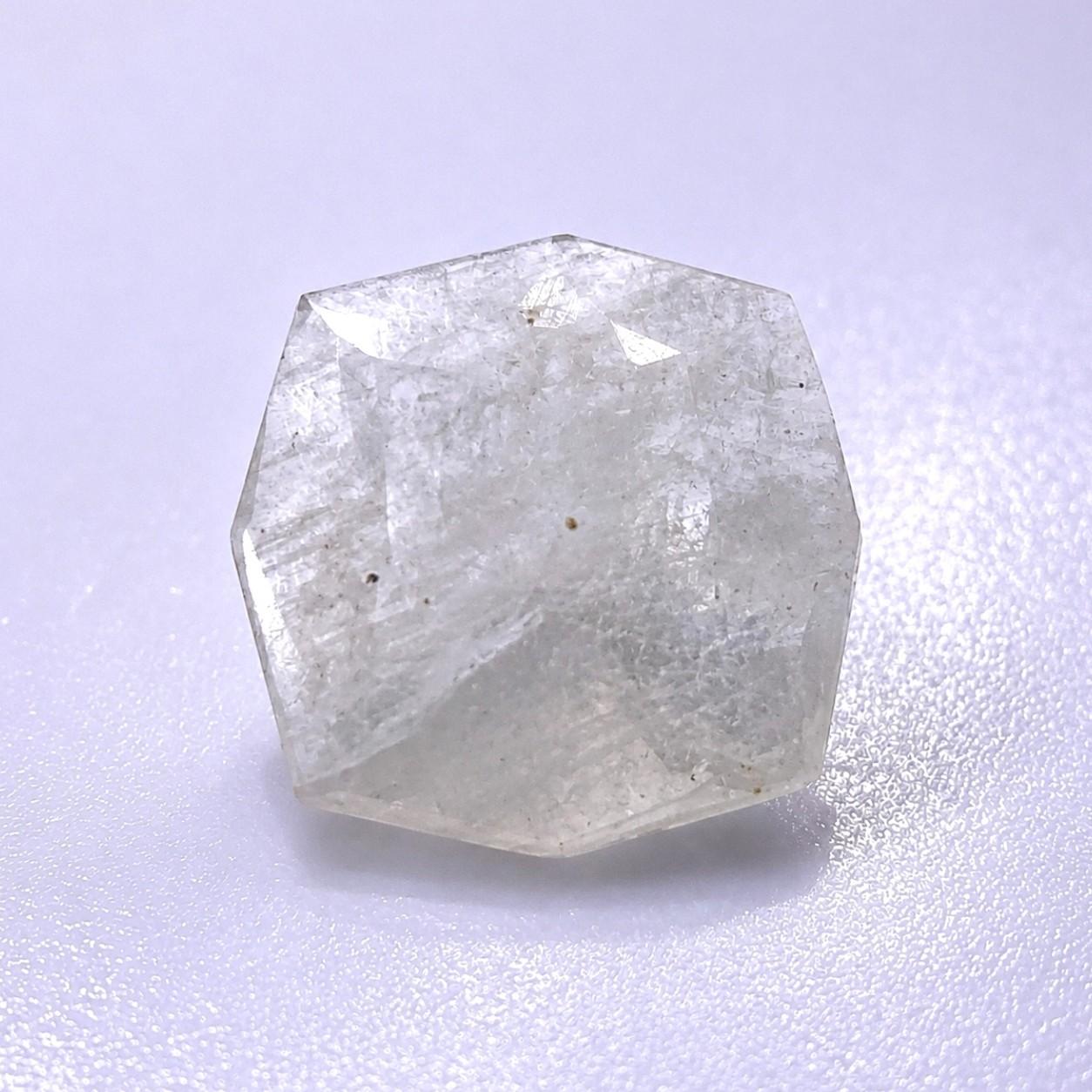
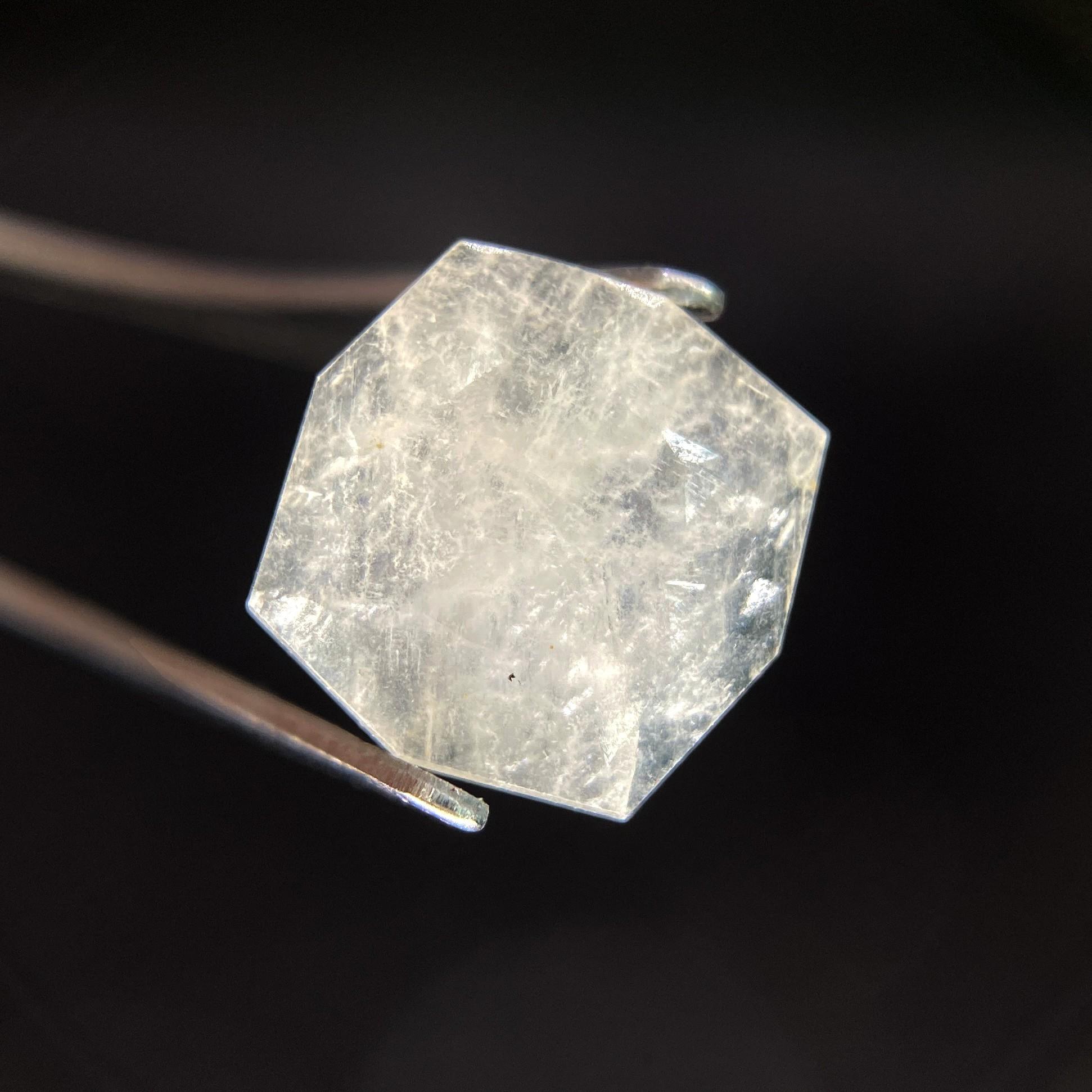


- Freakingcats Gemstone Database
Cryolite
Cryolite is a gemstone that represents the “ghostly” essence of the halide world. A sodium aluminum fluoride, it is a mineral I have always found mesmerizing for its “ice-like” soul; indeed, its name is derived from the Greek kryos (frost) and lithos (stone). It typically presents as colorless to snow-white, though it can show shades of reddish-brown or yellowish-grey. For the specialist, Cryolite is a prize of phenomenal physics; it possesses one of the lowest refractive indices of any mineral, making it nearly invisible when submerged in water. It is a stone of the rare “agpaitic” pegmatites, representing a unique concentration of sodium and fluorine. It is a mineral of absolute understated elegance, offering a “waxy” transparency that feels like a fragment of a frozen sea.
The Heritage & Discovery
Historical Significance: Cryolite holds a legendary status in both mineralogy and industry. Historically, it was the “Strategic Halide,” vital for the Hall-Héroult process as a flux to dissolve alumina in the production of aluminum. In the world of fine minerals, it represents the absolute peak of fluoride concentration. It stands as a symbol of rarity and extinct abundance; because the only major deposit was mined to exhaustion, it is one of the few minerals that is more common in the “vault” and in laboratory use than it is in the earth. It bridges the gap between the birth of the aluminum age and the elite world of rare, “cold-climate” collector species.
Discovery: The mineral was first described in 1799 from specimens found in Ivigtut, Greenland. Scientifically, it is a sodium aluminum fluoride. Its discovery provided mineralogists with the first clear look at a “high-fluorine” silicate alternative. Its most famous physical property—the way it “disappears” in liquid—was a source of wonder for early scientists and remains a favorite demonstration for collectors today. Since its identification, it has become the definitive representative of the Greenlandic mineral suite.
Important Mines: The undisputed and only major world source for Cryolite was the Ivigtut Cryolite Deposit in Arsuk Fjord, Greenland. This mine is now exhausted and flooded, making genuine, large-scale specimens increasingly rare and valuable. I also have a high regard for the rare, micro-crystals found in the Mont Saint-Hilaire complex in Quebec, Canada, and the Pikes Peak region of Colorado, USA. For the vault, I prioritize the “old-stock” Ivigtut material for its historical pedigree and its characteristic massive, “icy” structure.
Mineralogical Profile
Description: Cryolite is a sodium aluminum fluoride that crystallizes in the monoclinic system. It sits at a 2.5 to 3 on the Mohs scale, making it a relatively soft mineral that should be protected from abrasion. It is characterized by its vitreous to greasy (and occasionally pearly) luster and its range of colorless, white, and brownish tones.
One of its most identifying traits is its refractive index (n approx 1.338). Because this is almost identical to the refractive index of water (n approx 1.33), a clear crystal of Cryolite will seemingly vanish when dropped into a glass of water. It also has a characteristic “pseudo-cubic” cleavage, which causes it to break into blocks that mimic the symmetry of Halite. When I select a piece for the collection, I look for “snow-white” purity and sharp cleavage faces, as these highlight the “frozen” aesthetic that makes Cryolite a standout for the systematic specialist. It is a light, ethereal mineral that offers a unique, “liquid” beauty unlike any other halide species.
Chemical Formula: Na3AlF6
Related products
- Sale!Suggest a Price
![12.30 ct AMAZONITE - USA]()
- Sale!Suggest a Price
![14.30 ct 2 pc AERINITE - SPAIN]()
- Sale!Suggest a Price
![6.80 ct 2 pc AERINITE - SPAIN]()
- Sale!Suggest a Price
![0.28 ct ADAMITE - MEXICO]()


