
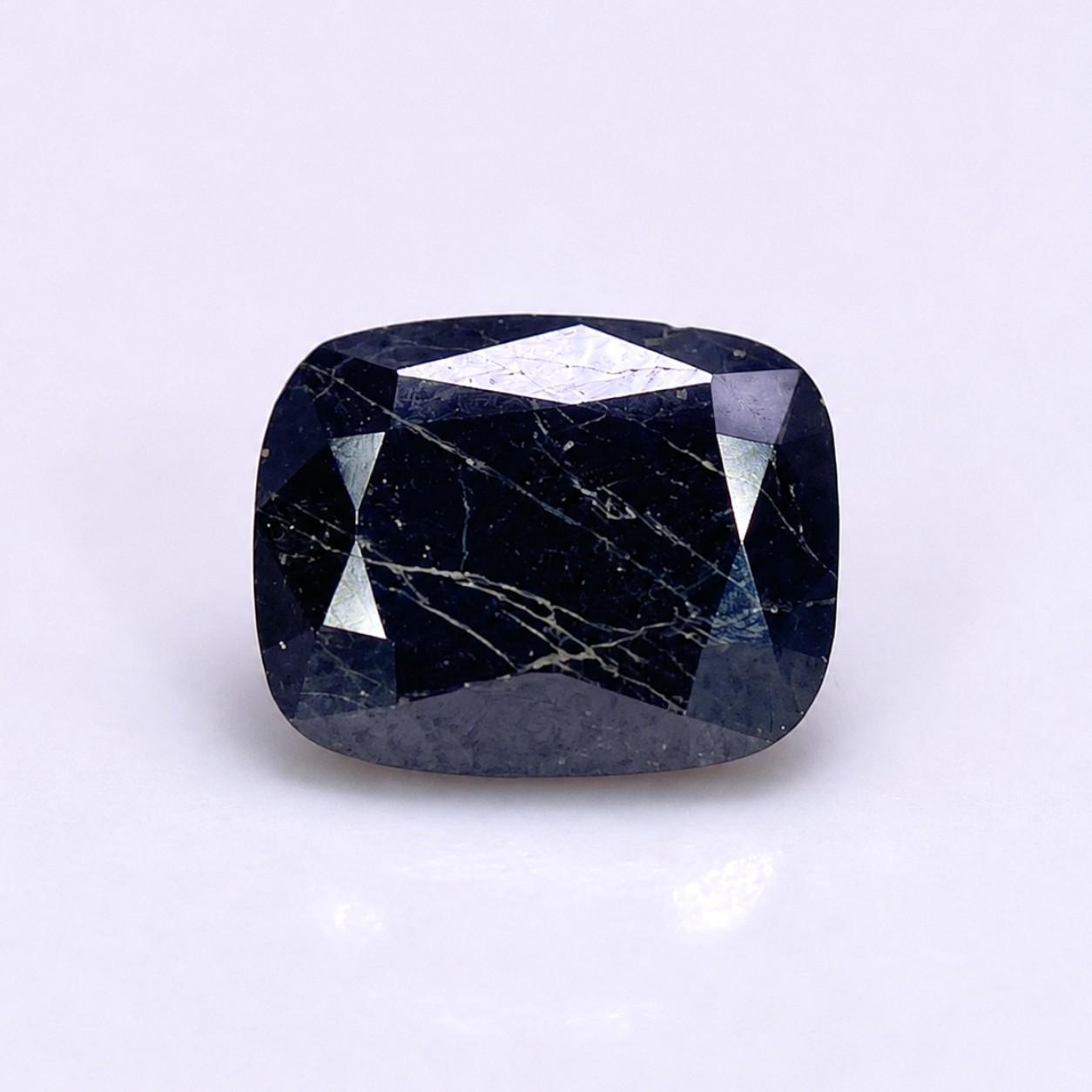
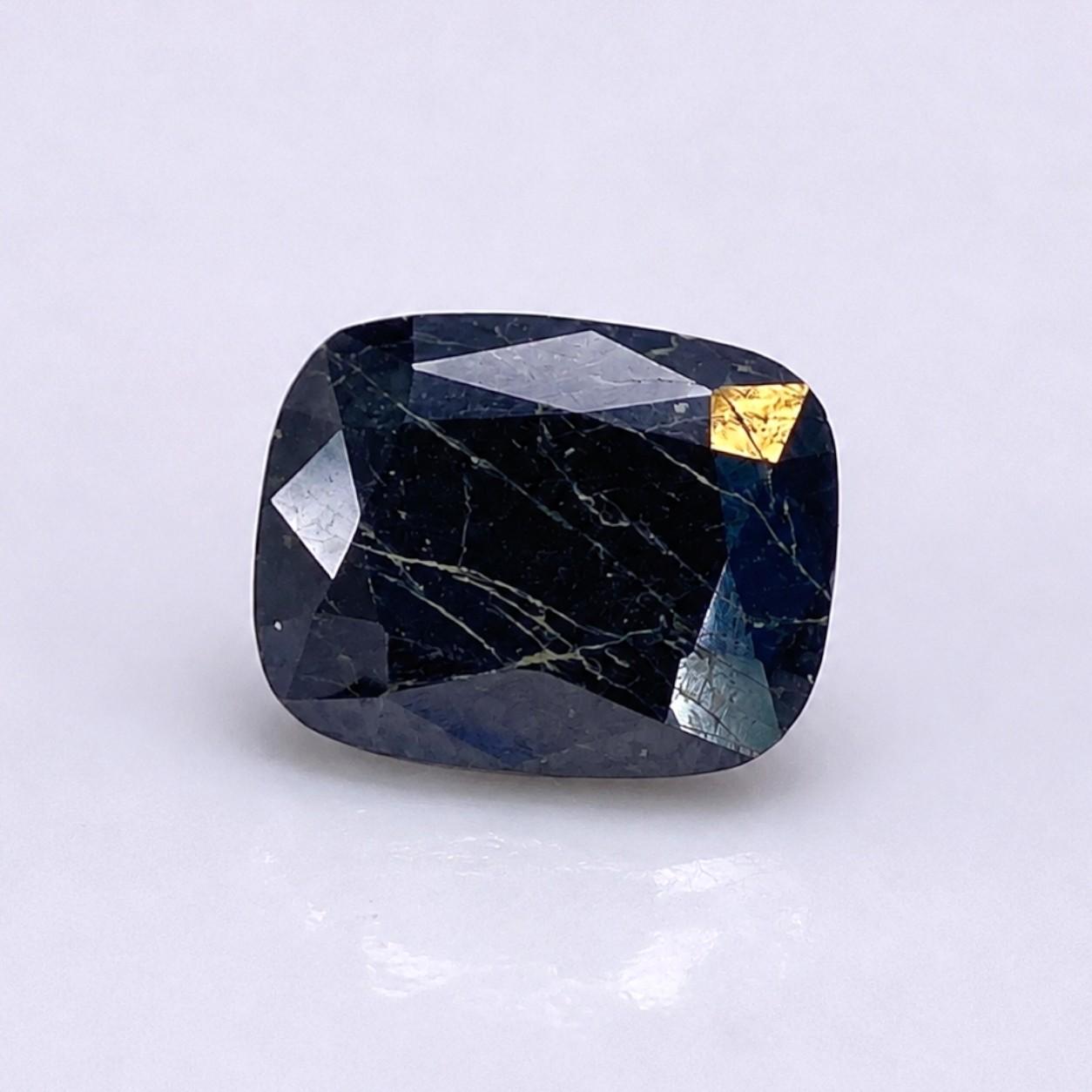
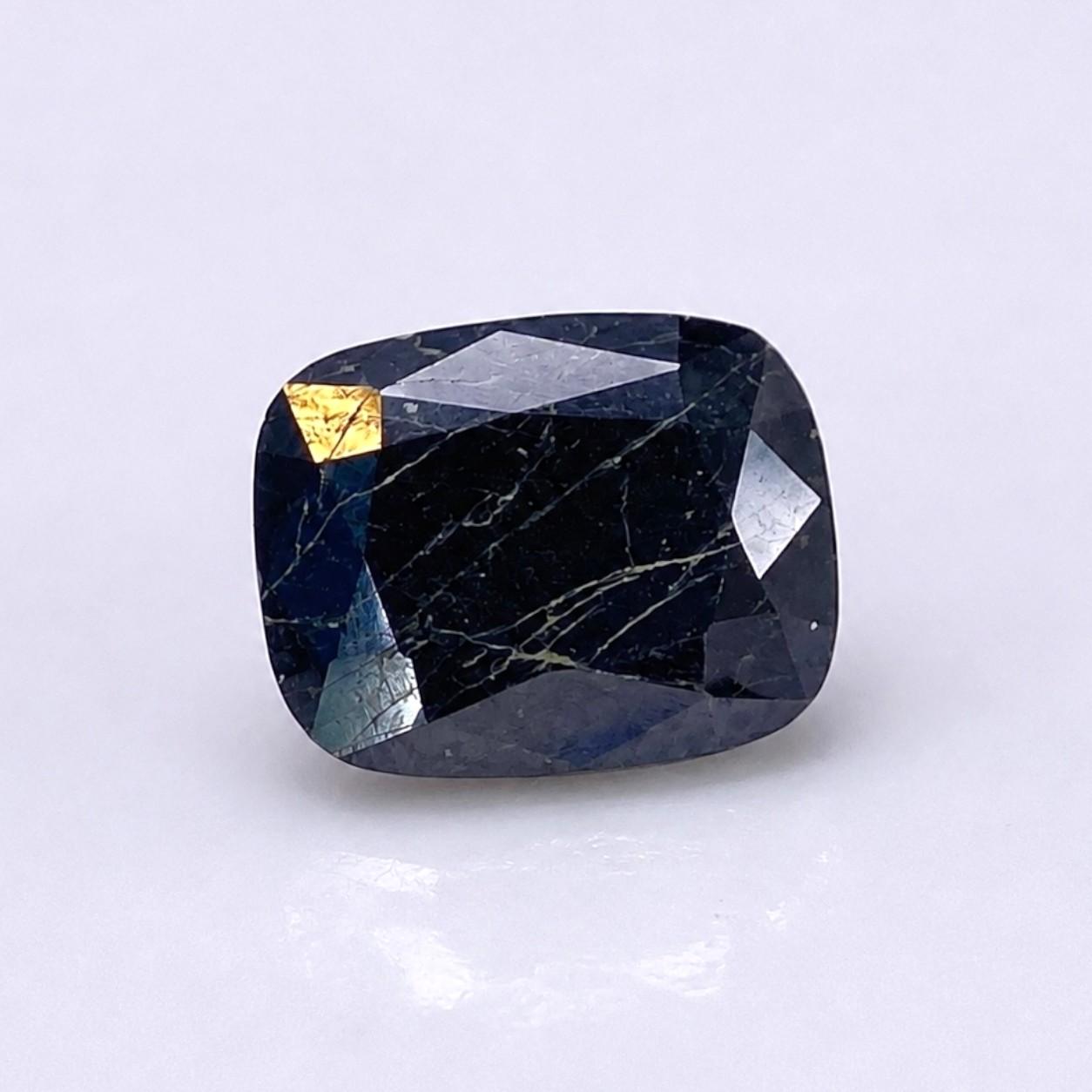
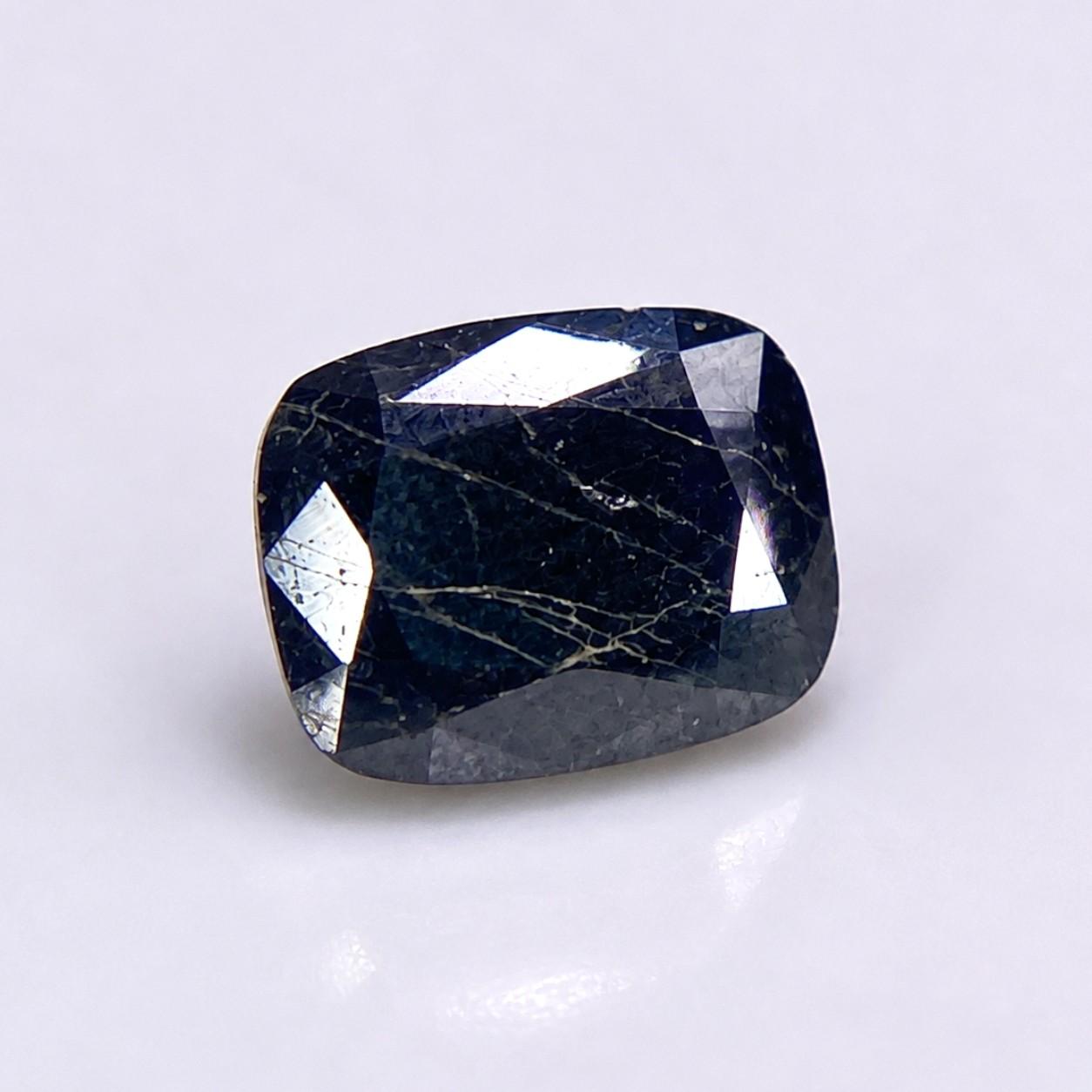
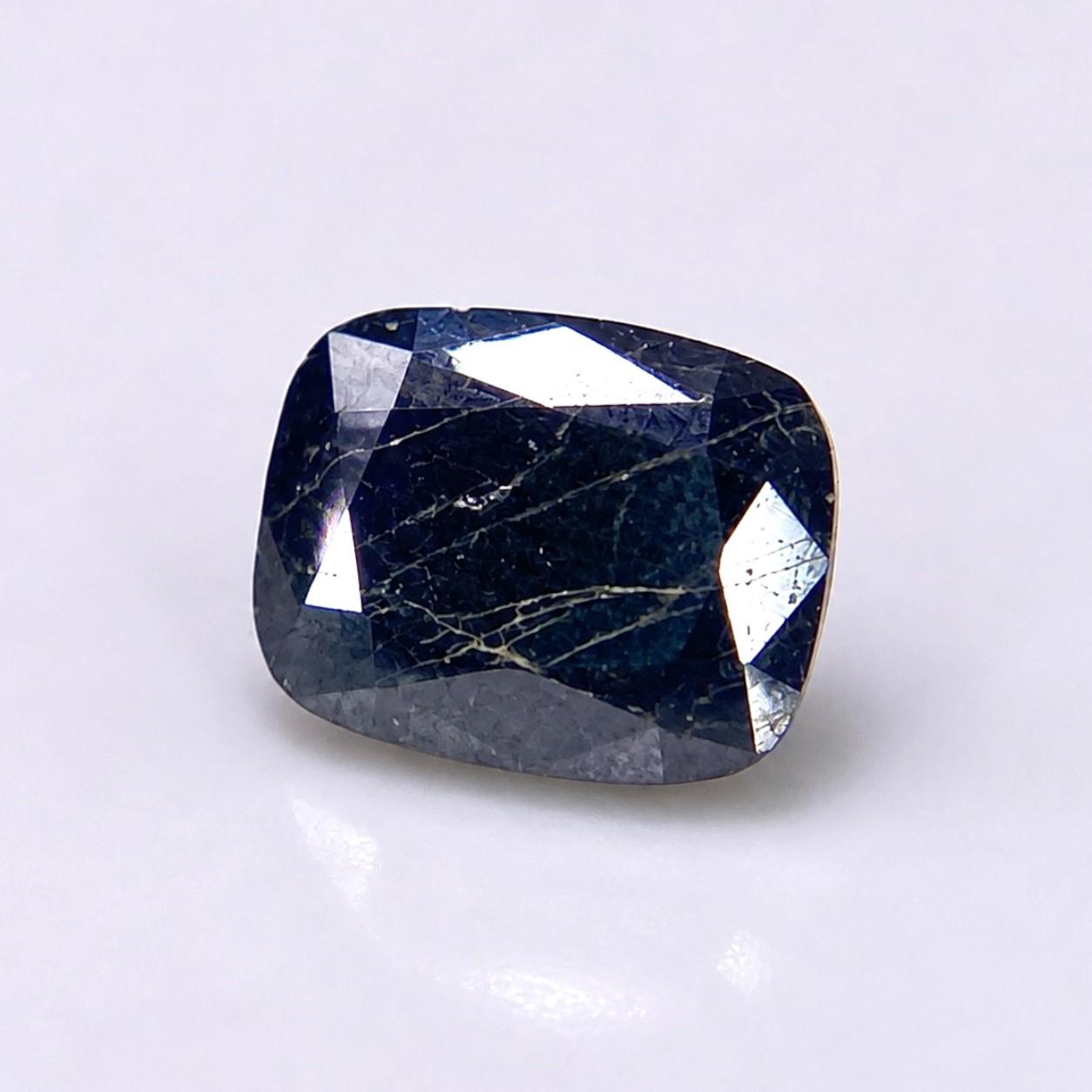
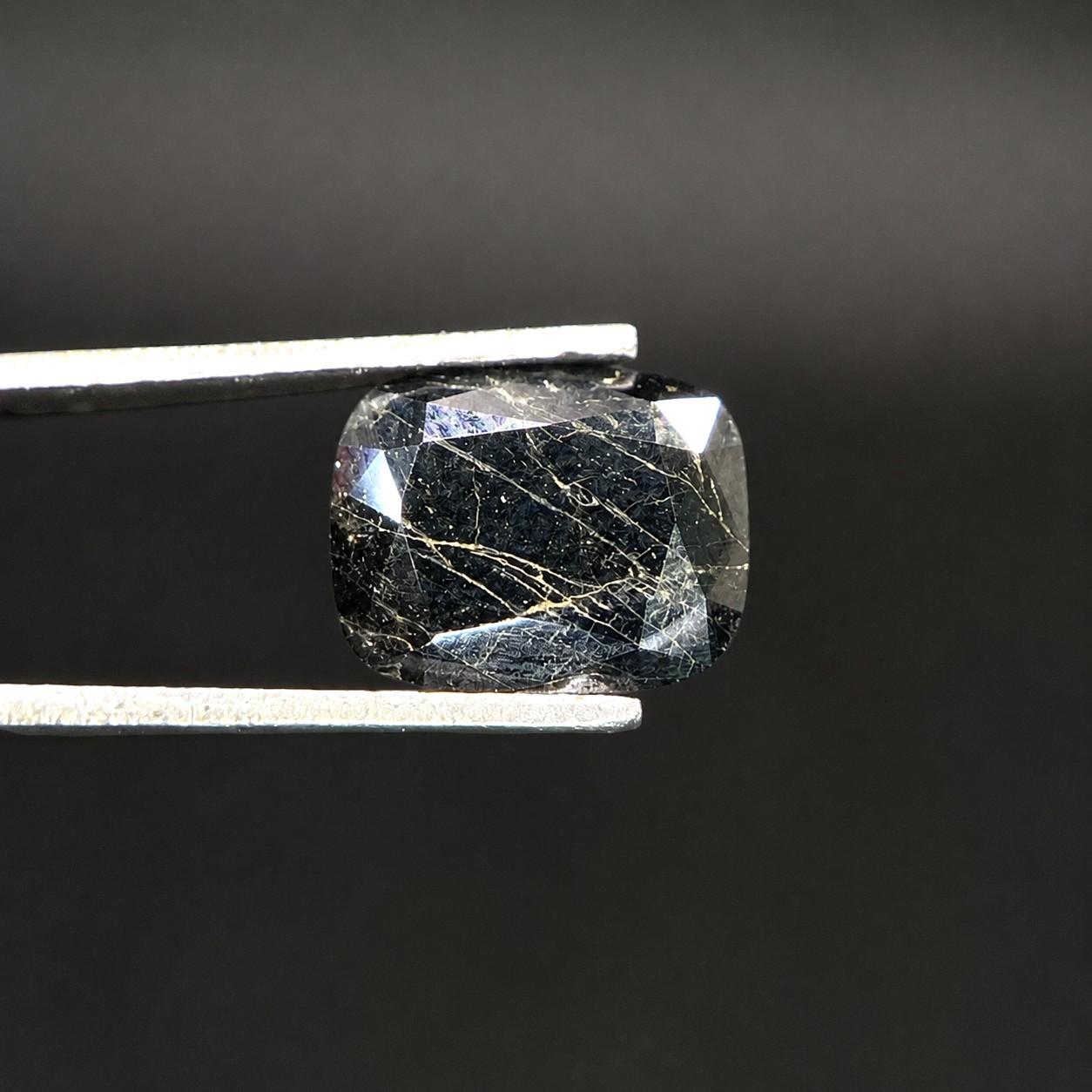
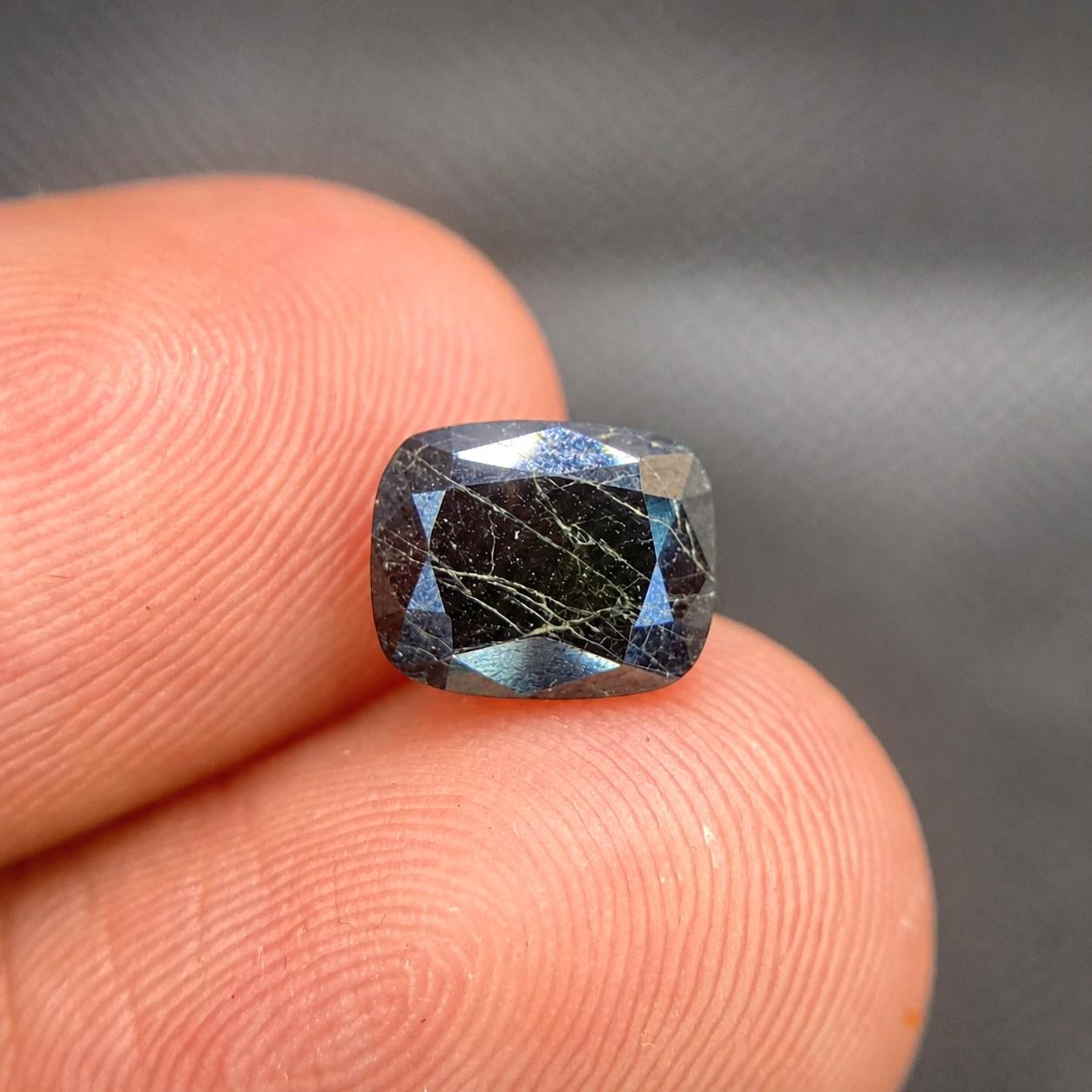
3.80 ct CASSITERITE – PAKISTAN
EXPERT VERIFIED
- Expert Verified Gemstone
- Fast Handling & Shipping
- Secure Vault Packaging
$ 140
Offer amount Feild


Smart Collector Choice


Pay with Crypto & Get 10% Automatic Discount

Availability: 1 in stock


- Freakingcats Gemstone Database
Cassiterite (Skardu)
Cassiterite from the complex granitic pegmatites of the Skardu District represents the absolute, heavy-metal peak of oxide mineralization and structural focus in the Karakoram Range. A tin dioxide mineral, it is a species I have always respected for its “mirror-gunmetal” to “deep-raisin-amber” saturation and its status as a masterpiece of “tetragonal” structural discipline. For the specialist, a top-tier Pakistani Cassiterite is a prized trophy of highly evolved, late-stage magmatic differentiation; it offers a brilliant adamantine to sub-metallic luster and an incredibly dense, substantial heft that makes it a true “high-vibration” asset for the systematic vault. As an artist, I find the stark, razor-sharp geometry of its jet-black or honey-translucent bipyramidal crystals perched against snow-white feldspar or icy quartz fields to be one of nature’s most sophisticated and contrasting palettes.
The Heritage & Discovery
Historical Significance
Cassiterite is the primary global index species for understanding the hydrothermal enrichment of tin and associated rare elements within highly fractionalized pegmatitic and greisen environments. Historically, while tin ore has been mined since the Bronze Age from old Euro-Asiatic deposits, the discovery of world-class, macrocrystalline collector specimens in northern Pakistan completely elevated the species within fine mineralogy. In the world of fine minerals, Skardu specimens are celebrated for their natural structural perfection, frequently exhibiting mirror-like facet reflections that stand as an enduring symbol of crystallization speed and chemical purity.
Discovery
While classic European localities like Cornwall and Saxony supplied historic mineral cabinets, the opening of the vast, high-altitude pegmatite fields across the convergence zones of Gilgit-Baltistan completely redefined our appreciation of this heavy oxide’s aesthetic limits. Scientifically, its robust tetragonal framework can accommodate minor structural substitutions of iron, niobium, and tantalum, directly modulating its body opacity from water-clear amber-yellow to an intense, brooding pitch-black. The exploration of these remote, vertical mountain veins provided mineralogists with spectacular elbow twins and complex, cyclic contact twins. My own respect for this material grew from observing its distinct optical properties; specifically, the way its remarkably high refractive index creates a brilliant, near-diamond face reflectivity across what initially appears to be a dark, somber crystal is a visual impact that is unmistakable to the trained eye.
Important Mines
The undisputed capital for fine collector-grade expressions of this species within Pakistan is the prolific Shigar Valley and the surrounding high-altitude mineral fields of the Skardu District in Gilgit-Baltistan. Outstanding museum-quality bipyramids have historically emerged from local pegmatite veins around Shengus, Dassu, and the rugged slopes of the Haramosh mountains. For the vault, I prioritize specimens that exhibit sharp, unblemished pseudo-octahedral geometry, extreme surface luster, and clean attachment to a contrasting albite or cleavelandite matrix, as they represent a highly active, heavy masterpiece of primary magmatic geology.
Mineralogical Profile
Description
Cassiterite is a tin dioxide mineral that crystallizes in the tetragonal system. It sits at a robust 6 to 7 on the Mohs scale, meaning its tough, structurally rigid faces are highly resistant to physical abrasion and require only standard archival handling to safeguard its mirror-like adamantine surfaces. It is characterized by its exceptionally bright sub-metallic to adamantine luster and an unmistakable, “pitch-black, deep reddish-brown, to honey-amber” color palette.
One of its most identifying traits is its distinct prismatic cleavage combined with frequent knee-shaped (geniculate) or cyclic twinning, forming blocky, short prismatic or bipyramidal crystals with characteristic horizontal surface striations that trace old fluid channels through granite fractures. It possesses an exceptionally high refractive index running from approximately 1.99 to 2.09, contributing to its intense surface fire and internal color dispersion, and an immense average specific gravity ranging between 6.8 and 7.1 that reflects its extraordinarily dense, tin-heavy molecular architecture. Because it forms in late-stage granitic cavities and pegmatites, it is commonly found in close association with Quartz, Albite, Muscovite, Tourmaline, Topaz, and Beryl. When I select a piece for the collection, I look for sharp, “crisp” edge boundaries or highly transparent, backlit crystals resting on clean matrix, as these emphasize the sophisticated, heavy-element chemistry of the mineral’s deep-seated birth.
Chemical Formula
SnO2


