
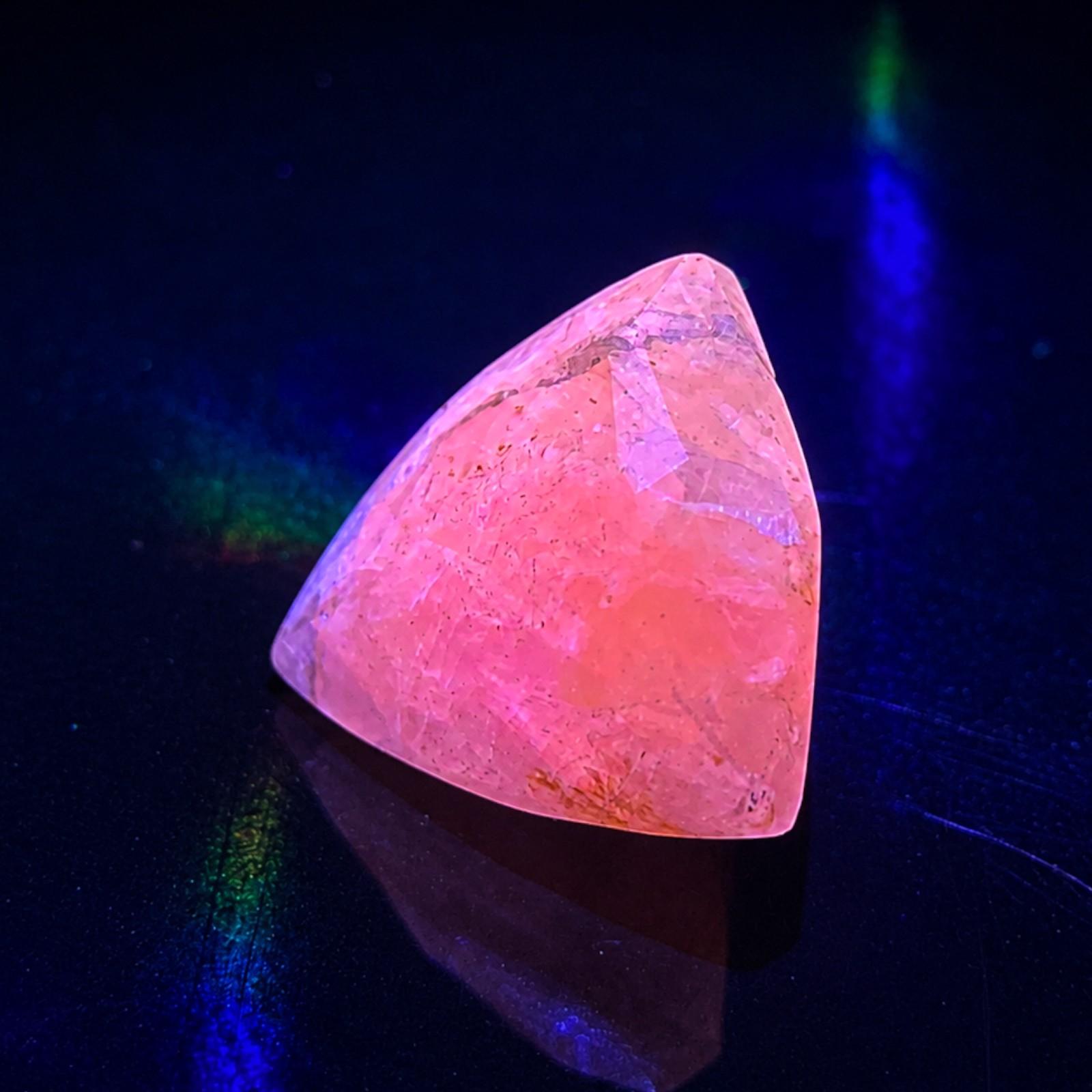
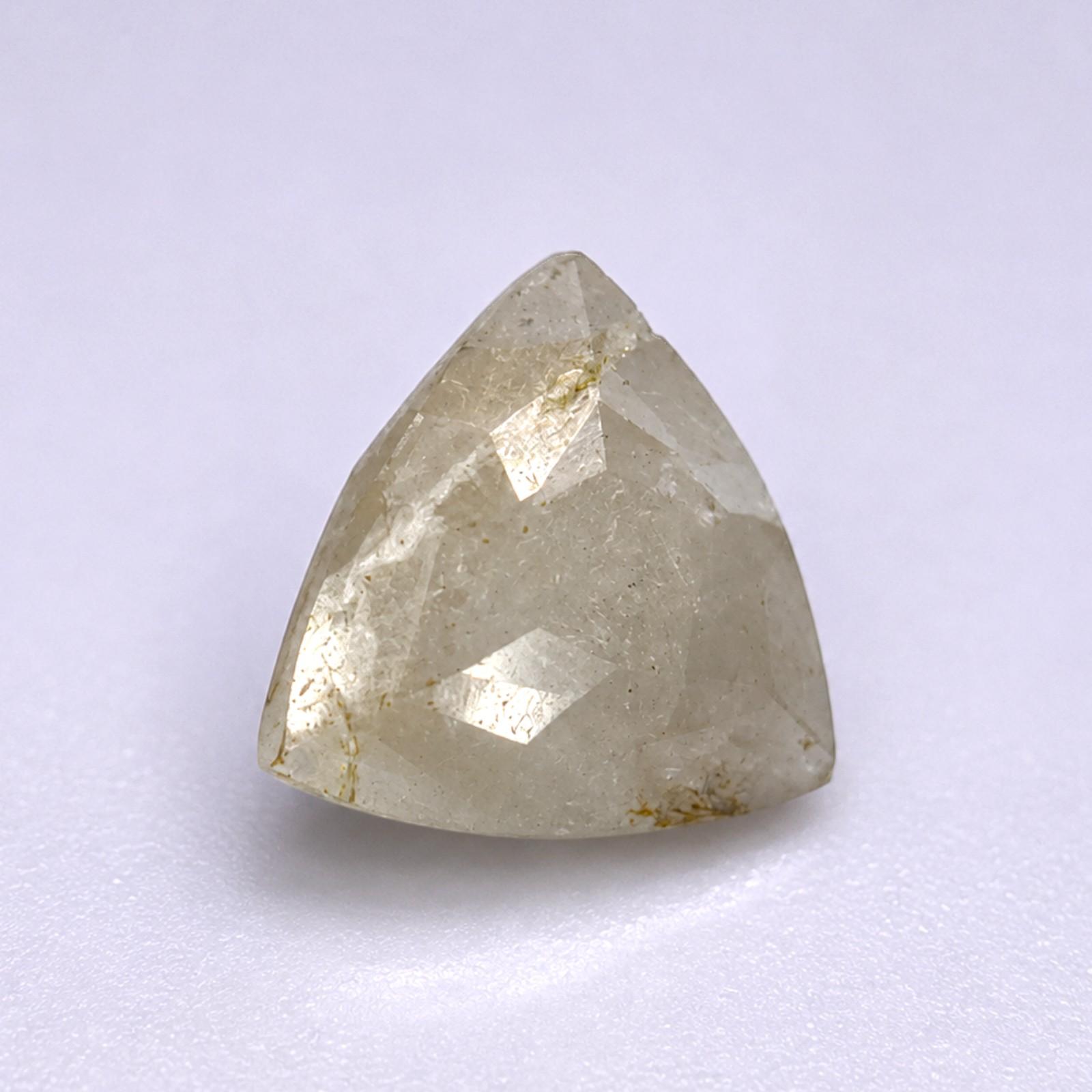
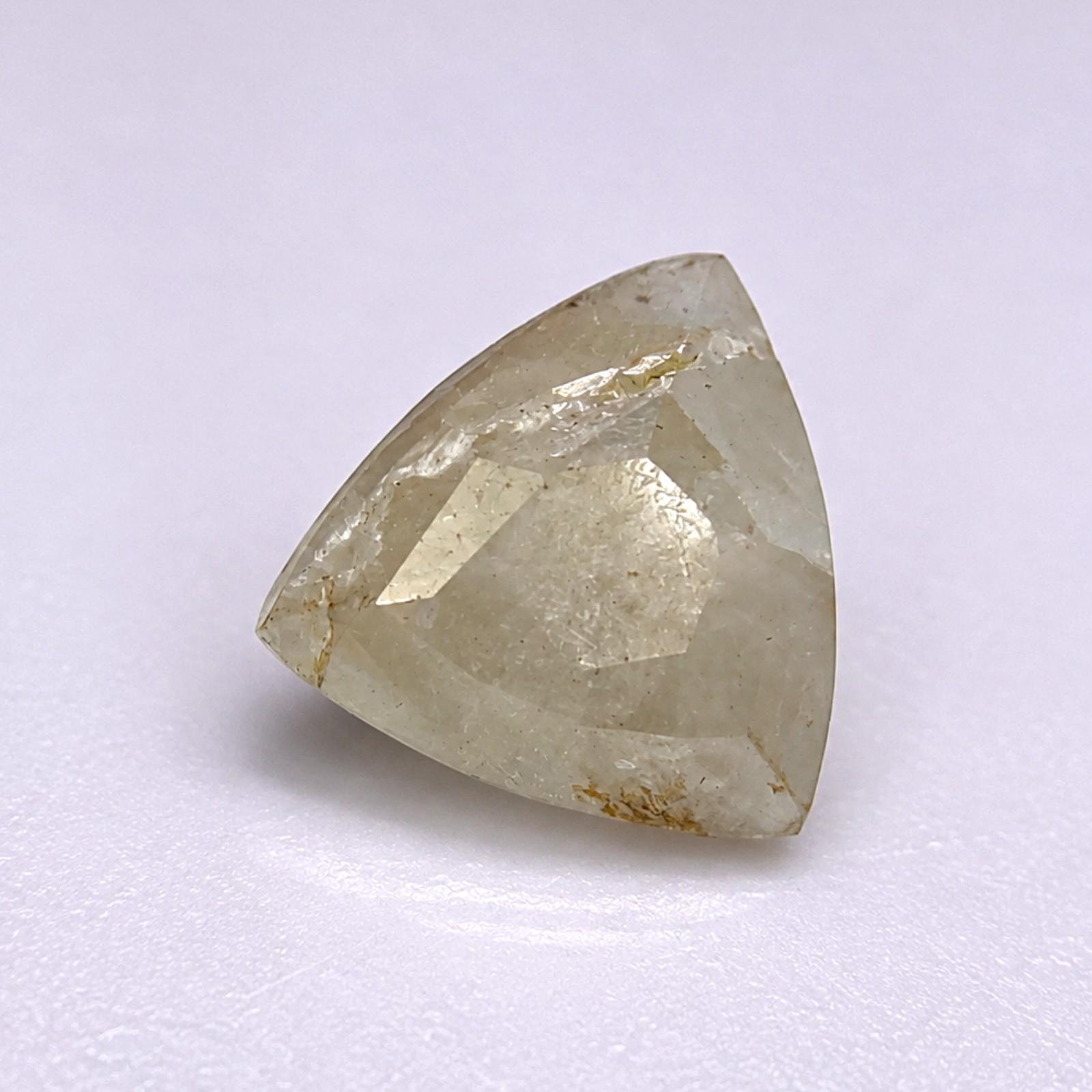
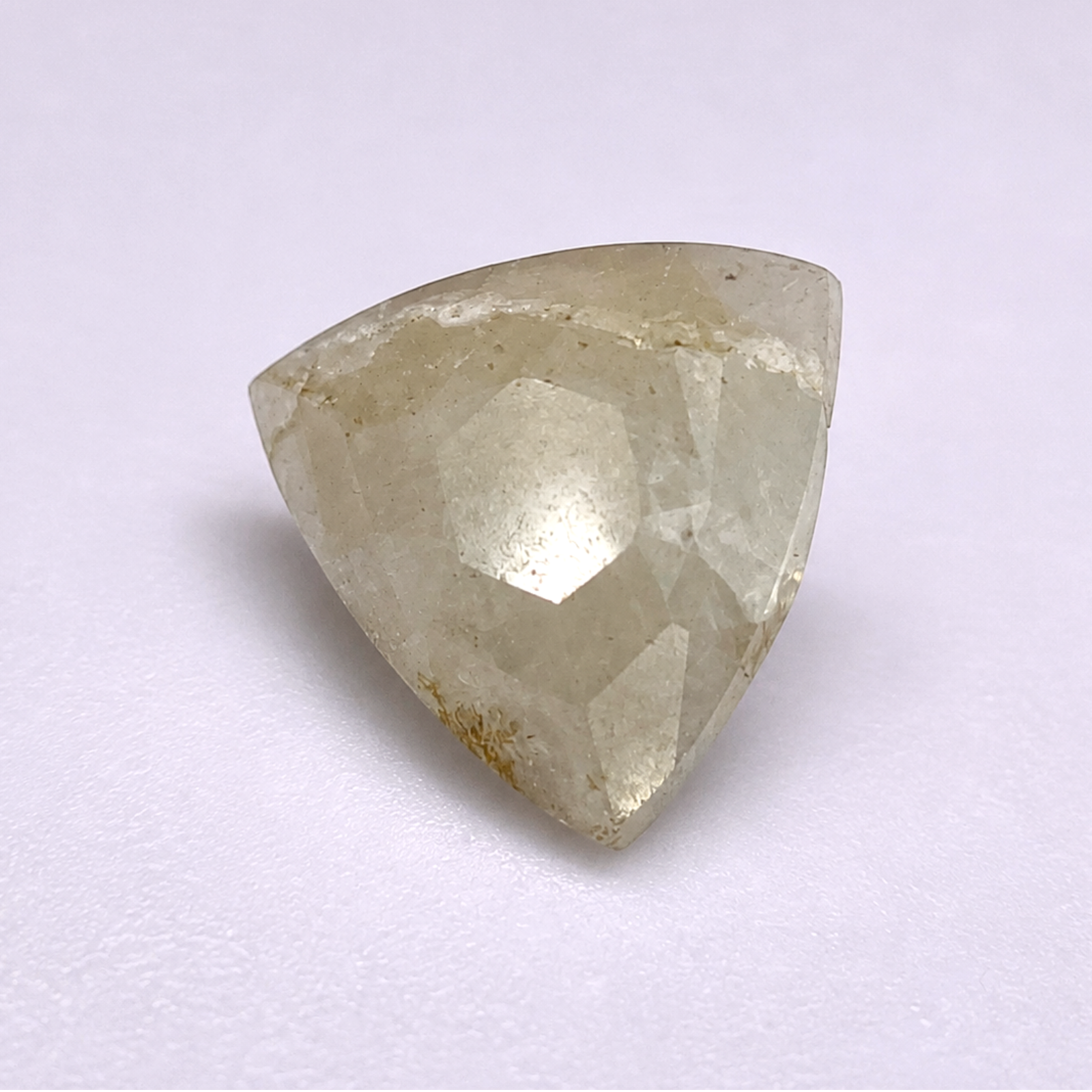
3.85 TREMOLITE UV – BRAZIL
EXPERT VERIFIED
- Expert Verified Gemstone
- Fast Handling & Shipping
- Secure Vault Packaging
$ 120
Offer amount Feild


Smart Collector Choice


Pay with Crypto & Get 10% Automatic Discount

Availability: 1 in stock


- Freakingcats Gemstone Database
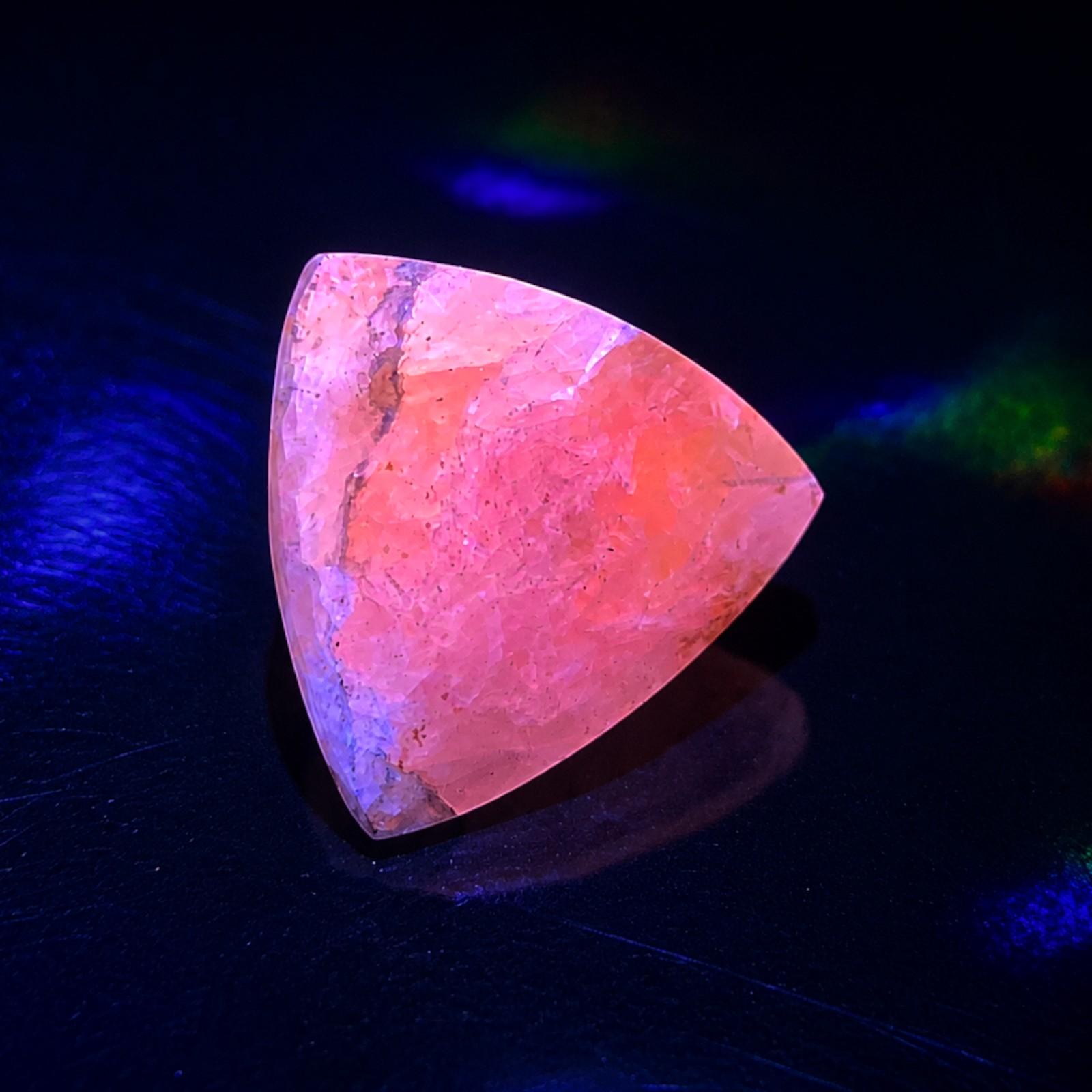
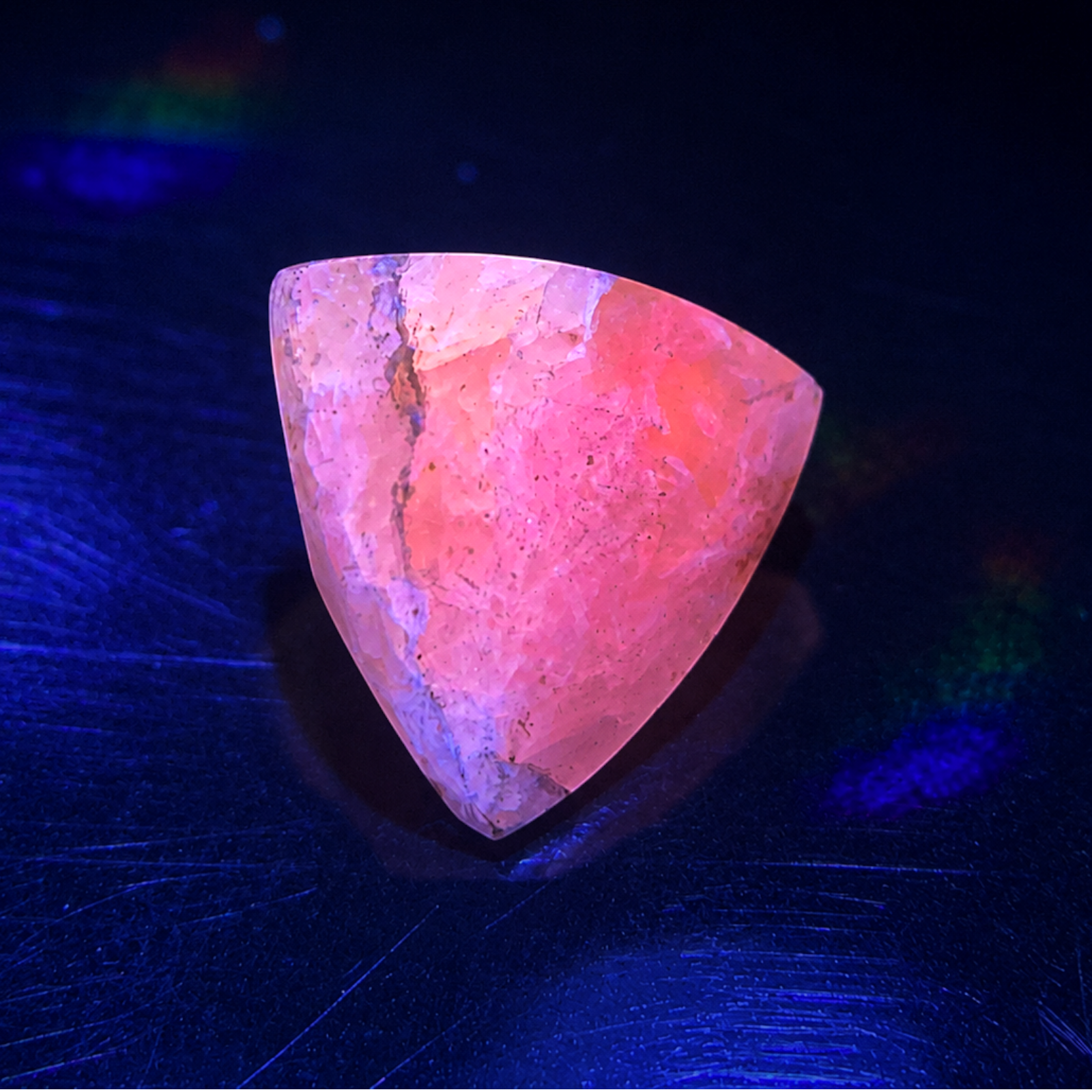
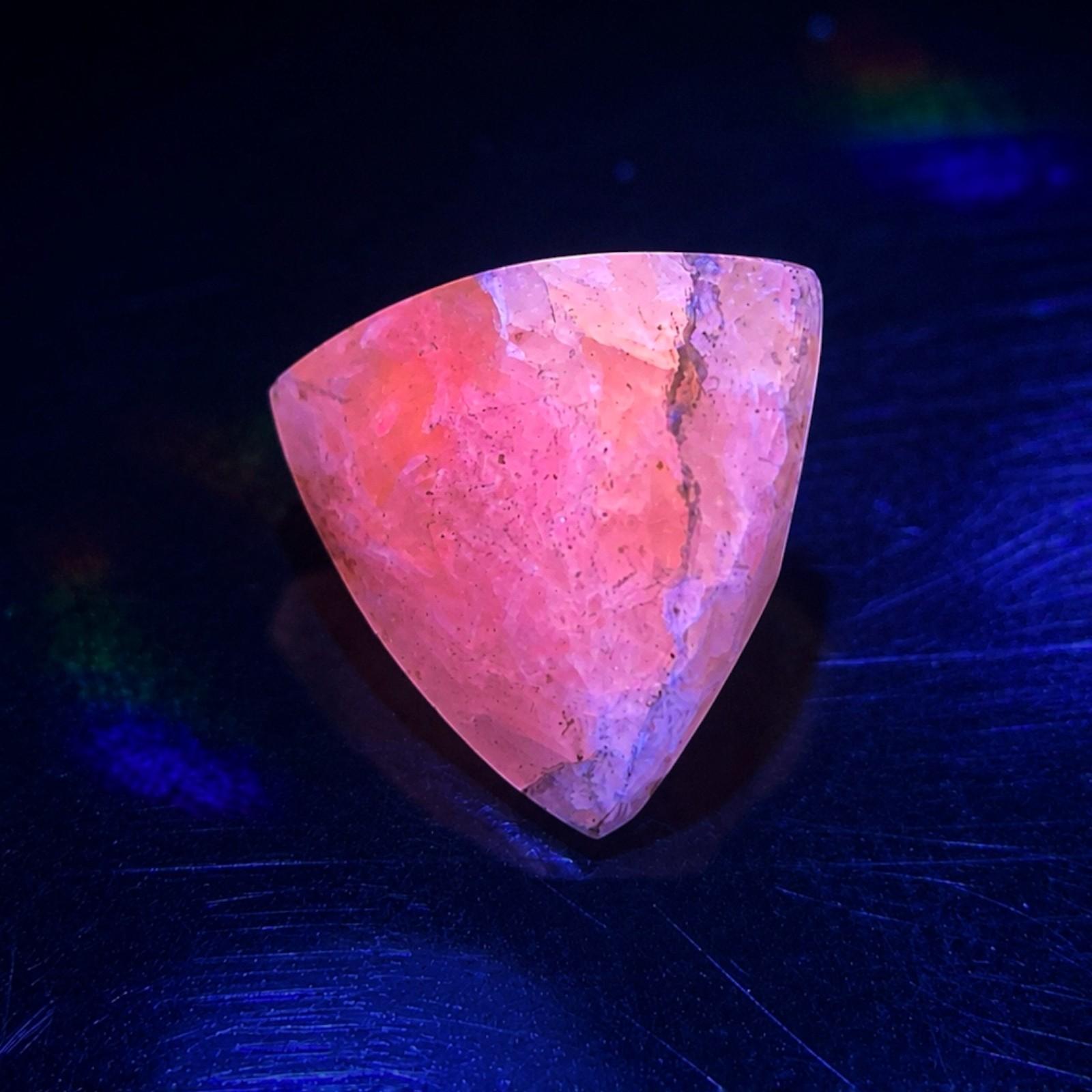
Tremolite (Brazil) – UV Fluorescence
Tremolite from the complex metamorphic skarns and ultramafic contact zones of Brazil represents one of the most structurally disciplined and optically surprising members of the calcium amphibole group. While daylight presents this mineral in understated tones of “frost-white,” “silvery-gray,” or pale “mint-green,” exposure to short-wave and long-wave ultraviolet light unleashes a dramatic transformation. Under UV excitation, low-iron Brazilian Tremolite prisms ignite with intense, highly localized fluorescence—erupting in vibrant shades of “electric-yellow-gold,” “laser-neon-pink,” or “bright-creamy-orange.” Driven by structural activator centers like trace manganese, this photo-reactive behavior elevates a classic metamorphic silicate into a captivating asset for the systematic vault.
The Heritage & Discovery
Historical Significance
Tremolite is a foundational index mineral for mapping pressure, temperature, and fluid composition dynamics during the regional metamorphism of siliceous dolomites and ultramafic rocks. Named in 1789 after Switzerland’s Tremola Valley, the species has long been revered by mineralogists for its double-chain silicate architecture. In Brazil, where vast Precambrian shield terrains underwent intense metamorphic overprinting, the unearthing of exceptionally pure, iron-depleted tremolite offered scientists a pristine subject for studying optical activation. In low-iron environments, the crystal lattice freely incorporates activator ions without quenching, creating a natural laboratory for luminescence.
Discovery
The discovery of strongly fluorescent tremolite crystals across Brazilian metamorphic fields expanded our appreciation of amphibole photoluminescence. Scientifically, tremolite sits at the magnesium-rich end of a solid-solution series with actinolite and ferro-actinolite. As iron substitutes for magnesium, the mineral darkens and suppresses fluorescence. However, Brazilian deposits hosted in calc-silicate skarns and altered dolomites feature minimal iron substitution. When excited by ultraviolet radiation (particularly short-wave UV at 254 nm), trace manganese (Mn2+) or structural electron vacancies within the double-chain silica lattice release visible photons, shifting the unassuming white or pale green blades into glowing golden-orange or neon-pink pillars. My respect for this material stems from observing this radical transition under blacklight; watching a muted, fibrous blade transform into a vivid, glowing beam of light highlights the hidden structural energy locked within calc-silicate chemistry.
Important Locations
The primary Brazilian sources for high-clarity and UV-reactive tremolite are concentrated in the rich, ancient metamorphic belts of Minas Gerais and Bahia. Outstanding bladed aggregate masses and prismatic groups have historically emerged from the pegmatite-skarn contact zones around Itabira and the Diamantina district, as well as the altered dolomitic horizons in the Quadrilátero Ferrífero. For the vault, I prioritize specimens that demonstrate a clean, sharp crystal habit, freedom from iron-staining, and an immediate, uniform fluorescent response under UV light.
Mineralogical Profile
Description
Tremolite is a calcium magnesium silicate hydroxy-mineral belonging to the amphibole supergroup that crystallizes in the monoclinic system. It sits at a moderate 5 to 6 on the Mohs scale, featuring a tough, fibrous-to-bladed tenacity, though its perfect 56-degree and 124-degree cleavage planes demand mindful archival handling to preserve its delicate crystal terminations. It is characterized by its bright vitreous to silky luster and an adaptable, light-reactive color palette.
In ambient light, Brazilian tremolite presents as colorless, snowy-white, pale gray, or light pastel green. Under short-wave UV illumination, low-iron specimens exhibit brilliant yellow, golden-orange, or pinkish fluorescence depending on localized trace activators. Possessing a refractive index ranging from 1.599 to 1.625 and an average specific gravity between 2.99 and 3.03, it forms elongated prismatic crystals, radiating fibrous masses, or bladed aggregates. It is commonly found in close association with Calcite, Dolomite, Talc, Diopside, Wollastonite, and Quartz. When selecting a piece for documentation, I prioritize well-formed, “crisp” prismatic blades with strong, high-contrast luminescence under UV light to showcase the full range of its structural chemistry.
Chemical Formula Ca2Mg5Si8O22(OH)2


