
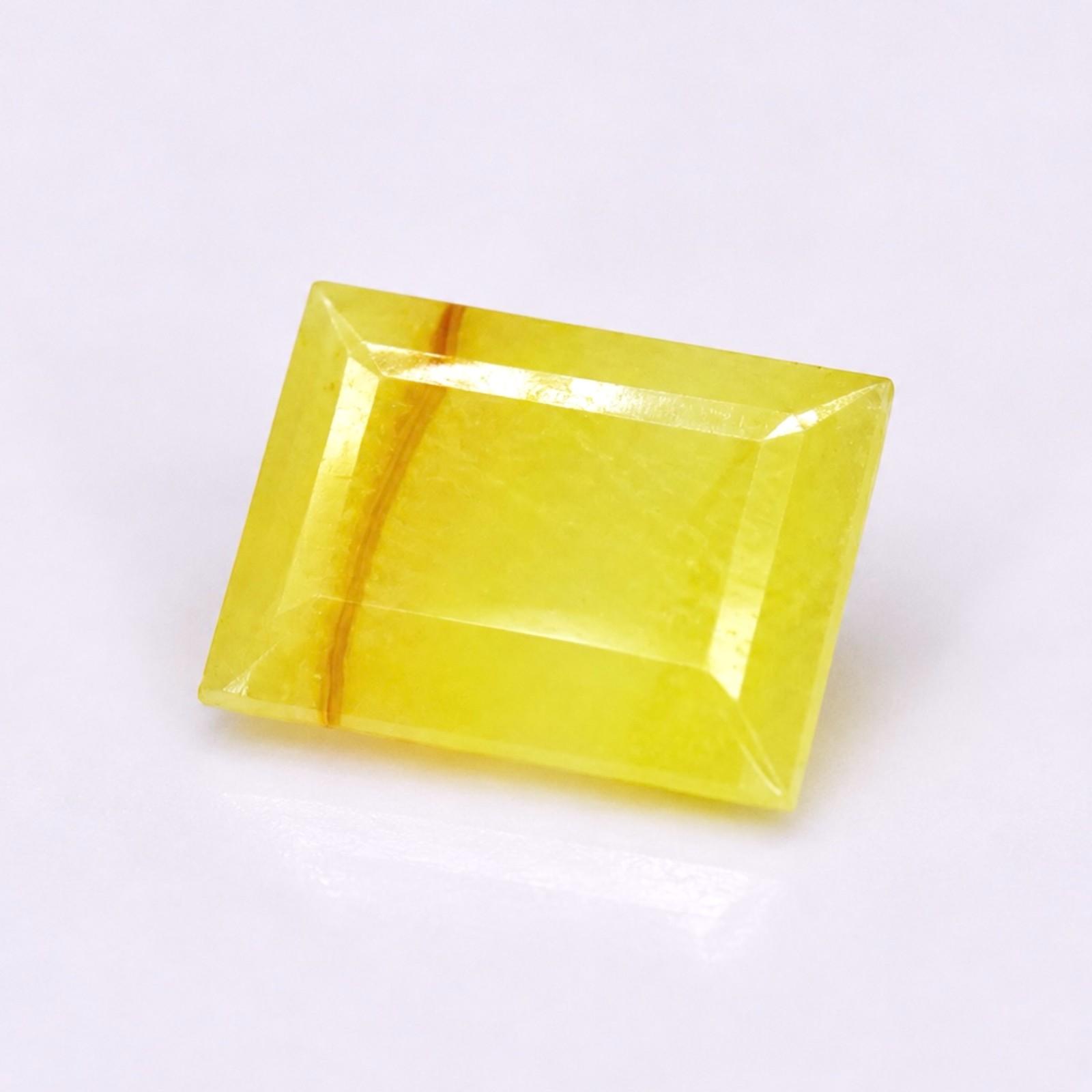
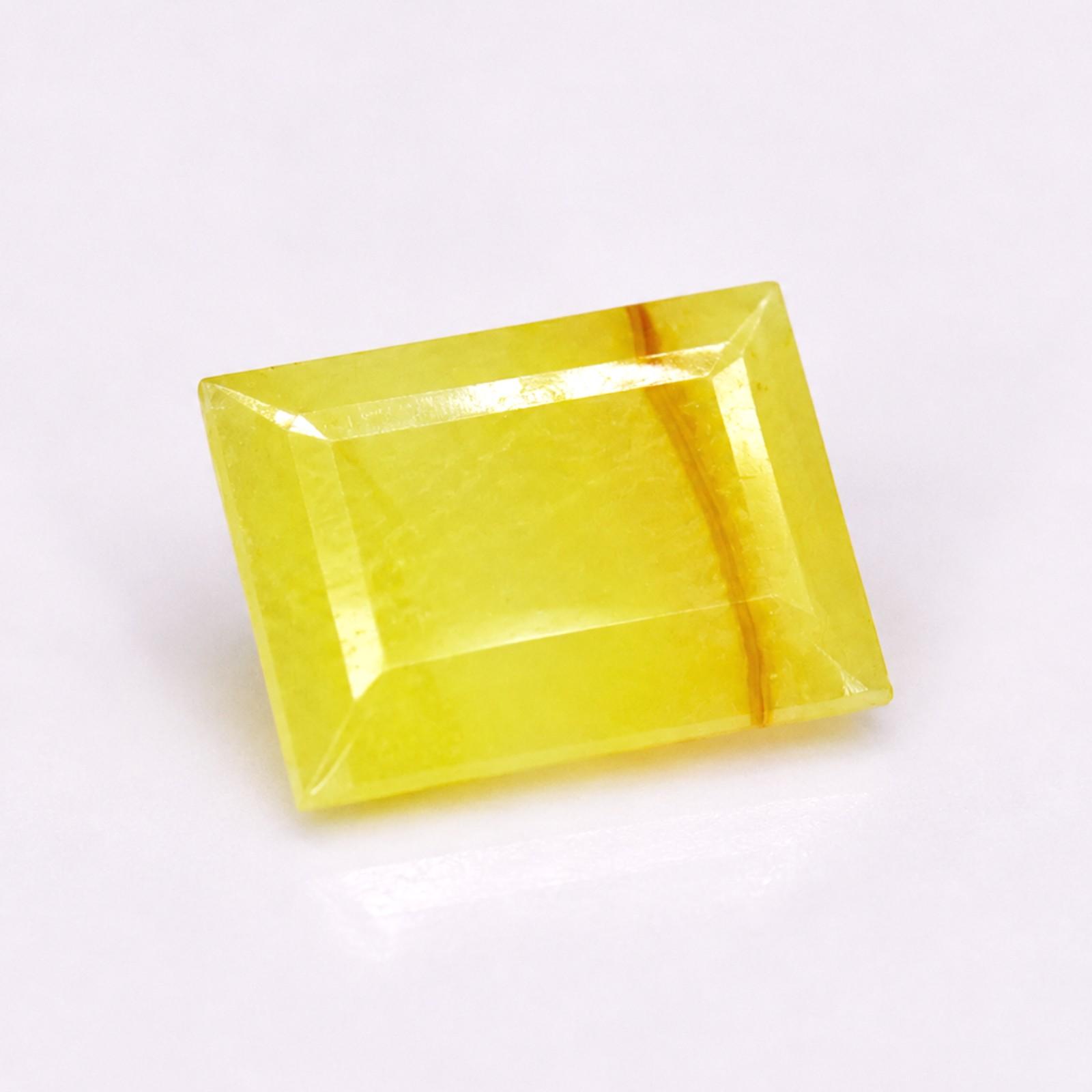
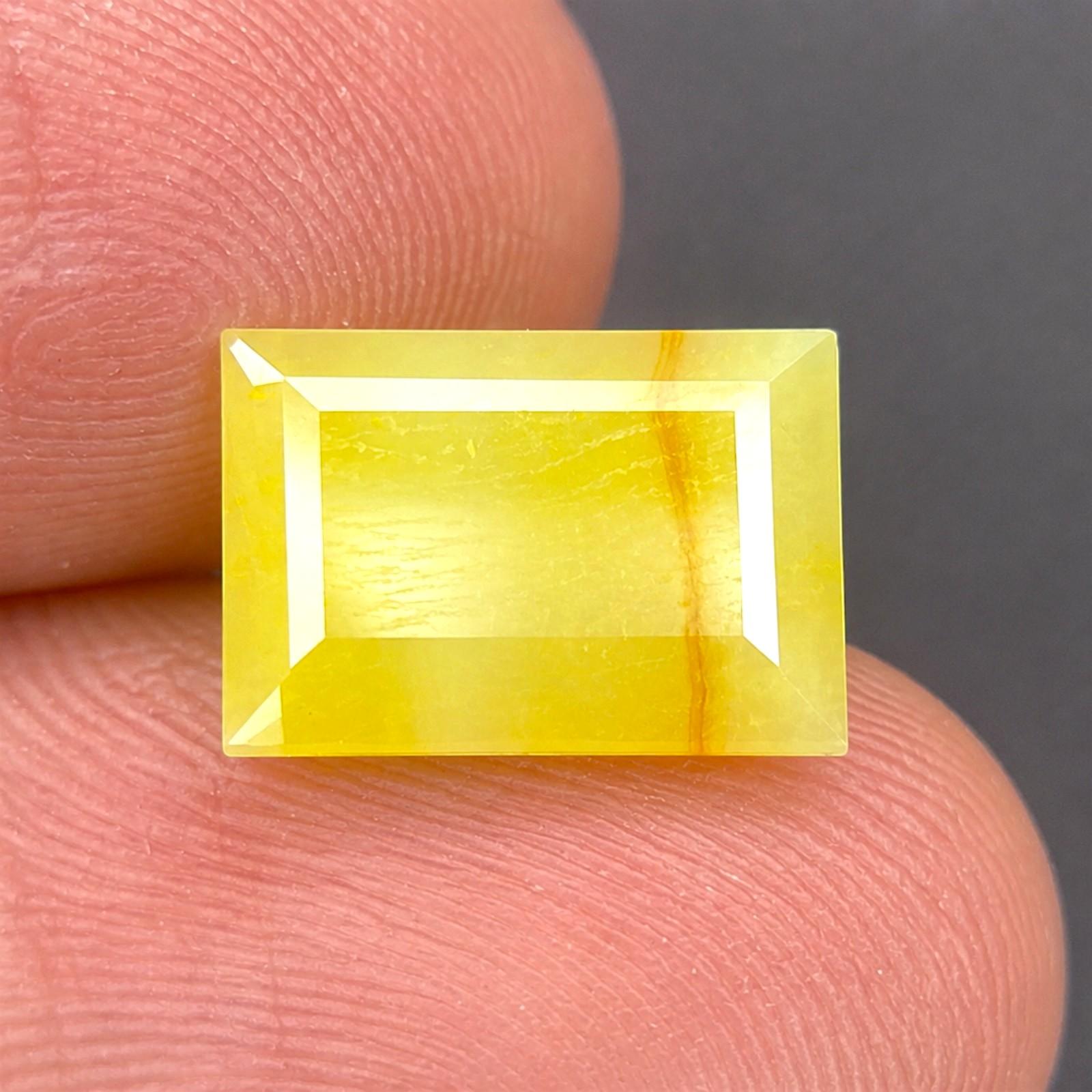
3.91 ct SMITHSONITE – BRAZIL
EXPERT VERIFIED
- Expert Verified Gemstone
- Fast Handling & Shipping
- Secure Vault Packaging
$ 240
Offer amount Feild


Smart Collector Choice


Pay with Crypto & Get 10% Automatic Discount

Availability: 1 in stock
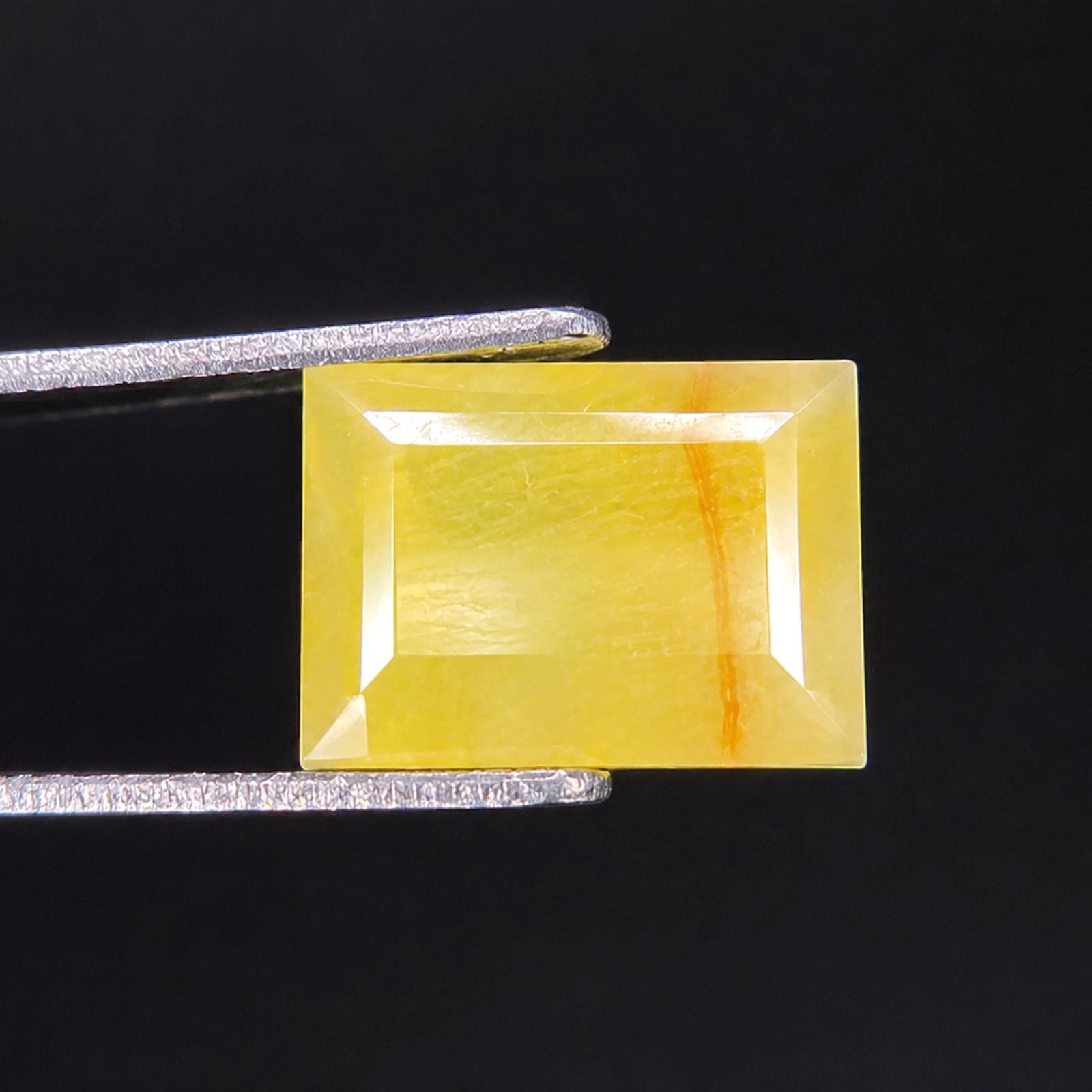
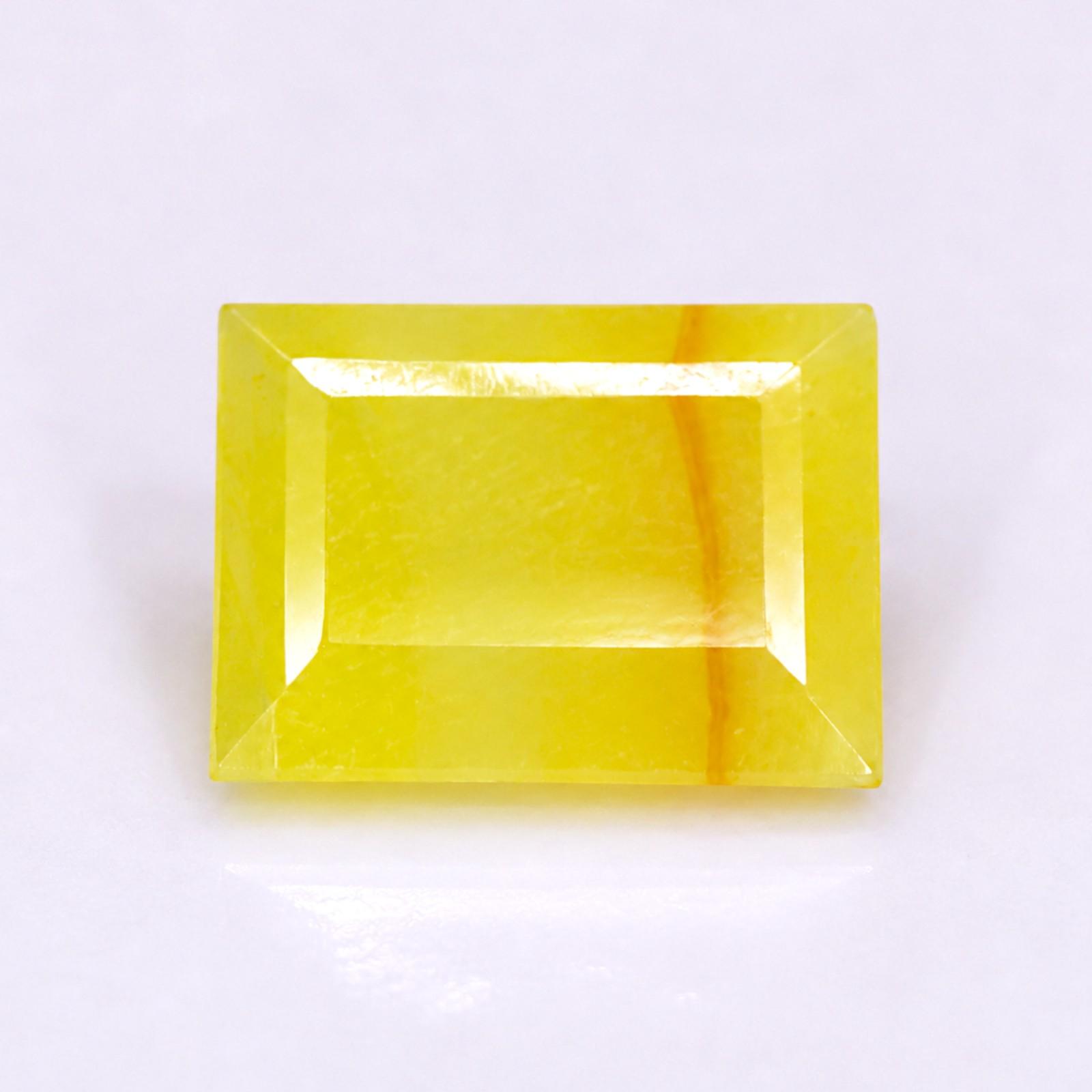
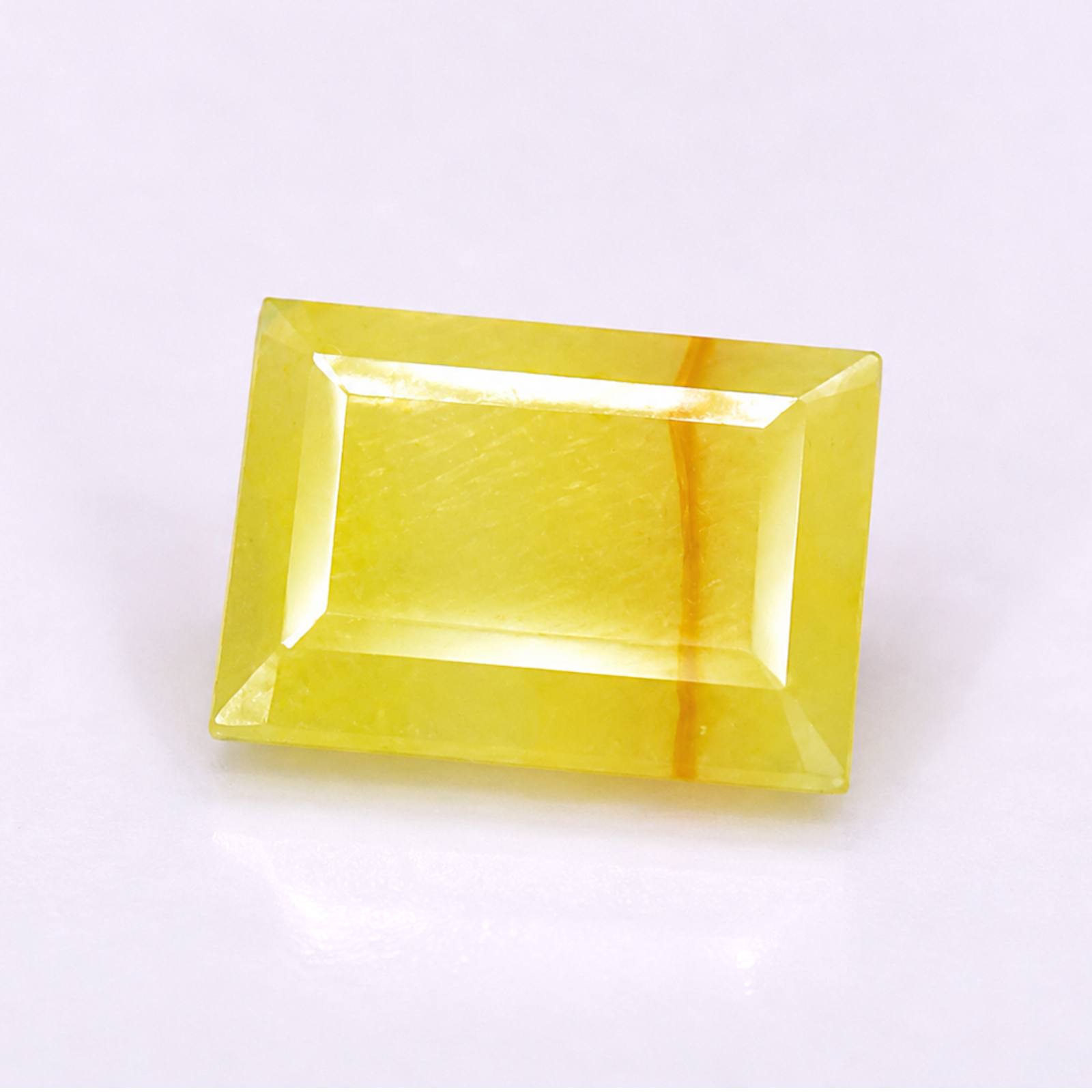
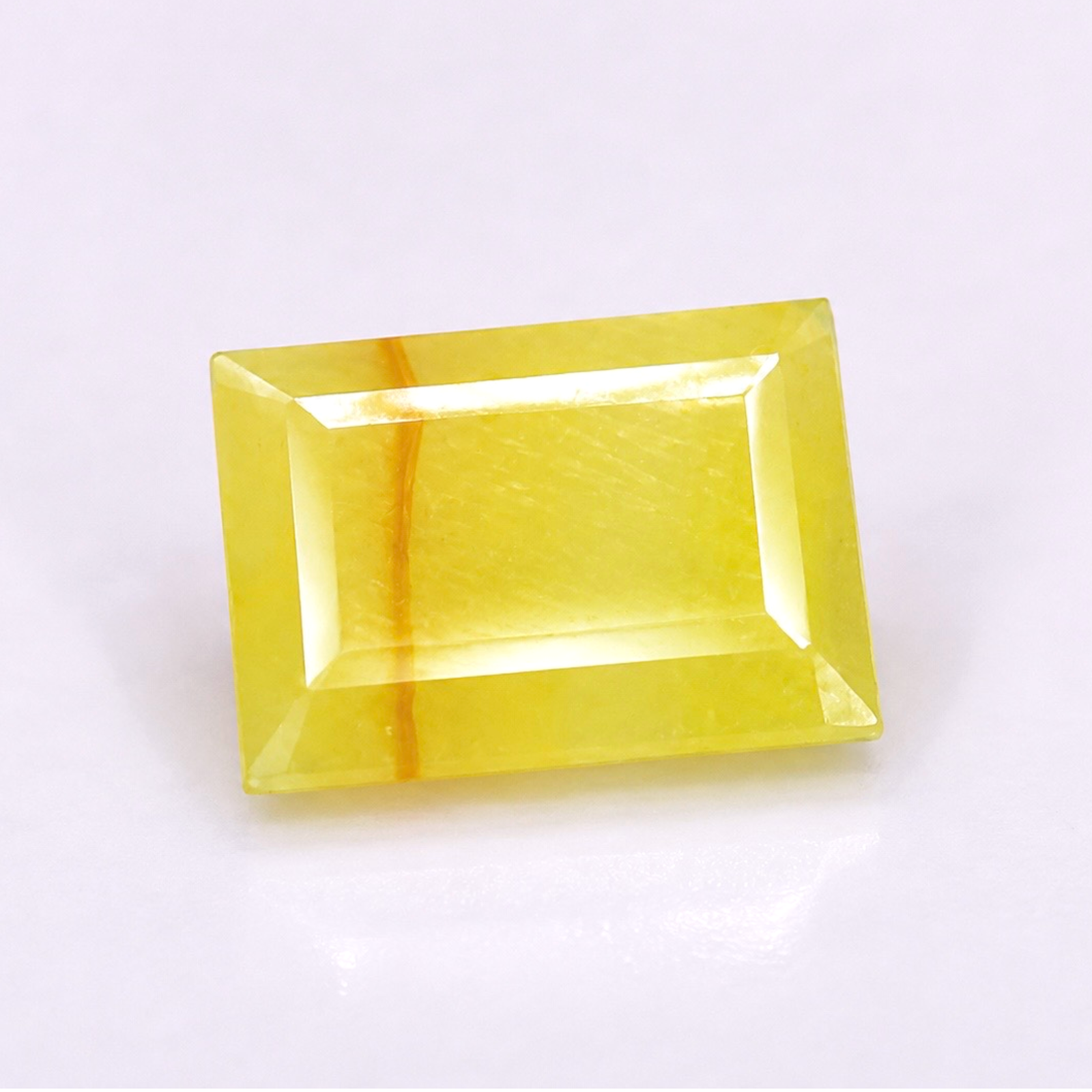


- Freakingcats Gemstone Database
Smithsonite
Smithsonite is a mineral that possesses a unique, ethereal beauty, often appearing in soft, “grape-like” clusters with a luster that sits somewhere between silk and pearl. I have always been captivated by its “inner glow”—a quality that makes the stone look as if it is illuminated from within. While it is a zinc carbonate, it is most famous among collectors for its incredible range of pastel colors, from the iconic “Kelly green” to sky blue, pink, and lavender. It is a stone that feels remarkably substantial in the hand, possessing a density that surprises those used to lighter silicates. Whether in its raw, botryoidal form or faceted into a glowing cabochon, Smithsonite is a masterpiece of secondary mineralization, representing the quiet elegance of the oxidation zone.
The Heritage & Discovery
Historical Significance: Smithsonite holds a place of high honor in the history of science. For centuries, it was confused with Hemimorphite and collectively known as “calamine.” It wasn’t until the early 19th century that it was identified as a distinct carbonate mineral. Historically, it was a primary ore of zinc, but its most enduring legacy is its connection to the Smithsonian Institution. It represents the transition of mineralogy from a practical mining pursuit to a sophisticated branch of natural history, and it remains a cornerstone species for any serious systematic collection.
Discovery: The mineral was renamed in 1832 by François Sulpice Beudant in honor of James Smithson (1765–1829), the English chemist and mineralogist whose bequest founded the Smithsonian Institution. Smithson was the first to chemically prove that “calamine” was actually two different minerals—a carbonate and a silicate. By identifying Smithsonite as a unique zinc carbonate, he changed the course of mineralogical classification forever.
Important Mines: While Smithsonite is found in many zinc deposits, a few locations have attained legendary status. The Kelly Mine in New Mexico, USA, is world-famous for its spectacular “Kelly Green” smithsonite. Another premier source is the Tsumeb Mine in Namibia, which produced incredible deep pink and cobalt-blue varieties. I also have a deep appreciation for the material from the Refugio Mine in Mexico and the Sardinia deposits in Italy. We source from these classic localities to ensure we capture the most vibrant “neon” pastels and the highest level of translucency available.
Mineralogical Profile
Description: Smithsonite is a zinc carbonate that belongs to the calcite group, crystallizing in the trigonal system. It sits at a 4 to 4.5 on the Mohs scale, making it a relatively soft stone that is best suited for cabochons, carvings, or protected jewelry. It is characterized by its vitreous to pearly luster and its most famous habit: botryoidal (globular) masses that look like clusters of bubbles.
One of its most identifying traits is its high density (4.4 to 4.5 g/cm³), which is significantly higher than most similar-looking minerals. The color is driven by trace elements: copper creates the blues and greens, cobalt produces the pinks and purples, and cadmium creates the rare “turkey-fat” yellow variety. When polished, its translucent surface has a depth of color that is unmatched in the carbonate world.
Chemical Formula: ZnCO3


