
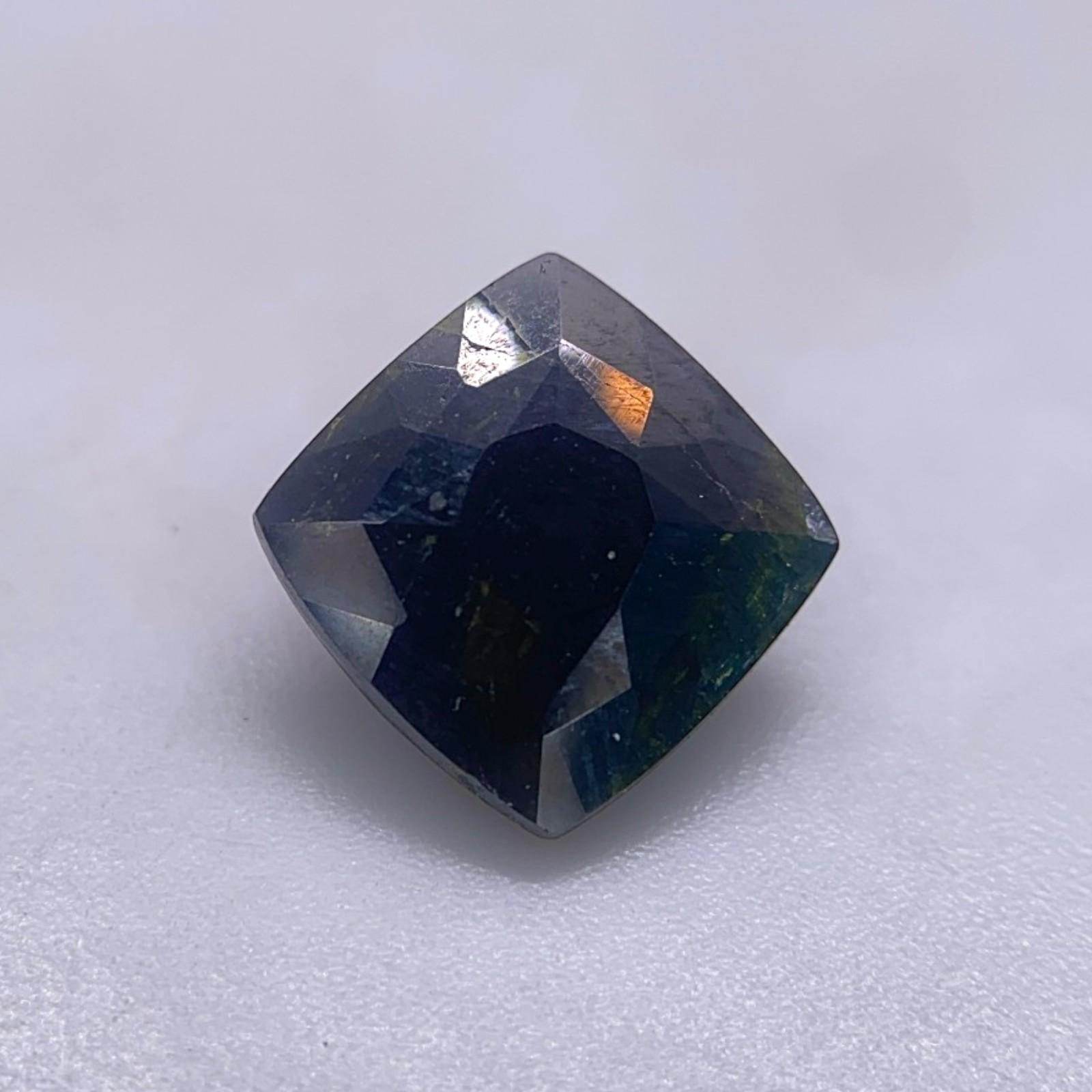
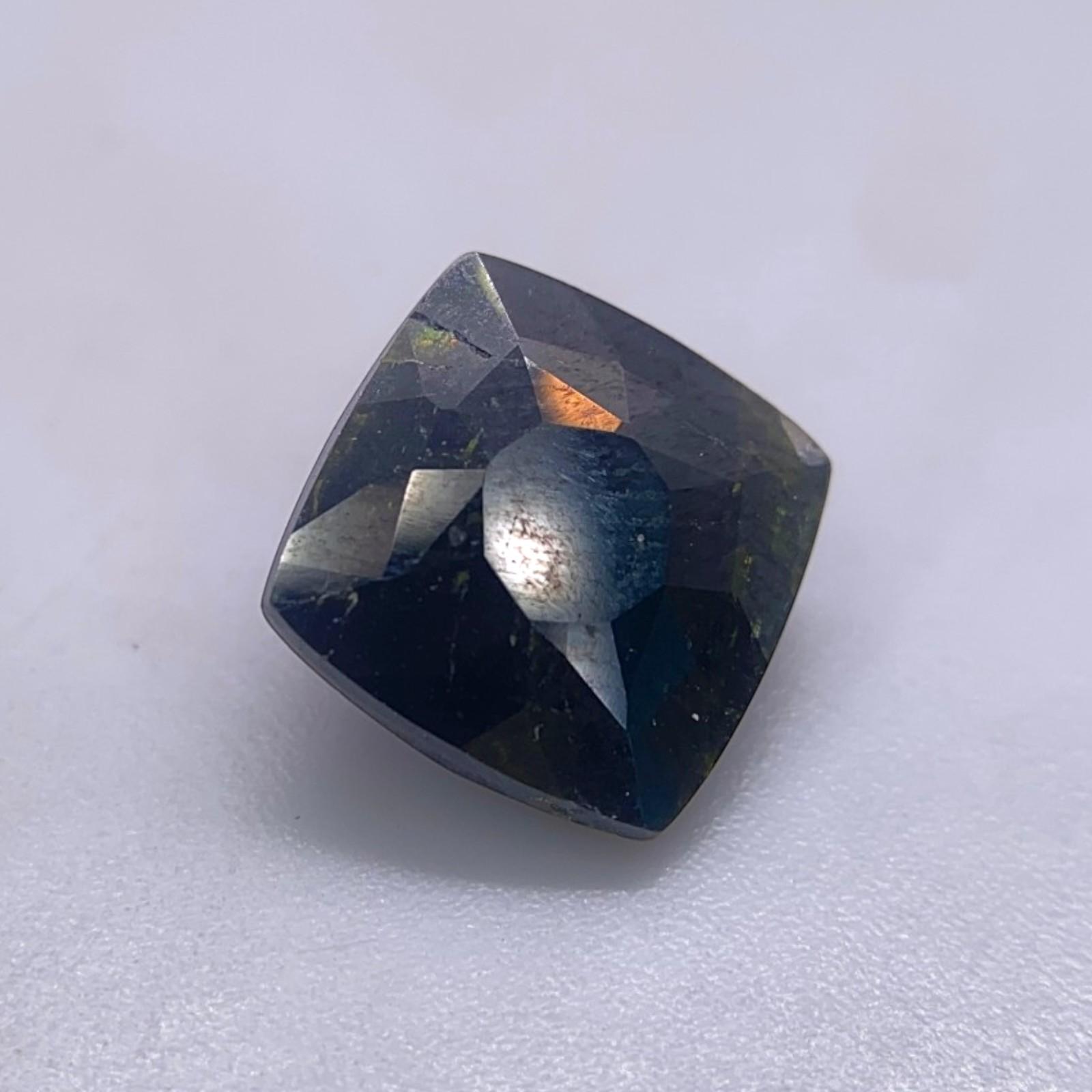
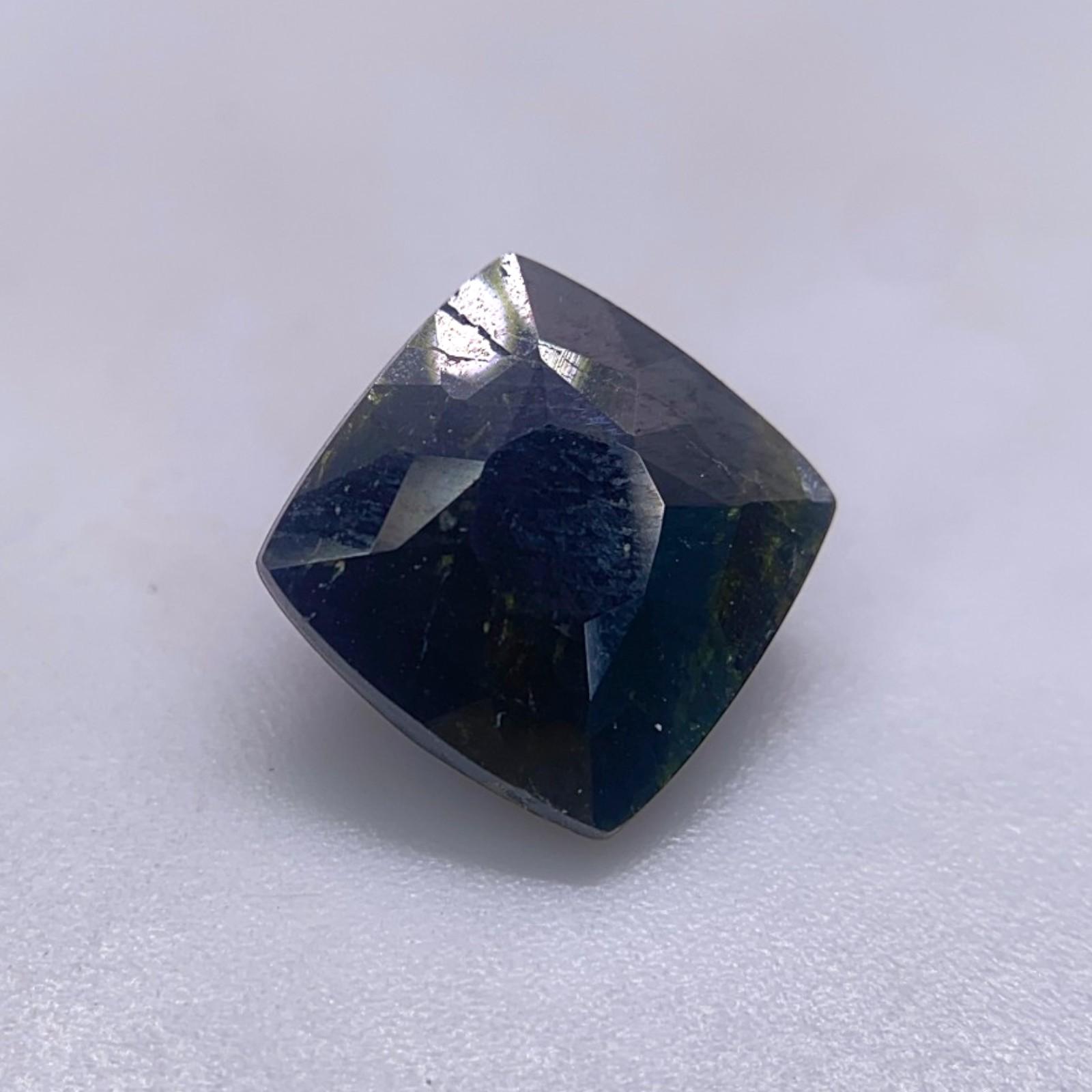
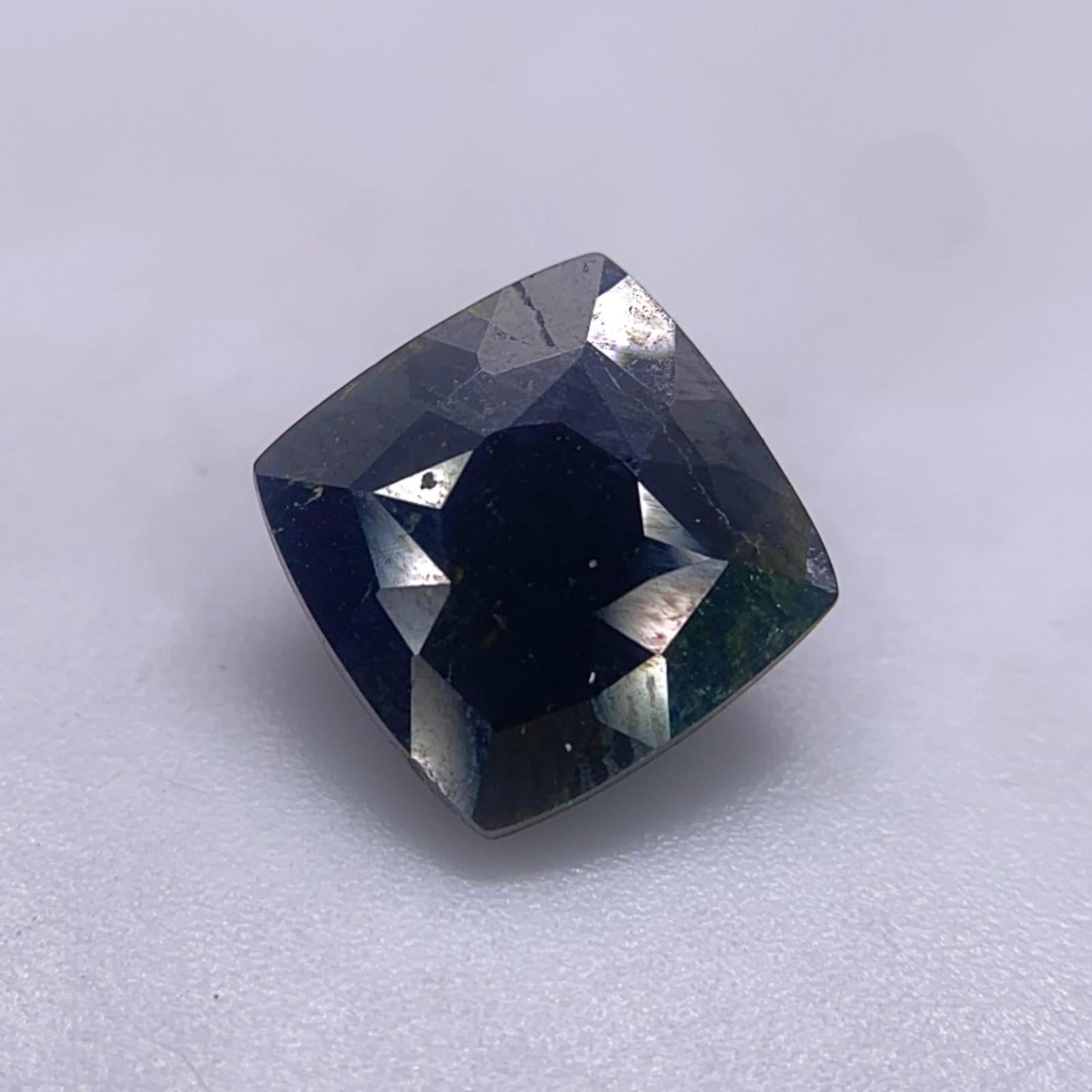
4.05 ct EPIDOTE – BRAZIL
EXPERT VERIFIED
- Expert Verified Gemstone
- Fast Handling & Shipping
- Secure Vault Packaging
$ 140
Offer amount Feild


Smart Collector Choice


Pay with Crypto & Get 10% Automatic Discount

Availability: 1 in stock
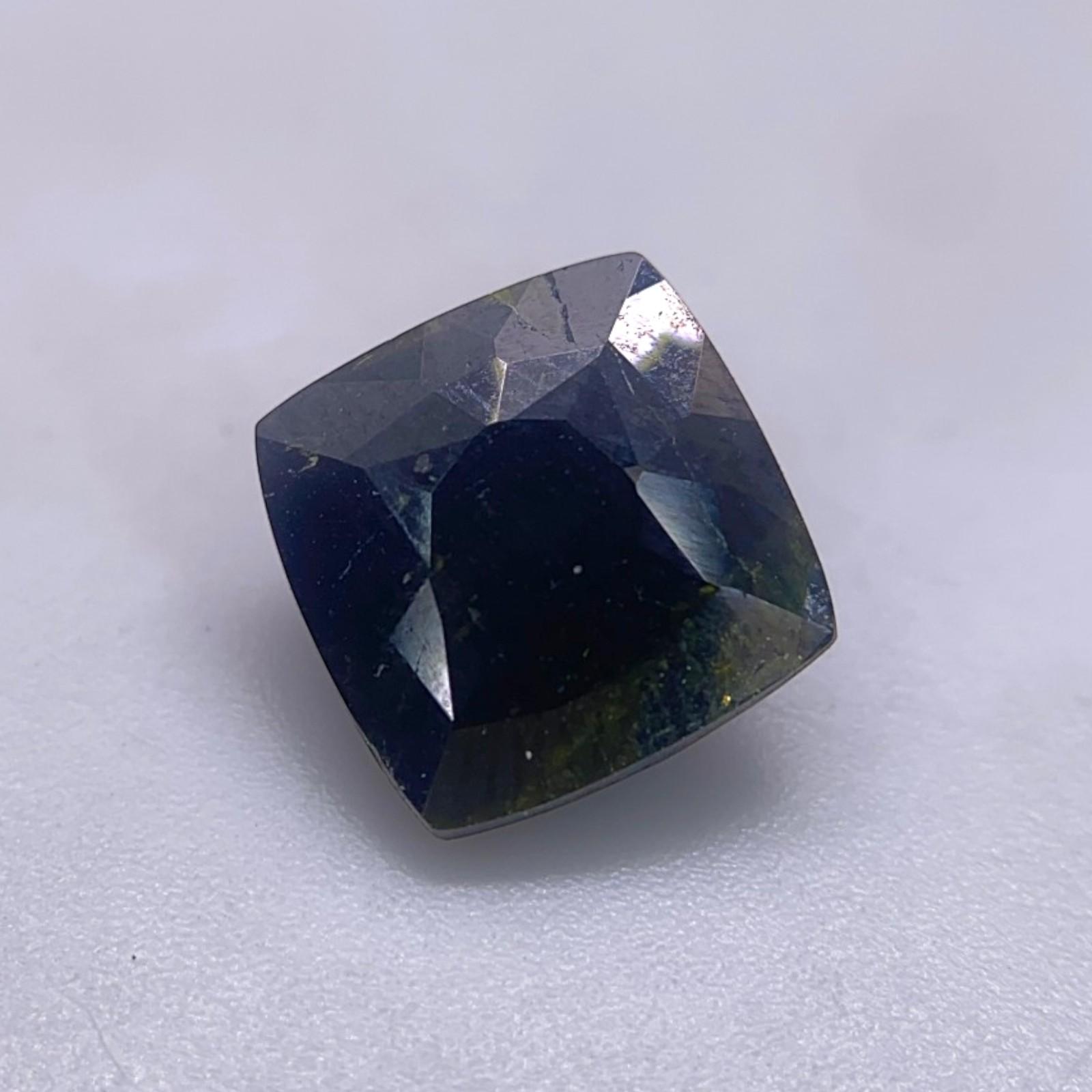
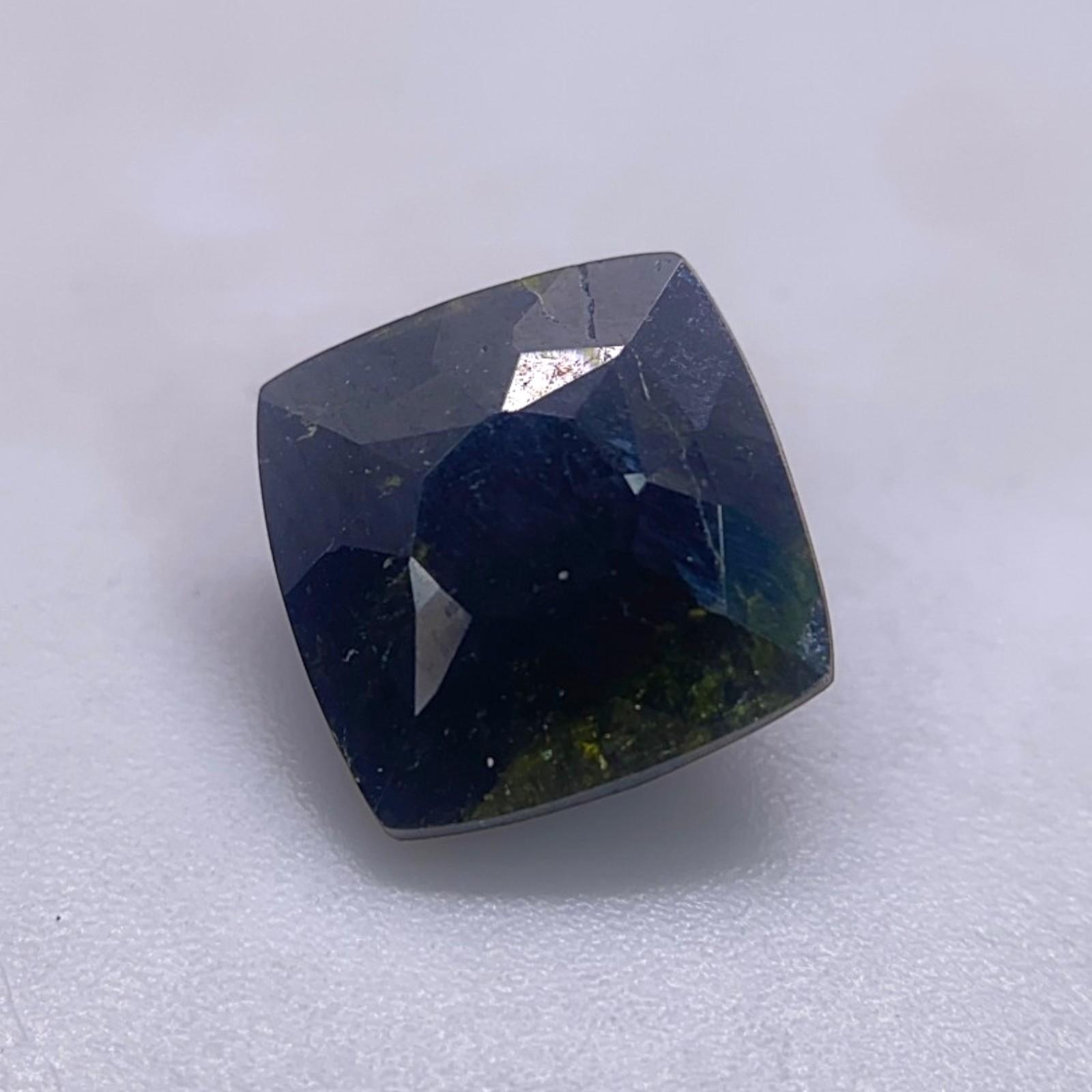
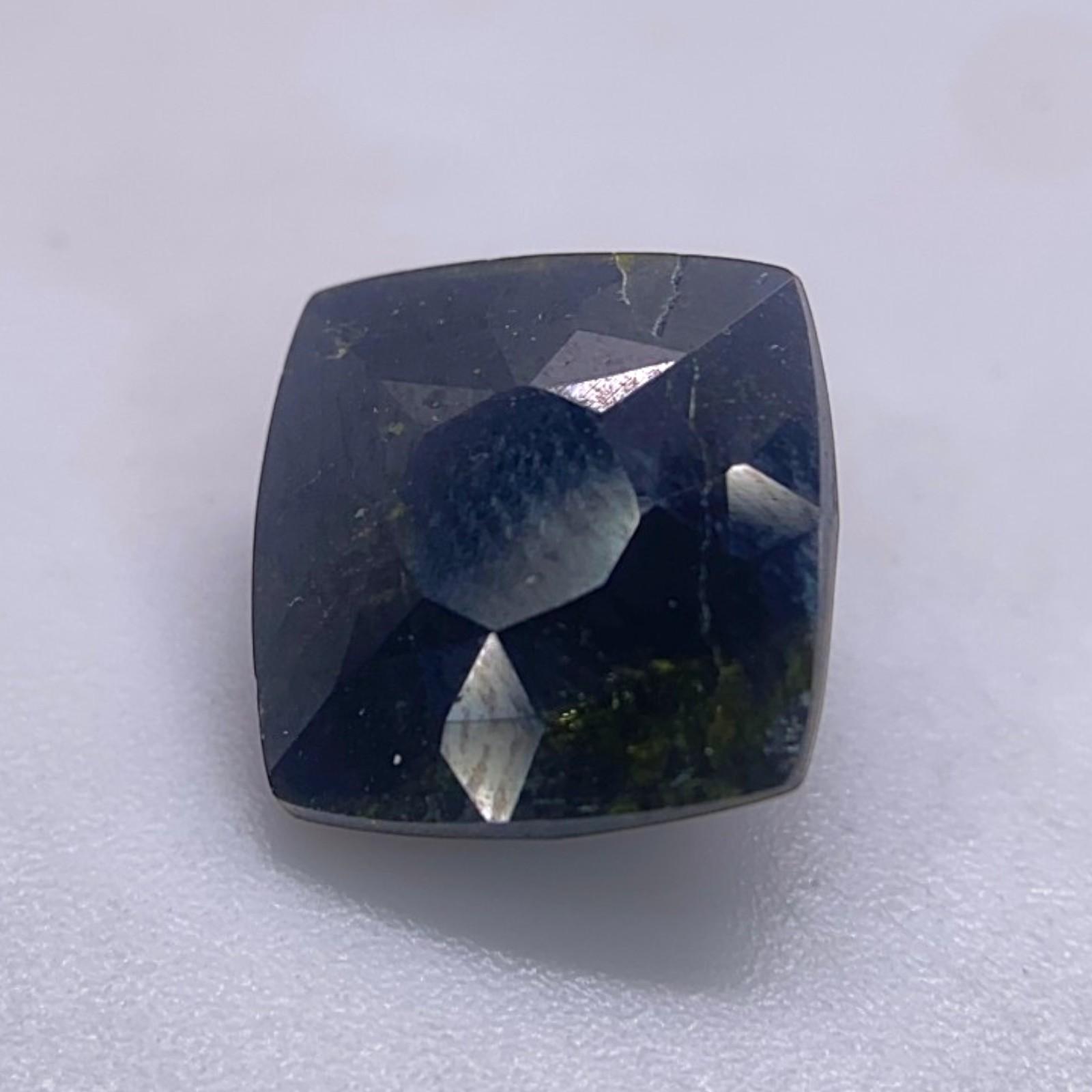


- Freakingcats Gemstone Database
Epidote
Epidote is a gemstone that represents the structural “backbone” of many metamorphic and hydrothermal environments. I have always been captivated by its most famous color—a deep, yellowish-green often referred to as “pistachio” or “olive.” It is a mineral of exceptional character, typically forming as elongated, prismatic crystals that are frequently “striated” along their length. It possesses a vitreous luster and a remarkable crystalline depth, ranging from nearly opaque to a stunning, “water-clear” transparency. For the collector, Epidote is a prize of both durability and optical complexity; it is a stone of “high relief,” meaning its crystals stand out sharply against their matrix. It is the definitive mineral of the greenschist facies, representing a perfect geological balance of calcium, iron, and aluminum.
The Heritage & Discovery
Historical Significance: Epidote holds a significant place in the development of modern mineralogy. Historically, it was often confused with Tourmaline or Actinolite until its unique monoclinic symmetry was fully understood. In the world of fine minerals, it is celebrated for its spectacular “fan-like” or “bow-tie” aggregates and its role as a host for other rare species. It stands as a symbol of endurance and growth, bridging the gap between common rock-forming silicates and the elite world of “gem-quality” collector crystals. It serves as a beautiful reminder of the complex chemical reorganizations that occur deep within the Earth’s crust during regional metamorphism.
Discovery: The mineral was formally named in 1801 by the celebrated French mineralogist René Just Haüy. Its name is derived from the Greek epidosis, meaning “addition” or “increase,” referencing the fact that one side of the ideal crystal prism is longer than the other. Haüy’s discovery allowed scientists to define the “Epidote Group,” which now includes several related species like Clinozoisite and Allanite. Since its naming, it has remained a staple of the global mineral market, with classic finds in the Alps and modern masterpieces from Africa and Asia.
Important Mines: The legendary source for world-class, historic Epidote is the Knappenwand in the Untersulzbach Valley, Austria. I also have a high regard for the spectacular, large crystals found in Pampa Blanca, Peru, and the “pistachio-green” specimens from the Kayes Region of Mali (often associated with Prehnite). For the vault, I prioritize the Knappenwand material for its unmatched “sword-like” crystal habit and the Malian pieces for their incredible color saturation and transparency.
Mineralogical Profile
Description: Epidote is a calcium aluminum iron silicate hydroxide that crystallizes in the monoclinic system. It sits at a 6 to 7 on the Mohs scale, making it a durable mineral suitable for both high-end specimens and faceted gemstones. It is characterized by its vitreous luster and its range of dark green, brownish-green, and yellowish-green colors.
One of its most identifying traits is its strong pleochroism—a single crystal can show different shades of green, brown, and yellow depending on the angle from which it is viewed. It has a high refractive index (n approx 1.73 to 1.77), which provides a “crisp” and brilliant reflection when light catches its faceted surfaces or striated faces. Because it is an iron-rich mineral, it is relatively dense and often appears quite dark or even black in thick crystals. When I select a piece for the collection, I look for “sharp” terminations and “gemmy” transparency, as these highlight the sophisticated, three-dimensional geometry that makes Epidote a refined treasure for the specialist. It is a dense, high-vibration mineral that offers a unique, architectural beauty unlike any other silicate.
Chemical Formula: {Ca2}{Al2Fe3+}(Si2O7)(SiO4)O(OH)


