
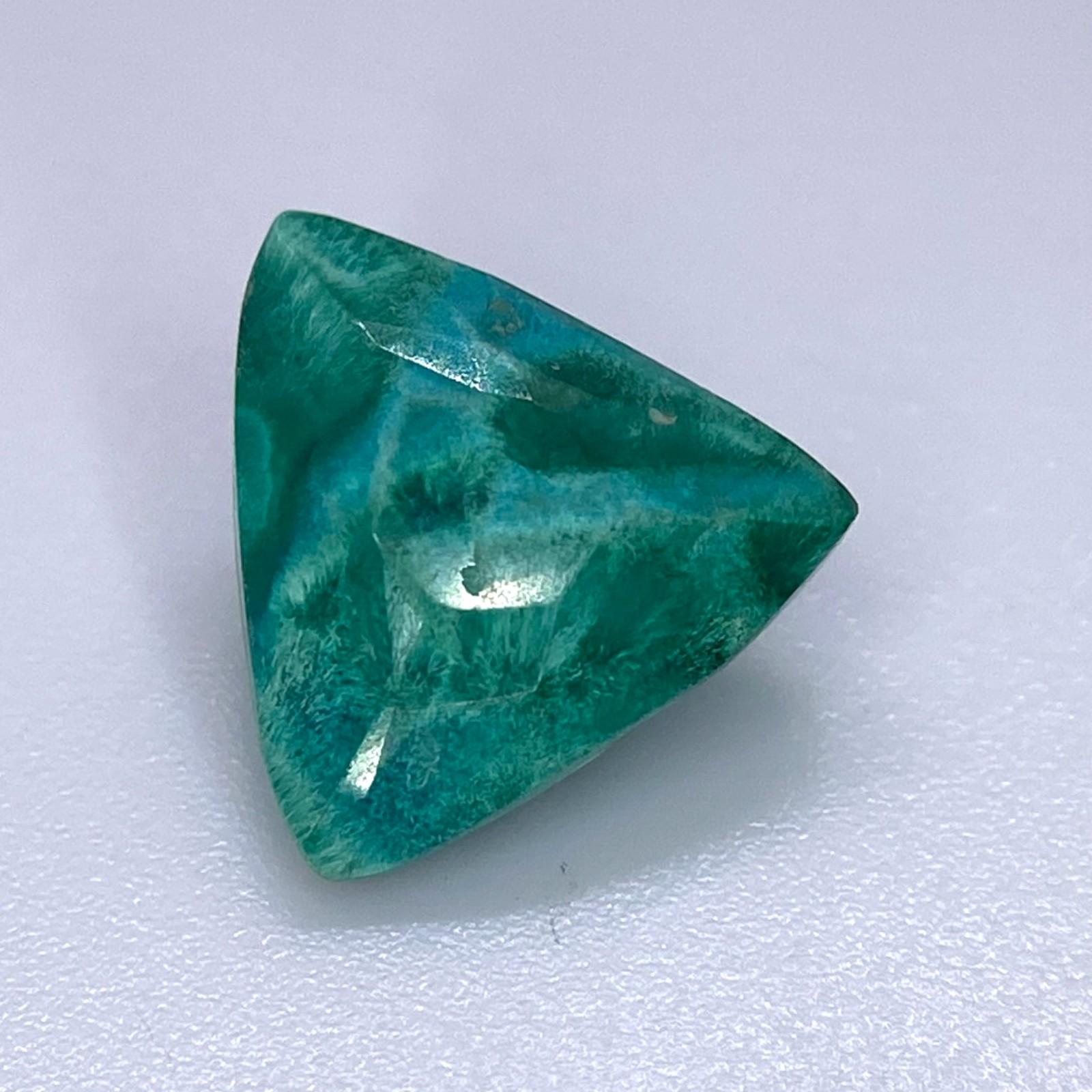
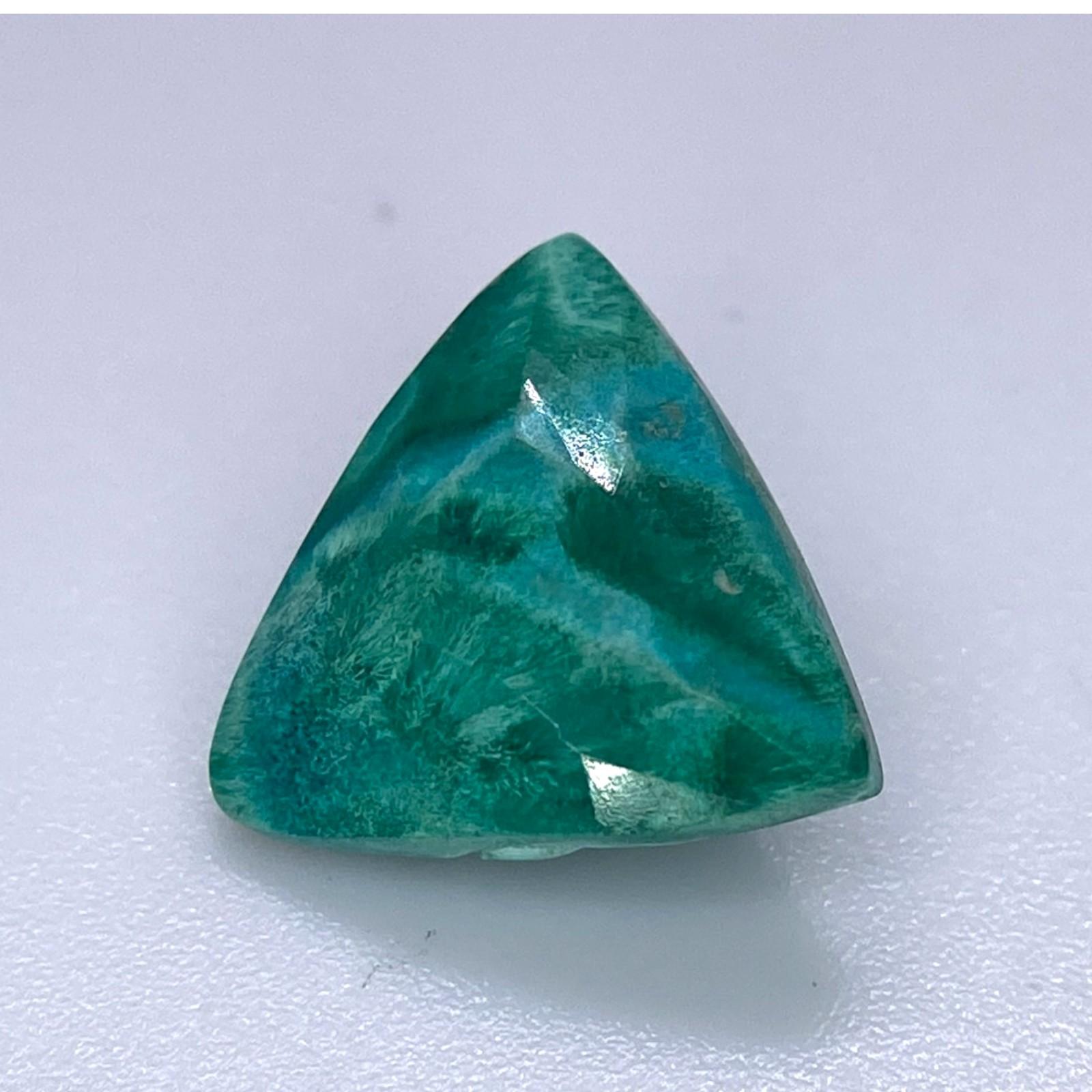
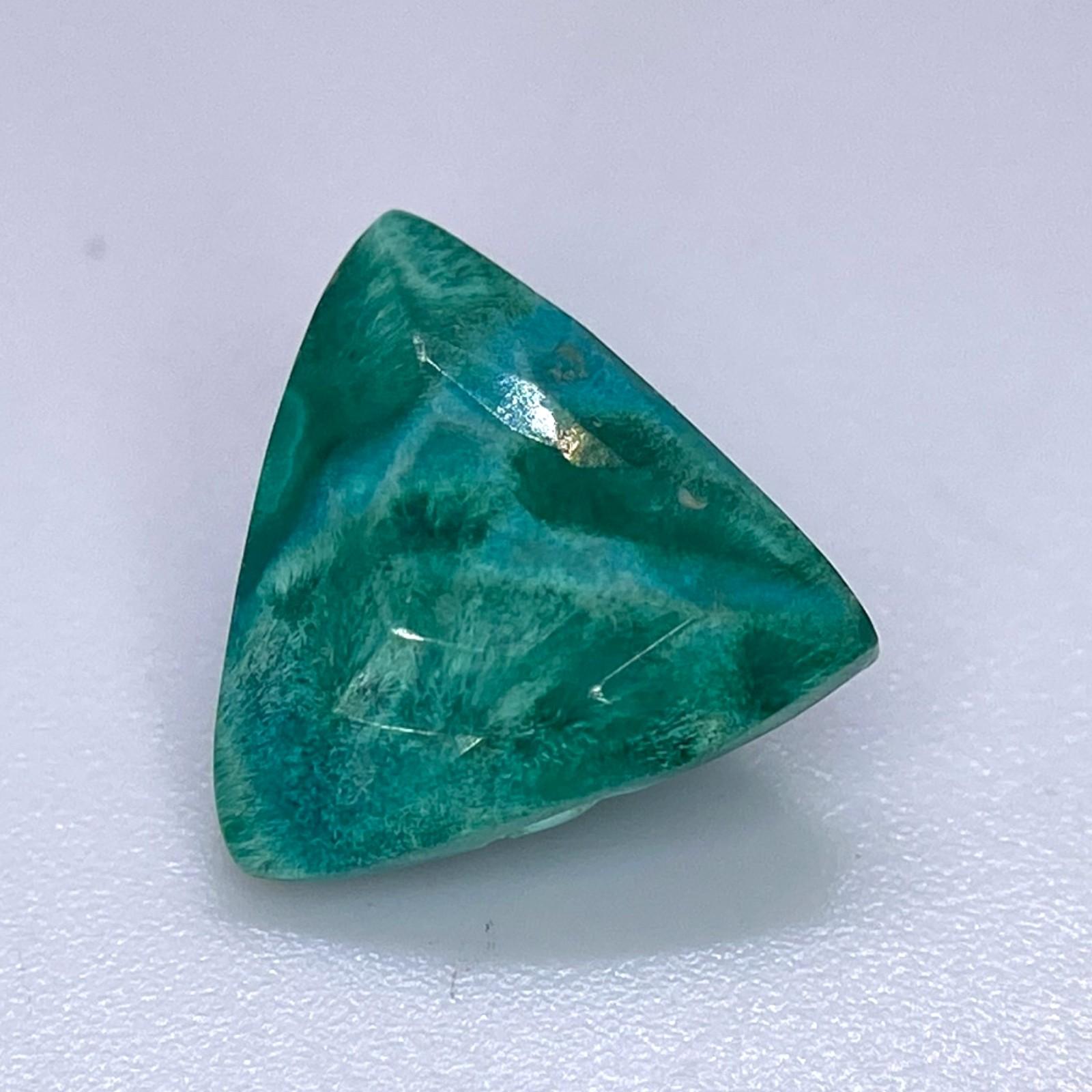
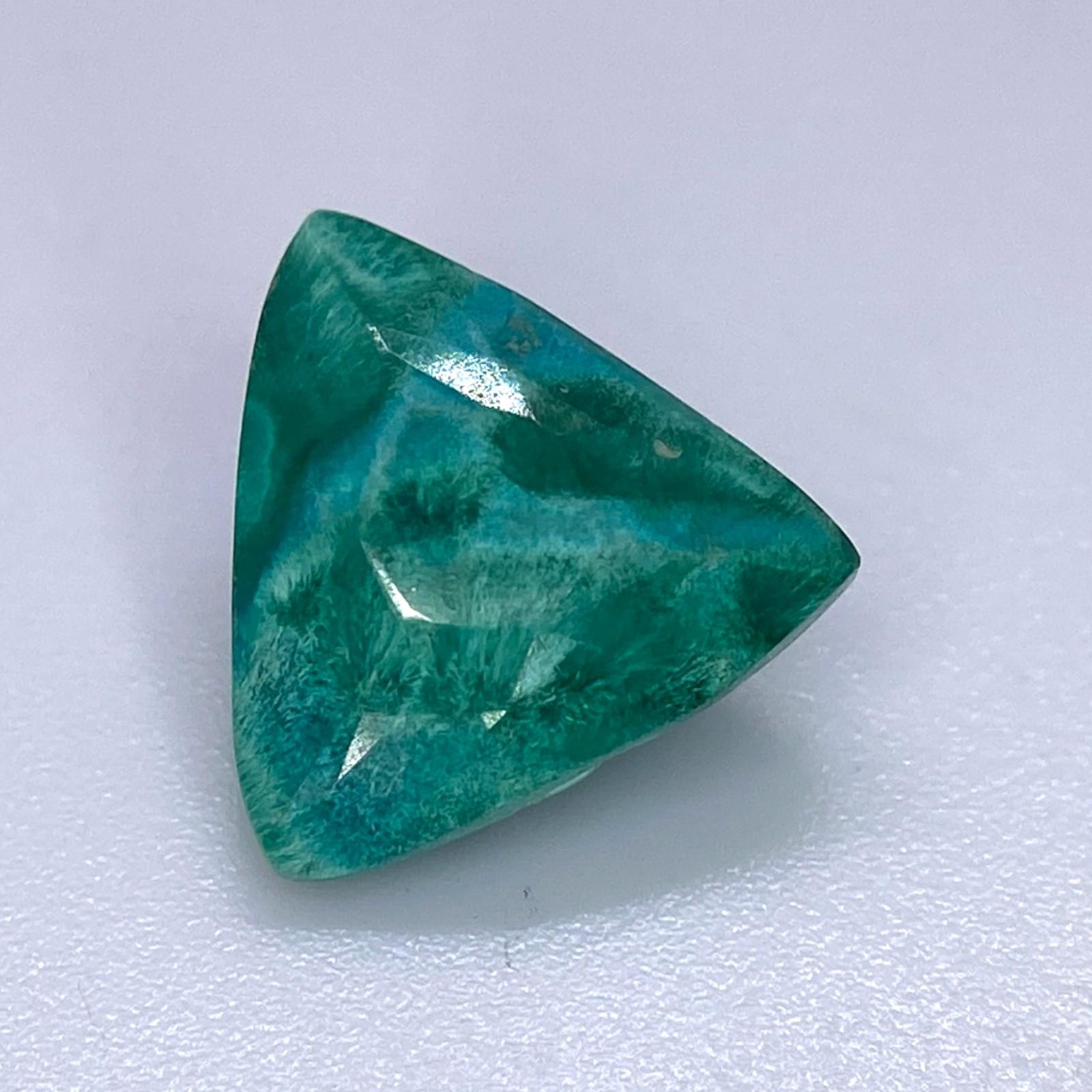
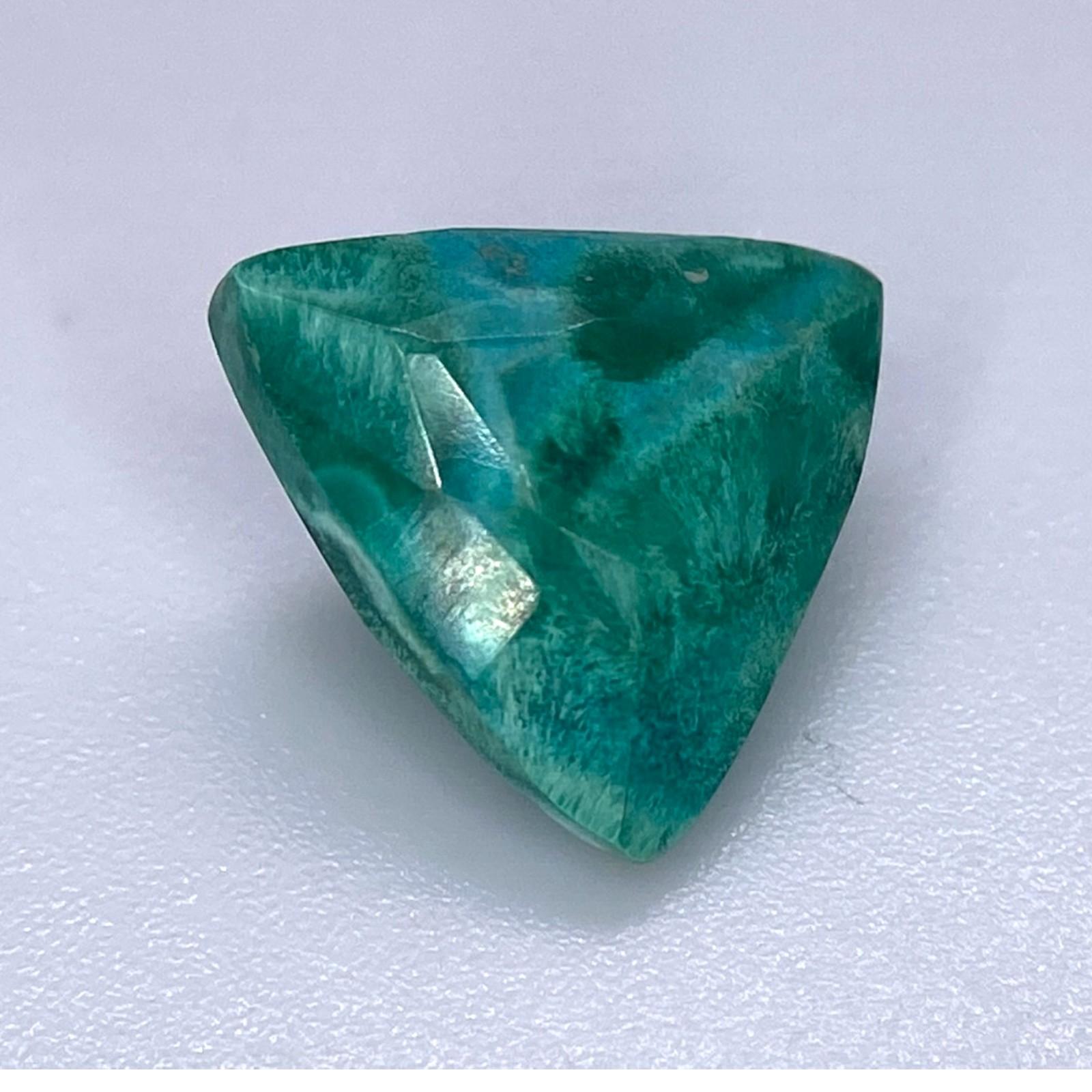
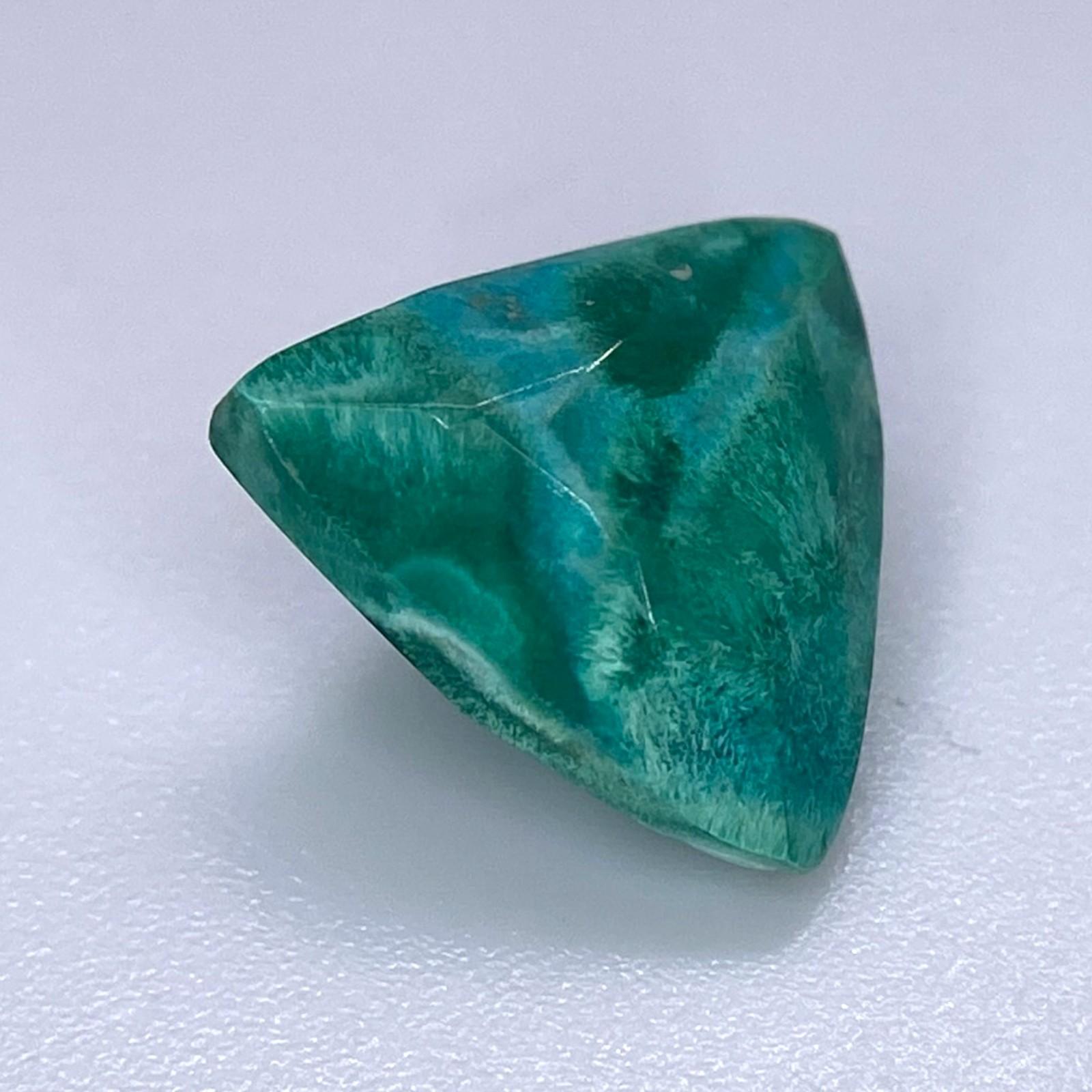
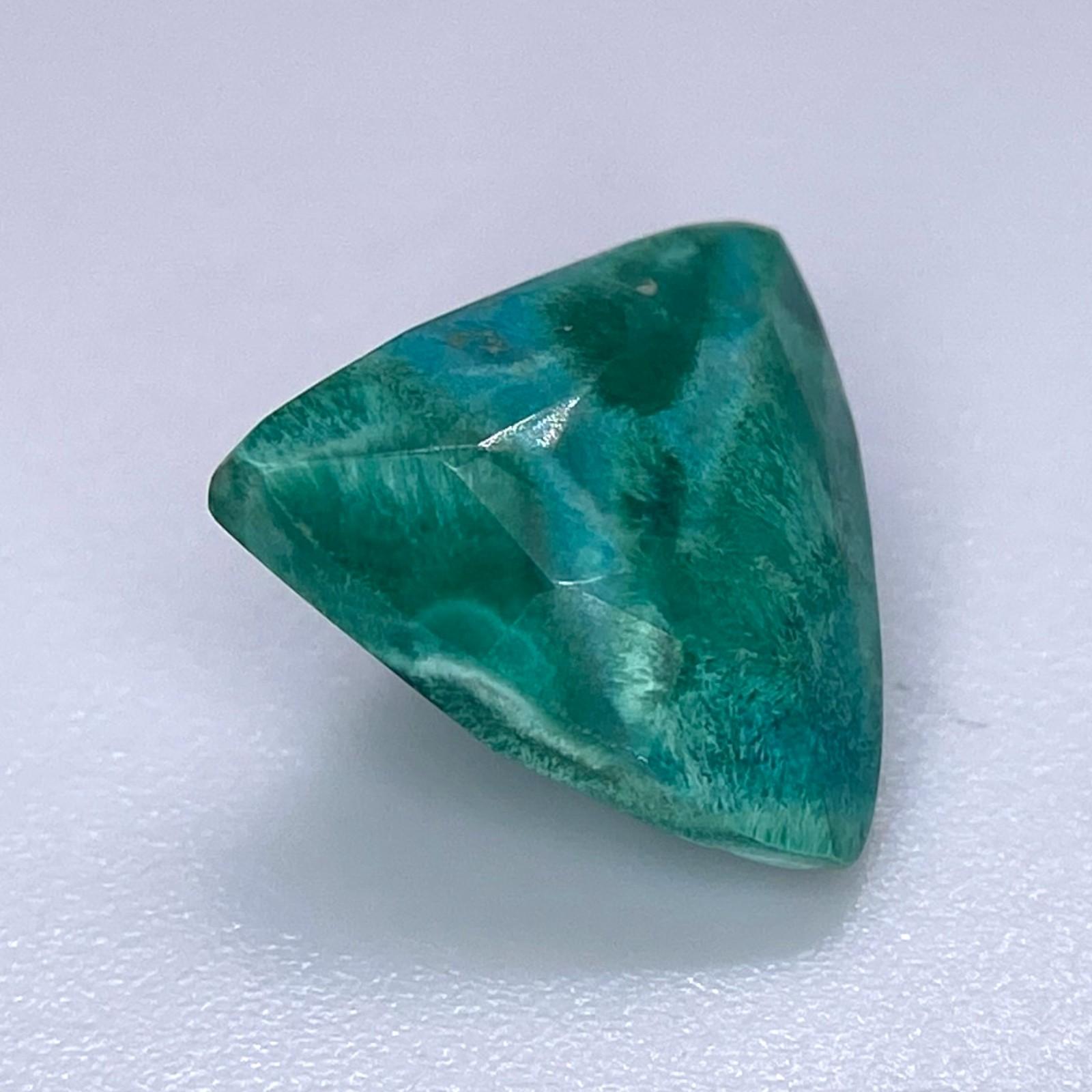
4.83 ct AURICHALCITE – USA
EXPERT VERIFIED
- Expert Verified Gemstone
- Fast Handling & Shipping
- Secure Vault Packaging
$ 395
Offer amount Feild


Smart Collector Choice


Pay with Crypto & Get 10% Automatic Discount

Availability: 1 in stock


- Freakingcats Gemstone Database
Aurichalcite
Aurichalcite is a gemstone that captures the vivid, electric hues of a shallow tropical sea. A carbonate of copper and zinc, it is a mineral I have always admired for its “ghostly” and delicate habit; it typically forms as pearly, acicular (needle-like) crystals or as beautiful, “velvety” blue-green crusts. It is a stone of the oxidation zone, representing the chemical byproduct of the weathering of primary copper and zinc ores. For the collector, Aurichalcite is a prize of both color and texture—its “shimmering” sky-blue to teal hue is so unique that it stands out even in a vault filled with more famous copper minerals. It is a fragile masterpiece of the secondary world, offering a soft, silky luster that feels like frozen light.
The Heritage & Discovery
Historical Significance: Aurichalcite is a vital mineral for understanding the interplay between copper and zinc in oxidized environments. Historically, its name is derived from the Greek oreichalcos, meaning “mountain copper” or “brass,” a reference to its chemical components. In the world of fine minerals, it is celebrated for its spectacular “spray” habits, where needle-like crystals fan out over a dark, earthy matrix. It stands as a symbol of the structural beauty found in the “rust” of the earth, bridging the gap between raw industrial ores and the elite world of rare, delicate collector species.
Discovery: The mineral was first described in 1839 based on specimens from the Altai Mountains, Russia. Scientifically, it is a zinc copper carbonate hydroxide. Its discovery provided mineralogists with a clear look at how zinc and copper can stabilize together in a singular, hydrated carbonate framework. Since its identification, it has become a “must-have” for any serious systematic collector, particularly those focusing on the vibrant minerals of the American Southwest and the great mines of Africa.
Important Mines: The undisputed world capital for the finest, most aesthetic Aurichalcite is the Kelly Mine in Magdalena, New Mexico, USA. This site produced the iconic “velvet” blue specimens that set the global standard. I also have a high regard for the spectacular material found in the 79 Mine in Arizona and the Ojuela Mine in Mexico. For the vault, I prioritize the Kelly Mine material for its unmatched sky-blue color and the Mexican pieces for their unique associations with minerals like Adamite or Limonite.
Mineralogical Profile
Description: Aurichalcite is a zinc copper carbonate hydroxide that crystallizes in the monoclinic system. It sits at a 1 to 2 on the Mohs scale, making it one of the softest and most delicate minerals in the collection. It must be protected from physical touch, as the tiny, needle-like crystals are exceptionally brittle and can be easily crushed. It is characterized by its pearly to vitreous luster and its unmistakable “neon” blue-green color.+1
One of its most identifying traits is its habit—it almost always occurs as radiating sprays of acicular needles or as thin, foliated scales. It has a moderate refractive index (approx 1.65 to 1.75) and a relatively low density (3.6 to 4.0 g/cm³). Because it is a carbonate, it will effervesce (fizz) slightly in cold dilute hydrochloric acid. When I select a piece for the collection, I look for “clean” sprays that are securely anchored to a contrasting dark matrix, as this highlights the sophisticated, “firework-like” geometry of the crystals. It is a light, ethereal mineral that remains a standout for its “oceanic” personality.
Chemical Formula: (Zn,Cu)5(CO3)2(OH)6


