
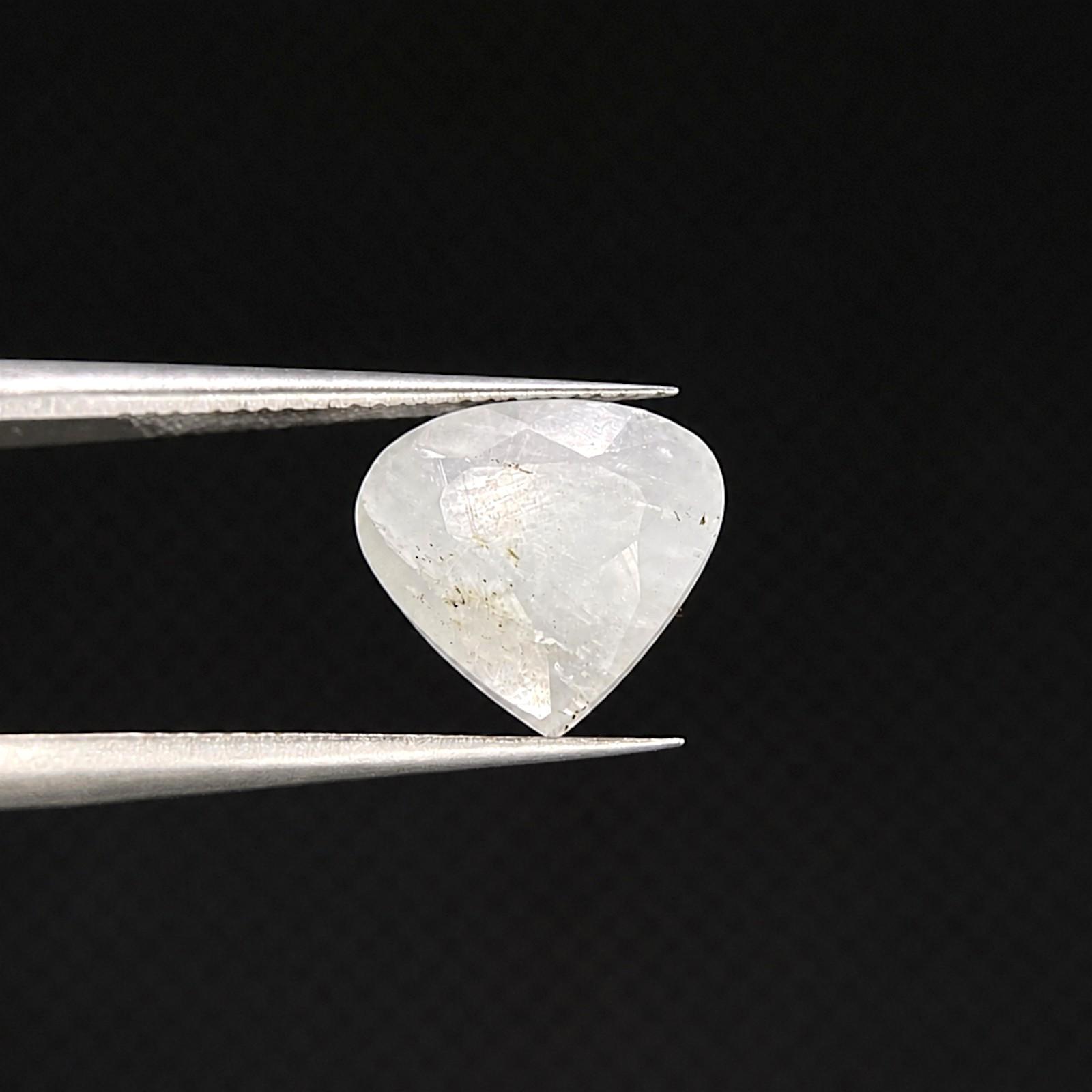
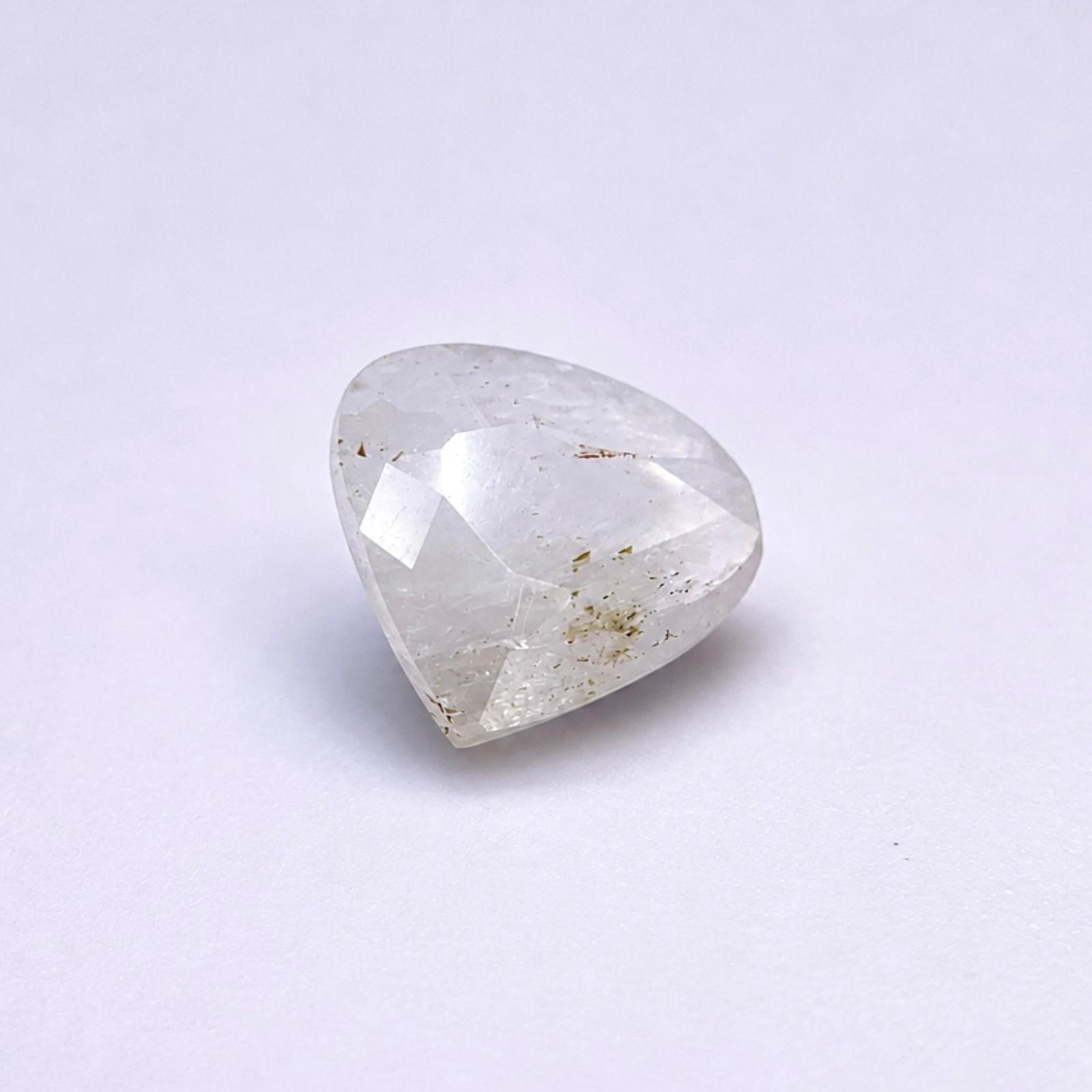
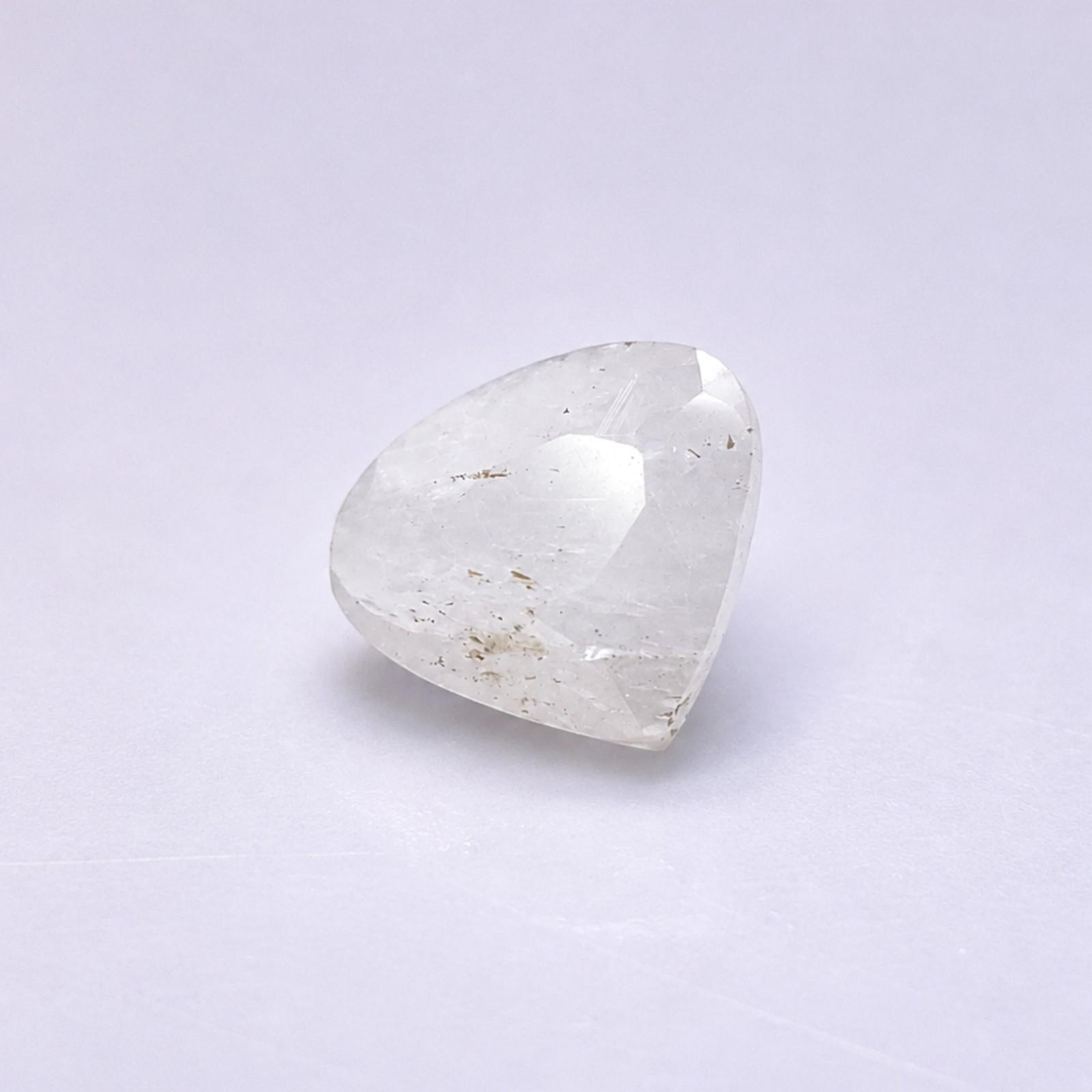
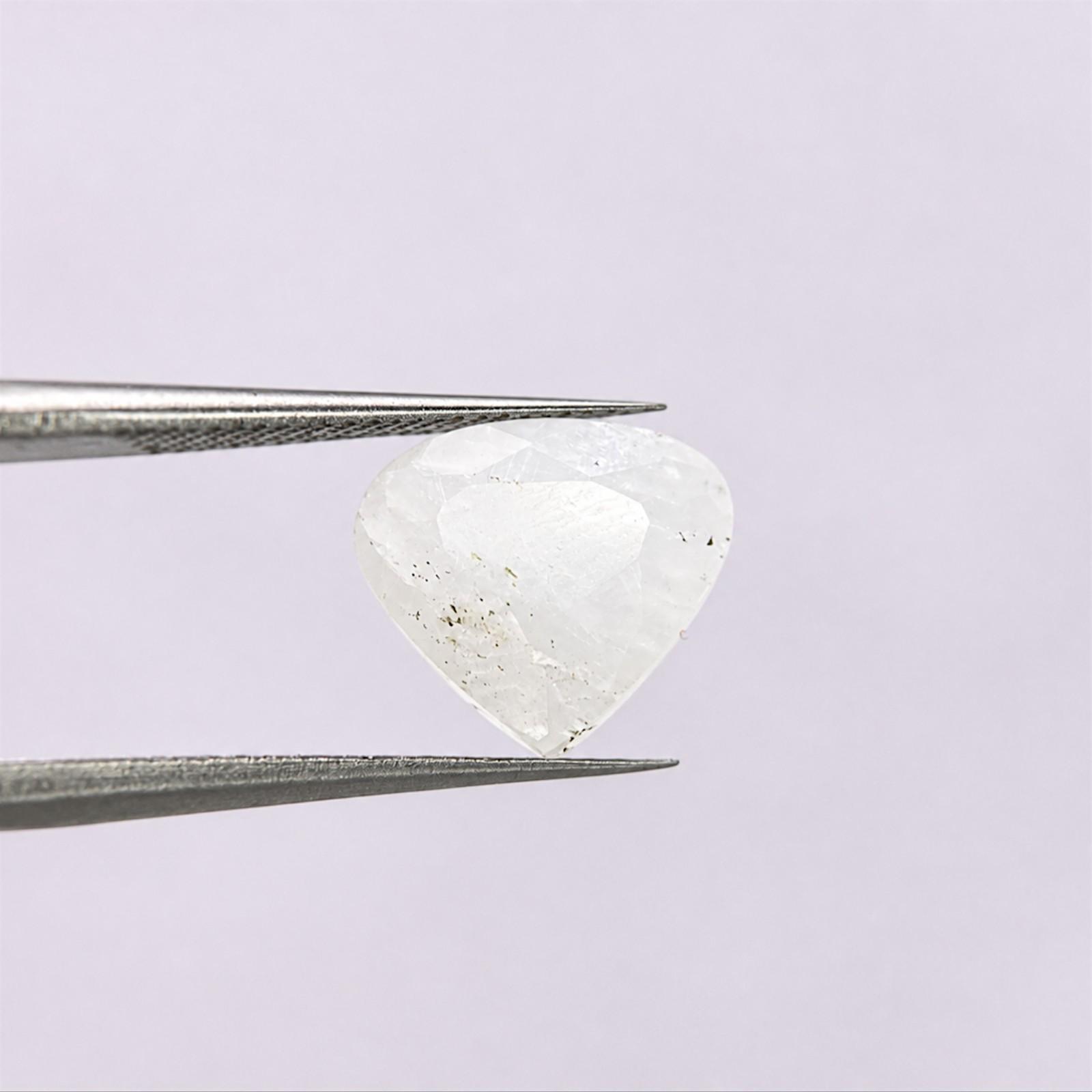
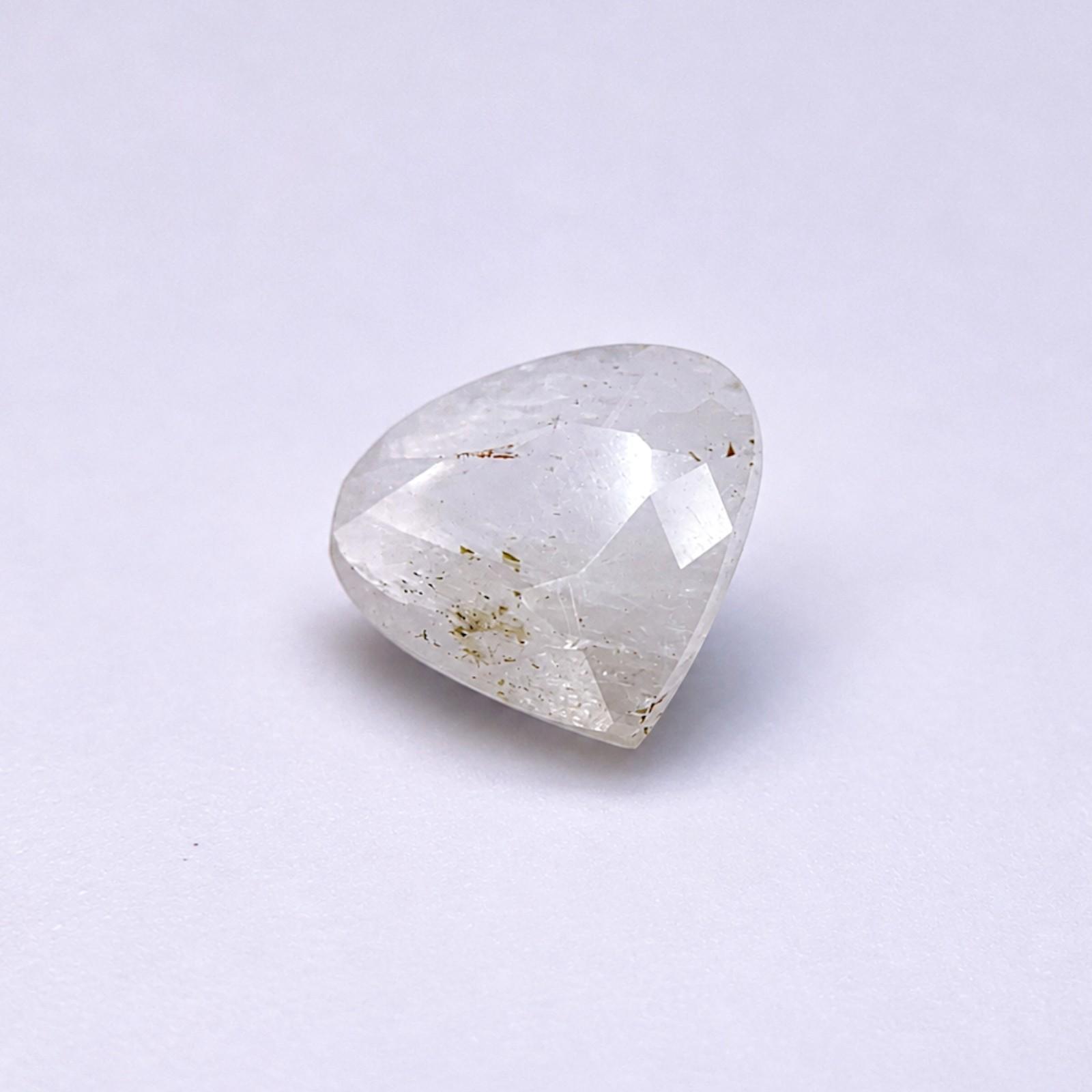
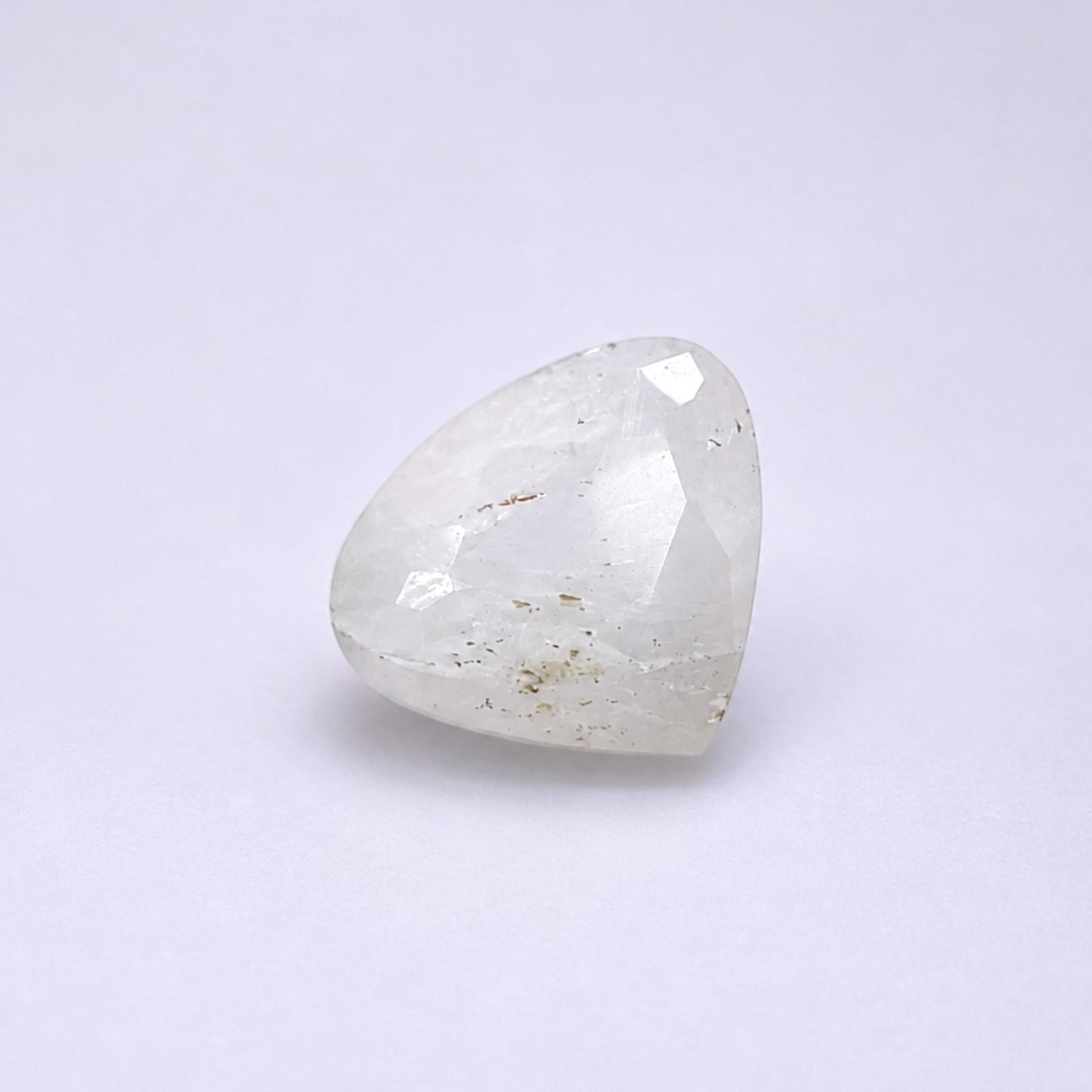
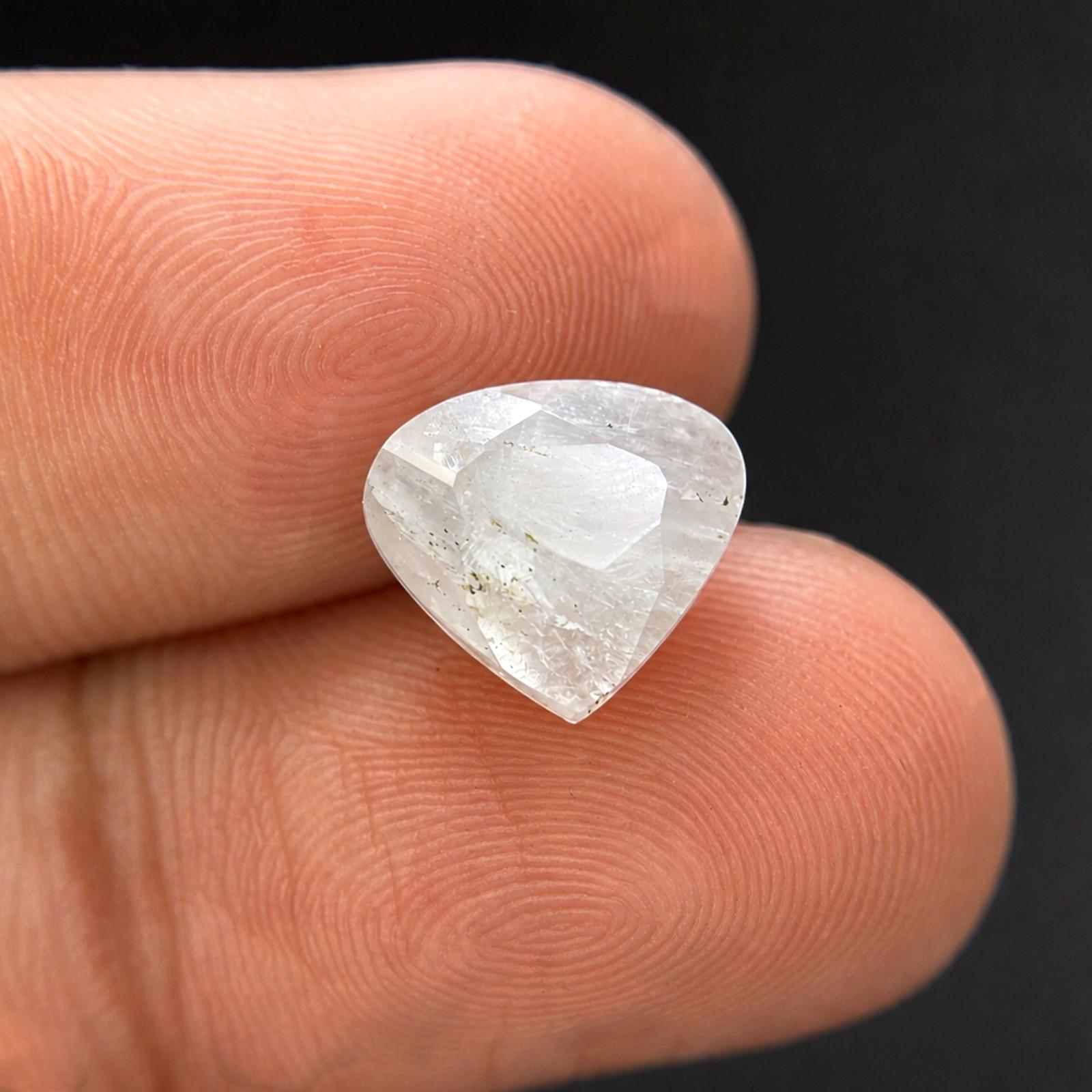
5.00 ct MONTICELLITE – USA
EXPERT VERIFIED
- Expert Verified Gemstone
- Fast Handling & Shipping
- Secure Vault Packaging
$ 220
Offer amount Feild


Smart Collector Choice


Pay with Crypto & Get 10% Automatic Discount

Availability: 1 in stock


- Freakingcats Gemstone Database
Monticellite (USA)
Monticellite from the high-temperature contact metamorphic skarns and calc-silicate marble zones of the United States—most famously the historic contact deposits of Crestmore, California, and Magnet Cove, Arkansas—represents an authoritative, highly structured masterclass in olivine-group calcium-magnesium nesosilicate crystallization. The calcium-dominant analogue of forsterite, it is a species I have always respected for its subtle “honey-amber” to “smoky-flint-gray” tonal discipline and its status as a textbook example of “orthorhombic” structural precision. For the specialist, a fine American Monticellite—whether presenting as sharp, lustrous prismatic crystals embedded in pure white calcite or isolated crystalline nodules within pyrometamorphic contact hornfels—is a prized trophy of extreme thermal metamorphism; it offers a bright vitreous to greasy surface luster and a quietly commanding presence that makes it an indispensable asset for the systematic vault. As an artist, I find the warm, earth-toned contrast between its amber-brown prisms and the stark, sparkling white calc-silicate matrix to be one of nature’s most sophisticated and geometrically disciplined compositions.
The Heritage & Discovery
Historical Significance
Monticellite is a critical index species for decoding the intense temperature regimes, low-pressure decarbonation reactions, and silica-diffusion limits that occur when silica-rich magmatic bodies intrude directly into dolomitic limestones. Historically named in honor of the Italian mineralogist Teodoro Monticelli, the species was first recognized from volcanic ejecta at Mount Vesuvius. However, the discovery of world-class, macrocrystalline monticellite within the pyrometamorphic contact zones of the United States in the late 19th and early 20th centuries provided mineralogists with the finest structural and chemical models of calcium-magnesium skarn petrogenesis ever documented.
Discovery
The unearthing of aesthetic monticellite crystals across classic American localities occurred during detailed geological mapping of limestone contact halos and alkaline intrusive complexes. Scientifically, Monticellite crystallizes in the orthorhombic system within the olivine group, featuring isolated silica tetrahedra linked by alternating octahedral sites specifically ordered between calcium and magnesium. In contact metamorphic deposits—such as the Crestmore quarries—granodioritic intrusions heated dolomitic wall rocks to extreme temperatures, driving off carbon dioxide and precipitating monticellite alongside an exotic suite of rare calcium silicates. My own respect for this material grew from analyzing its structural rarity within the olivine supergroup; unlike standard mantle-derived forsterite, the incorporation of large calcium ions into the crystal lattice requires very specific high-temperature, low-pressure skarn conditions that make macrocrystalline, euhedral prisms a true rarity in systematic collections.
Important Locations
Outstanding expressions of collector-grade monticellite within the United States are centered around several legendary mineralogical deposits. The undisputed benchmark locality is the Crestmore Quarries (Wet Weather and Commercial quarries) in Riverside County, California, internationally celebrated for yielding sharp, lustrous, brown-to-amber prismatic crystals embedded in crystalline blue and white calcite. Equally notable are the high-temperature contact zones of Magnet Cove in Hot Spring County, Arkansas, where monticellite occurs in complex alkaline contact rocks. Additional occurrences have been documented in the contact skarns of the Little Belt Mountains in Montana and select contact marbles in Nevada. For the systematic vault, I prioritize specimens that exhibit sharp, undamaged prismatic crystal outlines, rich honey-amber to clove-brown color saturation, and a clean, high-contrast matrix presentation in crystalline calcite.
Mineralogical Profile
Description
Monticellite is a calcium magnesium nesosilicate mineral belonging to the olivine group that crystallizes in the orthorhombic system. It sits at a robust 5.5 on the Mohs scale, meaning its crystal faces possess moderate hardness but exhibit brittle tenacity and poor cleavage, requiring careful archival handling to protect its crisp crystal edges, terminations, and granular aggregates from mechanical shock or surface abrasion. It is characterized by its bright vitreous to greasy surface luster and a warm, understated color palette dominated by honey-yellow, clove-brown, pale greenish-gray, and smoky yellowish-brown.
One of its most identifying traits is its stout prismatic or granular habit, routinely forming four-to-eight-sided prisms with dome-like terminations or rounded crystalline masses embedded directly in carbonate rock. It possesses a moderate to high refractive index running from approximately 1.638 to 1.680, giving it a lively, glassy internal transmission, and an average specific gravity ranging between 3.05 and 3.27 that reflects its calcium-magnesium silicate architecture. Because it forms almost exclusively during the progressive metamorphism of siliceous dolomites, it is commonly found in close association with Calcite, Forsterite, Grossular Garnet, Diopside, Vesuvianite, Wollastonite, Gehlenite, and Clinohumite. When I select an example for documentation, I look for distinct prismatic crystal boundaries, rich translucent amber color, and a sharp relief against its calc-silicate matrix, as these emphasize the sophisticated, thermal-driven chemistry of the mineral’s metamorphic birth.
Chemical Formula CaMgSiO4


