
5.10 ct ELLESTADITE – USA
EXPERT VERIFIED
- Expert Verified Gemstone
- Fast Handling & Shipping
- Secure Vault Packaging
$ 180
Offer amount Feild


Smart Collector Choice


Pay with Crypto & Get 10% Automatic Discount

Availability: 1 in stock
Gemstone Details
Gem Variety:
Ellestadite
Origin:
USA
Carat Weight:
5.10
Length (mm):
12.00
Width (mm):
9.80
Depth (mm):
6.30
Shape:
Cushion
Color
Bi-Color/Multicolor
Treatment:
No Treatment
Certificate:
On Request
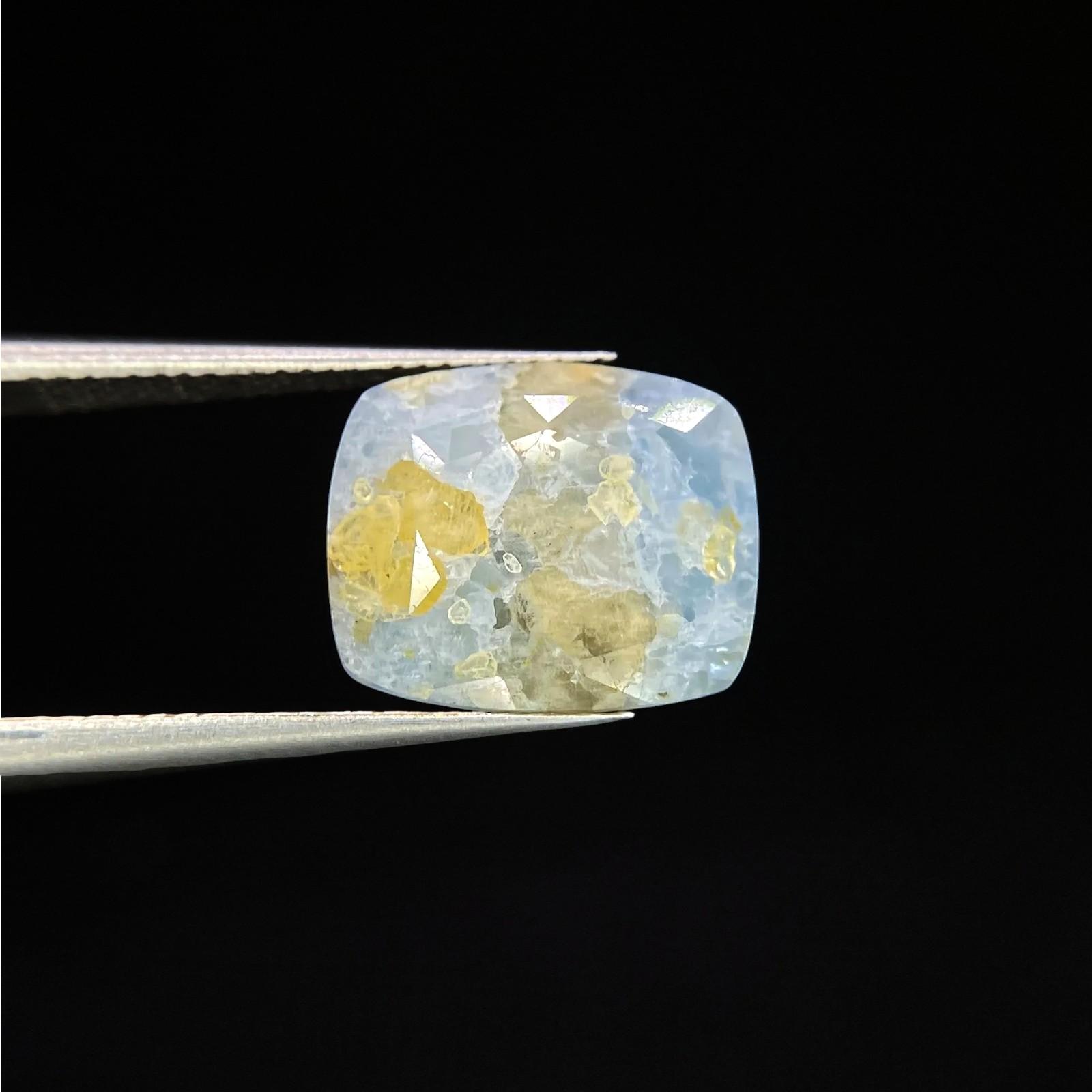
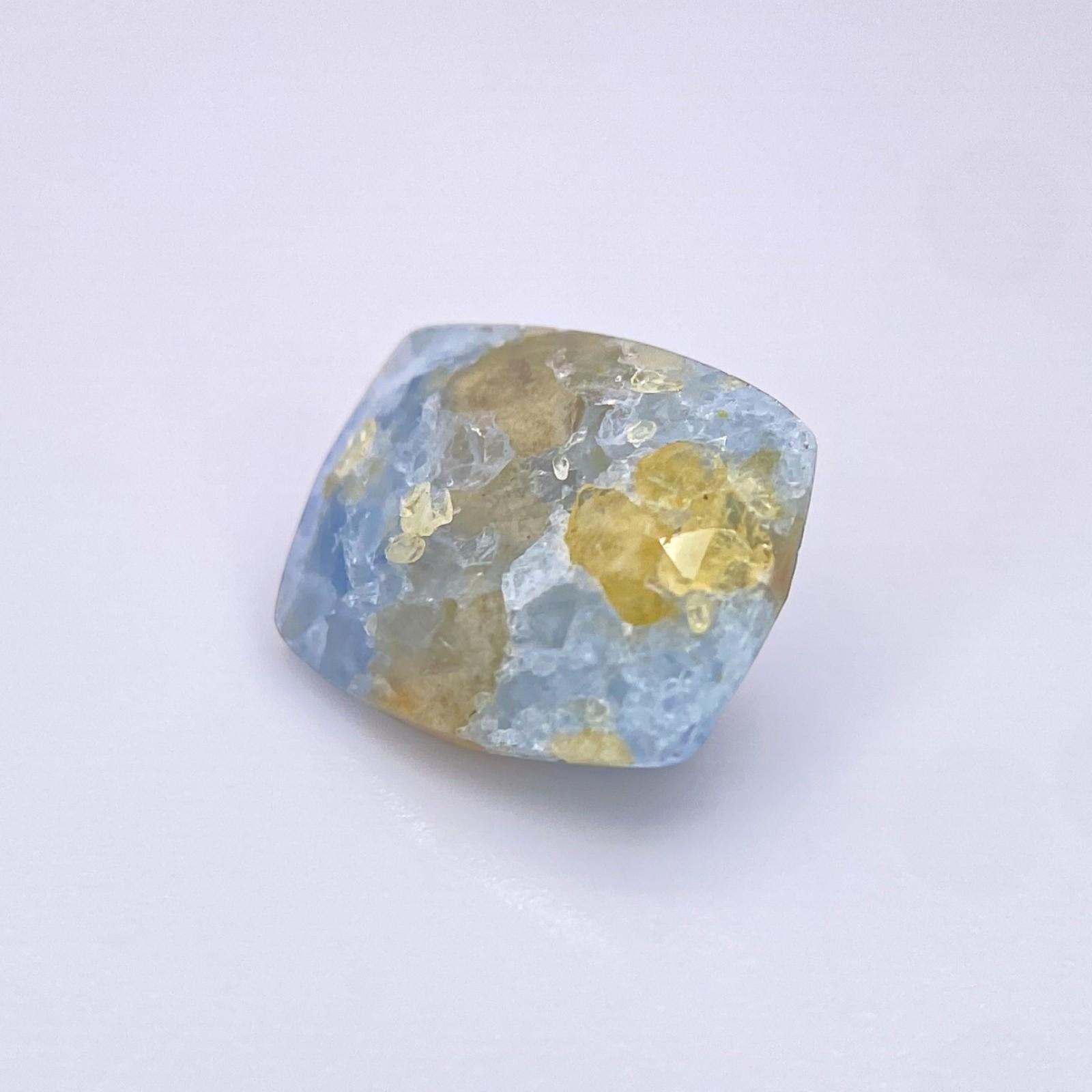
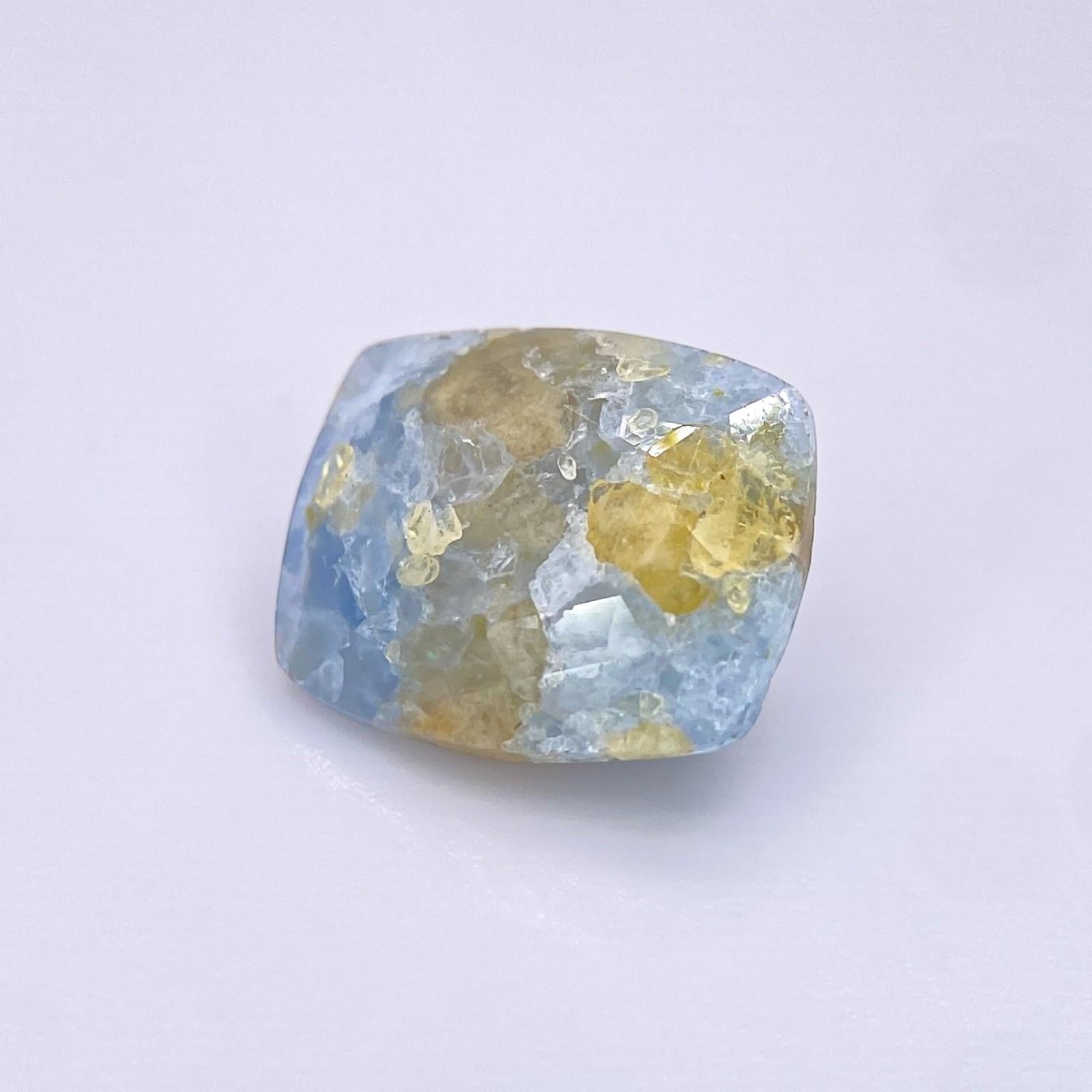
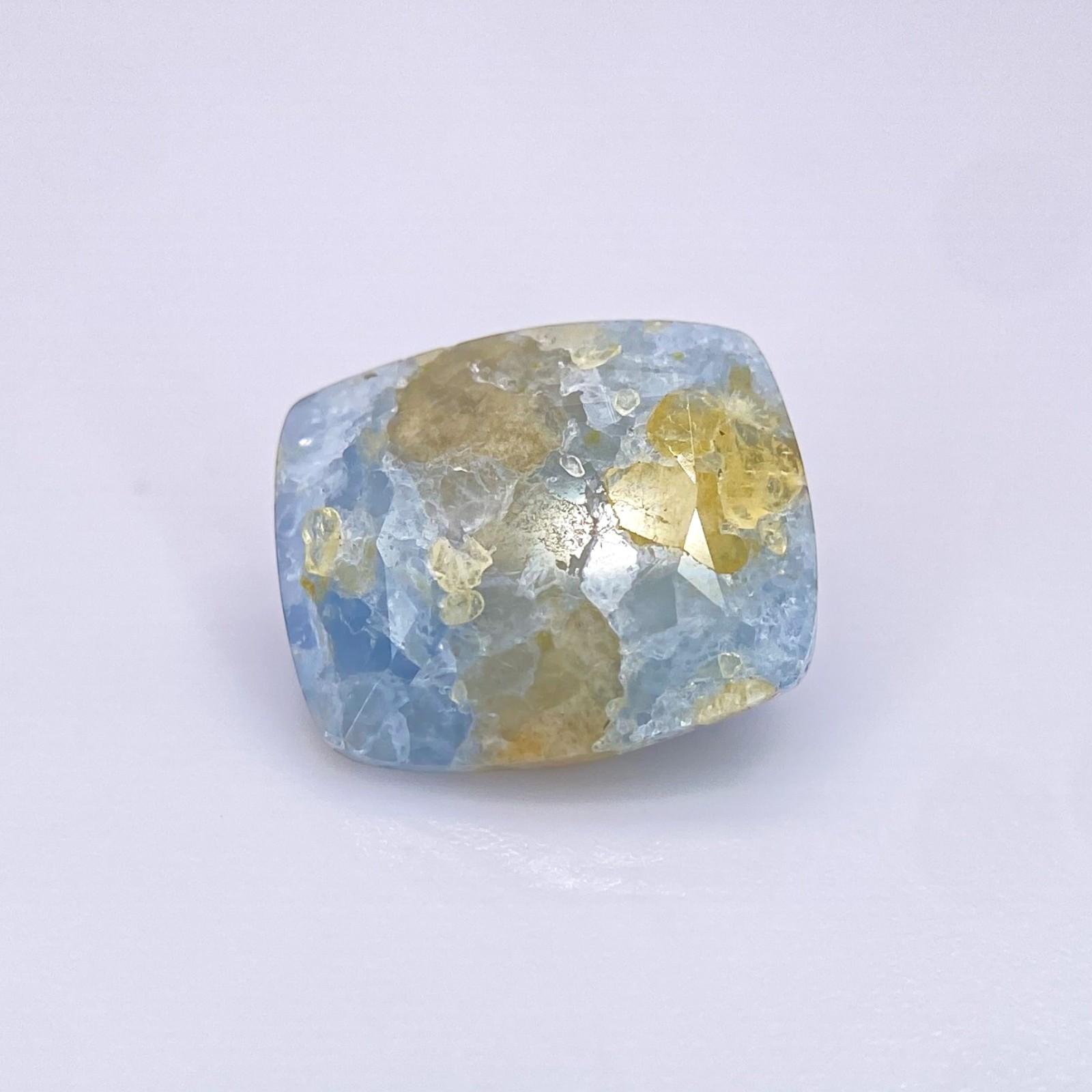
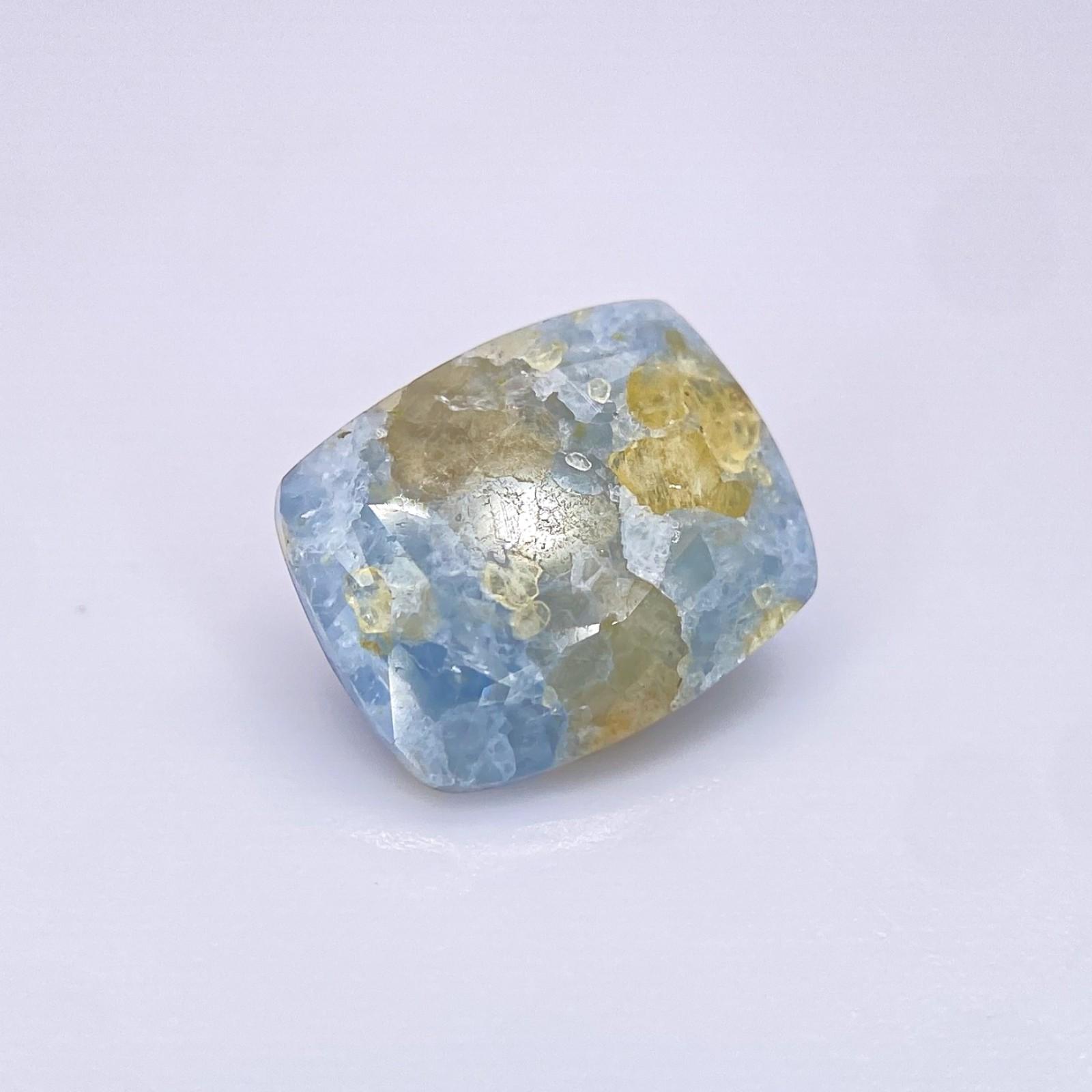
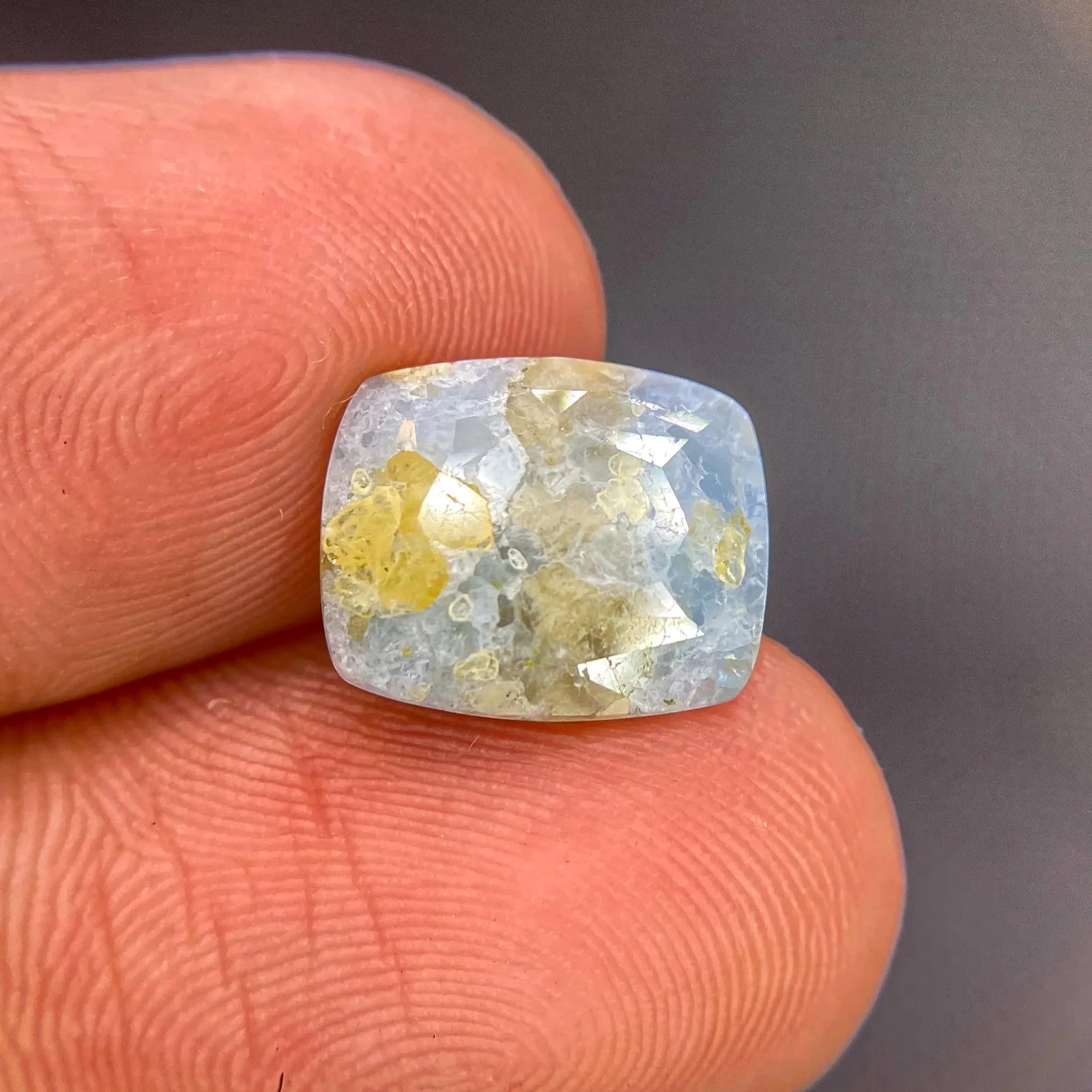
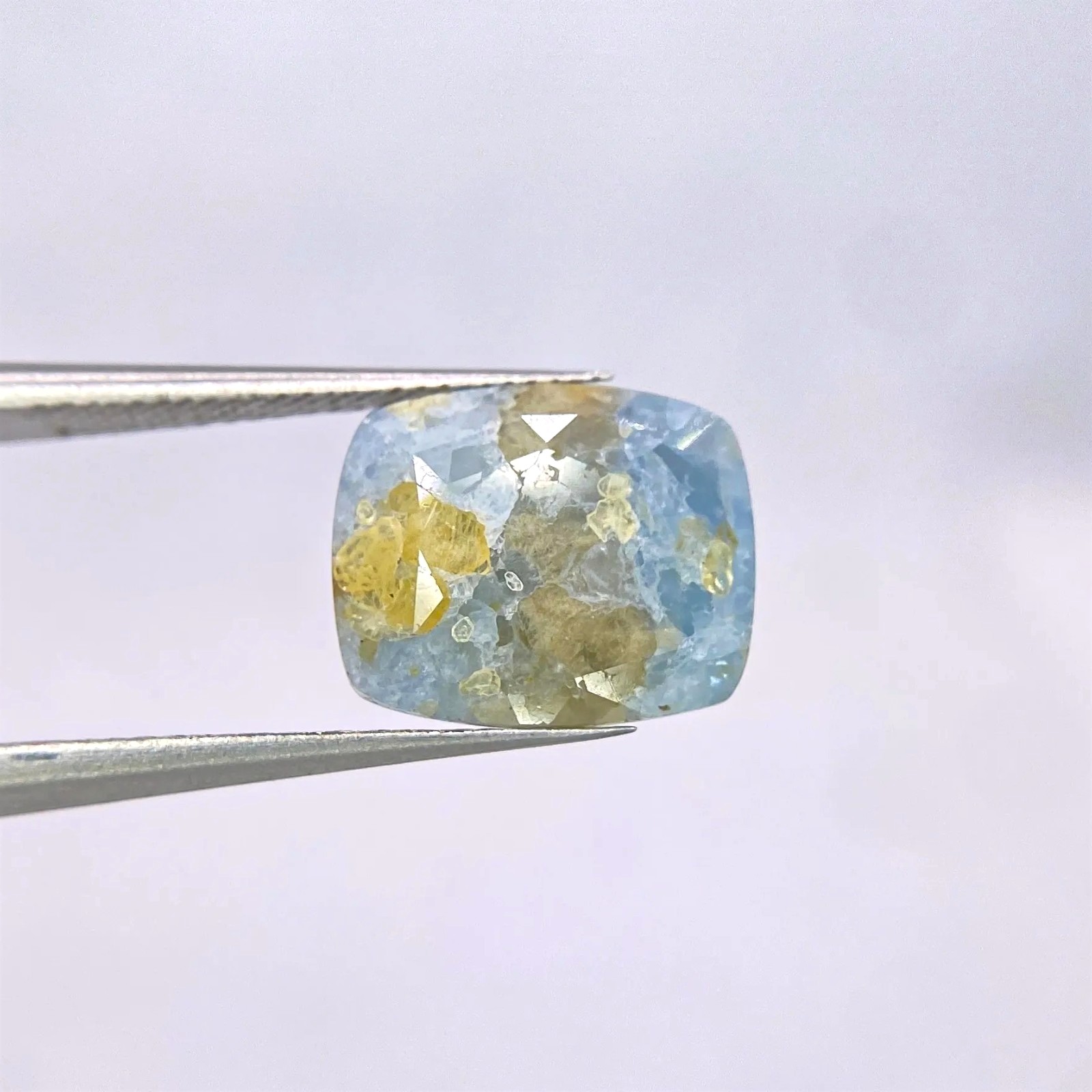
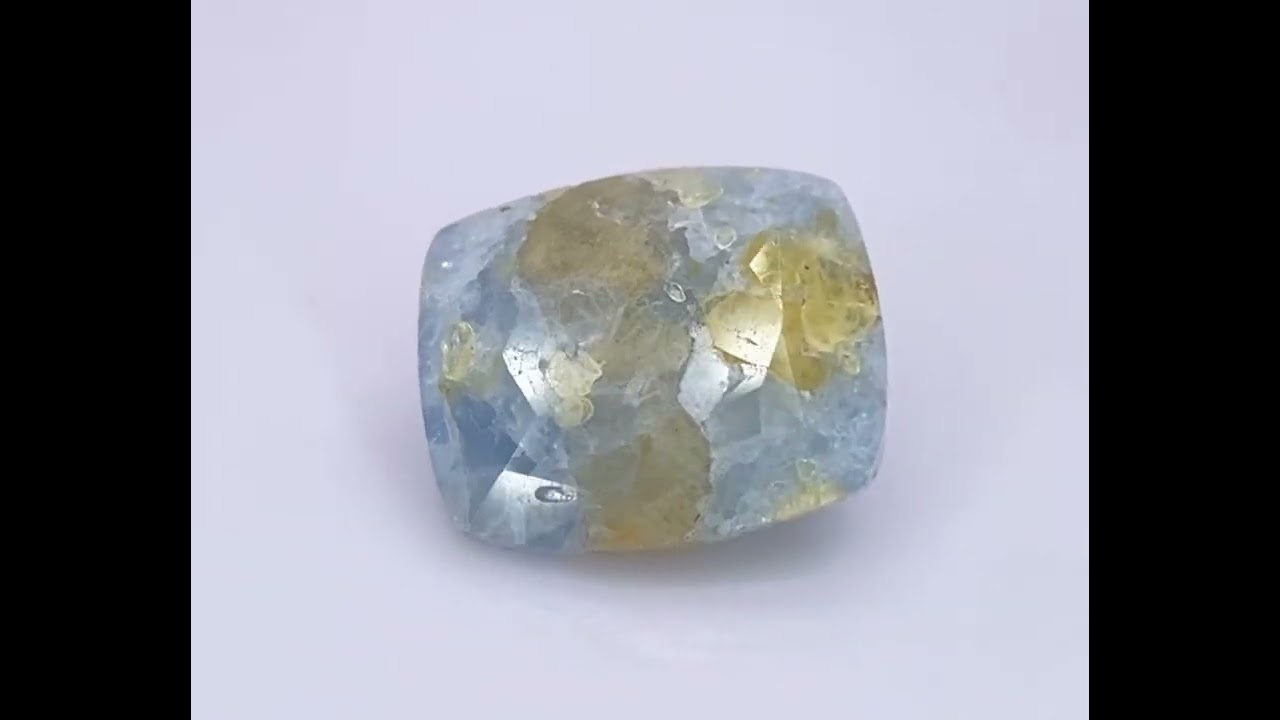


- Freakingcats Gemstone Database
Ellestadite (USA)
Ellestadite from the extreme pyrometamorphic calc-silicate skarns and contact marble zones of the United States—most famously the historic Commercial and Wet Weather quarries at Crestmore, Riverside County, California—represents one of the most chemically fascinating and crystallographically advanced members of the apatite supergroup. A calcium silicate-sulfate mineral belonging to the ellestadite group (predominantly hydroxylellestadite and fluorellestadite), it is a species I have always respected for its subtle “pale-sea-green” to “soft-sky-blue” and “porcelain-white” tonal balance, remarkable crystal discipline, and its status as a premier textbook benchmark of “hexagonal” structural tolerance. For the specialist, a fine American Ellestadite—whether presenting as sharp, slender hexagonal prisms embedded in glistening crystalline calcite, radiating crystalline sheaves, or dense veinlets associated with rare high-temperature skarn silicates—is a prized trophy of intense thermal decarbonation and volatile metasomatism; it offers a bright vitreous to sub-resinous surface luster and an authoritative presence that makes it an indispensable rare-species anchor for the systematic vault. As an artist, I find the delicate, pastel contrast between its cool greenish-blue prisms and the stark, sparkling white marble matrix to be one of nature’s most sophisticated and understated calc-silicate compositions.
The Heritage & Discovery
Historical Significance
Ellestadite is an indispensable index species for decoding extreme pyrometamorphic conditions, sulfur-silicon coupled substitutions, and fluid-transport vectors in high-temperature, low-pressure contact skarns. Historically named in 1937 by Duncan McConnell in honor of Dr. Reuben B. Ellestad, a distinguished analytical chemist and geochemist at the University of Minnesota, the mineral established an unprecedented crystallographic milestone: it demonstrated that the phosphorus in standard apatite (PO43-) can be completely replaced by a 1:1 coupled substitution of silicon (SiO44-) and sulfur (SO42-) while fully maintaining the hexagonal apatite framework. The Crestmore quarries in California, serving as the type locality for the original species, provided mineralogists with an unrivaled natural laboratory, firmly establishing the United States as the global benchmark for this exotic mineral group.
Discovery
The unearthing of macrocrystalline ellestadite across classic American localities occurred during detailed petrological and mineralogical investigations of limestone contact zones altered by quartz monzonite and granodiorite intrusions. Scientifically, Ellestadite crystallizes in the hexagonal system (typically space group P63/m, though pseudomorphic or lower monoclinic symmetries can occur depending on halogen ordering). At Crestmore, extreme thermal metamorphism heated siliceous and sulfate-bearing dolomitic limestones, driving off carbon dioxide and triggering complex metasomatic fluid exchanges where silica and sulfate joined in equal proportions to construct the tetrahedral backbone of the lattice. When trace transition elements substitute into calcium or channel sites, the mineral exhibits delicate coloration ranging from pale green to soft blue and cream. My own respect for this material grew from analyzing its structural identity under the petrographic microscope; specifically, observing its crisp hexagonal cross-sections and clean basal parting embedded in coarse calcite confirms a structural precision that is deeply satisfying to the trained eye.
Important Locations
The undisputed type locality and global benchmark for museum-grade ellestadite is the Crestmore Quarries (Wet Weather and Commercial quarries) in the Jurupa Mountains, Riverside County, California. In these legendary pyrometamorphic contact zones, ellestadite occurs as slender hexagonal prisms, granular masses, and crystalline veinlets intimately associated with blue and white calcite, idocrase (vesuvianite), and wollastonite. Equally notable occurrences have been documented in the high-temperature calc-silicate skarns of the Little Belt Mountains in Montana, where sharp prismatic crystals have been identified, as well as select contact metasomatic deposits in Utah and Arizona. For the systematic vault, I prioritize specimens that exhibit sharp, unbroken hexagonal prism geometry, distinct pastel-green or soft-blue coloration, clean crystal separation, and a pristine matrix anchor in coarse crystalline calcite.
Mineralogical Profile
Description
Ellestadite is a calcium silicate-sulfate hydroxide/fluoride/chloride mineral belonging to the ellestadite group within the apatite supergroup, crystallizing in the hexagonal system. It sits at a moderate 4.5 to 5 on the Mohs scale, meaning its crystal surfaces possess moderate firmness but exhibit brittle tenacity and indistinct cleavage (with fair basal parting parallel to {0001}), requiring careful archival handling to protect its delicate hexagonal terminations, slender prisms, and granular contacts from mechanical shock or sharp physical abrasion. It is characterized by its bright vitreous to greasy surface luster and a gentle, refined color palette dominated by pale sea-green, soft sky-blue, yellowish-gray, cream-tan, and porcelain-white.
One of its most identifying traits is its elongated prismatic habit, routinely forming slender, six-sided hexagonal columns, radiating fibrous clusters, or compact granular aggregates embedded directly in metamorphosed carbonate rock. It possesses a moderate refractive index running from approximately 1.635 to 1.655, giving its crystal faces a clean, glassy optical depth, and an average specific gravity ranging between 3.00 and 3.15 that reflects its calcium-silicate-sulfate framework. Because it forms almost exclusively in high-temperature pyrometamorphic skarns and altered dolomites, it is commonly found in close association with Calcite, Vesuvianite (Idocrase), Wollastonite, Grossular Garnet, Diopside, Monticellite, Gehlenite, and Cuspidine. When I select an example for documentation, I look for well-defined hexagonal prism faces, delicate natural coloration, and sharp visual contrast against crystalline marble matrix, as these emphasize the sophisticated, pyrometamorphic chemistry of the mineral’s dramatic subterranean birth.
Chemical Formula
Ca10(SiO4)3(SO4)3(OH,F,Cl)2 (Silicate-Sulfate Apatite Group)


