
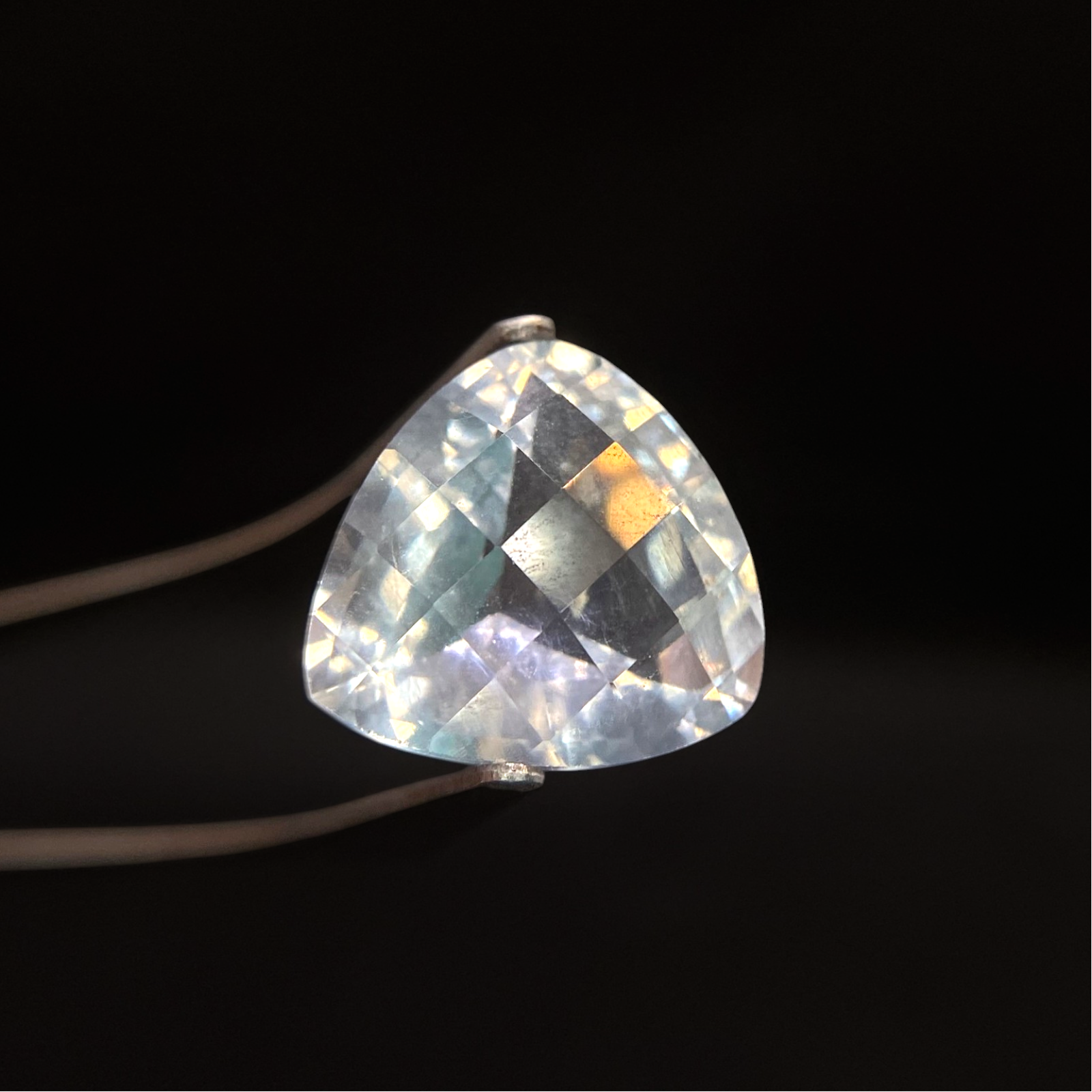
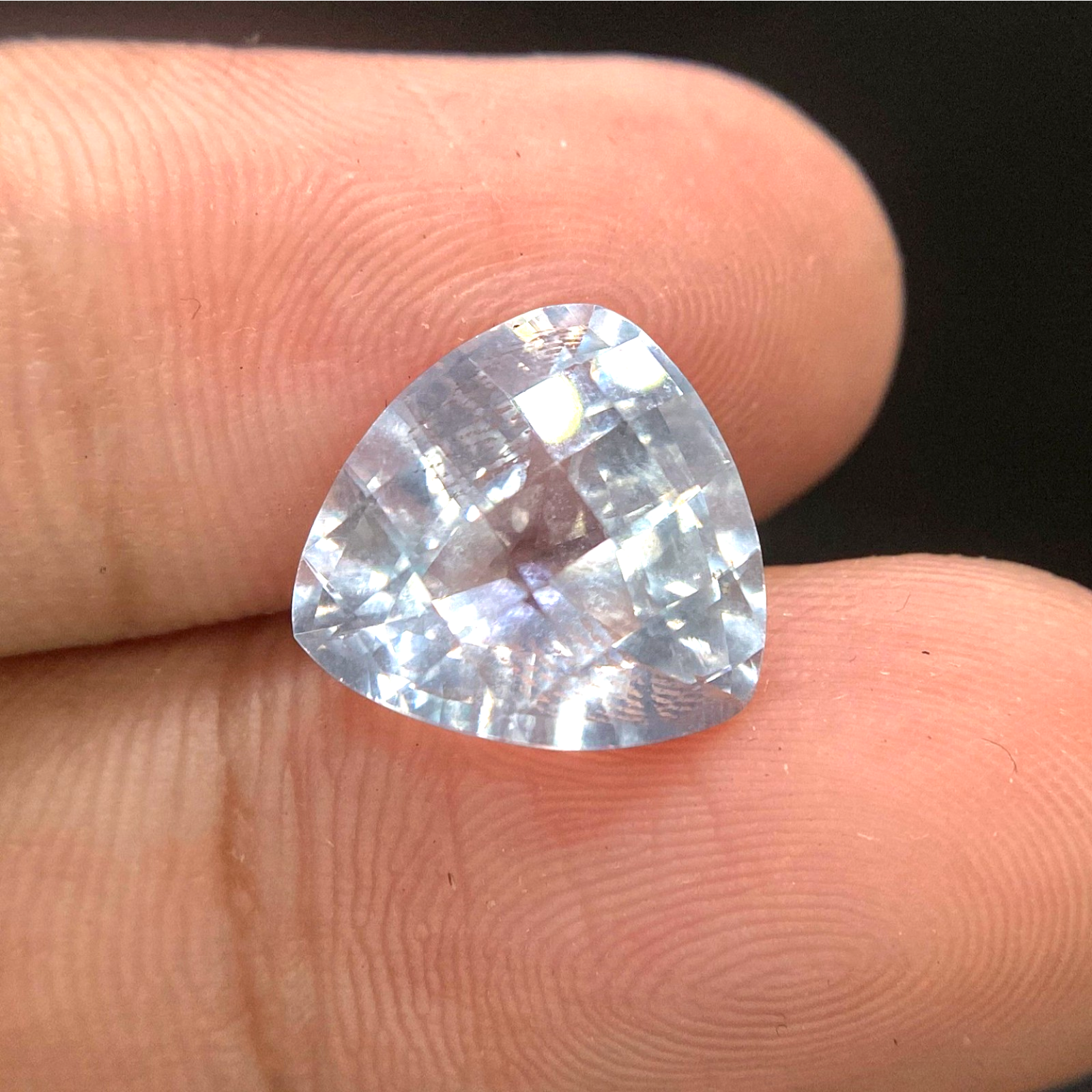
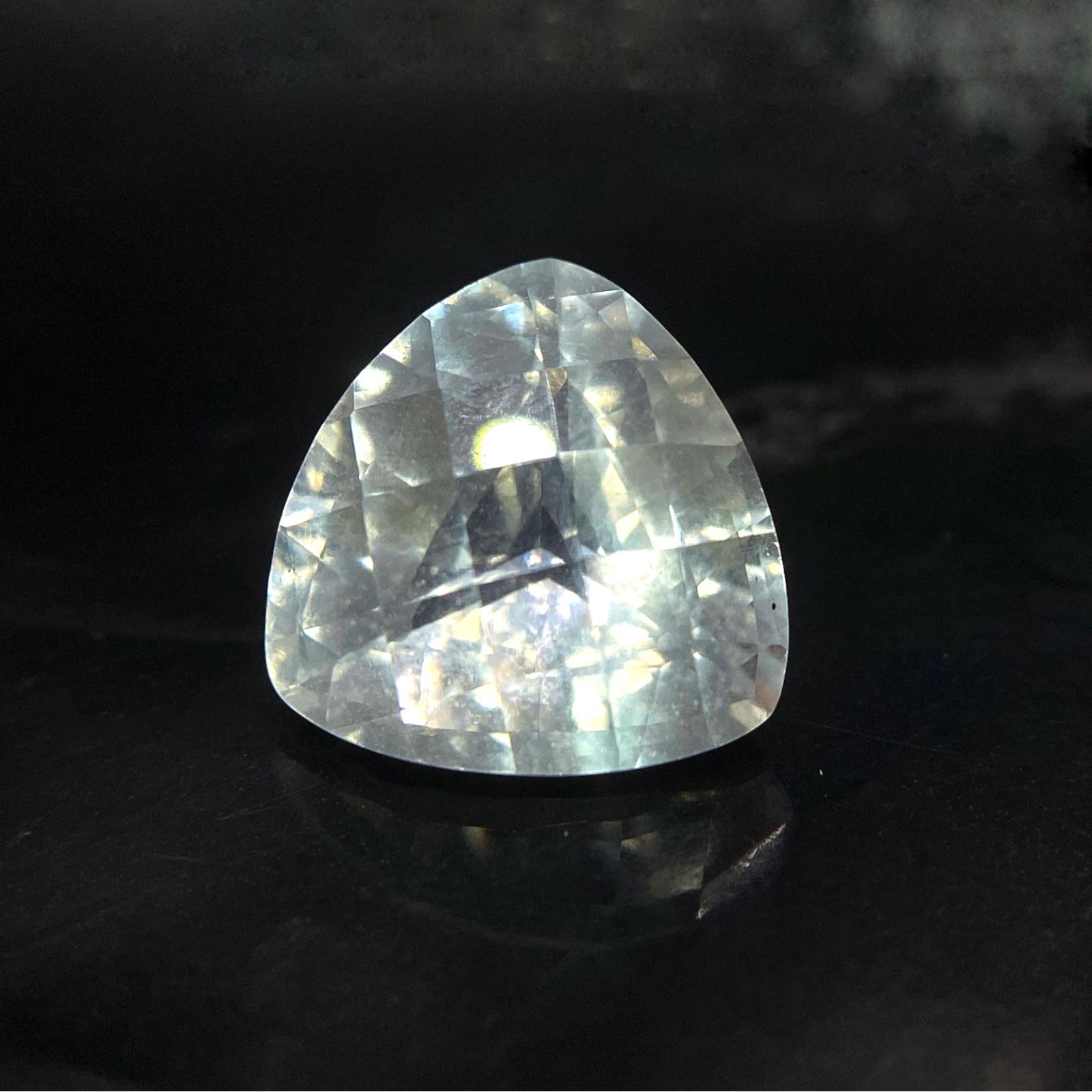
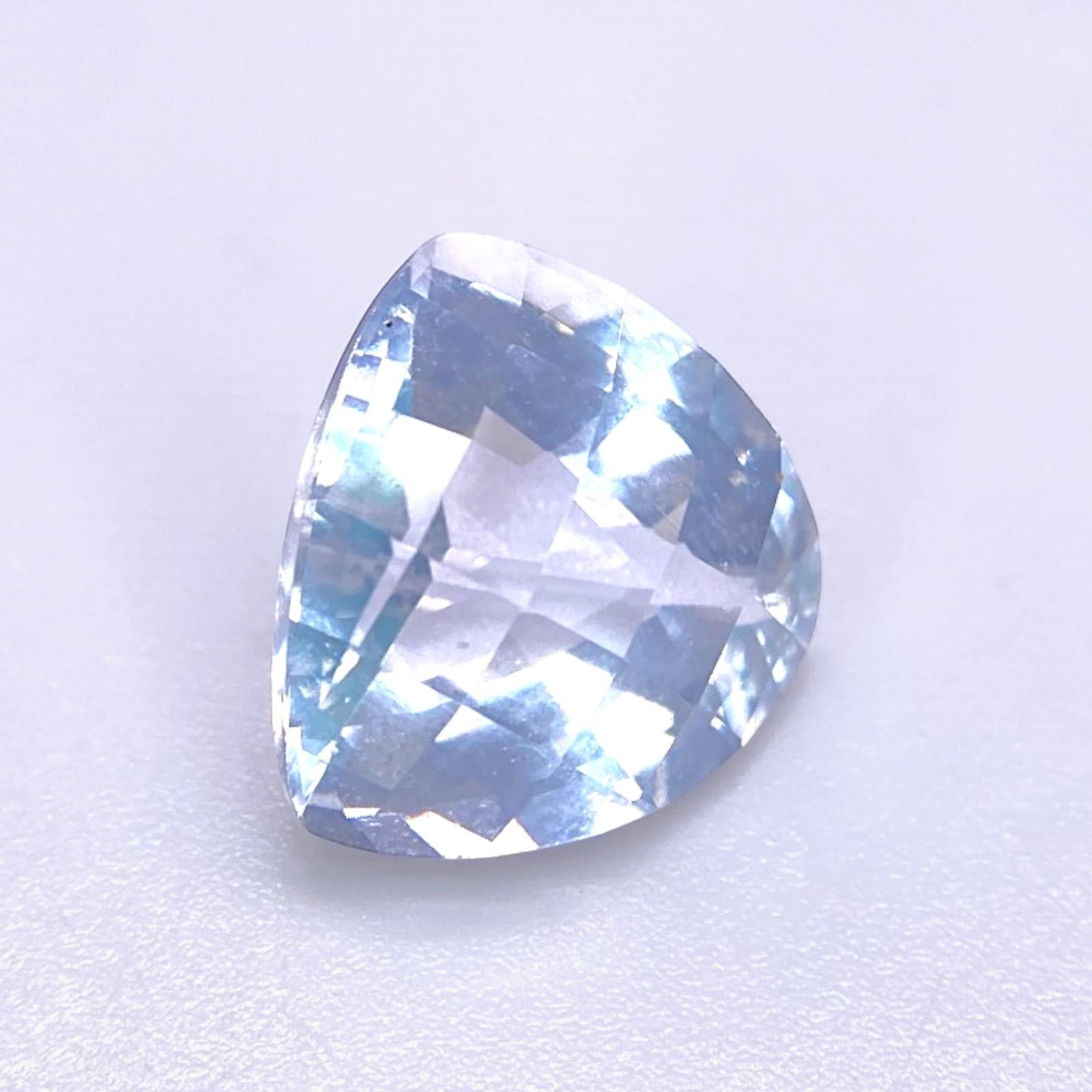
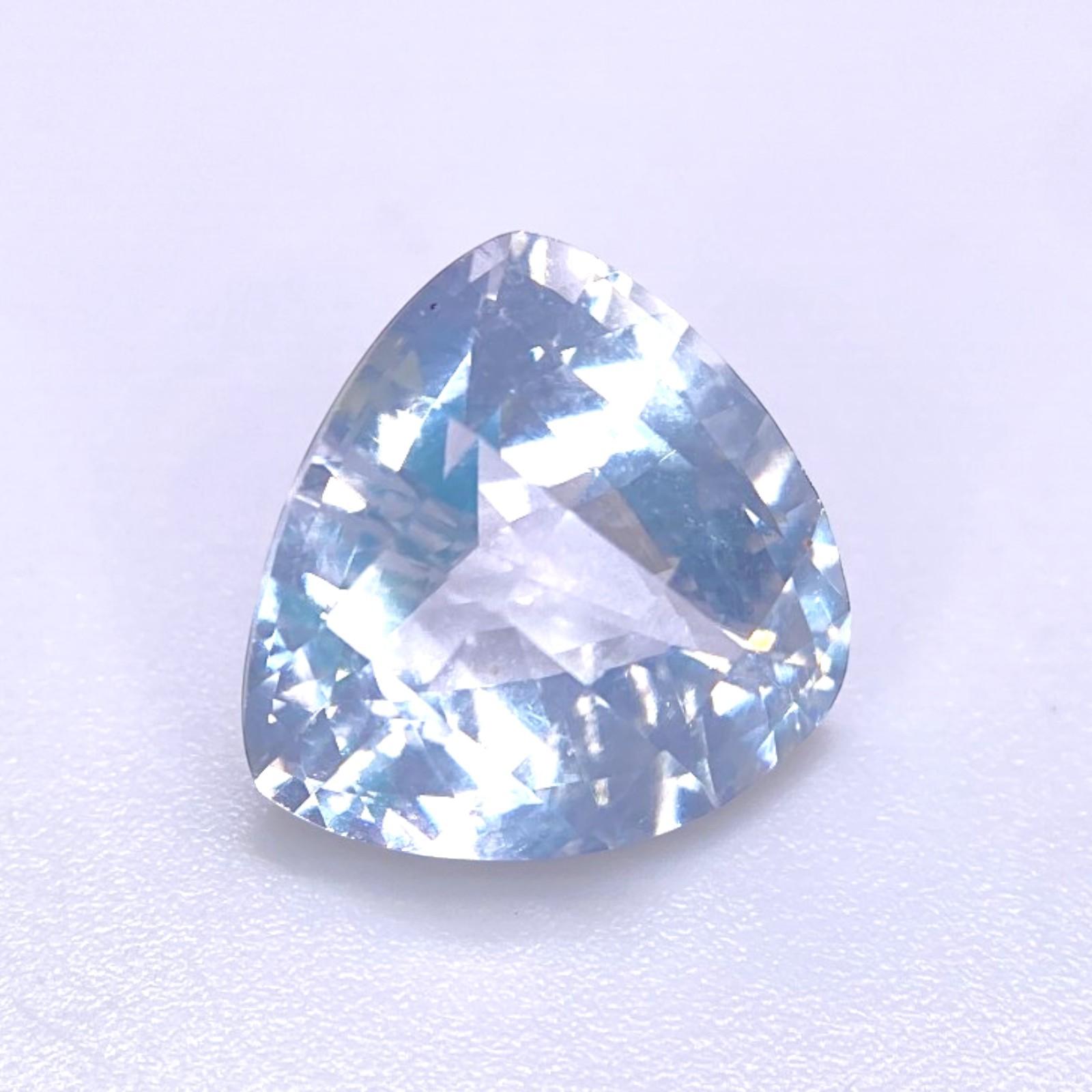
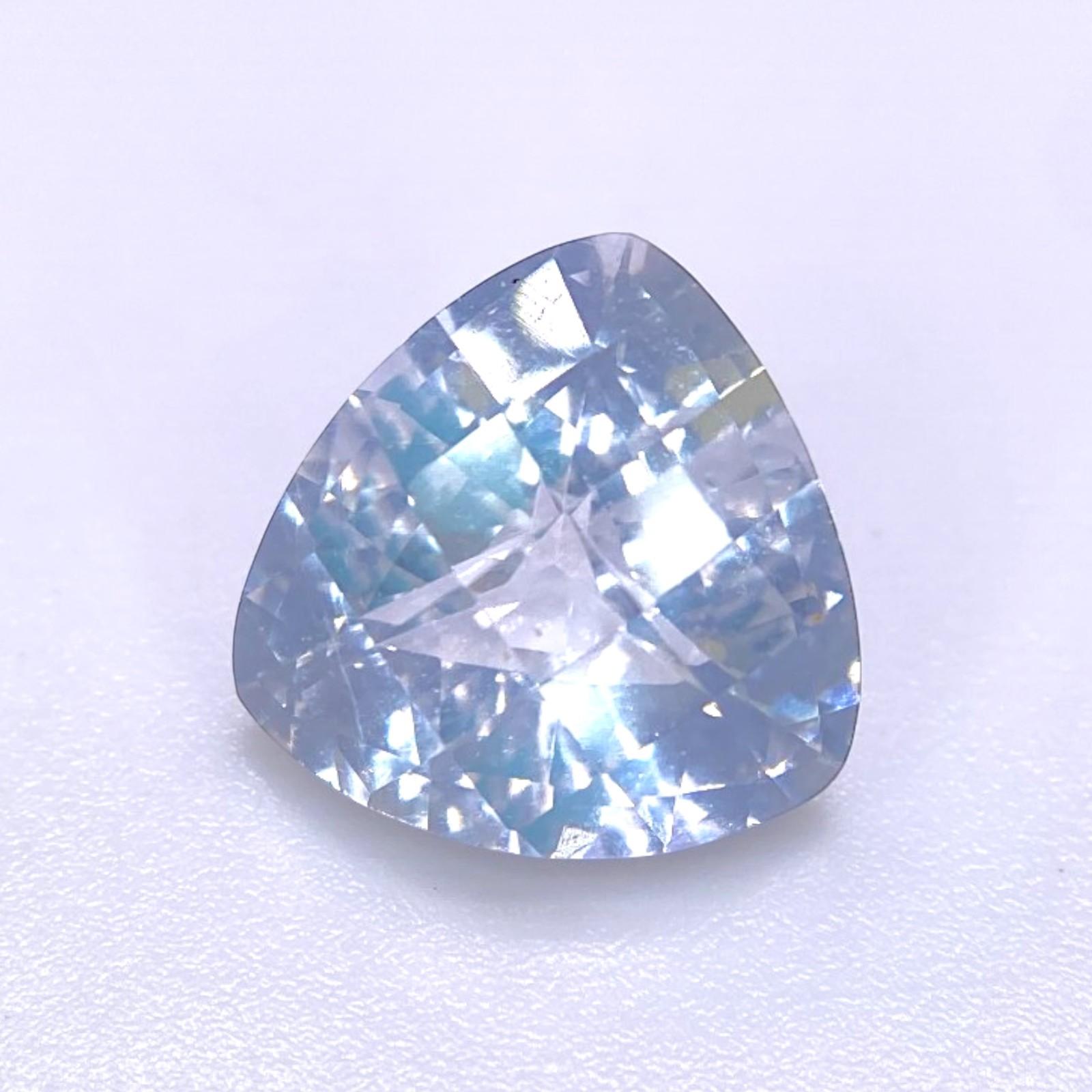
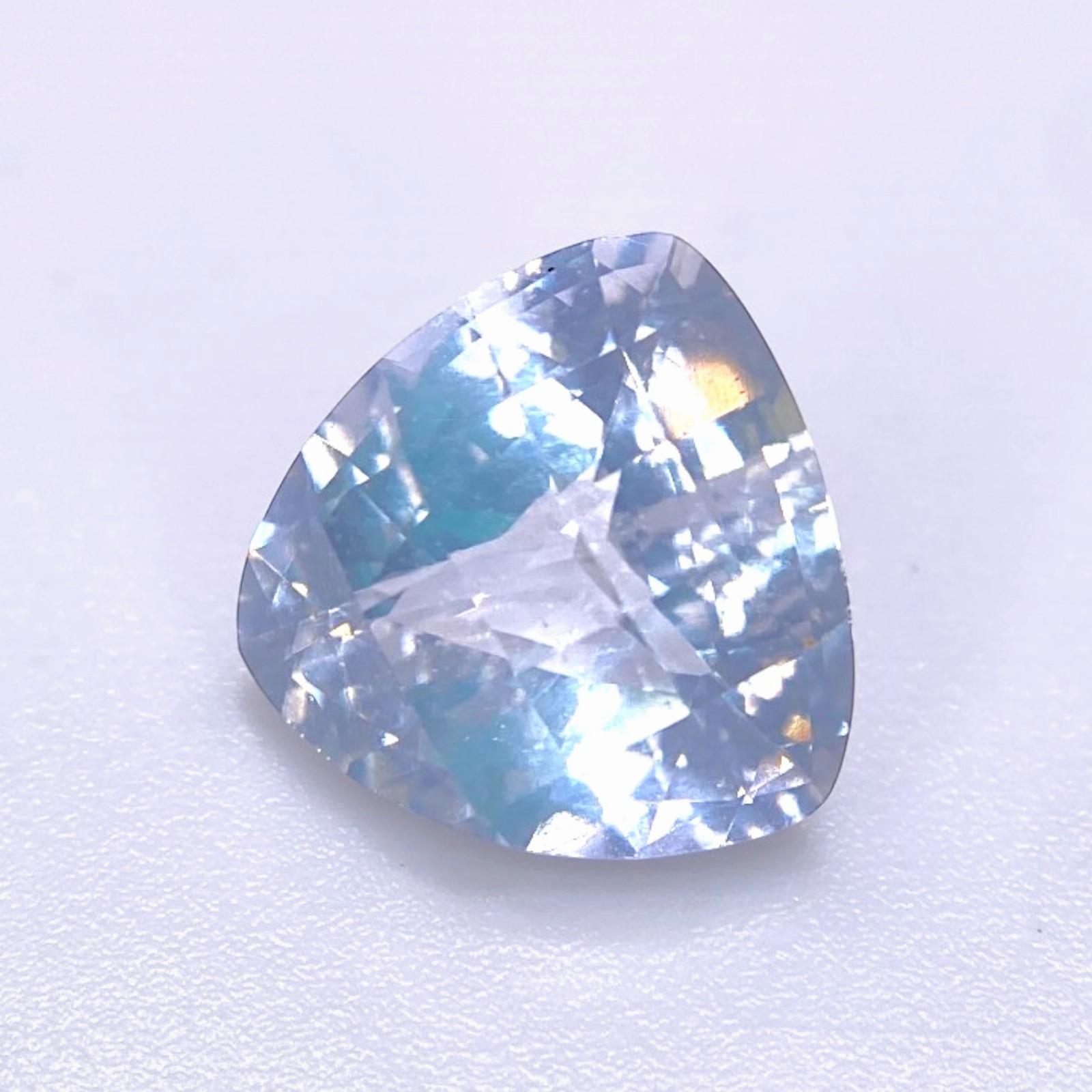
6.30 ct IOLITE – SRI LANKA
EXPERT VERIFIED
- Expert Verified Gemstone
- Fast Handling & Shipping
- Secure Vault Packaging
$ 490
Offer amount Feild


Smart Collector Choice


Pay with Crypto & Get 10% Automatic Discount

Availability: 1 in stock


- Freakingcats Gemstone Database
Iolite (Sri Lanka)
Iolite from the classic alluvial gravels of Sri Lanka represents the absolute global apex of extreme, light-splitting trichroism and celestial, violet-blue energy. The gem-grade variety of the mineral cordierite, it is a species I have always respected for its “electric-indigo” to “pale-water-neon” shift and its status as a masterpiece of “orthorhombic” structural discipline. For the specialist, a top-tier Sri Lankan Iolite—traditionally referred to as “Water Sapphire” due to its deceptive color transitions—is a prize of high-grade regional metamorphism; it offers a brilliant vitreous luster and an exceptionally radiant optical depth that makes it a true asset for the systematic vault. As an artist, I find the stark, dynamic shift between its deep, violet-blue profile and its water-clear, yellowish-gray tones under varying angles of view to be one of nature’s most sophisticated and transformative palettes.
The Heritage & Discovery
Historical Significance
Iolite is an essential index species for decoding the localized pressure, temperature, and magnesium-aluminum dynamics that define regional metamorphic terrains. Historically, it holds a legendary place in ancient navigation lore, famously dubbed the “Viking Compass” because thin, cleaved plates of the mineral were used as polarizing filters to locate the exact position of the sun on overcast northern seas. In the world of fine collectibles and loose gems, Sri Lanka has provided science with some of the most optically pure material ever documented, standing as an ancient symbol of structural focus and deep-sea saturation. It serves as a striking reminder that the breakdown of ancient argillaceous sediments can refine complex aluminosilicates into extraordinary, light-shifting crystalline treasures.
Discovery
While cordierite was formally cataloged in Europe during the early 19th century and named after the French geologist Louis Cordier, the extraction of its gem-quality variety from the rich alluvial basins of Ceylon dates back to antiquity. Scientifically, its complex framework contains structural channels that accommodate varying amounts of water and alkali ions, which directly stabilize its lattice alongside structural iron that activates its signature violet hue. The discovery of these unique island deposits provided mineralogists with spectacular, waterworn crystalline masses that showcase a radical, directional pleochroism. My own respect for this material grew from observing this diagnostic optical behavior; specifically, the way a single crystal shifts from a saturated, royal violet-blue along one axis to a completely colorless or straw-yellow appearance when rotated ninety degrees is a visual impact that is unmistakable to the trained eye.
Important Mines
The undisputed historical capital for aesthetic, waterworn expressions of this species remains the legendary gemstone gravels (illam) of the Ratnapura district in the Sabaragamuwa Province, Sri Lanka. Prolific alluvial beds spanning Rakwana, Balangoda, and Elahera consistently yield elite, gem-grade crystal nodules from beneath weathered metamorphic horizons. For the vault, I prioritize specimens that exhibit intense, uniform indigo saturation along the primary viewing axis combined with exceptional internal clarity, as they represent a highly stable, pristine masterpiece of deep-crustal geology.
Mineralogical Profile
Description
Iolite is a magnesium aluminum silicate mineral that crystallizes in the orthorhombic system. It sits at a robust 7 to 7.5 on the Mohs scale, meaning its tough, durable surfaces are highly resistant to physical abrasion and require only standard archival handling to safeguard its smooth vitreous faces. It is characterized by its bright vitreous luster and an unmistakable, “violet-blue, deep indigo, to pale smoky-gray” color palette.
One of its most identifying traits is its distinct cleavage parallel to the brachy-pinacoid, often forming short prismatic columns, compact granular blocks, or smooth, stream-etched pebbles that trace old metamorphic trends through ancient drainage basins. It possesses a moderate refractive index running from approximately 1.530 to 1.550, which contributes to its soft internal color depth, and a relatively light average specific gravity ranging between 2.56 and 2.66. Because it originates in aluminum-rich regional metamorphic environments like gneisses and schists, it is commonly found in close association with Quartz, Biotite, Sillimanite, Andalusite, Garnet, and Feldspar. When I select a piece for the collection, I look for highly transparent, clean color blocks or pristine, crystal fragments with obvious, unblemished pleochroic axes, as these maximize the sophisticated, light-reactive chemistry of the mineral’s ancient birth.
Chemical Formula
Mg2Al4Si5O18


