
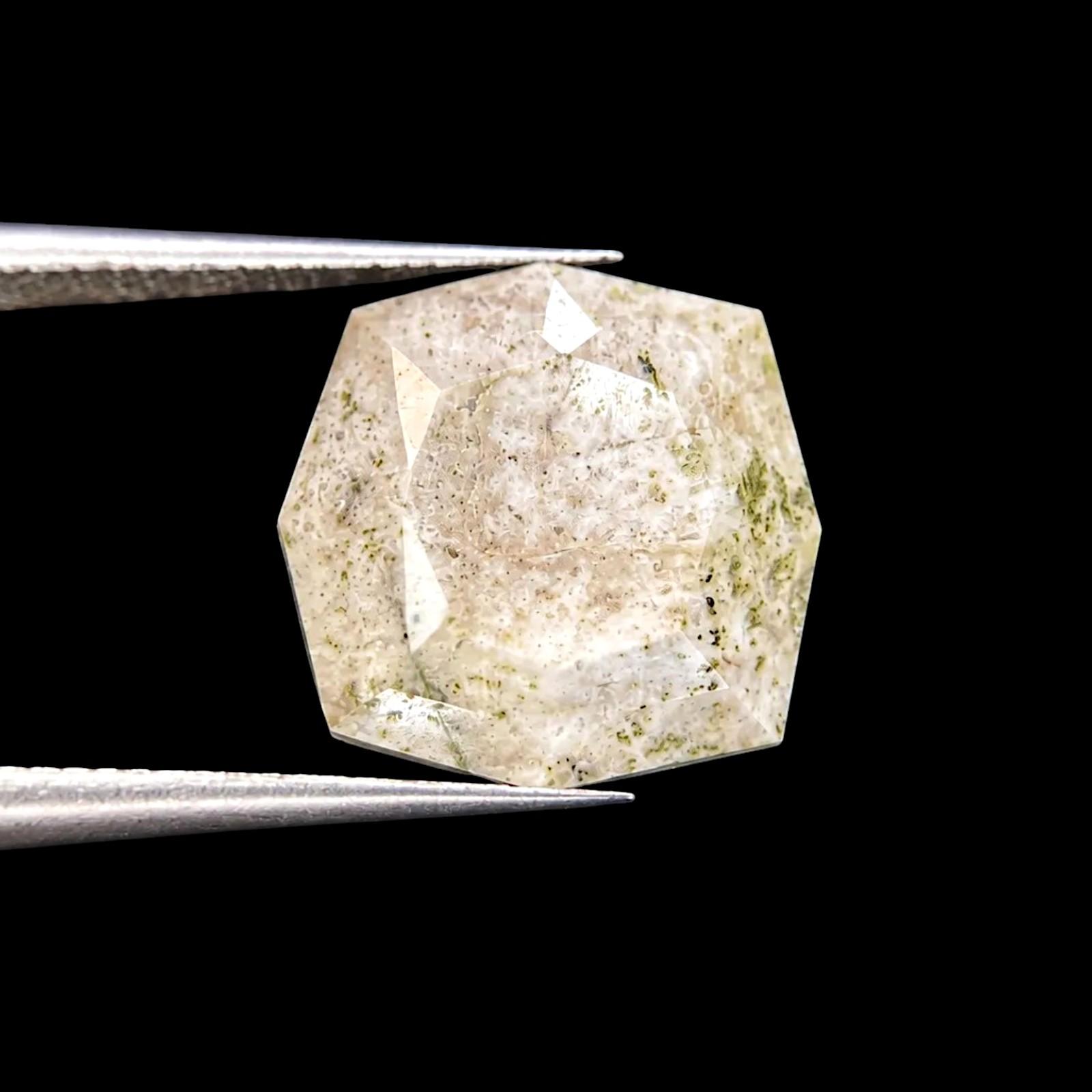
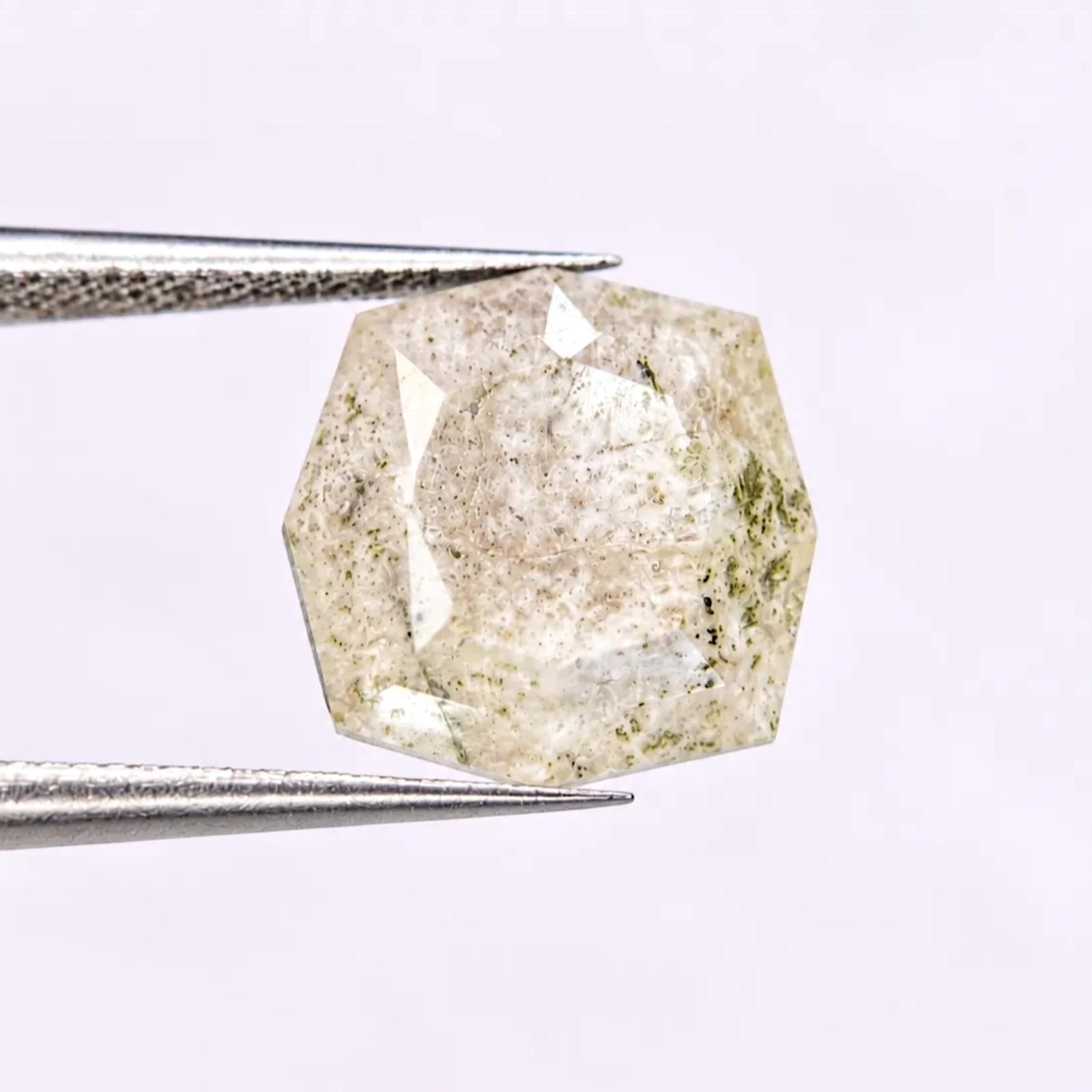
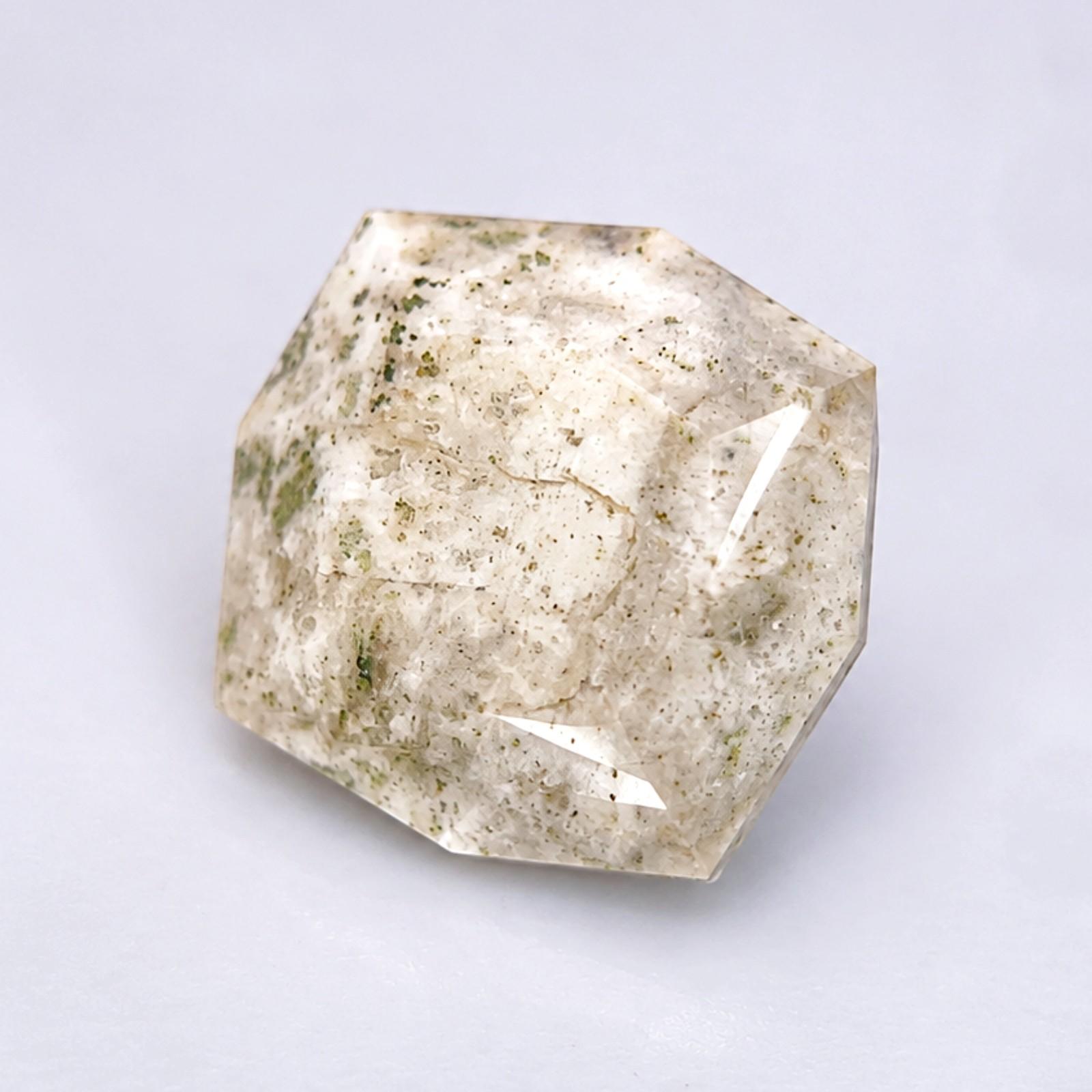
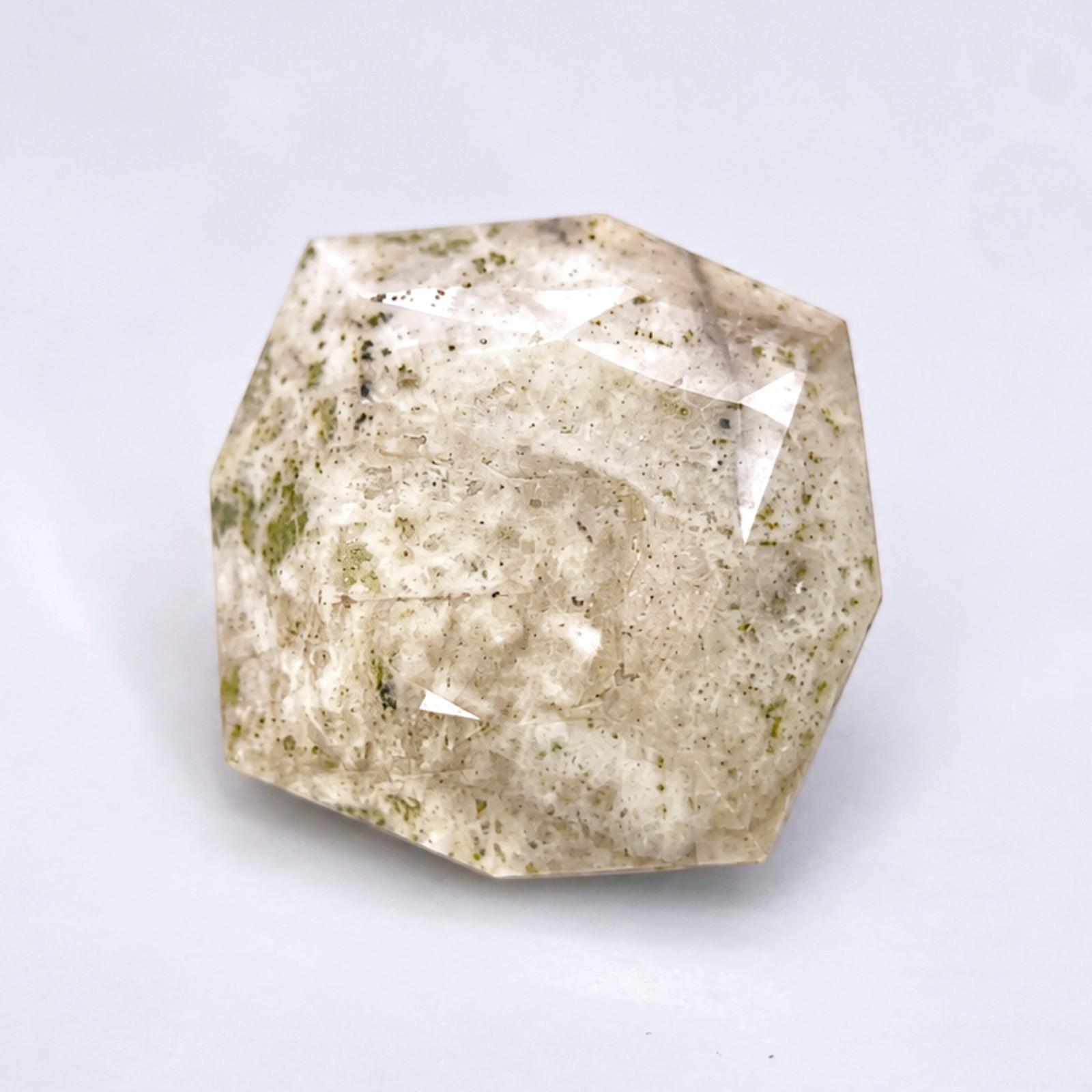
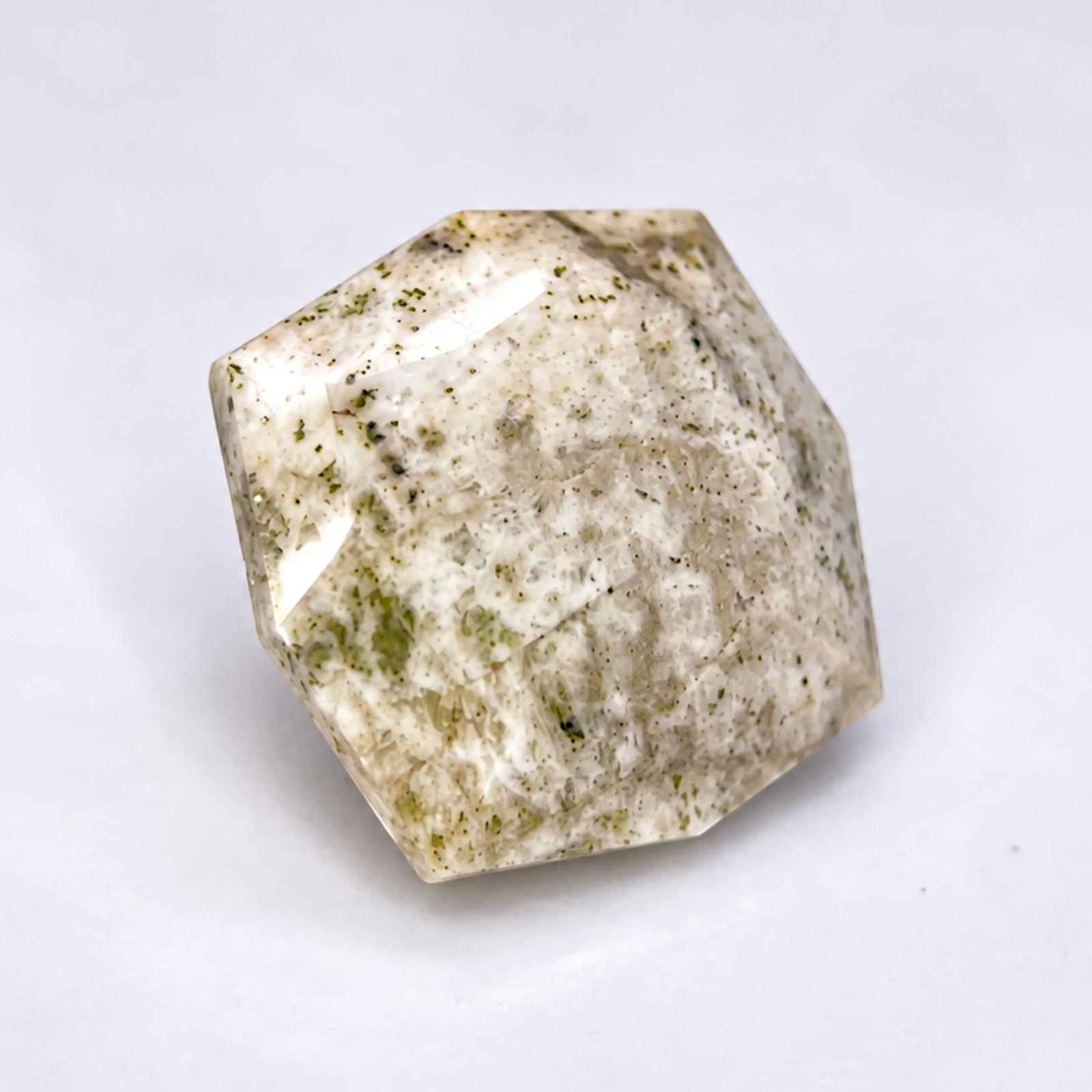
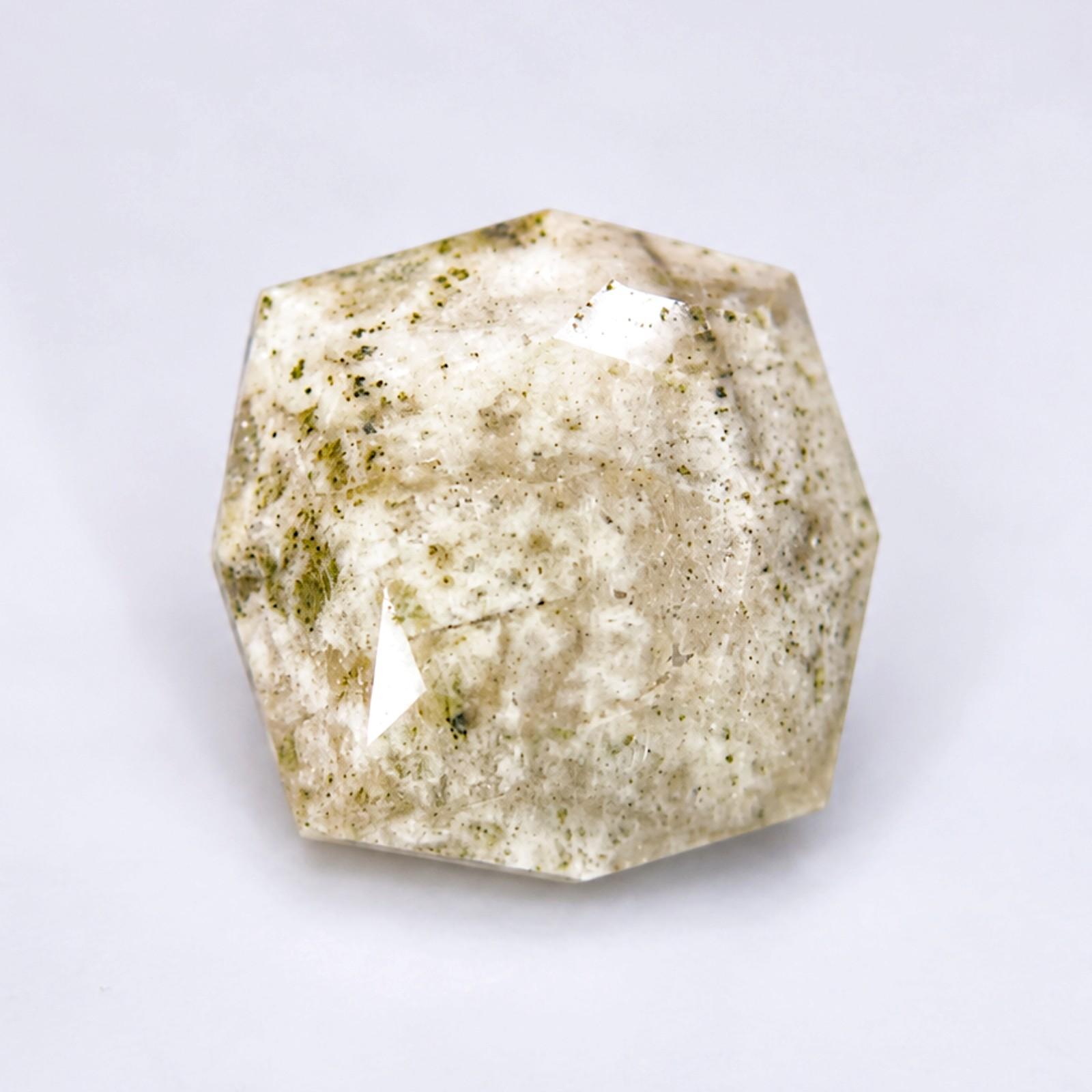
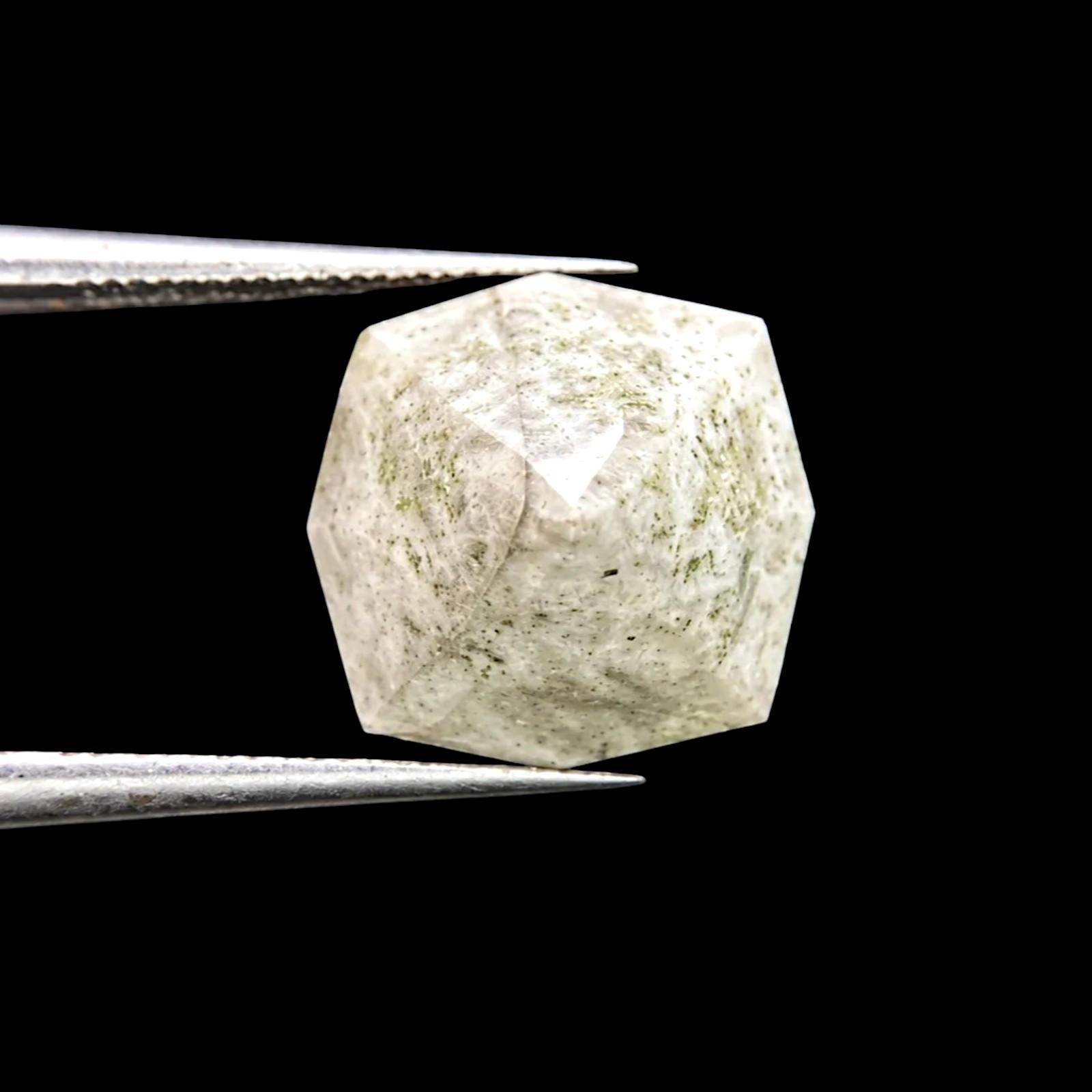
8.96 ct MICROLINE – USA
EXPERT VERIFIED
- Expert Verified Gemstone
- Fast Handling & Shipping
- Secure Vault Packaging
$ 180
Offer amount Feild


Smart Collector Choice


Pay with Crypto & Get 10% Automatic Discount

Availability: 1 in stock
Gemstone Details
Gem Variety:
Microline
Origin:
USA
Carat Weight:
8.96
Length (mm):
14.30
Width (mm):
14.30
Depth (mm):
8.90
Shape:
Octagon
Color
Gray
Treatment:
No Treatment
Certificate:
On Request


- Freakingcats Gemstone Database
Microcline (USA)
Microcline from the iconic pegmatite districts and granitic batholiths of the United States—most notably the Pikes Peak batholith of Colorado and the historic pegmatite belts of New England—represents one of the most structurally distinctive and aesthetically celebrated expressions of the potassium feldspar group. A foundational framework silicate, it is a species I have long held in high regard for its architectural blockiness, crisp carlsbad and baveno twinning, and its definitive status as the low-temperature, highly ordered endmember of the K-feldspar family. While common microcline occurs in subdued cream, tan, and salmon tones, the celebrated blue-green variety, amazonite, stands among the most striking mineral treasures of North America. For the specialist, a fine American microcline—whether displaying sharp, porcelain-like crystal faces perched on smoky quartz or showcasing deep, turquoise-green amazonite coloration—is a classic cornerstone; it offers an earthy to vitreous luster, distinct geometric discipline, and a commanding structural presence that anchors any systematic cabinet.
The Heritage & Discovery
Historical Significance
Microcline is an essential index species for understanding fractional crystallization, volatile enrichment, and sub-solidus cooling rates in complex granitic systems. Historically, American localities—particularly in Colorado, Maine, and Virginia—placed domestic feldspar specimens on the world map during the late 19th and early 20th centuries. The discovery of vibrant blue-green microcline crystals contrasting against lustrous, jet-black smoky quartz crystals in Colorado defined an aesthetic standard that remains an enduring hallmark of American mineral heritage.
Discovery
The formal classification of microcline as a distinct triclinic mineral, separate from monoclinic orthoclase, was established through optical studies of its diagnostic polysynthetic twinning. In the United States, significant finds accompanied early topographical surveys and commercial mining for mica, feldspar, and gem pockets across the Rocky Mountains and the Appalachian pegmatite belt. Scientifically, microcline’s famous green-to-blue coloration in amazonite was long debated, but modern spectroscopic analysis confirmed it arises from minute trace substitutions of lead (Pb) combined with structural water and natural radiation-induced color centers. Examining these crystals reveals diagnostic “tartan” or gridiron twinning under polarized light—a signature of lattice ordering that is deeply satisfying to study.
Important Mines
The premier American locality for aesthetic microcline is Colorado’s Pikes Peak region, encompassing famed collecting areas such as the Lake George district, Teller County, and Florissant. Here, microcline crystals occur in Miaskitic cavities alongside smoky quartz, phenakite, and goethite. Additional significant localities include the Amelia Court House pegmatites in Virginia, famed for intense green amazonite cleavages and crystals, as well as the classic gem pegmatites of Oxford County, Maine, and the Black Hills of South Dakota. For the systematic vault, I look for crisp, unbruised crystal edges, balanced contrasting matrix associations, and rich, even coloration.
Mineralogical Profile
Description
Microcline is a potassium aluminum silicate mineral that crystallizes in the triclinic system (prismatic class). It defines Mohs hardness 6 to 6.5, providing durable crystal faces that hold up well over decades of curation; its structure displays two directions of cleavage—one perfect, one good—intersecting at an angle of roughly 89° 30′, from which its name (meaning “small incline”) is derived. It exhibits a vitreous to pearly luster on cleavage planes, with daylight colors ranging from chalk-white, buff-cream, and salmon-pink to the vibrant teal and turquoise-blue of amazonite.
Morphologically, it forms sharp, blocky, short prismatic crystals, complex stepped groups, and classic Carlsbad or Manebach twins. It possesses a low refractive index running between 1.514 and 1.529, a light specific gravity around 2.56, and a low birefringence. Because it forms during the late-stage, volatile-rich consolidation of granitic rocks and pegmatite pockets, it is commonly found in association with Quartz (Smoky Quartz), Albite (Cleavelandite), Muscovite, Topaz, Fluorite, and Columbite. When selecting an example for documentation, I prioritize clean terminal faces, lack of surface abrasion, and sharp geometric contrast.
Chemical Formula
KAlSi3O8 (often with trace Pb, Rb, and Fe substitutions)


