
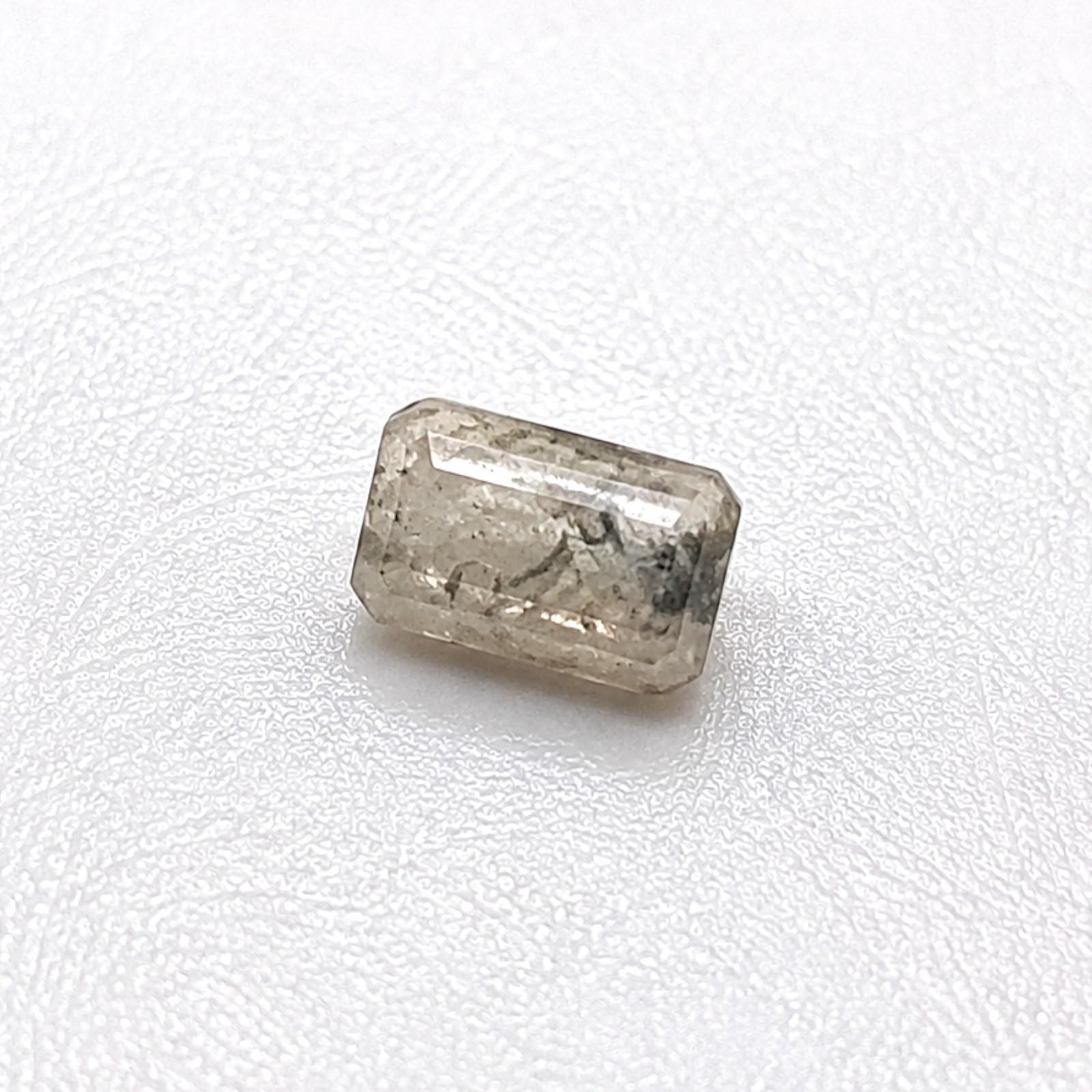
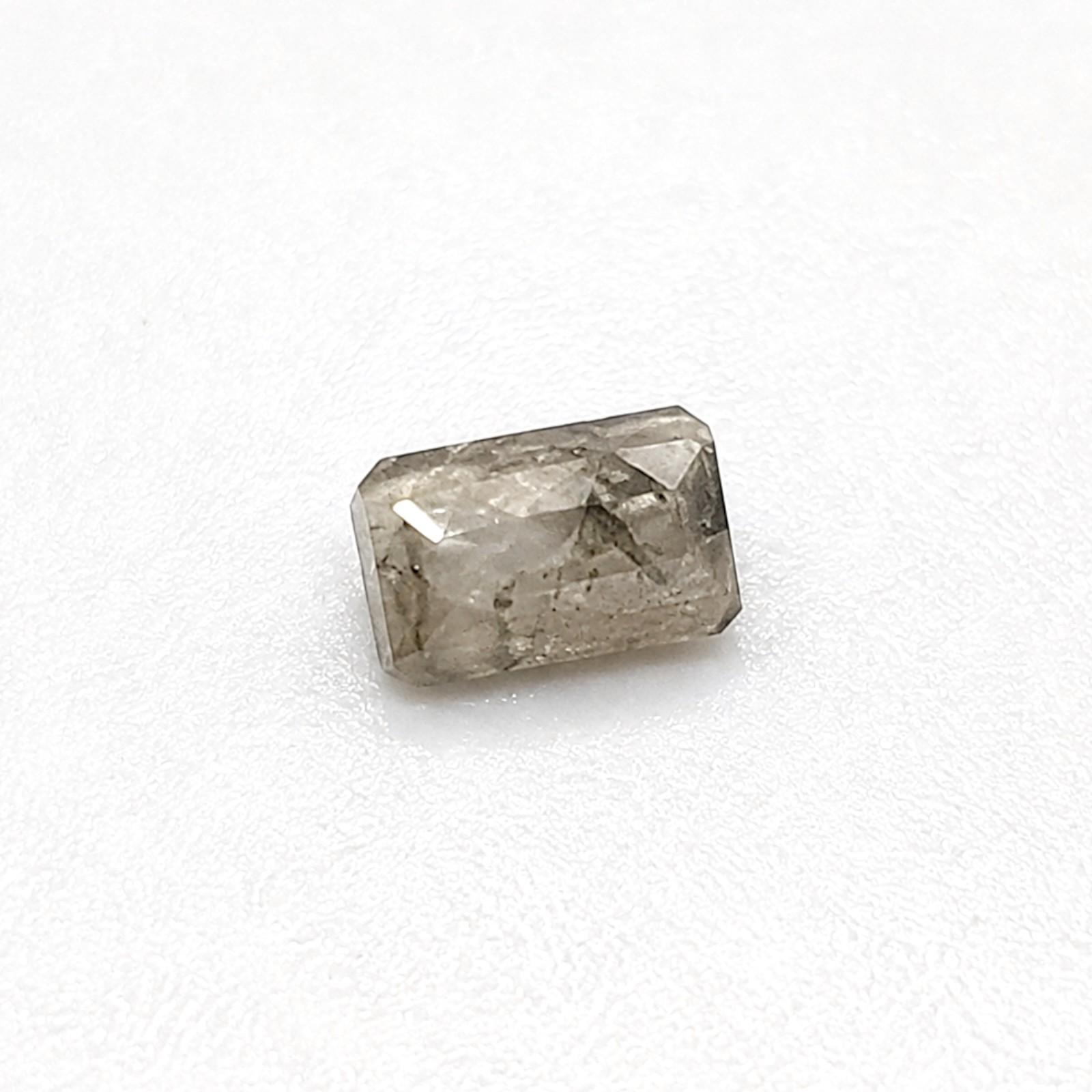
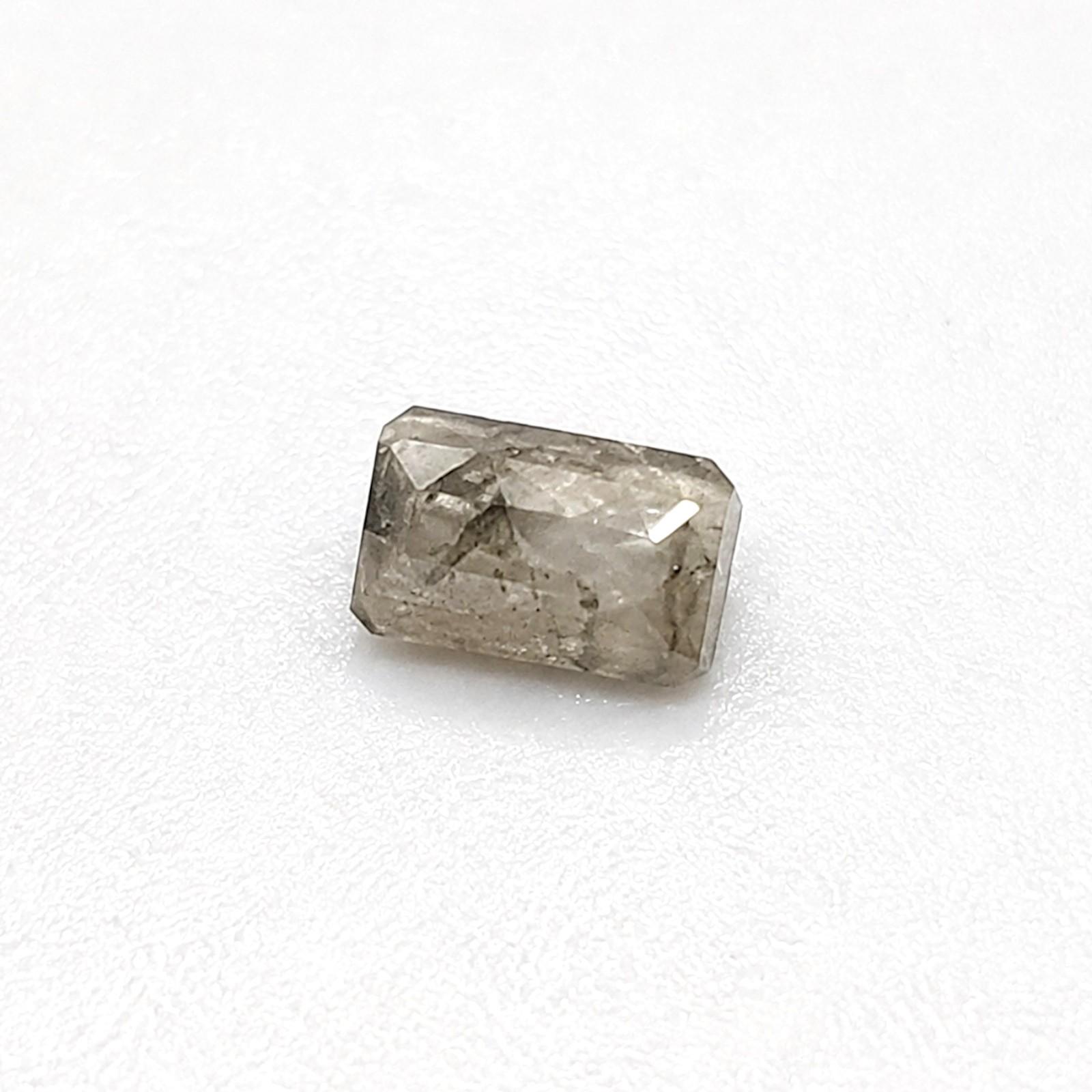
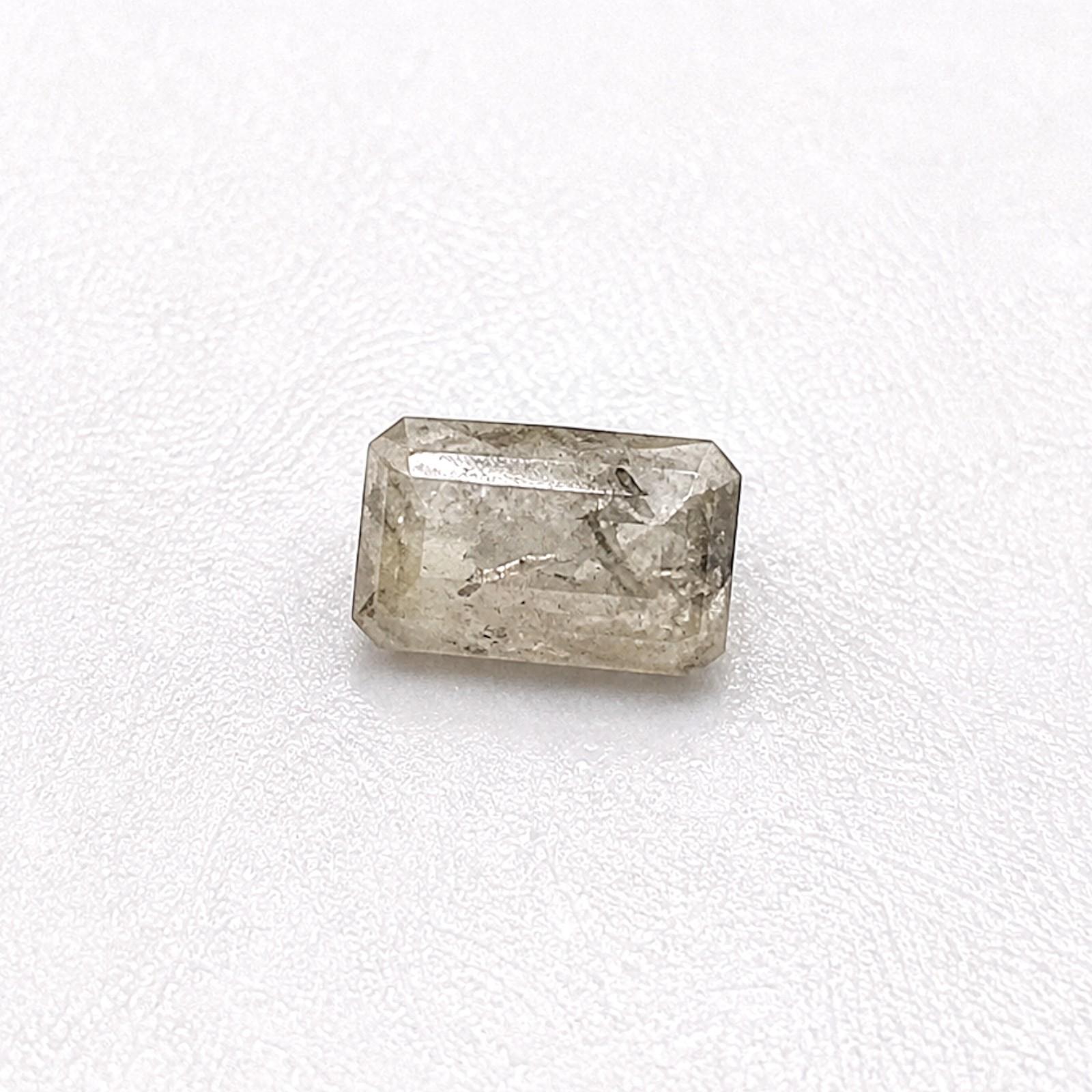
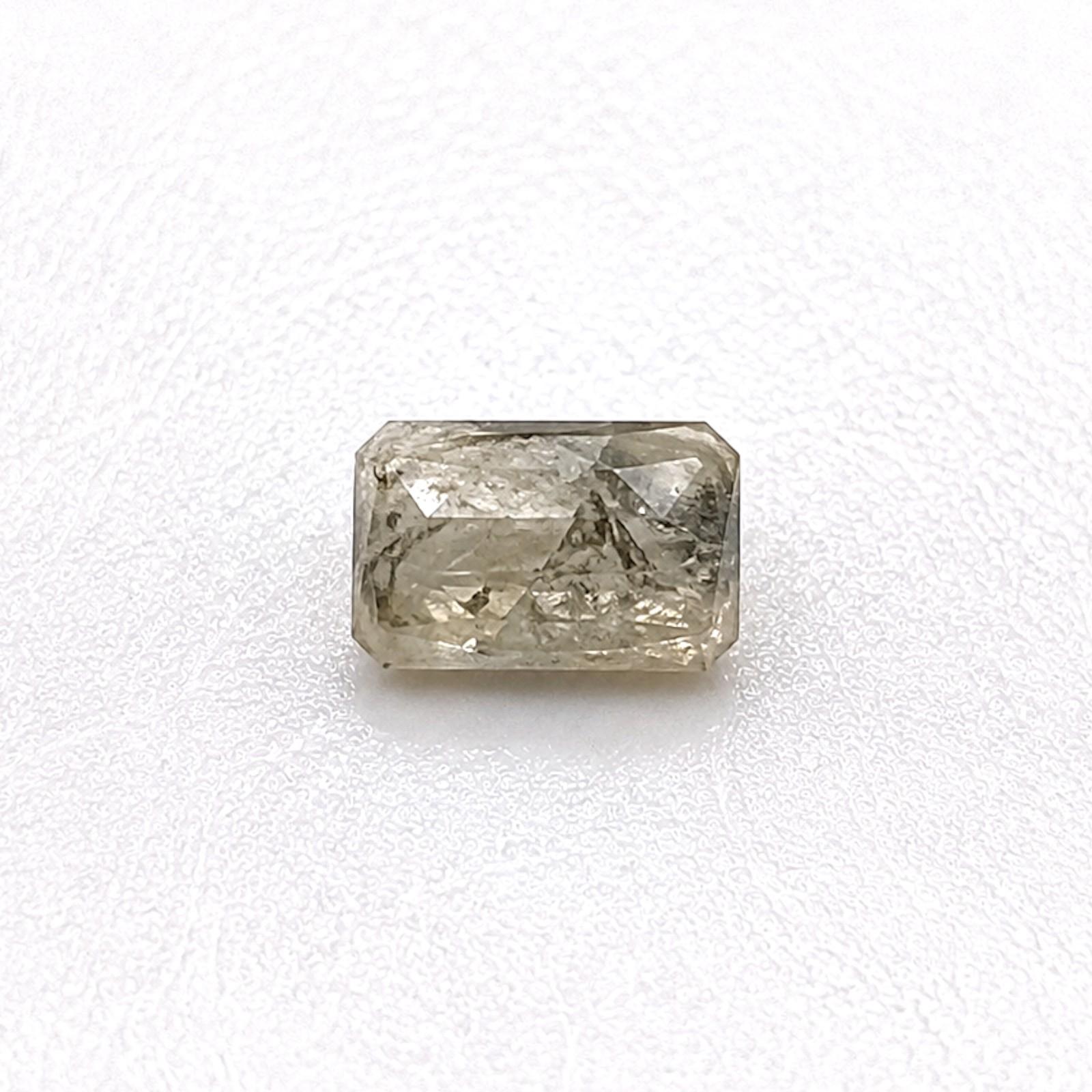
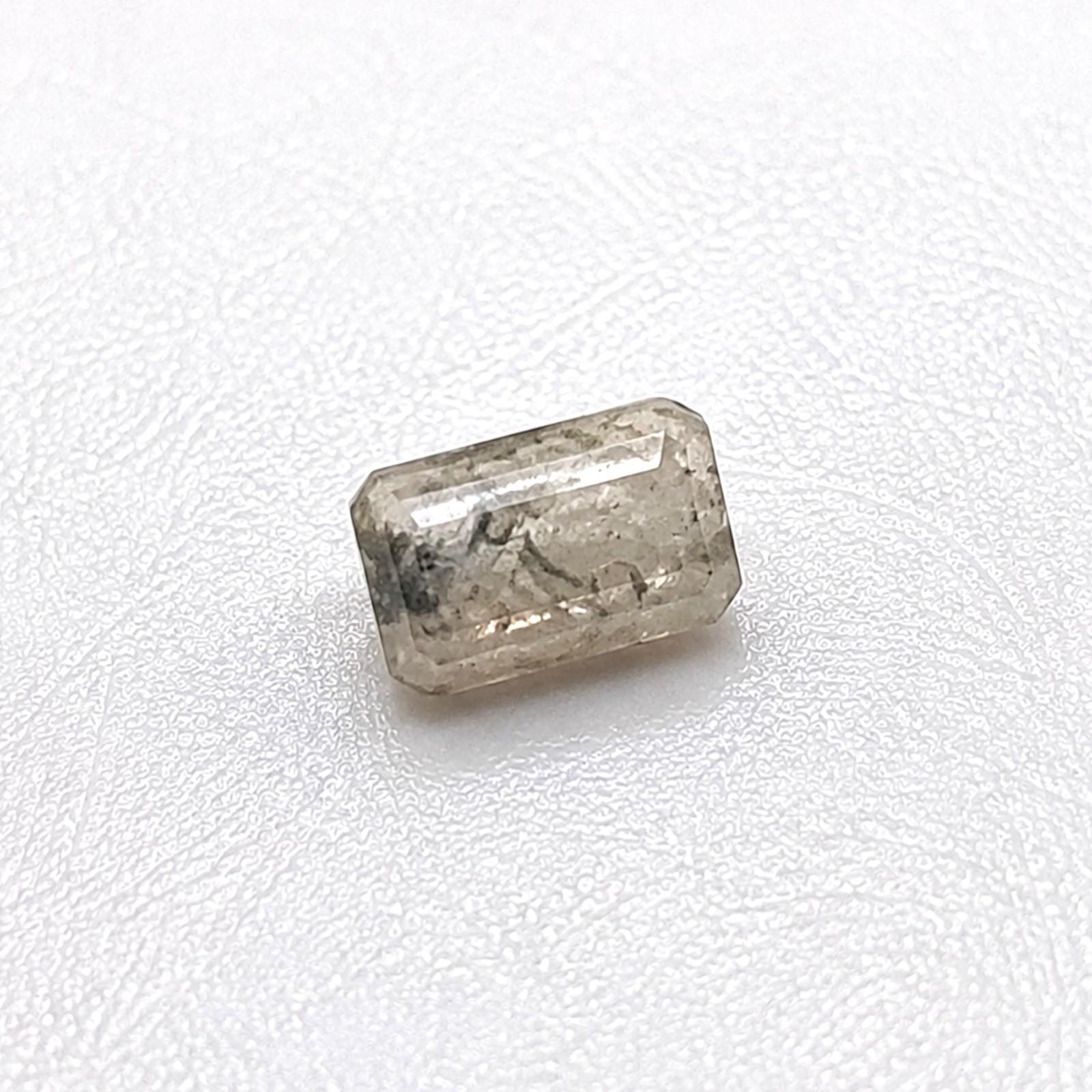
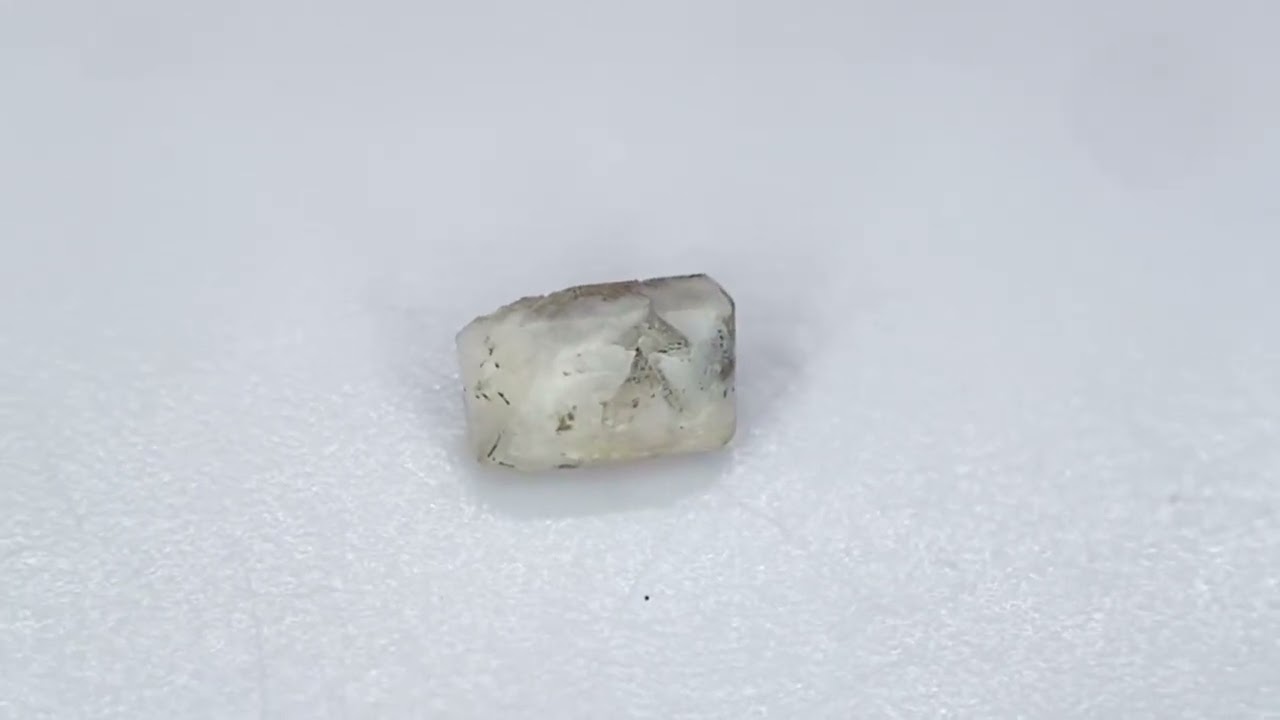
0.25 ct LAUMONITE – USA
EXPERT VERIFIED
- Expert Verified Gemstone
- Fast Handling & Shipping
- Secure Vault Packaging
$ 220
Offer amount Feild


Smart Collector Choice


Pay with Crypto & Get 10% Automatic Discount

Availability: 1 in stock


- Freakingcats Gemstone Database
Laumontite
Laumontite from the classic zeolite-rich volcanic districts of the United States represents the “calcium-aluminosilicate-hydration” peak of the mineral world. A rare framework silicate belonging to the zeolite group, it is a species I have always respected for its “chalky-white” to “translucent-cream” body color and its status as a masterpiece of “open-cage” structural discipline. While Laumontite is already considered an elite rarity for specialized collectors due to its fragile nature, stable, gem-grade specimens that can be preserved without dehydrating represent an extraordinary mineralogical anomaly. For the specialist, a top-tier American Laumontite is a prize of extreme hydrothermal fraction; it offers a vitreous to pearly luster on its pristine crystal faces and a “luminous” presence that makes it a true “high-vibration” asset for the systematic vault. As an artist, I find the soft, “porcelain-matte” depth and the “stark” geometric form of its prismatic crystals to be one of nature’s most sophisticated and “mysterious” palettes.
The Heritage & Discovery
Historical Significance Laumontite is a vital species for understanding the low-temperature, low-pressure alteration of volcanic rocks and the behavior of structural water within zeolites. Historically, it was first discovered in Brittany, France, in the late 18th century, where it was noted for its tendency to lose water and crumble when exposed to air. In the world of fine minerals, a well-preserved American Laumontite elevates a fragile silicate to a natural, “structural-phenomenon” brilliance, which stands as a symbol of alignment and environmental integrity. It serves as a reminder that when volatile fluids cool under perfectly undisturbed, water-saturated conditions, delicate crystalline frameworks can form within the crystal lattice, turning an otherwise obscure mineral into a dynamic, light-channeling masterpiece.
Discovery While Laumontite is found in small quantities in a handful of global localities, the historic discoveries in the United States completely redefined the mineralogical benchmark for the species’ crystal size and structural preservation. Scientifically, it is a hydrated calcium aluminum silicate. Its discovery in the historic copper and basalt districts of North America provided mineralogists with the first look at crystals thick and well-formed enough to be kept as world-class display specimens. My own respect for this material grew from observing its “reflective” depth; specifically, the way its light-channeling crystal faces project a “sharp,” unbroken luster—a visual impact that is unmistakable to the trained eye.
Important Locations The undisputed world capital for the finest “aesthetic” Laumontite specimens includes the basalt flows of the Keweenaw Peninsula in Michigan, as well as specialized pockets within the volcanic deposits of Oregon and Washington. These classic American specimens set the global benchmark for crystal density, pearly luster, and “sharp” termination definition. For the vault, I prioritize the Pacific Northwest and Michigan material for its unmatched “porcelain-depth” and its status as a rare-phenomenon masterpiece of North American volcanic mineralogy.
Mineralogical Profile
Description Laumontite is a hydrated calcium aluminum silicate that crystallizes in the monoclinic system. It sits at a 3 to 4 on the Mohs scale, making it a highly fragile silicate, meaning its perfect cleavages and sensitivity to dehydration require extreme care and climate-controlled handling to preserve its “razor-sharp” internal structures and pristine surfaces. It is characterized by its vitreous to distinctly pearly luster and its unmistakable, “colorless to milk-white” color palette.
The defining trait of Laumontite is its open, porous framework structure, which allows it to readily exchange water molecules with the atmosphere. It possesses a refractive index running from approximately 1.50 to 1.52 and a specific gravity (SG approx 2.2 to 2.3) that reflects its open, water-filled silicate framework. Because it forms in the late stage of low-grade metamorphic and volcanic alterations, it is often found in association with Apophyllite, Stilbite, Heulandite, and Prehnite. When I select a piece for the collection, I look for a perfectly preserved, “razor-sharp” crystal habit that displays seamless form under a single light source without crumbling, highlighting the sophisticated, three-dimensional geometry of the mineral’s growth. It is a light, high-vibration mineral that offers a unique, “aqueous-porcelain” beauty unlike any other zeolite variety.
Chemical Formula Ca(Al2Si4O12)·4H2O


