
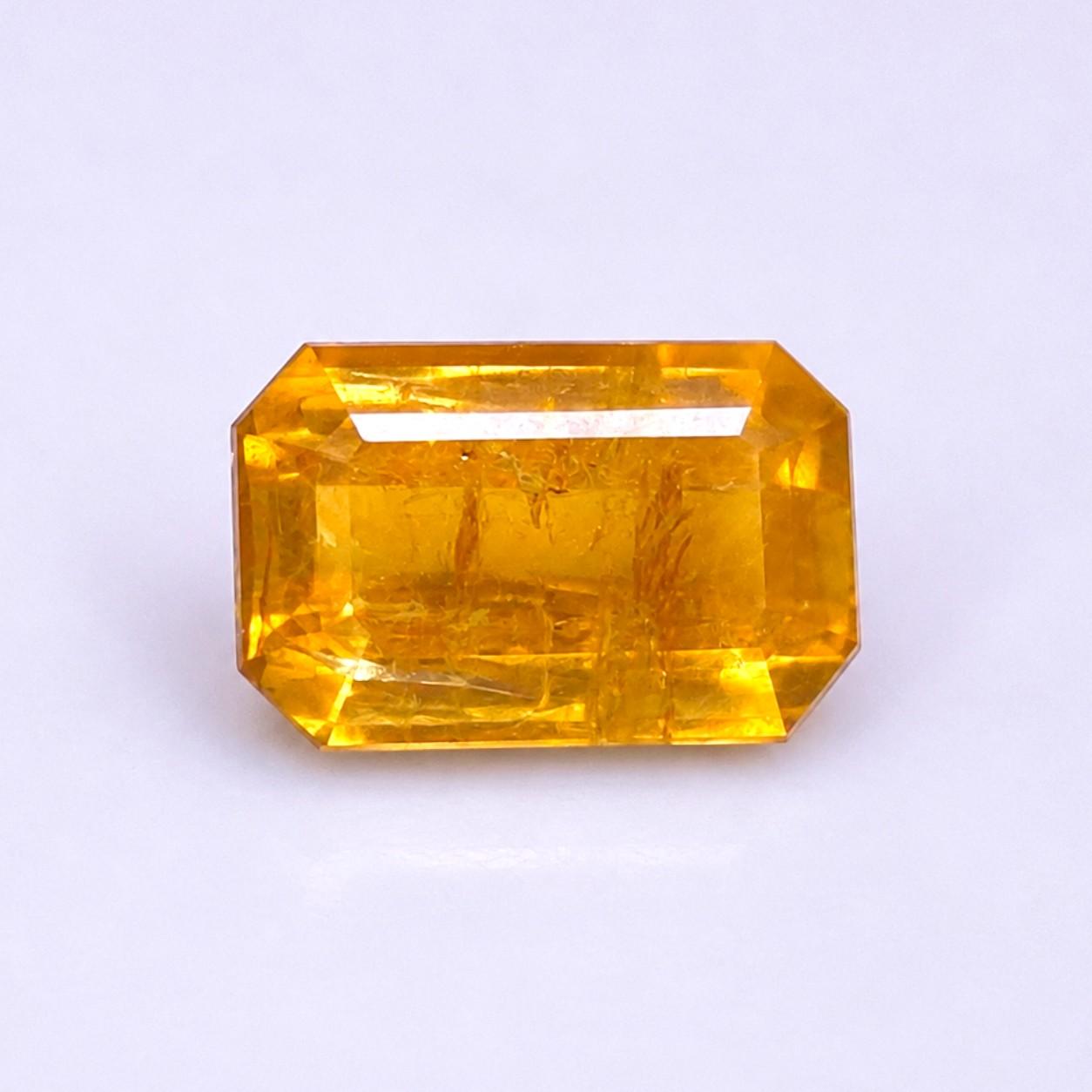
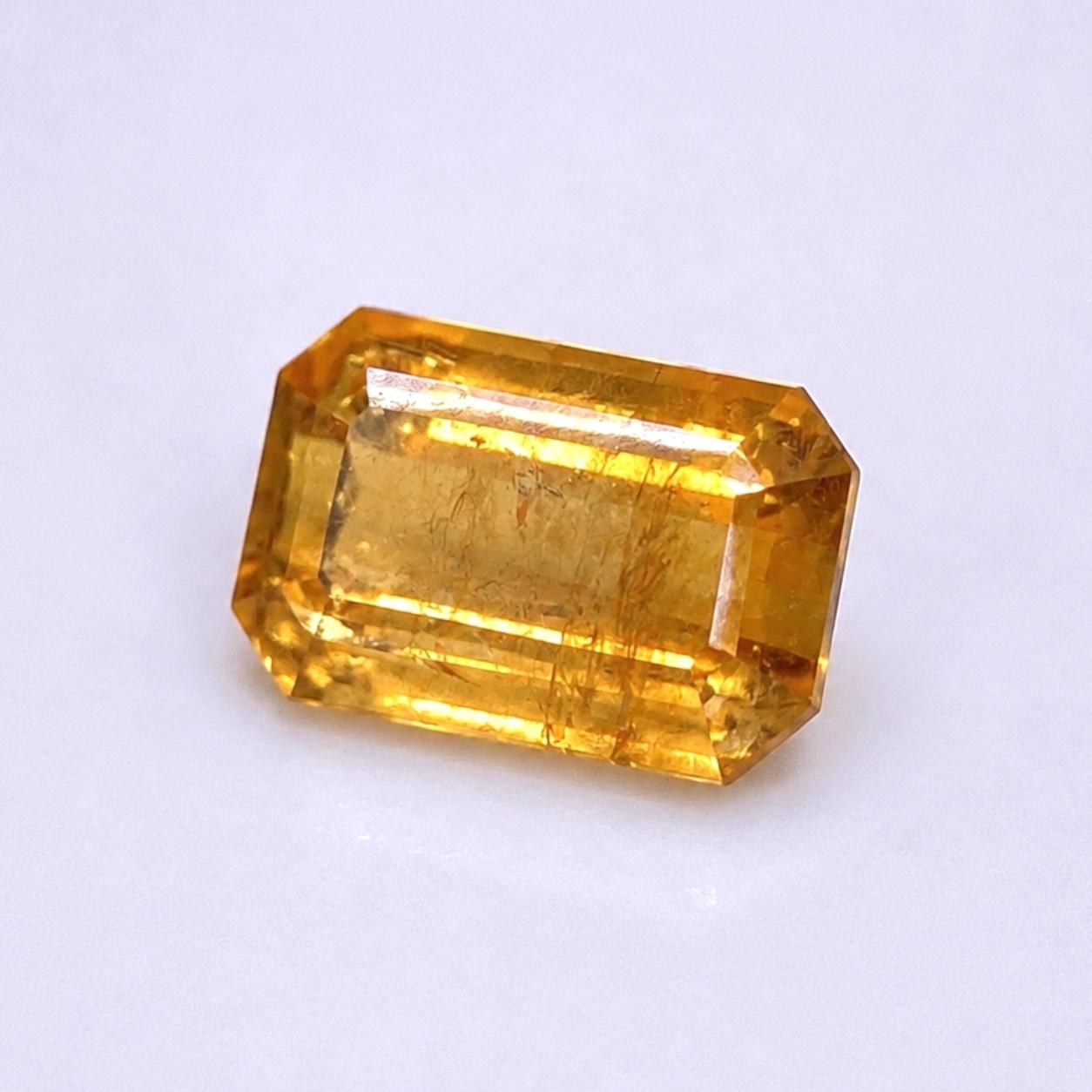
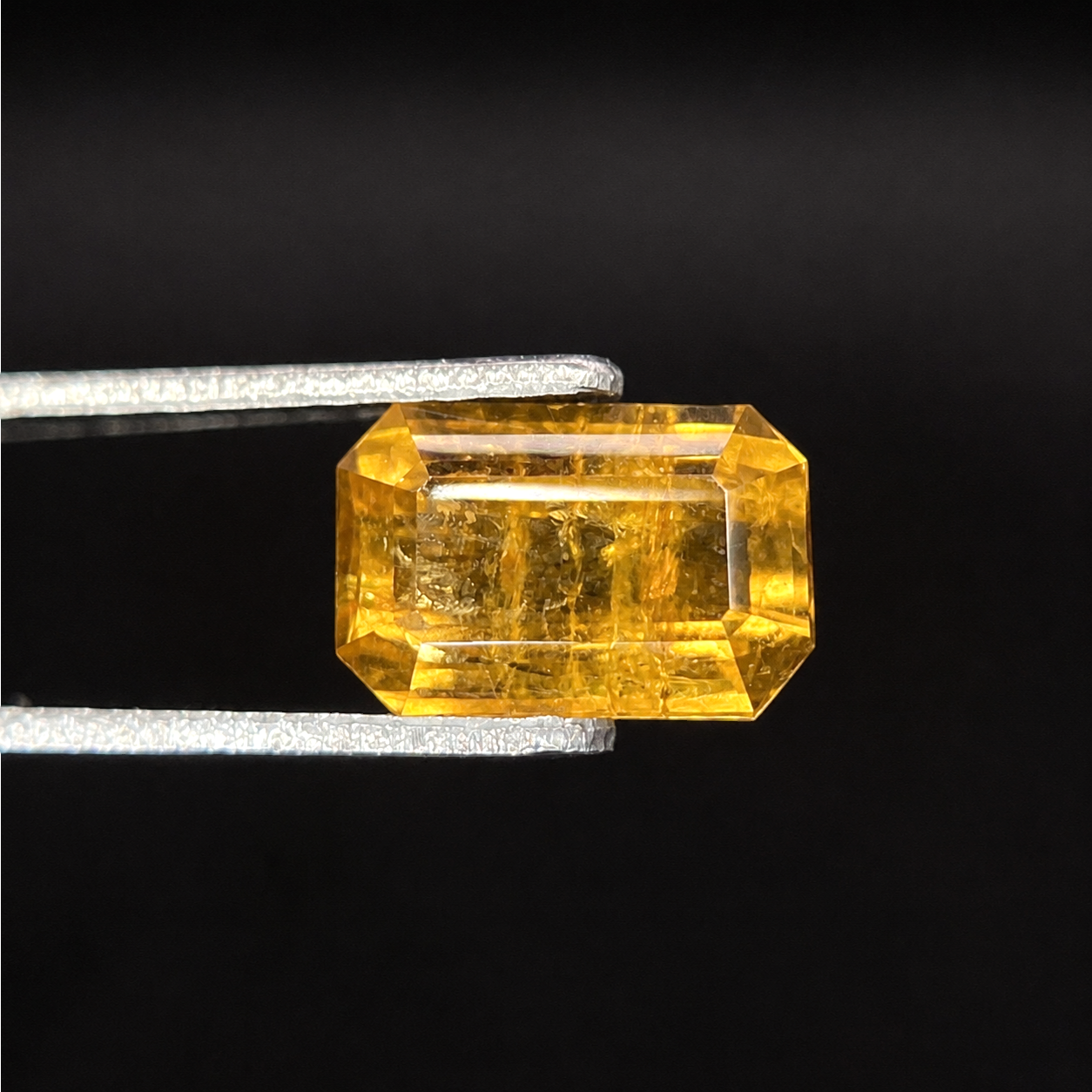
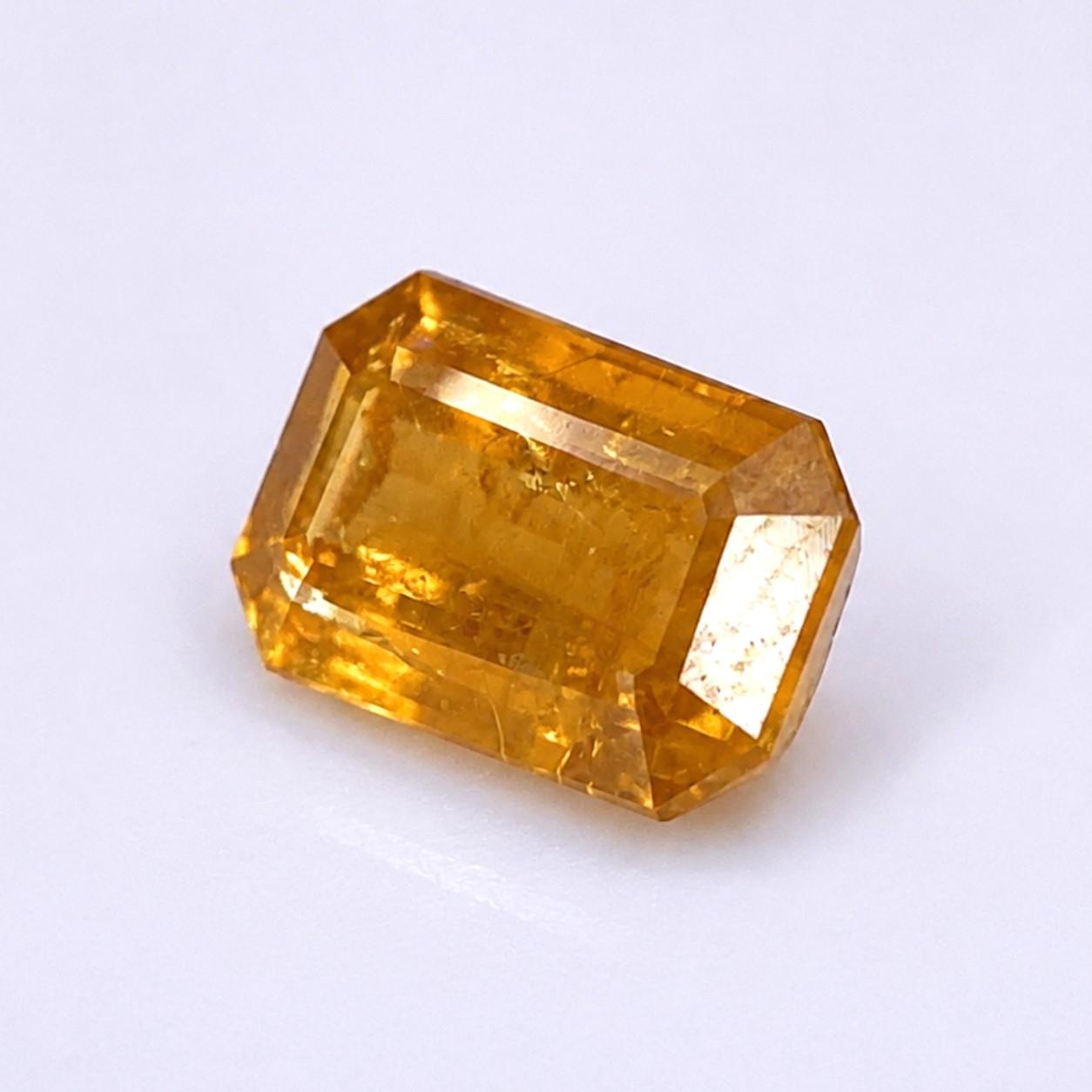
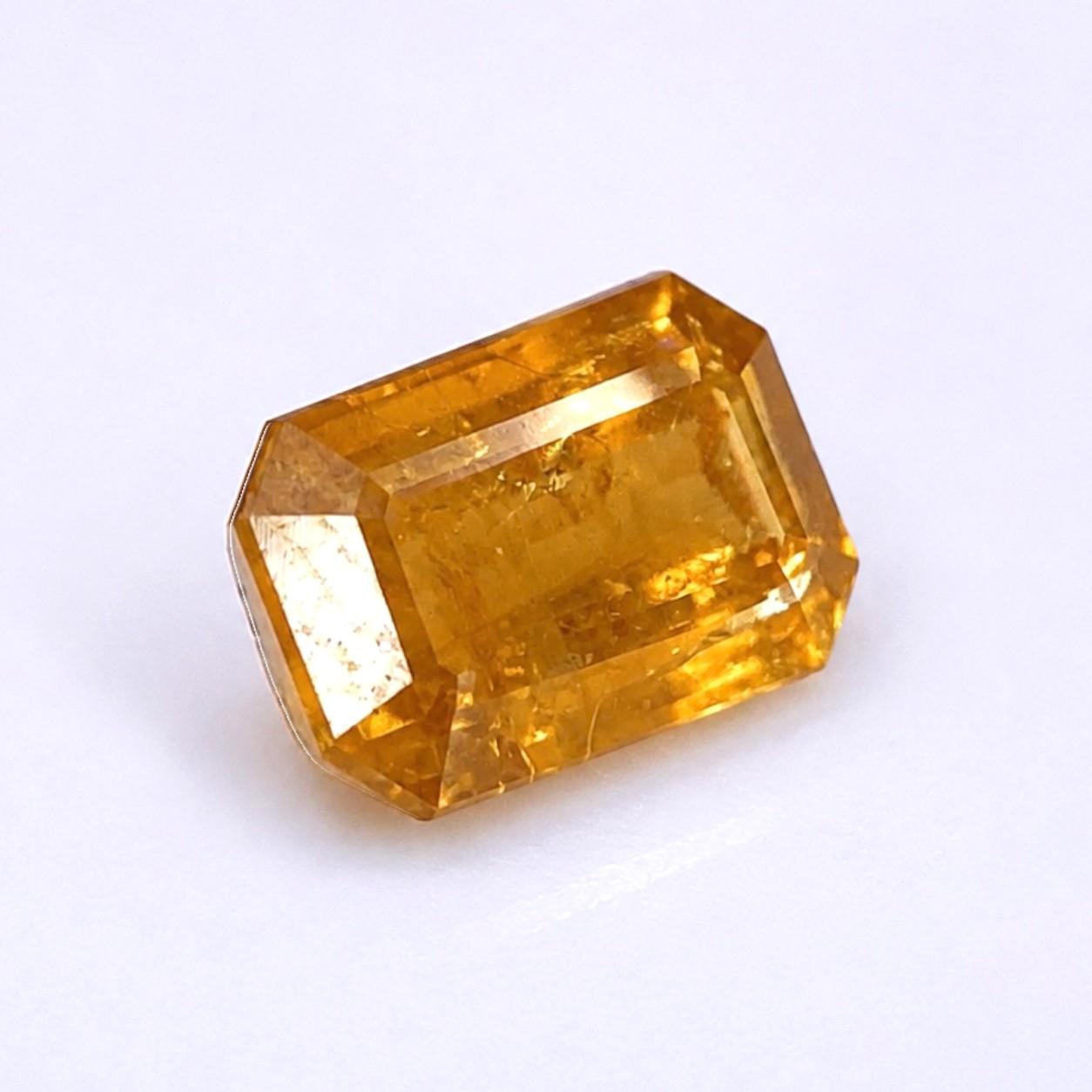
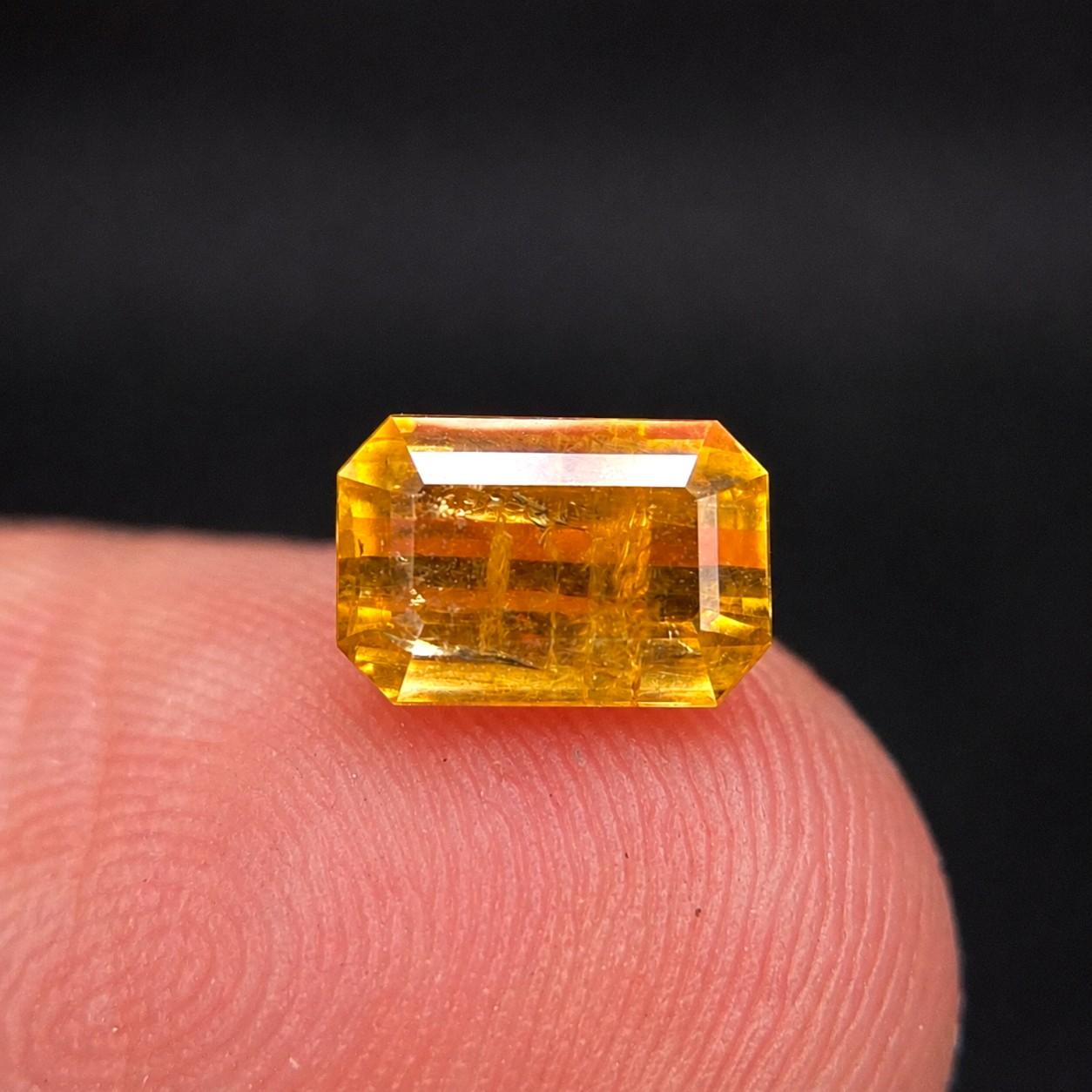
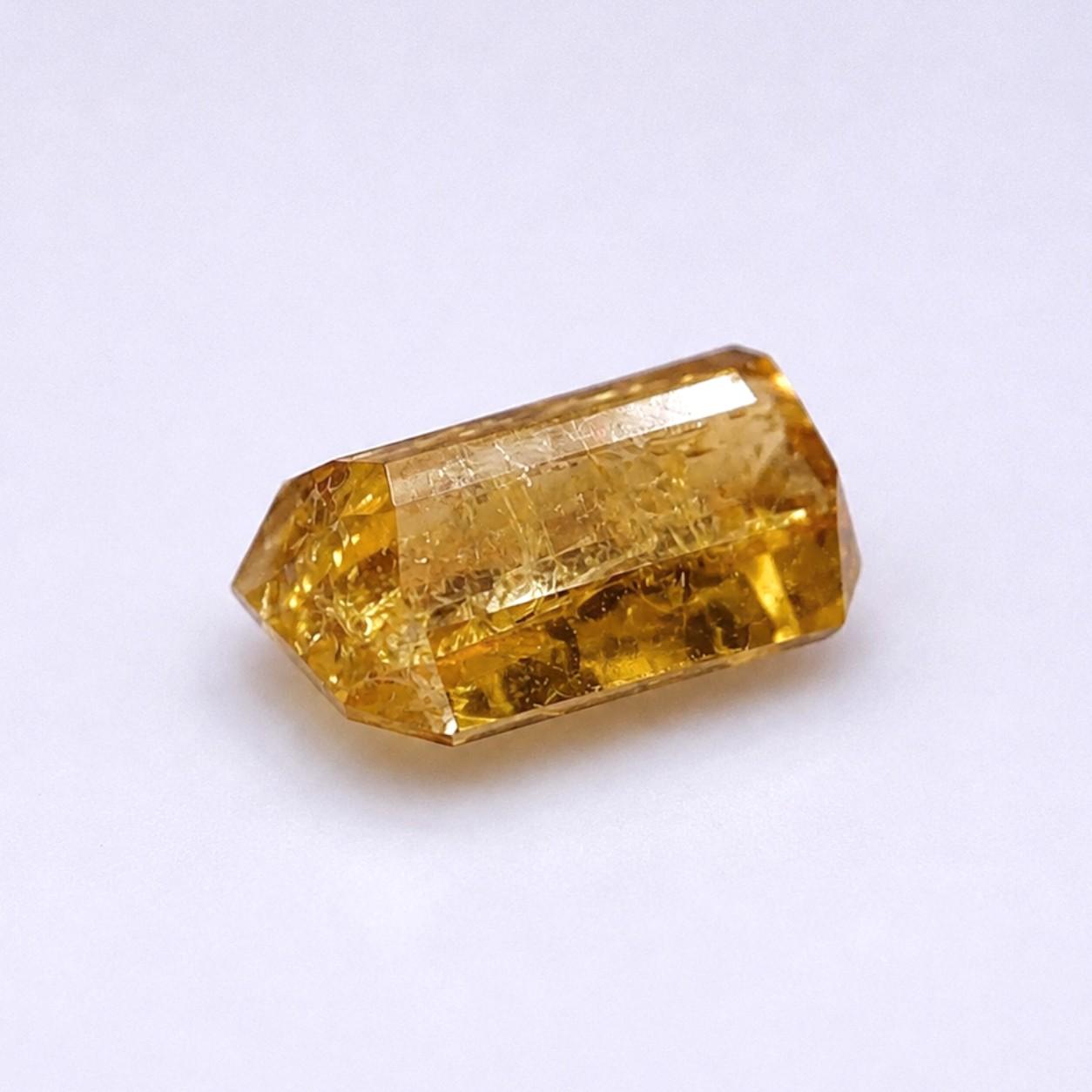
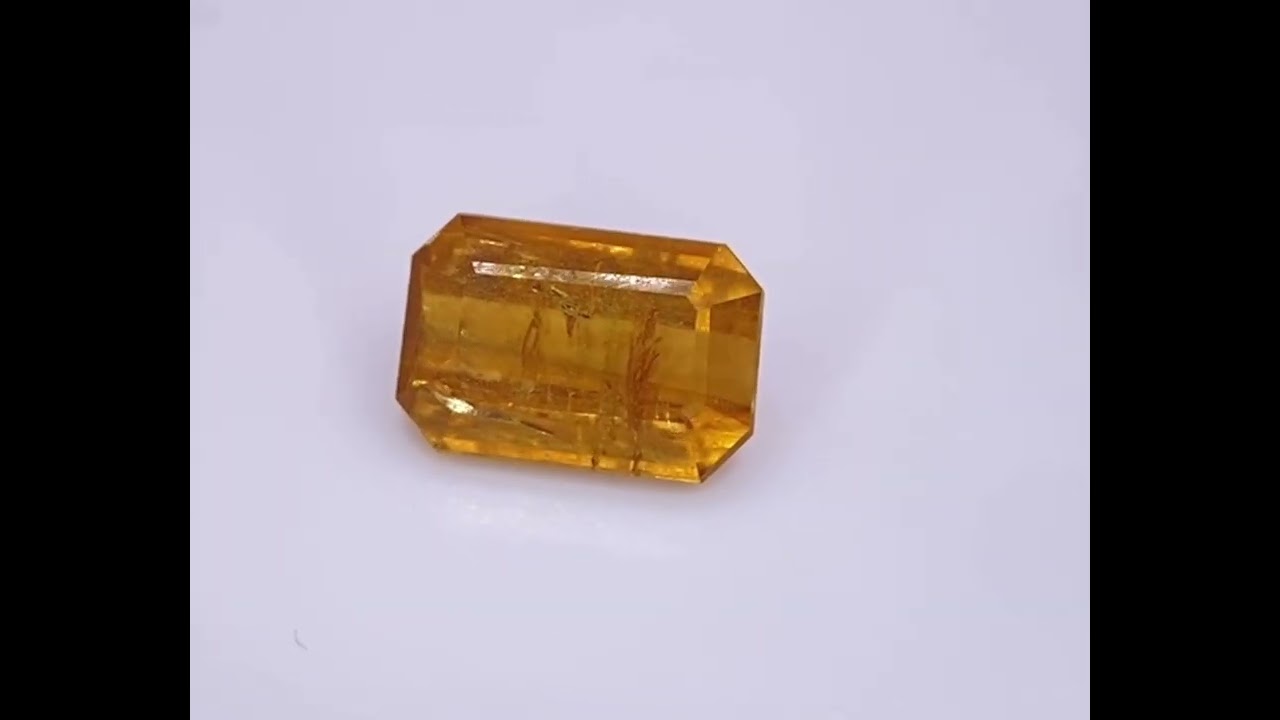
1.35 ct CLINOZOISITE – PAKISTAN
EXPERT VERIFIED
- Expert Verified Gemstone
- Fast Handling & Shipping
- Secure Vault Packaging
$ 150
Offer amount Feild


Smart Collector Choice


Pay with Crypto & Get 10% Automatic Discount

Availability: 1 in stock


- Freakingcats Gemstone Database
Clinozoisite (Pakistan)
Clinozoisite from the high-altitude alpine-type pegmatites and metamorphic clefts of Pakistan represents the absolute peak of complex calcium-aluminum silicate structural discipline. A monoclinic member of the epidote group, it is a species I have always respected for its “pistachio-bronze” to “smoky-olive-neon” transparency and its magnificent structural focus. For the specialist, a top-tier Pakistani Clinozoisite is a prized trophy of slow, fluid-driven crystallization within pristine tectonic environments; it offers a brilliant vitreous to pearly luster and a “highly radiant” optical depth that makes it a true “high-vibration” asset for the systematic vault. As an artist, I find the exceptional, multi-directional pleochroism—shifting from rich, earthy browns to electric, dayglo-greenish yellows under varied angles of light—to be one of nature’s most sophisticated and dynamic palettes.
The Heritage & Discovery
Historical Significance
Clinozoisite is a vital species for understanding the complex thermodynamic stabilities and calcium-rich fluid migrations that characterize low- to medium-grade regional metamorphism. Historically, it holds a prominent position within the epidote supergroup, recognized for its low iron content which chemically differentiates it from its close relative, epidote. In the world of fine minerals, Pakistani specimens are celebrated for their extraordinary optical clarity and razor-sharp crystal terminations, standing as a permanent symbol of structural focus and crystallization speed. It serves as a reminder that intense tectonic activity and hydrothermal circulation can refine complex silicates into magnificent, light-reactive crystalline pillars.
Discovery
While initially identified in the Austrian Alps in the late 19th century as a distinct, monoclinic dimorph of zoisite, the discovery of world-class, macrocrystalline pockets throughout the mountain ranges of northern Pakistan completely redefined our global appreciation of this species. Scientifically, it forms a continuous solid-solution series with epidote, where the substitution of aluminum by trivalent iron shifts the mineral’s color profile and internal chemistry. The opening of these remote valleys provided mineralogists with spectacular, freestanding prismatic crystals that showcase its unique, light-sensitive beauty. My own respect for this material grew from observing its incredible luster and deep internal clarity; specifically, the way its sharply striated, elongated faces reflect light with mirror-like precision is a visual impact that is unmistakable to the trained eye.
Important Mines
The undisputed capital for collector-grade examples of this species remains the rugged, high-altitude mining districts of the Skardu Province and the Tormiq Valley in the Gilgit-Baltistan region of Pakistan. Famed for producing the world’s most transparent and highly sought-after macrocrystalline expressions, these prolific alpine-type veins yield outstanding, thick prismatic crystals that are secured from deep within steep rock faces. For the vault, I prioritize specimens that exhibit high internal optical transparency, deep uniform color distribution, and sharp, unblemished terminations on a contrasting albite or quartz matrix, as they represent a highly active masterpiece of secondary metamorphic geology.
Mineralogical Profile
Description
Clinozoisite is a complex calcium aluminum silicate hydroxy-mineral that crystallizes in the monoclinic system. It sits at a robust 6 to 7 on the Mohs scale, meaning its tough, durable surfaces are highly resistant to physical abrasion and require only standard archival handling to preserve its brilliant waxy to vitreous surfaces. It is characterized by its bright vitreous luster and an unmistakable, “greenish-yellow, olive-green, to deep bronze-brown” color palette.
One of its most identifying traits is its perfect basal cleavage, often forming elongated, deeply striated prismatic crystals or dense acicular clusters that cleanly trace old fluid channels through metamorphic fractures. It possesses a high refractive index running from approximately 1.670 to 1.734, contributing to its strong internal color depth and exceptional brilliance, and an average specific gravity ranging between 3.21 and 3.40 that reflects its dense, aluminum-and-calcium-heavy architecture. Because it forms in late-stage hydrothermal cavities and alpine clefts, it is commonly found in close association with Quartz, Albite, Epidote, Titanite, and Actinolite. When I select a piece for the collection, I look for well-defined, “crisp” prismatic columns or highly transparent, freestanding crystals, as these highlight the sophisticated, three-dimensional chemistry of the mineral’s fluid-driven birth.
Chemical Formula
Ca2Al3(Si2O7)(SiO4)O(OH)


