
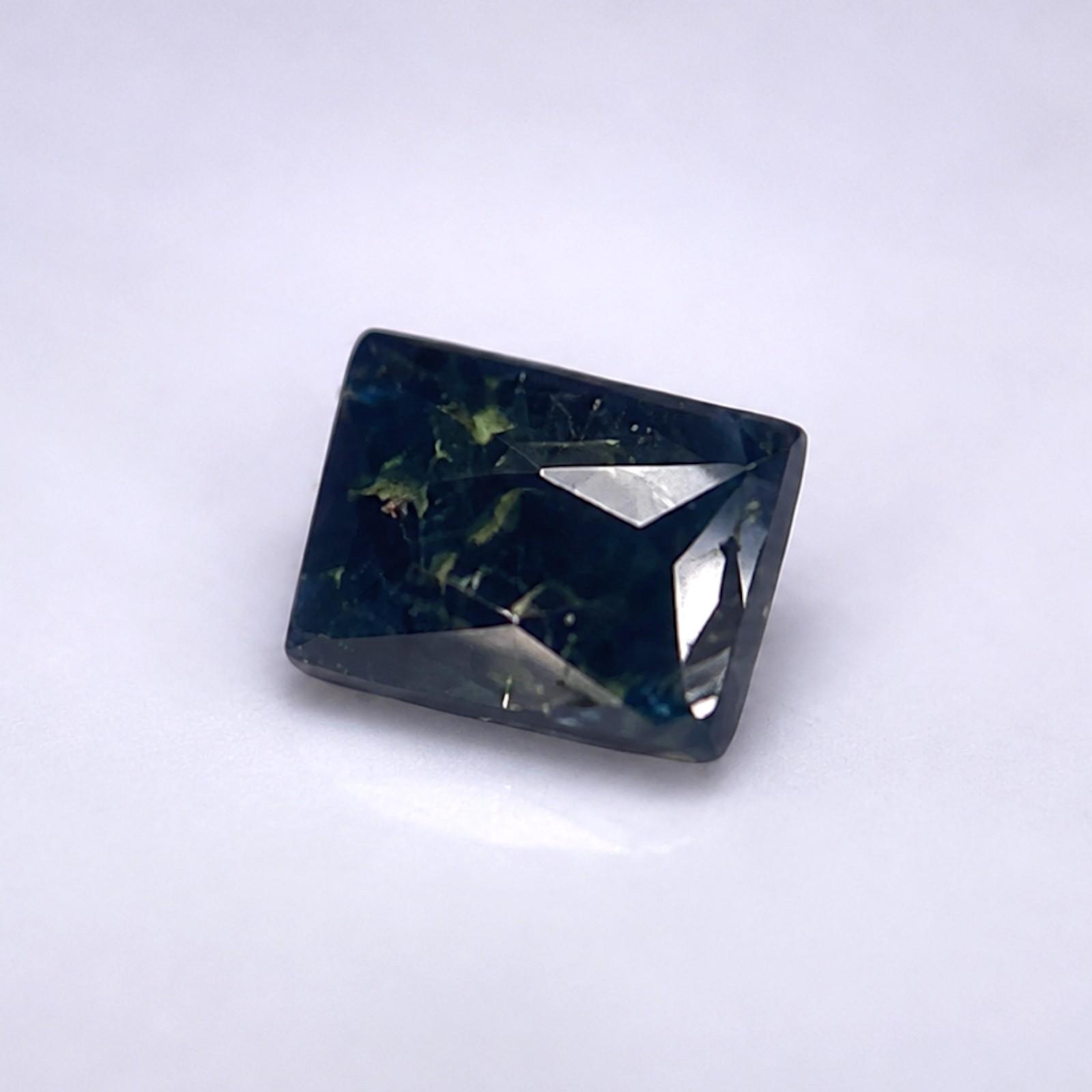
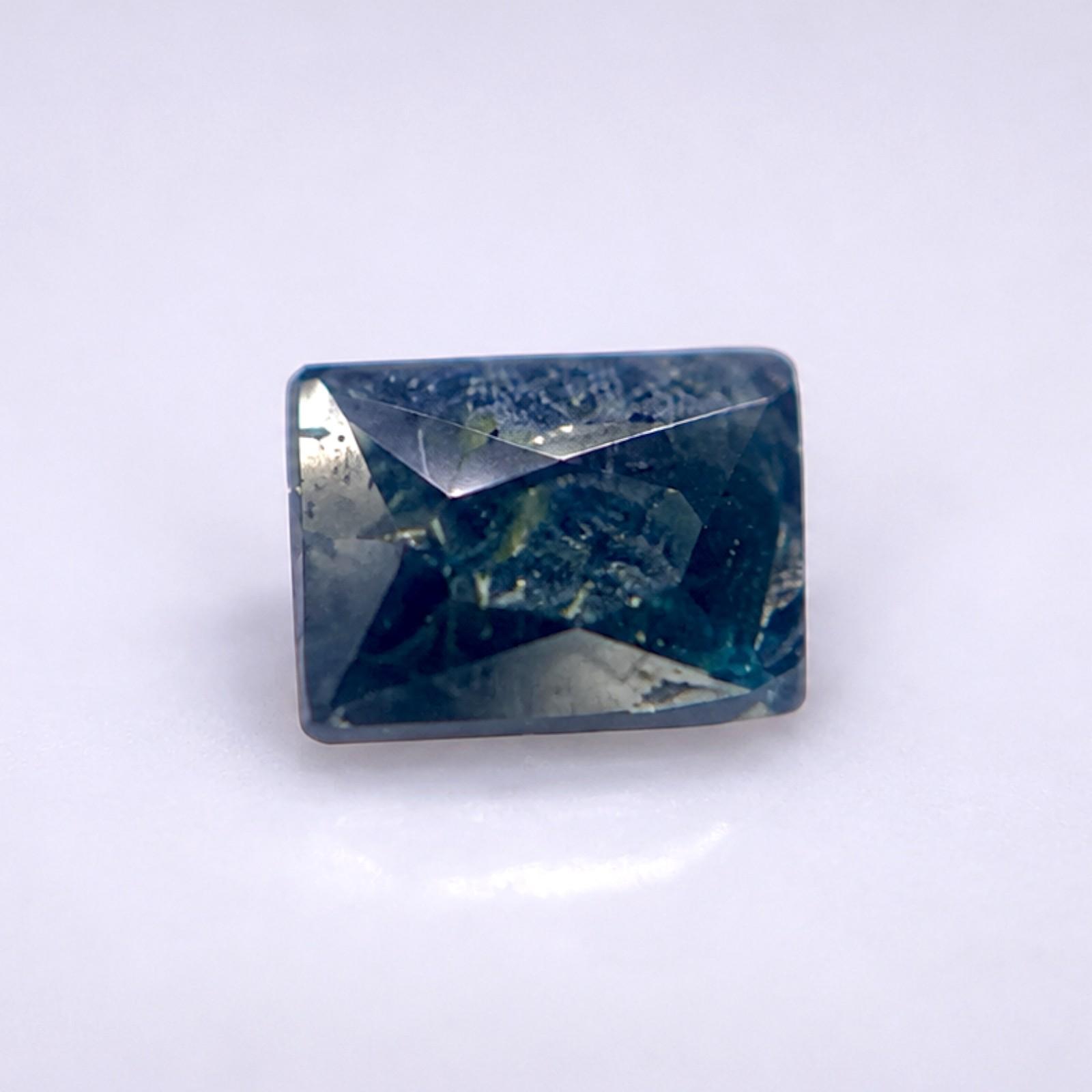
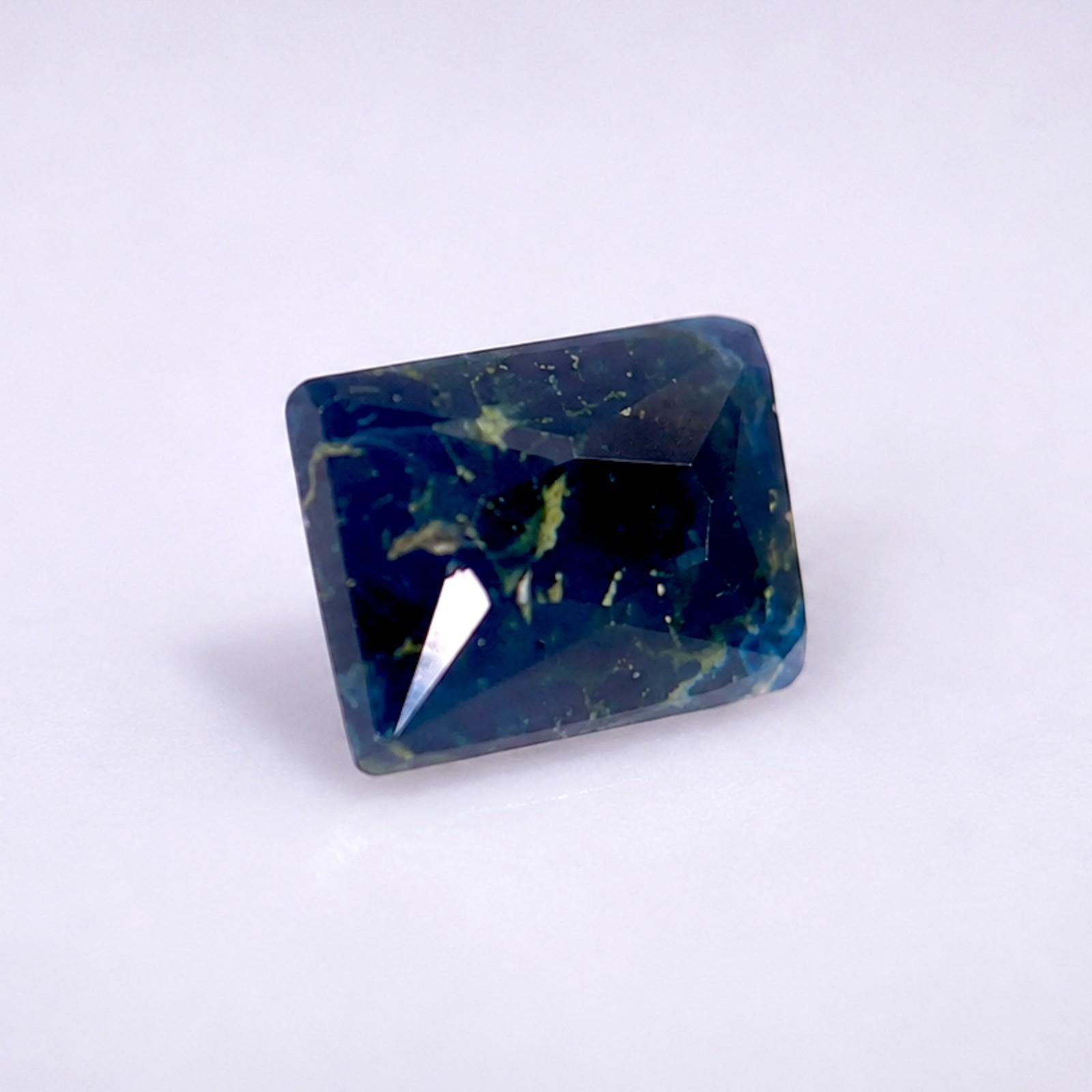
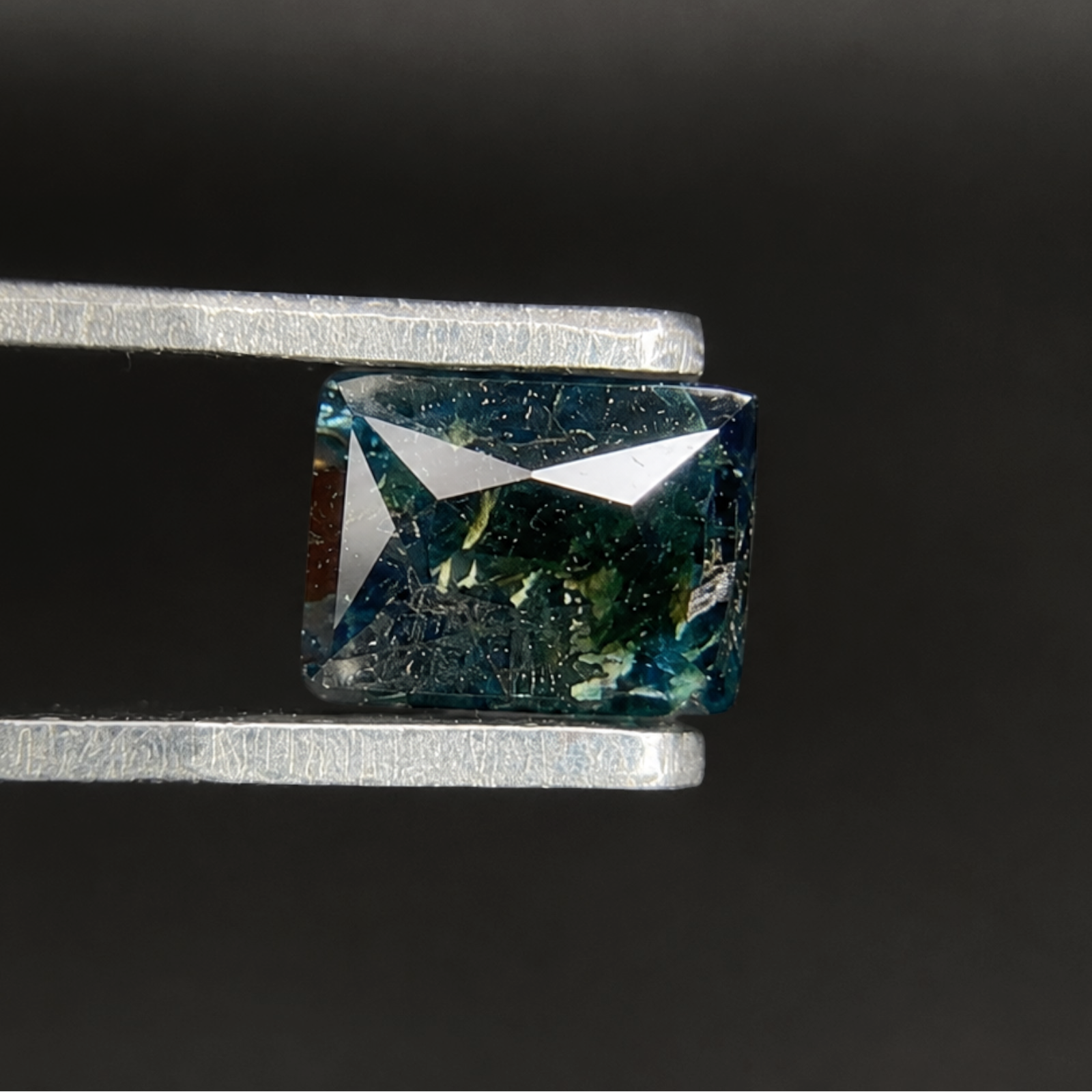
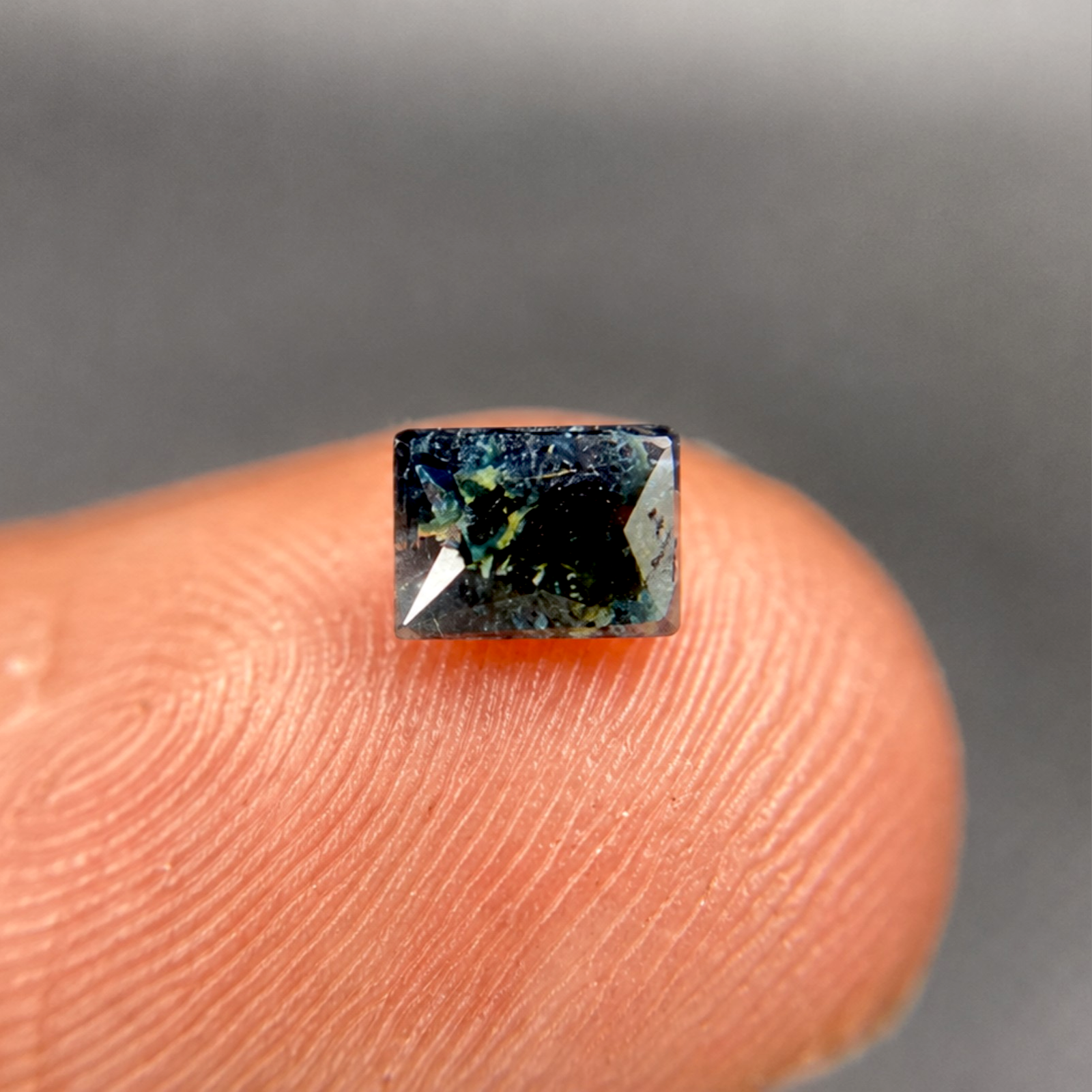
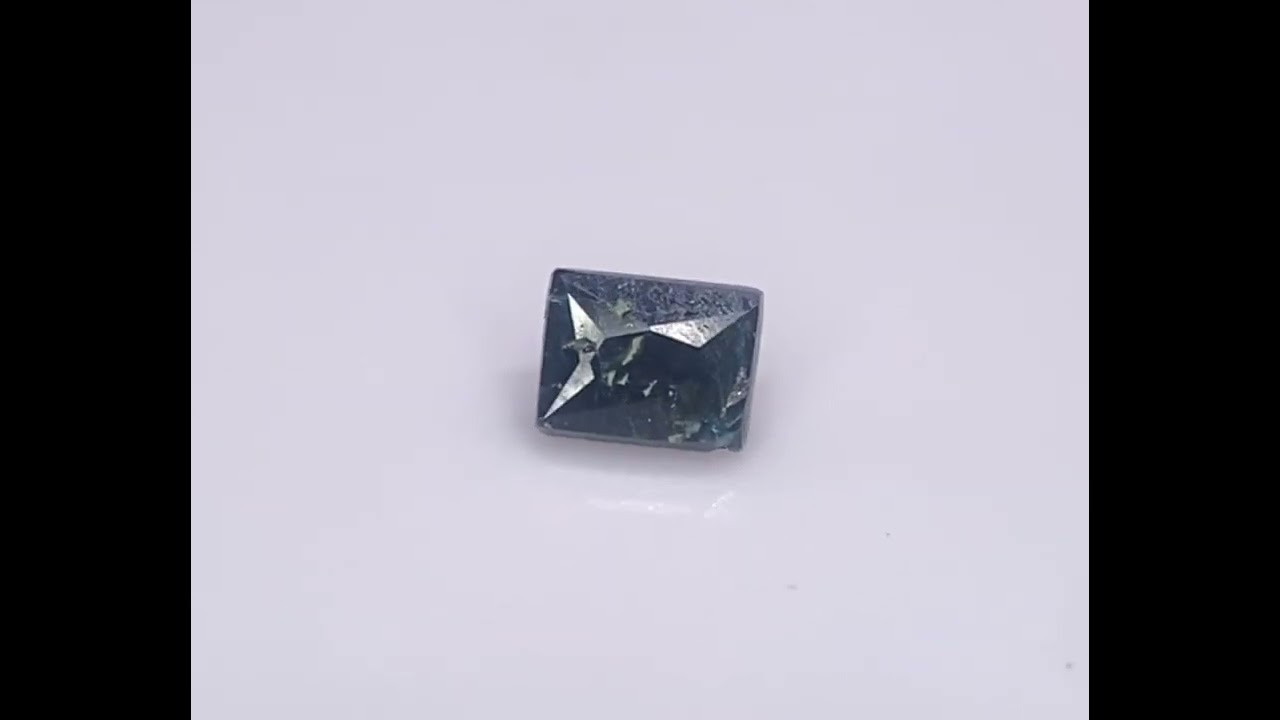
0.35 ct KULANITE – USA
EXPERT VERIFIED
- Expert Verified Gemstone
- Fast Handling & Shipping
- Secure Vault Packaging
$ 150
Offer amount Feild


Smart Collector Choice


Pay with Crypto & Get 10% Automatic Discount

Availability: 1 in stock


- Freakingcats Gemstone Database
Kulanite (USA)
Kulanite from specialized phosphate-rich pegmatites and metamorphic horizons within the United States represents an exceptionally rare, highly sought-after expression of barium-iron aluminum phosphate crystallization. A complex hydrated phosphate mineral, it is a species I have always respected for its “forest-emerald” to “deep-teal-neon” saturation and its status as a masterpiece of “monoclinic” structural discipline. For the specialist, a verified American Kulanite—typically forming small, highly lustrous rosette-like aggregates or sharp, blocky crystals tucked within matrix cavities—is a prized trophy of exotic, late-stage phosphate enrichment; it offers a bright vitreous to sub-resinous luster and a dense, sophisticated presence that makes it a true asset for the advanced systematic vault. As an artist, I find the rich, moody depth of its deep sea-green hue contrasting cleanly against light siderite or quartz matrices to be one of nature’s most refined and elusive palettes.
The Heritage & Discovery
Historical Significance
Kulanite is a critical mineral for understanding the complex geochemical behavior of heavy alkaline-earth metals like barium when coupled with iron and aluminum in volatile-rich phosphate environments. Historically, the species was first discovered and described in 1976 from the famous Rapid Creek locality in Yukon, Canada, and named in honor of Alan Kulan, a prominent Yukon prospector. However, the subsequent identification of micro-crystalline and matrix-hosted specimens within select American phosphate localities confirmed that these specialized geochemical conditions were not isolated to northern latitudes, establishing the material as a symbol of extreme elemental concentration and mineralogical rarity.
Discovery
While the North American continent’s primary macrocrystalline specimens emerged from northern iron formations, geological survey work across specialized United States pegmatite fields and metamorphosed iron-rich sediments revealed localized occurrences of kulanite. Scientifically, it forms an isomorphic series with penikisite, where the substitution of magnesium for iron dictates the precise optical parameters and density of the lattice. The discovery of these rare American pockets provided mineralogists with compact, highly lustrous rosettes and bladed crystal groups that showcase an impressive optical depth. My own respect for this material grew from observing its distinct pleochroism under directional light; specifically, the way its body color shifts subtly from a deep blue-green to a paler yellowish-green when rotated under magnification is a diagnostic trait that is unmistakable to the trained eye.
Important Locations
Within the United States, occurrences of kulanite are exceptionally localized, documented within complex, highly differentiated pegmatites and metamorphosed phosphate-bearing units, such as those found in the Black Hills pegmatite district of South Dakota and select phosphate-rich horizons in the western states. For the systematic vault, I prioritize specimens that exhibit sharp crystal terminations, verified structural purity, and a clean, contrasting position within a protective matrix cavity alongside companion phosphates like siderite, quartz, or apatite, as they represent an exceptionally rare masterpiece of specialized phosphate geology.
Mineralogical Profile
Description
Kulanite is a hydrated barium iron magnesium aluminum phosphate hydroxy-mineral that crystallizes in the monoclinic system. It sits at a moderate 4 to 4.5 on the Mohs scale, meaning its lustrous crystals are relatively soft and delicate, requiring careful handling and protection from physical abrasion or environmental stress. It is characterized by its bright vitreous surface luster and a deep, moody color palette ranging from dark forest-green and teal-blue to rich olive-black.
One of its most identifying traits is its perfect cleavage parallel to the base combined with a distinct prismatic habit, frequently forming flattened plates, rosettes, or compact fibrous aggregates that trace late-stage fluid channels through host rock cavities. It possesses a relatively high refractive index running from approximately 1.700 to 1.725, contributing to its rich internal color depth and surface reflectivity, and a substantial average specific gravity of around 3.91 that reflects its barium-heavy molecular framework. Because it forms in specialized late-stage hydrothermal or metamorphic phosphate environments, it is commonly found in close association with Siderite, Quartz, Fluorapatite, Lazulite, and Vivianite. When I select a piece for documentation, I look for sharp, intact crystal clusters or well-defined rosettes within a clean matrix, as these emphasize the sophisticated, multi-element chemistry of the mineral’s rare birth.
Chemical Formula Ba(Fe2+,Mg)2Al2(PO4)3(OH)3


