
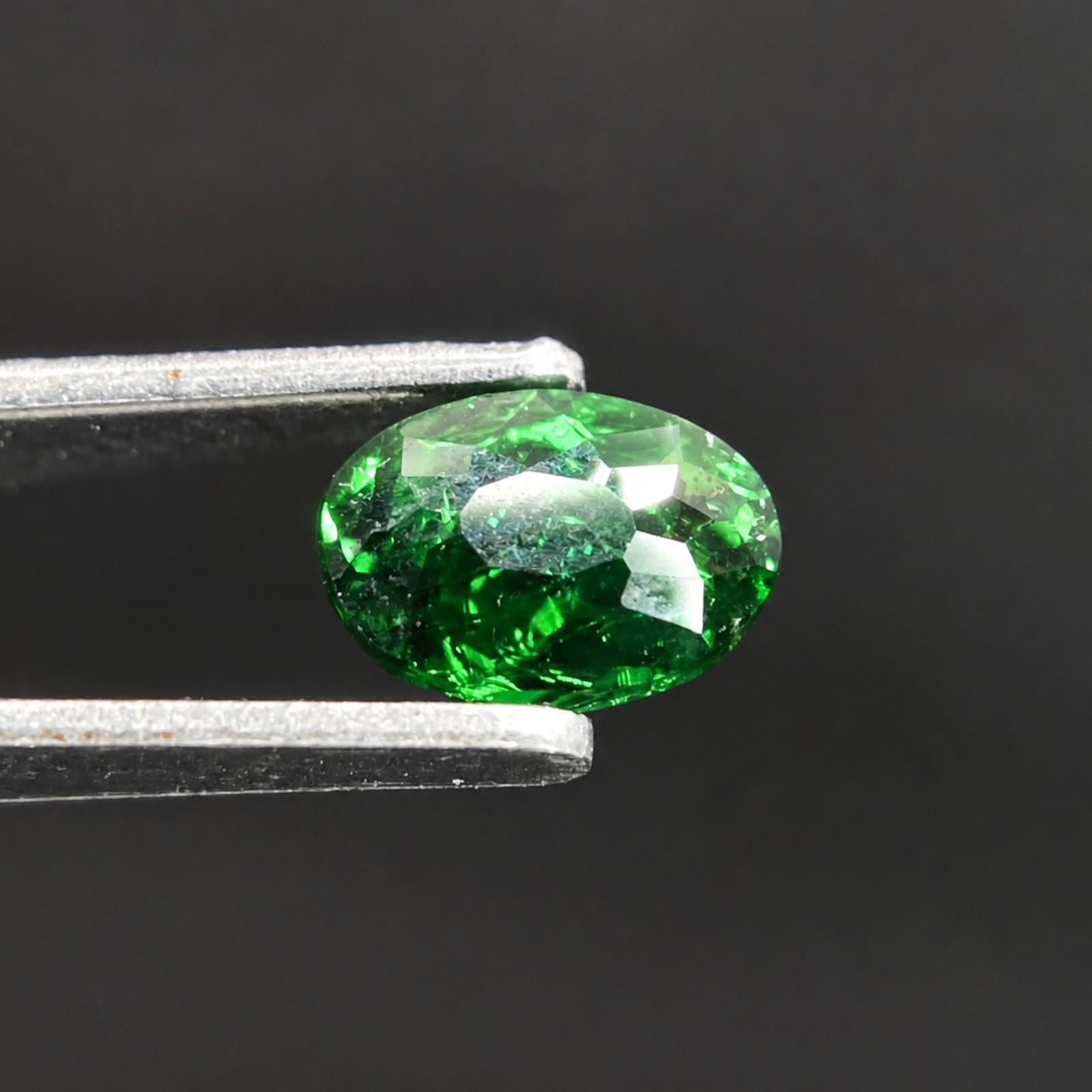
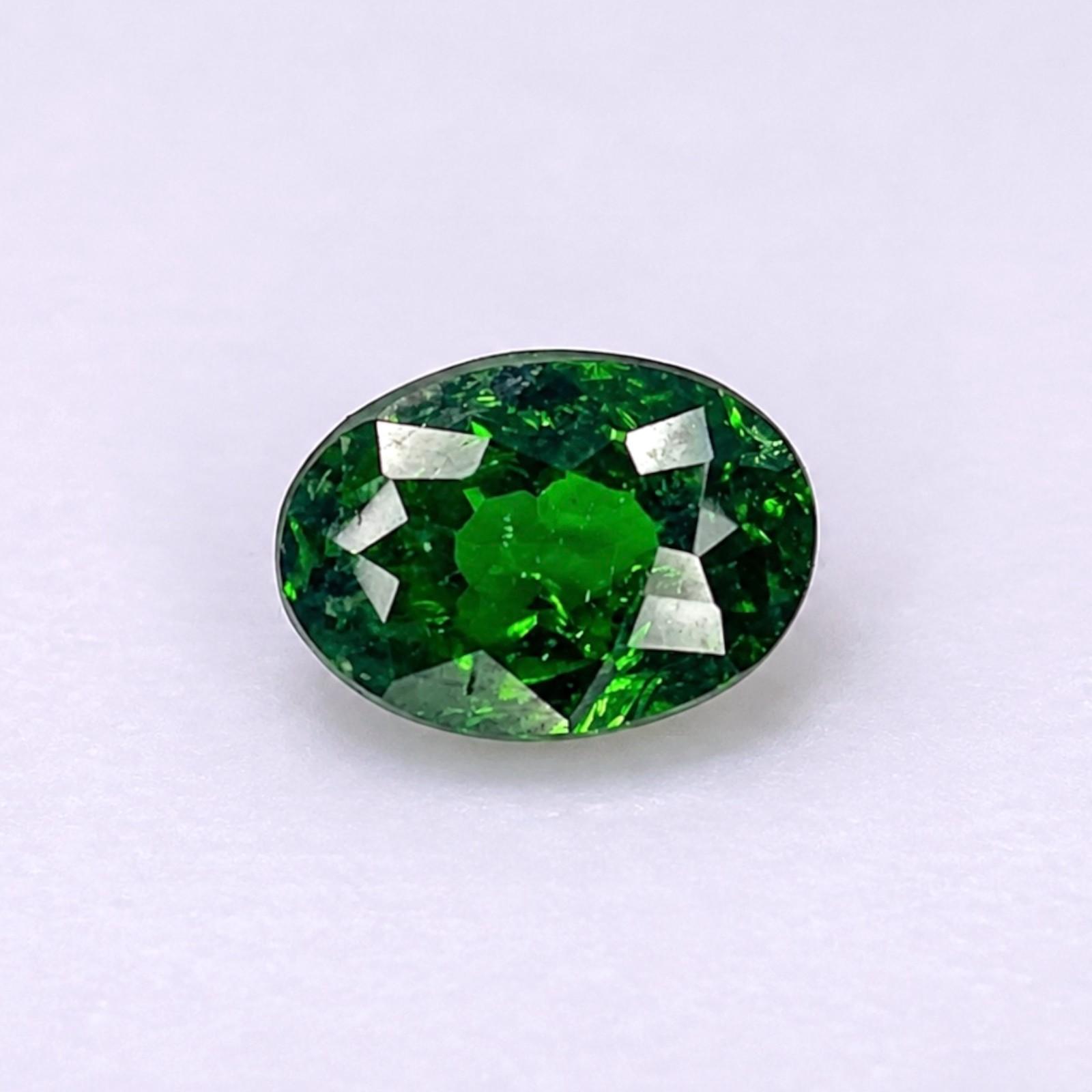
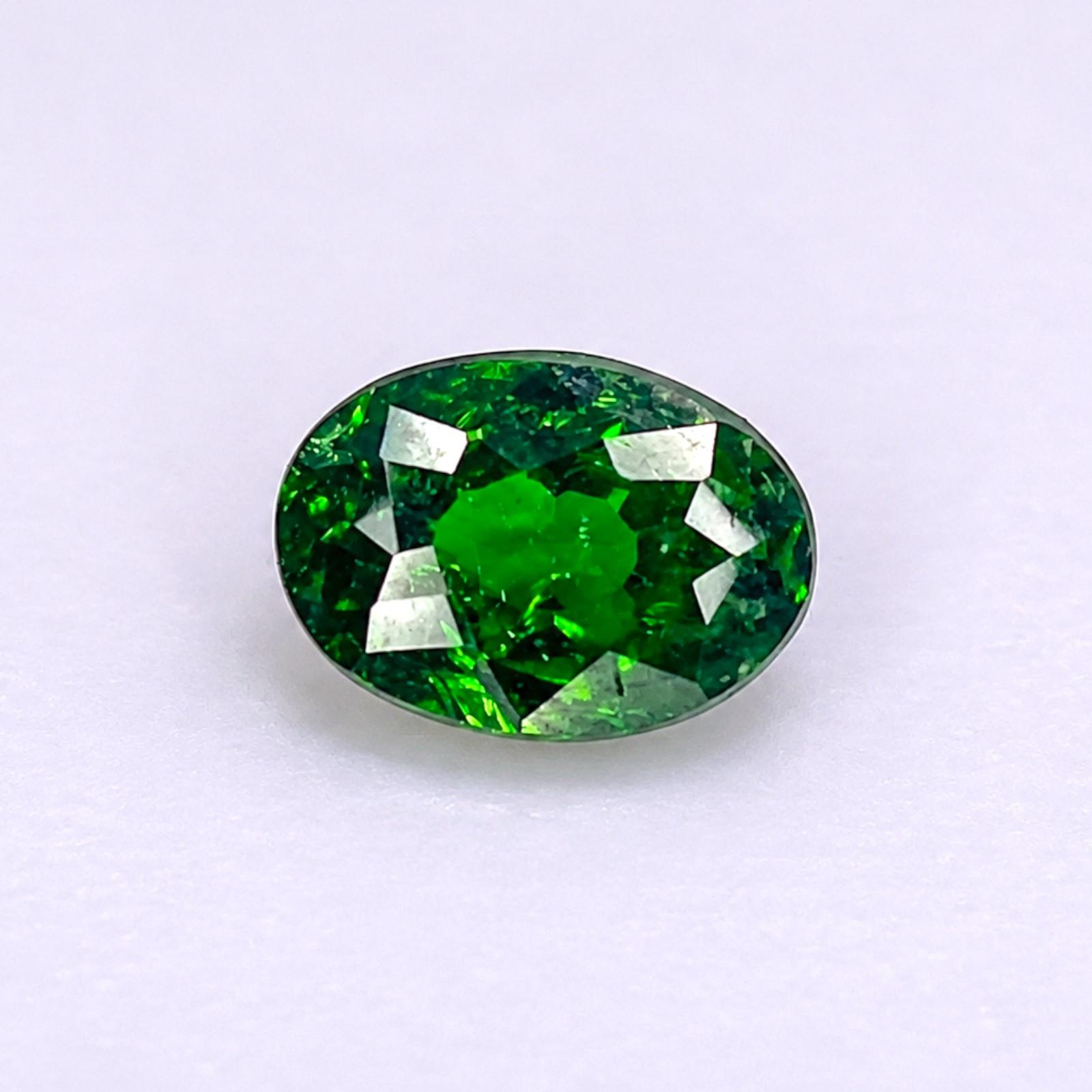
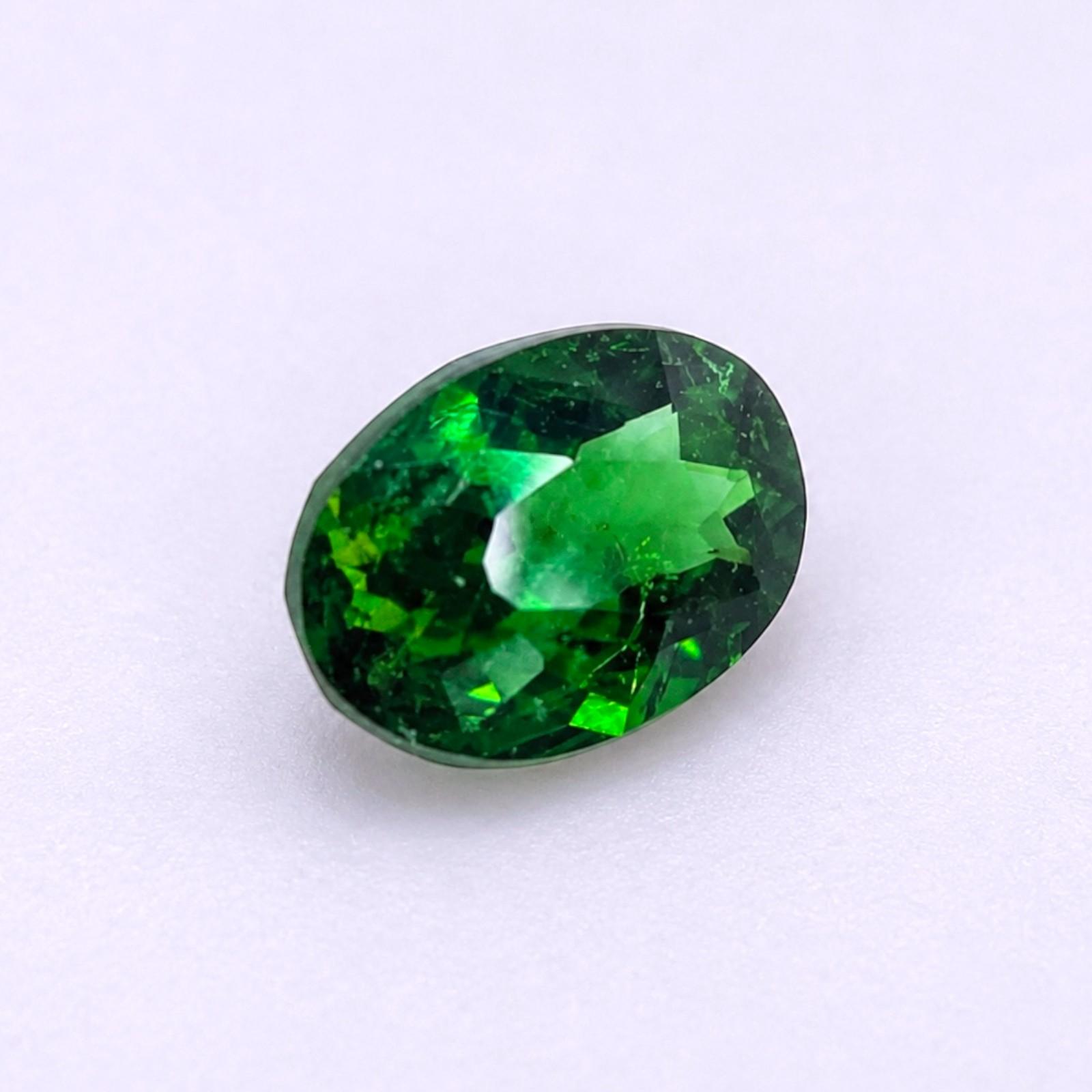
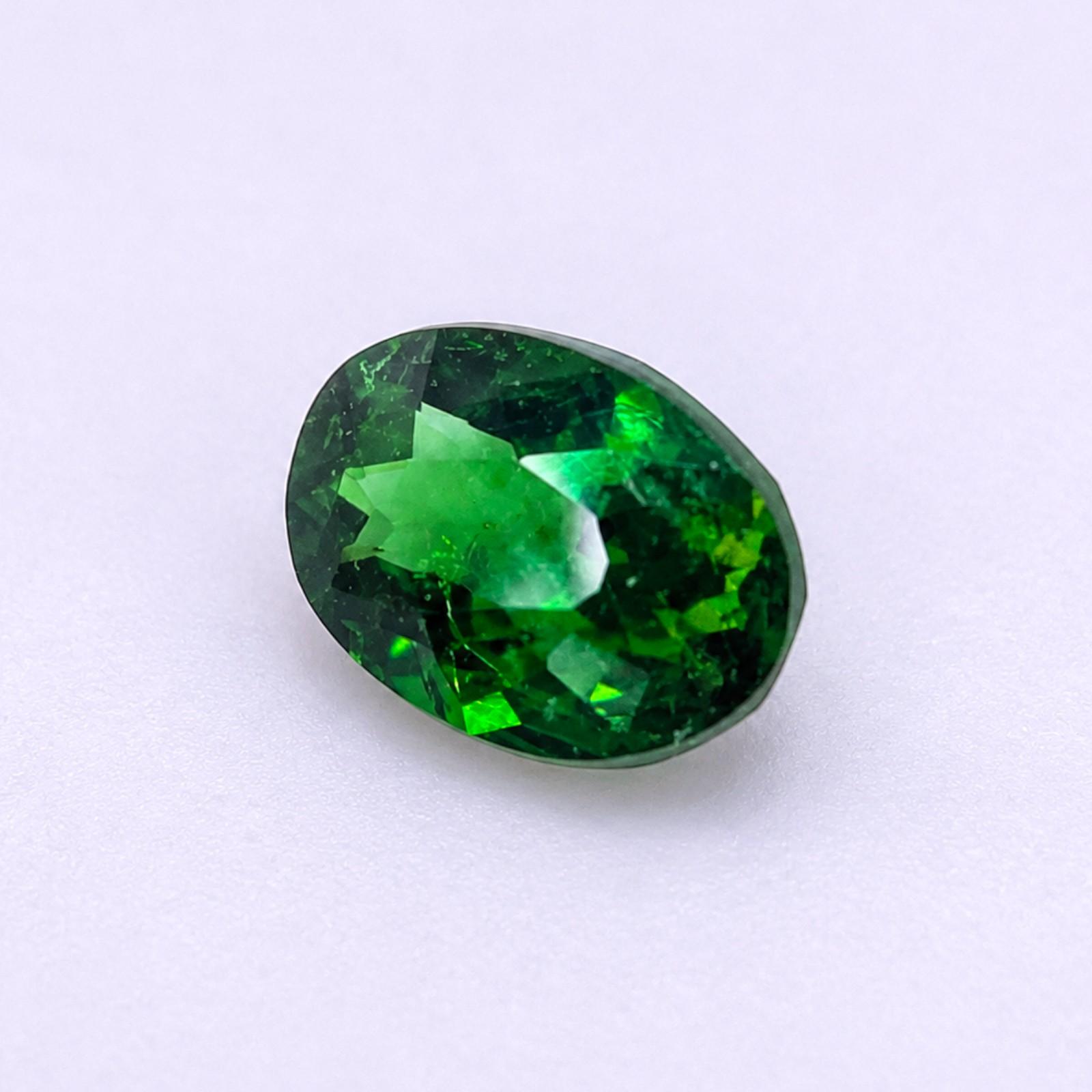
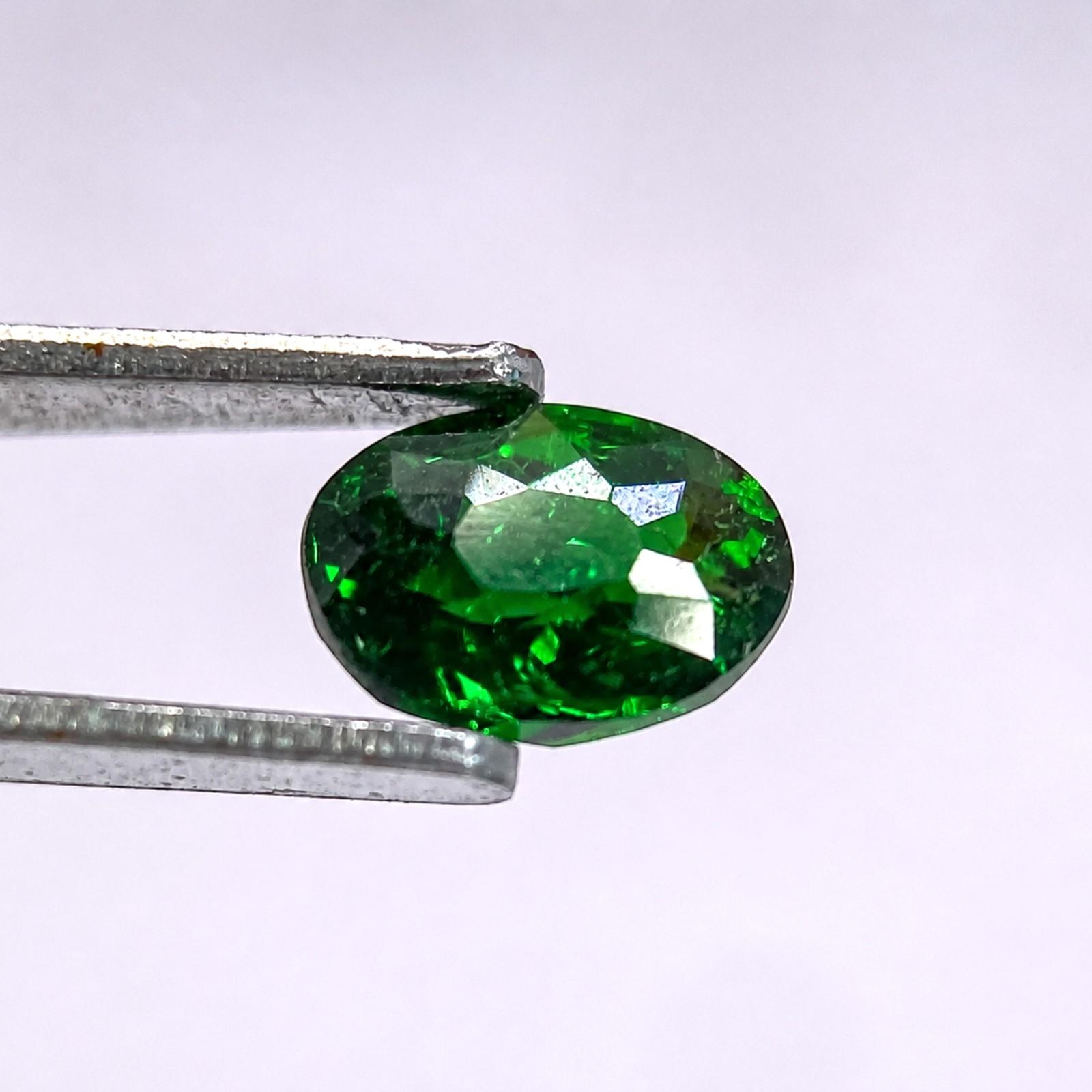
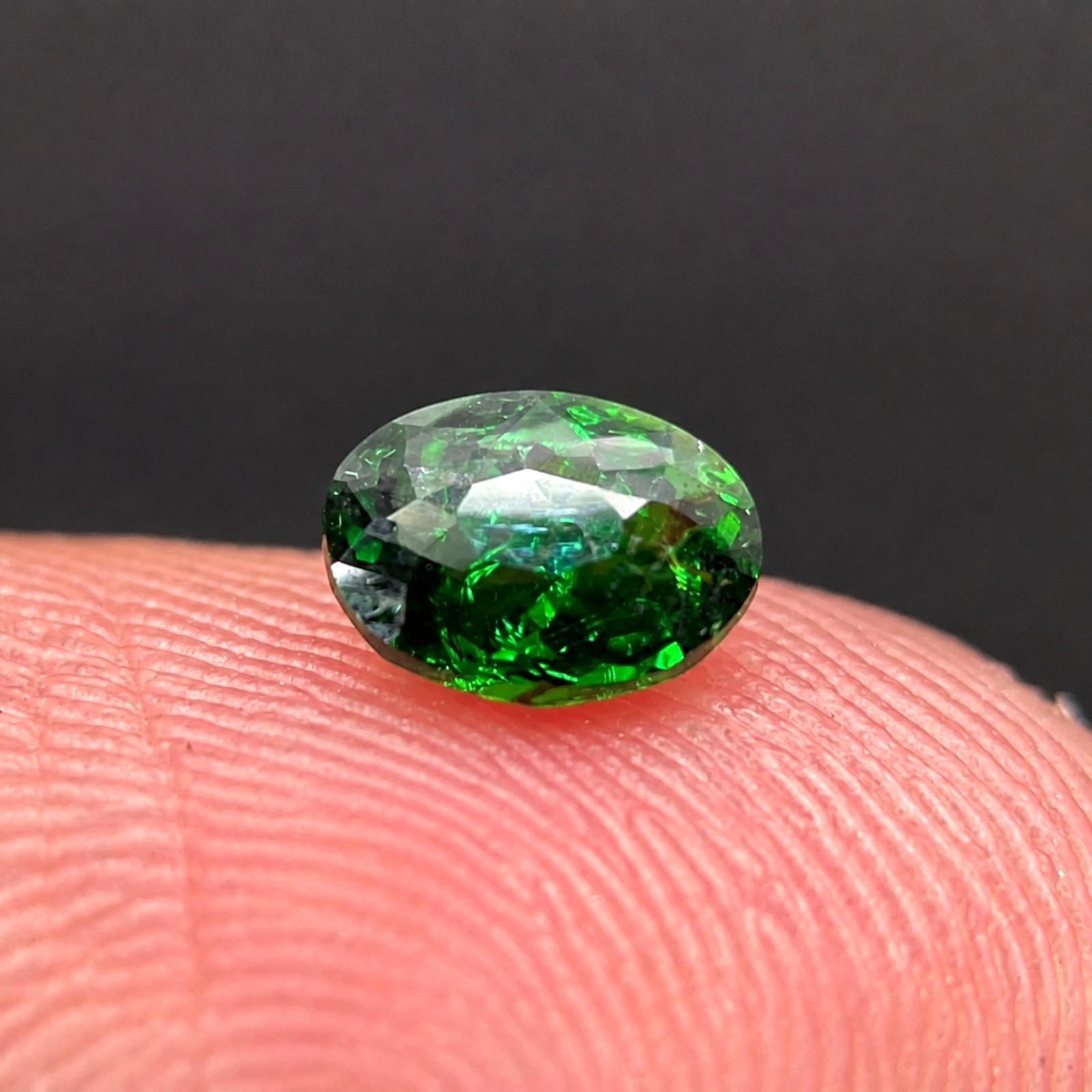
0.45 ct TOURMALINE – PAKISTAN
EXPERT VERIFIED
- Expert Verified Gemstone
- Fast Handling & Shipping
- Secure Vault Packaging
$ 120
Offer amount Feild


Smart Collector Choice


Pay with Crypto & Get 10% Automatic Discount

Availability: 1 in stock


- Freakingcats Gemstone Database
Chrome Tourmaline (Pakistan)
Chrome Tourmaline from the high-altitude, highly fractionalized LCT pegmatites and altered metamorphic contact zones of northern Pakistan represents an extraordinarily rare, intensely vibrant expression of chromium- and vanadium-activated tourmaline crystallization. Primarily a chrome-bearing variety of dravite or uvite, it is a mineral I have always respected for its “forest-emerald” to “electric-spearmint-neon” brilliance and its status as a masterpiece of “trigonal” structural discipline. For the specialist, a top-tier Pakistani Chrome Tourmaline—whether presenting as a loop-clean, precision-cut gemstone or a sharply terminated, lustrous hexagonal-like prism on matrix—is a prized trophy of deep-seated metamorphic metasomatism; it offers a bright vitreous to sub-adamantine surface luster and a commanding, light-gathering presence that makes it an essential anchor for the systematic vault. As an artist, I find the breathtaking, liquid-emerald saturation of its crystal bodies contrasting cleanly against white cleavelandite or bronze phlogopite to be one of nature’s most sophisticated and visually arresting canvases.
The Heritage & Discovery
Historical Significance Chrome Tourmaline is a vital index species for decoding the specialized geochemical mechanics of chromium and vanadium leaching during high-temperature metamorphic interactions between pegmatitic fluids and ultramafic host rocks. Historically, while East Africa (Tanzania and Kenya) has long dominated the global market for chrome dravite, the unearthing of gem-grade chromium-bearing tourmalines across northern Pakistan during the late 20th century established a whole new regional standard. Pakistani specimens are celebrated among advanced collectors for their exceptional crystal size, sharp trigonal geometry, and remarkable internal transparency, standing as an enduring symbol of tectonic energy and metasomatic focus.
Discovery The unearthing of vivid green tourmaline crystals across the alpine valleys of Pakistan occurred as gem miners explored complex contact zones where granitic pegmatites intruded into ancient chromium-bearing serpentinites. Scientifically, Chrome Tourmaline owes its intense, emerald-like green coloration to trace amounts of trivalent chromium (Cr3+) and vanadium (V3+) substituting for aluminum within the tourmaline Y and Z structural sites. Unlike typical iron-rich verdelite tourmalines—which often show dark, olive-black secondary overtones—chromium activation imparts a pure, vibrant green body color with minimal extinction. My own respect for this material grew from analyzing its optical behavior through a Chelsea filter; specifically, watching a clean Pakistani gem flash an intense, bright red under filter illumination confirms the high concentration of structural chromium and distinguishes it immediately from standard iron-colored green tourmaline.
Important Mines The primary regional capitals for collector-grade expressions of this species within Pakistan are located in the high-altitude terrains of Khyber Pakhtunkhwa and Gilgit-Baltistan. Outstanding specimens have historically emerged from the specialized pegmatite-serpentinite contact zones of the Swat Valley (famous for its chromium-rich geology), as well as alpine veins throughout the Gilgit, Haramosh, and Stak Nala regions near Skardu. For the vault, I prioritize specimens that exhibit sharp, undamaged crystal terminations, deep emerald-green color saturation without dark extinction zones, high internal clarity, and a clean matrix attachment.
Mineralogical Profile
Description Chrome Tourmaline is a chromium-bearing sodium magnesium aluminum borosilicate mineral belonging to the tourmaline supergroup (primarily Dravite/Uvite series) that crystallizes in the trigonal system. It sits at a hard, durable 7 to 7.5 on the Mohs scale, meaning its lustrous crystal faces are tough and highly resistant to physical scratching, requiring only standard archival care to protect its crisp crystal edges and terminations from physical impact. It is characterized by its exceptionally bright vitreous surface luster and a vivid color palette dominated by forest-green, electric emerald, mint-green, and deep teal-green.
One of its most identifying traits is its rounded triangular (trigonal) prismatic cross-section, routinely forming stout, vertically striated columns with complex pyramidal terminations that cleanly map out historical fluid pathways through metamorphic contact zones. It possesses a moderate to high refractive index running from approximately 1.615 to 1.650, giving it strong optical double refraction (birefringence), and an average specific gravity ranging between 3.00 and 3.26. Because it forms along the contact between boron-rich granitic pegmatites and chromium-rich ultramafic host rocks, it is commonly found in close association with Quartz, Albite (Cleavelandite), Muscovite, Phlogopite, Talc, Magnesite, and Fluorapatite. When I select an example for documentation, I look for sharp, “crisp” prismatic geometry, high internal transparency, and pure emerald-green color saturation, as these emphasize the sophisticated, fluid-driven chemistry of the mineral’s subterranean birth.
Chemical Formula Na(Mg3)Al6(Si6O18)(BO3)3(OH)3OH (with trace Cr3+ and V3+ substitutions)


