
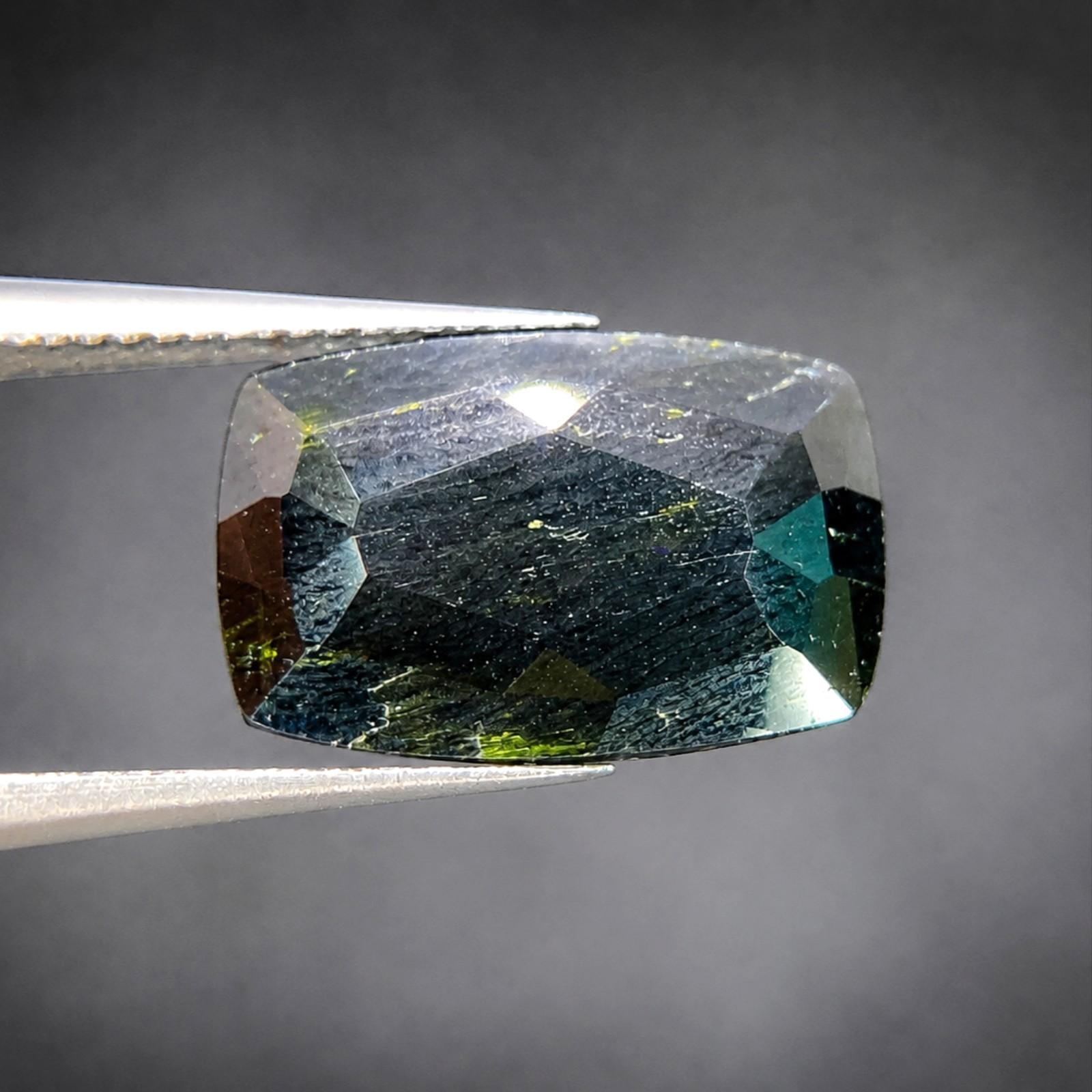
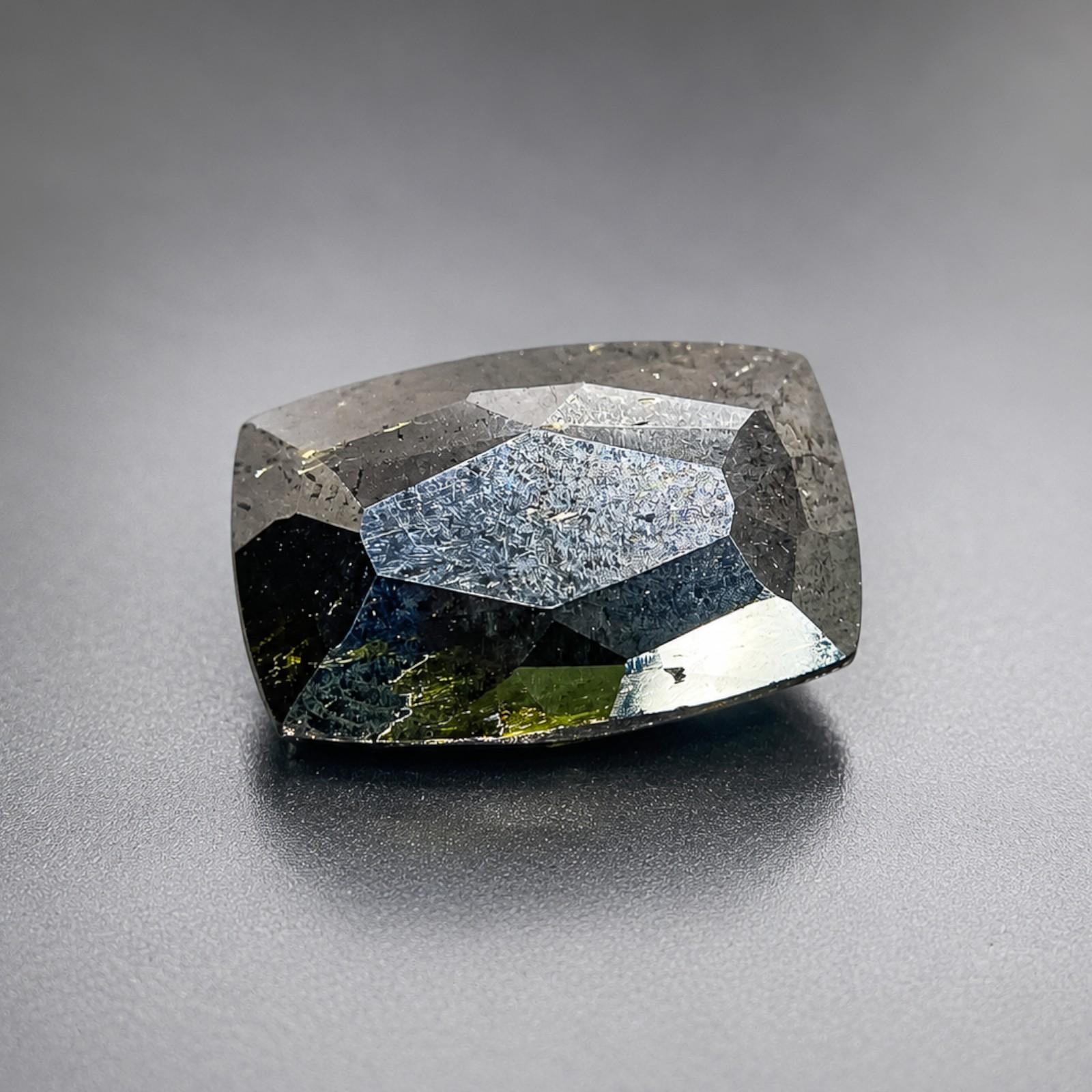
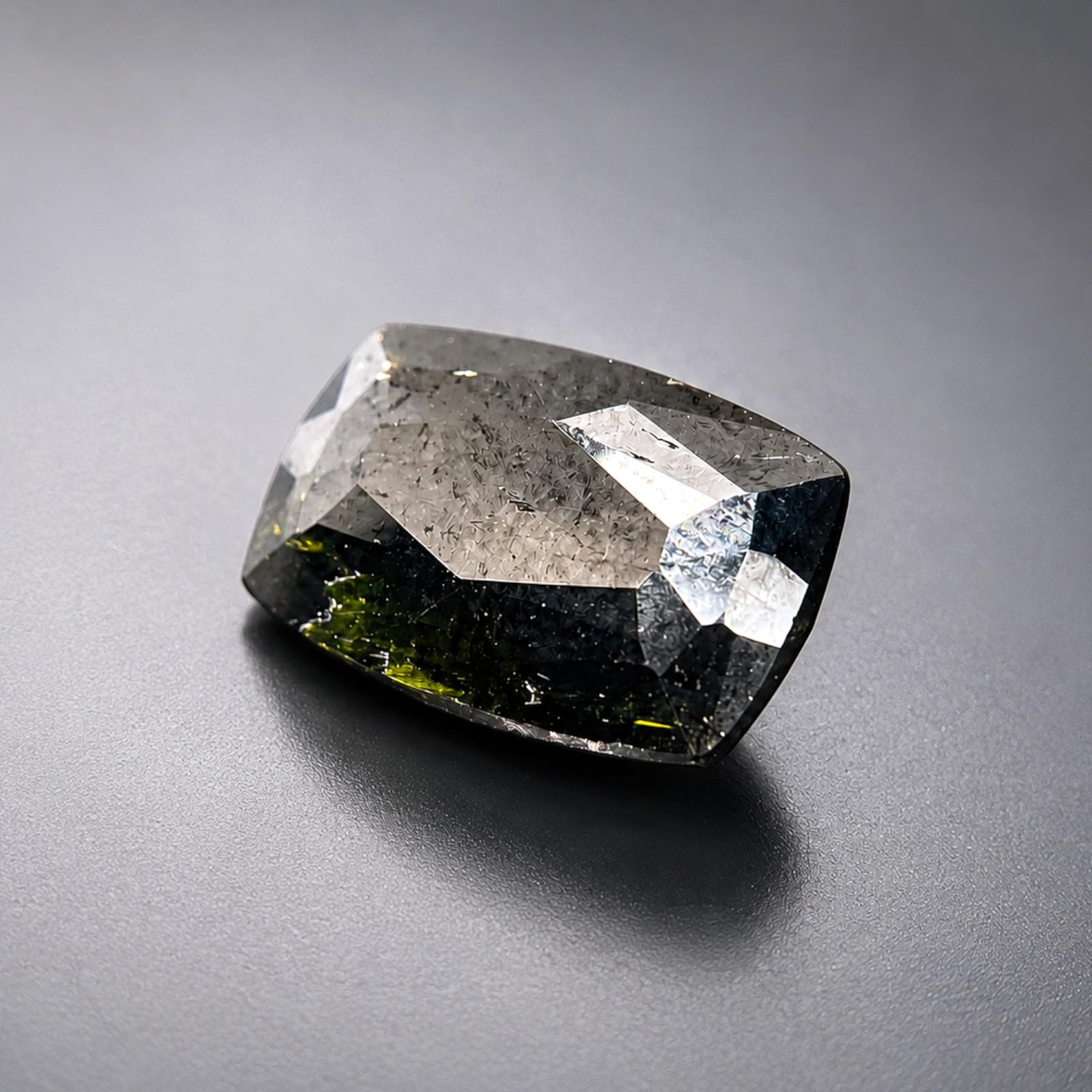
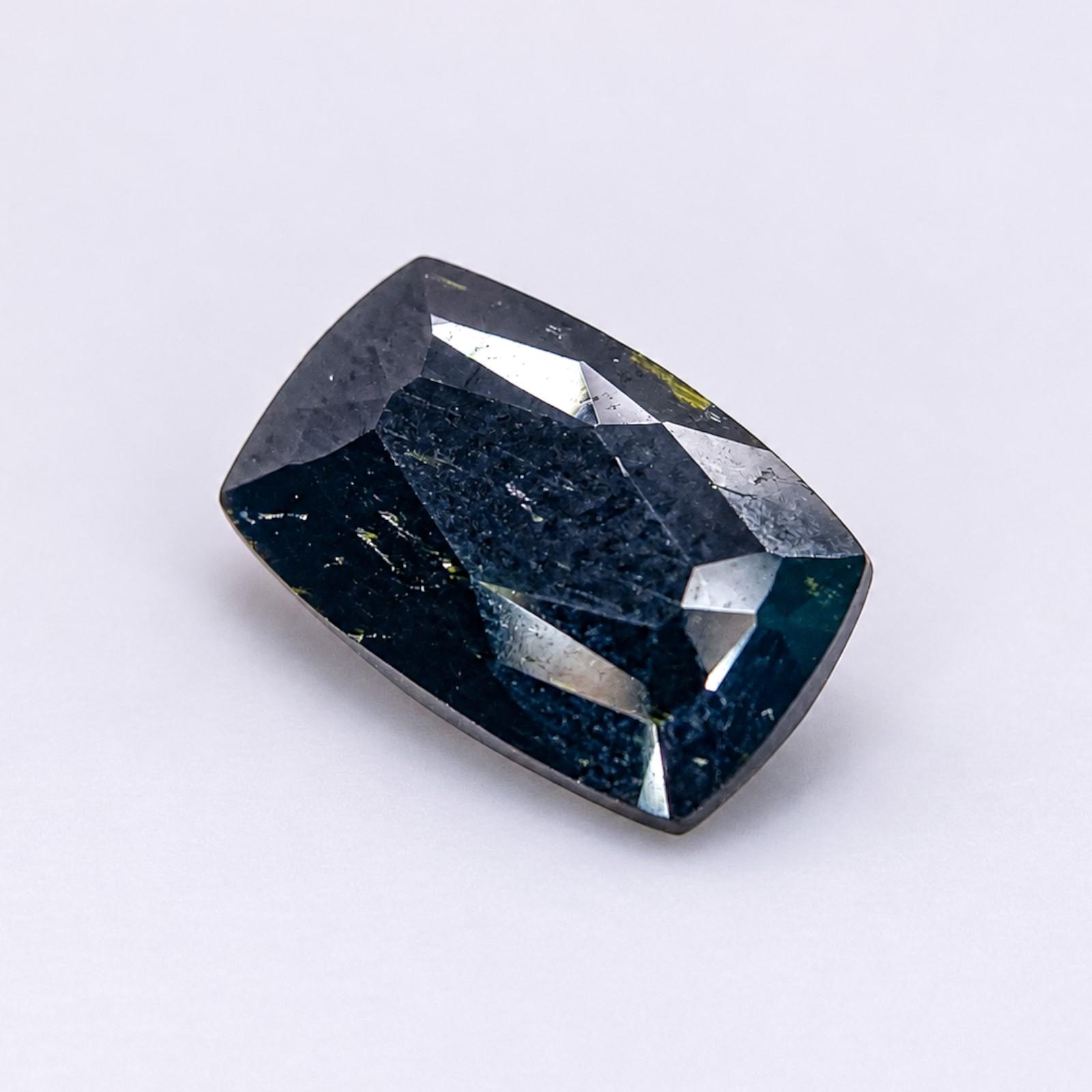
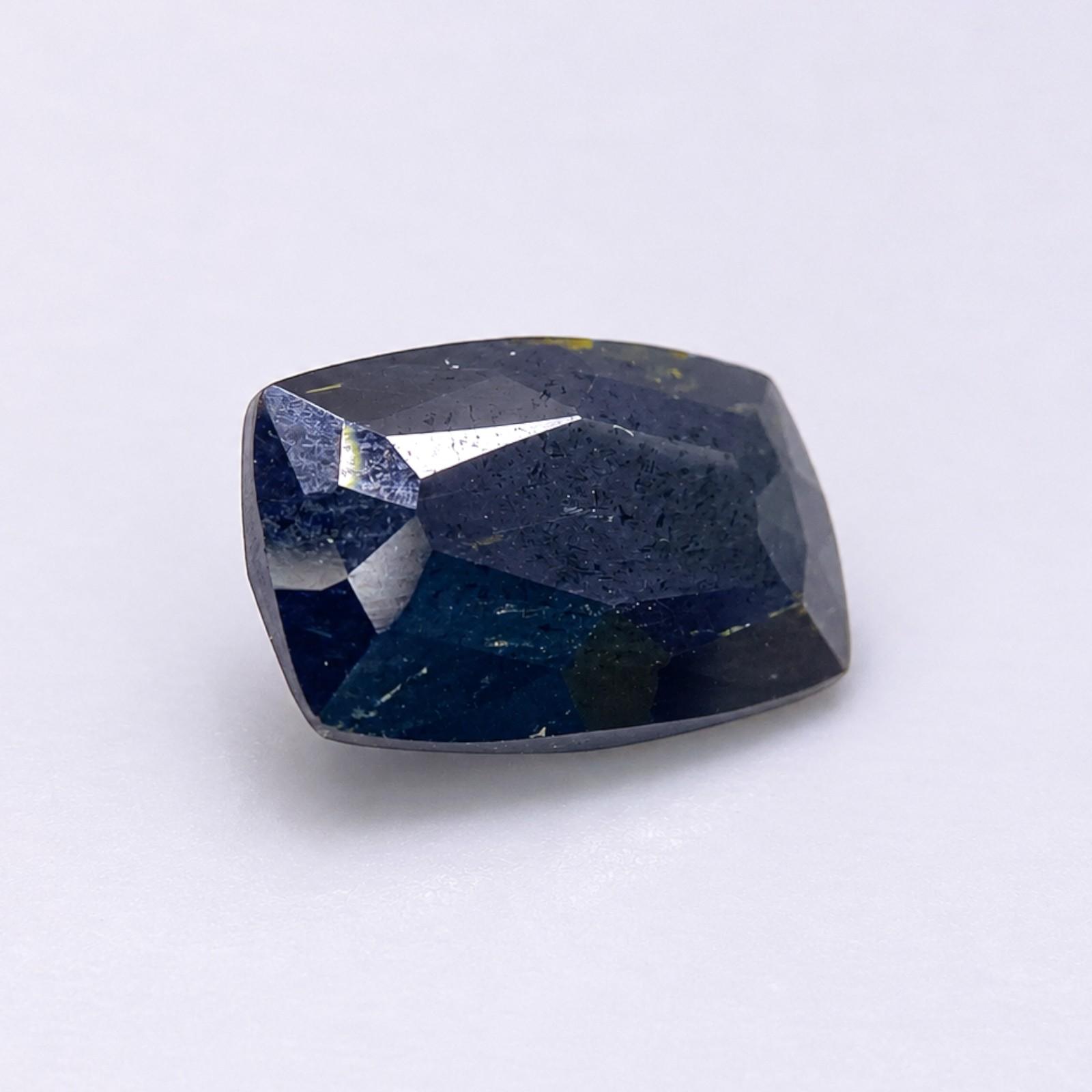
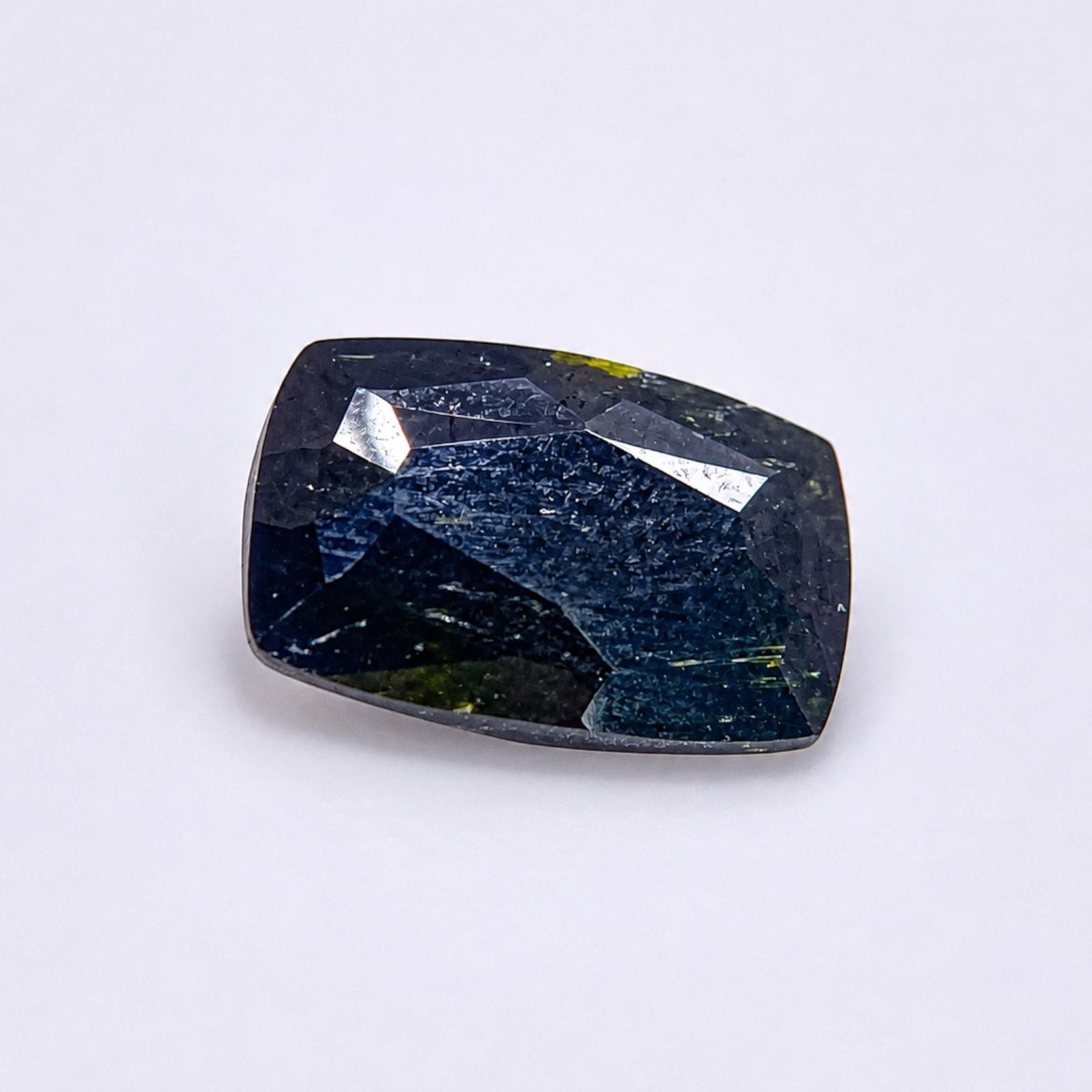
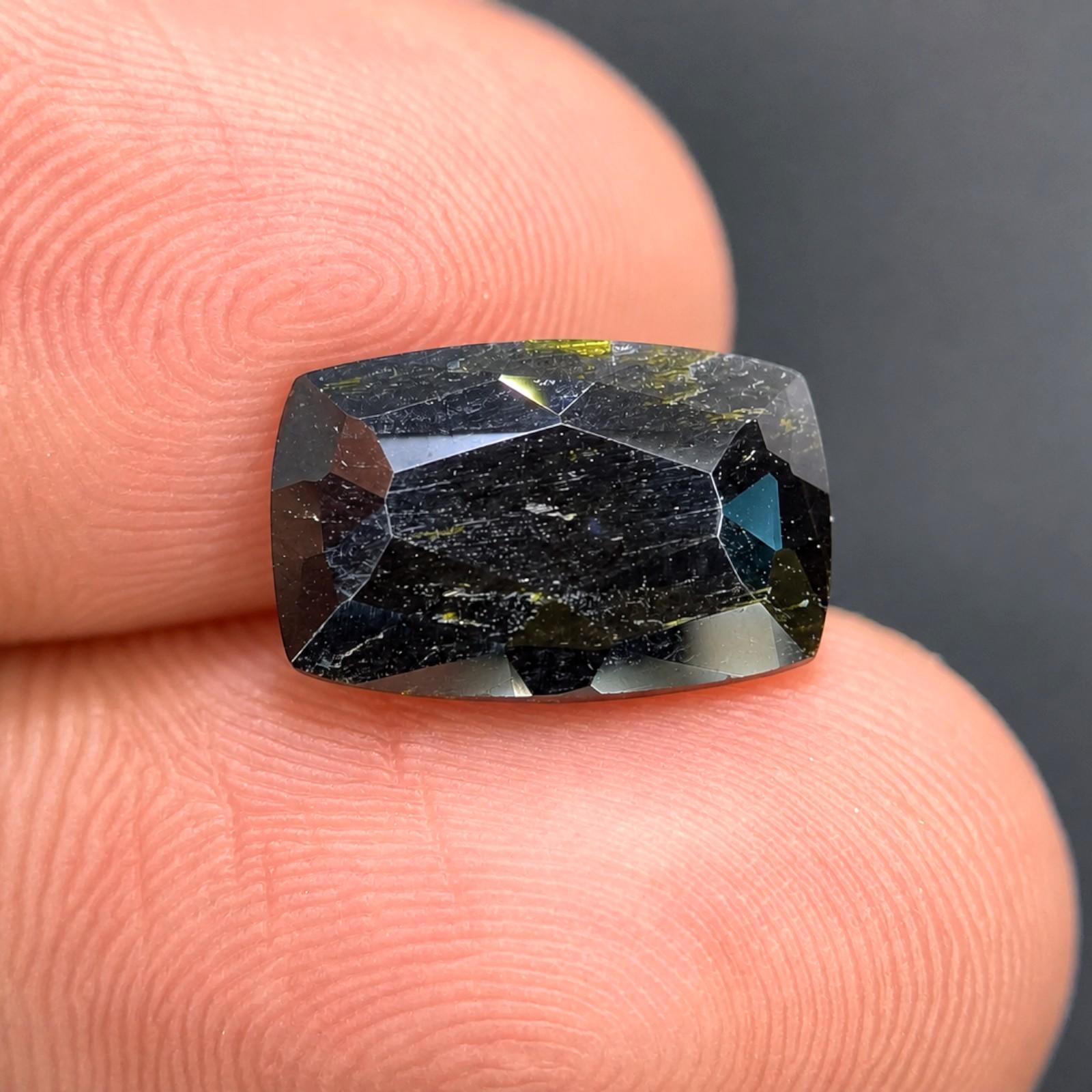
4.55 ct EPIDOTE – INDIA
EXPERT VERIFIED
- Expert Verified Gemstone
- Fast Handling & Shipping
- Secure Vault Packaging
$ 200
Offer amount Feild


Smart Collector Choice


Pay with Crypto & Get 10% Automatic Discount

Availability: 1 in stock


- Freakingcats Gemstone Database
Epidote (India)
Epidote from the regional metamorphic belts and hydrothermal skarn cavities of India—particularly the classic occurrences within Maharashtra, Rajasthan, and Tamil Nadu—represents an exceptional, highly structured expression of calcium aluminum iron sorosilicate crystallization. A signature species of green-schist facies metamorphism, it is a mineral I have always respected for its “pistachio-olive” to “deep-forest-bronze” saturation, intense pleochroic personality, and its status as a masterclass in “monoclinic” structural discipline. For the specialist, a top-tier Indian Epidote—whether presenting as an elongated, lustrous prismatic crystal with sharp pinacoidal terminations or a fan-like spray perched on contrasting quartz or prehnite matrix—is a prized trophy of iron-rich metasomatic fluid circulation; it offers a brilliant vitreous to sub-resinous luster and an authoritative, highly geometric presence that makes it an essential anchor for the systematic vault. As an artist, I find the striking optical interplay between its deep, glassy olive-green faces and the fiery, brownish-amber flashes that emerge along its secondary optical axes to be one of nature’s most sophisticated and visually grounding palettes.
The Heritage & Discovery
Historical Significance Epidote is an indispensable index species for decoding the thermal gradients, oxidation states, and iron-aluminum partitioning that occur during low-to-medium grade regional metamorphism and contact metasomatism. Historically, while India is internationally renowned for its spectacular Deccan Trapp zeolites and secondary volcanic minerals, the discovery of sharply developed, macrocrystalline epidote prisms across its metamorphic basements and calc-silicate contact zones provided mineralogists with a pristine model of iron-rich sorosilicate growth. In the realm of systematic collections, fine Indian specimens stand as an enduring testament to deep-seated tectonic recrystallization, structural resilience, and geochemical equilibrium.
Discovery The unearthing of aesthetic epidote crystals across various Indian states occurred during regional geological surveys, granite pegmatite mapping, and quarrying within basaltic cavity systems. Scientifically, Epidote is the namesake species of the epidote supergroup, characterized by isolated SiO4 tetrahedra and paired Si2O7 sorosilicate groups linked by octahedrally coordinated aluminum and iron cations. The mineral owes its classic yellowish-green to deep pistachio body color to trivalent iron (Fe3+) substituting for aluminum within the crystal lattice; higher iron concentrations darken the tone into deep forest green and brownish-black. My own respect for this material grew from analyzing its pronounced pleochroism under targeted lighting; specifically, watching a single, well-formed prism shift noticeably from vibrant pistachio-green to deep olive-brown and yellow when rotated reveals a complex optical orientation that is deeply captivating to the trained eye.
Important Locations Notable expressions of collector-grade epidote within India are documented across several key geological terrains. Outstanding, elongated prismatic crystals and aesthetic sprays have historically emerged from the contact metamorphic skarns and calc-silicate marbles of Rajasthan (including the Ajmer and Bhilwara districts) and Tamil Nadu (such as the Salem and Karur districts). Additionally, fine crystalline epidote frequently occurs as an associated species or inclusion within quartz and prehnite cavities along the margins of the Deccan Traps in Maharashtra. For the systematic vault, I prioritize specimens that exhibit sharp, mirror-lustrous prismatic faces, deep pistachio-to-olive color saturation with clean optical transmission, undamaged terminations, and an active, freestanding matrix association with companion silicates.
Mineralogical Profile
Description Epidote is a basic calcium aluminum iron sorosilicate mineral that crystallizes in the monoclinic system. It sits at a robust 6 to 7 on the Mohs scale, meaning its highly lustrous crystal faces are tough and resistant to surface abrasion, though its perfect basal cleavage requires careful archival handling to safeguard its crisp crystal edges, delicate terminations, and striated faces from physical impact. It is characterized by its bright vitreous to sub-resinous surface luster and an unmistakable, earth-rich color palette dominated by pistachio-green, olive-green, brownish-green, and dark forest-black.
One of its most identifying traits is its elongated prismatic habit, routinely forming vertically striated, blade-like or column-like crystals elongated parallel to the b-axis, often displaying complex multi-faceted terminations or fibrous, radiating fan-like clusters. It possesses a high refractive index running from approximately 1.715 to 1.797, giving it exceptional surface brilliance and lively optical reflectivity, and a substantial average specific gravity ranging between 3.35 and 3.50 that reflects its dense, iron-bearing sorosilicate architecture. Because it forms primarily in metamorphic calc-silicates, hydrothermally altered igneous rocks, and skarns, it is commonly found in close association with Quartz, Prehnite, Calcite, Actinolite, Grossular Garnet, Diopside, and Albite. When I select an example for documentation, I look for crisp monoclinic geometry, intense pistachio-green color purity, and strong surface luster, as these emphasize the sophisticated, fluid-driven chemistry of the mineral’s subterranean birth.
Chemical Formula Ca2(Al,Fe3+)3(SiO4)(Si2O7)O(OH)


