
8.80 ct TREMOLITE UV – USA
EXPERT VERIFIED
- Expert Verified Gemstone
- Fast Handling & Shipping
- Secure Vault Packaging
$ 195
Offer amount Feild


Smart Collector Choice


Pay with Crypto & Get 10% Automatic Discount

Availability: 1 in stock
Gemstone Details
Gem Variety:
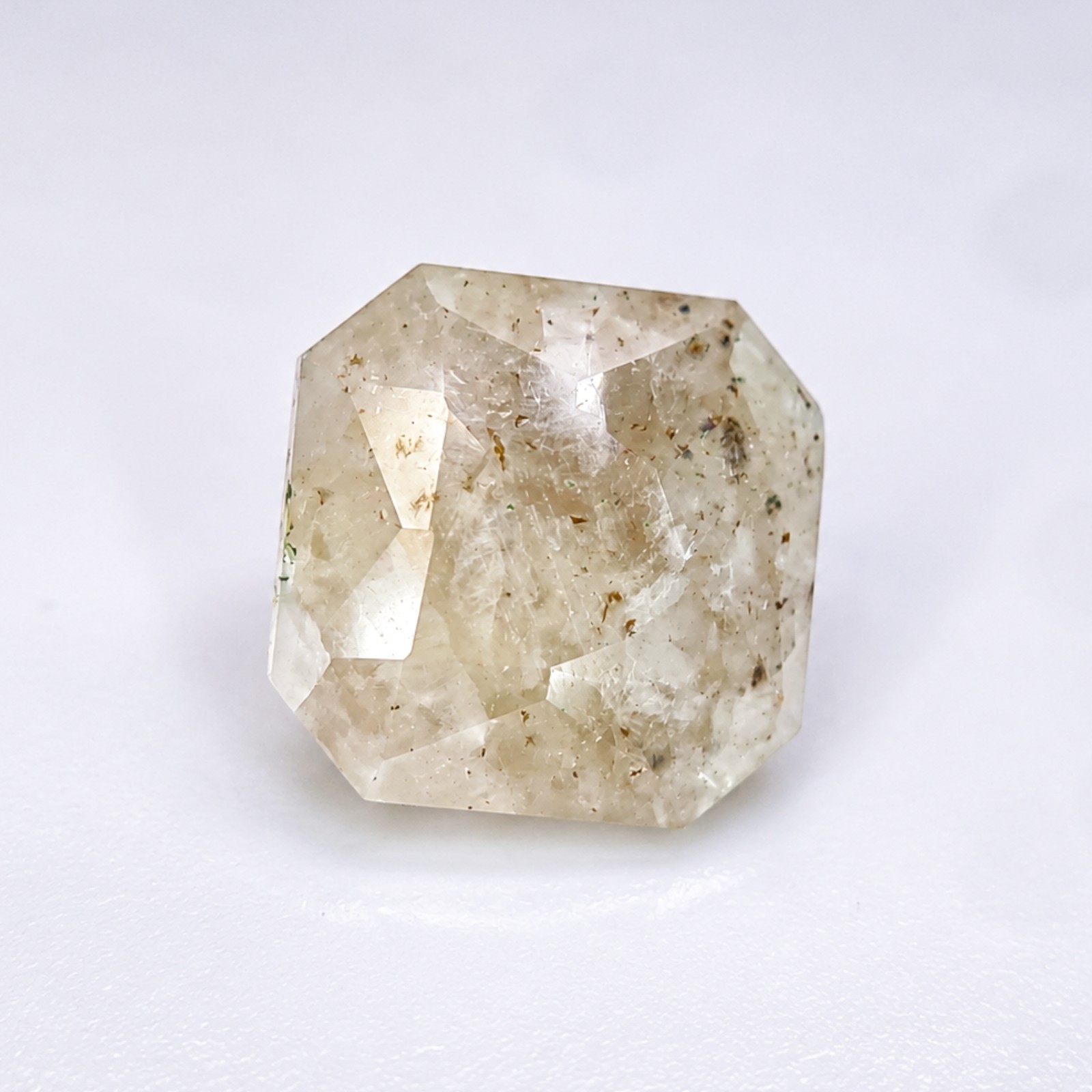
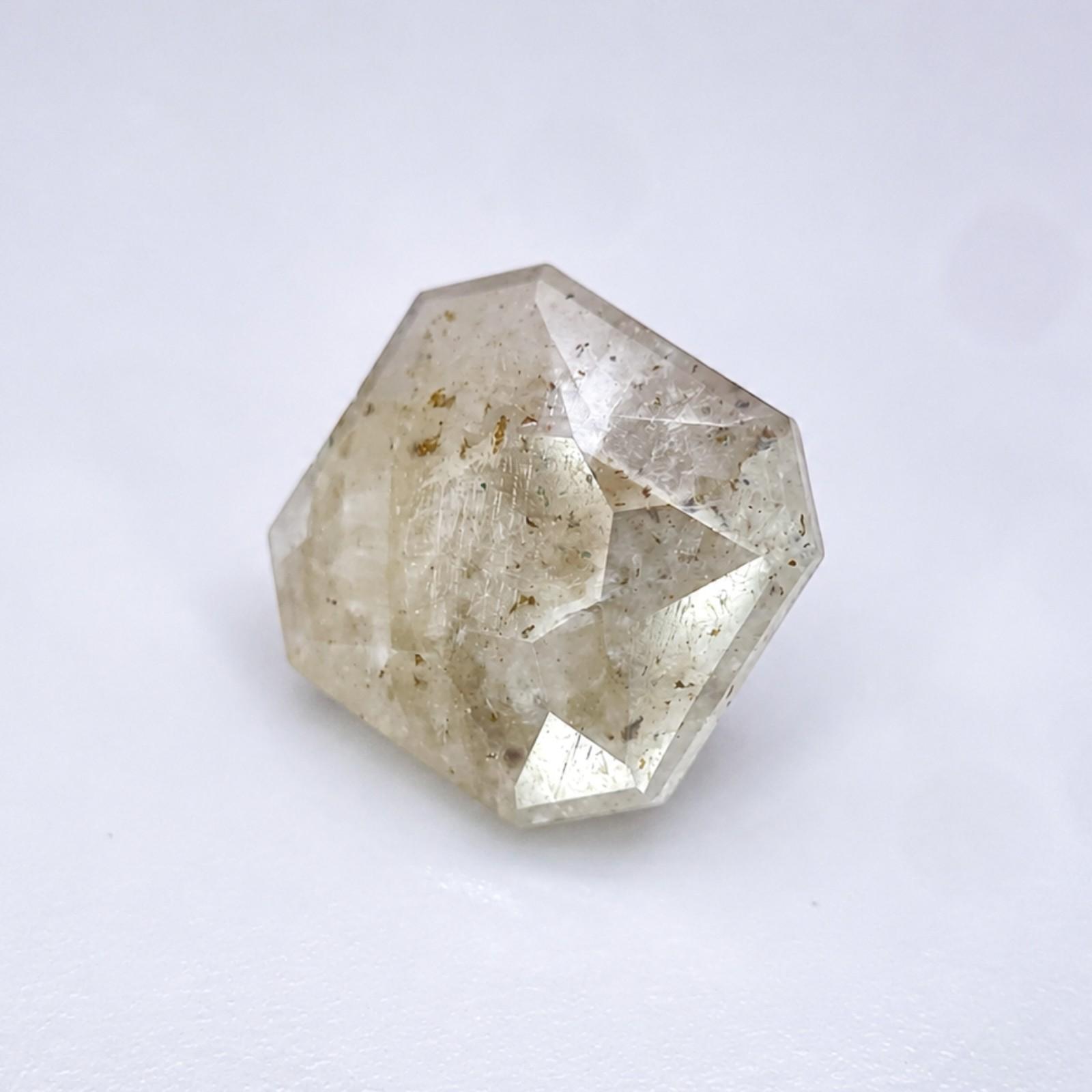
Tremolite UV
Origin:
USA
Carat Weight:
8.80
Length (mm):
12.10
Width (mm):
12.10
Depth (mm):
8.50
Shape:
Square
Color
Bi-Color/Multicolor
Treatment:
No Treatment
Certificate:
On Request
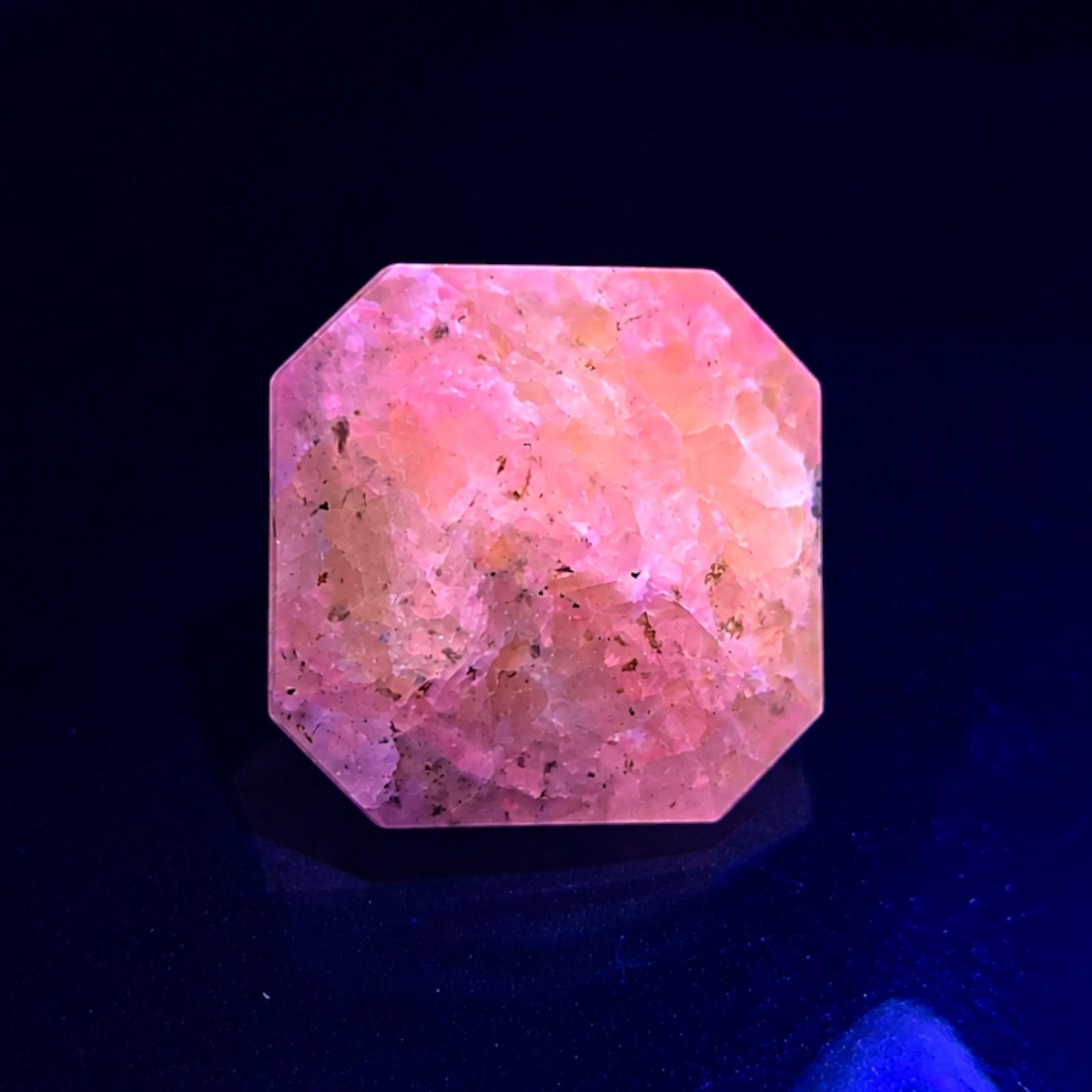
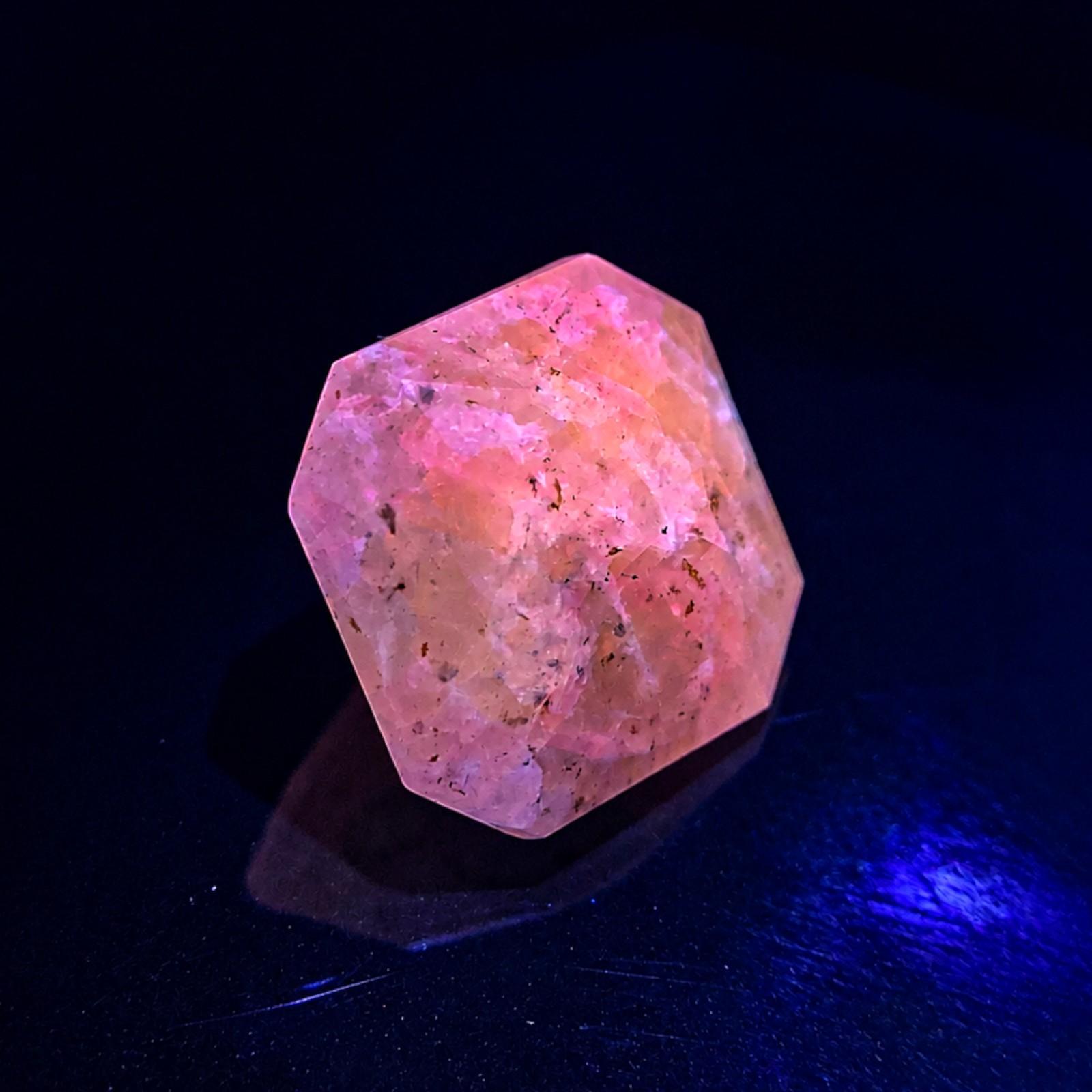
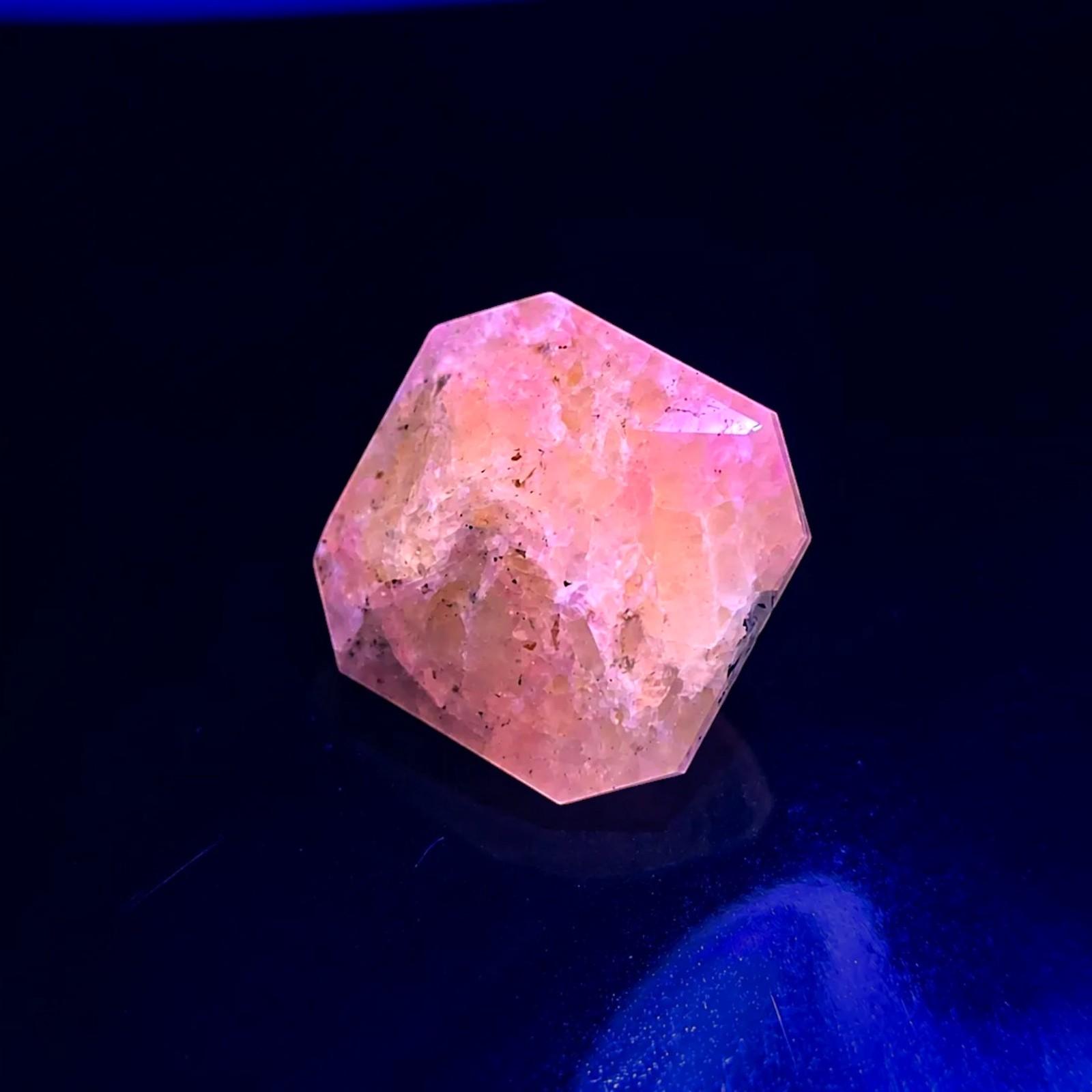
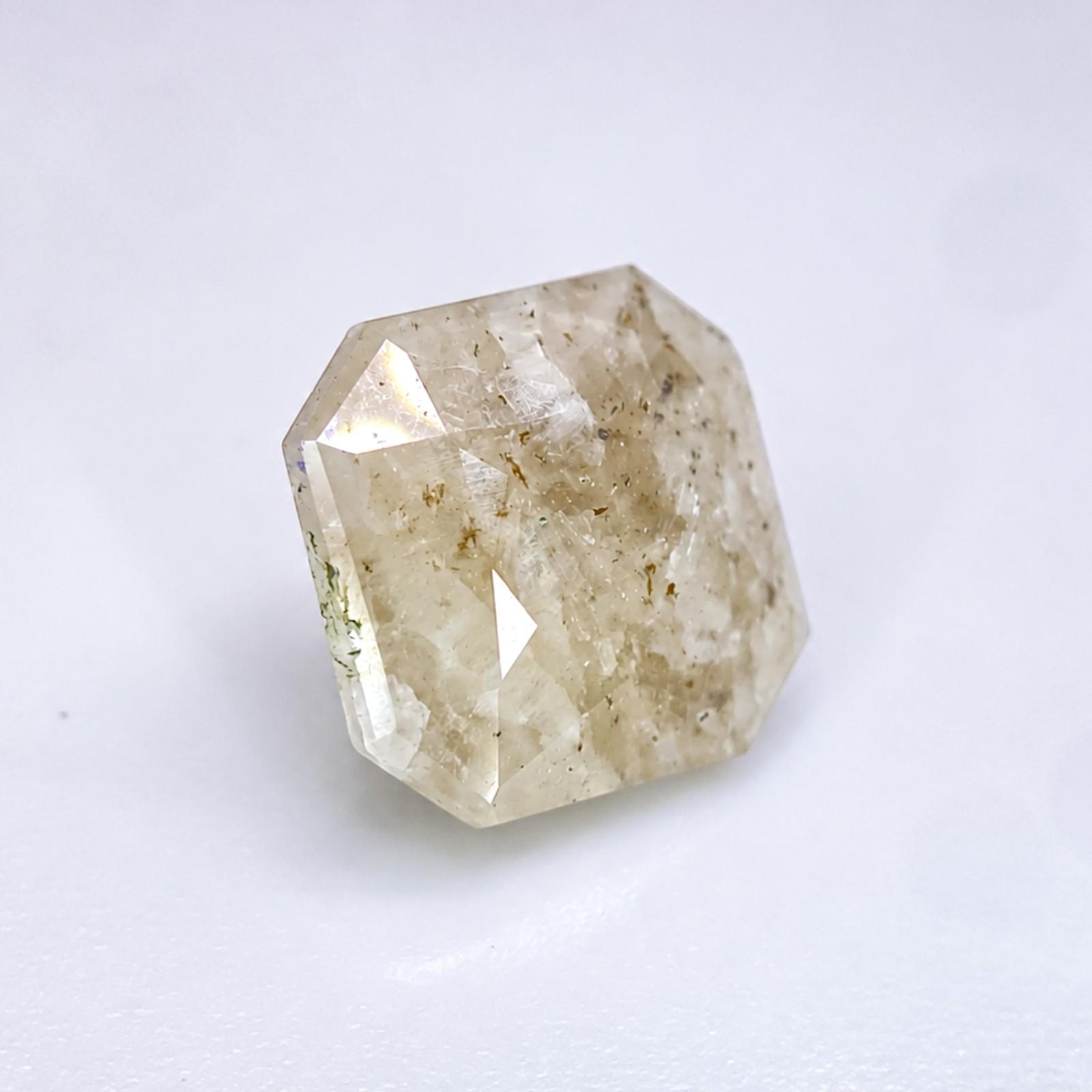


- Freakingcats Gemstone Database
Tremolite (USA) – UV Fluorescence
Tremolite from the high-temperature metamorphic skarns, dolomitic marbles, and talc horizons of the United States—most famously the historic zinc-manganese-rich deposits of Franklin and Sterling Hill in New Jersey, as well as the Grenville metamorphic belt of New York—represents an extraordinary, structurally refined expression of monoclinic amphibole crystallization, renowned for its vivid, dynamic ultraviolet luminescence. A calcium magnesium inosilicate hydroxide, it is a mineral I have always respected for its fibrous-to-bladed elegance, architectural discipline, and its status as a textbook benchmark of “monoclinic” amphibole structure. For the specialist, a top-tier American Tremolite—whether presenting as sharp, lustrous prismatic crystals embedded in pure white calcite marble, silky fibrous sheaves (“hexagonite” variety), or radiating aggregates perched on dark metamorphic matrix—is a prized trophy of contact and regional metasomatism; it offers a bright vitreous to silky luster and a commanding, luminous presence that makes it an essential anchor for the systematic vault. As an artist, I find the spectacular nocturnal transformation—when an unassuming, milky-white, pale lilac, or soft sea-green prism suddenly ignites into a glowing, electric yellow-orange, golden-tangerine, or pastel green under ultraviolet excitation—to be one of nature’s most sophisticated and visually captivating light performances.
The Heritage & Discovery
Historical Significance
Tremolite is an indispensable index mineral for decoding the temperature-pressure regimes, fluid-flow channels, and magnesium-calcium metasomatism that occur during medium- to high-grade metamorphism of siliceous dolomitic limestones. Historically named after the Val Tremola in Switzerland, the species gained legendary status across North America through the profound mineralogical wealth of the eastern metamorphic terrains. The prolific zinc-iron-manganese deposits of Sussex County, New Jersey, alongside the ancient Grenville Province marbles of St. Lawrence County, New York, revealed some of the most morphologically diverse and intensely fluorescent amphiboles in the world, establishing an enduring global benchmark for collector-grade luminescent silicates.
Discovery
The unearthing of macrocrystalline, UV-reactive tremolite across classic American mining districts occurred during deep exploratory tunneling for zinc ores and industrial talc extraction. Scientifically, Tremolite is the magnesium-dominant member of the calcic amphibole group, characterized by double chains of silicon-oxygen tetrahedra linked by calcium and magnesium cations with hydroxyl groups. In pure compositions, tremolite is typically non-luminescent; however, in specialized American metamorphic environments, trace elements substituted into the lattice to create exceptional luminescence centers. Trace divalent manganese (Mn2+) or trivalent chromium (Cr3+), occasionally assisted by rare-earth elements, acts as an active chromophore and luminescence center. When exposed to short-wave ultraviolet light (254 nm), these crystals frequently erupt into brilliant canary-yellow, golden-orange, or vibrant peach tones, while long-wave UV (365 nm) can induce distinct golden or greenish flushes. My own respect for this material grew from analyzing its diagnostic cleavage and luminescence; specifically, observing an elongated, fibrous blade ignite with uniform golden fire under targeted UV lamps demonstrates an internal lattice order that is deeply satisfying to the trained eye.
Important Mines
The undisputed capitals for museum-grade, fluorescent tremolite within the United States are anchored in the classic mineral provinces of the Northeast. The world-famous deposits of Franklin and the Sterling Hill Mine in Ogdensburg, Sussex County, New Jersey, stand preeminent, producing sharply defined tremolite crystals and radiating sprays that fluoresce intense yellow-orange to creamy-yellow under short-wave UV, often accompanied by red-fluorescing calcite and green-fluorescing willemite. Equally legendary is the Balmat-Edwards zinc district and the talc mines around Fowler and Talcville in St. Lawrence County, New York, renowned for yielding spectacular crystals and the rare, lilac-to-pink manganoan variety (“hexagonite”) which displays striking ultraviolet activity. Additional occurrences have been documented in the metamorphic marbles of California, Massachusetts, and Connecticut. For the systematic vault, I prioritize specimens that exhibit sharp, undamaged prismatic terminations, clean fibrous or bladed separation, pristine matrix relief against crystalline marble, and a vibrant, immediate response under short-wave ultraviolet excitation.
Mineralogical Profile
Description
Tremolite is a calcium magnesium inosilicate hydroxide mineral belonging to the amphibole supergroup that crystallizes in the monoclinic system. It sits at a robust 5 to 6 on the Mohs scale, meaning its crystal surfaces possess good structural durability, though its characteristic perfect prismatic amphibole cleavage—intersecting at angles of approximately 56° and 124°—and its brittle-to-fibrous tenacity require careful archival handling to protect its delicate crystal tips, fibrous ribbons, and cleavage steps from mechanical shock or surface pressure. It is characterized by its bright vitreous surface luster, which transitions to a delicate silky or pearly sheen across fibrous or cleaved faces, and an elegant daylight color palette dominated by snowy white, pale grayish-green, soft lilac-pink (in manganoan varieties), cream-tan, and water-clear.
One of its most identifying traits is its elongated crystal habit, routinely forming slender, bladed prisms, fibrous asbestiform ribbons, radiating columnar bundles, or dense felted aggregates embedded directly in calc-silicate host rock. It possesses a moderate refractive index running from approximately 1.599 to 1.630, imparting a soft, vitreous clarity, and an average specific gravity ranging between 2.99 and 3.03 that reflects its double-chain silicate architecture. Because it forms almost exclusively during the thermal and regional metamorphism of magnesium-rich carbonate rocks, it is commonly found in close association with Calcite, Dolomite, Talc, Diopside, Wollastonite, Forsterite, Willemite, Franklinite, and Quartz. When I select an example for documentation, I look for sharp monoclinic prism geometry, pristine terminations, and a vivid, high-contrast golden-yellow or tangerine fluorescent glow under ultraviolet illumination, as these emphasize the sophisticated, activator-rich chemistry of the mineral’s subterranean birth.
Chemical Formula
Ca2Mg5Si8O22(OH)2 (with trace Mn2+, Cr3+, and Fe activator/chromophore substitutions)


