
SKU: ULEX0009
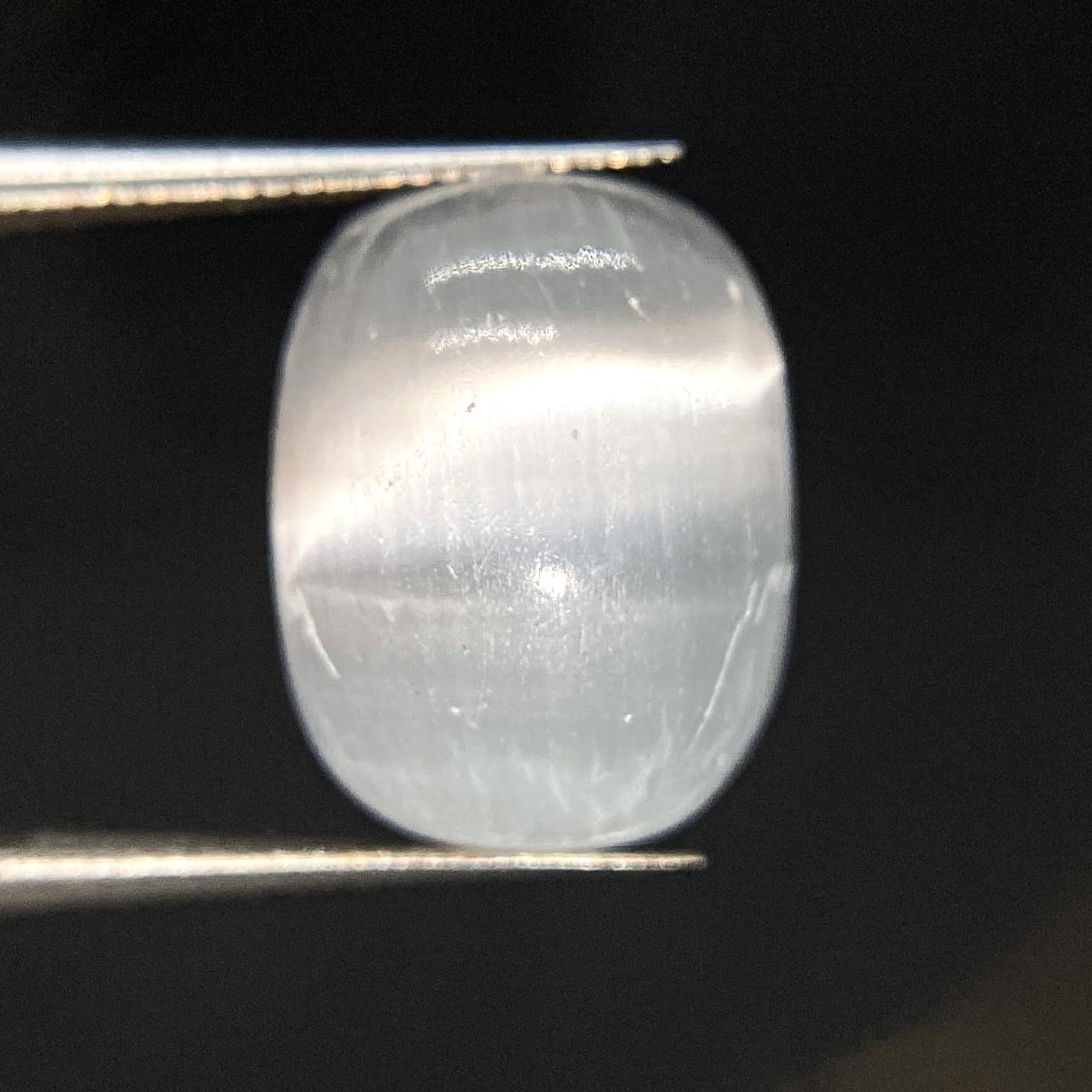
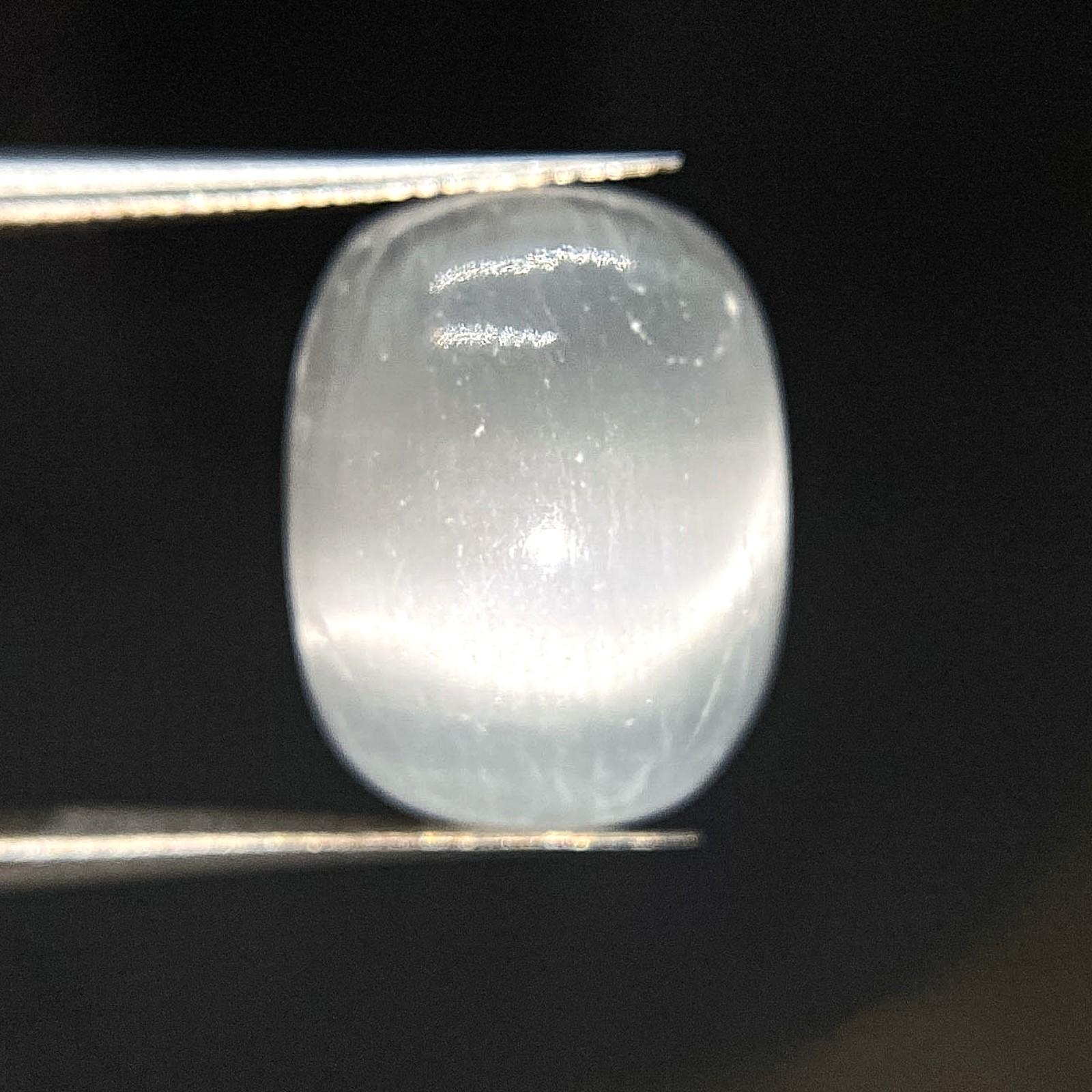
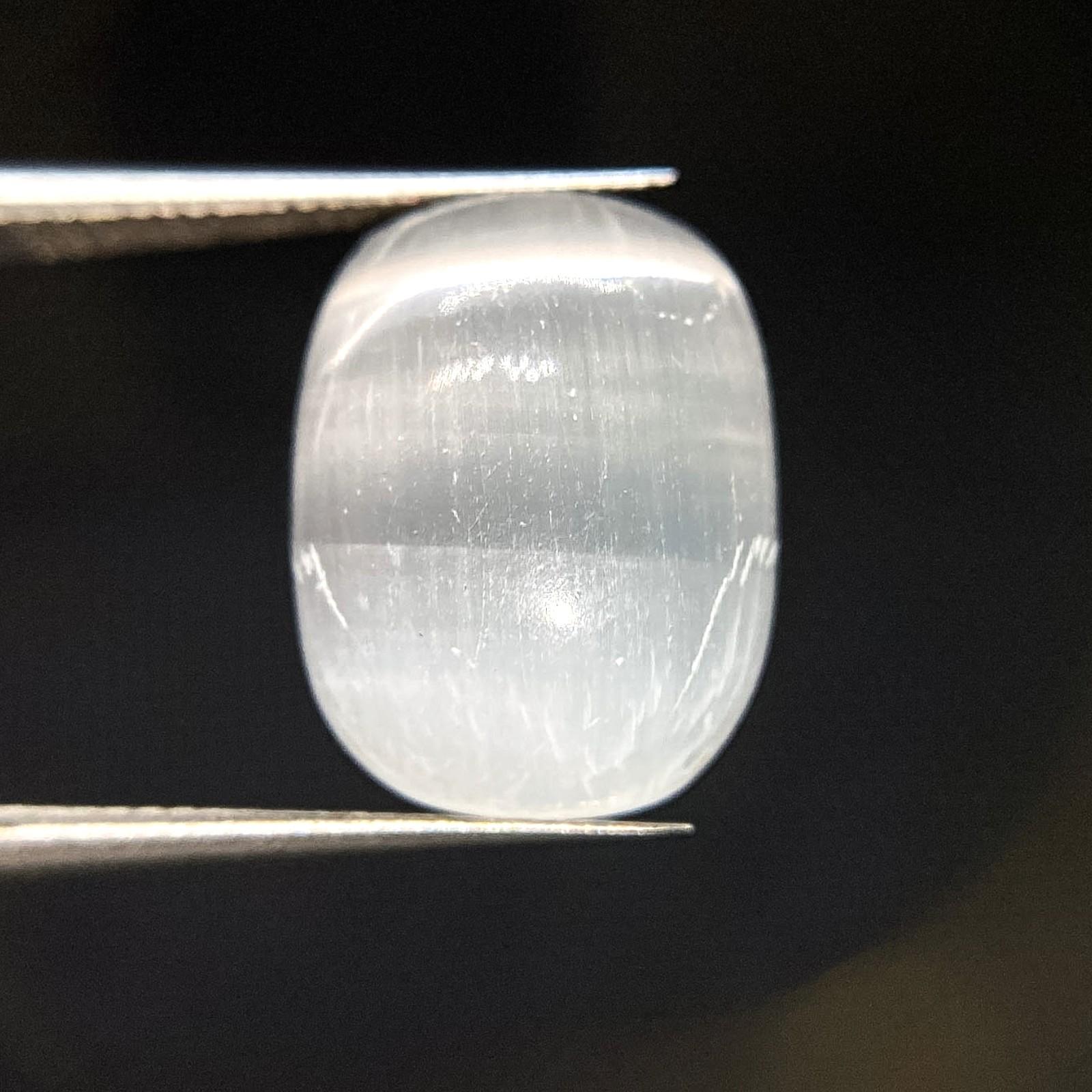
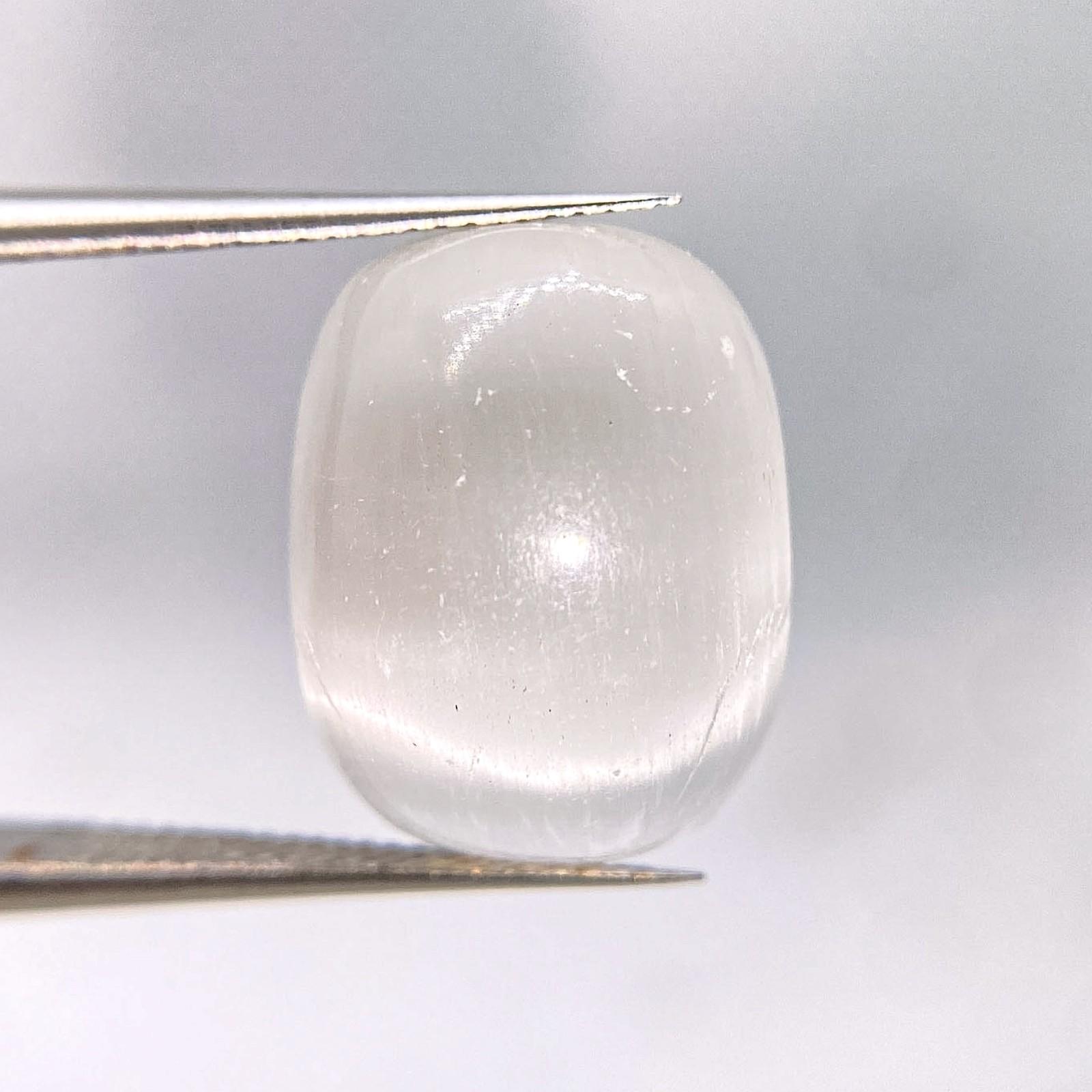
7.00 ct ULEXITE CATS EYE – USA
EXPERT VERIFIED
- Expert Verified Gemstone
- Fast Handling & Shipping
- Secure Vault Packaging
$ 120
Offer amount Feild


Smart Collector Choice


Pay with Crypto & Get 10% Automatic Discount

Availability: 1 in stock
Gemstone Details
Gem Variety:
Ulexite Cats Eye
Origin:
USA
Carat Weight:
7.00
Length (mm):
15.40
Width (mm):
11.80
Depth (mm):
5.50
Shape:
Cabochon
Color
White/Colorless
Treatment:
No Treatment
Certificate:
On Request
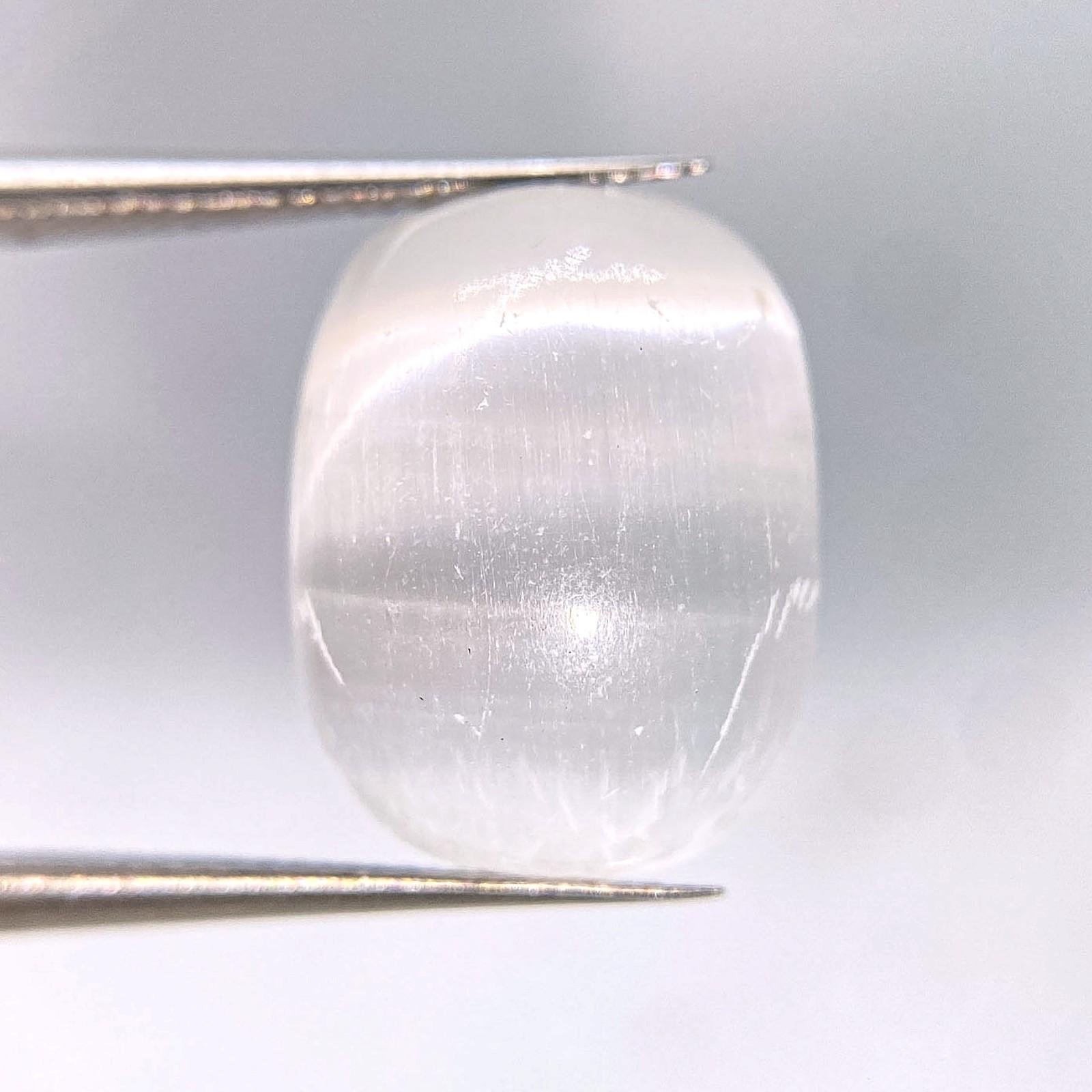
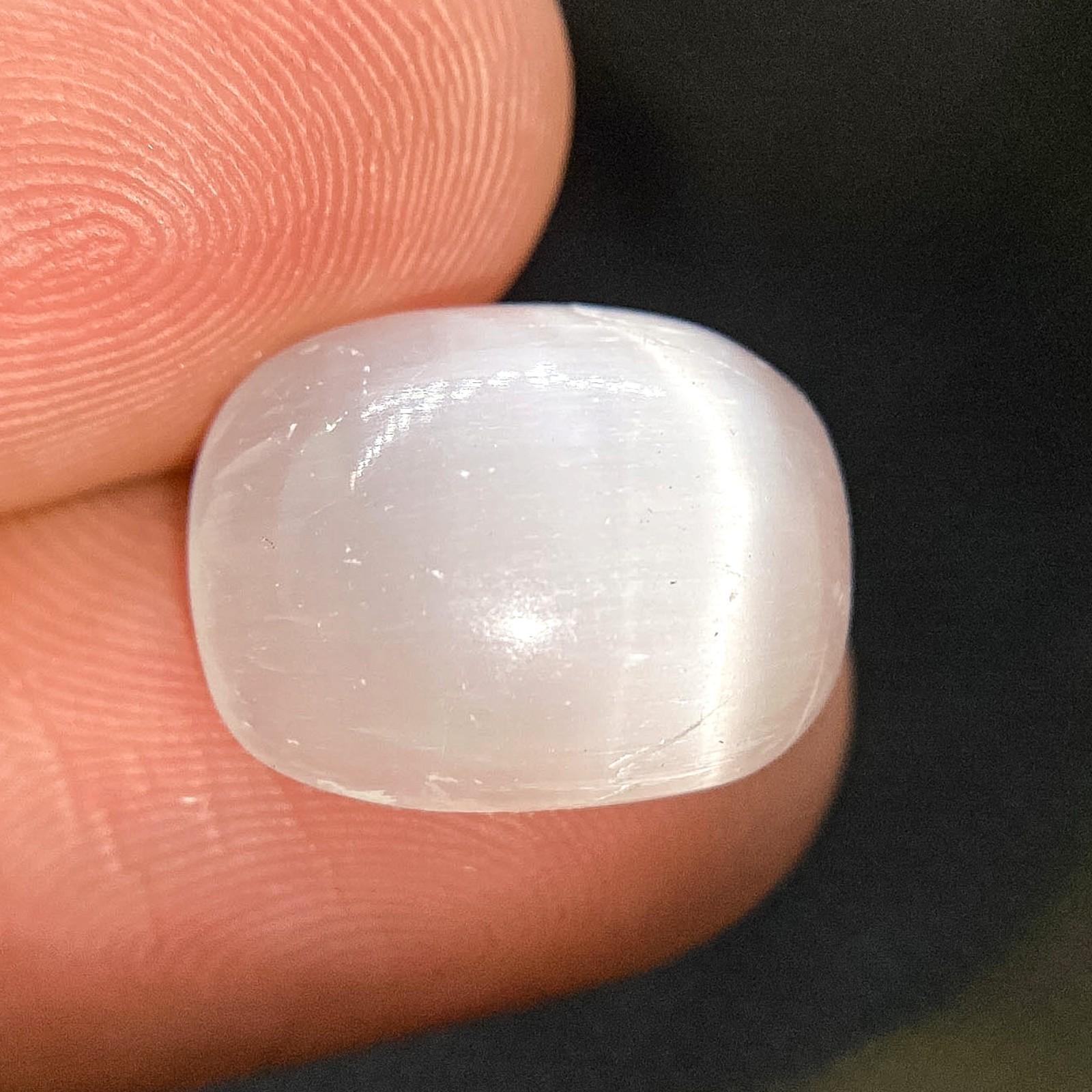
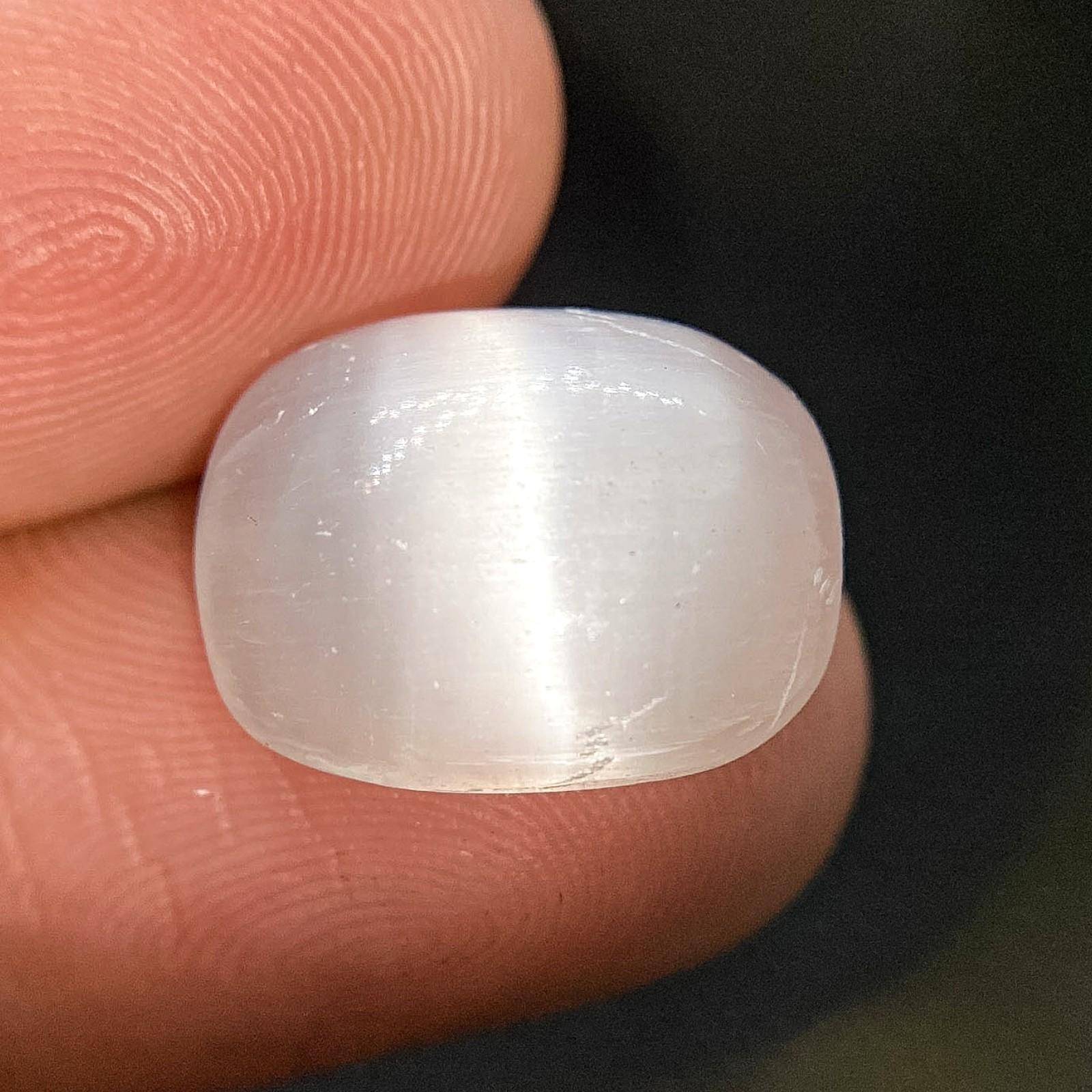


- Freakingcats Gemstone Database
Ulexite Cat’s Eye (USA)
Ulexite—celebrated worldwide under the evocative trade and lapidary name “Television Stone” or “TV Rock”—from the arid evaporite playas, borate marshes, and Tertiary lacustrine basins of the American West represents the undisputed international pinnacle of natural fibrous optical transmission and dynamic chatoyant phenomena. A hydrated sodium-calcium borate hydroxide, it is a mineral I have always respected for its “liquid-silk” to “frosted-moonlight” optical sheen and its status as nature’s premier, self-assembled fiber-optic network. For the specialist, a top-tier American Ulexite—whether presented as a sharply oriented, high-domed cabochon displaying a vivid, rolling “cat’s eye” band across its fibrous crest, a thick structural seam of parallel crystalline needles, or a museum-grade block transmitting crisp images from its base to its upper surface—is a prized trophy of low-temperature continental evaporative chemistry; it offers a bright silky to vitreous surface luster and a mesmerizing optical personality that makes it an indispensable borate cornerstone for the systematic vault. As an artist, I find the effortless projection of light through its dense, parallel crystalline channels—yielding a bright, razor-sharp chatoyant ribbon that glides fluidly across the stone under focused illumination—to be one of nature’s most sophisticated and visually captivating optical miracles.
The Heritage & Discovery
Historical Significance
Ulexite is an indispensable index species for decoding continental evaporite basin evolution, volcanic-hydrothermal borate influx, and closed-basin lacustrine sedimentation in arid extensional tectonic regimes. Historically named in 1840 by German mineralogist August Breithaupt in honor of the German chemist Georg Ludwig Ulex, who provided the first definitive chemical analysis of the species, ulexite long served as a vital industrial source of refined borax and boron compounds. Across North America, the discovery of monumental borate deposits in the desert regions of Nevada and California during the late 19th and early 20th centuries fueled frontier economies—immortalized in popular history by the famous “Twenty Mule Teams.” In modern systematic mineralogy and gemology, American ulexite holds an iconic status as the definitive global benchmark for natural light-pipe behavior and mineralogical chatoyancy.
Discovery
The unearthing of extensive, parallel-fibrous ulexite seams across the American Great Basin and Mojave Desert occurred during systematic exploration of dry lake beds and desert salt flats. Scientifically, Ulexite crystallizes in the triclinic system (space group P1), possessing a complex structural architecture consisting of isolated [B5O6(OH)6]3- pentaborate polyhedral groups cross-linked to edge-sharing chains of sodium and calcium coordination octahedra, surrounded by abundant structural water molecules. In the unique lacustrine environments of the American West, volcanic activity supplied immense volumes of boron-laden hydrothermal fluids to closed desert basins, where rapid, undisturbed evaporation fostered the growth of densely packed, perfectly parallel fibrous crystal bundles. These fibers act as natural optical waveguides: because the crystalline fibers possess an internal refractive index that is higher than the spaces and boundary layers between them, light entering one end experiences total internal reflection, traveling down the length of the fibers without escaping. When oriented and polished into a high-domed cabochon with the fibers running strictly parallel to the base, this precise arrangement causes ambient light to concentrate into a crisp, perpendicular line of chatoyancy—a true natural “cat’s eye.” My own respect for this material grew from analyzing its light-transmission mechanics under a direct light beam; specifically, observing a thick, polished block effortlessly transmit an underlying printed text to its upper surface while throwing a sharp, bright chatoyant eye across its polished curvature demonstrates an architectural order that is deeply satisfying to the trained eye.
Important Mines
The undisputed international capitals for collector-grade, optical and chatoyant ulexite within the United States are situated in the arid desert basins of California and Nevada. Preeminent among these is the world-famous Boron Open Pit Mine (U.S. Borax Mine) at Kramer, Kern County, California, internationally celebrated for yielding dense, structural seams of water-clear to snow-white fibrous ulexite of unmatched optical clarity. Equally historic are the legendary playa deposits of Death Valley in Inyo County, California, including the classic Furnace Creek and Cottonball Basin localities, where iconic “cotton ball” nodular aggregates and fibrous veinlets first captured national attention. In Nevada, the Columbus Marsh, Rhodes Marsh, and Fish Lake Valley in Esmeralda County have historically supplied exceptional, compact fibrous material ideal for lapidary cutting. For the systematic vault, I prioritize specimens that exhibit flawless, unbroken parallel fiber alignment, water-clear to snow-white optical transparency across the fiber axis, a sharp and centered chatoyant eye under direct light, and smooth, unbruised polished surfaces.
Mineralogical Profile
Description
Ulexite is a hydrated sodium calcium pentaborate hydroxide mineral that crystallizes in the triclinic system (pinacoidal class). It sits at a delicate 2.5 on the Mohs scale, meaning its fibrous crystal faces are soft and can be scratched by a copper coin or firm fingernail, possessing brittle-to-flexible tenacity along its fibers, perfect cleavage parallel to {010}, and distinct cleavage parallel to {110}, requiring dedicated archival care to protect its polished domes, fiber ends, and seam margins from physical pressure, abrasive contact, or prolonged immersion in water, which can gradually dull its surface luster. It is characterized by its bright silky surface luster transitioning to a vitreous sheen across cut and polished ends, and an ethereal, luminous color palette dominated by snow-white, silky cream-white, water-clear, pale silvery-gray, and translucent ice-white.
One of its most identifying traits is its parallel-fibrous habit, routinely forming compact veins, dense cross-fiber ribbons, lens-shaped nodules (“cotton balls”), and fibrous masses composed of millions of tightly packed, needle-like triclinic prisms aligned perpendicular to vein walls. It possesses a moderate refractive index running from approximately 1.491 to 1.520, which establishes the necessary internal refractive gradient for total internal light reflection along its structural axes, paired with a very light average specific gravity of approximately 1.95 to 1.96 that directly reflects its hydrous, low-density borate architecture (containing over 35% bound H2O by weight). Because it forms through the evaporation of boron-rich waters in closed saline lakes and desert playa muds, it is commonly found in close association with Borax, Colemanite, Kernite, Inyoite, Probertite, Halite, Gypsum (Selenite), Calcite, and Glauberite. When I select an example for documentation, I look for tight, uninterrupted fiber parallelism, exceptional image-transmitting clarity through the fiber length, and a razor-sharp, dynamic chatoyant line gliding across the polished surface, as these emphasize the sophisticated, evaporative chemistry of the mineral’s dramatic desert birth.
Chemical Formula
NaCaB5O6(OH)6 · 5H2O


