

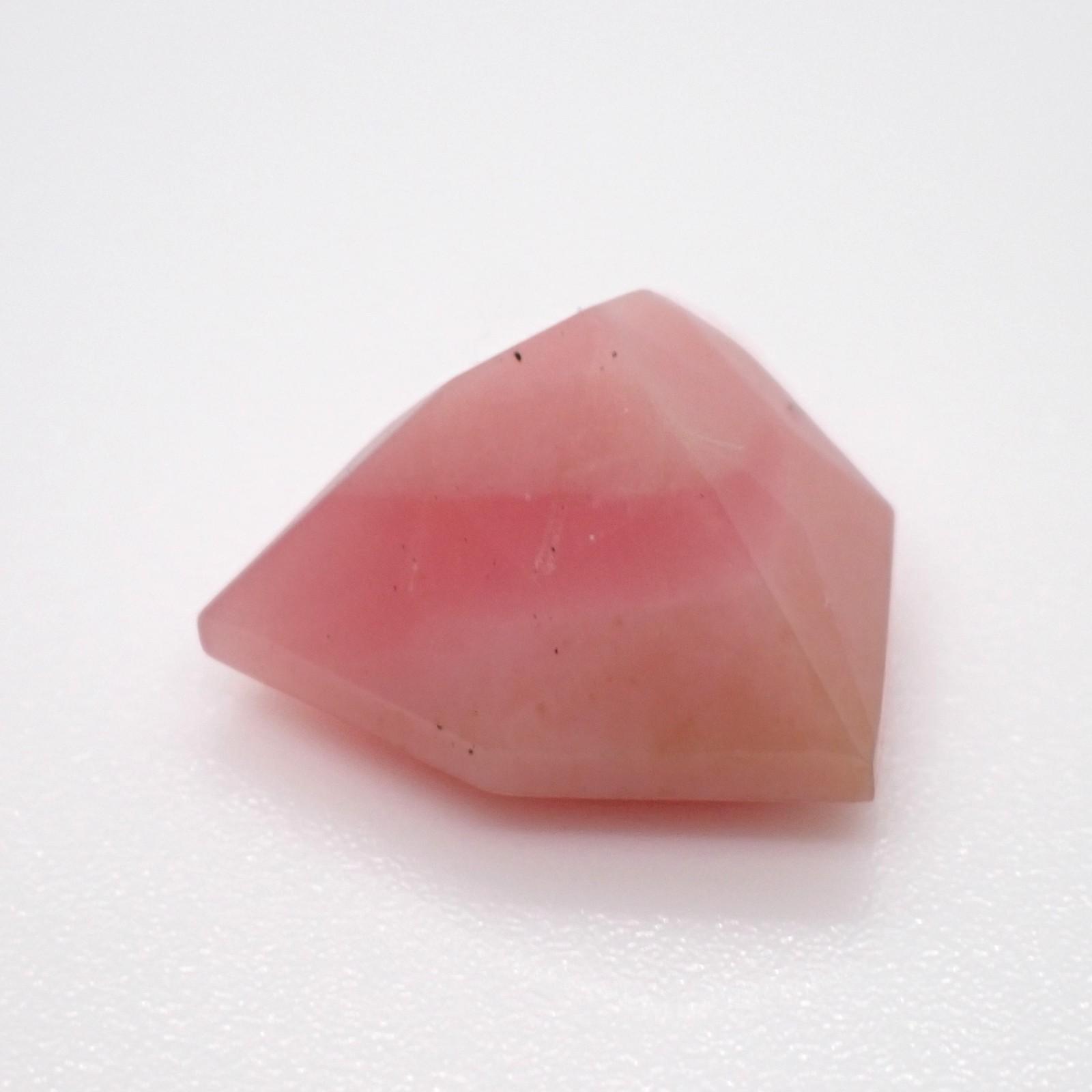
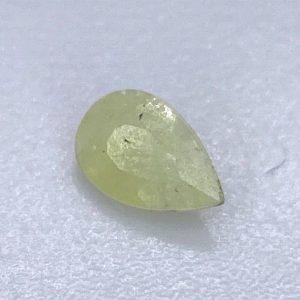
3.96 ct BUSTAMITE – SOUTH AFRICA
EXPERT VERIFIED
- Expert Verified Gemstone
- Fast Handling & Shipping
- Secure Vault Packaging
$ 200 Original price was: $ 200.$ 120Current price is: $ 120.
Offer amount Feild


Smart Collector Choice


Pay with Crypto & Get 10% Automatic Discount

Availability: 1 in stock
Gemstone Details
Gem Variety:
Bustamite
Origin:
South Africa
Carat Weight:
3.96
Length (mm):
10.6
Width (mm):
10.5
Depth (mm):
6.2
Shape:
Trillion
Color
Multicolor
Treatment:
No Treatment
Certificate:
On Request
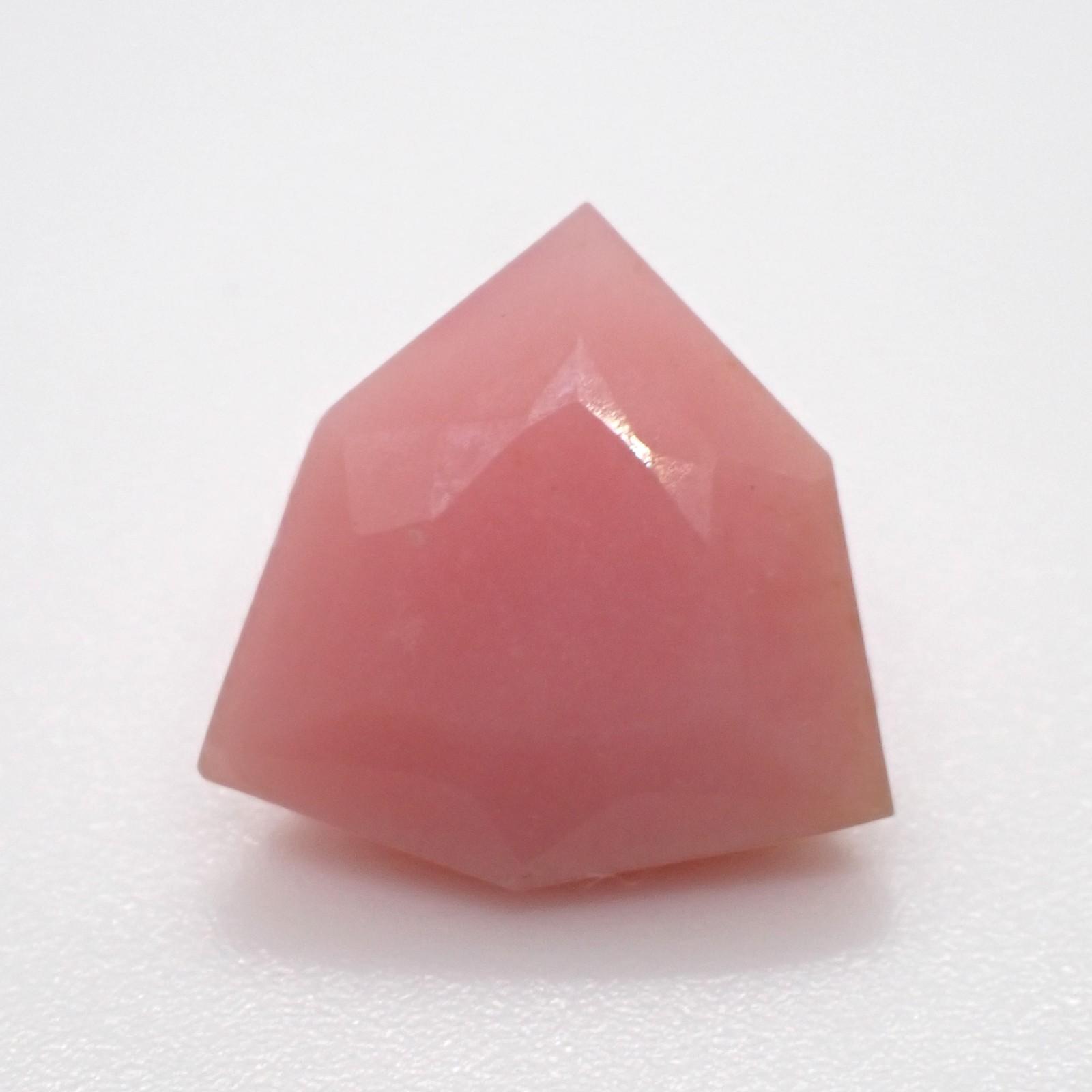
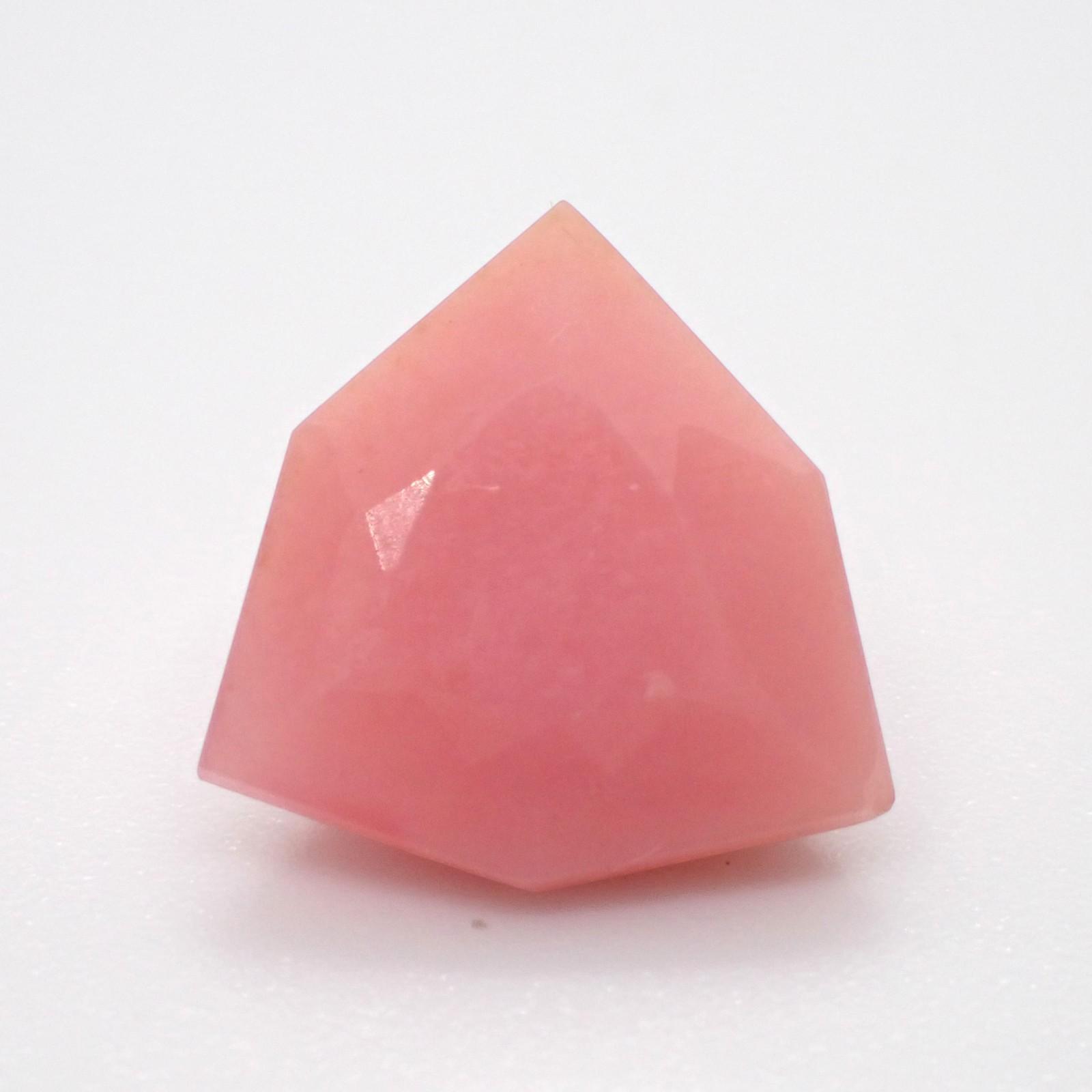
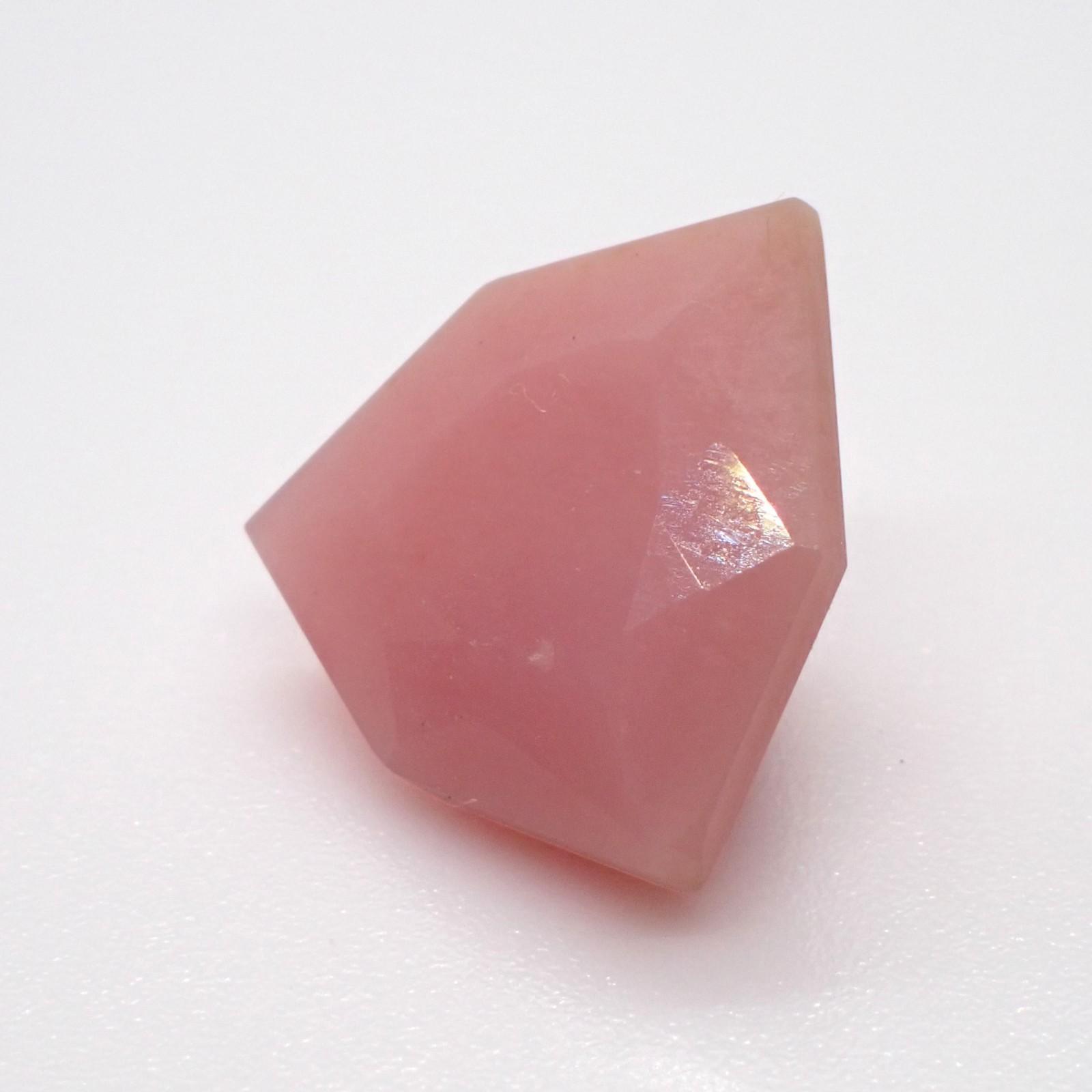
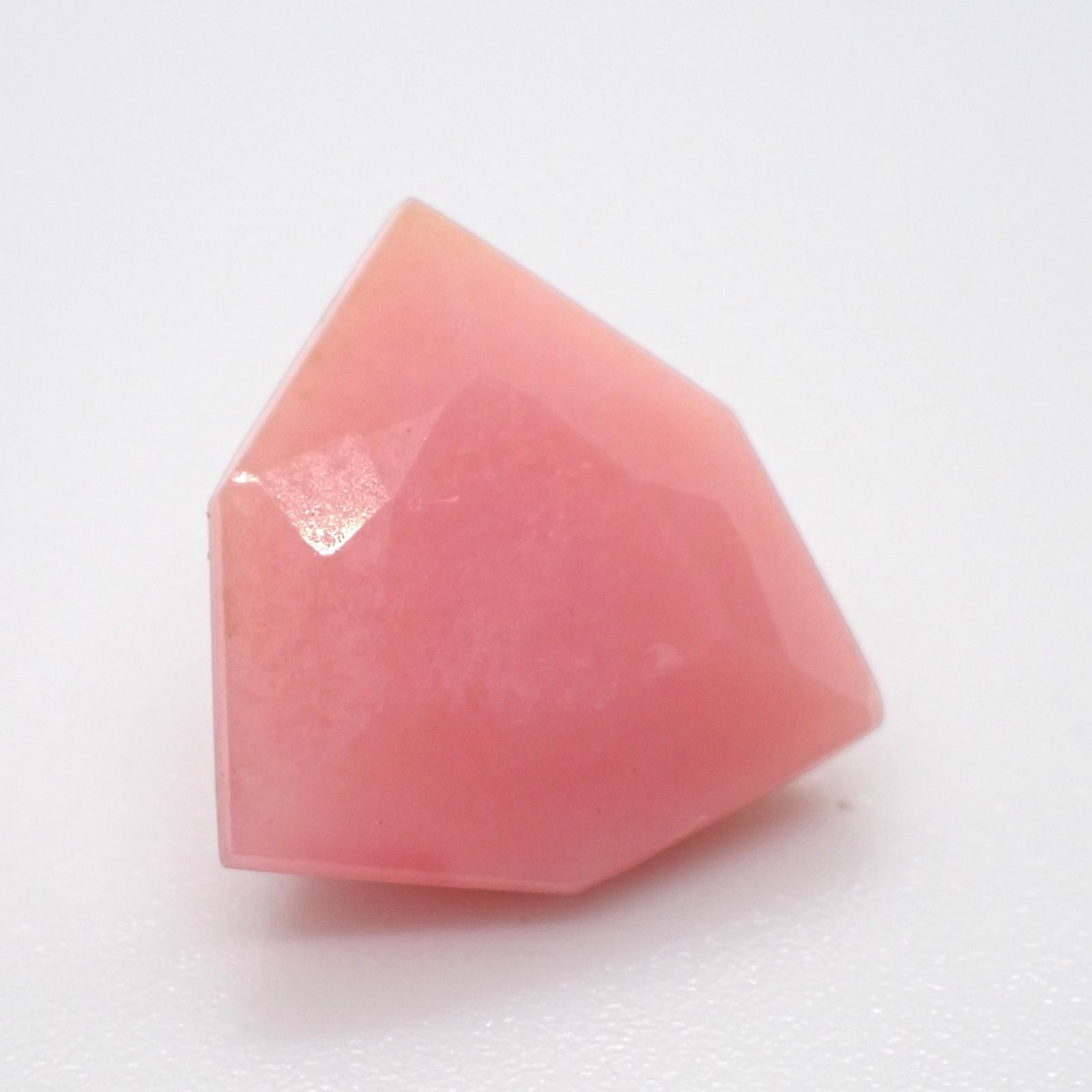


- Freakingcats Gemstone Database
Bustamite Bustamite is a gemstone that captures the warm, fading light of a sunset. A manganese calcium silicate, it is a close relative of Rhodonite, but with a personality all its own. I have always been drawn to its sophisticated "flesh-pink" to brownish-red hues, which possess a certain translucency that feels more "glowy" than the often-opaque Rhodonite. It typically forms in manganese-rich metamorphic environments, and while it is relatively rare in gem quality, a well-faceted Bustamite is a marvel of soft, vitreous luster. It is a stone of subtle transitions and structural elegance, representing the perfect chemical balance between calcium and manganese. For the collector, it offers a refined alternative to the more common pink minerals, standing as a testament to the beauty found in the Earth's deep, silicate-rich veins. The Heritage & Discovery Historical Significance: Bustamite is a key mineral for understanding the high-grade metamorphism of manganese deposits. Historically, it was often confused with other pink silicates until its distinct triclinic structure was fully mapped. It represents a specific "pressure-cooker" environment where calcium is integrated into the manganese chain. In the world of fine minerals, it is celebrated for its attractive "acicular" or fibrous habits, standing as a favorite for those who collect the rare species of the Kalahari or the great zinc mines of North America. It serves as a sophisticated bridge between the common rock-formers and the elite world of rare collector gems. Discovery: The mineral was first described in 1826 and was named in honor of Anastasio Bustamante (1780–1853), a Mexican physician and politician who served as the President of Mexico. It was originally discovered at Real de Minas, Morelos, Mexico. While the original material was later found to be a mixture, the name was retained for the true calcium-manganese silicate species we recognize today. Its discovery helped mineralogists define the complex solid-solution series that exists between wollastonite and rhodonite. Important Mines: While it was discovered in Mexico, the most legendary source for world-class, gem-quality crystals is the N'Chwaning Mines in the Kalahari Manganese Field, South Africa. These mines produce the most spectacular, transparent "cherry-pink" crystals ever seen. I also have a high regard for the historic material from the Franklin Mine in New Jersey, USA, and the Broken Hill district in Australia. For the vault, I prioritize the N'Chwaning material for its unparalleled transparency and the Franklin specimens for their unique association with other rare fluorescent minerals. Mineralogical Profile Description: Bustamite is a manganese calcium silicate that crystallizes in the triclinic system. It sits at a 5.5 to 6.5 on the Mohs scale, making it a relatively durable mineral that takes a beautiful polish. It is characterized by its vitreous (glassy) to pearly luster and its range of pink, rose-red, and brownish-pink colors. One of its most identifying traits is its habit and cleavage—it often forms as fibrous, radiating masses or bladed crystals, and it features three directions of perfect cleavage. It has a moderate refractive index ($n \approx 1.64$ to $1.71$), which provides a soft, warm brilliance when light passes through its translucent interior. Because it is a manganese mineral, it can show a weak, deep-red fluorescence under certain conditions, though its daylight color is its primary draw. When I facet or work with Bustamite, I am careful to manage the cleavage planes to ensure the final stone retains its structural integrity while maximizing that legendary "sunset" glow. It is a dense, elegant mineral that remains a standout for any specialist in manganese species. Chemical Formula: (Mn,Ca)3Si3O9
Related products
- Sale!Suggest a Price
![7.06 ct ANHYDRITE - PERU]()
- Sale!Suggest a Price
![2.52 ct AMAZONITE - USA]()
- Sale!Suggest a Price
![5.85 ct AERINITE - SPAIN]()
- Sale!Suggest a Price
![0.31 ct ADAMITE - MEXICO]()


