

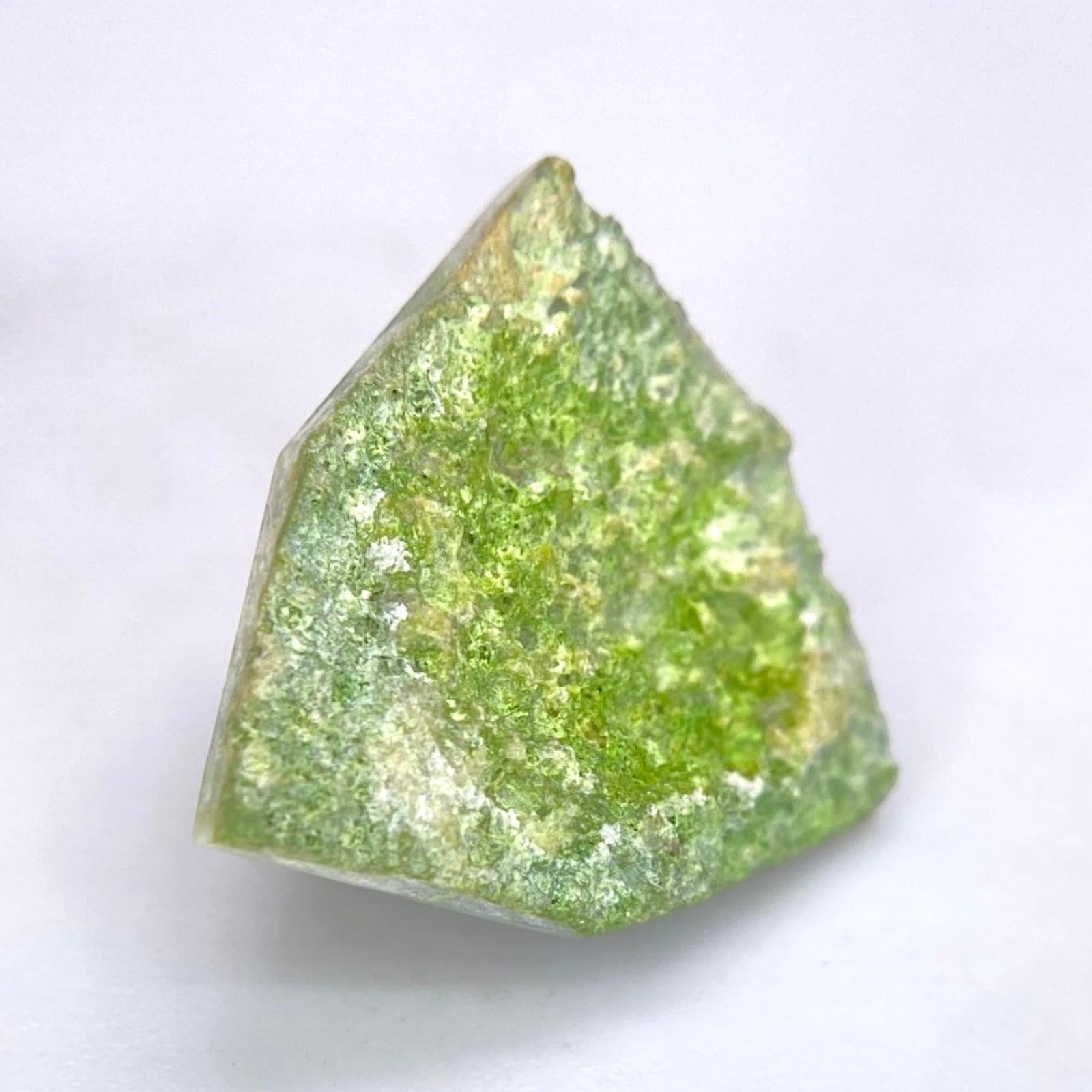
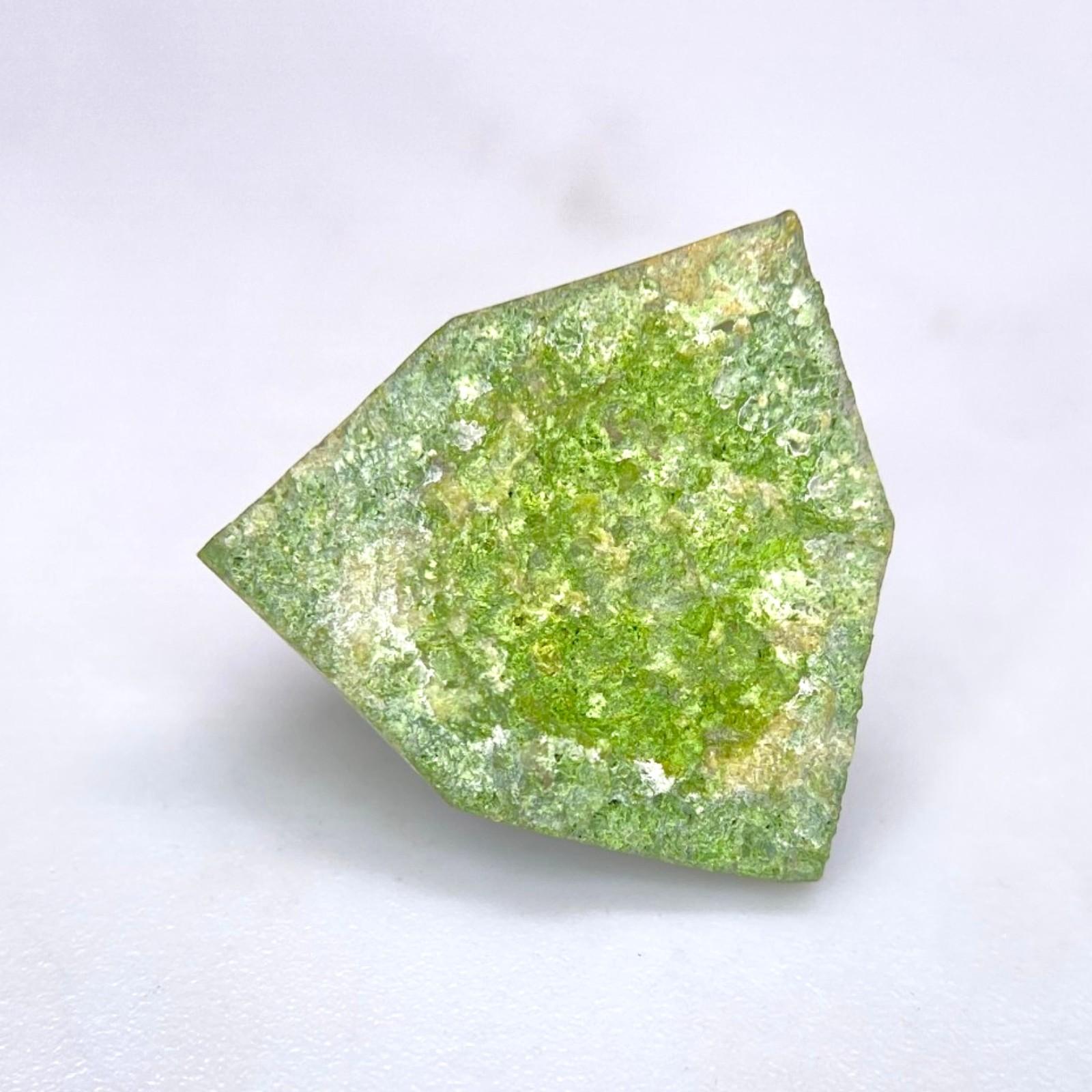
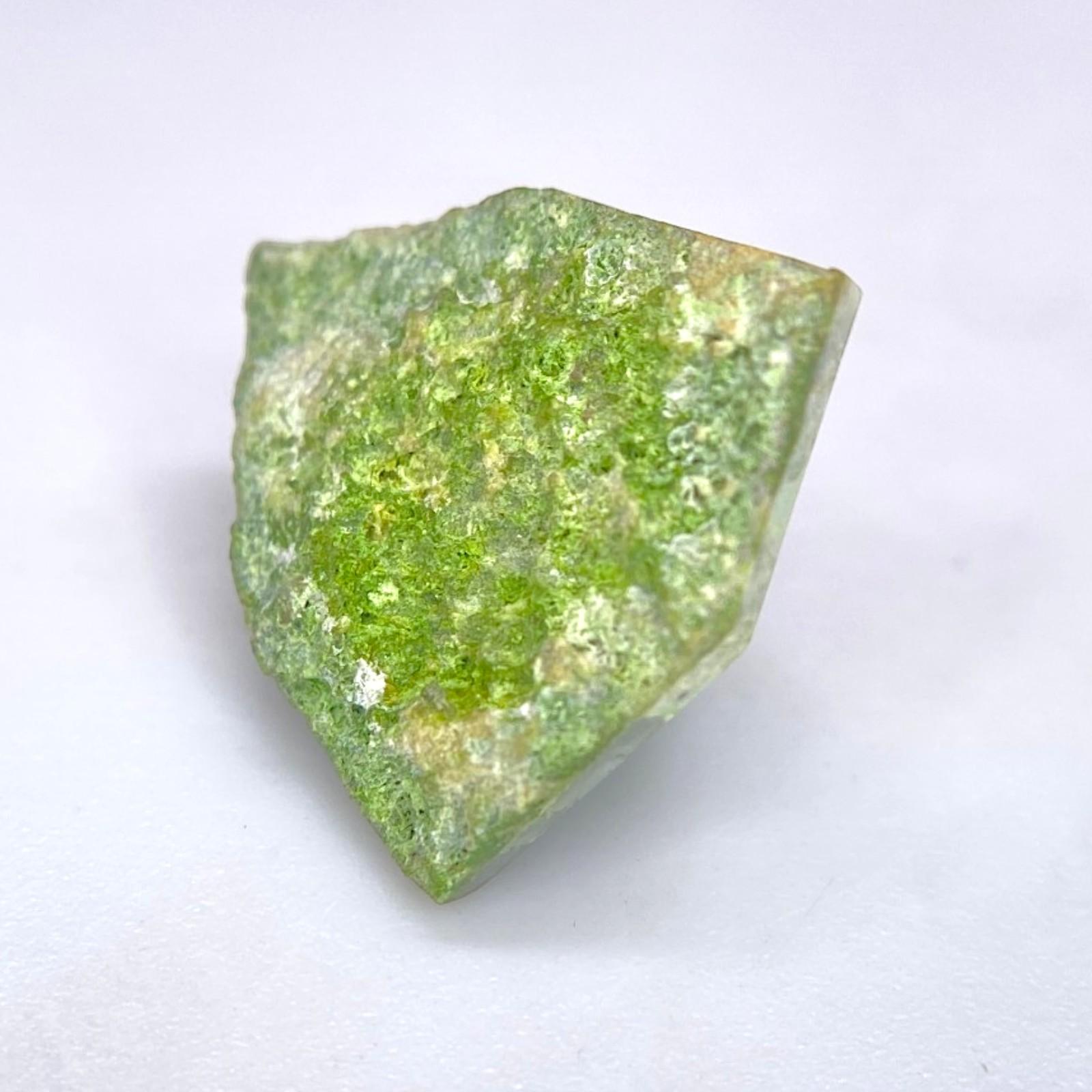
9.00 ct GASPEITE – CANADA
EXPERT VERIFIED
- Expert Verified Gemstone
- Fast Handling & Shipping
- Secure Vault Packaging
$ 150 Original price was: $ 150.$ 90Current price is: $ 90.
Offer amount Feild


Smart Collector Choice


Pay with Crypto & Get 10% Automatic Discount

Availability: 1 in stock
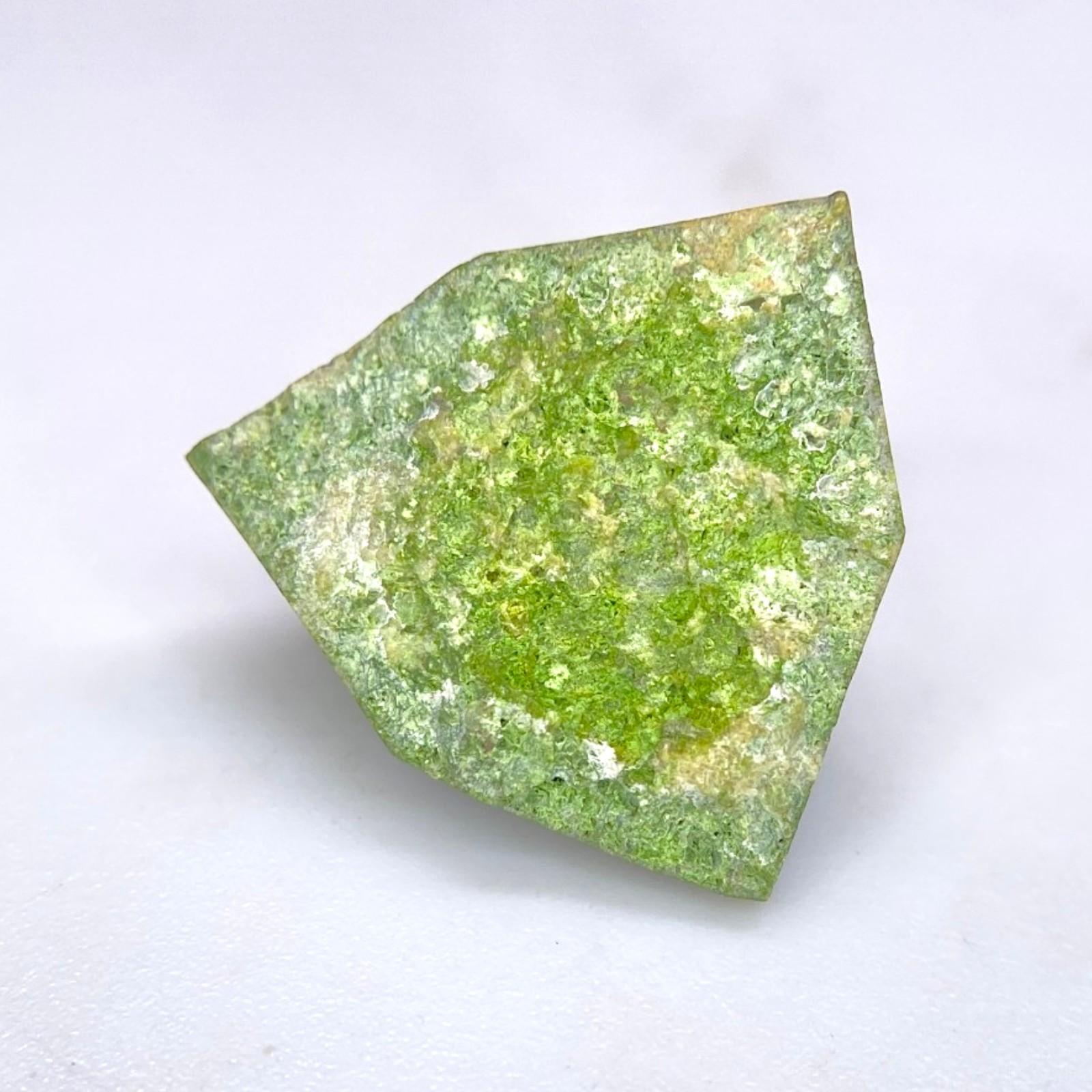
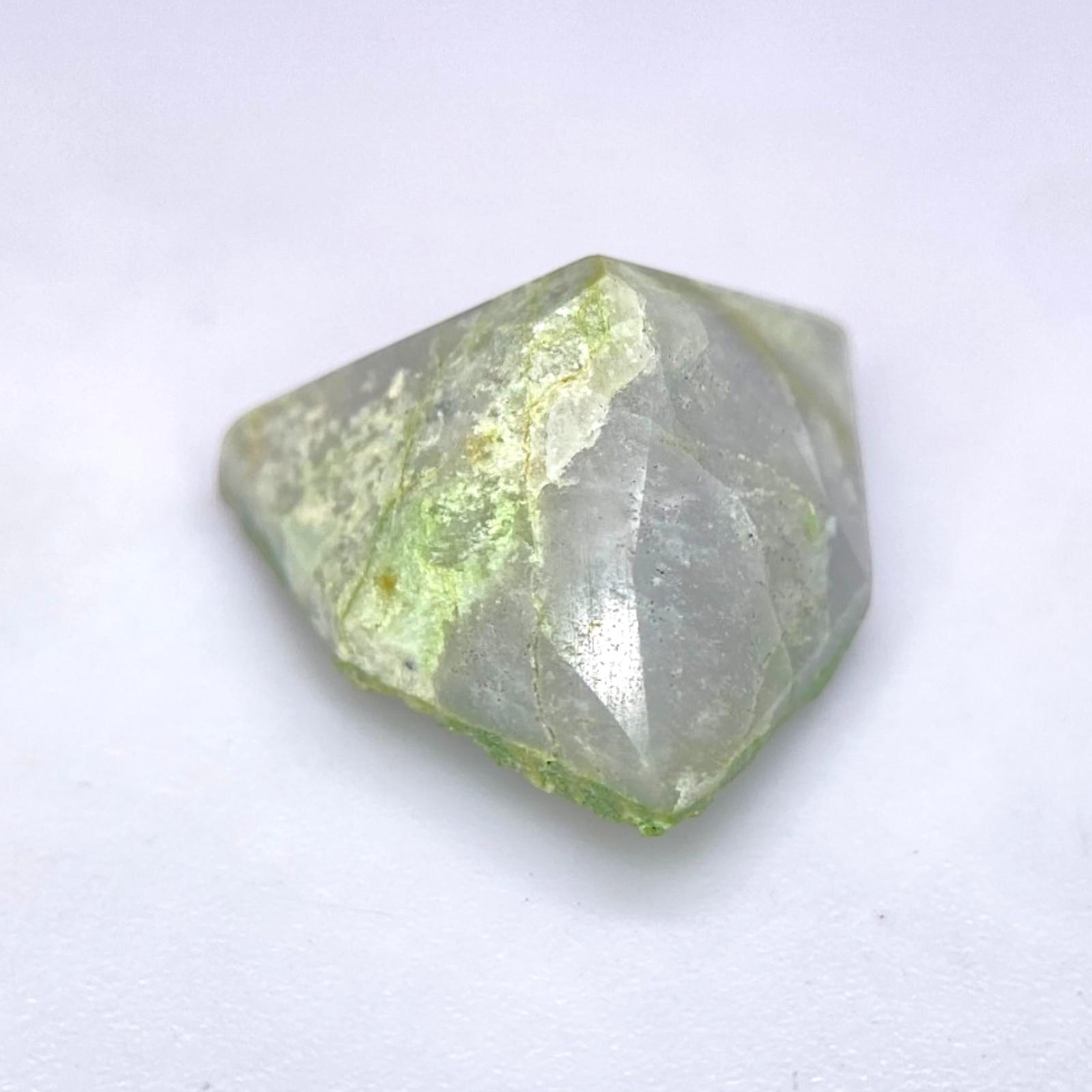
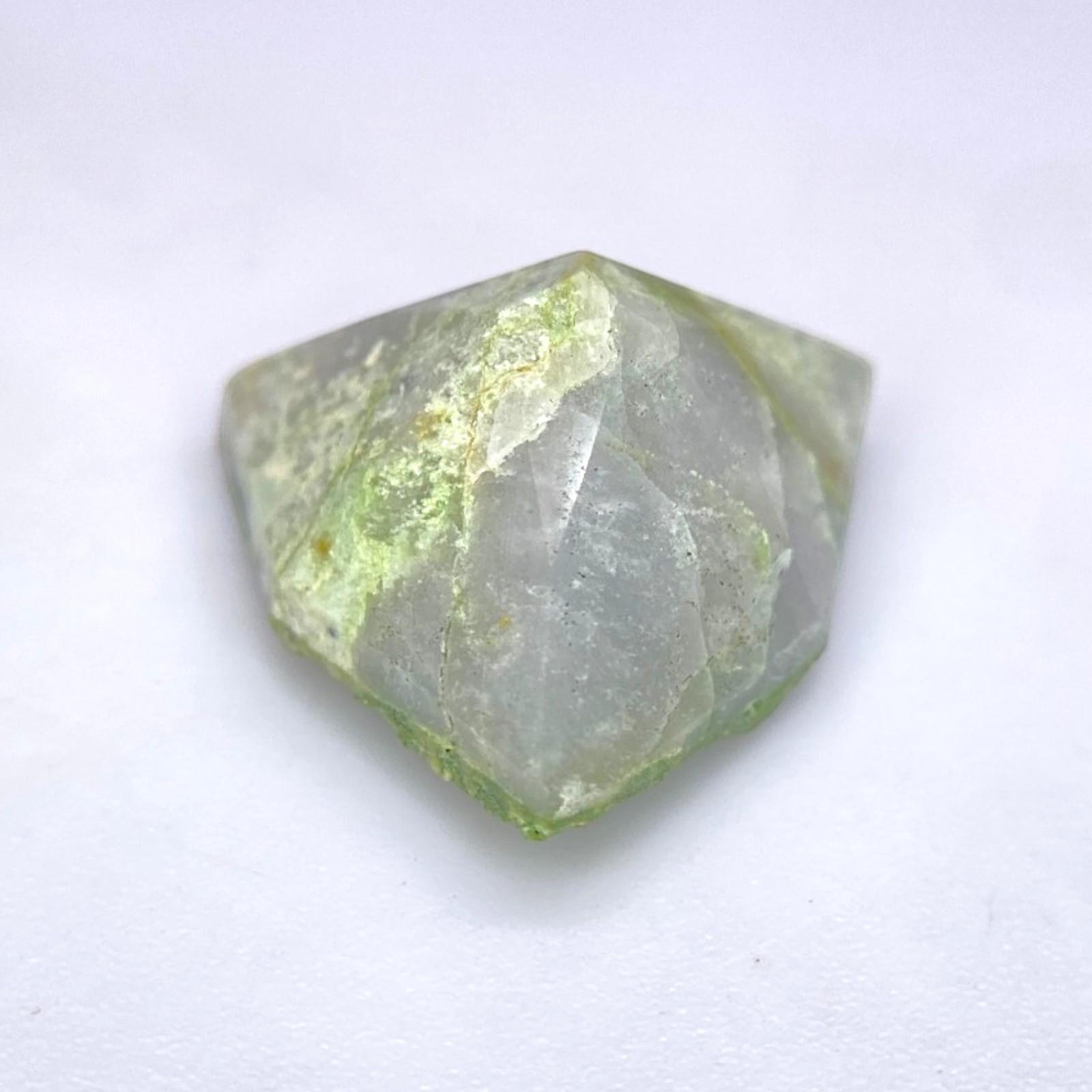
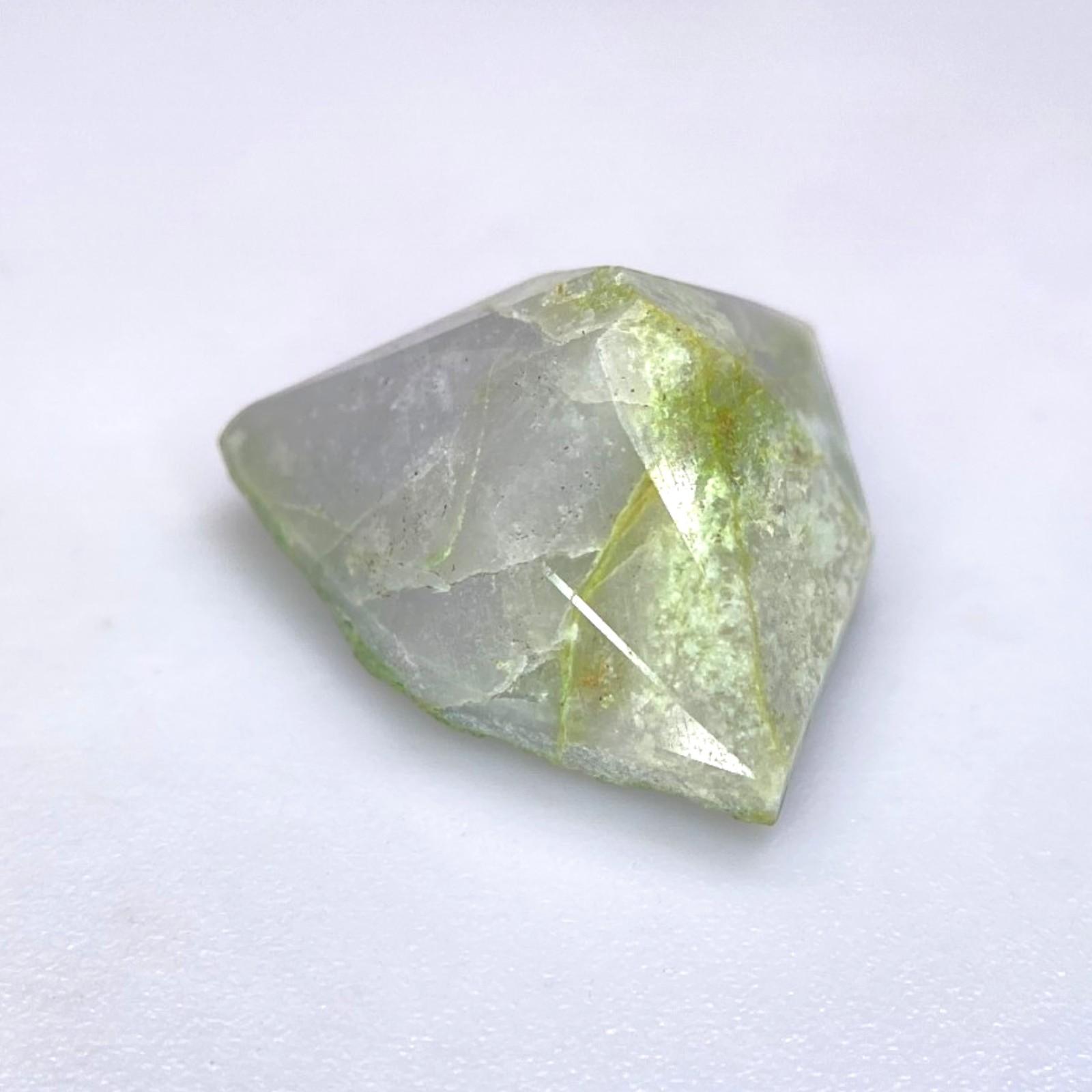


- Freakingcats Gemstone Database
Gaspéite
Gaspéite is a gemstone that screams for attention with its vivid, almost “radioactive” apple-green hue. A rare nickel carbonate, it is one of those minerals that collectors instantly recognize across a room. I have always been fascinated by its “citrusy” energy; it is a secondary mineral, often forming as an alteration of nickel-rich ores in dry environments. While it is almost always opaque, I have worked with the highest-grade material—often featuring beautiful chocolate-brown matrix veins of Siderite—to create cabochons that are as striking as any high-end turquoise. It is a stone for the bold, representing the exotic nickel chemistry that occurs when the Earth’s metal-rich veins meet the oxygen of the surface world.
The Heritage & Discovery
Historical Significance: Gaspéite is a relatively new arrival to the gemstone world. Historically, it was a mineralogical rarity known only to a few specialists. However, in the late 20th century, it gained massive popularity in the American Southwest, where it was adopted by Navajo and Zuni jewelers as a vibrant, green alternative to turquoise in traditional “inlay” jewelry. It represents the transformation of a rare nickel ore into a globally recognized decorative stone. In the world of fine minerals, it is prized for its unique “neon” color, standing as the definitive nickel-based carbonate and a hallmark of specialized metal-rich deposits.
Discovery: The mineral was first discovered in 1966 on the Gaspé Peninsula in Quebec, Canada, which gives the stone its name. It was found in a small nickel-copper deposit, and while the Canadian material was the first to be described, it was the later Australian discoveries that truly brought the stone to the attention of the lapidary world. Its scientific classification as a member of the Calcite group explains its crisp, crystalline structure and its characteristic reaction to acids.
Important Mines: While the type-locality is in Quebec, Canada, the most significant and world-famous source for gem-quality Gaspéite is the Widgiemooltha area in Western Australia. These Australian nickel mines produce the thick, solid “pods” of bright green material that are the gold standard for collectors. I also have a high regard for material from Greece (Lavrion), though it is rarely of gem size. I prioritize the Western Australian material for the vault, as its saturation and “apple-green” vibrancy are currently unmatched by any other locality.
Mineralogical Profile
Description: Gaspéite is a nickel magnesium iron carbonate and a member of the Calcite group, crystallizing in the trigonal system. It sits at a 4.5 to 5 on the Mohs scale, making it a relatively soft stone that should be treated with care, similar to Turquoise or Rhodochrosite. It is characterized by its dull to vitreous luster and its unmistakable light green to bright apple-green color.
One of its most identifying traits is its reaction to dilute hydrochloric acid, which causes it to effervesce (fizz) due to its carbonate nature. It often contains inclusions of dark brown Siderite, which provide a beautiful “earthy” contrast to the neon green. Because it is a nickel-based mineral, it is quite dense for a carbonate (3.7 g/cm³). When polished, it takes a smooth, slightly waxy finish that feels wonderful to the touch. It is a stable, vibrant mineral that brings a unique, metallic-driven color to any collection of rare ornamental stones.
Chemical Formula: (Ni,Mg,Fe2+)CO3
Related products
- Sale!Suggest a Price
![2.52 ct AMAZONITE - USA]()
- Sale!Suggest a Price
![0.28 ct ADAMITE - MEXICO]()
- Sale!Suggest a Price
![5.85 ct AERINITE - SPAIN]()
- Sale!
![0.32 ct ADAMITE - MEXICO]()


